What Texas Law Says About Dog Custody After Divorce Or Separation
If you share your home and heart with a dog, a divorce or separation raises one big question: who keeps the pup? Texas handles that question differently than many owners expect, and knowing the rules ahead of time takes a lot of the worry out of it.
Think of this as a friendly walkthrough from someone who has read the fine print. Here is what every Texas dog owner should understand before those conversations begin.
1. Your Dog Is Property in the Eyes of Texas Courts

Legally speaking, Texas places dogs in the same category as cars, furniture, and bank accounts. Courts call this personal property.
That classification feels strange for anyone who saves the last bite of dinner for their pup. Still, it shapes every decision a judge makes.
Knowing this early helps you focus on ownership proof instead of emotional arguments. Gather paperwork, stay calm, and understand that property rules will guide the outcome of your case.
2. No Best Interests Standard Applies to Pets

Parents in Texas custody cases hear the phrase best interests of the child constantly. Dogs do not get that same test.
A judge will not weigh who walks the dog more, who cuddles longer, or whose yard is bigger. Those details simply are not the legal question.
Instead, the court asks one thing: who owns this animal under property law? Understanding that difference saves time, money, and a great deal of frustration.
3. Texas Skips Legal Separation Entirely

Some states let couples file for legal separation. Texas does not offer that status at all.
You are either married or divorced, with nothing official in between. Moving into separate homes changes your daily life, but it does not change property classification.
So a dog adopted while you live apart, but before the divorce is final, may still count as community property. Keep that timing in mind before bringing home a new companion.
4. The Dog You Had Before the Wedding Usually Stays Yours
Bringing a dog into a marriage generally keeps that dog in your separate property column. Ownership began before the vows, so the marriage did not create a shared claim.
Adoption papers dated before the wedding are gold here. So are old vet invoices and dated photos.
One practical tip: store those records somewhere outside the family filing cabinet. Having your own copy makes proving pre-marriage ownership far simpler later on.
5. Gifted and Inherited Dogs Can Belong to One Spouse

Picture a birthday puppy given specifically to you by a relative. Even mid-marriage, that dog can remain your separate property.
The same holds true for a dog you inherit. Texas treats individual gifts and inheritances differently from things the couple buys together.
Proof matters, though. A card, a text message, or a witness who remembers the occasion can support your claim that the gift was meant for you alone.
6. Adopted During the Marriage? Expect a Community Property Presumption
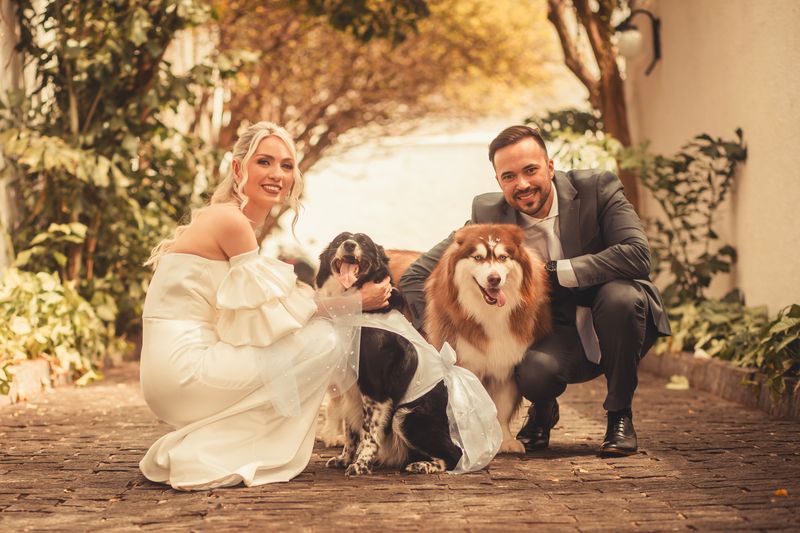
Most family dogs join the household after the wedding. Texas presumes those animals are community property, owned by both spouses.
Whose name sits on the shelter paperwork does not automatically settle it. The timing of the adoption drives the presumption.
That means the dog becomes part of the marital estate a judge must divide. Expect the animal to appear on the property inventory alongside vehicles, savings, and household goods.
7. Clear and Convincing Evidence Is the Bar for Separate Ownership
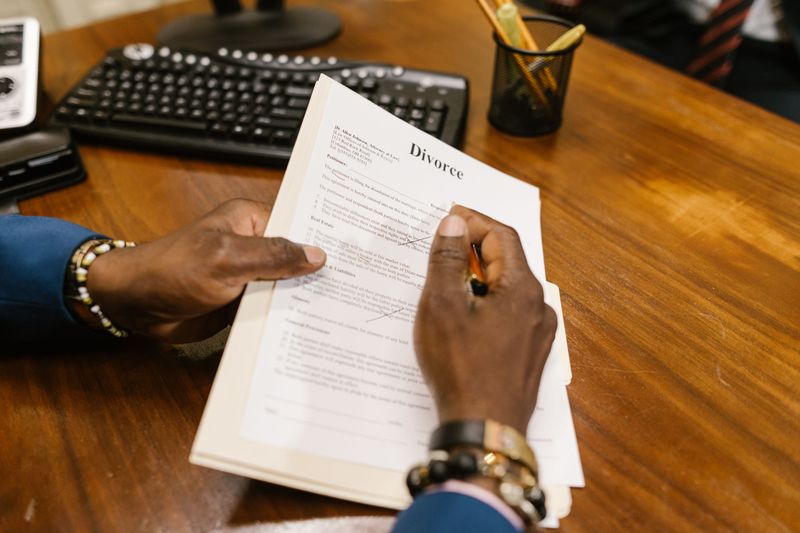
Claiming a dog as separate property puts the burden squarely on you. Texas requires clear and convincing evidence, a noticeably high standard.
Vague memories rarely satisfy it. Dated documents, receipts, and consistent records do much better.
Start a simple folder now: adoption contract, microchip registration, vet bills, and purchase payments. Owners who organize early tend to feel far more confident when the conversation turns to paperwork.
8. Proven Separate Property Cannot Be Handed to the Other Spouse

Here is reassuring news for anyone worried about losing a long-loved companion. Once separate ownership is proven, a Texas court generally cannot give that dog to the other spouse.
Judges divide community property, not separate property. The classification protects your claim.
Of course, everything depends on the evidence you present. Strong records do more than support your position: they keep the question from becoming a drawn-out dispute in the first place.
9. A Shared Dog May Be Awarded to Just One Person
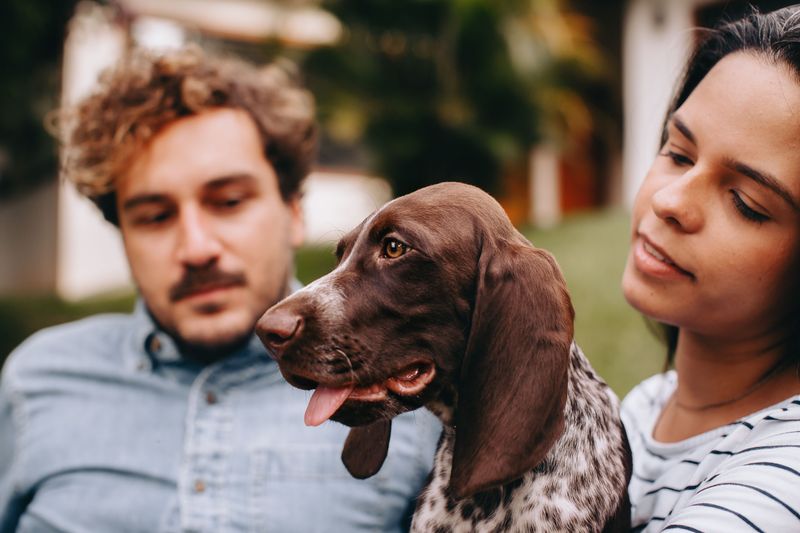
When a dog counts as community property, the court decides where the animal lands. Typically, one spouse receives the dog in the final decree.
Judges consider the overall property picture, including who has been the primary caregiver and who has suitable housing.
Negotiating this point privately often works better than leaving it to chance. Couples who reach their own agreement usually feel more settled about the arrangement afterward.
10. Just and Right Division Does Not Mean an Even Split
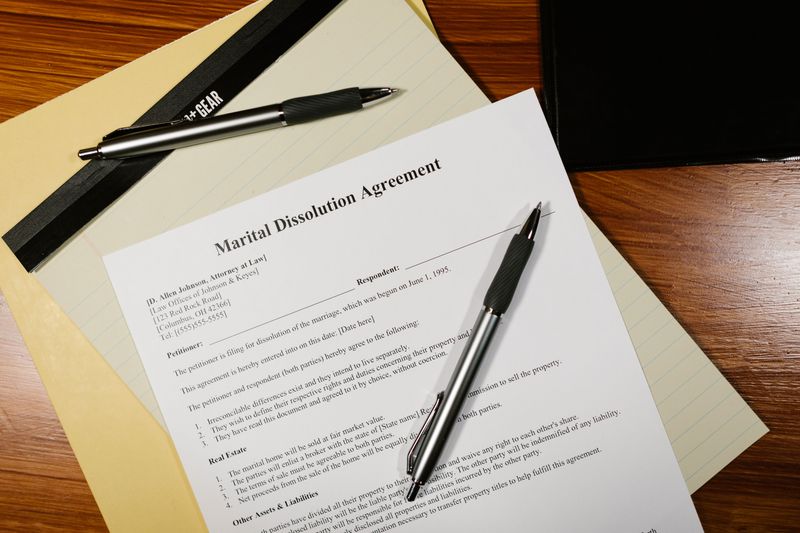
Texas law asks judges to divide community property in a just and right manner. Notice the wording: nothing requires a straight fifty-fifty result.
Courts may weigh earning ability, fault in the breakup, and each spouse’s needs. The whole estate gets balanced together.
Your dog fits into that bigger math. Someone might keep the pup while the other spouse receives a larger share of another asset.
11. One Dog, One Home: Physical Division Is Impossible
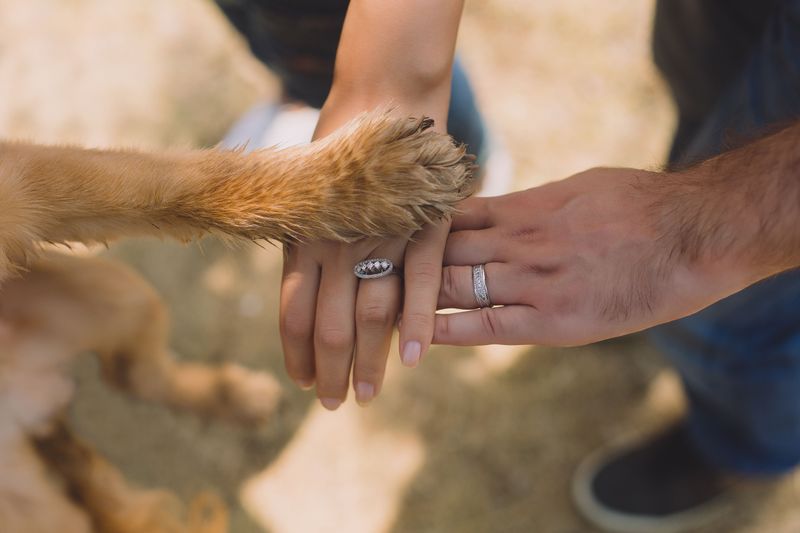
A savings account splits neatly. A dog does not.
Because of that reality, Texas courts hand possession to one person and write it into the divorce decree. There is no halfway option on paper.
Families who want continued contact usually build that into a private agreement instead. Planning for the practical side, like where the crate and food bowls go, helps the transition feel smoother for everyone.
12. Prenuptial Agreements Can Name the Dog’s Future Owner
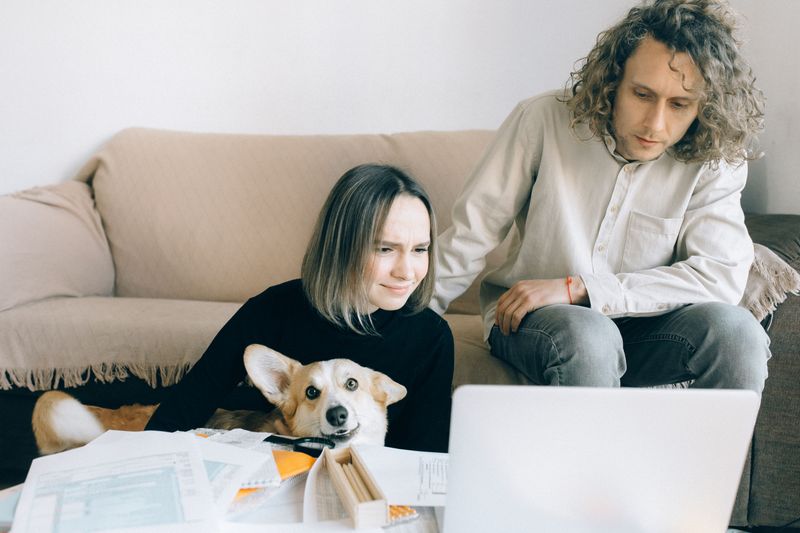
Romantic? Not exactly.
Practical? Absolutely.
Texas allows prenuptial agreements to spell out who keeps a pet if the marriage ends. Couples can name the animal directly in the document.
Bringing a beloved dog into a new marriage makes this worth discussing with an attorney. One clear paragraph today can prevent a stressful argument years down the road, and it costs far less than litigation.
13. Written Property Agreements Work During Marriage Too

Missed the prenup window? You still have options.
Spouses in Texas can sign written property agreements after the wedding, including partition or exchange agreements. Such documents can convert community property into separate property.
Applied to a dog, that means you can agree in writing who owns the animal. Have a family law attorney prepare it properly, because formal requirements apply and sloppy paperwork may not hold up.
14. Temporary Orders Keep Property Where It Belongs

While a divorce is pending, Texas courts can issue temporary orders. Those orders often prohibit either spouse from hiding, removing, or disposing of marital property.
Since dogs fall under property, such orders can help keep an animal from being relocated without notice.
Worried about a sudden move? Speak with your attorney promptly about requesting temporary relief.
Acting early is far easier than untangling a situation after the fact.
15. Protective Orders Can Include Pets by Name

Texas took a meaningful step by allowing protective orders in family violence cases to cover pets.
A court can order the other party not to harm, threaten, or take a pet from the protected person’s possession or care.
If safety is a concern, mention your animals when you speak with an attorney, advocate, or local law enforcement. Pets can be named specifically, and many people simply do not realize that.
16. Unmarried Couples Follow Contract and Ownership Rules
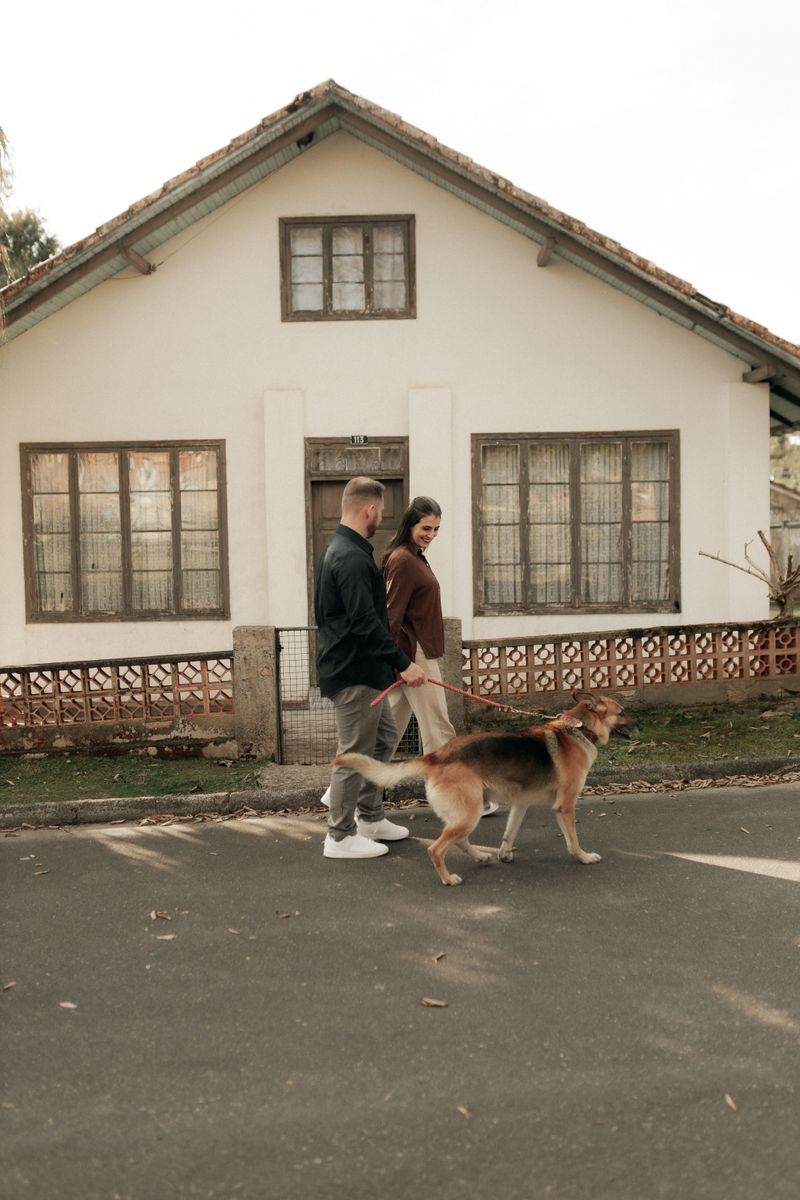
Never married but splitting up? Community property rules do not apply to you.
Disputes get resolved through general principles of ownership, possession, and contract law, often in civil court rather than family court.
Whoever can document purchase or adoption and consistent care usually has the stronger position. A short written agreement, signed while things are friendly, remains the simplest protection for unmarried dog owners sharing a home.
17. Paperwork That Actually Proves Who Owns the Dog
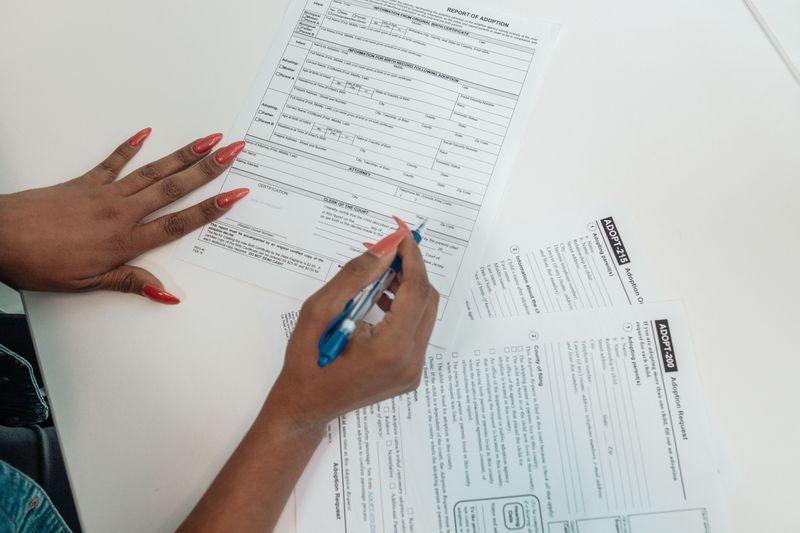
Documentation wins these disagreements far more often than feelings do.
Helpful records include adoption or purchase contracts, veterinary files, microchip registration, payment histories, and city registration where required. A steady record of possession and daily care also carries weight.
Do yourself a favor this week: scan everything and save copies to cloud storage. Update your microchip contact details too, since outdated registrations cause plenty of avoidable confusion.
18. Shared Care Agreements Are Still Possible
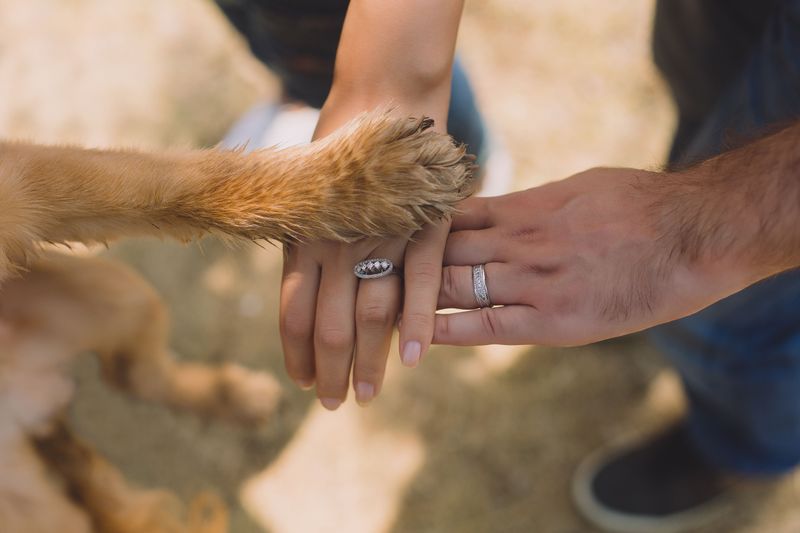
Plenty of former partners in Texas continue sharing time with a dog by choice.
Courts generally will not create pet visitation schedules on their own. However, terms the parties agree to and include in a divorce decree are often honored.
Unmarried couples can use a written cohabitation or separation agreement instead. Spell out expenses, vet decisions, and handoff logistics clearly, because detail prevents misunderstandings later.
19. Bigger Bills and Deeper Bonds Do Not Equal Legal Rights

Paying for the food, grooming, and every vet visit feels like it should settle things. Under Texas law, it does not automatically.
A judge may consider those contributions when dividing community property. They cannot override a proven separate property classification.
Emotional closeness works the same way: deeply real, yet not a legal title. Pair your care with solid documentation, and you will stand on much steadier ground.
Approach it calmly, and your dog will settle in just fine.