What To Do If A Copperhead Appears Near Your Dog In Virginia
Virginia dog owners share their trails, yards, and creek banks with copperheads, especially once the weather warms. Most encounters end quietly, with the snake slipping away and everyone unharmed.
Still, knowing exactly what to do in that first tense moment makes a real difference for your dog. Think of this as the practical rundown a neighbor might give you over the fence: calm, clear, and built on steady advice rather than worry.
Keep Your Dog Calm And Close
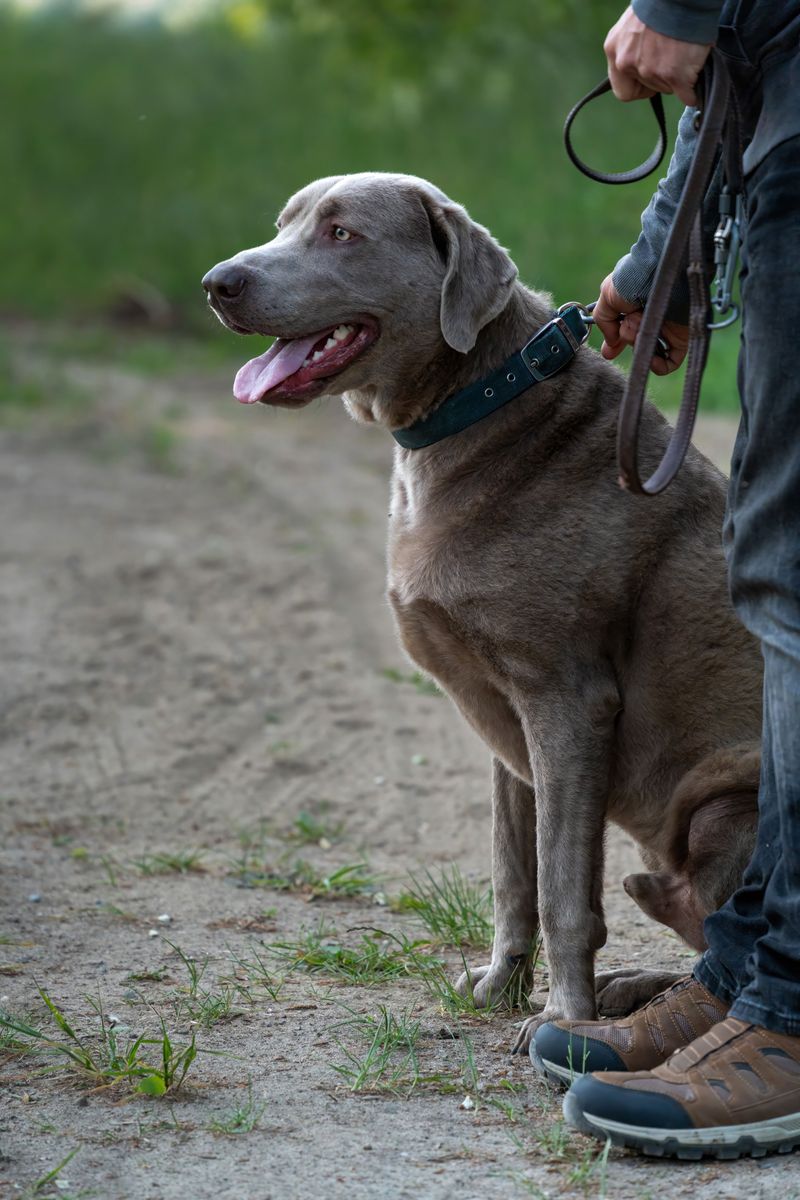
That first second matters more than anything else. Call your dog to you in a steady, upbeat voice, then clip the leash on right away.
Dogs read our energy, so shouting can make them bolt instead of return. Hold the leash short and keep your dog at your side.
Even a snake that seems to be leaving deserves no curious sniffing. Sitting quietly with your dog for a moment often works better than pulling.
Give The Copperhead Plenty Of Space
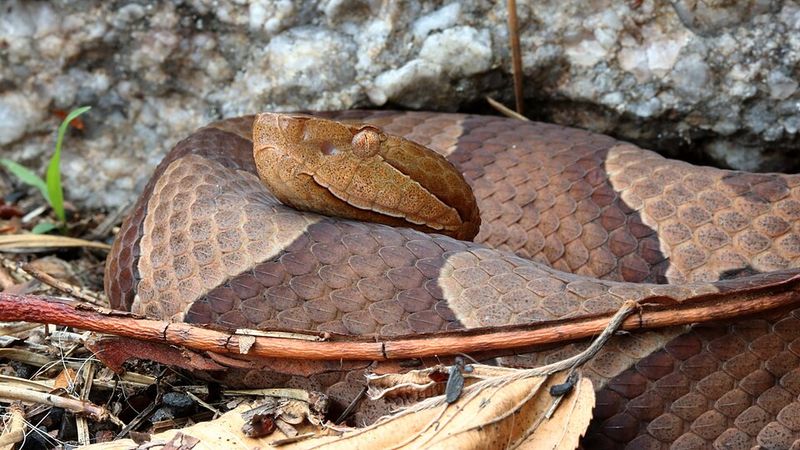
Snakes want distance just as much as you do. Step backward slowly instead of turning and rushing, and let the copperhead see an open route away.
Never corner it against a fence, wall, or shed. Trapped snakes stay put and stay defensive.
Shovels, sticks, and hoses only raise the odds of trouble. Give it a few quiet minutes and it usually moves along on its own.
Recognize A Copperhead In Virginia
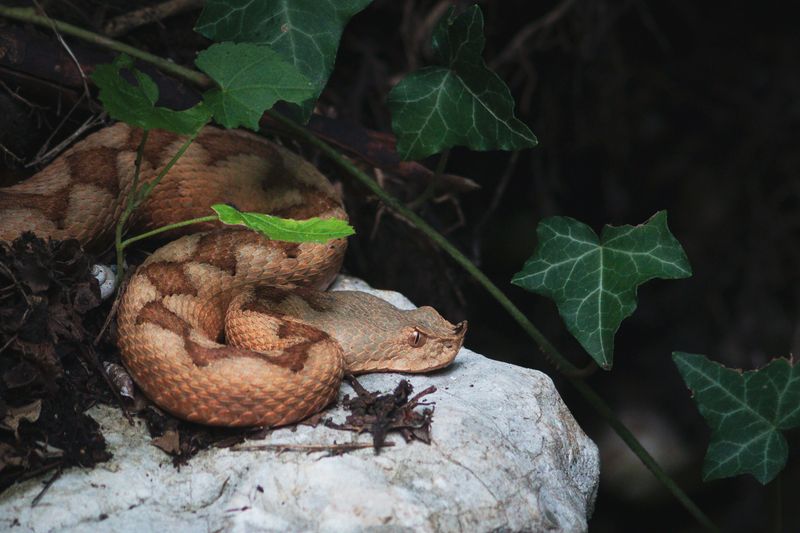
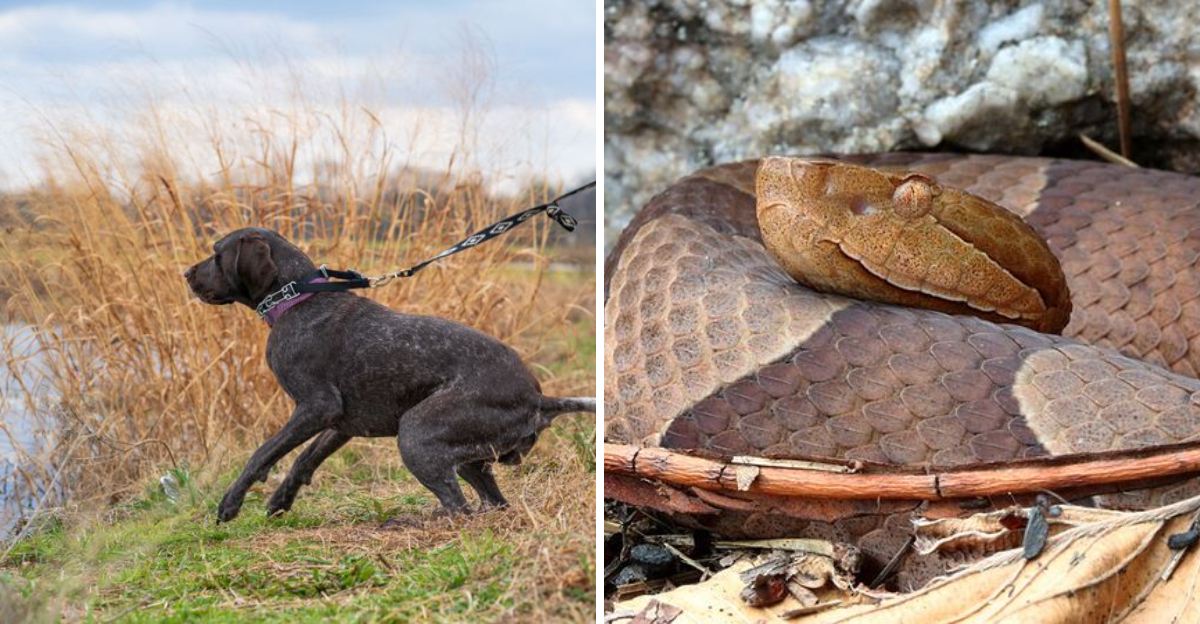
Identification helps you react correctly instead of guessing. Virginia copperheads usually wear a tan or grayish coat marked with darker hourglass bands, wider along the sides.
The head tends to look broad and coppery. Young copperheads commonly have a yellow or yellowish-green tail tip, which they lose as they mature.
Harmless water snakes and juvenile ratsnakes get mistaken for them constantly. When unsure, treat any unknown snake as one to leave alone.
Do Not Let Your Dog Chase The Snake
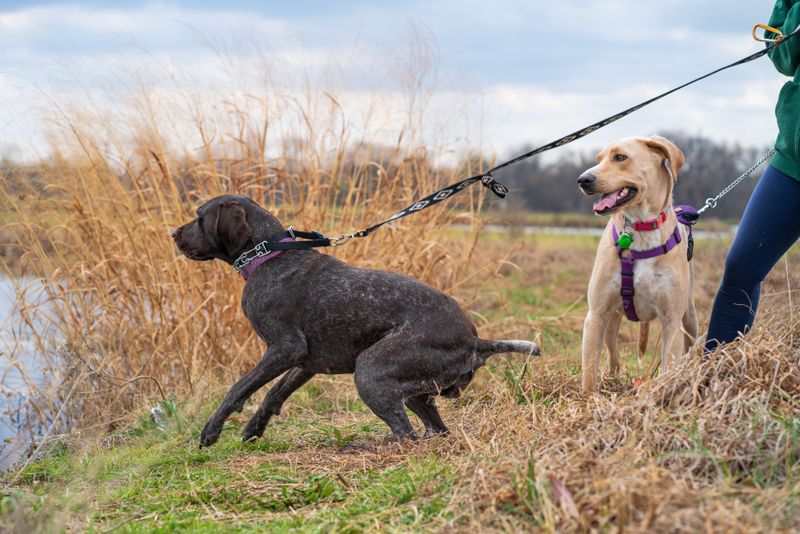
Curiosity is the main reason dogs get bitten. A paw swipe or a nose poke turns a quiet standoff into a defensive strike within a heartbeat.
Terriers and high-drive breeds react fastest, so anticipate the lunge before it happens.
Turn your dog’s body away using the leash and your legs as a block. Walk in the opposite direction and reward the retreat with praise or a treat.
Move Your Dog To A Safe Location
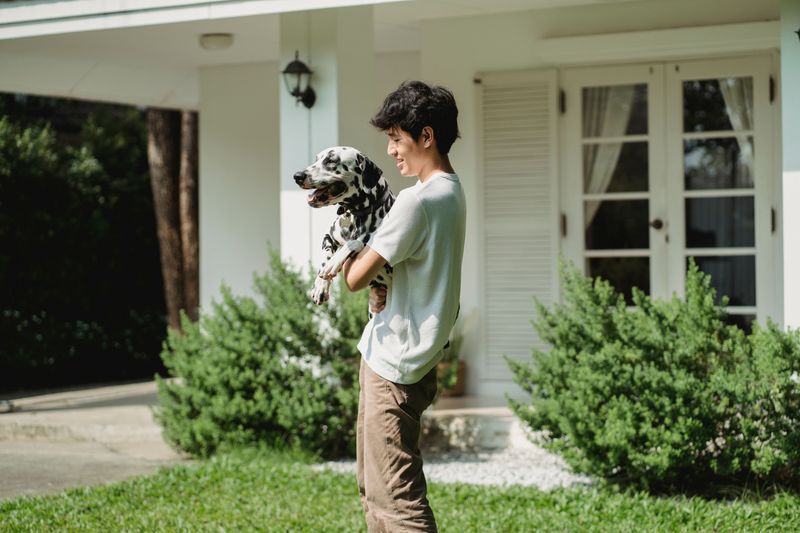
Once the snake is gone from sight, keep going. Bring your dog indoors, into a vehicle, or behind a closed gate before you relax.
Copperheads blend into mulch and leaves, so a second one nearby is possible.
Scan the yard before your dog heads back out. Look under steps, along foundation walls, and beside woodpiles, then release your dog only when the area looks clear.
Watch For A Possible Snakebite
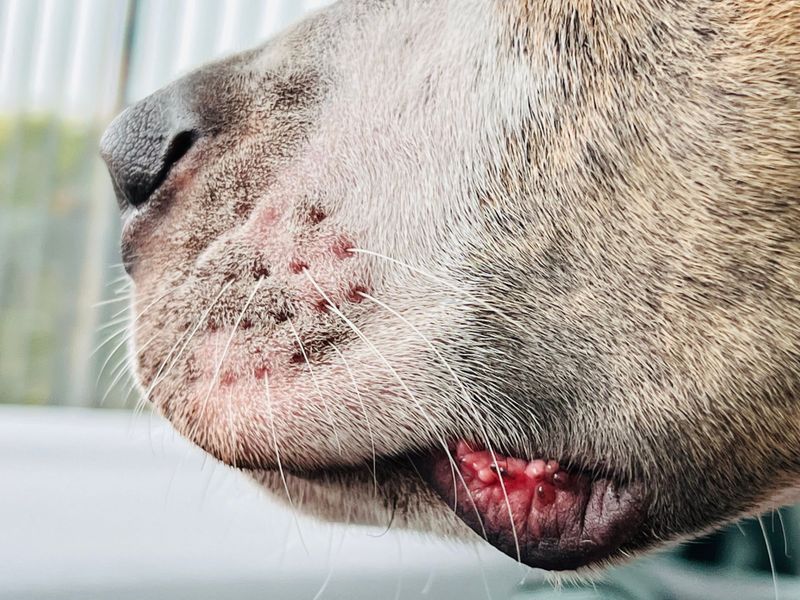
Swelling, pain, tenderness, or puncture wounds can be signs of a snakebite. Bites around the face and muzzle can be especially concerning because swelling in those areas may interfere with breathing.
Behavior tells you plenty too. A dog who suddenly goes quiet, paces, whines, or refuses to put weight on a paw deserves attention.
Symptoms can appear within minutes or build gradually. When something feels off, trust that instinct.
Check Your Dog Without Delaying Care
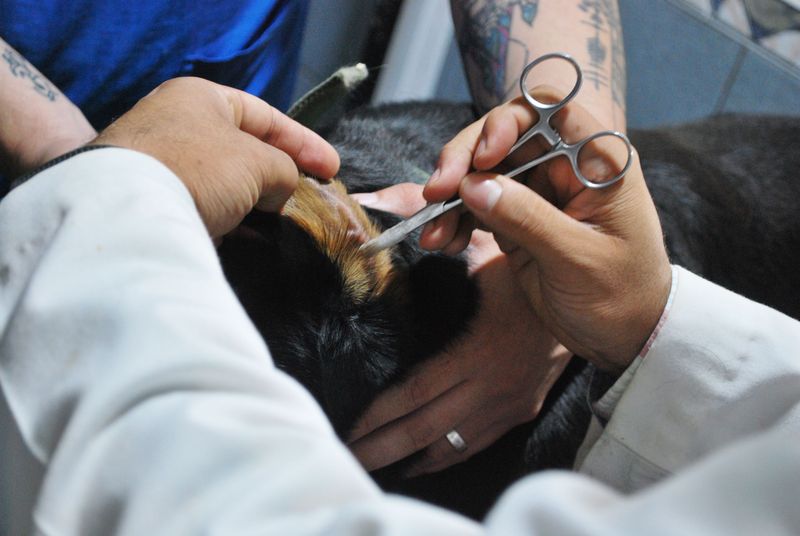
A quick once-over is useful, but the clock matters more. Part the fur around the muzzle, legs, and chest while speaking softly to your dog.
Thick coats hide punctures easily, so do not expect an obvious mark.
Skip the long search. If you saw a copperhead close to your dog and something seems wrong, head for the vet and inspect later.
Contact A Veterinarian Promptly
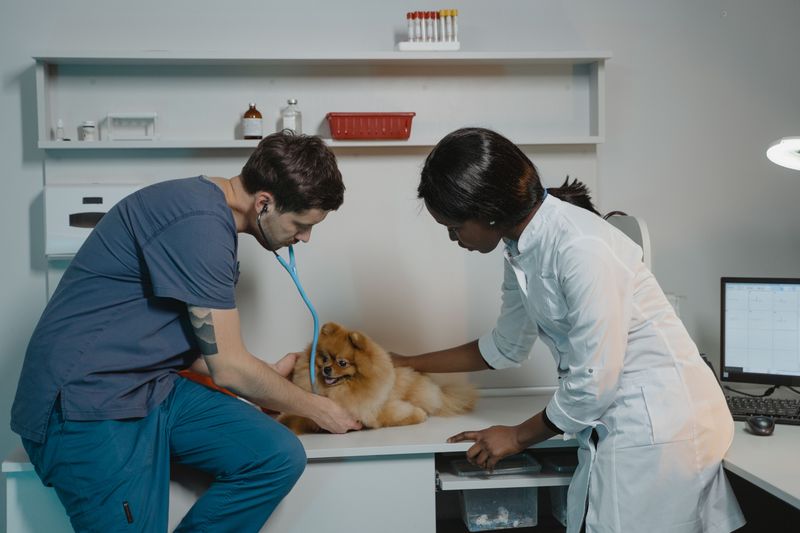
Phone ahead while you are getting organized. Tell the clinic you suspect a copperhead encounter, and share your dog’s size, age, and any swelling you noticed.
Staff can prepare treatment before you arrive, which saves real time.
After hours, call the nearest emergency veterinary hospital instead of waiting for morning. Veterinarians manage these cases regularly and will guide your next steps over the phone.
Keep Your Dog As Quiet As Possible
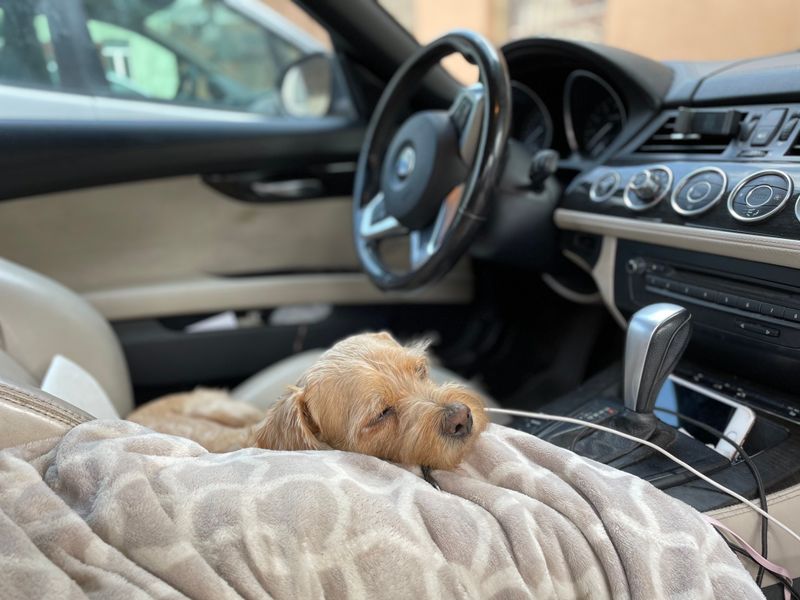
Stillness is your friend during the drive. Carry smaller dogs if you can manage it, and let larger dogs walk slowly rather than trot.
Settle them on a blanket in the car and keep the space quiet.
Excitement, running, and wrestling all add strain your dog does not need right now. Soft talk and a steady hand help more than you might expect.
Do Not Try Home Remedies

Internet advice about snakebites is full of outdated ideas. Cutting the skin, suctioning, applying ice, or tying a tourniquet all cause harm without helping.
Human pain relievers are especially risky for dogs and should never be given on your own.
Let the veterinary team decide on medication and treatment. Your job is transportation, calm handling, and clear information about what you witnessed.
Do Not Handle The Snake
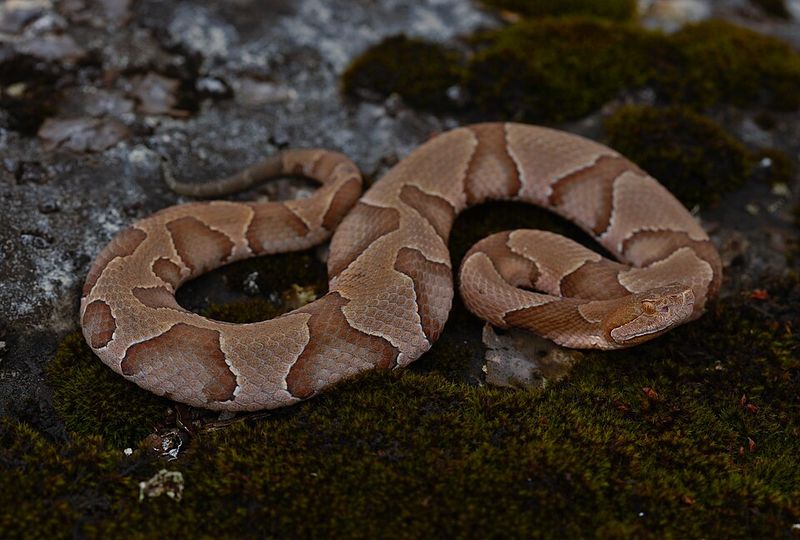
Here is a detail many people miss: a snake that looks still or injured can still react when touched.
A snake that appears still or injured may still pose a risk if approached or handled. Avoid touching it and give it plenty of space.
Virginia wildlife guidance encourages leaving snakes undisturbed, since they help control rodents. If one settles somewhere truly problematic, contact animal control or a licensed wildlife removal service and let trained hands manage it.
Take A Photo Only From A Safe Distance
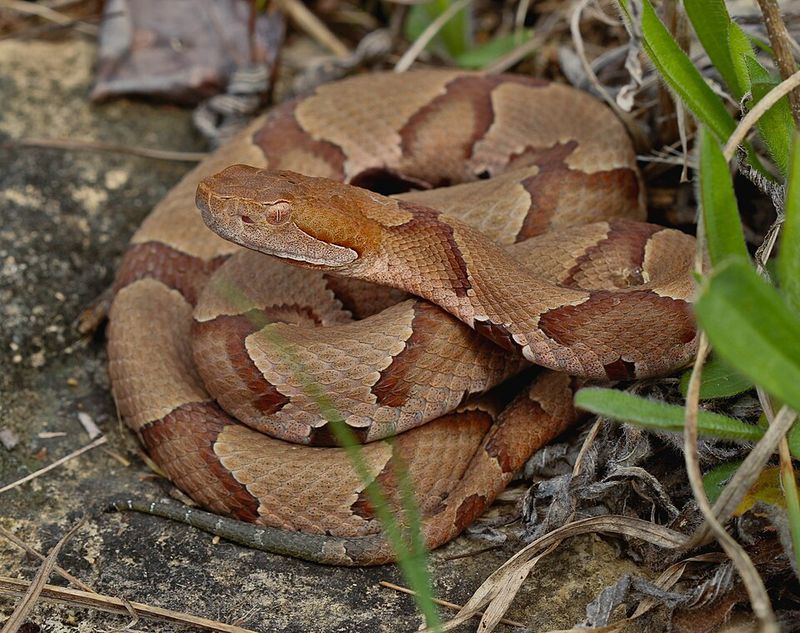
A clear photo can help your veterinarian confirm what your dog met. Zoom in from well back, and keep both feet planted where you already stand.
Never step closer or crouch beside the snake for a better angle.
Care always outranks photography. Skip the picture entirely if your dog needs attention, and simply describe the markings and color when you call ahead.
Keep Children Away From The Area
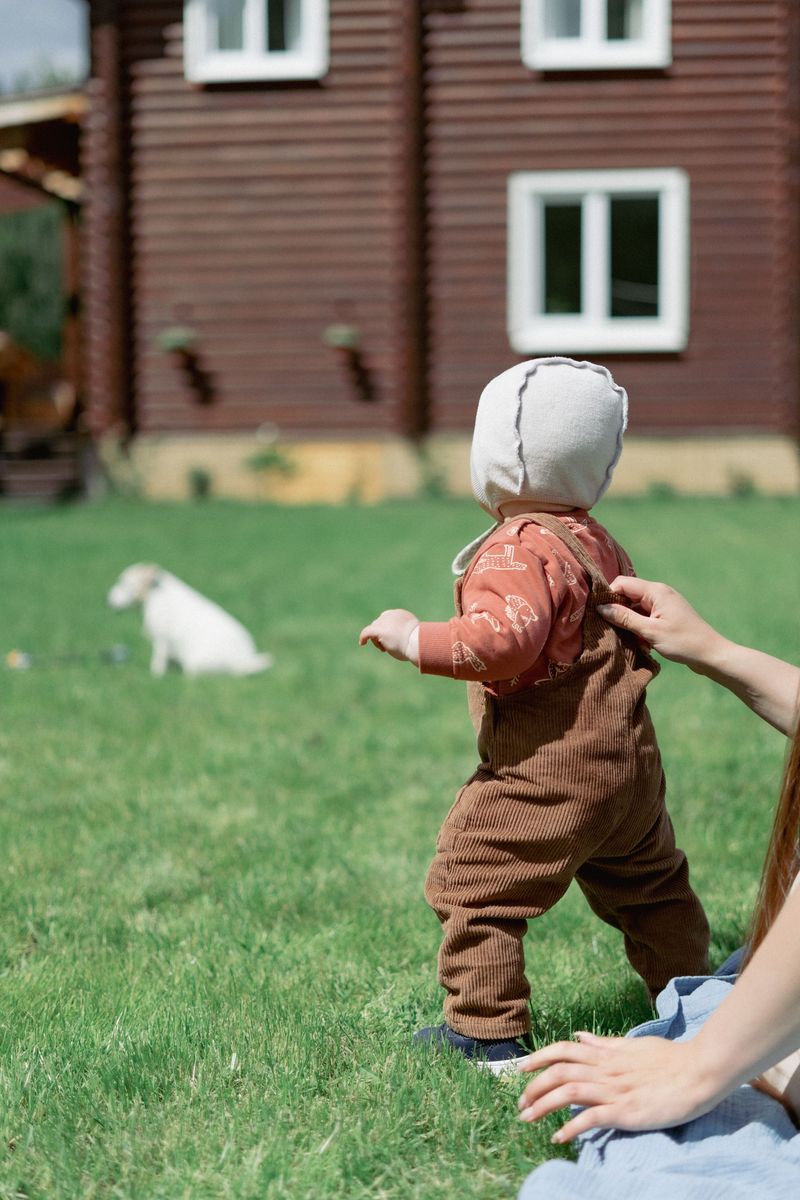
Kids tend to run toward excitement, not away from it. Call them inside first, then handle the dog and the rest of the situation.
Other pets need the same treatment, including cats and any dogs still loose in the yard.
Explain afterward, in simple terms, that snakes should be admired from far away. Clearing the space lets the copperhead exit without pressure.
Check Yards For Snake-Friendly Hiding Places
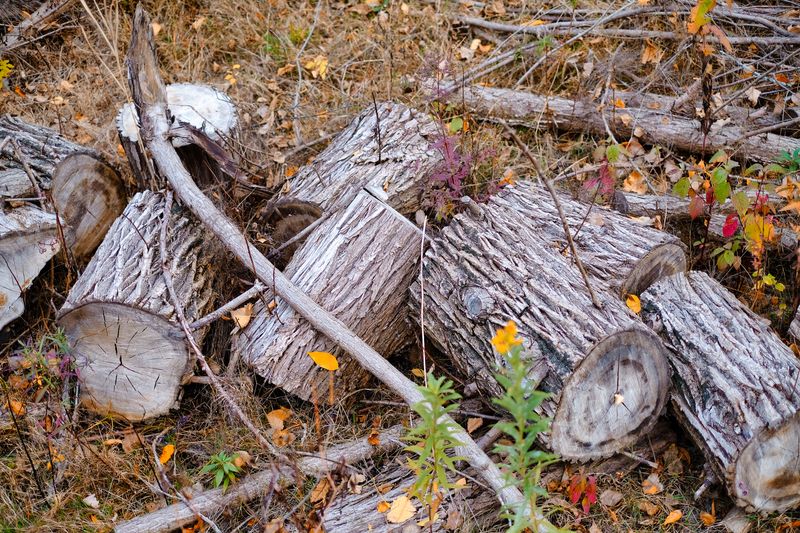
Copperheads settle where cover and food overlap. Leaf piles, stacked lumber, loose rocks, tall grass, and overgrown shrubs all make appealing shelter.
Rodents draw snakes in, so secure trash and pick up spilled birdseed.
Stack firewood off the ground and away from the house. Trimming the yard edges takes an afternoon and quietly removes most of the hiding spots your dog might sniff out.
Be Extra Careful During Warm Weather
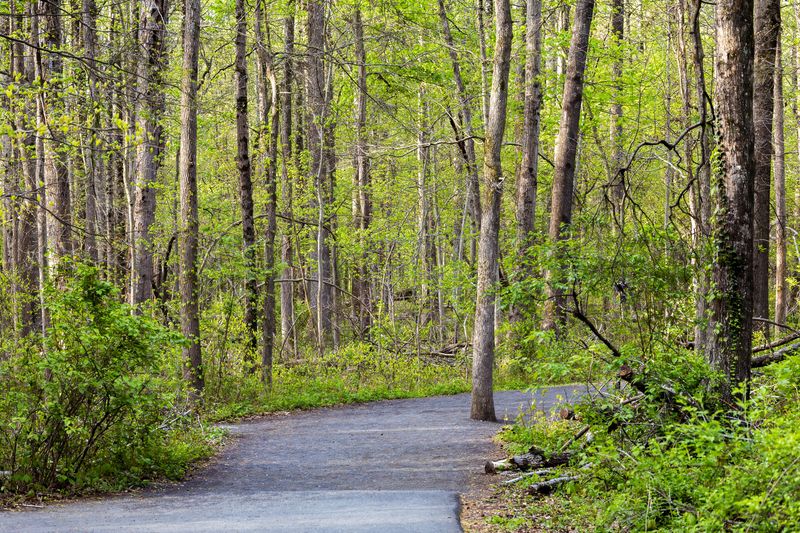
Spring through early fall brings the most sightings across Virginia. Copperheads often move during warm evenings and after summer rain.
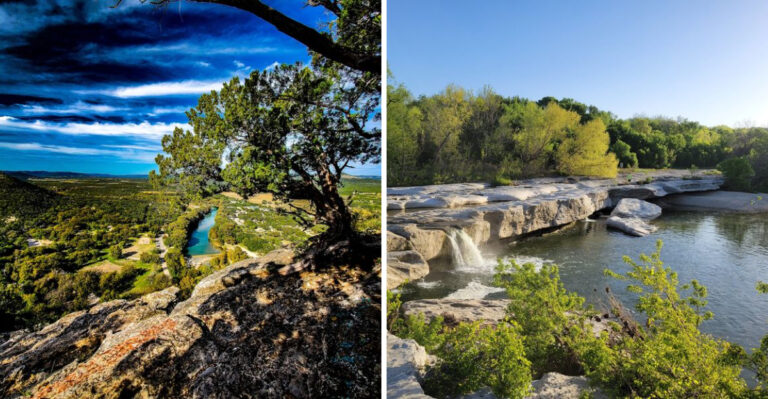
Rocky slopes, stream edges, brush piles, and shaded woodland trails are worth extra attention.
Carry a flashlight for nighttime walks, even in familiar neighborhoods. Sticking to the middle of wide paths keeps your dog clear of the thick edges where snakes rest.
Use A Leash In Areas With Snake Activity
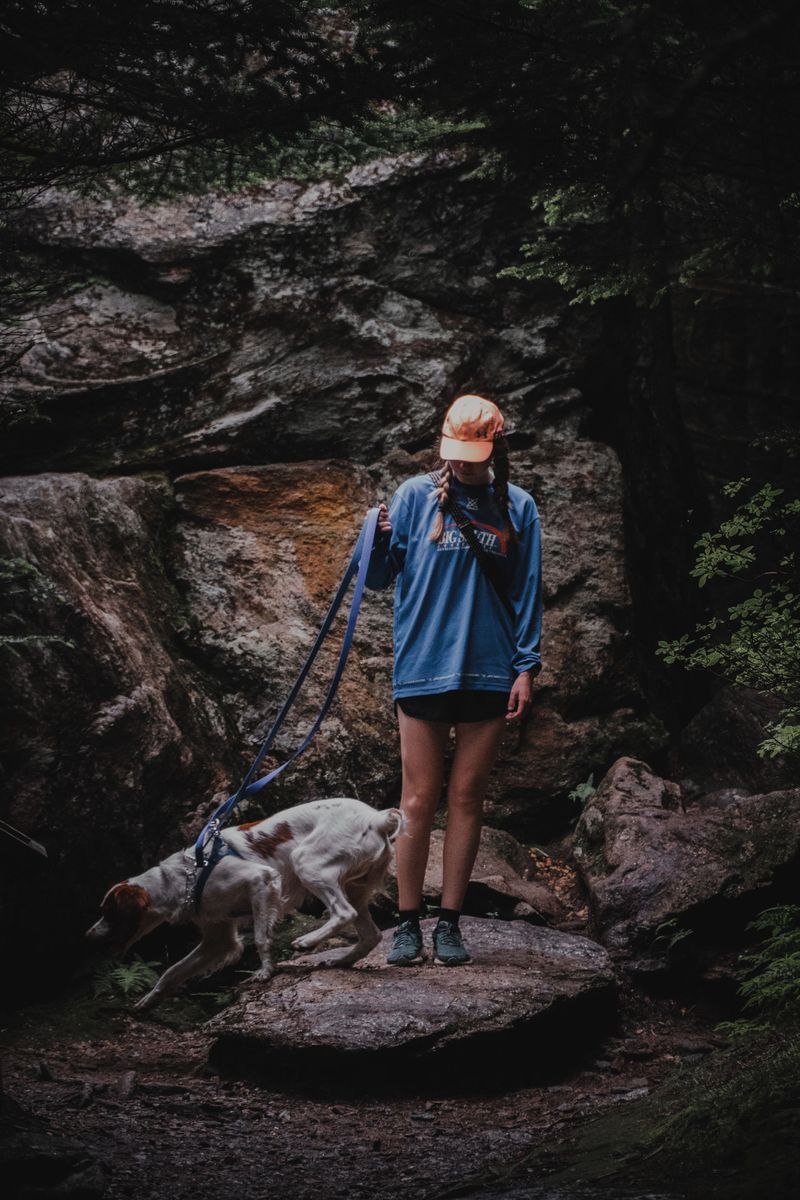
Control beats correction every time. A standard six foot leash lets you redirect your dog long before curiosity takes over.
Retractable leads give too much slack for rocky or brushy ground, so save those for open parks.
Most Virginia parks require leashes anyway, though rules differ by locality, so check posted signs. The habit protects wildlife and your dog at the same time.
Teach Your Dog To Come When Called
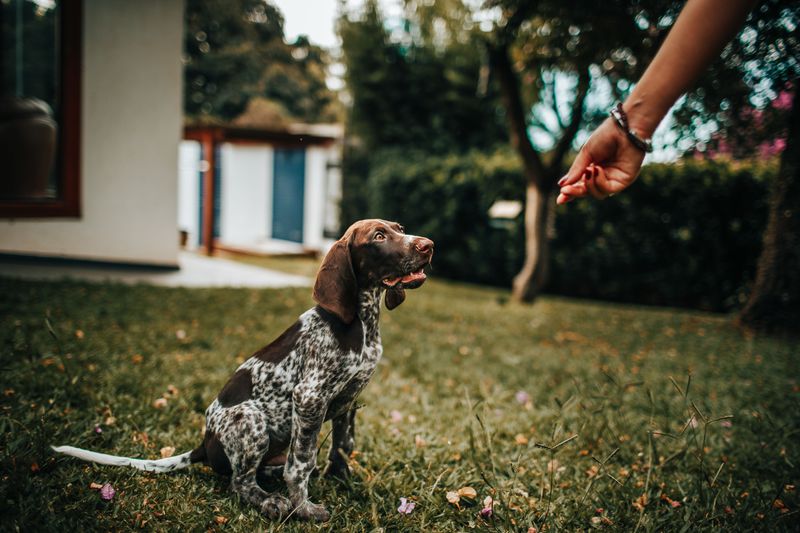
Recall is the closest thing to a safety button you can install. Practice in the house, then the yard, then places with more distraction.
Pay generously with treats or a favorite toy every single time.
Some Virginia trainers also offer snake avoidance classes using non-harmful methods. Ask your veterinarian for a referral if you hike often or live near wooded property.