What To Know Before Camping Near The Delaware Coast With Your Dog

Salt air, quiet campgrounds, and a happy dog on a leash: Delaware’s coast makes a wonderful getaway. Still, the rules shift from one town to the next, and beach access changes with the seasons.
Knowing what applies where saves you stress at check-in and awkward turnarounds at the sand. Think of this as friendly notes from someone who has read the fine print.
Pack the paperwork, plan around the calendar, and enjoy the trip.
1. Someone Stays With Your Dog At The Campsite

Delaware State Parks keep this rule simple: your dog stays attended at all times in campgrounds. Leashes must be six feet or shorter, too.
That means no leaving your pup tied outside while you walk to the bathhouse. Dogs also cannot be left alone inside a tent, cabin, cottage, or vehicle.
Plan shifts with your travel partner, or pick activities you can do together. A little coordination keeps everyone comfortable and keeps rangers smiling at you.
2. Confirm Pet-Friendly Status Before You Reserve A Cabin
Not every cabin welcomes paws. Only cabins and cottages marked dog-friendly may host dogs, and just dogs, not other pets.
Expect a pet fee of $25 per dog per night, with a two-dog maximum. Options include Cabin 12 at Cape Henlopen, Cottages 11 and 12 at Indian River Marina, and cabins at Killens Pond and Trap Pond.
House-training is required. Booking the wrong unit means a hard conversation later, so verify first.
3. Two Coastal Parks Anchor Most Dog Camping Trips

Cape Henlopen State Park in Lewes offers tent and RV sites, and pets are welcome in the campground.
Delaware Seashore State Park sits between Rehoboth, Dewey, and Bethany, with campgrounds on both sides of Indian River Inlet. Pets are allowed in designated camping areas there year-round.
Each has a different feel. Cape Henlopen leans wooded and historic, while Delaware Seashore puts you close to open water and inlet breezes.
4. Lifeguarded Swimming Beaches Are Off Limits In Warm Months
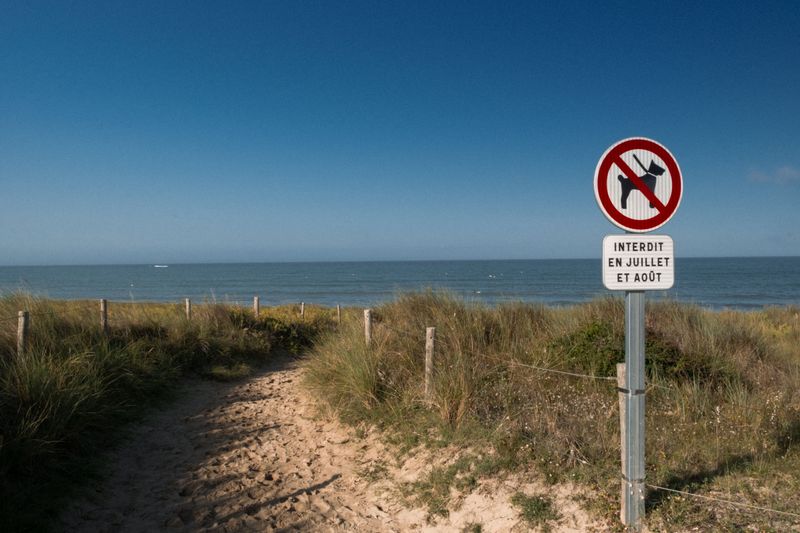
State law keeps dogs off all lifeguarded swimming and sunbathing beaches in Delaware State Parks from May 1 through September 30.
Outside those dates, those same stretches usually open back up for leashed dogs. Non-lifeguarded sections often allow dogs year-round.
So the question is never simply beach or no beach. It is which section, and what month you are visiting.
Signs at each entrance spell it out clearly.
5. Access Points Vary More Than People Expect

Two parking lots a mile apart can follow completely different rules. Many town beaches bar dogs all summer, while state park beaches often allow them on non-lifeguarded sand.
Surf-fishing access areas commonly permit dogs, and Cape Henlopen includes a designated dog beach.
Reading the sign at the crossover takes ten seconds. Do that before unclipping anything, and you avoid a long walk back to the car with a disappointed dog.
6. The Point At Cape Henlopen Closes For Nesting Season
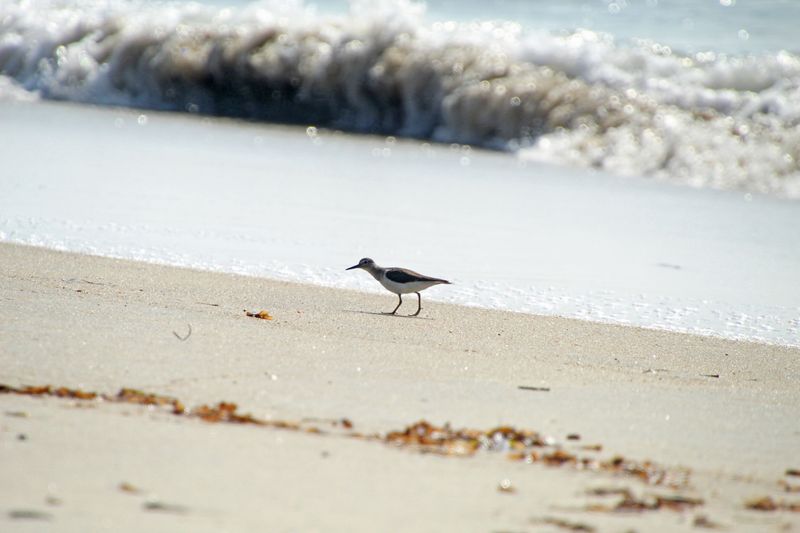
Each spring and summer, portions of Cape Henlopen close to protect beach-nesting birds like piping plovers.
Dogs are never allowed in the dunes, since even a curious sniff can disturb fragile nesting habitat. Park regulations specifically keep pets out of shorebird nesting areas.
Closures shift year to year based on where birds settle. Check current postings or ask staff at the entrance station before heading toward the Point.
7. Rehoboth Beach Goes Dog-Free For The Busy Season
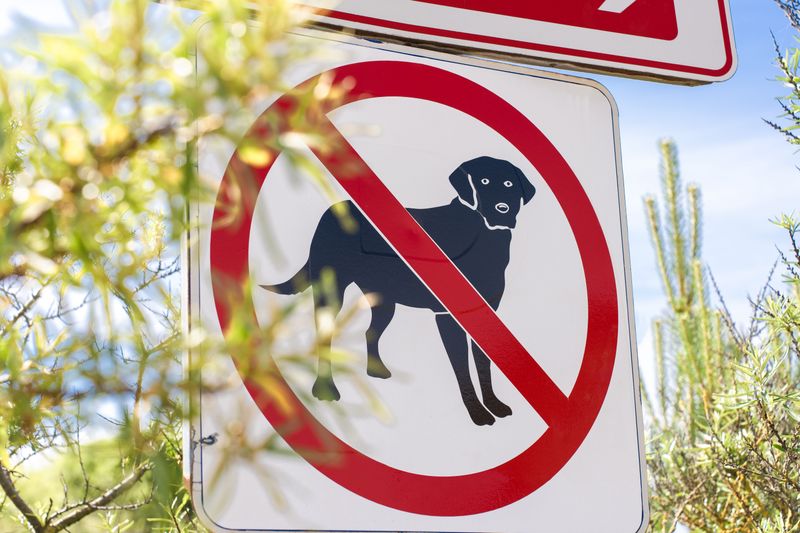
Rehoboth prohibits dogs on the beach and boardwalk during the summer stretch, generally May 15 through September 15. Some sources list the wider window of May 1 to September 30.
From roughly September 16 to May 14, leashed dogs are welcome on both the sand and the boardwalk.
Because the posted dates can shift, confirm with the town before you plan a boardwalk stroll with your pup.
8. Bethany Beach Follows Its Own Calendar
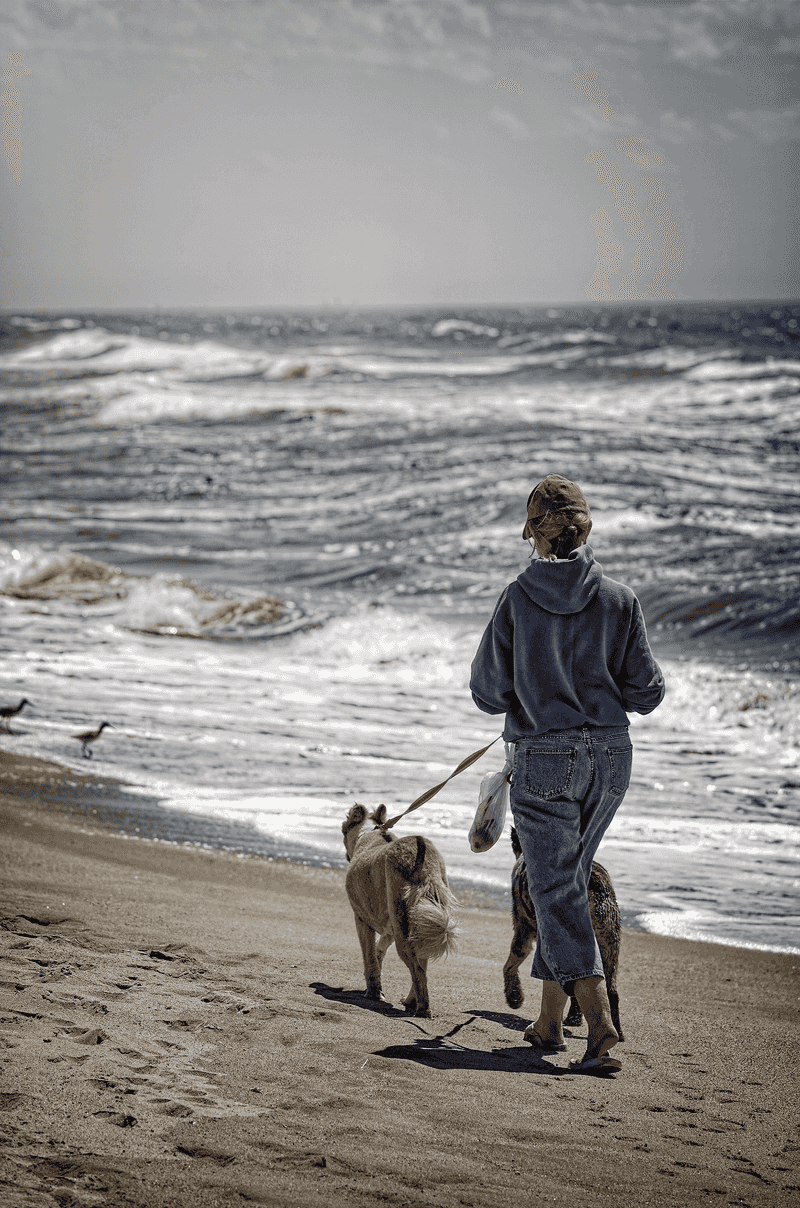
Bethany keeps dogs off the beach and boardwalk from May 15 through September 30. Come October 1, leashed dogs may return, and access continues through May 14.
Fall visits here are lovely: cooler sand, thinner crowds, and plenty of room to wander.
Notice how Bethany’s end date differs from Rehoboth’s. Nearby towns rarely match, which is exactly why a quick check per town matters so much.
9. Fenwick Island Splits Into Town And State Park Rules
One name, two rulebooks. Fenwick Island town beaches prohibit dogs from May 1 through September 30.
Fenwick Island State Park, just up the road, allows dogs on non-guarded beach areas. Its lifeguarded swimming section, however, stays closed to dogs during that same May through September window.
Knowing which side of the boundary you are standing on changes everything. When unsure, the state park side is usually the safer bet.
10. Dewey Beach Wants A Town License On Your Dog
Dewey stands out here. Every dog in town needs a Dewey Beach town license, required year-round.
That tag is separate from a state license or a rabies tag, so having those two does not cover you. Licenses are available at Town Hall.
Visitors are often surprised by this one. If Dewey is on your itinerary, sort the license out early rather than during your first beach morning.
11. Dewey’s Summer Beach Hours Favor Early Risers

Rather than banning dogs outright, Dewey uses a clock. During summer, roughly May 15 through September 15, dogs may be on the beach only before 9:30 AM and after 5:30 PM.
Outside that season, any hour works.
Early walks are genuinely the best part anyway. Cool sand protects paws, the light is beautiful, and your dog gets space to move without weaving through umbrellas.
12. Rabies Paperwork Belongs In Your Glove Box
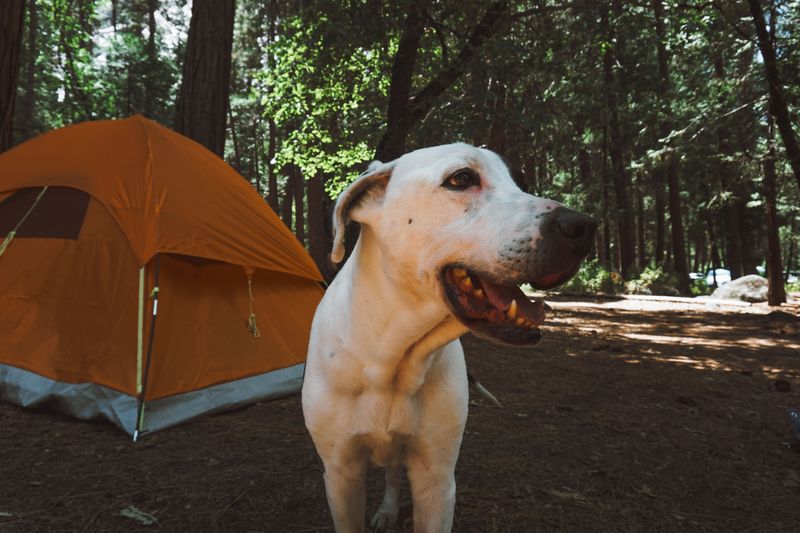
Dogs staying in Delaware State Park campgrounds, cabins, or cottages must have current rabies vaccinations.
Staff may ask for proof, so keep the certificate somewhere easy to reach. A photo saved on your phone works as a backup, though paper is safer.
Booking a trip is also a good nudge to check expiration dates. If a booster is due soon, schedule it with your veterinarian before you leave home.
13. Keep Required Licenses Up To Date

Along with vaccination records, dogs in state park campgrounds, cabins, and cottages must display a valid license where applicable.
Delaware residents may be required to maintain a state dog license, and renewal deadlines sneak up quickly.
Requirements can differ for out-of-state visitors and by municipality. When in doubt, confirm with the park office or your local licensing authority rather than guessing at the campground gate.
14. Tick Prevention Deserves Real Attention Here

Coastal woods, marsh edges, and tall grass all give ticks a place to wait. State park rules even require that dogs in cabins or cottages be clean and free of ticks, fleas, worms, and mange.
Talk with your veterinarian about the right preventive product for your dog’s size and health.
Start it before the trip, not during. Most treatments need time to work properly, so a last-minute dose helps less.
15. Build A Tick Check Into Every Walk
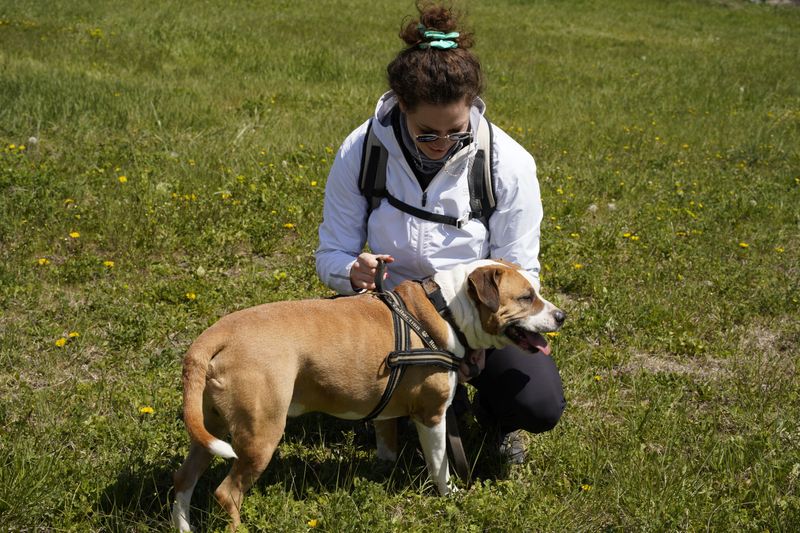
After trails and campground loops, run your hands slowly over your dog. Ears, neck, armpits, belly, and between toes are favorite hiding spots.
Good lighting helps, and so does a fine-toothed comb. Doing this outside the tent keeps hitchhikers out of your sleeping space.
If you find one attached, remove it carefully and call your veterinarian with any questions. Most dogs treat the whole routine as free attention.
16. Give Nesting Birds And Wildlife Plenty Of Space

Delaware State Park regulations keep pets out of shorebird nesting areas, and dogs must stay out of the dunes.
Those grassy slopes shelter species like piping plovers, whose nests blend perfectly into the sand. A dog does not need bad intentions to cause trouble.
Foxes, horseshoe crabs, and snakes also share this coast. Keeping that six-foot leash short protects your dog just as much as the wildlife around you.
17. Nature Preserves And Refuges Set Their Own Terms
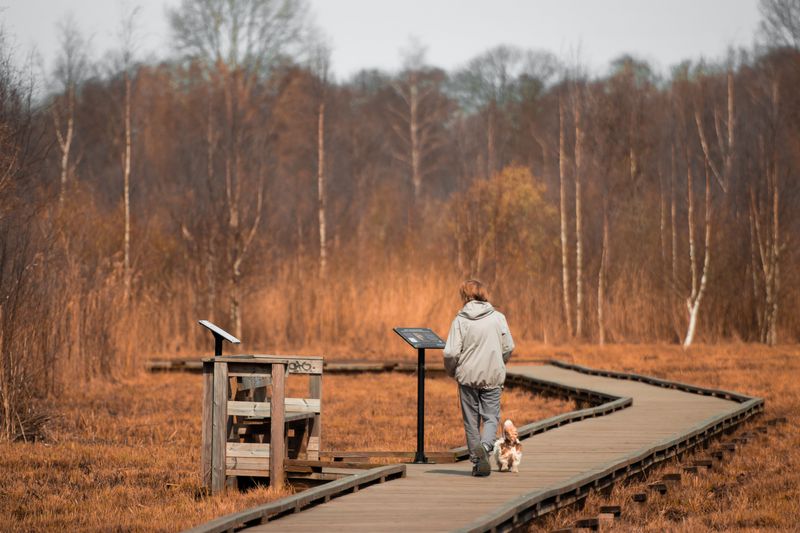
Nearby refuges and preserves are not simply extra parks. Rules for dogs and camping vary widely from one property to the next.
Some areas, including certain beaches adjacent to Prime Hook National Wildlife Refuge, do allow dogs. Others restrict pets entirely, and many prohibit overnight camping altogether.
A quick look at the official website or a call to the office answers it. Confirming beforehand keeps your day flexible and your plans intact.