Who’s Covered Under Illinois Law When One Dog Bites Another?
Most walks around the neighborhood end with wagging tails and nothing more. Still, if you own a dog in Illinois, it helps to know what happens on the rare day when one dog bites another.
The rules here surprise a lot of owners. Illinois treats injuries to people very differently from injuries to pets, and the difference matters when vet bills start adding up.
Below, you will find twenty clear explanations of who may be covered, who may be responsible, and what steps protect you. Read it once, keep it in the back of your mind, and enjoy your walks with a little more confidence.
1. The Owner of a Dog Hurt by Another Dog

Your dog gets nipped at the park, and the first question is usually about money. In Illinois, the injured dog’s owner generally must show the other owner acted carelessly.
Strict liability does not apply here, because the law views pets as property. Careless behavior might mean an unclipped leash or an open gate.
Photos, witness names, and vet records build that case. Gather them early, while details stay fresh in everyone’s memory.
2. When the Injuries Prove Fatal

Losing a pet this way is painful, and the law’s response feels cold to many owners. Illinois generally allows recovery of the animal’s replacement cost.
Claims for grief, heartbreak, or mental anguish are usually not available, since courts treat animals as property.
There is another angle worth knowing. If a dog kills another dog off its owner’s property without justification, that owner may face a reckless dog owner determination.
3. Owners Staring Down a Big Vet Bill
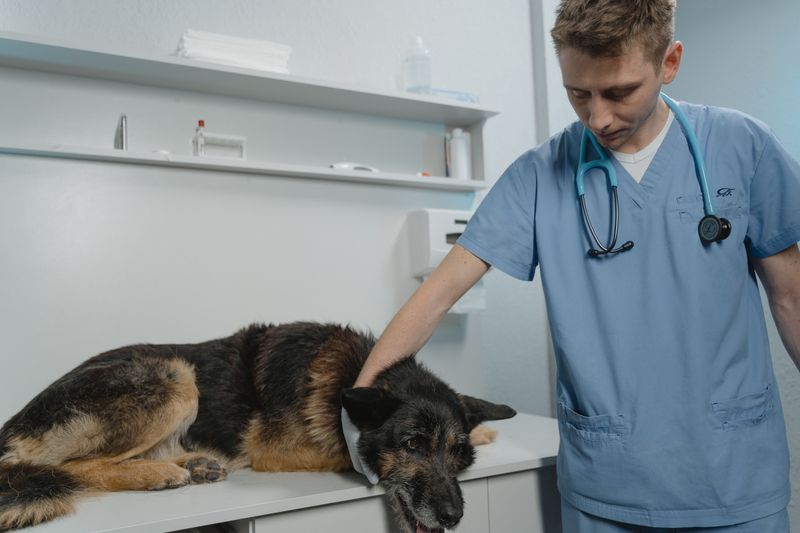
Emergency surgery, drains, antibiotics, and follow-up visits add up quickly. Those costs count as property damage under Illinois law, and they can be pursued.
The other owner’s homeowner or renter insurance sometimes covers them, assuming negligence can be shown.
Keep every invoice, discharge sheet, and medication receipt in one folder. If the insurer declines, a small claims or civil filing may be the next step.
4. Rescue Dogs and Pets With No Resale Value

Plenty of beloved dogs came free from a shelter or a friend’s litter. That does not leave their owners empty-handed after an attack.
Documented veterinary expenses can still be pursued as property damage, separate from any market value question.
Treatment costs are the practical focus in these claims. Keep thorough records, because a paper trail matters far more than a purchase price ever will.
5. Getting Hurt While Separating Two Dogs

Instinct says to reach in and pull the dogs apart. Hands and forearms often pay the price.
Here the law shifts strongly in your favor. Under the Animal Control Act, an owner is liable when a person lawfully present and behaving peaceably is injured without provoking the animal.
Safer tactics exist: a loud noise, a barrier, or the wheelbarrow method. Seek medical care for any puncture wound.
Report the incident promptly.
6. Bystanders Caught in the Middle

Sometimes the person hurt was just walking past. Illinois law protects those people well.
If someone is peaceably conducting themselves where they may lawfully be, and an animal attacks or injures them without provocation, the owner is liable for the full injury.
No prior bite history is required. That surprises owners who assume every dog gets one free pass.
Witnesses should share contact details before leaving the scene.
7. The Registered Owner of the Attacking Dog
Section 16 of the Animal Control Act puts the legal owner squarely on the hook for human injuries.
Strict liability means the hurt person does not need to prove carelessness or a known dangerous streak.
Provocation and lawful presence still matter to the analysis. For dog-on-dog damage, though, negligence remains the usual path.
Knowing both rules helps owners respond calmly instead of guessing after a stressful moment.
8. Anyone Keeping or Harboring the Dog

Here is a detail that catches families off guard. The statute defines owner broadly.
It covers any person who keeps or harbors an animal, has it in their care, or acts as its custodian.
A grown child housing a friend’s dog can fall inside that definition. So can a relative feeding and sheltering a stray for weeks.
Responsibility follows control, not just paperwork or a microchip registration.
9. Pet Sitters, Walkers, and Temporary Caretakers

Taking the leash means taking on more than a favor. Sitters and walkers can qualify as owners under the Act.
That means potential responsibility if the dog in their care injures someone.
There is a flip side worth understanding. A person acting as custodian may lose the statute’s protection if that same dog injures them.
Written agreements and proper insurance give professional caretakers real peace of mind.
10. Letting a Dog Stay on Your Property

Property owners sometimes assume they are untouchable. Illinois says otherwise in certain situations.
The owner definition reaches anyone who knowingly permits a dog to remain on premises they occupy.
Landlords and property managers who knew about a dangerous animal, then took no reasonable steps, can find themselves named in a claim.
Clear lease language and prompt responses to tenant complaints protect everyone, dogs and neighbors alike.
11. Boarding Kennels, Daycares, and Groomers

Drop-off day comes with an unspoken trust. Businesses holding your dog have control, and control brings responsibility.
Kennels, groomers, and daycares can be treated as keepers or custodians under the Act’s broad owner definition.
Separate negligence claims are possible too, if poor supervision or bad group pairing led to harm.
Ask any facility about group sizes, staff ratios, and how they handle scuffles before booking.
12. When a Dog Slips the Yard

Gates swing open. Fences develop gaps.
Owners remain legally responsible for damage or injury their dog causes while running at large.
Illinois provides a twenty five dollar public safety fine for a dog found running at large.
A second or later occurrence carries a sterilization requirement for that animal.
Monthly fence checks and a spring-loaded gate latch cost far less than any of that.
13. Companion Animals Facing an Uncontrolled Dog
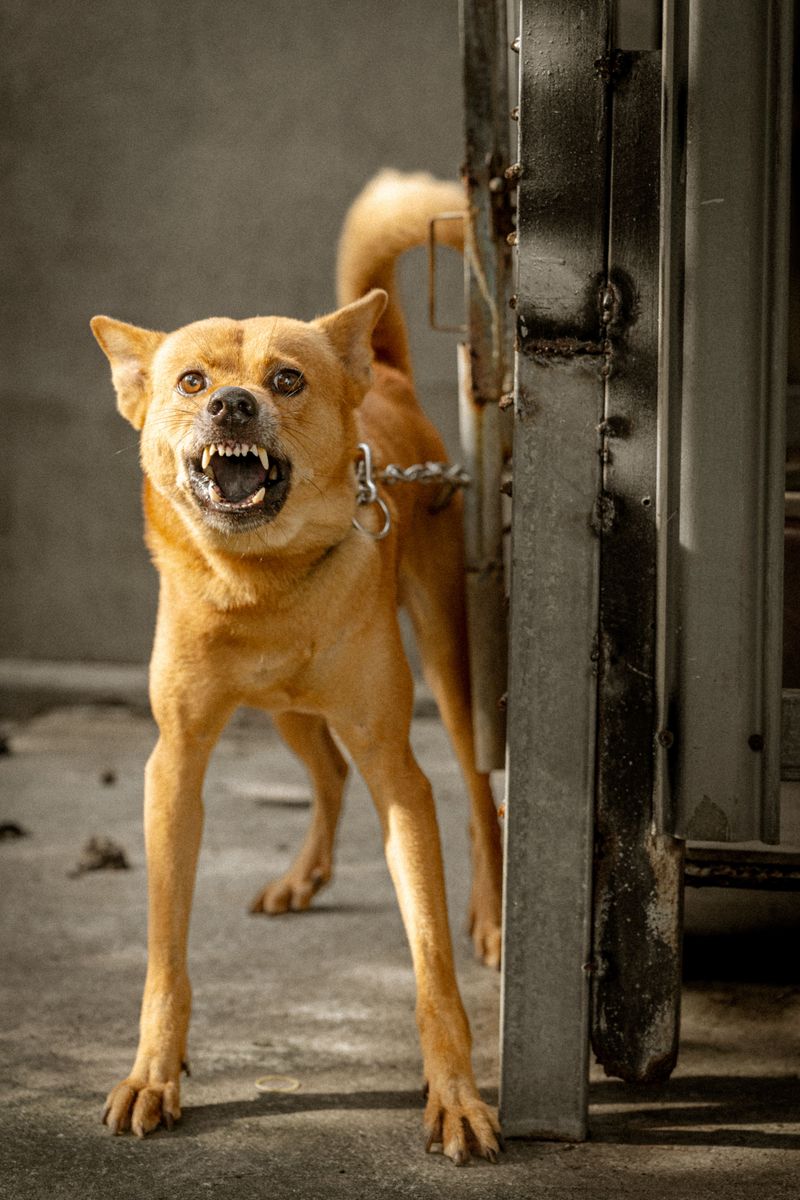
Threatening behavior worries owners long before contact happens. Illinois classifies a dog as vicious when it severely injures or kills a companion animal without justification.
The statute focuses on actual harm rather than fear alone.
Dangerous dog classifications, by contrast, consider a known tendency to attack without provocation. Report close calls to animal control, since documented history often shapes what happens next.
14. Dogs Acting in Self-Defense

Not every bite tells the same story. Self-defense stands as a recognized exception to strict liability in Illinois.
When a dog reacts to protect itself from immediate harm, the owner’s responsibility for a person’s injury may shrink or disappear.
Provocation gets examined closely, including teasing, cornering, or rough handling.
Video from doorbell cameras and neighbors frequently settles these disputes faster than argument ever could.
15. Dogs Standing Up for Their People
Protective instincts run deep in many breeds. Illinois recognizes that reality in its liability rules.
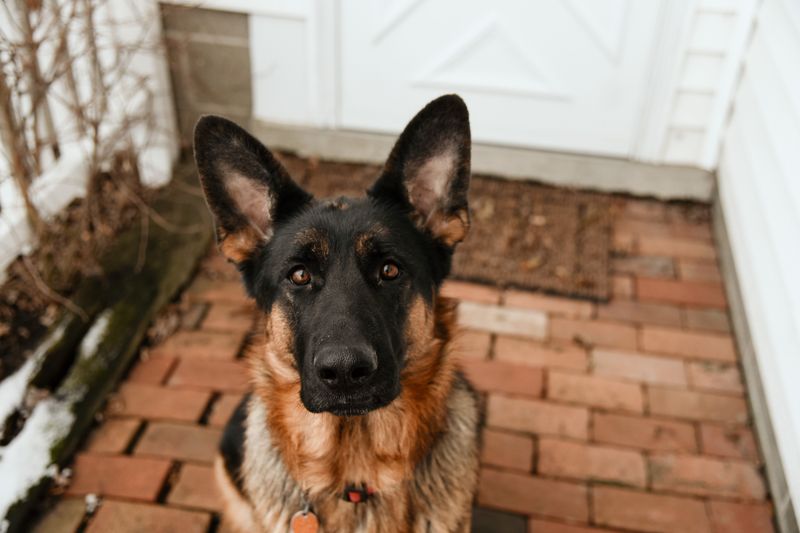
A dog defending its owner, the household, or property may give that owner a justifiable defense against a strict liability claim.
Context decides everything: who approached, how, and why.
Training a solid recall and a reliable place command keeps protective energy from turning into a legal headache nobody wanted.
16. Responsibility for Dogs Running at Large

Off-leash freedom feels harmless until something goes wrong. Owners of dogs running at large answer for the damage or injury that follows.
Fines apply, and impoundment is possible while the situation gets sorted out.
Leash requirements differ between municipalities, so check your local ordinance rather than assuming.
Designated off-leash parks exist across the state for dogs who need room to stretch out safely.
17. Fatal Incidents Away From Home

Location changes the legal picture considerably. If a dog kills another dog somewhere other than its owner’s property, without justification, that owner may be deemed a reckless dog owner.
The label carries real weight and serious consequences.
Keeping a dog securely contained at home is therefore both a kindness and a legal safeguard.
Secure crates and proper vehicle restraints help during trips too.
18. Owners With a Pattern of Serious Incidents
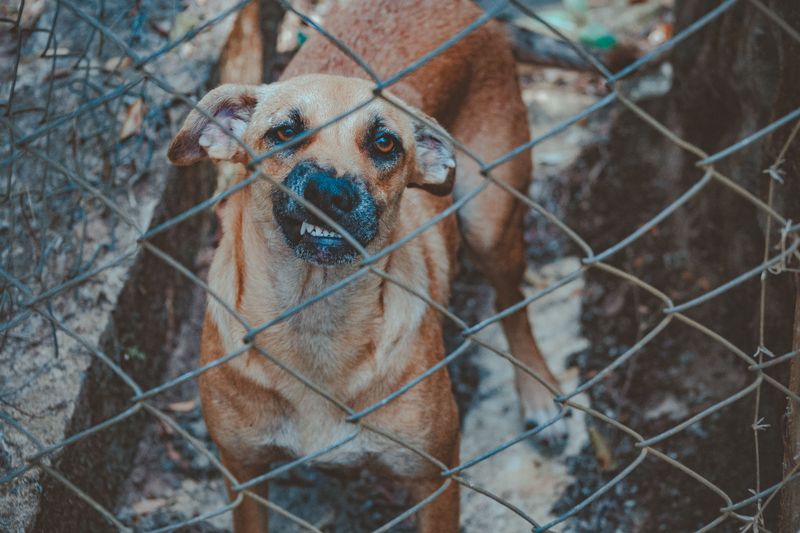
Repeat problems trigger the strongest response in the statute. A reckless dog owner determination can follow when a dog kills another dog, or after repeated dangerous incidents within a set timeframe.
Consequences include immediate impoundment and forfeiture of all dogs the person owns.
A first determination can bar dog ownership for twelve to thirty six months.
Early training and honest reporting prevent that path entirely.
19. Local Ordinances That Add Their Own Rules

State law is only half the map. Counties and cities layer on their own animal control and safety ordinances.
Leash lengths, licensing, tethering limits, and reporting deadlines all vary by location.
Violating a local rule can support a negligence per se argument in a claim.
Spend ten minutes on your village or county website. Call animal control if the wording seems unclear.
20. The Strict Liability Myth Worth Unlearning

Many owners repeat the same assumption: Illinois is strict liability, so a dog-on-dog bite is automatically covered.
That rule mainly protects people, provided they were lawfully present and did not provoke the animal.
Dog-on-dog claims usually require proof of negligence instead.
Knowing the difference keeps expectations realistic. Document everything, stay courteous with the other owner, and consult a local attorney when the bills get serious.