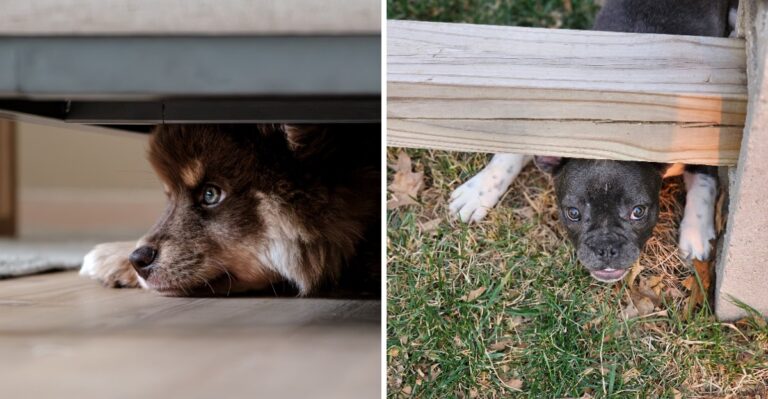
Why Prairie Dog Colonies Can Pose A Health Risk To Curious Dogs In Colorado
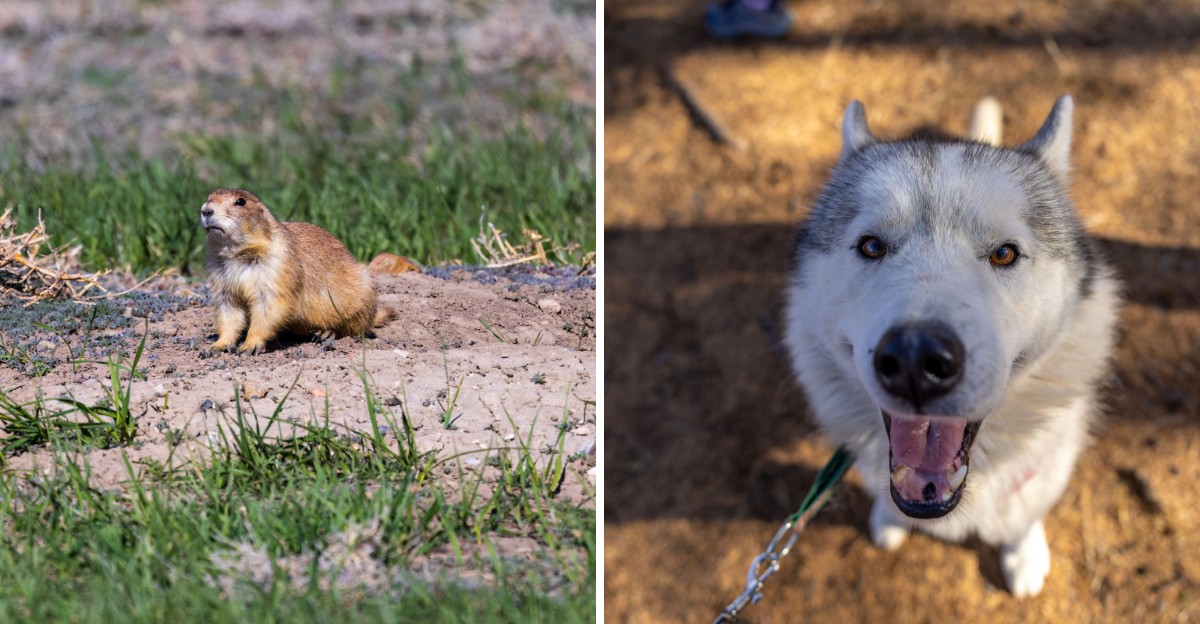
A prairie dog town can look like an exciting stop on your dog’s Colorado walk. Moving animals, busy burrows, and unfamiliar smells give curious noses plenty to investigate.
Most outings stay uneventful, but fleas, wildlife contact, and uneven ground create risks worth understanding. With a leash, reliable flea prevention, and a few smart habits, you can enjoy open spaces more confidently.
1. Why Prairie Dog Colonies Attract Curious Dogs
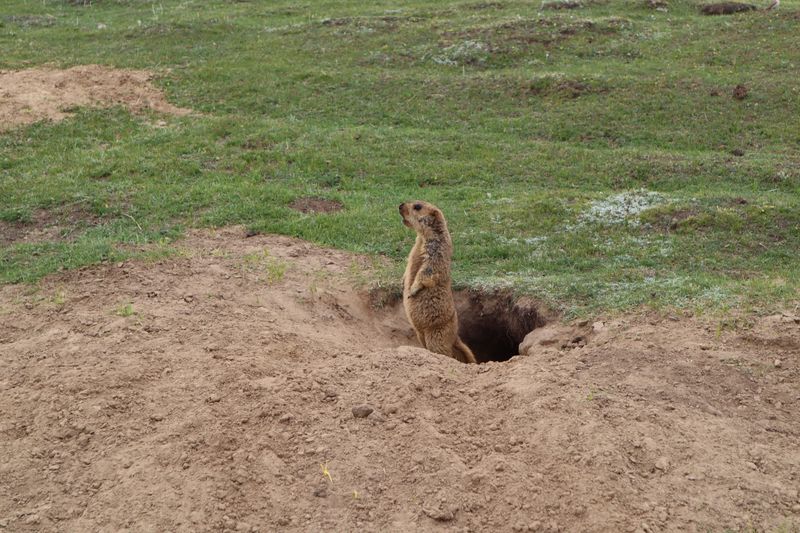
A twitching tail and quick movement can turn an ordinary walk into a tempting chase. Prairie dog colonies also offer fresh scents, squeaking calls, and holes that invite a closer look.
Your dog is following natural instincts, not making a careful safety choice. Practice a cheerful recall and reward attention before excitement builds.
When you spot a colony, create distance early. Staying on designated trails helps protect your dog while leaving these native animals undisturbed nearby.
2. Fleas Can Carry Plague
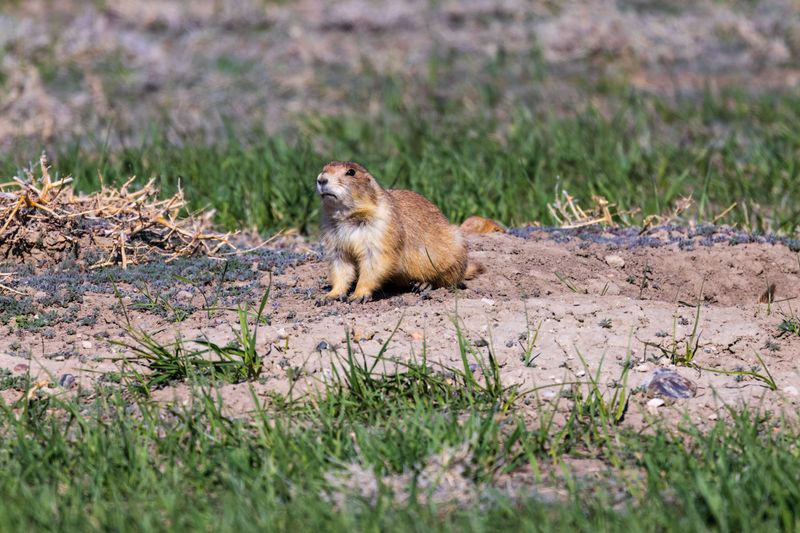
Small parasites explain one of the biggest concerns around some Colorado colonies. Certain fleas can carry Yersinia pestis, the bacteria that cause plague, and spread infection through their bites.
Not every prairie dog or flea carries these bacteria. Risk changes with local wildlife activity and reported outbreaks.
Check notices from Colorado public health agencies before visiting affected areas. A colony without warning signs still deserves sensible distance, since infections are not always immediately obvious to visitors.
3. Plague Can Make Dogs Seriously Ill
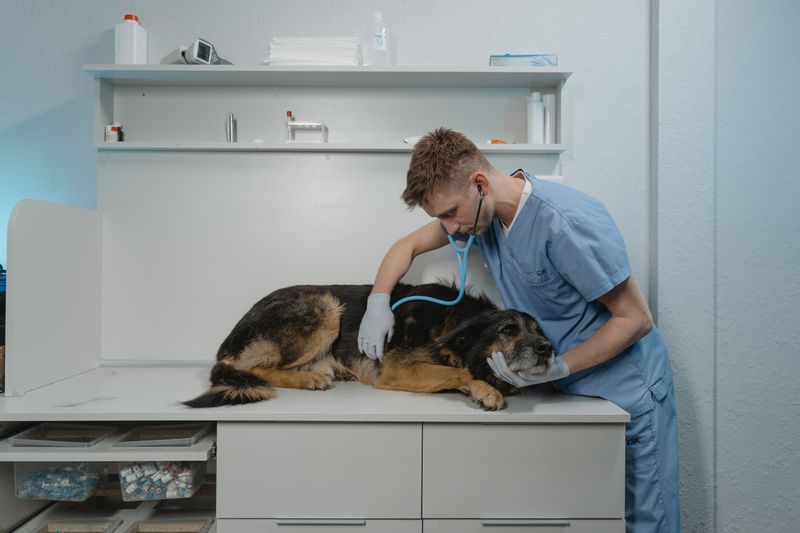
Compared with cats, dogs are less likely to develop obvious plague illness, but they are not immune. Infection can cause fever, low energy, poor appetite, and swollen lymph nodes.
Some dogs need prompt veterinary treatment to recover well. Avoid assuming that a strong, active pet cannot become sick.
If your dog seems unwell after visiting a colony, call your veterinarian. Explain the wildlife exposure so the clinic can assess urgency and arrange suitable precautions before arrival.
4. Dogs Can Pick Up Infected Fleas Without Touching Wildlife
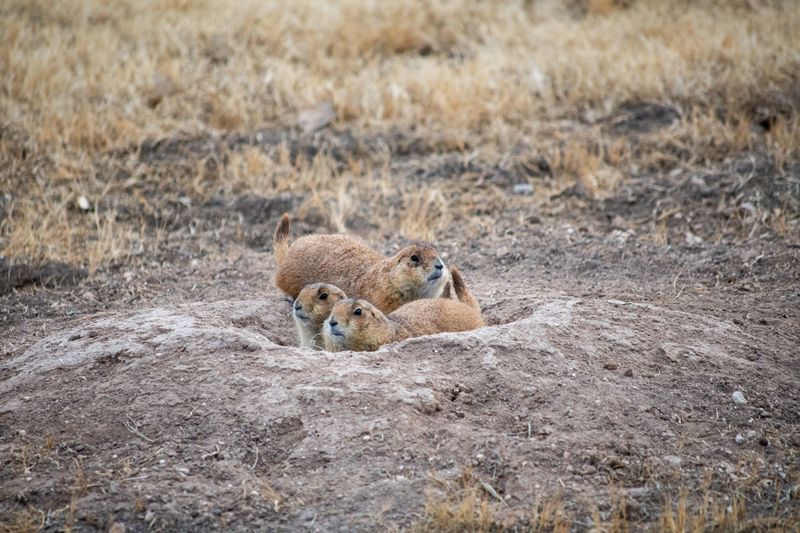
No chase is needed for a flea to find a new host. A dog moving through an affected colony may encounter fleas in the surrounding habitat, even without touching wildlife.
That makes distance more useful than simply stopping nose contact. Keep your dog away from burrow entrances and avoid wandering through colony grass.
Do not rely on a quick visit being harmless. Consistent flea prevention adds protection, but it does not make entering an affected colony safe.
5. Eating Prairie Dog Remains Creates Another Risk
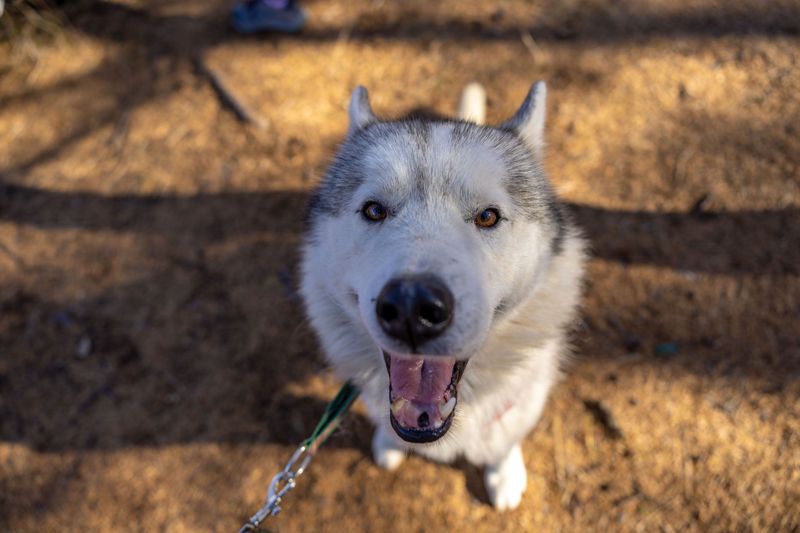
A dog that scavenges can face risks beyond flea bites. Mouthing or eating an infected prairie dog can expose your pet to plague bacteria and other harmful germs.
Teach a reliable leave it cue before you need it outdoors. If your dog grabs wildlife remains, avoid reaching into its mouth with bare hands.
Move away safely and call your veterinarian immediately for instructions. Describe what happened, including whether your dog swallowed anything and when the encounter occurred.
6. Sudden Colony Losses Are a Warning Sign
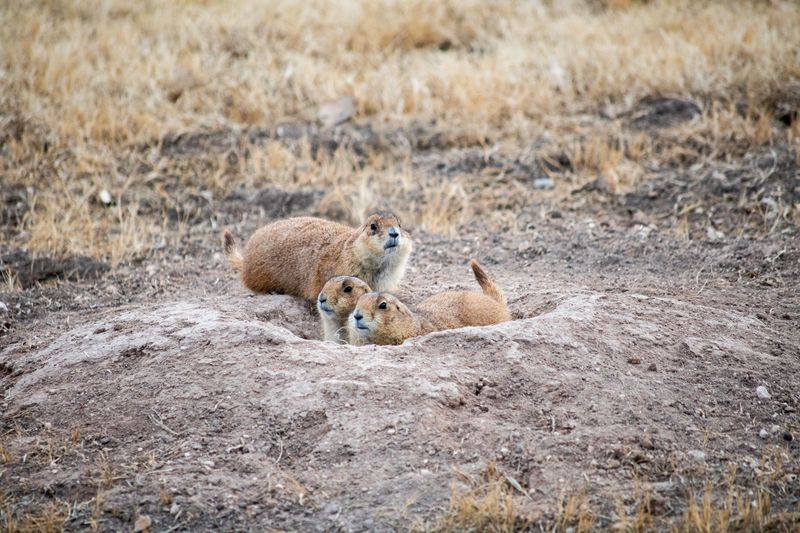
An unusually quiet colony can deserve attention, especially when several animals appear motionless nearby. A sudden drop in prairie dog numbers may signal plague, though other causes are possible.
Do not investigate burrows or collect animals yourself. Leave with your dog and report concerning observations to local public health or wildlife officials.
Share the location and what you noticed from a distance. Authorities can decide whether testing, warnings, or temporary access changes are needed at that site.
7. Dogs Can Bring Fleas Back Into the House
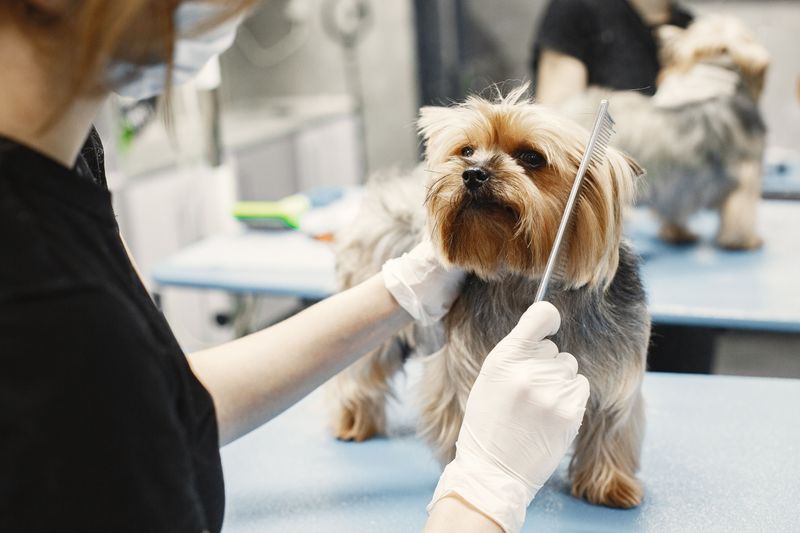
The trip home does not always end a flea encounter. Fleas carried on your dog may reach bedding, furniture, or other pets, creating opportunities for additional bites.
After outdoor trips, check your dog’s coat and keep preventive treatment current. A flea comb can help reveal fleas or their droppings.
If you find parasites after colony exposure, contact your veterinarian for advice. Wash pet bedding and follow recommended household control steps rather than mixing pesticides or using unsuitable products.
8. Plague Is Not the Only Disease Worth Knowing About
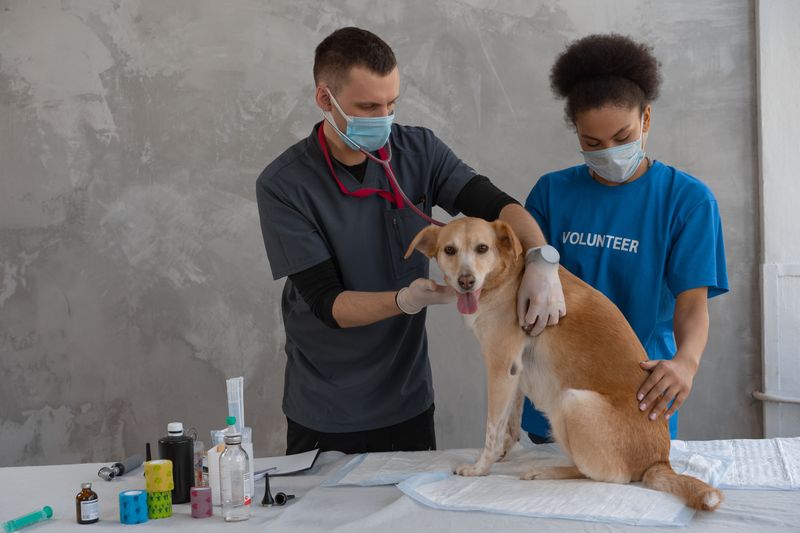
Wildlife encounters can involve more than one kind of infection. Tularemia is another bacterial disease associated with wildlife, including rodents, and dogs can become infected through several exposure routes.
Ticks, contaminated water, and contact with infected animals also deserve attention. These risks are not unique to prairie dog colonies.
Ask your veterinarian which vaccines and parasite products fit your dog’s activities. Prevent drinking from puddles, discourage scavenging, and remember that no single product prevents every outdoor infection.
9. Burrows Can Cause Paw and Leg Injuries
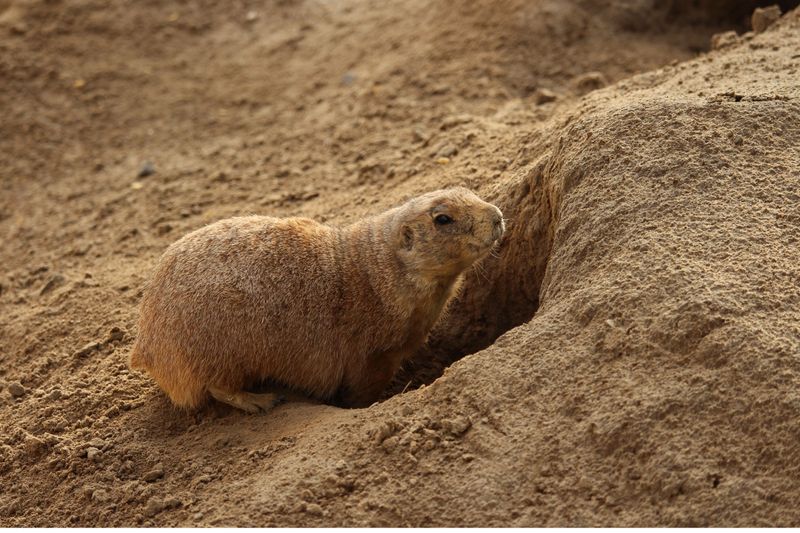
Even a healthy colony can hide a simple physical hazard. Burrow openings and uneven soil can catch a running paw, leading to a strain, sprain, or other injury.
Excited dogs may watch moving animals instead of their footing. Slow down near holes and avoid fetch games beside colonies.
If your dog starts limping, stop the activity and check gently for visible problems. Contact your veterinarian when pain persists, swelling develops, or your dog will not bear weight.
10. Prairie Dogs May Bite When They Feel Cornered
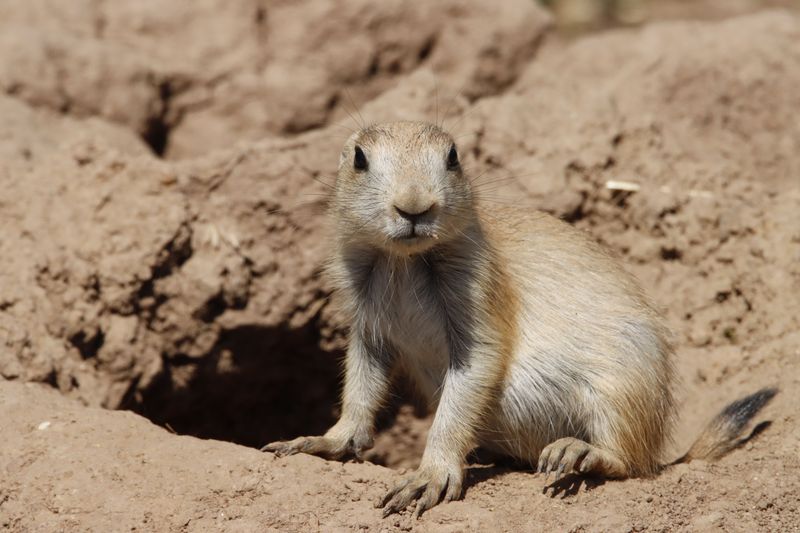
A small wild animal still needs room to escape. When a dog crowds a prairie dog or blocks its burrow, the animal may defend itself with a bite.
Puncture wounds can look minor beneath fur but still need veterinary attention. Separate your dog without handling the wildlife, then call your clinic for advice.
Mention the species and location of the encounter. Your veterinarian can assess wound care and any additional public health guidance based on the circumstances.
11. Digging Around Burrows Can Expose Dogs to Contaminated Material
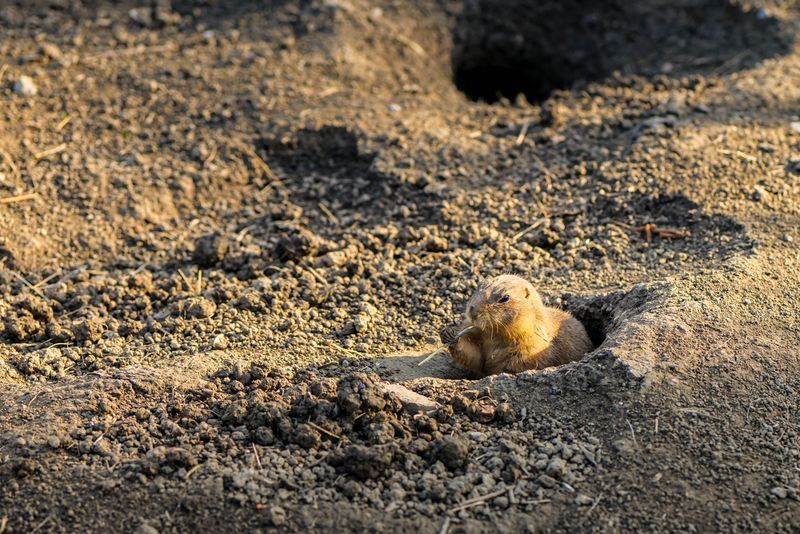
For a determined digger, loose soil can be irresistible. Burrow areas may contain fleas, animal waste, or other material that dogs can pick up while digging and sniffing.
Plague is mainly associated with infected fleas and animal contact, not ordinary airborne trail dust. Still, keeping noses and paws outside burrows reduces unnecessary exposure.
Redirect digging with a treat or familiar cue. If contamination concerns you, ask your veterinarian about safe cleanup rather than applying disinfectants to your dog.
12. Watch for Changes in Your Dog’s Behavior
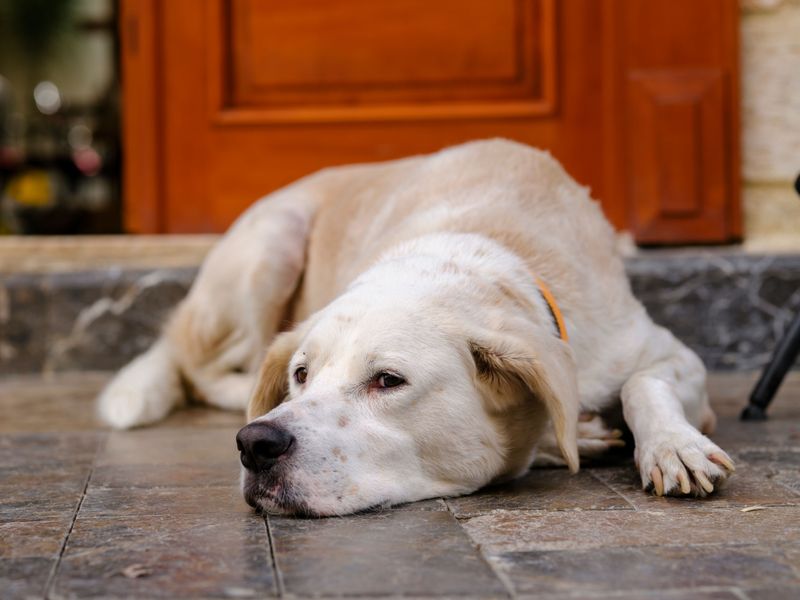
You know your dog’s usual enthusiasm better than anyone. Skipping dinner, avoiding play, hiding, or seeming unusually tired can provide early clues that something needs attention.
Those changes have many possible causes, so they do not prove plague or another wildlife infection. Record when symptoms began and note recent outdoor locations.
Contact your veterinarian when changes are unusual, persistent, or accompanied by other symptoms. Trouble breathing, collapse, or rapidly worsening weakness calls for urgent veterinary care without delay.
13. Fever After Wildlife Exposure Deserves Prompt Attention
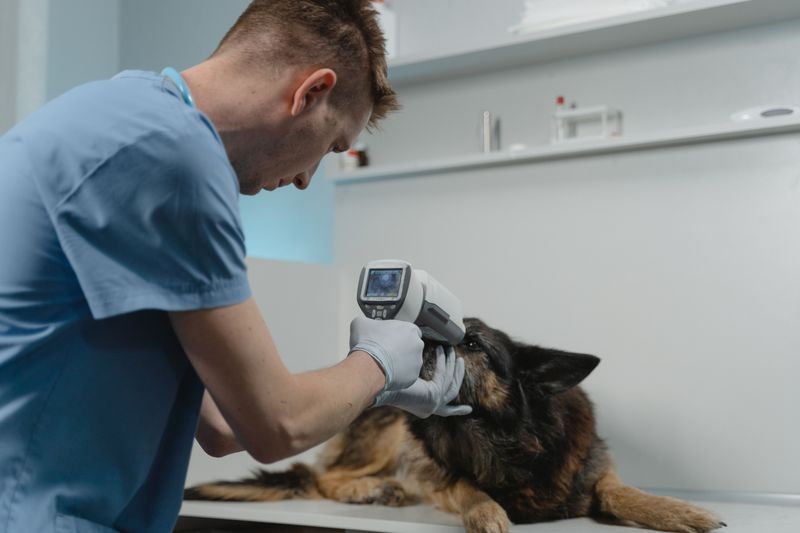
A warm nose cannot reliably tell you whether your dog has a fever. A veterinary examination is safer than guessing, especially after possible contact with fleas or wildlife.
Call promptly if your dog seems feverish, unusually tired, or unwilling to eat following exposure. Never give human fever medicines unless your veterinarian specifically directs you.
Some common medicines are toxic to dogs. Phone before arriving so clinic staff can recommend the safest next steps for everyone involved in care.
14. Keep Dogs on a Leash Near Prairie Dog Colonies
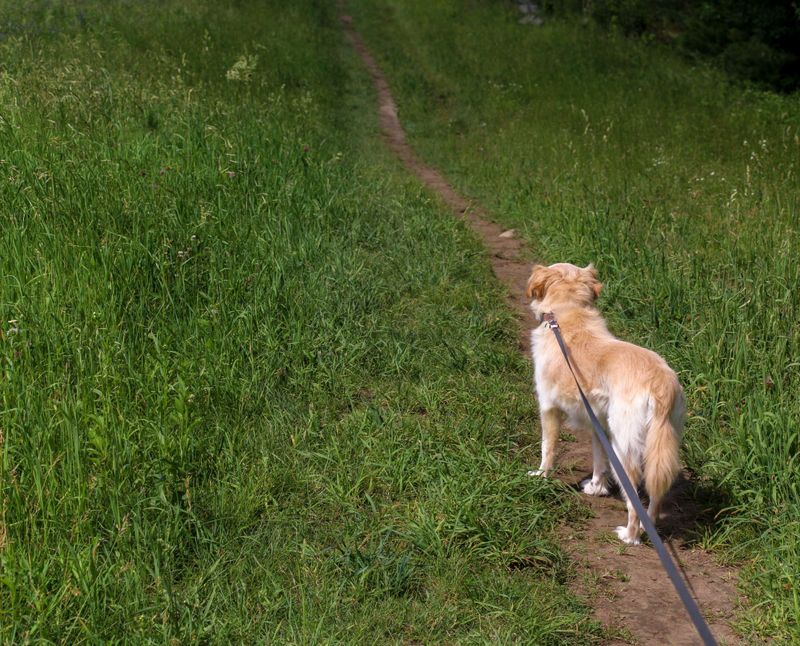
A leash gives you time to interrupt curiosity before it becomes contact. Keep enough control to prevent lunging toward animals, burrow entrances, or unfamiliar objects beside the trail.
Choose another route when a narrow path makes separation difficult. Local leash rules vary among Colorado cities, counties, and land managers.
Read posted signs and confirm current requirements before visiting. Even where off leash access is allowed, keeping your dog away from colonies remains a sensible health and wildlife protection practice.
15. Make Flea Prevention Part of Your Dog’s Routine
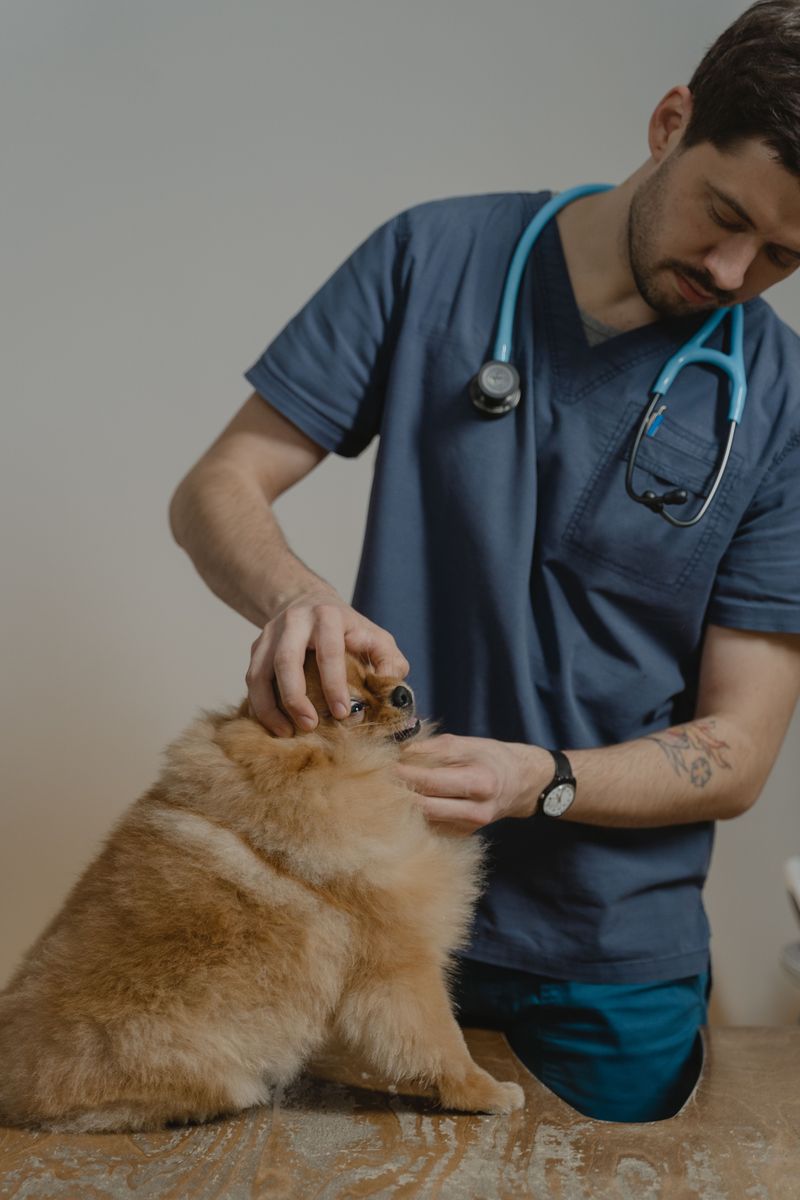
Reliable prevention works best before a flea finds your dog. Ask your veterinarian which product suits your pet’s age, weight, health, and exposure to Colorado wildlife habitats.
Follow the label and treatment schedule carefully, including any bathing instructions. Do not combine products or share medications between species without professional guidance.
Some dog flea treatments are dangerous to cats. Set reminders so protection does not lapse.
Preventives reduce risk, but keeping your dog away from affected colonies still matters.
16. Never Let Your Dog Investigate Wildlife Remains
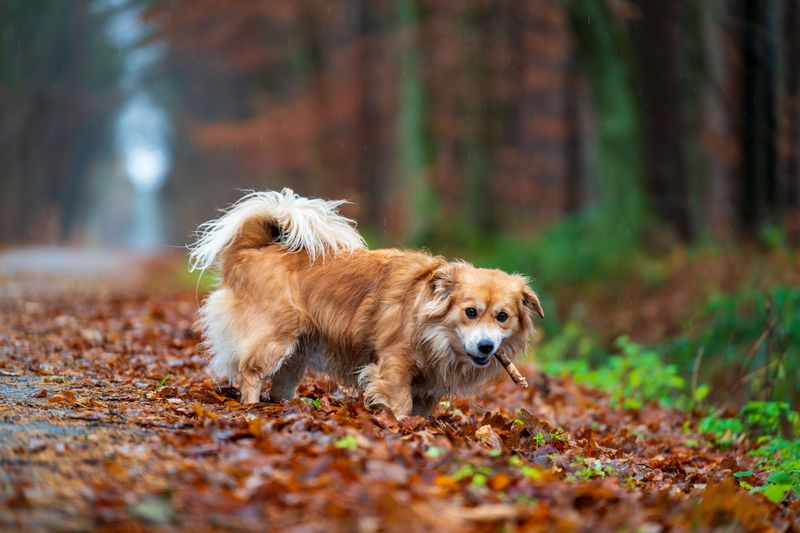
Something lying still beside a trail can attract just as much interest as movement. Keep your dog from sniffing, rolling on, carrying, or eating wildlife remains of any kind.
Fleas may leave an animal and seek another host nearby. Give the area space instead of stopping for photographs.
Do not handle remains with bare hands or attempt collection. Report unusual findings to local authorities, and follow their instructions if removal is needed near your home or a public path.
17. Tell Your Veterinarian About Possible Exposure
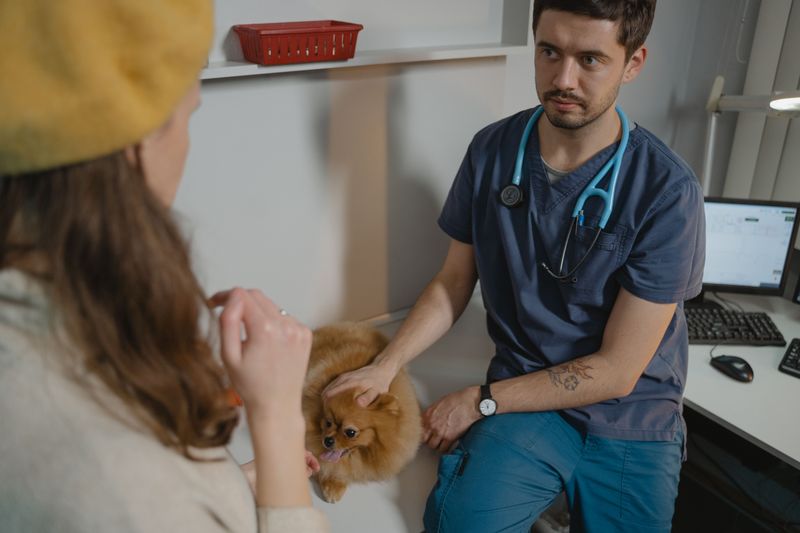
The details of an outing can help your veterinarian connect the dots. Mention the location, date, flea sightings, wildlife contact, scavenging, and any changes you have noticed afterward.
Explain whether the area had posted warnings or unusual colony activity. Call after a concerning encounter even if your dog currently seems normal.
Your veterinarian can decide whether observation, examination, testing, or treatment is appropriate. Avoid starting leftover antibiotics yourself, since the wrong treatment can complicate assessment and delay suitable care.
18. Remember That Plague Can Affect People Too
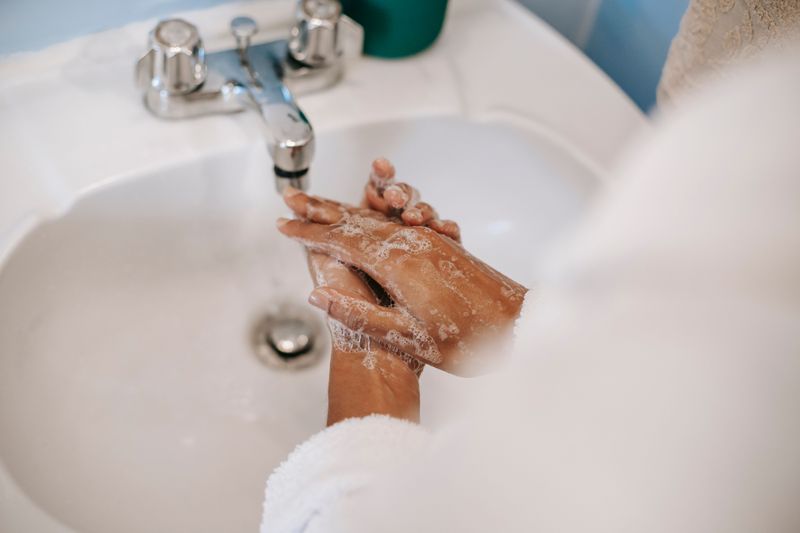
Protecting your dog also helps protect the people sharing your home. People can acquire plague through infected flea bites or contact with infected animal tissues, among other exposure routes.
Dogs can carry fleas indoors even when they show no illness. Wash hands after handling pets and avoid touching wildlife.
If you develop fever or swollen glands after possible exposure, contact a healthcare professional promptly. Mention the Colorado location and animal contact so they can assess your situation appropriately.
19. Choose Outdoor Areas Away From Active Colonies
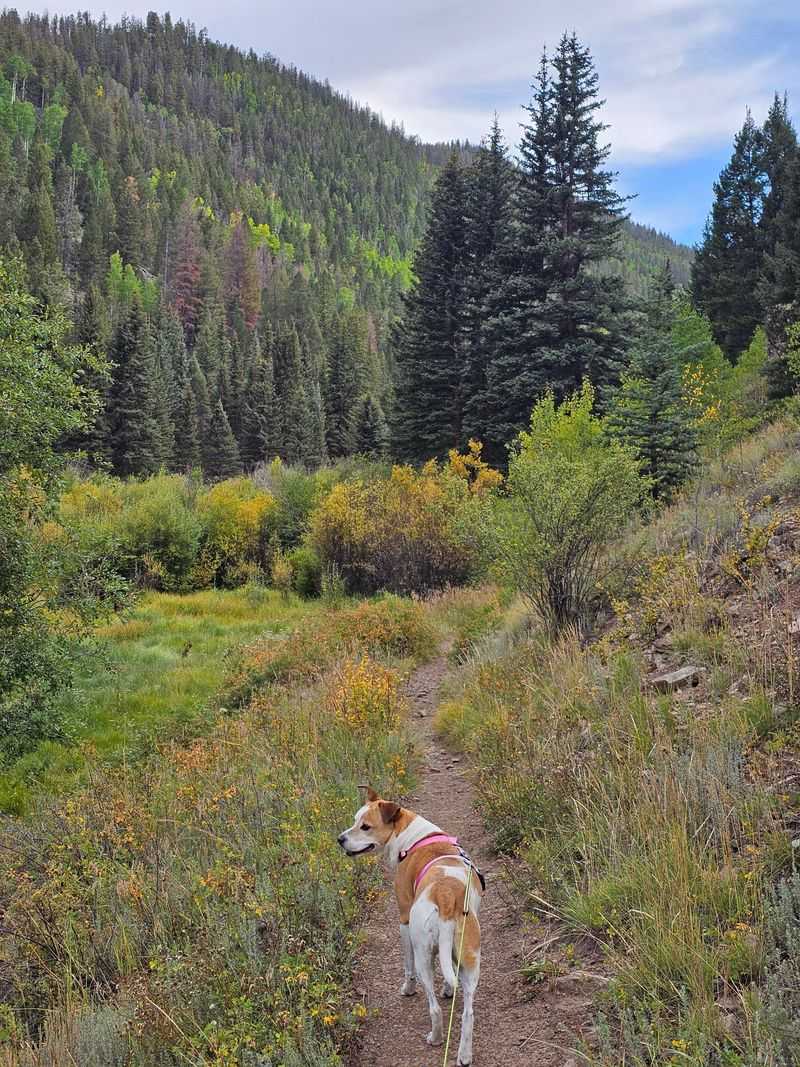
Adventure does not require walking through a prairie dog town. Pick maintained routes with good visibility, follow closures, and check local public health notices when planning your outing.
Look for another park if colonies crowd the trail or warnings are posted. Bring water, keep your leash handy, and maintain flea prevention.
Colorado offers plenty of room for rewarding walks without close wildlife contact. A little distance, steady habits, and timely veterinary advice keep curiosity pointed toward safer adventures together.