Why River Flooding Can Leave Hidden Debris On Indiana Dog-Walking Routes
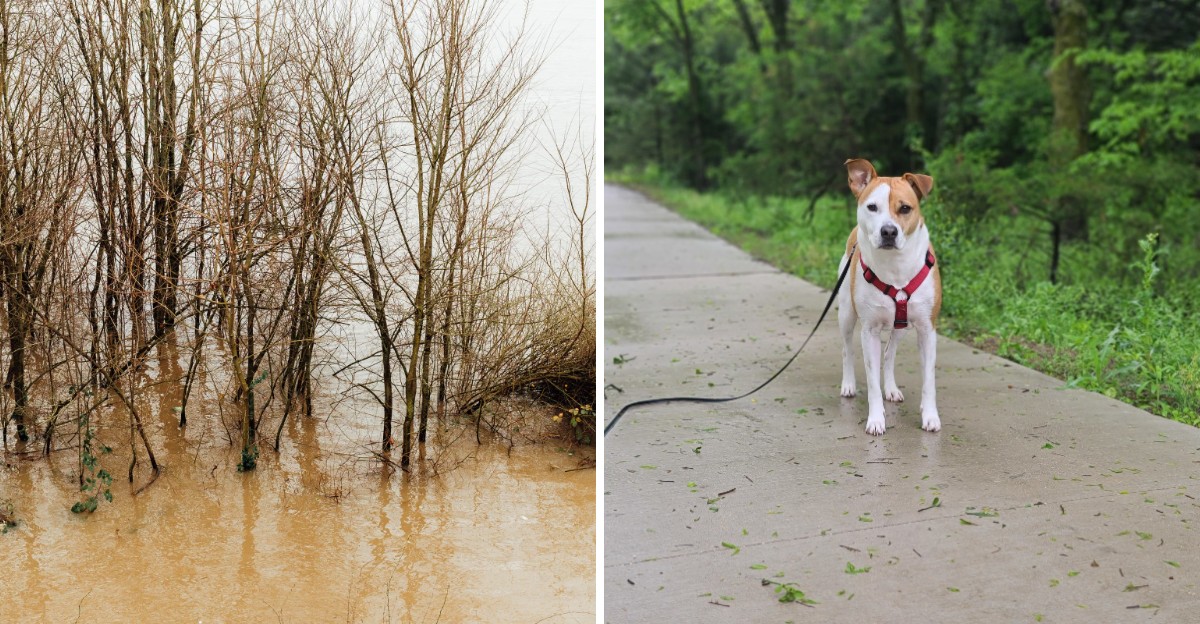
Your favorite riverside path can look familiar after flooding, yet feel different beneath your dog’s paws. Across Indiana, rising rivers can carry branches, litter, and loose materials into places you walk every week.
Once the water drops, mud and leaves may hide what remains. Knowing where debris gathers, and when to choose another route, helps you enjoy local walks with more confidence.
1. How River Flooding Changes Familiar Dog-Walking Routes
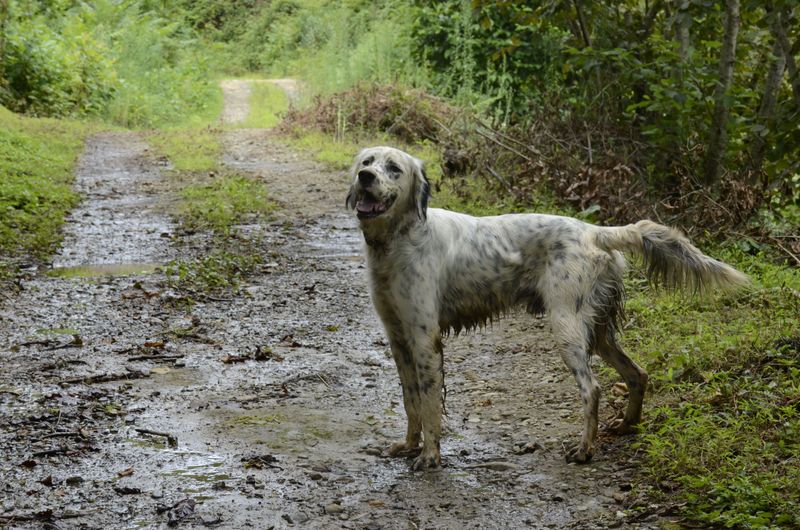
Yesterday’s easy loop may need a fresh look after the river rises. Moving water can shift gravel, loosen soil, and carry objects across familiar paths.
Even paved sections may collect slippery mud.
Start with a short outing in daylight, keeping your dog close enough to guide around surprises. Look ahead instead of relying on memory.
If the surface changes suddenly, turn back rather than testing an uncertain stretch with your dog beside you that day.
2. Why Debris Remains After Floodwaters Recede
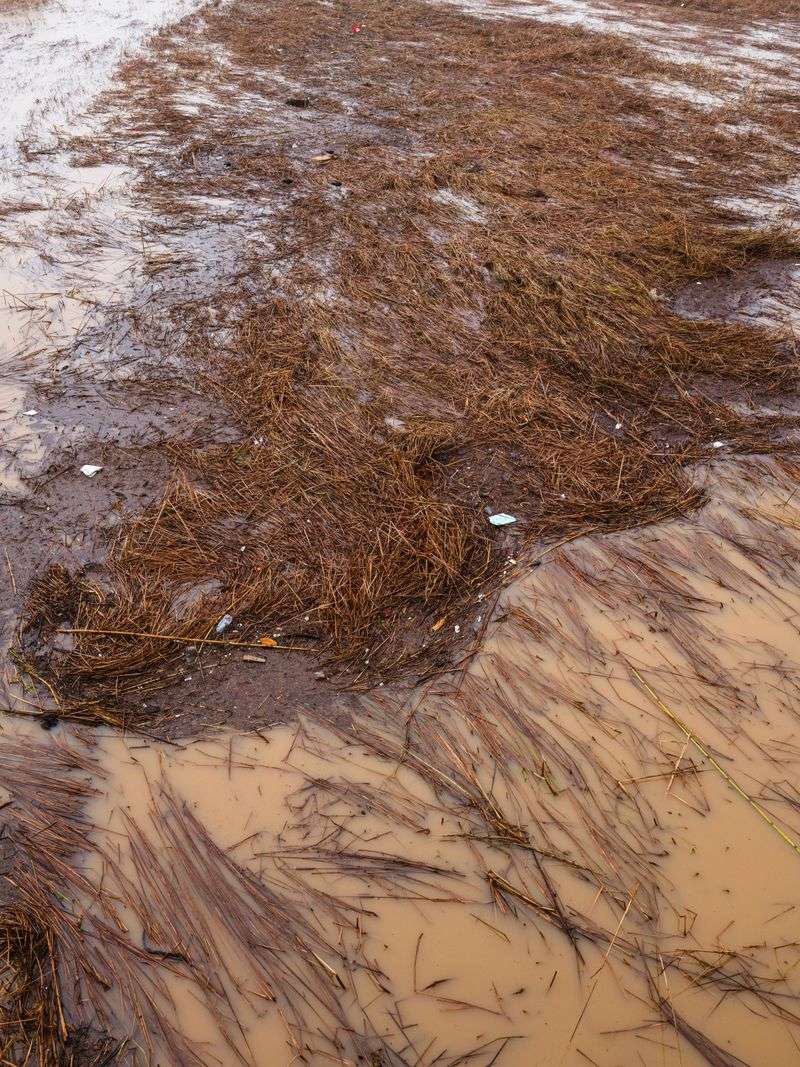
A falling river does not carry everything away with it. As floodwater slows, floating materials catch on bushes, benches, and uneven ground.
Heavier pieces settle into mud, sometimes beyond the normal riverbank.
That leftover line of leaves and litter can reveal where water reached. Treat it as a reminder to scan nearby surfaces carefully.
Allow park crews time to inspect and clean affected areas before assuming a dry trail is ready for regular walking again.
3. Fallen Branches Can Hide Along Trail Edges
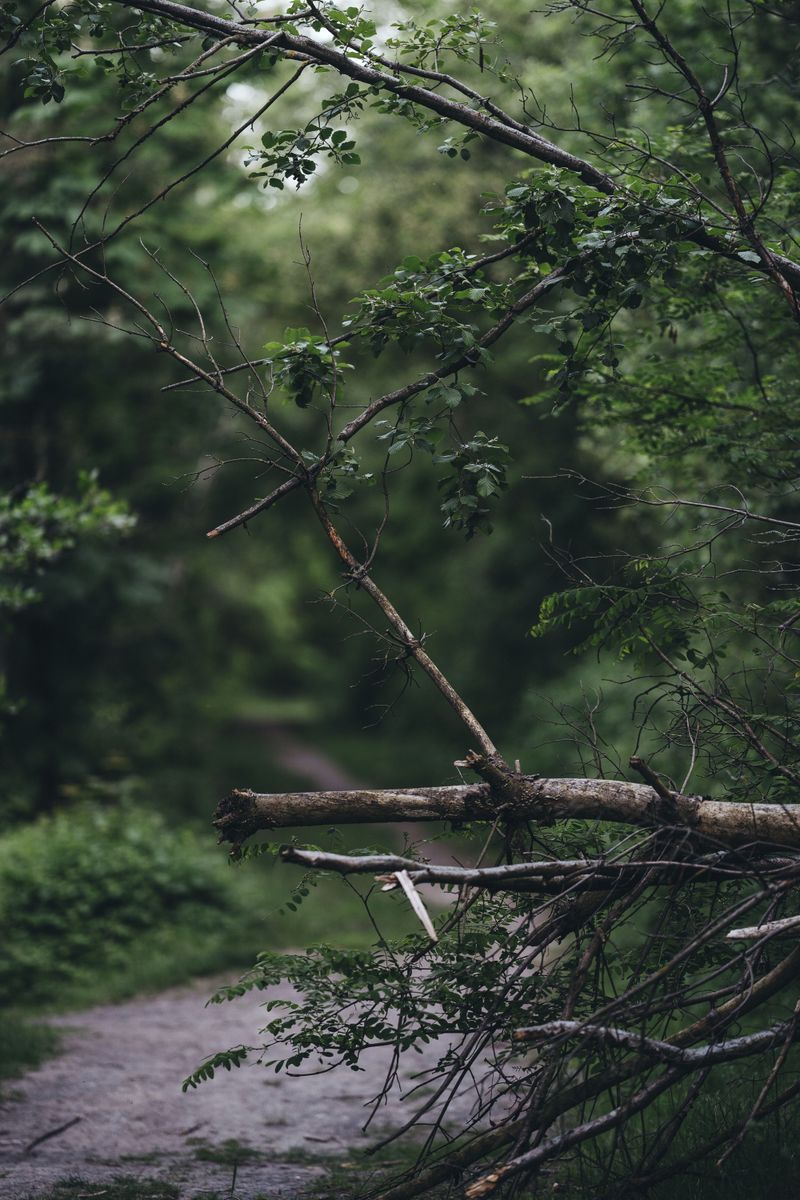
Leafy trail borders make tempting sniffing spots, especially for curious dogs. After flooding, those same borders may hold snapped limbs carried from upstream.
Some branches blend into grasses or sit beneath fresh leaves.
Keep your dog on the clear walking surface rather than letting them push through tangled edges. Step around woody piles without climbing over them.
A branch that looks settled may roll or shift when a person or dog puts weight on it.
4. Mud And Silt Can Cover Sharp Objects
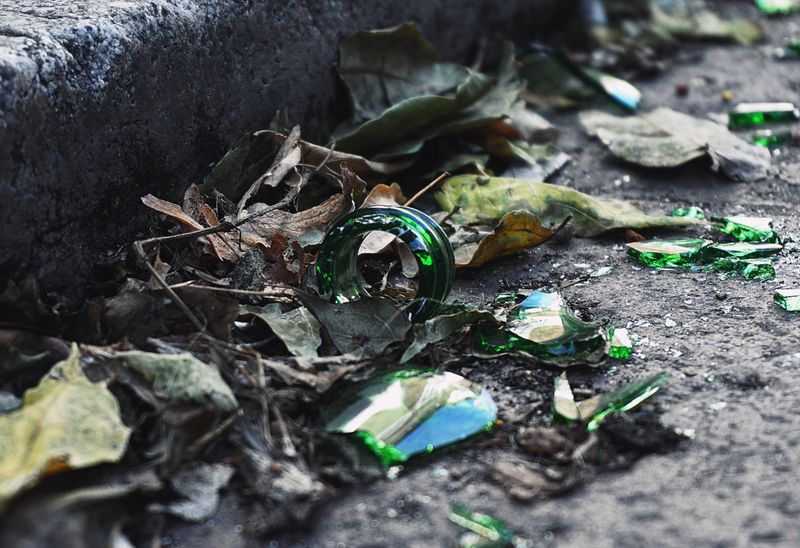
A smooth coating of brown silt can hide an uneven surface underneath. Floodwater may leave small glass fragments, metal scraps, or other sharp objects mixed with sediment.
Their edges are not always visible.
Avoid muddy patches when you cannot judge what lies beneath them. Do not scrape through unknown material with your hands or shoes.
If your dog seems uncomfortable afterward, stop walking and check their paws somewhere clean, bright, and safely away from traffic.
5. Plastic And Household Trash May Wash Into Parks
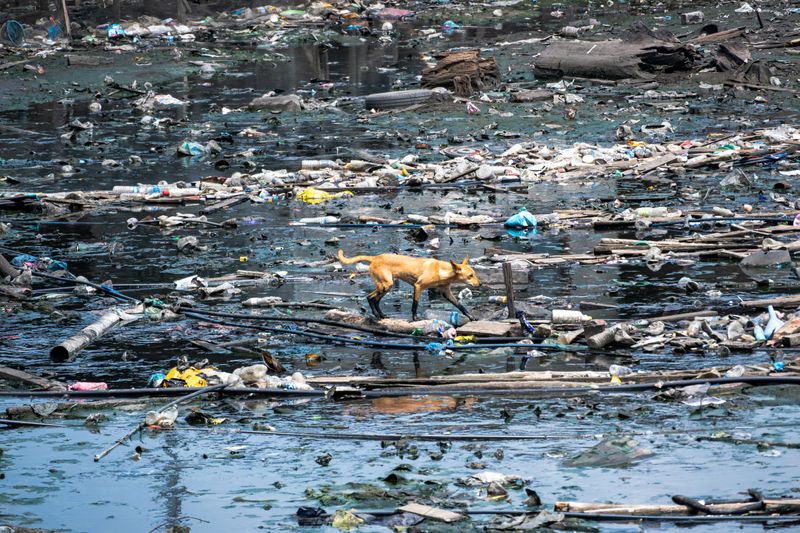
Your dog may notice a washed-up wrapper before you do. Rivers can move loose trash from streets, yards, and overflowing collection areas into parks.
Food smells may linger on packaging long after water drains.
Use a practiced leave-it cue and guide your dog past unfamiliar containers. Keep noses away from bottles, bags, and unknown spills.
If something enters your dog’s mouth, contact your veterinarian for advice, especially when you cannot identify the material or contents.
6. Fishing Line And Hooks Can Become Tangled In Vegetation
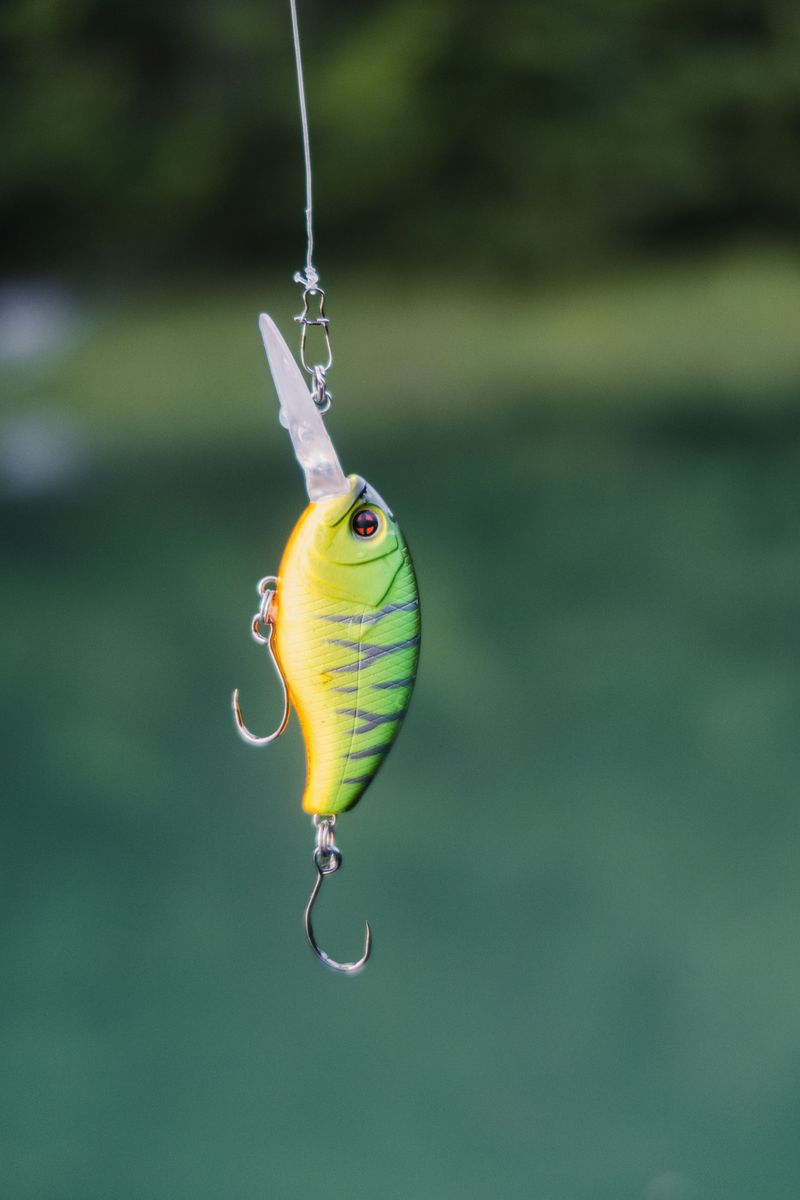
Nearly clear fishing line is easy to miss against wet grass. Flooding can pull discarded tackle from banks and snag it around plants beside walking routes.
Hooks may remain attached beneath leaves or stems.
Give tangled vegetation extra space near fishing access points. Never tug on line caught around your dog or pull out an embedded hook yourself.
Keep your dog still and contact a veterinarian promptly for guidance on handling the situation without further injury.
7. Flooded Trail Shoulders Can Hide Uneven Ground
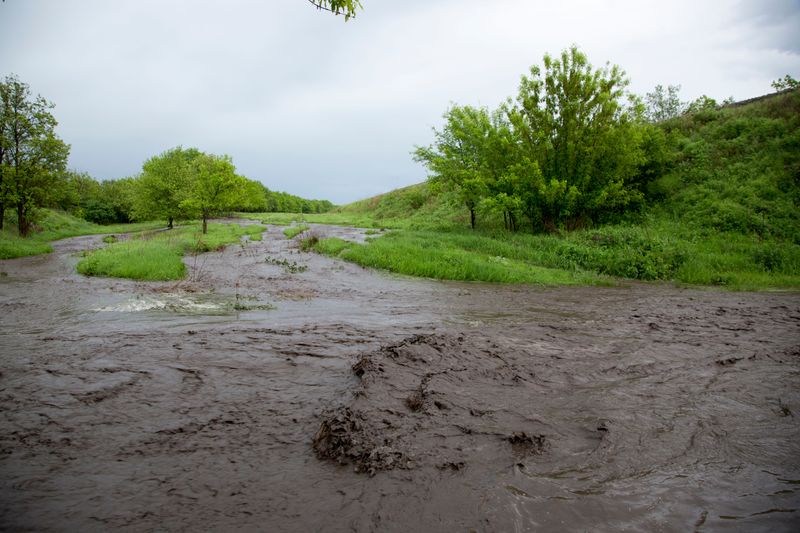
The middle of a path may look solid while its edges have changed. Moving water can wash soil away, leaving small holes or unsupported pavement.
Grass sometimes hides these changes from casual view.
Stay toward the clear center where conditions allow, and avoid stepping onto soft shoulders. Keep enough distance from other walkers to pass without crowding the edge.
If a section looks cracked, sunken, or washed out, choose another route and notify park staff.
8. Riverfront Parks May Need Extra Inspection After Flooding
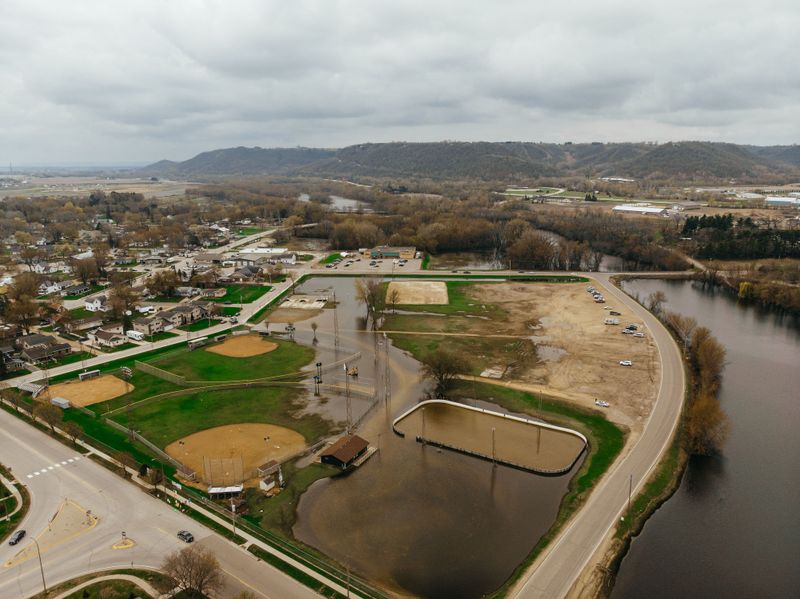
Cleanup involves more than sweeping visible sticks from pavement. Park workers may also check bridges, benches, railings, and access roads after floodwater passes.
Some damage becomes clear only during a closer inspection.
A park entrance being open does not mean every riverside section is available. Follow signs around individual paths and facilities.
For current conditions, check the managing agency’s website or call its office. Ask specifically about dog walking access and any remaining muddy areas.
9. Culverts And Drainage Areas Can Collect Washed-Up Materials
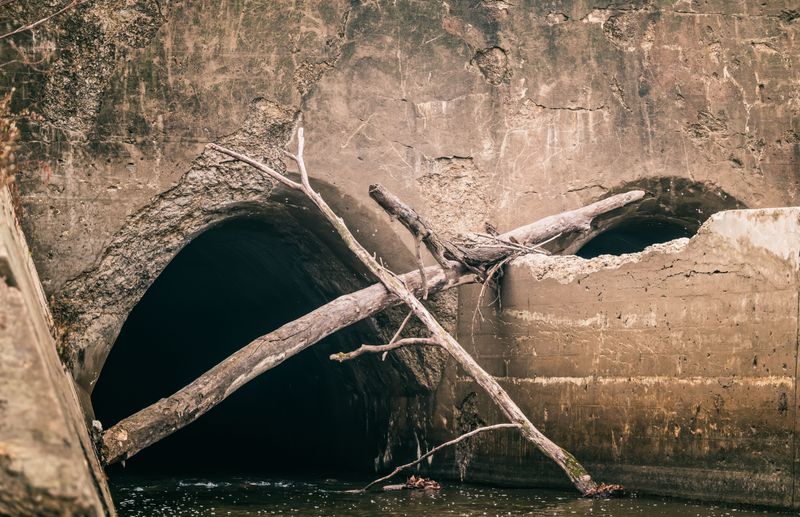
Water funnels toward low spots, carrying loose material along the way. Culvert openings and drainage ditches can catch branches, litter, and tangled vegetation.
A harmless-looking pile may cover the opening or unstable ground.
Walk past these collection points with your dog beside you. Avoid reaching into drains or trying to clear a blockage yourself.
Report backed-up water or a blocked culvert to the responsible agency. Maintenance crews have equipment and procedures for checking these areas safely.
10. Flood-Damaged Fences Can Leave Loose Materials Behind
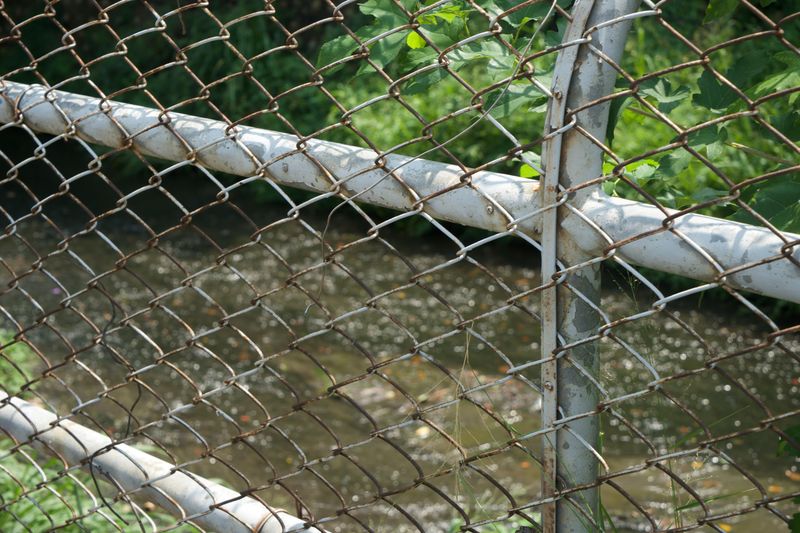
A familiar fence can become a source of debris after high water. Pressure from flowing water and trapped branches may loosen boards, wire, or fasteners.
Broken pieces can settle in nearby grass.
Give leaning panels and damaged barriers plenty of room. Do not tie your dog’s leash to a fence that may be weakened.
Where fencing separates a trail from the river, turn around if the barrier is damaged and safe passage is no longer clear.
11. Wildlife Activity Can Increase Around Flood Debris
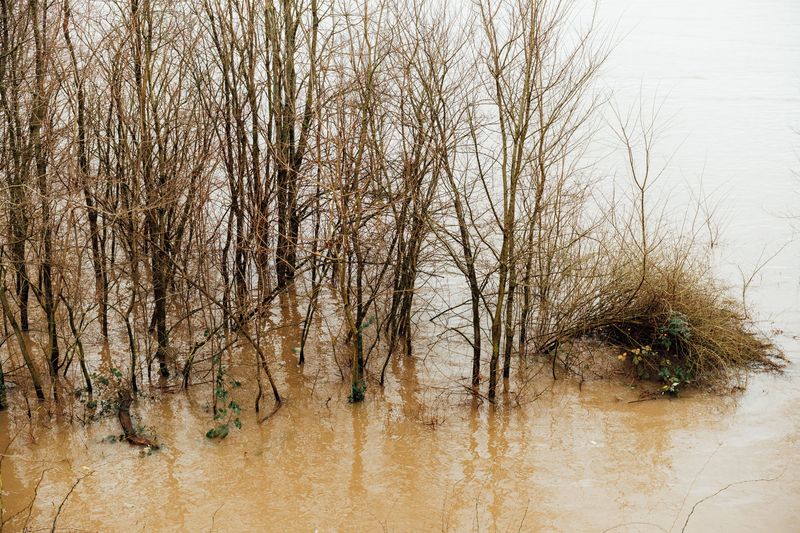
Displaced animals may use brush piles and higher banks for shelter. Flood debris can provide cover, so your dog might suddenly focus on movement nearby.
Wildlife activity varies with habitat, season, and conditions.
Let animals move away without following them. Shorten your leash before passing dense piles, and prevent your dog from reaching underneath logs.
Avoid disturbing nests or handling wildlife. If an animal appears injured, contact local animal control or a licensed wildlife rehabilitator.
12. Watch For Mosquitoes Around Standing Water
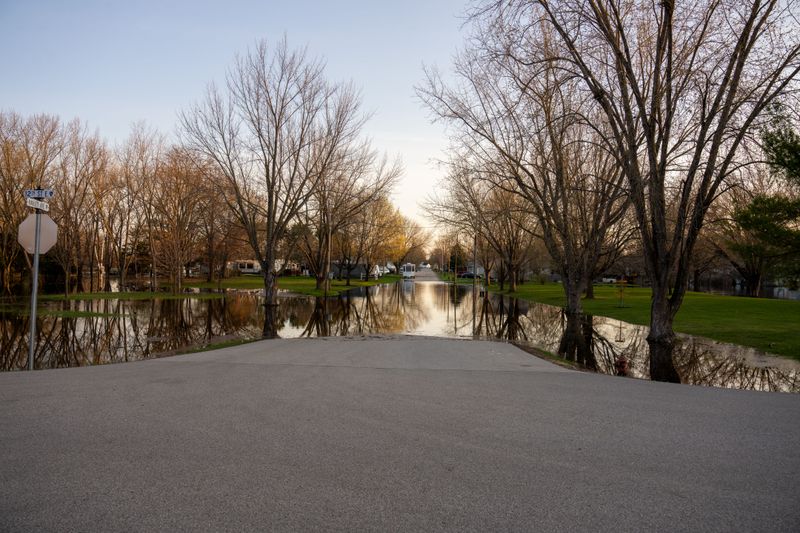
Puddles left behind can last longer than the river’s high water. Some mosquitoes breed in standing water, including water trapped inside washed-up containers.
Their numbers depend on weather, species, and local conditions.
Keep your dog’s heartworm prevention current under veterinary guidance. Ask your veterinarian before using any insect repellent on your pet.
Choose drier routes when mosquitoes are bothersome, and avoid lingering beside puddles. Report larger standing-water concerns through your local health department’s usual reporting process.
13. Check Trail Closures Before Returning To Riverfront Routes
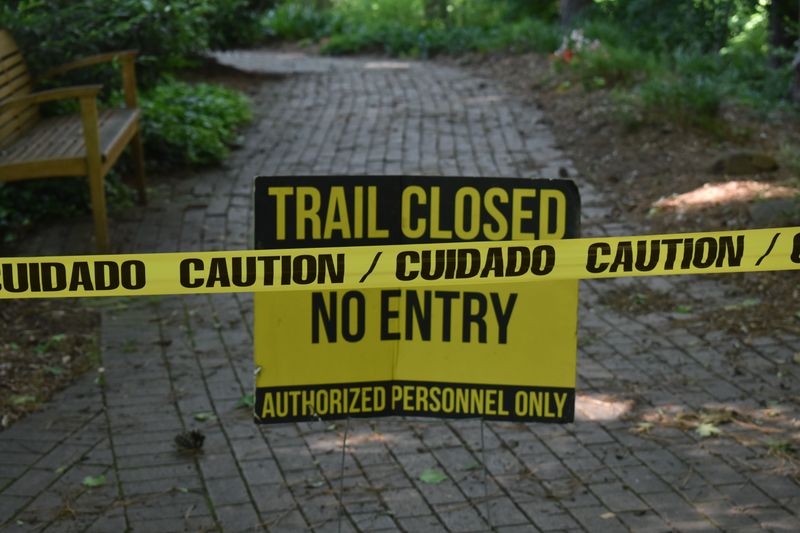
A quick check before leaving home can save a wasted trip. Riverfront routes may remain closed while crews remove debris or assess damage.
Reopening times differ among city, county, and state properties.
Look for updates from the agency that manages your destination. Read posted notices at the entrance, even if an online update seemed encouraging.
Never move barriers or follow others around them. Keep a backup walking spot ready so your dog still gets an outing.
14. Keep Dogs Leashed Near Recently Flooded Areas
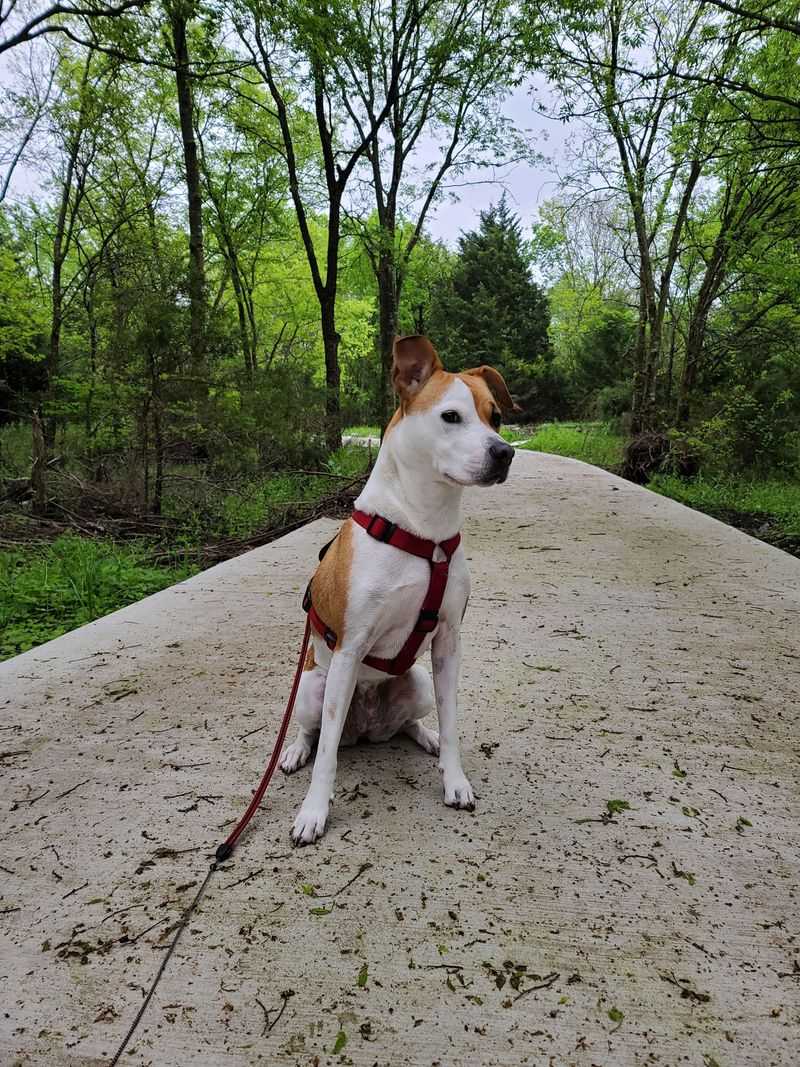
Extra freedom is less helpful when the ground holds surprises. A leash lets you steer your dog away from debris before curiosity takes over.
Choose a manageable length that keeps your dog nearby.
Leash rules vary by property and local government, so check posted requirements. Even where off-leash activity is allowed, recently flooded ground deserves caution.
Keep control without wrapping the leash around your hand. Reward your dog for staying close and passing tempting objects calmly.
15. Inspect Your Dog’s Paws After Every Walk
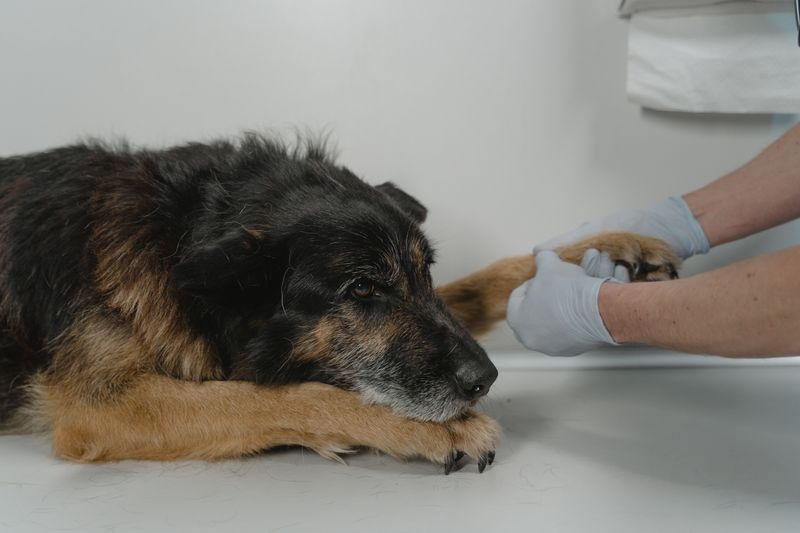
Back home, a brief paw check can catch small problems early. Look between toes and around nails for grit, tangled material, or irritation.
Notice whether your dog is licking or favoring one foot.
Rinse muddy paws with clean water and dry them gently. Do not dig into skin or pull out deeply embedded objects.
Contact your veterinarian about punctures, swelling, bleeding, or continued limping. Describe the flooded route and anything unusual your dog may have touched.
16. Choose Higher Ground When River Levels Are Uncertain
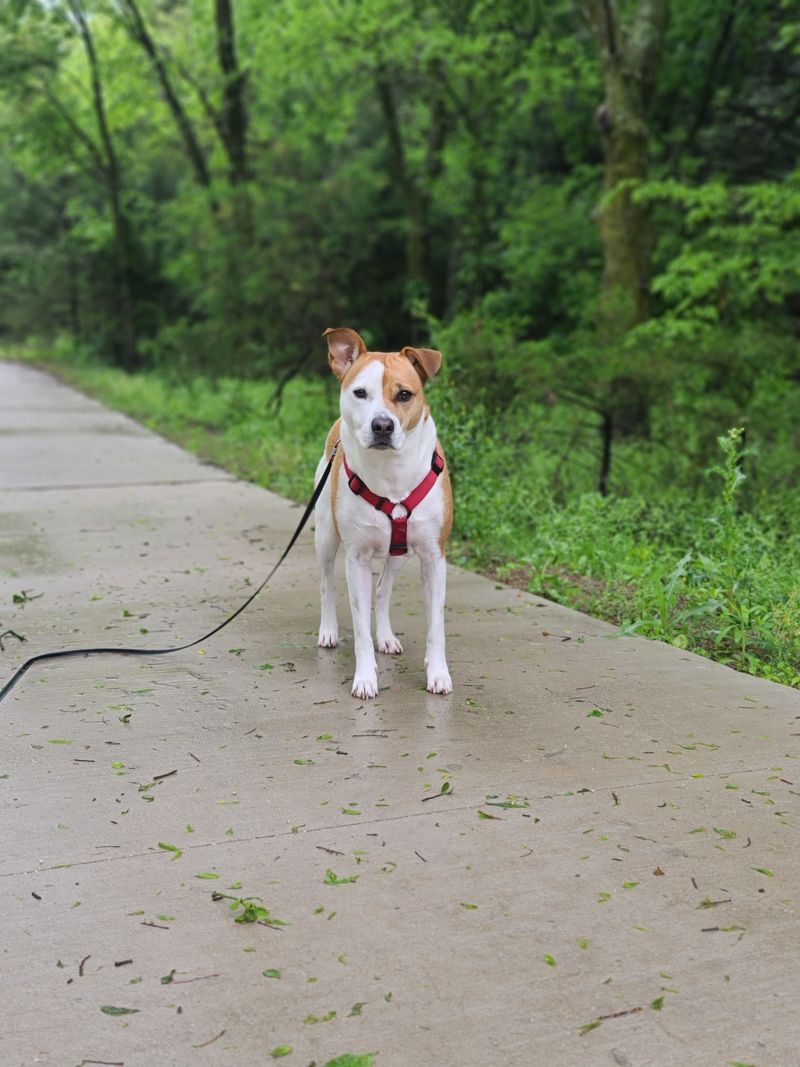
Rain upstream can affect a river even when your neighborhood stays dry. Conditions may change after local skies clear, so appearance alone is not enough.
Avoid routes where water could block your return.
Check National Weather Service alerts and available river forecasts before choosing low paths. Higher ground is a useful alternative, provided the route itself remains open and safe.
Never walk through floodwater with your dog. Pick a dry sidewalk or upland park instead today.
17. Report Dangerous Debris To Park Staff
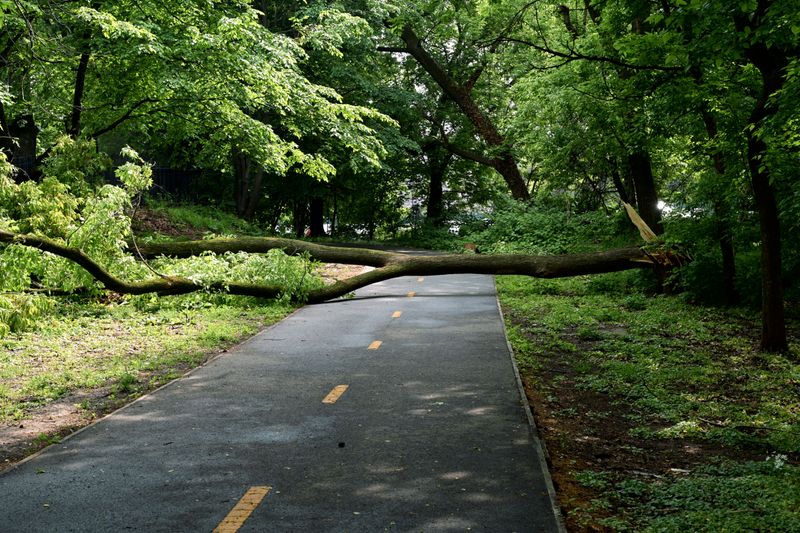
One clear report can help the next walker avoid a problem. Note the nearest trail marker, entrance, or landmark when you spot concerning debris.
Take a photo only from a safe position.
Contact park staff or the agency responsible for that route. Describe what you saw without touching unknown materials or attempting a risky cleanup.
For immediate danger, contact emergency services. A little awareness, a flexible route, and steady leash habits keep future walks more comfortable.