Returning To Florida With A Dog After Months Away Means Rebuilding The Heat Routine
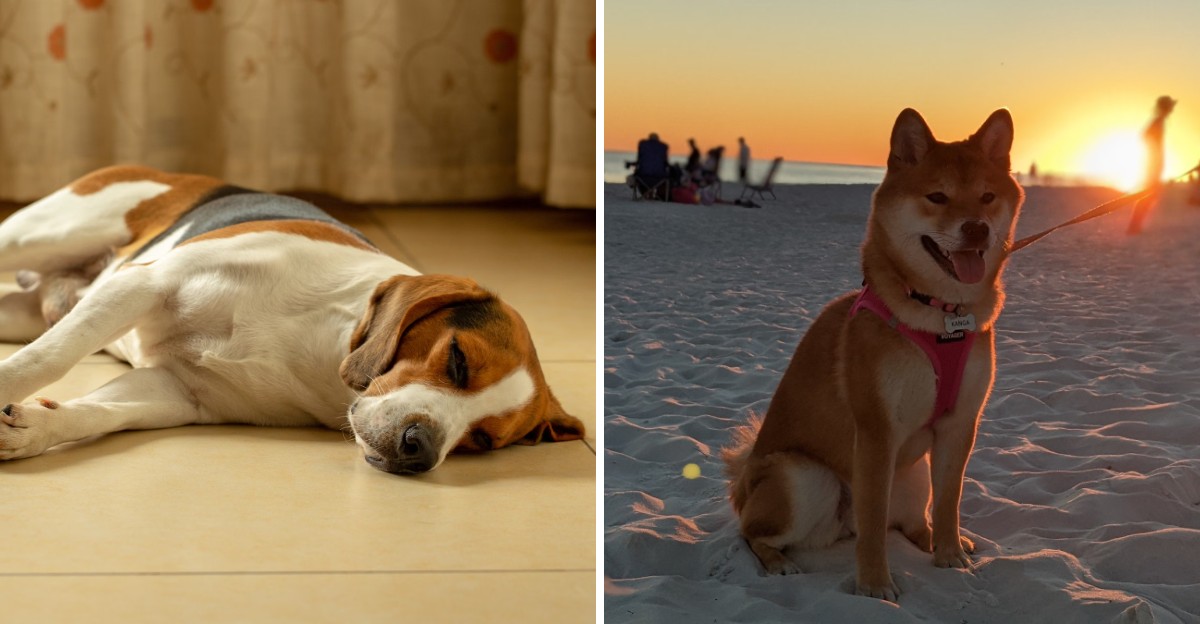
Coming back to Florida can feel familiar, but your dog may need time to adjust to the heat again. Months in cooler weather can change how comfortably your companion handles warm sidewalks, sticky afternoons, and outdoor play.
A few thoughtful changes can make those first weeks easier for both of you. Start with shorter outings, dependable cooling breaks, and a routine shaped around the dog beside you.
1. Reintroduce Early Morning Walks Before Florida’s Heat Builds
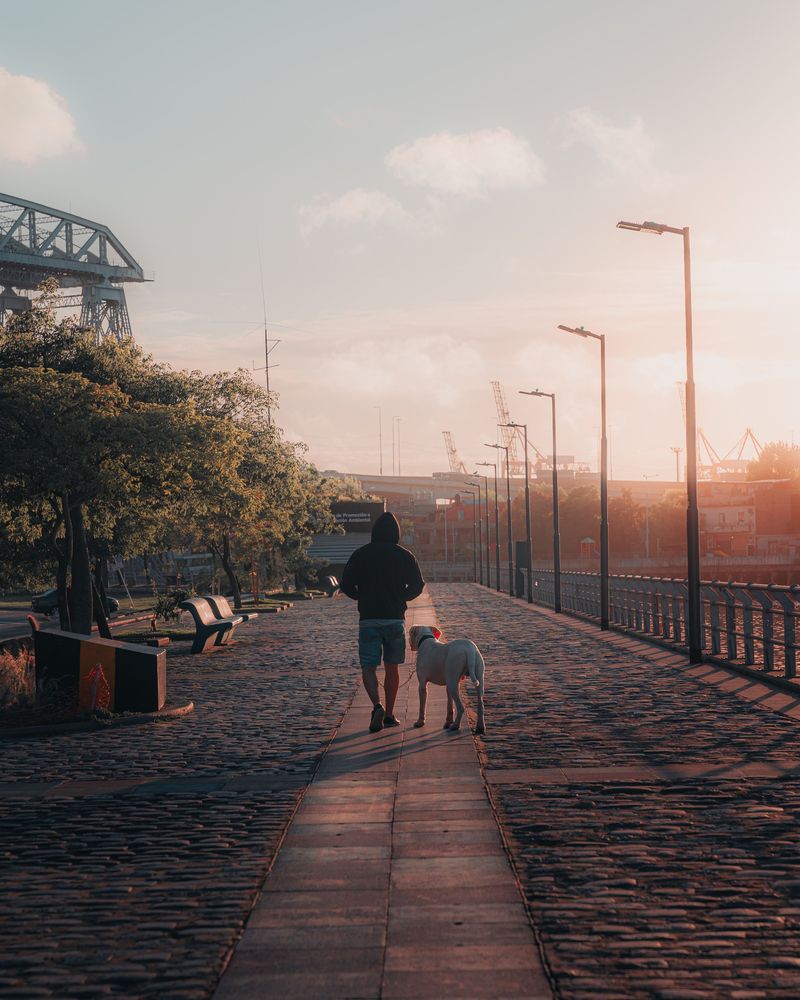
That familiar morning route may feel different after months somewhere cooler. Set your alarm earlier and head outside before sunshine warms the neighborhood.
Keep the first walks short, even when your dog seems eager.
Check humidity and current conditions rather than trusting the clock alone. Florida mornings can still feel sticky and warm.
Bring water, stay close to home, and return before panting becomes heavy. Comfortable outings matter more than matching your old walking distance today.
2. Check Pavement Temperatures Before Every Walk
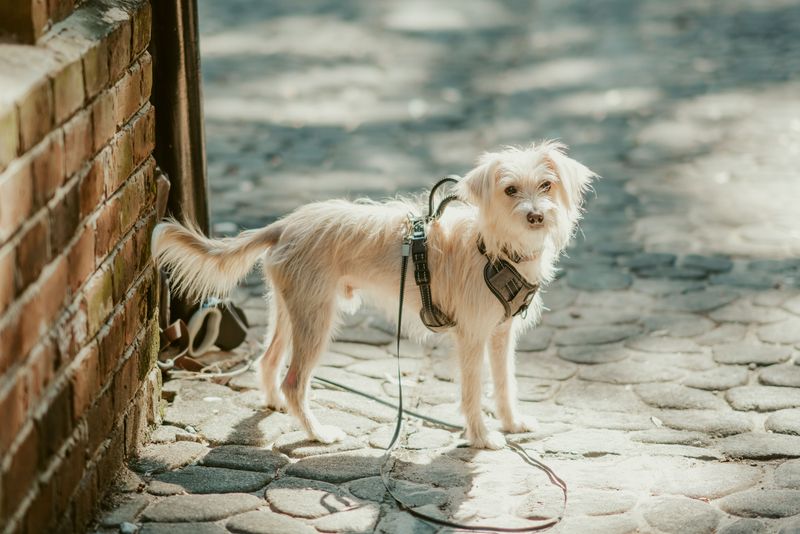
Sidewalks can hold more heat than the air suggests. Briefly touch the walking surface with your hand before letting paws cross it.
An uncomfortable surface means choosing shade, grass, or another time.
A hand check offers a warning, not a guarantee against burns. Watch for hopping, limping, or reluctance to move.
Test different surfaces along your route, especially dark pavement. Never ask your dog to continue across ground that feels too hot for comfortable contact outside.
3. Rebuild Your Dog’s Tolerance Gradually
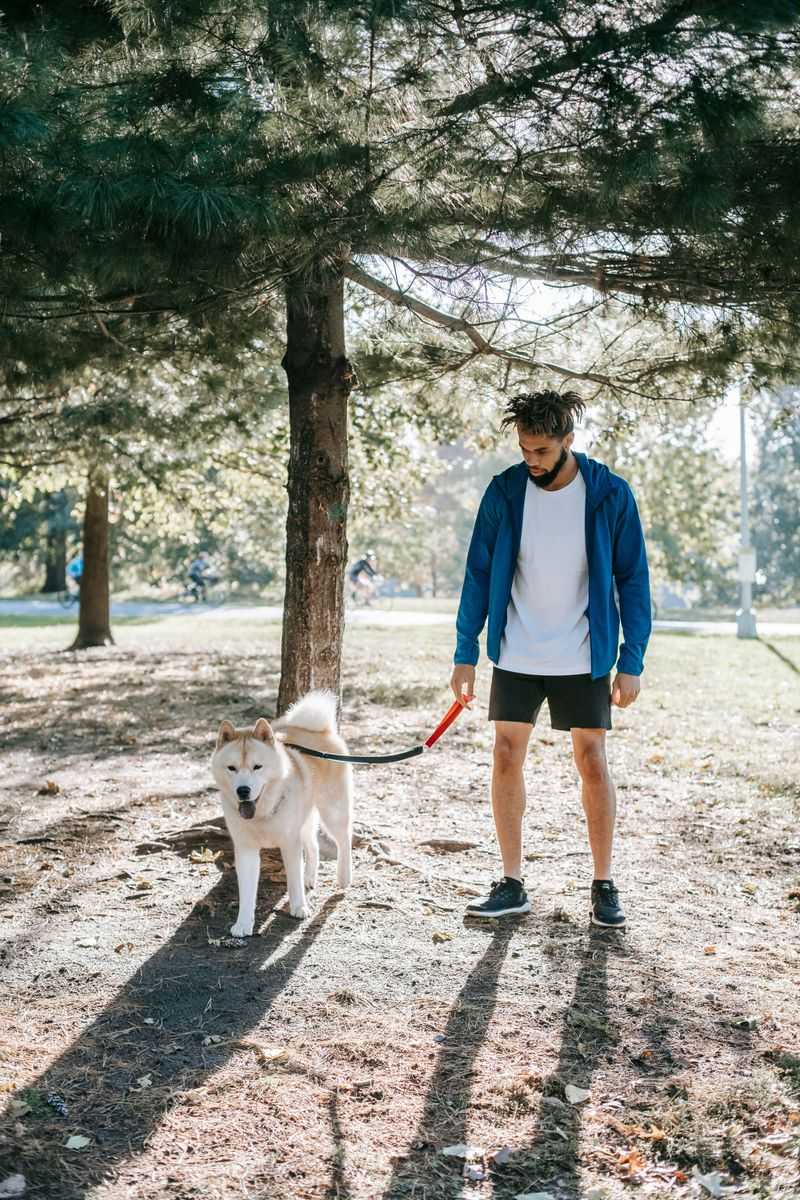
Old stamina does not return simply because the suitcase is unpacked. Begin with easy walks and plenty of indoor recovery.
Add activity slowly only when your dog finishes comfortably and settles normally afterward.
There is no single adjustment schedule that fits every pet. Weather, fitness, age, and health all affect progress.
Avoid treating longer walks as daily goals. Ask your veterinarian about suitable limits, especially after illness, weight gain, or a long stretch of reduced exercise.
4. Make Water Breaks Part of Every Outing
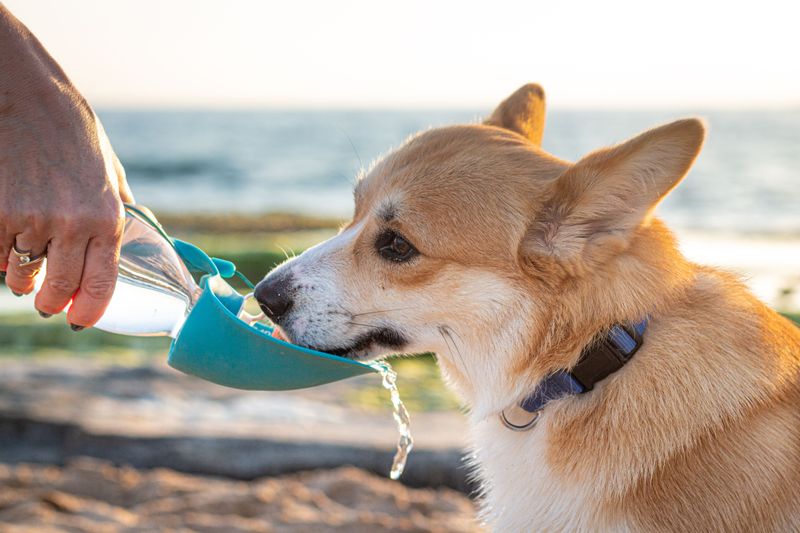
A water bottle belongs beside the leash, even for familiar routes. Offer fresh water before leaving and during quiet breaks outdoors.
Carry enough for your dog rather than relying on park fountains.
Let your companion drink willingly without forcing water into the mouth. Bring a clean portable bowl and wash it after use.
Skip puddles, standing water, and shared bowls when possible. If your dog repeatedly refuses water or seems unwell, end the outing and contact your veterinarian.
5. Watch for Heat Stress in Humid Weather
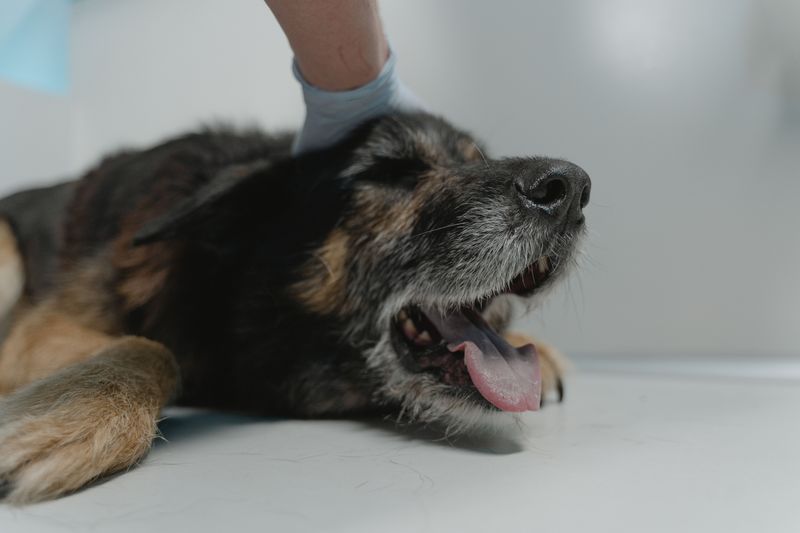
Sticky air makes cooling through panting less effective. Watch for unusually heavy panting, thick drool, weakness, vomiting, or confusion.
A dog slowing down may need help, not encouragement to finish.
Stop activity and begin cooling your dog immediately with cool water, while arranging urgent veterinary care. Move your dog to an air-conditioned space if available, provide airflow, and avoid delaying veterinary attention while attempting to cool them.Avoid ice baths and never force drinking.
Apparent improvement does not replace veterinary advice. Prompt cooling and professional guidance are the safest response to suspected overheating.
6. Restore a Comfortable Indoor Cooling Routine
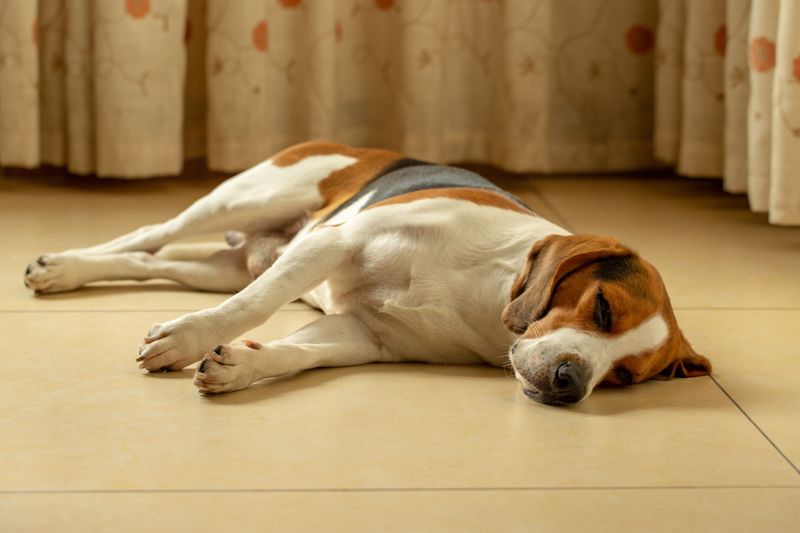
Home should offer a dependable break from outdoor warmth. Check that your air conditioning works before settling back into your normal schedule.
Place beds away from sunny windows and keep fresh water nearby.
Watch where your dog chooses to rest during the afternoon. Cool flooring may feel better than a thick cushion.
Fans can support airflow, but they do not replace adequate cooling. Plan another cooled location if your system fails or a power outage affects your home.
7. Rebuild Bathroom Breaks Around the Weather
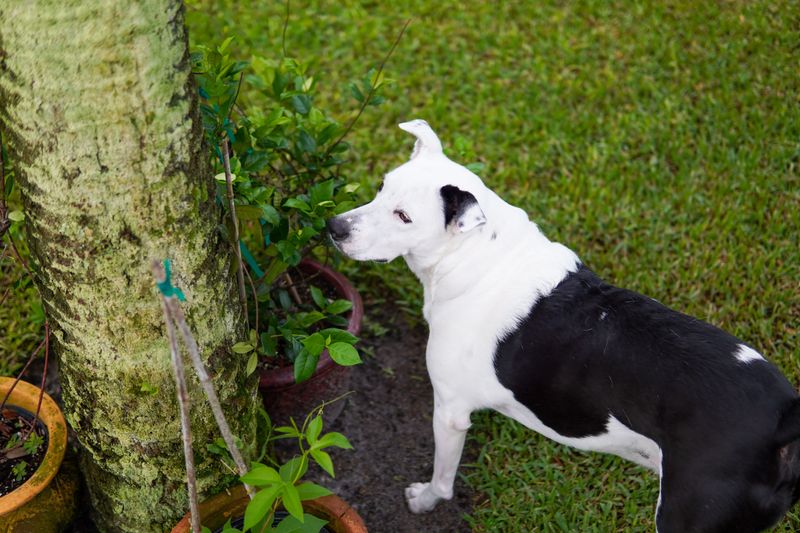
Bathroom needs do not pause when the afternoon gets hot. Separate quick toilet trips from longer exercise walks.
Choose the closest shaded patch and return indoors once your dog finishes.
Offer enough opportunities without making your companion wait through discomfort. Puppies, seniors, and dogs with medical conditions may need more frequent outings.
Keep shoes, bags, and a leash ready near the door. A simple setup makes short breaks easier during sudden rain or stretches of especially warm weather.
8. Choose Florida Trails With Shade and Short Routes
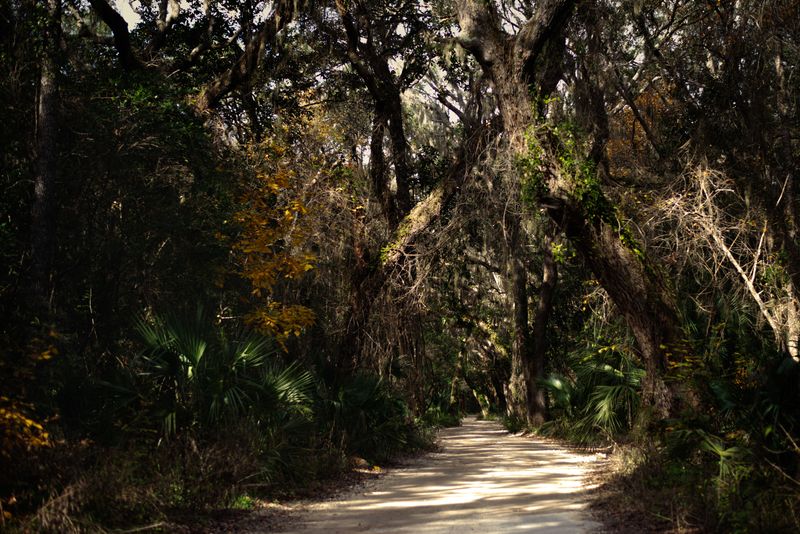
A leafy canopy helps, but a shaded trail can still feel humid. Pick short loops with easy exits instead of routes that commit you to miles.
Check current dog rules before leaving home.
Bring your own water and follow posted leash rules. Keep your dog away from freshwater shorelines because alligators occur throughout Florida, and avoid approaching wildlife or walking through dense brush where hazards may be difficult to spot.
Florida trails may have alligators, snakes, or seasonal closures. Turn around early whenever conditions change.
Rebuilding confidence should never depend on reaching a distant trail marker.
9. Use Dog-Friendly Parks for Gentle Reacclimation
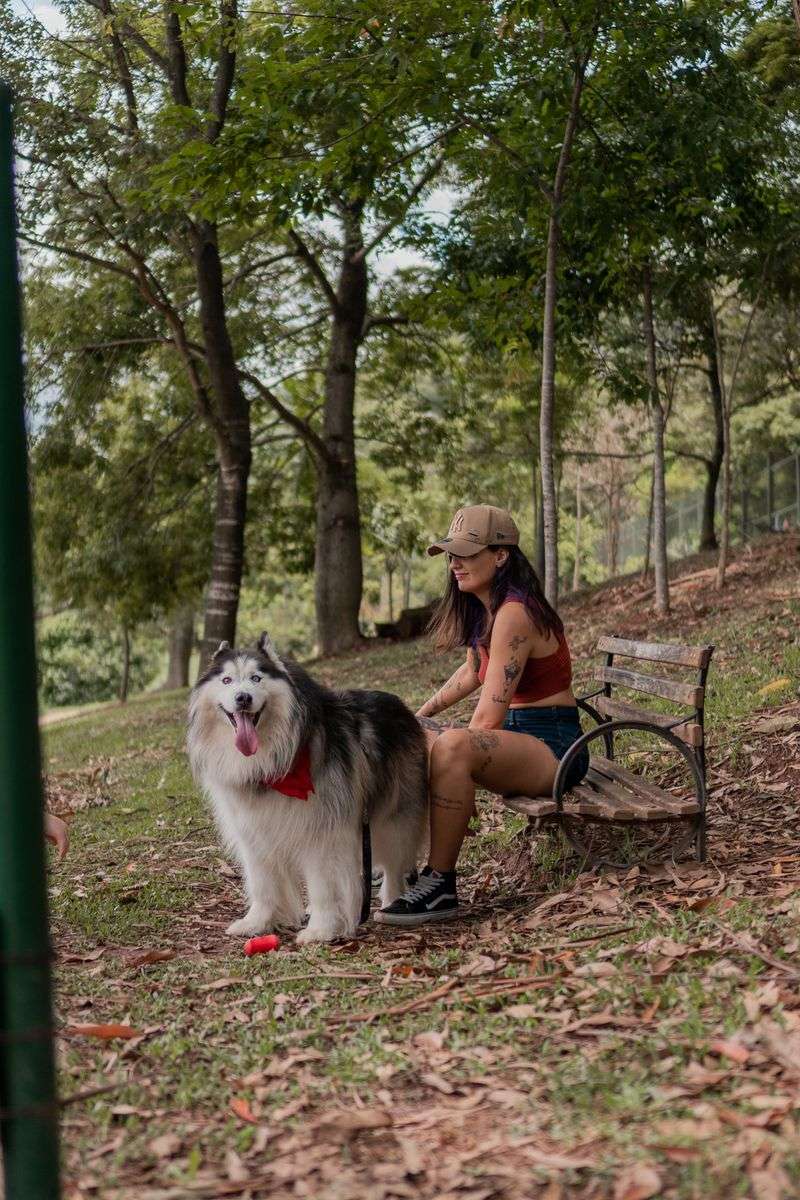
Not every park visit needs a chase or a crowd. Start with quiet sniffing along shaded edges during cooler hours.
A calm visit lets you judge comfort without adding nonstop excitement.
Check posted leash rules and confirm which areas allow dogs. Facilities and restrictions vary by city and county.
Skip busy fenced runs if your companion gets carried away. Bring water and leave while your dog still feels comfortable.
Short, pleasant visits can rebuild familiarity without pushing exercise.
10. Adjust Playtime Instead of Stopping Activity Completely
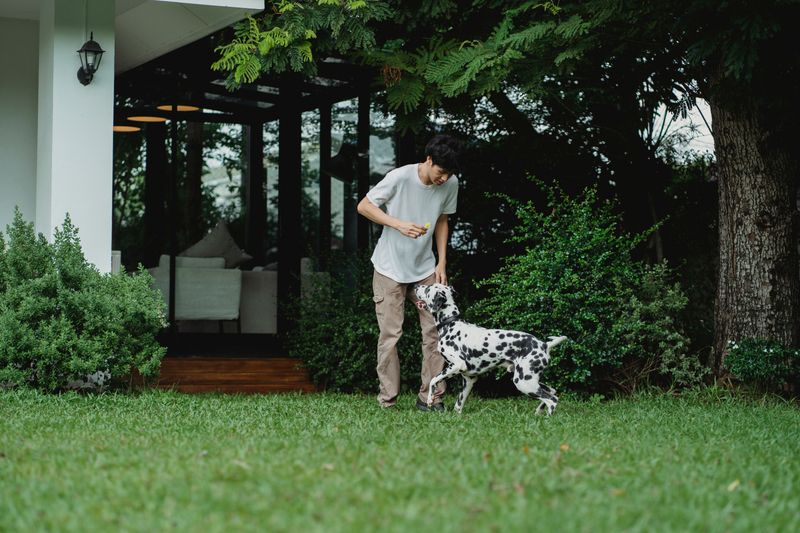
Your playful companion still needs something fun to do. Replace long fetch sessions with brief games and generous cooling breaks.
Try gentle training, treat searches, or slow exploring in a shaded yard.
Excitement can keep dogs moving after they should stop. End each round yourself rather than waiting for your dog to quit.
Avoid hard running during warm conditions, even beside water. Bring the fun indoors when humidity climbs.
Keeping activity flexible supports both fitness and everyday comfort.
11. Reintroduce Flea, Tick, and Mosquito Prevention
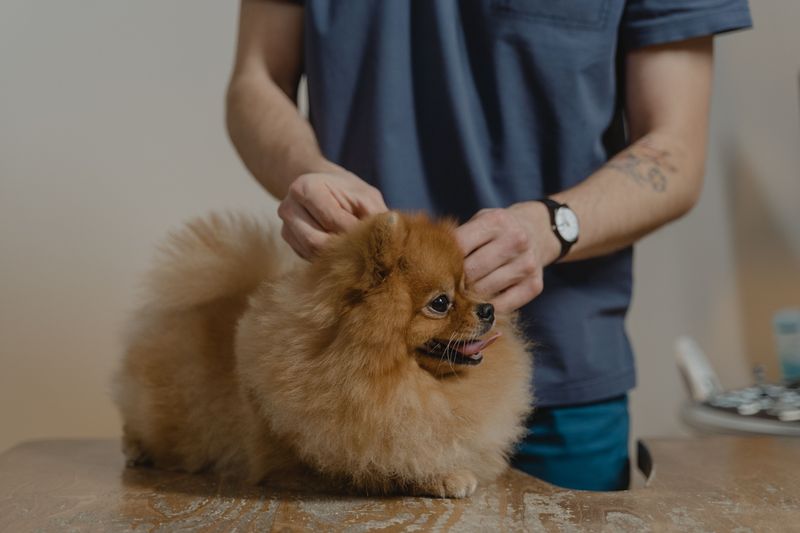
Parasites may be active throughout the year in Florida. Review flea, tick, and heartworm prevention with your veterinarian after returning.
Mosquito bites can transmit heartworms, including around your own yard.
If doses were missed, ask about testing and a safe restart plan. Do not double doses or combine products without guidance.
Check that each product suits your dog’s weight and health. Reliable prevention belongs in the routine year-round, not only when insects become easy to notice outside again.
12. Check Your Dog’s Coat and Skin After Outdoor Time
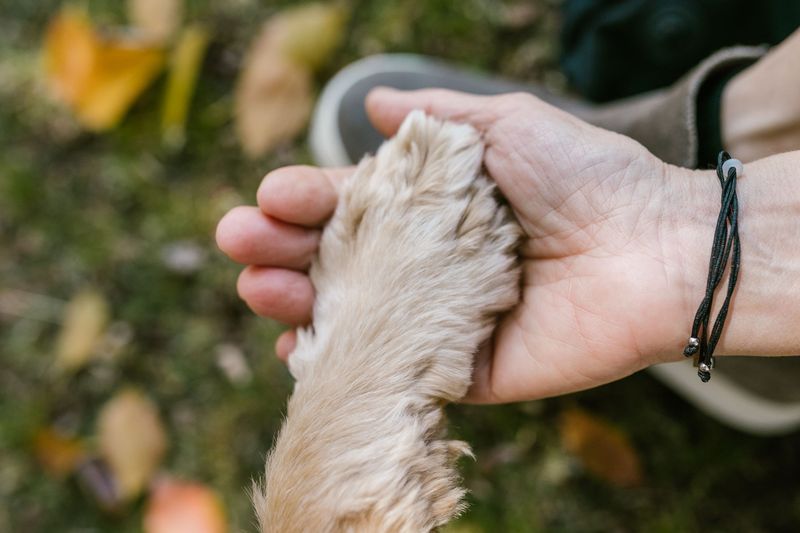
A quick once-over can catch small problems before they grow. Run your hands through the coat after walks, checking for ticks, burrs, and tender spots.
Look between toes and around the ears.
Dry damp areas gently, especially skin folds and places beneath harness straps. Brush regularly to remove loose fur and prevent mats.
Avoid shaving without advice, since coat needs differ. Ask your veterinarian about persistent itching, redness, unusual odor, or any patch your dog keeps licking repeatedly.
13. Make Swimming Safer During the Return
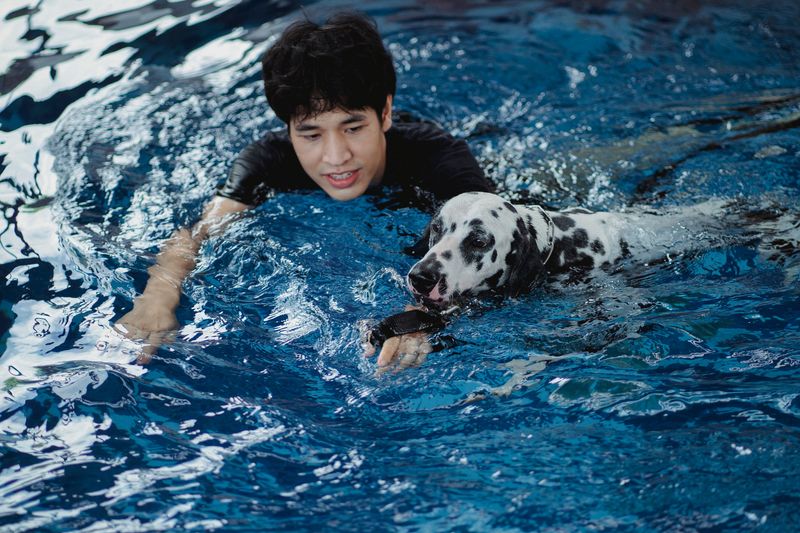
Water can look like an easy answer to hot weather. Still, swimming takes effort and requires close supervision.
Start briefly in a suitable pool, with an easy exit your dog understands.
Use a properly fitted canine life jacket when appropriate, especially around boats. Avoid freshwater shorelines where alligators may be present.
Check local advisories for harmful algae before approaching natural water. Prevent gulping pool or lake water, rinse afterward, and provide rest in a cool place between sessions.
14. Keep Beach Visits Short and Carefully Timed
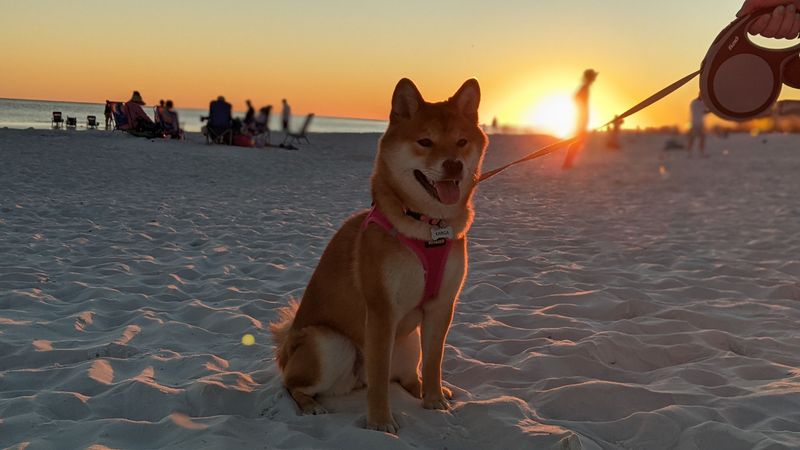
Ocean breezes can hide how warm a beach really feels. Choose cooler hours and confirm dogs are allowed at that beach.
Local access rules, leash requirements, and seasonal restrictions vary.
Bring shade and drinking water, and check sand before paws touch it. Keep your dog from drinking seawater or eating sand.
Watch surf conditions and avoid exhausting swims. Rinse salt away afterward.
A brief visit followed by indoor cooling is a better return than an entire beach afternoon.
15. Prepare for Sudden Afternoon Thunderstorms

Blue skies at lunch do not promise a dry afternoon. Check the forecast and radar before heading out.
When thunder sounds, bring your dog inside a substantial building rather than waiting beneath trees.
Keep a towel and familiar resting spot ready for wet, unsettled arrivals. Dogs worried by thunder may prefer an interior room with background sound.
Never force them outdoors during lightning. Plan bathroom breaks around approaching storms when possible, while keeping your companion’s needs and comfort central.
16. Give Senior Dogs and Flat-Faced Breeds Extra Time
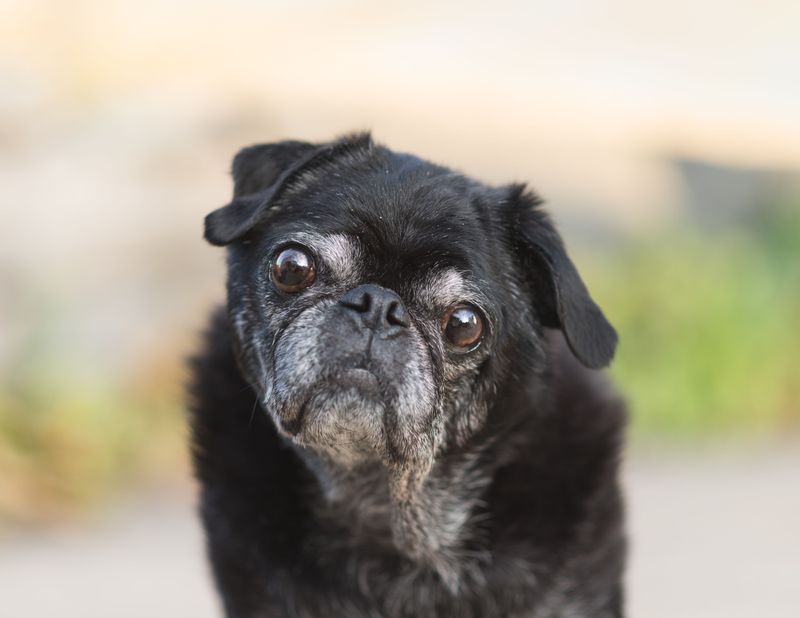
Some dogs need a smaller outdoor comfort zone from the start. Seniors, flat-faced breeds, overweight dogs, and pets with heart or breathing problems face added heat challenges.
Arrange veterinary advice before increasing exercise.
Choose shorter outings with frequent chances to rest indoors. Never assume enthusiasm means breathing feels easy.
Notice changes in walking speed, noisy breathing, or recovery time. Medication and existing conditions can affect safe activity.
Let your dog’s individual needs set the pace, not another pet’s routine.
17. Avoid Leaving Your Dog in a Parked Car
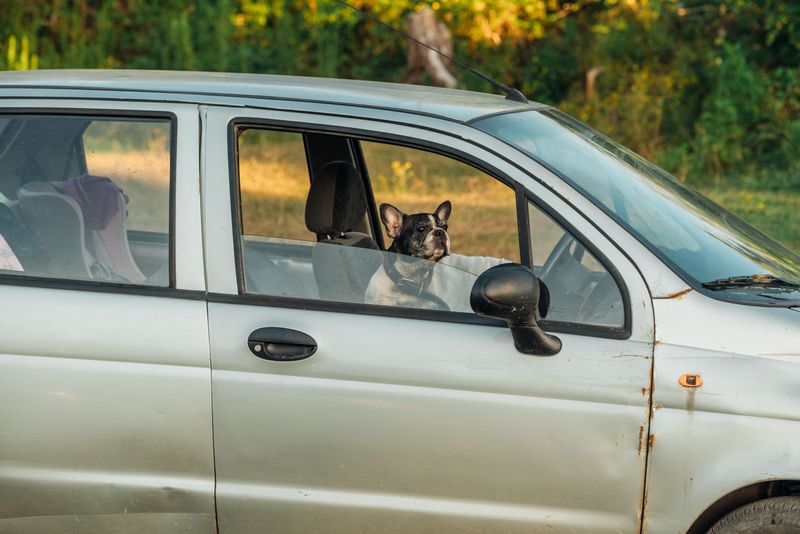
A quick errand is not a safe reason to leave your dog behind. Parked vehicles can heat rapidly, even with cracked windows.
Shade does not make an unattended car reliably safe.
Leave your companion at home in comfortable cooling when stops are planned. During travel, arrange stops so someone stays with the dog and maintains safe conditions.
Do not rely on remote cooling alone. If you find a distressed animal in a vehicle, contact emergency services for immediate guidance.
18. Keep Indoor Enrichment Ready for the Hottest Hours
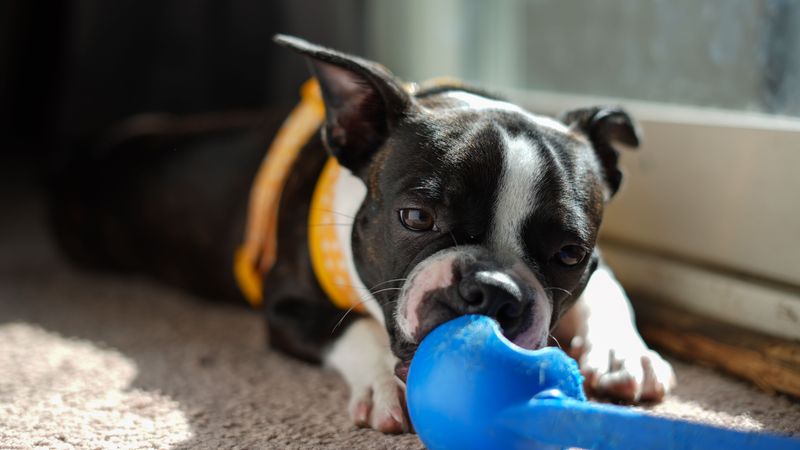
Afternoon boredom does not require an afternoon walk. Set aside food puzzles, safe chew toys, and simple scent games before temperatures rise.
A few minutes of learning can add interest without outdoor exertion.
Hide treats around one room or practice calm skills on a mat. Count food rewards toward daily meals to avoid unwanted weight gain.
Supervise unfamiliar toys and choose suitable sizes. Rotate activities instead of offering everything together.
Your dog can stay engaged while the neighborhood cools outside.
19. Track How Your Dog Responds to the New Routine
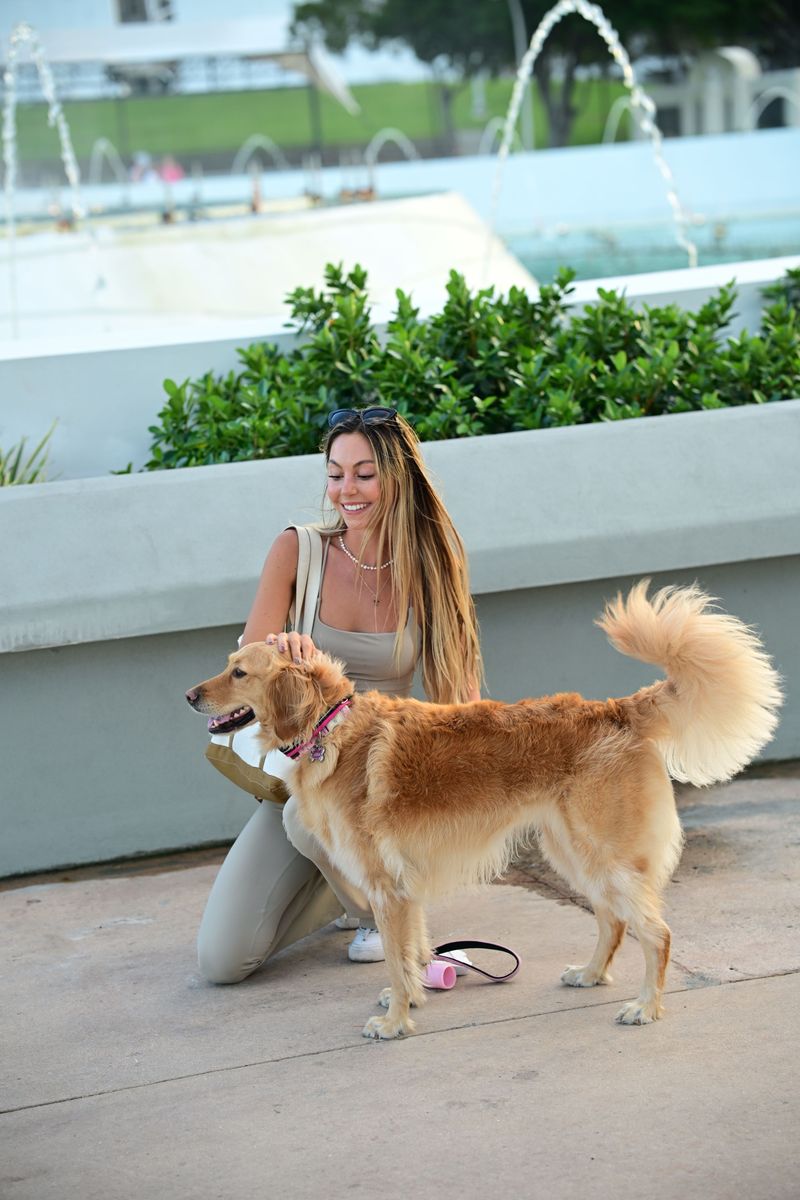
Small notes can reveal patterns that memory misses. Record walk times, weather, energy, appetite, and how quickly your dog settles afterward.
Notice whether certain routes or hours consistently feel easier.
Share concerning changes with your veterinarian rather than simply shortening walks forever. Unusual tiredness or breathing changes may need medical attention.
Adjust the schedule as conditions shift, without chasing your previous routine. Returning well means staying observant: cooler outings, steady breaks, and a comfortable dog are your best guide.