How Kansas Tornado Season Changes Emergency Planning For Dog Owners
Kansas springs bring long evenings, green fields, and skies that can shift fast. When you share your home with a dog, storm season asks a little extra planning.
The good news is that most of that work happens on quiet afternoons, not during a warning. Here is what local dog owners can do to feel ready and steady when the sirens sound.
Know When Kansas Tornado Season Is Most Active
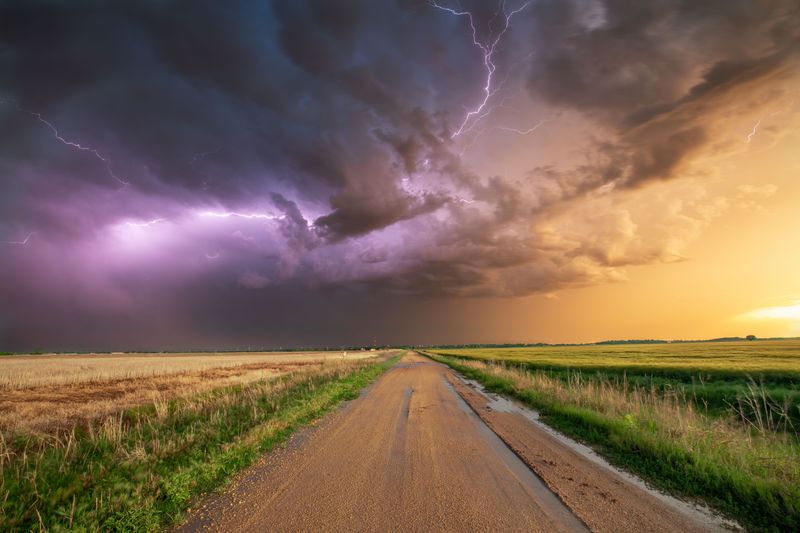
Spring in Kansas arrives with green pastures and restless skies. Most tornado activity falls between April and June, and May often stands out.
Tornado activity can occur in the fall as well, although it is much lower than the typical April-through-June peak.
Knowing the calendar helps you prepare early instead of scrambling. Refresh your dog’s supplies in March, before the busy weeks begin.
The National Weather Service and Storm Prediction Center provide seasonal and severe-weather information worth bookmarking, while local NWS offices provide forecasts and warnings for specific areas.
Storms can form in any month, so stay flexible with your plans.
Set Up a Safe Tornado Space for Your Dog
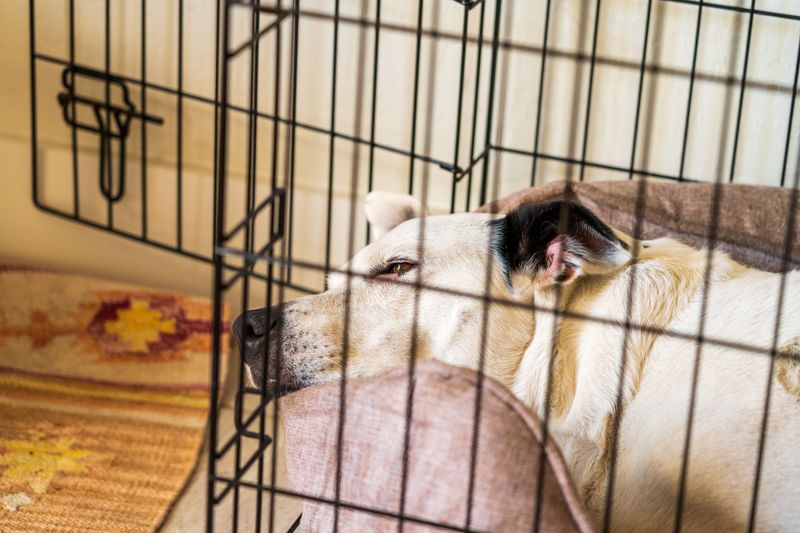
Pick the lowest level of your home, away from windows. A basement corner or an interior bathroom works well for most families.
Set your dog’s bed or crate in that spot now, not during a warning. Add a spare blanket, a water bowl, and a favorite chew.
Familiar smells help dogs settle faster. When the space already feels normal, sheltering feels less strange to them.
Keep the area free of clutter and stored tools.
Keep Your Dog Comfortable With the Sirens

Outdoor warning sirens are built for people who are outside, and they carry far. Sensitive ears often notice them before we do.
Try playing soft storm or siren recordings during happy moments, like mealtime. Raise the volume slowly across several weeks.
Some Kansas communities test outdoor warning sirens on scheduled days, but testing schedules vary by location. Use local tests as an opportunity to practice your shelter routine.
Calm behavior from you matters more than words. If your dog struggles, ask your veterinarian about anxiety wraps or other options.
Build a Tornado Emergency Kit for Your Dog

A good kit fits in one tub you can carry with one hand.
Pack three days of food in a sealed container, bottled water, collapsible bowls, and waste bags. Add medications, a spare leash, and a towel.
Slip copies of vaccination records into a zip bag. Toss in one quiet toy, because waiting out a warning can feel long for everyone.
Store the tub in your shelter space and check it twice each season.
Keep Identification and Recent Photos Up to Date
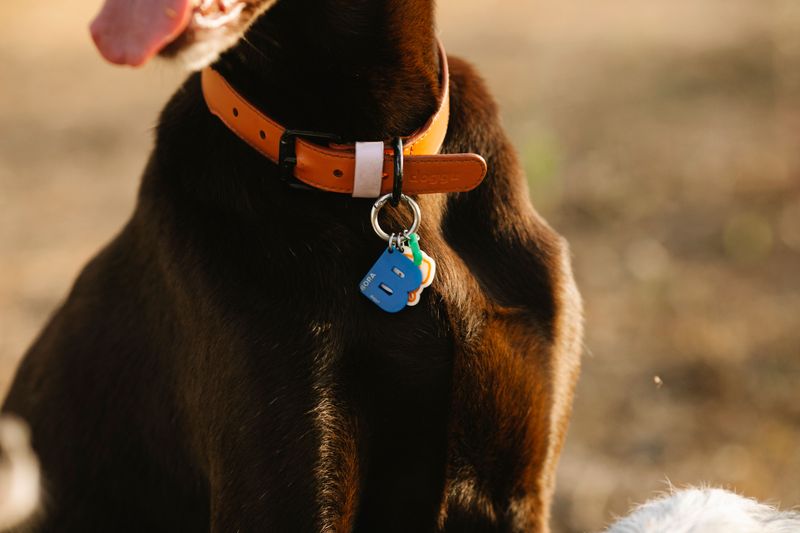
Tags and microchips do the quiet work when a dog slips away during chaos.
Confirm your microchip registration lists a current phone number and a backup contact. Update the tag if you moved recently.
Licensing rules differ by city and county in Kansas, so check with local animal control.
Keep clear photos on your phone, including one of you together, which helps prove ownership at a shelter. Print one copy for your kit.
Have a Leash Ready at All Times
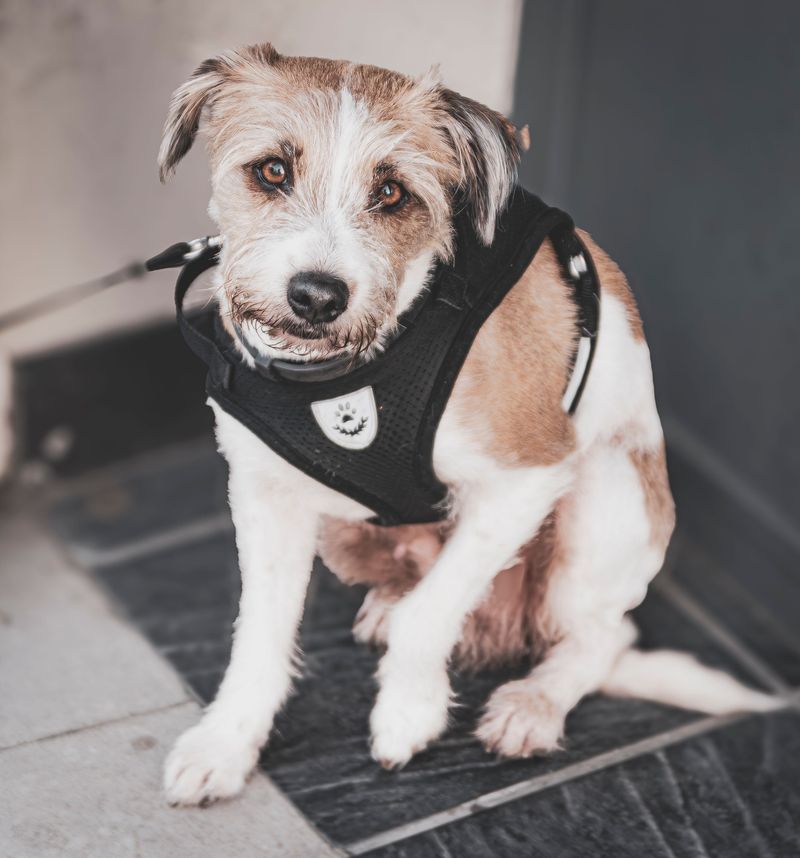
Leashes vanish exactly when you need them most.
Hang one on a hook near your shelter entrance and leave it there all season. Keep a second in your emergency tub.
A well fitted harness gives better control than a collar alone when a dog is startled. Check the fit each spring, since weight changes over winter.
Short leashes work better than retractable ones in tight shelter spaces. Loop the leash on before you head downstairs.
Plan for Power Outages
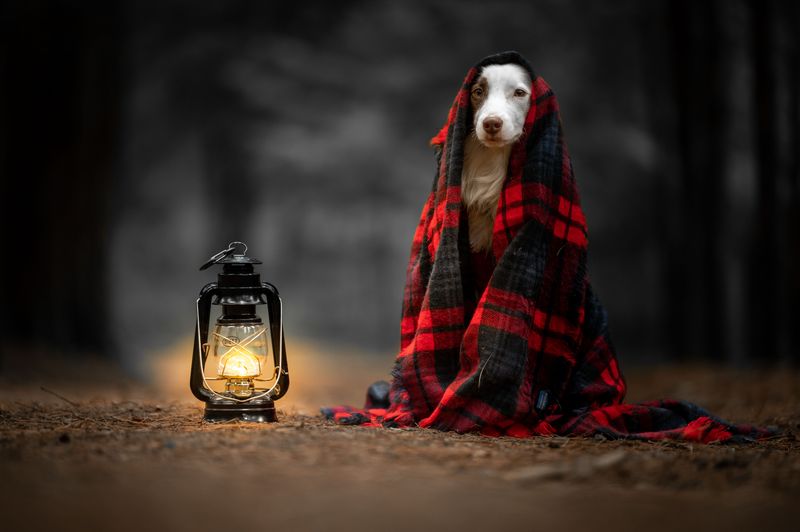
Severe storms can cause power outages, sometimes before or during a tornado warning.
Keep flashlights and headlamps in the shelter space, plus extra batteries. Skip candles, since a wagging tail and open flame do not mix.
Summer outages get warm fast, so store a battery fan and extra water. In cooler months, add a blanket for your dog.
Charge a power bank whenever storms appear in the forecast. A battery weather radio keeps you informed.
Practice the Shelter Routine Before Storms Arrive
Dogs learn routines through repetition, not explanation.
Run a short drill once a month during calm weather. Call your dog, clip the leash, walk to the shelter, and hand out a treat.
Sixty seconds is plenty. Kids can practice their jobs too, like grabbing the water bowl.
With repeated practice, your dog may become more comfortable following the shelter routine. Praise generously, because a positive drill can help make the routine easier to follow.
Know the Difference Between a Watch and a Warning
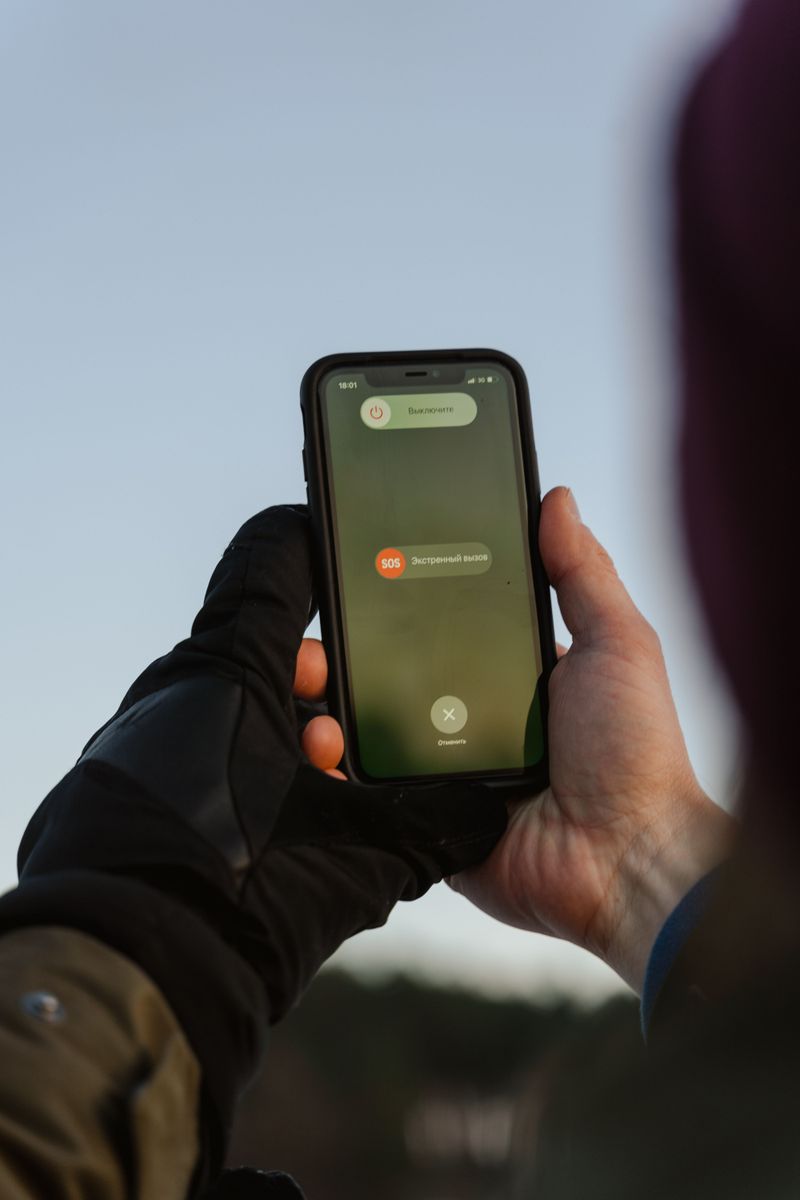
Two words carry very different instructions.
A tornado watch means conditions are favorable for tornadoes, so stay alert and be prepared to take shelter. Use that window to bring your dog inside, gather the kit, and find the leash.
A tornado warning means a tornado has been indicated by radar or reported by trained spotters. Move to your shelter space immediately with your dog.
Sorting these out ahead of time keeps decisions simple. Weather apps can announce both alerts aloud, which helps at night.
Prepare for Dogs That Hide During Storms
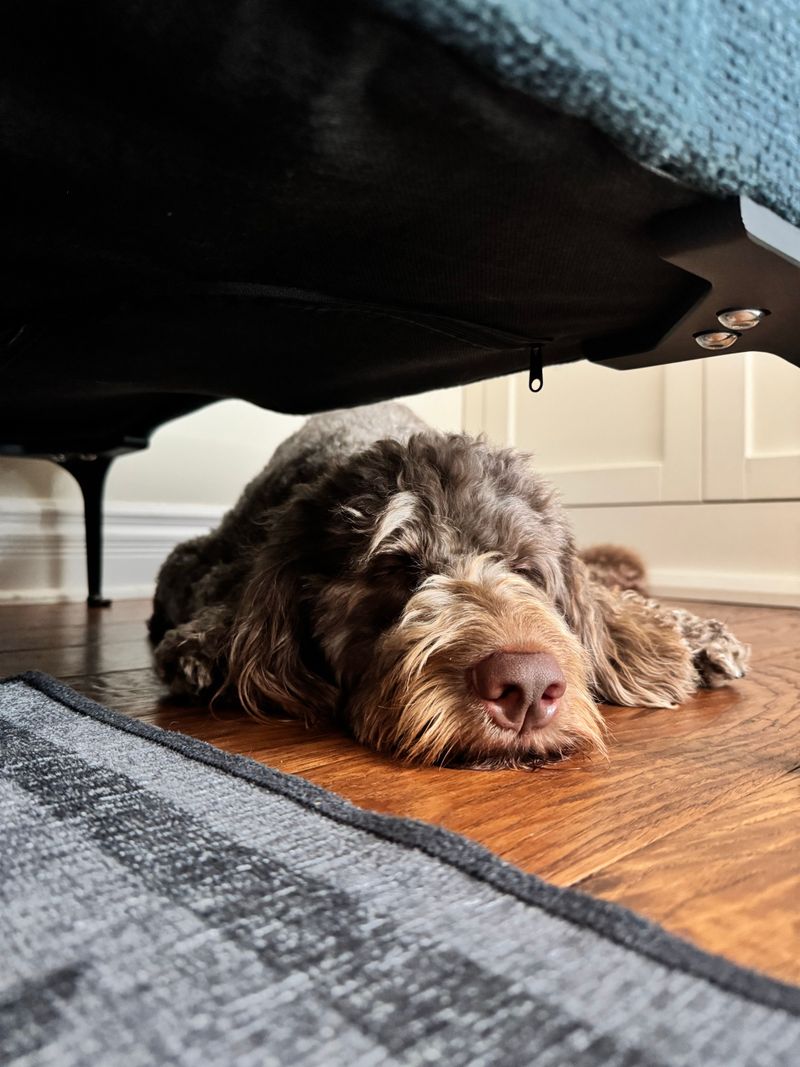
Some dogs answer thunder by wedging themselves under the bed.
Close bedroom doors and block crawl spaces before storms build, so hiding spots stay limited. Bring your dog indoors early, well ahead of the first rumble.
Chasing a frightened dog rarely works. Try tossing treats toward the shelter instead, or carry smaller dogs gently.
A crate in the shelter often becomes the hiding spot they choose. Cover it with a light blanket for a den like feel.
Keep a Carrier or Crate Easy to Reach
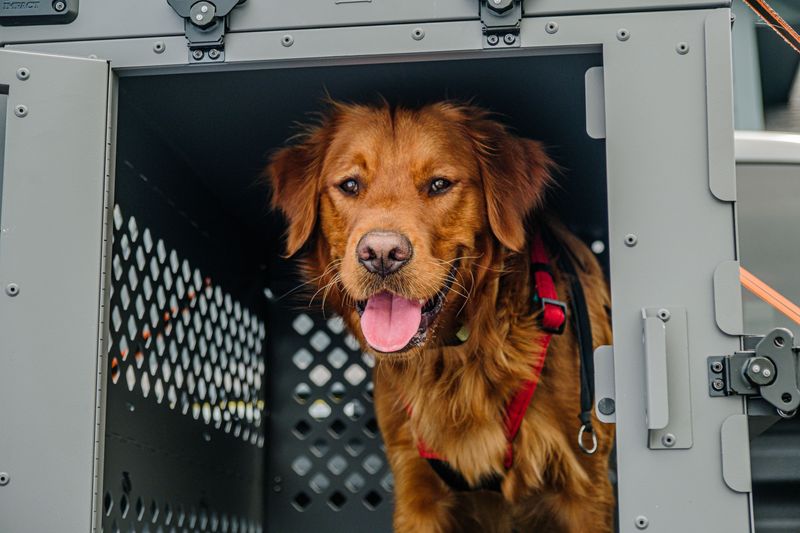
Crates are not punishment during storms. They are portable safety.
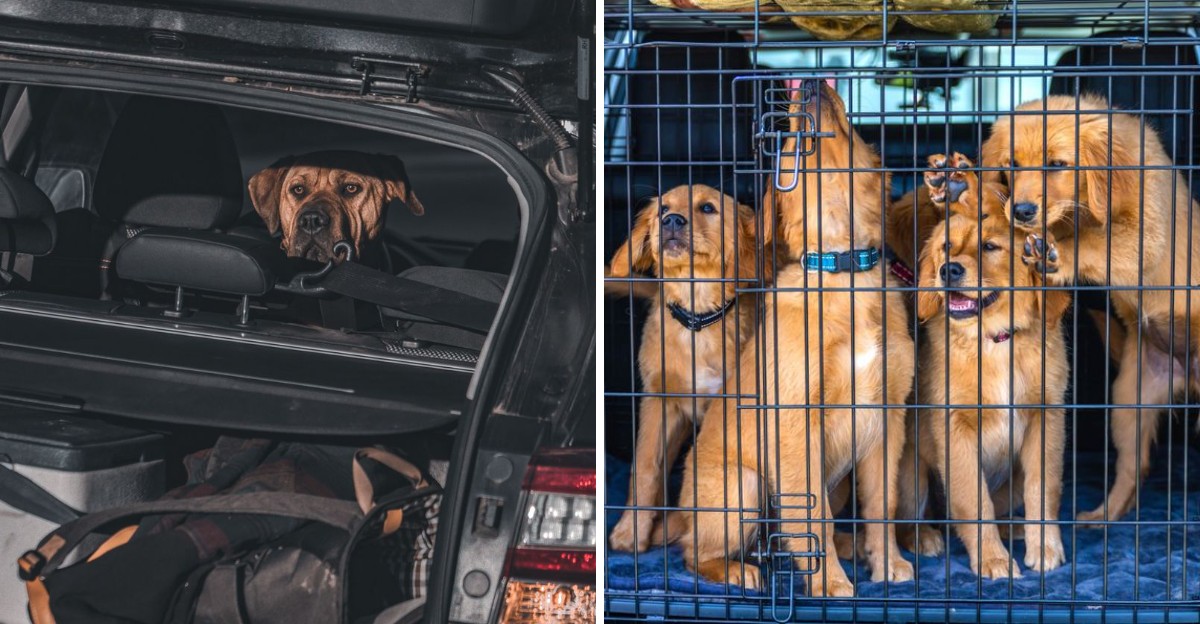
Store a sturdy crate or carrier in or beside your shelter area, never buried in a closet. Label it with your name, phone number, and your dog’s name.
Soft carriers suit small dogs, while hard sided crates travel better after damage.
Practice loading your dog calmly, since a crate you can use quickly is worth far more than a perfect one.
Make a Plan for Multiple Pets
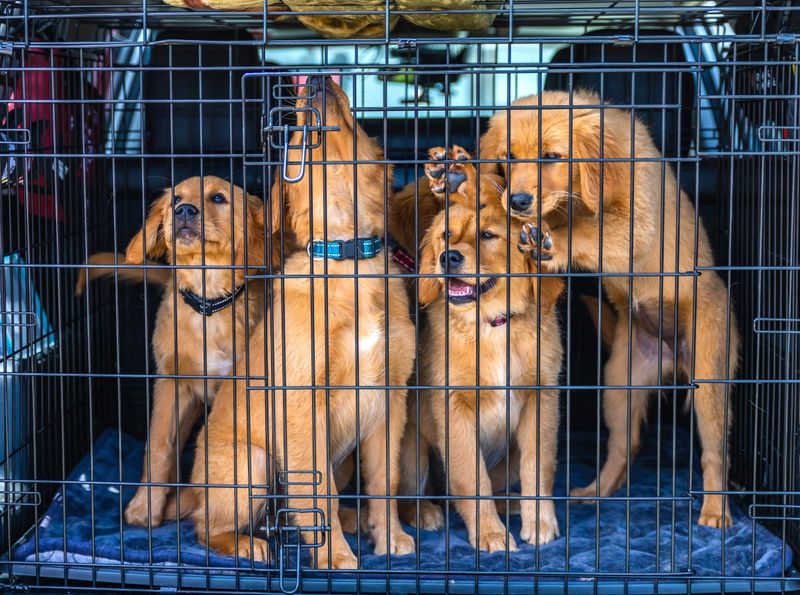
Households with two dogs, a cat, and a hamster need assigned roles.
Write down who grabs which animal, then post the list on the fridge. Everyone should know their job without asking.
Separate carriers prevent squabbles when nerves run high. Keep cats away from dogs in the shelter, even friendly ones.
Count heads before you close the door. A quick roll call stops that sinking moment of realizing someone is missing.
Prepare for Evacuation After Tornado Damage
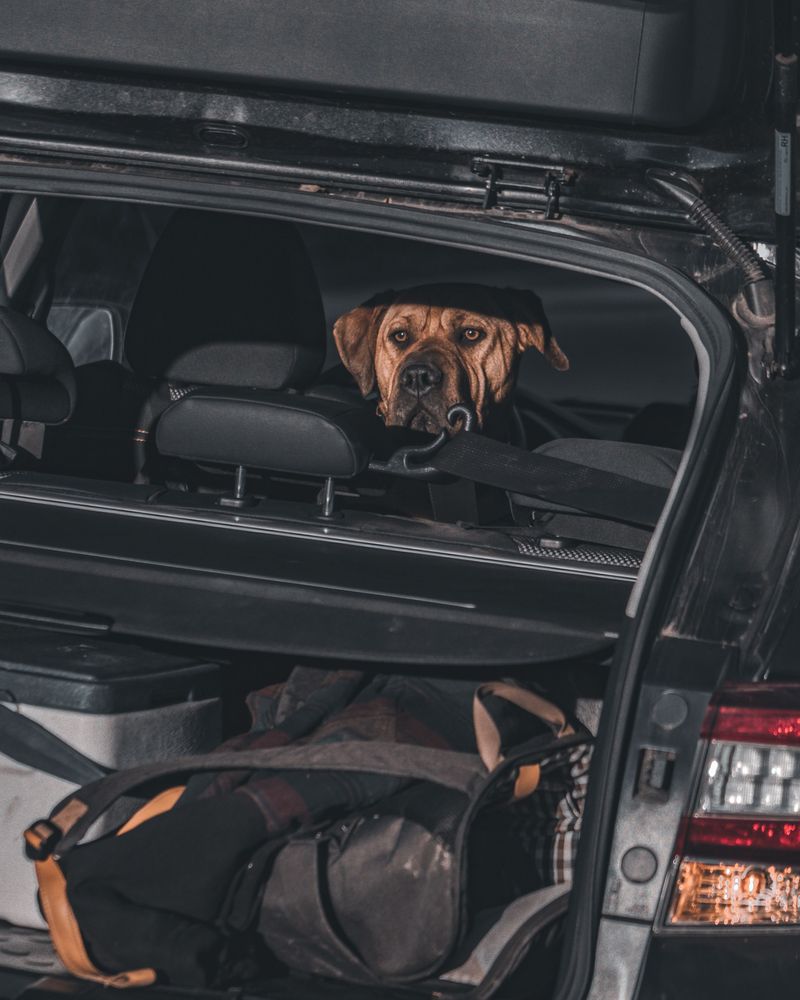
Damage can make a home unsafe to stay in, even when it appears to be standing.
Line up two places your dog could go: a friend outside your area and a relative in another town. Confirm both welcome pets.
Keep a printed contact list, since phones sometimes fail. Add your veterinarian and a boarding facility.
Keep the car ready with the kit, crate, and leash before an evacuation becomes necessary. Keep the vehicle fueled during severe-weather season so you do not need to make an unnecessary trip during a watch.
Identify Pet-Friendly Emergency Options
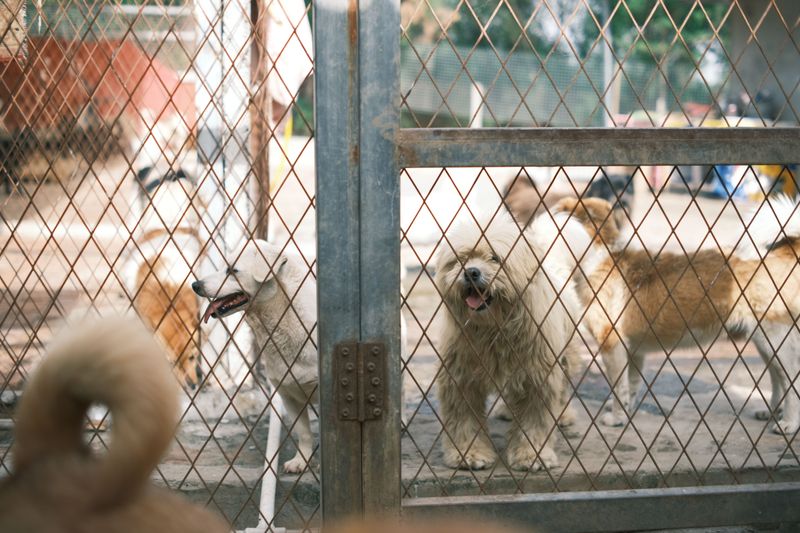
Not every emergency shelter accepts pets. Kansas emergency-planning guidance advises pet owners to check with their county emergency management office because arrangements for pets can vary, and pets may be housed separately from people.
Call your county emergency management office now and ask how animals are handled. Answers vary from place to place.
Service animals have federal access protections in many public settings, but emergency shelter policies can vary by facility and jurisdiction. Check with the shelter or local emergency management office for current requirements.
Save a short list of pet friendly hotels along your likely routes. Boarding kennels and veterinary clinics sometimes help during recovery.
Protect Your Dog From Storm Debris
Yards change after a storm passes. Broken glass, nails, and splintered wood scatter widely.
Keep your dog leashed for every trip outside until you have cleared a path. Free roaming is risky in that first week.
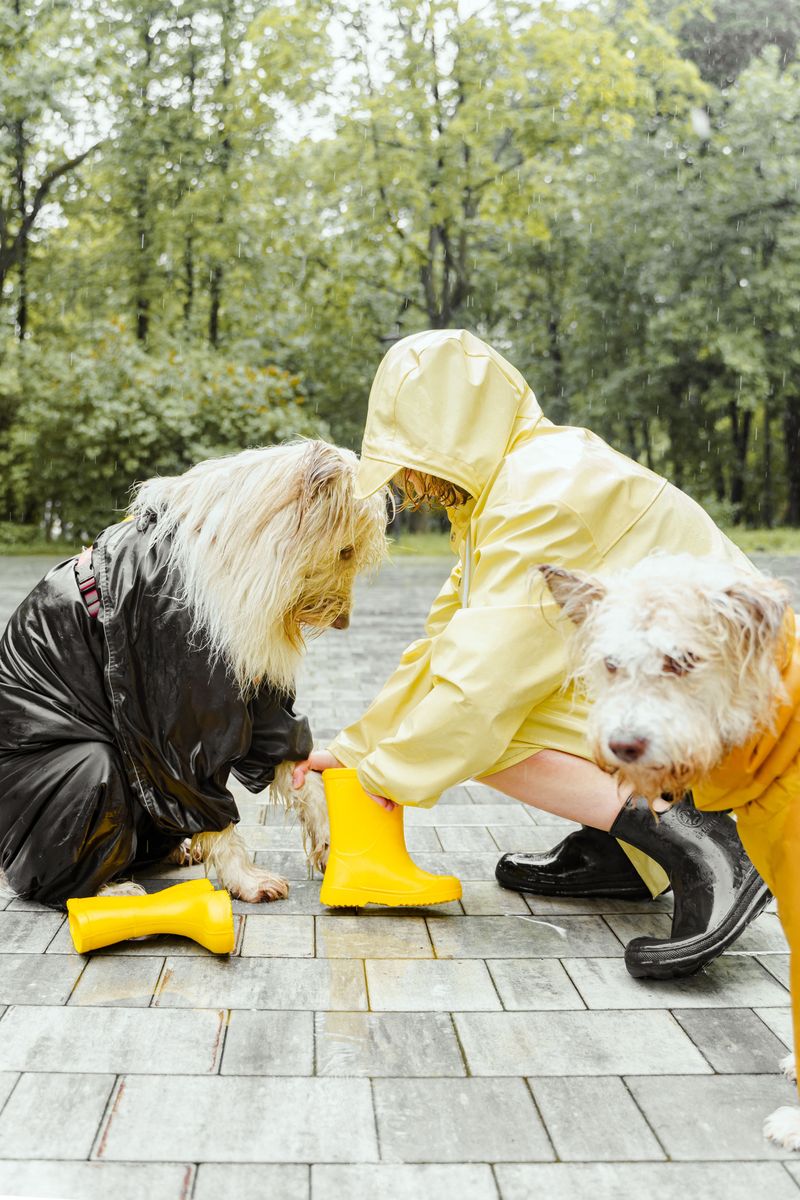
Booties help sensitive paws, though many dogs need practice wearing them. Check pads after each walk and rinse away grit.
Contact your veterinarian if you notice limping. Watch for downed lines and standing water too.
Stock Up on Food and Medications

Running low on a prescription during a storm week creates avoidable stress.
Ask your veterinarian in early spring about keeping a small extra supply on hand. Many clinics can refill before you run out.
Rotate food in your kit every few months so nothing goes stale. Write the date on the container lid.
Store an adequate supply of water for your dog, with the amount based on your dog’s size, diet, activity level, weather, and health needs. Ask your veterinarian how much water your dog typically needs each day.
Update Your Emergency Plan as the Season Changes

Plans age quietly. Phone numbers change, puppies grow, and new medications appear.
Look over your written plan at least twice a year, including before spring storms and again in autumn. Mark it on the calendar.
Update microchip details after any move. Swap out expired food, batteries, and treats.
Share the current version with anyone who watches your dog. Calm preparation today means steady hands tomorrow, and a plan that fits your real life truly works.