12 Ways Florida Humidity And Storm Noise Can Complicate A Rescue Dog’s First Month
Bringing home a rescue dog means learning each other’s habits, one quiet day at a time. In Florida, sticky heat and sudden thunderstorms can make those early weeks harder to read.
Your dog might need shorter outings, more rest, or a quiet place when rain pounds the roof. Knowing how weather affects comfort helps you separate normal adjustment from problems that need attention, without expecting everything to settle overnight.
1. Florida’s Humidity Can Make Settling In More Tiring
A quiet afternoon can feel surprisingly tiring when your dog is adjusting to sticky Florida weather. Dogs cool themselves mainly through panting, which becomes less effective in high humidity.
New surroundings add another demand on their energy.
Offer a cool resting spot, fresh water, and breaks from activity. Let your dog choose rest instead of encouraging constant play.
Watch for unusual weakness or heavy panting, and contact your veterinarian promptly if these symptoms occur or persist.
2. Storm Noise Can Make an Unfamiliar Home Feel Less Safe

That first roof-rattling downpour may arrive before your dog knows where comfort lives. Thunder, rattling windows, and unfamiliar household sounds can pile together.
A dog without an established retreat may pace or struggle to relax.
Prepare an interior resting area before storms develop. Add familiar bedding and let your dog explore freely.
Close curtains and use soft background sound. Offer company without forcing contact, and never pull a frightened dog from its chosen safe spot.
3. Panting Can Signal More Than Nervousness
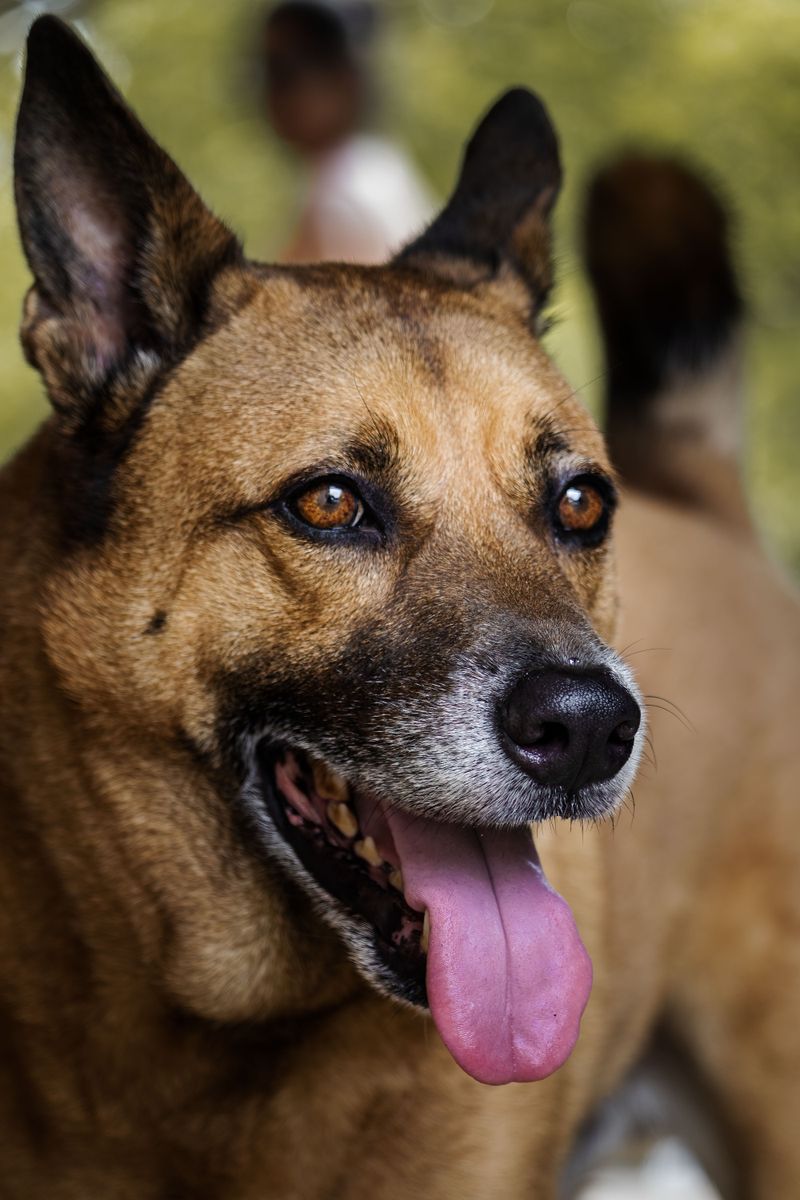
An open mouth does not tell the whole story. Panting can reflect heat, fear, pain, or other health concerns.
During the first month, you may not yet recognize your dog’s usual breathing patterns.
Move indoors, offer water, and allow quiet rest. Persistent heavy panting deserves veterinary advice, especially without recent exercise.
Trouble breathing, collapse, or marked weakness needs urgent veterinary care. Never assume thunder explains every change, even when a storm is passing directly overhead.
4. Short Walks May Be Better Than Long Adventures
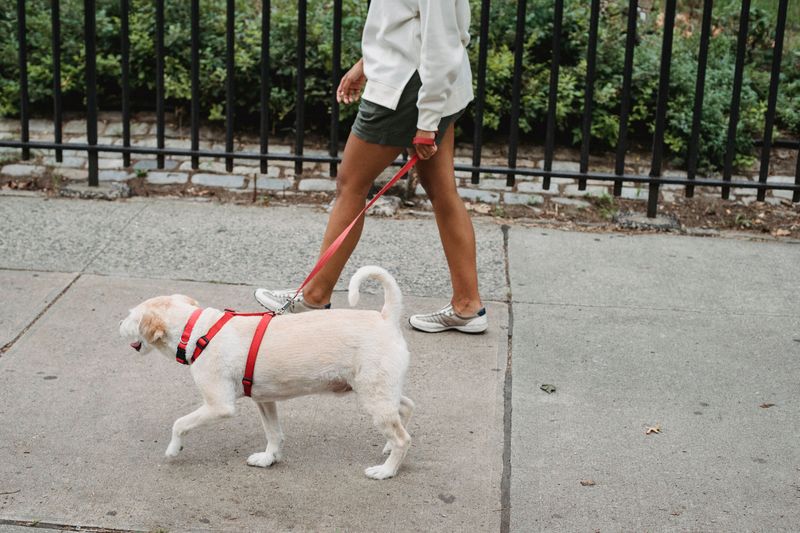
Your neighborhood tour can wait until the weather and your dog cooperate. Long outings combine physical effort, unfamiliar sights, and humid air.
Some rescue dogs also arrive with limited fitness or unknown medical histories.
Choose brief walks during cooler hours, while checking actual conditions. Bring water and avoid hot pavement.
Let sniffing replace distance goals. If thunder begins, head into a substantial building rather than finishing the route.
Increase activity gradually with your veterinarian’s guidance.
5. Wet Paws and Damp Fur Need Extra Attention
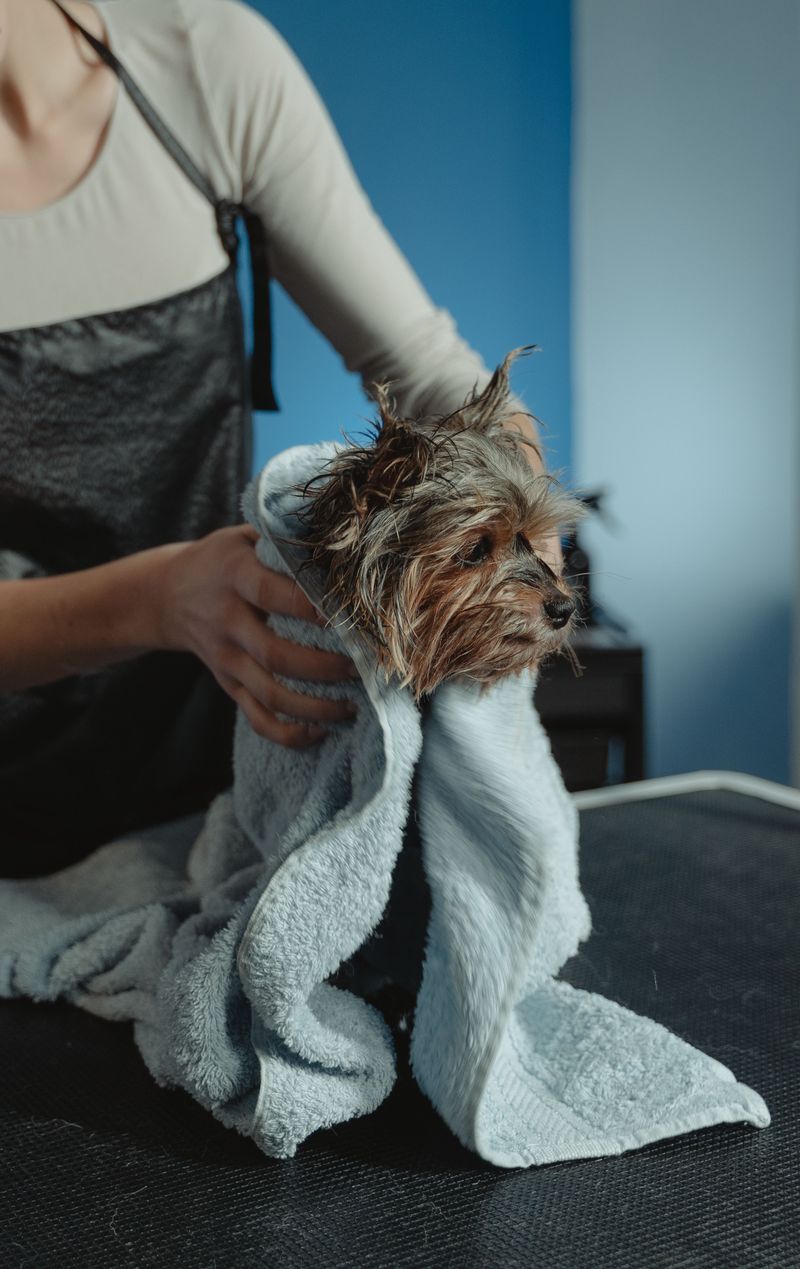
Rainwater follows dogs home, especially between toes and beneath thick coats. Lingering moisture can contribute to skin irritation, while moisture in the ears may increase the risk of ear problems in susceptible dogs.
A newcomer may also feel unsure about being handled.
Introduce towel drying slowly, pairing gentle touches with treats. Dry paws, skin folds, and outer ears without pushing anything inside.
Check for redness, odor, or repeated licking. Ask your veterinarian about persistent changes rather than trying unfamiliar creams or ear products.
6. Indoor Cooling Helps Build a Reliable Routine
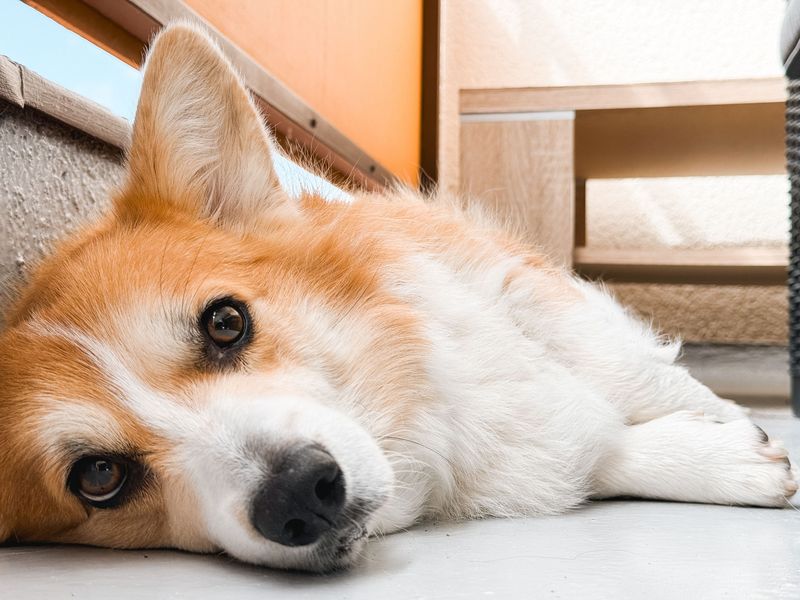
Predictable comfort gives a new dog one less thing to figure out. A cooled indoor space supports rest between meals, bathroom trips, and short activities.
Fans alone may not provide enough cooling for dogs during Florida’s hot, humid weather, so provide access to a cool indoor environment.
Keep water available and place bedding away from sunny windows. Follow a simple daily rhythm without demanding exact timing.
Plan for power outages with a pet-friendly cooled destination. Never leave your dog in a parked vehicle, even during quick errands.
7. Thunderstorms Can Interrupt Sleep During the First Month
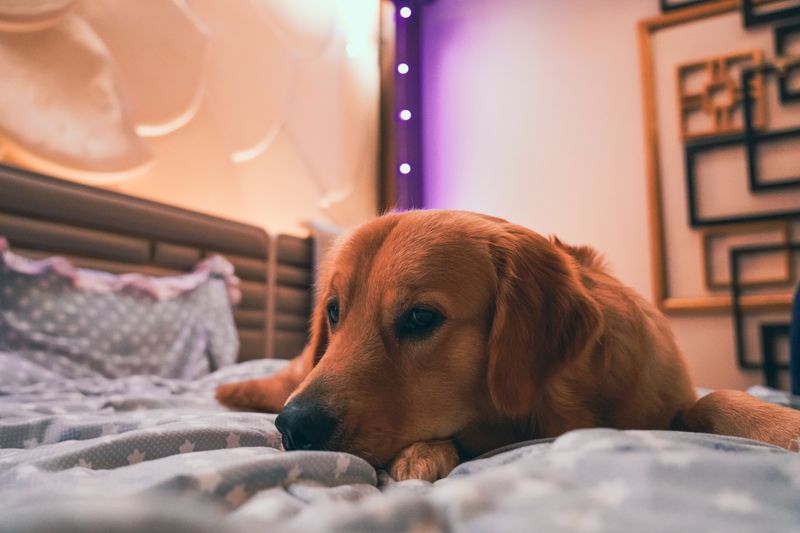
Midnight thunder can undo an otherwise peaceful bedtime. A recently adopted dog may wake often, pace, or seek company after loud bursts.
Broken sleep can leave both of you less patient the following day.
Keep the sleeping area consistent and offer a quieter interior option. Soft background sound may help mask rain.
Allow extra daytime rest after rough nights. Avoid punishing nighttime fear, and discuss recurring sleep disruption with your veterinarian before trying calming products.
8. Lightning and Loud Rain Can Trigger Escape Attempts
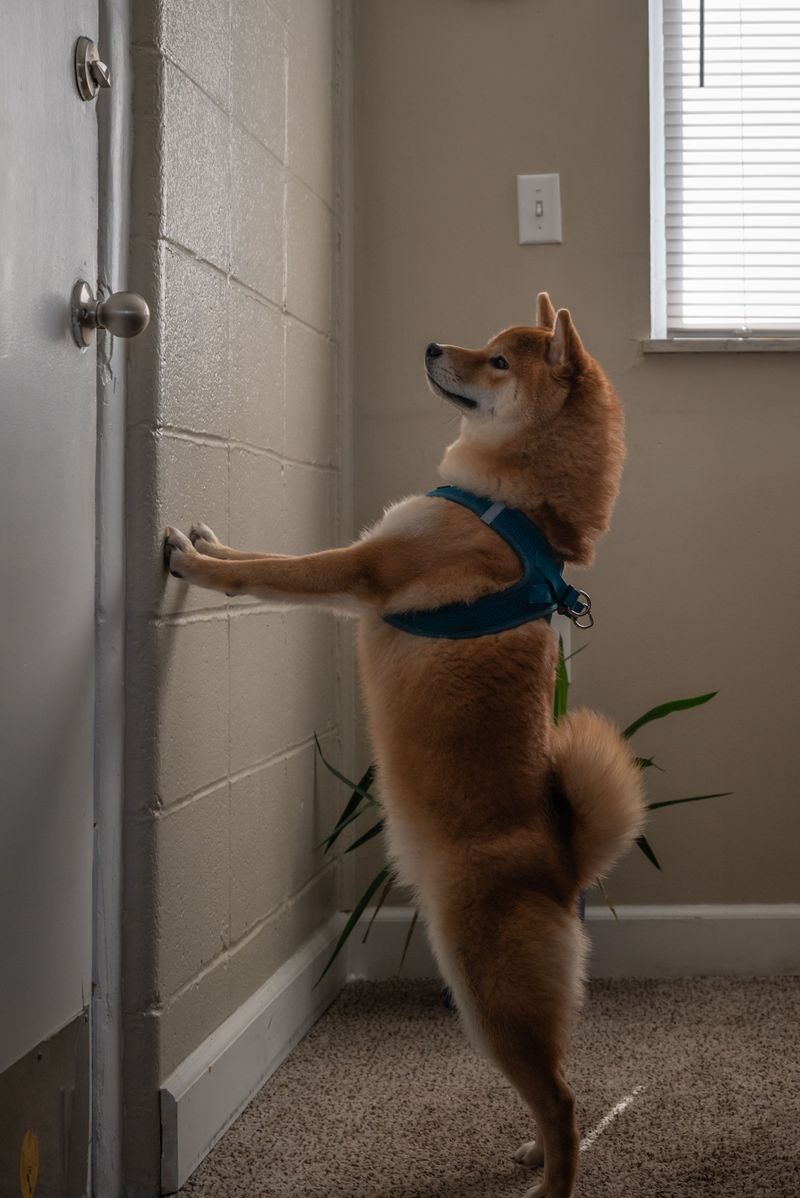
A sudden boom can send even a quiet dog toward an open door. During early weeks, your dog may not know the neighborhood or reliably respond when called.
Prevention matters more than testing obedience.
Check harness fit, leash clips, screens, and gates. Keep identification tags current and confirm microchip registration details.
Use an interior barrier when opening outside doors. Bring dogs inside before storms arrive, and never leave them outdoors to face the noise alone.
9. Potty Training Gets Harder When Rain Arrives Suddenly
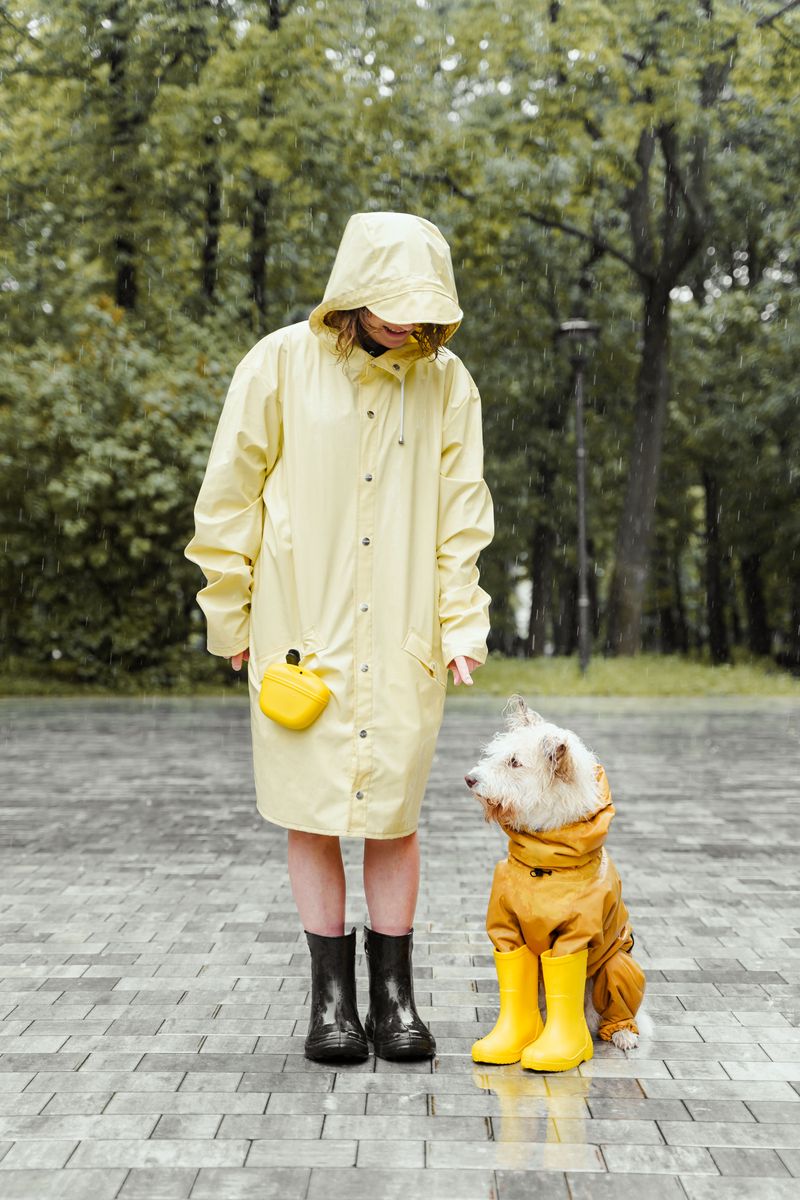
Bathroom plans rarely impress a fast-moving Florida shower. Wet grass, loud rain, or thunder may make your dog hesitate outside.
Accidents can follow even when earlier training seemed promising.
Offer frequent opportunities during safe weather windows, especially after meals and naps. Reward outdoor success promptly and clean indoor accidents with an enzymatic cleaner.
During thunderstorms, avoid taking your dog outside when lightning is nearby; resume bathroom breaks when conditions are safe. Never punish mistakes.
During active lightning, stay indoors. Ask your veterinarian about temporary indoor toilet options suited to your dog’s health and training.
10. Storm Anxiety May Look Like Clinginess or Hiding
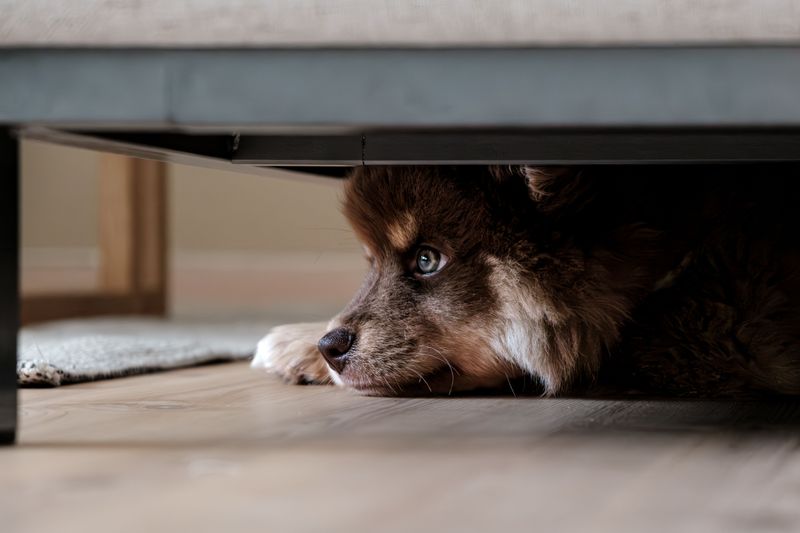
Following you from room to room may be a request for reassurance, not a training problem. Other dogs tuck themselves behind furniture.
Weather-related fear can overlap with the uncertainty of entering a new home.
Notice when the behavior starts and what helps. Offer calm attention if your dog seeks it.
Give hiding dogs a safe space with an open exit. Comfort does not reinforce fear.
Avoid forced exposure to storm sounds, which can increase distress.
11. Humid Weather Can Make Indoor Enrichment More Important
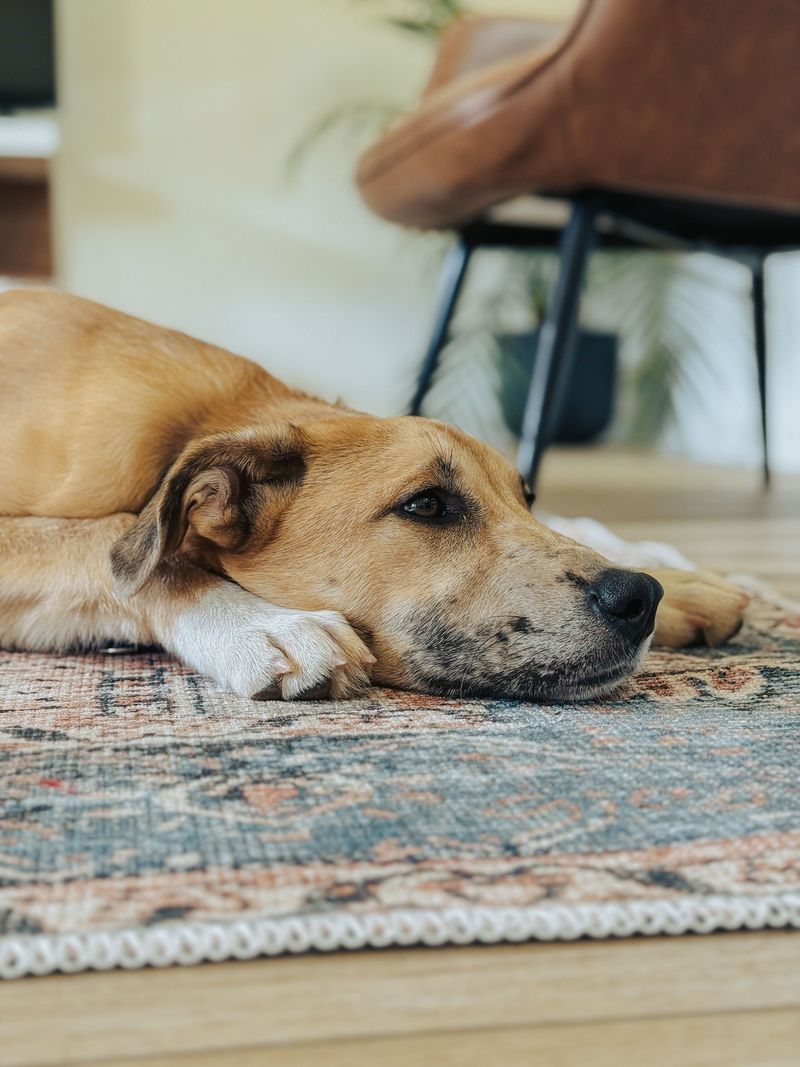
A rainy afternoon can still offer something worth sniffing. When outdoor time shrinks, simple indoor activities help meet your dog’s needs without adding heat exposure.
Start small because unfamiliar games can overwhelm some newcomers.
Scatter part of a meal across a washable mat or offer an easy food puzzle. Supervise chewing and choose items appropriate for your dog.
Keep sessions brief, then allow rest. Stop games if panting increases or your dog seems frustrated instead.
12. Know When Weather Stress Needs Professional Help
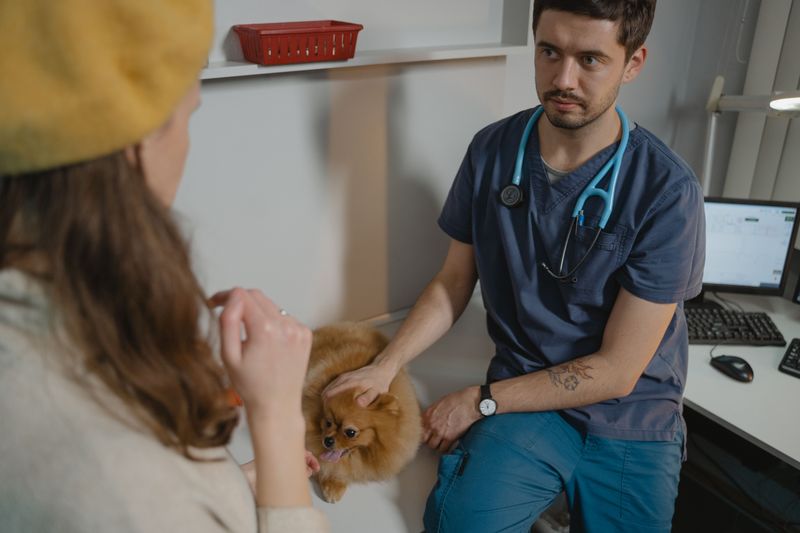
You do not need to solve every weather struggle alone. Repeated panic, poor sleep, appetite changes, or difficulty settling deserve a veterinary conversation.
Physical discomfort can resemble anxiety, so assessment should come before assumptions.
Bring notes about weather, timing, and behavior. Your veterinarian may suggest treatment or a qualified behavior professional.
Use medication only as prescribed, and seek urgent care for breathing trouble or collapse. Small routines, safe shelter, and timely help build confidence together.