15 Arizona Pool Hazards Dog Owners Should Address Before Swim Season
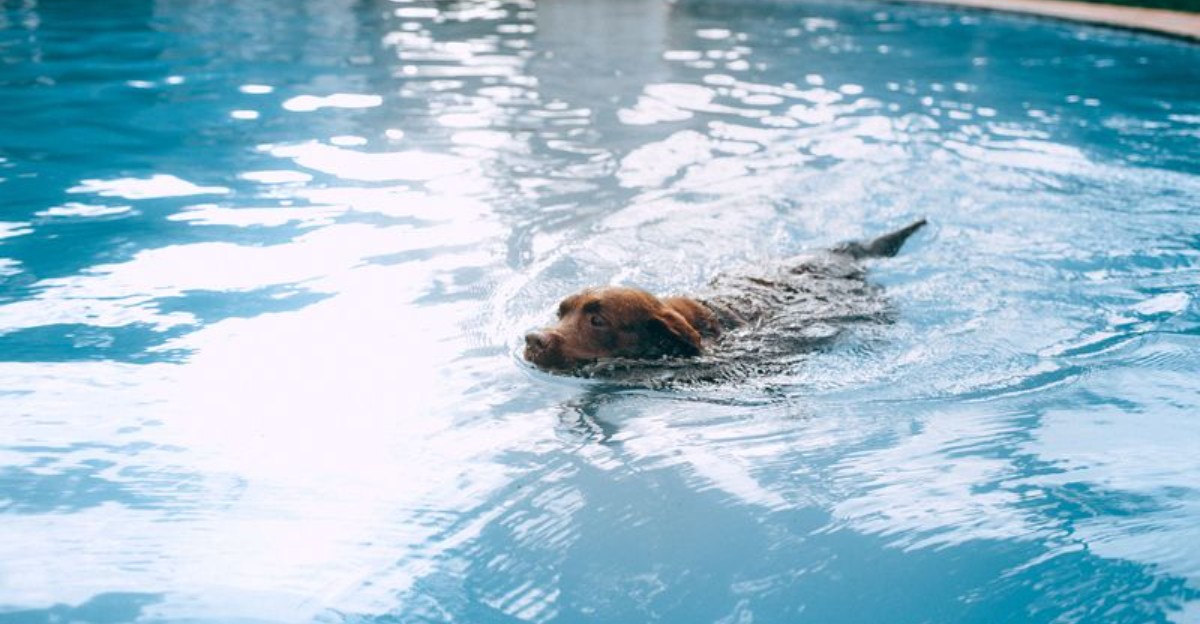
Arizona swim season arrives fast, and backyard pools become the center of family life. For dogs, that sparkling water brings real fun and a few risks worth planning around.
The good news is that most pool hazards are simple to spot and simple to fix, often in a single weekend. Walk your yard with fresh eyes, check a few key details, and you can relax while your dog splashes.
Here is what every local owner should look at first.
1. Pool Access That Is Not Fully Enclosed
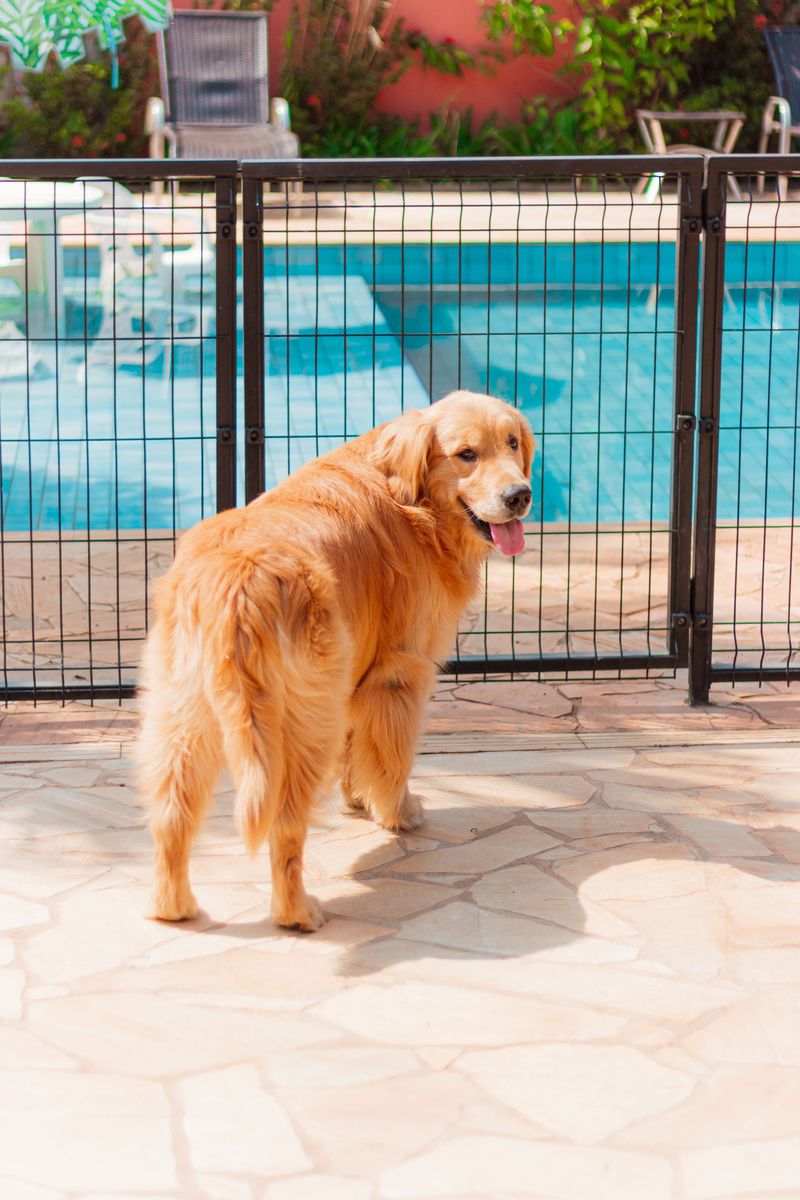
Arizona law treats residential pools deeper than 18 inches and wider than 8 feet as bodies of water requiring a barrier. State rules call for a fence at least 5 feet high, measured from the outside.
Gaps should not let a 4-inch sphere pass through. Cities like Phoenix and Chandler often enforce stricter rules.
Confirm your local code, then walk the fence line looking for gaps your dog could squeeze under.
2. Covers That Sag Under a Dog’s Weight
Solar blankets, leaf nets, and basic tarps look solid, but none are safety barriers. When a dog steps on one, it can sag, gather water, and make climbing back out very difficult.
True safety covers are rated products, anchored tight to the pool perimeter, with proper drainage.
They are built to hold significant weight so a rescue is possible. Inspect seams and straps each spring, and replace any cover showing wear.
3. Getting In Easily, Getting Out Not So Much
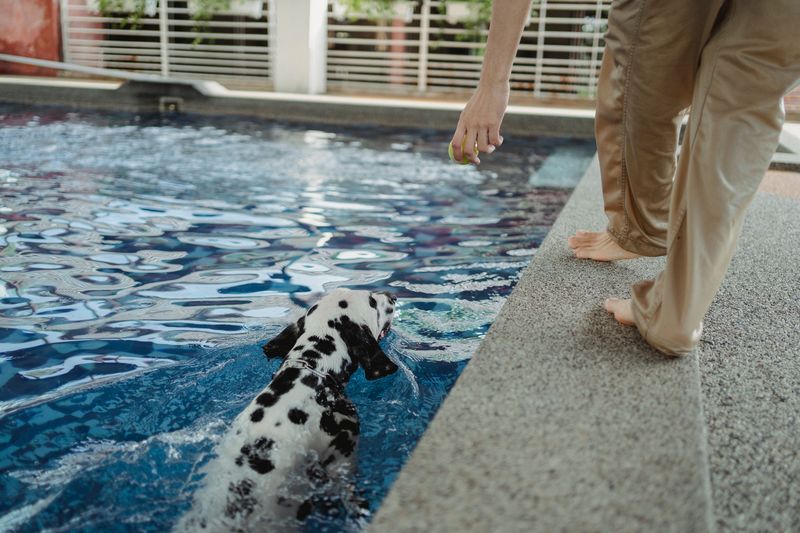
Here is something that surprises many owners: dogs swim toward the nearest wall, not the stairs. Most pools were never designed with a four-legged exit in mind.
A confident swimmer can still tire while circling the edge searching for a way up.
Teach one consistent exit point. Walk your dog to the steps from different spots in the pool, repeating until the route becomes automatic.
Practice matters more than instinct here.
4. Decking That Turns Into a Slip Zone
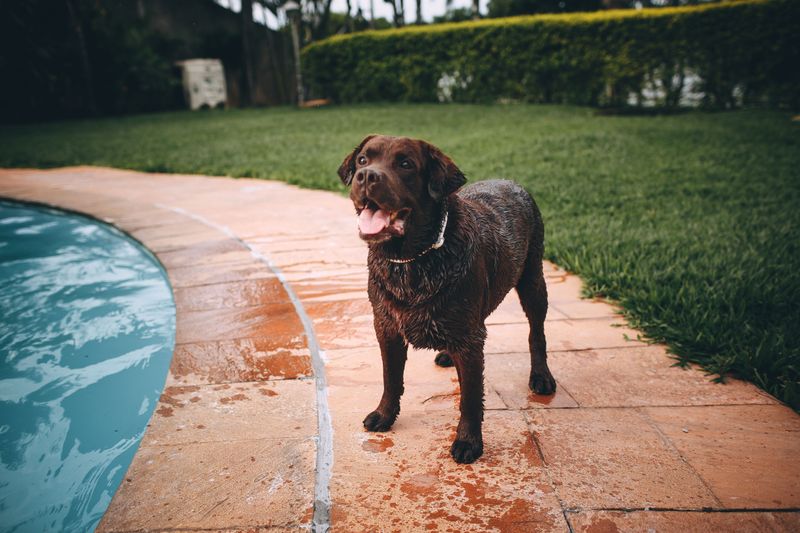
Wet concrete and glossy tile can send an excited dog sliding, and a hard landing on decking often means a sprain or a scraped pad.
Textured pavers grip far better than smooth finishes, especially once splashing starts.
Coral stone and brushed concrete are naturally slip-resistant options. If replacing decking is not in the budget, add outdoor rugs or non-slip mats along the paths your dog uses most.
5. Surfaces Hot Enough to Hurt Paw Pads
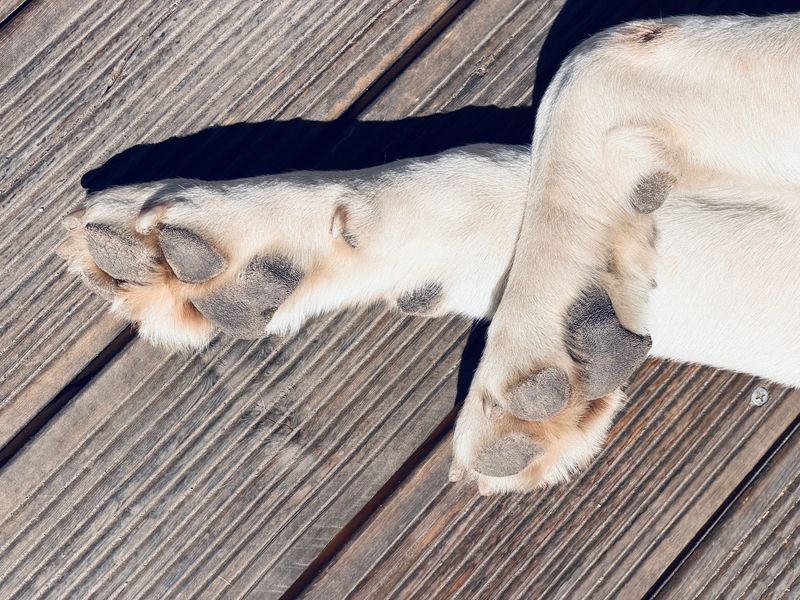
Arizona pavement can climb past 140°F on a summer afternoon, and paw pads blister long before we notice discomfort.
Vets suggest the seven-second test: rest the back of your hand on the surface. If you cannot hold it comfortably, neither can your dog.
Light-colored limestone, travertine, and certain porcelain pavers stay cooler. Rinse turf with water, add shade sails, and shift swim time to early morning or evening.
6. Gulping Pool Water Between Fetches
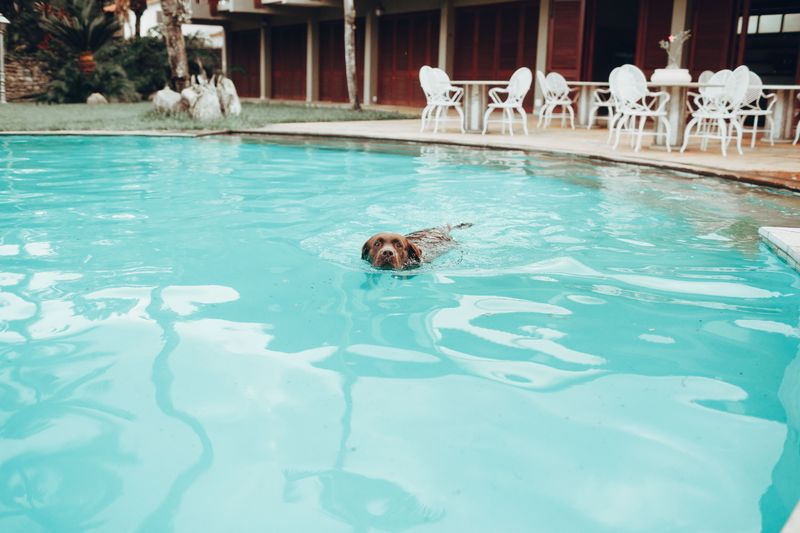
A few accidental mouthfuls of balanced pool water rarely cause trouble. Large amounts are a different story, often bringing an upset stomach, loose stools, bloating, and dehydration.
Saltwater pools add another concern, since heavy intake can throw electrolytes out of balance.
Keep a full bowl of fresh water on the deck and offer it during every break. Skip toys that encourage scooping and gulping while swimming.
7. Chemicals Sitting Where Curious Noses Roam
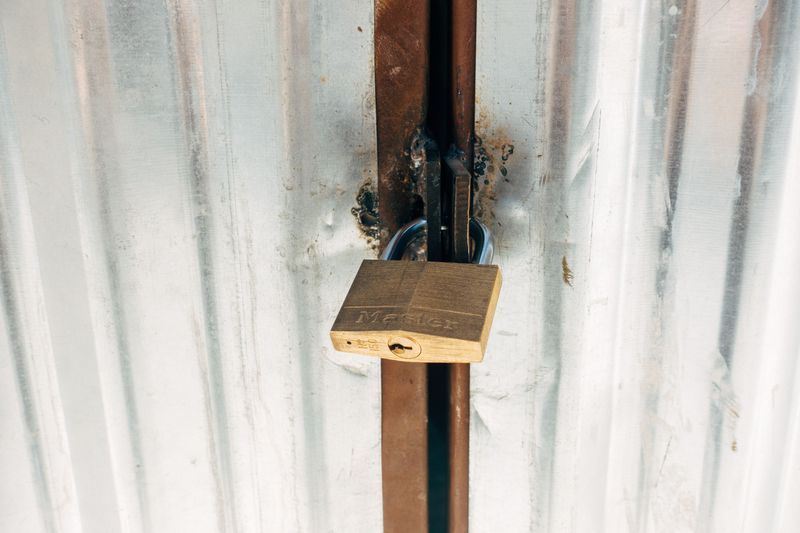
Chlorine tablets smell strange and interesting, which is exactly why some dogs investigate. Concentrated chemicals are corrosive and can irritate the mouth, skin, airway, and digestive tract.
Granules and liquid chlorine deserve the same caution.
Store everything sealed, upright, and behind a latched door your dog cannot nudge open. A shelf in an unlocked shed is not enough.
Keep your vet and a pet poison hotline number posted nearby.
8. Freshly Shocked Water Before It Settles
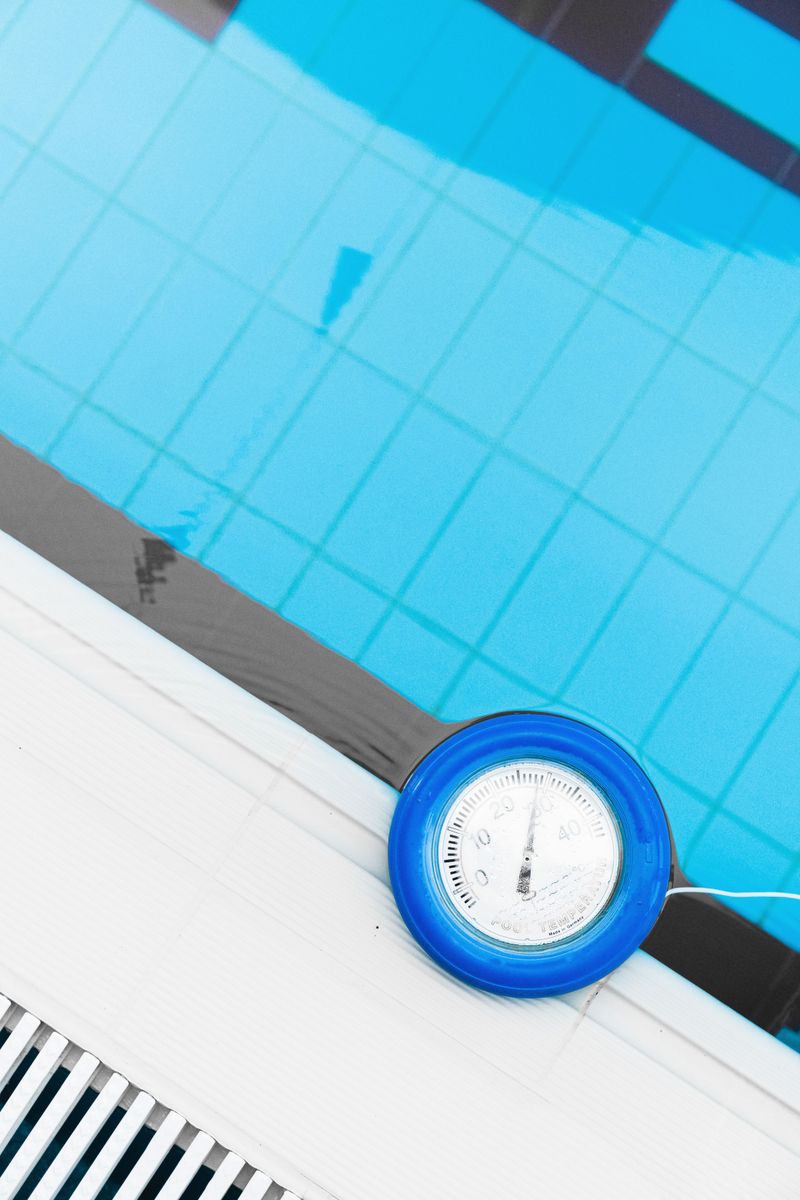
Just treated the pool? Give it time.
Water with elevated chlorine can cause red eyes, skin irritation, drooling, stomach upset, and coughing.
Most maintained pools run between 1 and 3 parts per million, a range generally considered fine for dogs.
Test before swim day rather than guessing. Follow the waiting period listed on your shock product, and keep the gate closed until readings return to normal.
9. Drain Covers That Are Cracked or Missing
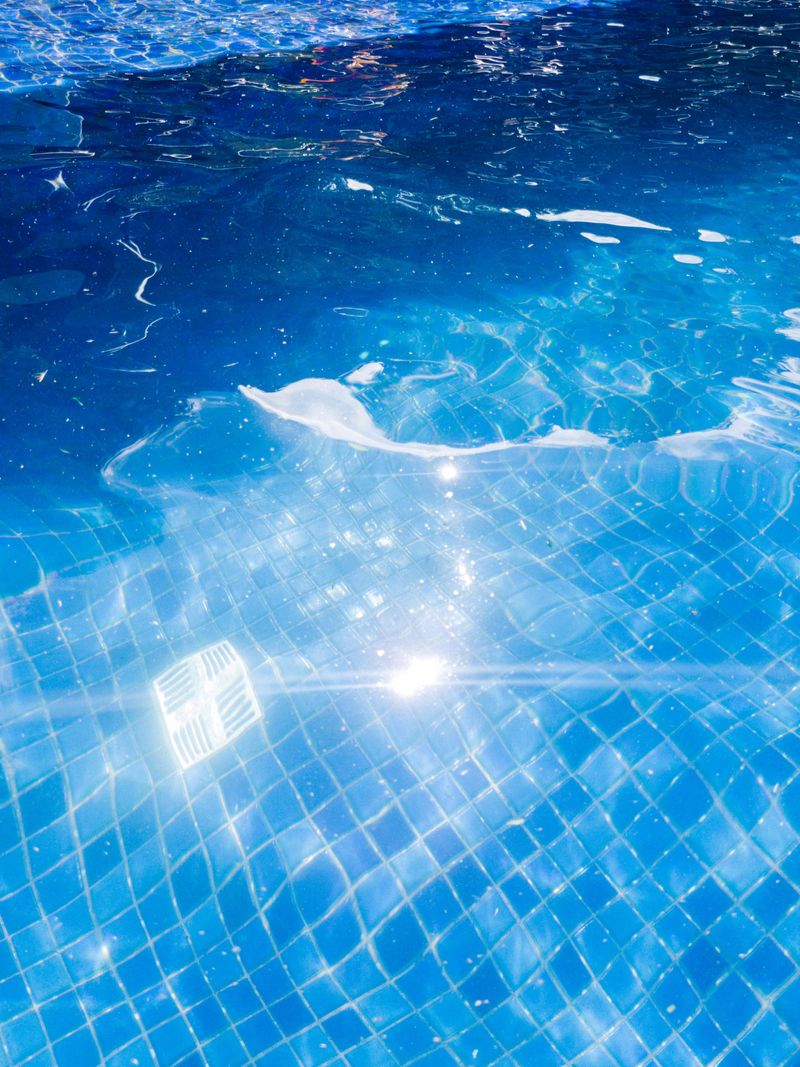
Suction at a damaged or uncovered main drain can hold fur, limbs, or a collar tag against the floor. The federal Virginia Graeme Baker Act sets drain cover standards for public pools.
Covers sold after December 2008 must meet those standards, and using compliant covers at home is widely recommended.
Check yours for cracks each spring. Also avoid pet doors that open directly to the pool without a barrier.
10. Swimming Past the Point of Tired
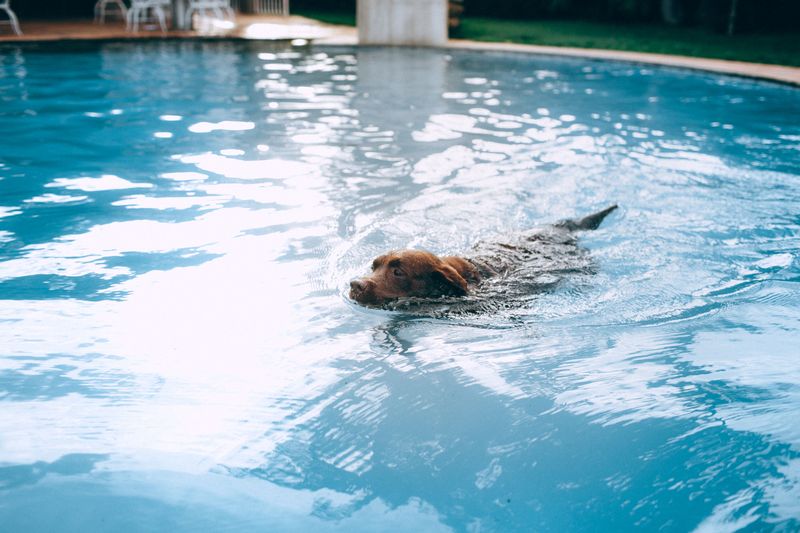
Retrievers will fetch until their legs give out, because enthusiasm outlasts stamina. Fatigue shows up as circling the wall, pawing at the edge, slowing down, or riding lower in the water.
Short sessions beat marathon ones.
Call a break every ten minutes or so, let your dog dry off in shade, and offer water. Ending while energy remains keeps swimming something they look forward to.
11. Assuming Every Dog Can Swim
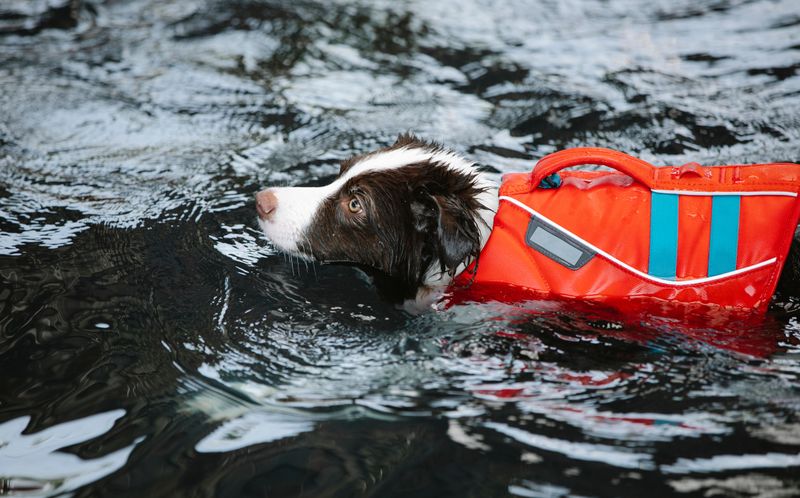
Paddling is not the same as swimming. Flat-faced breeds such as Bulldogs and Pugs, plus heavy-chested dogs with large heads, often tire within moments.
Puppies wear out quickly too, and their coordination is still developing.
A properly fitted canine life jacket with a sturdy handle adds buoyancy and gives you a way to help. Stay within arm’s reach.
Supervision is the single best safety tool you own.
12. Older and Smaller Dogs at the Pool Edge
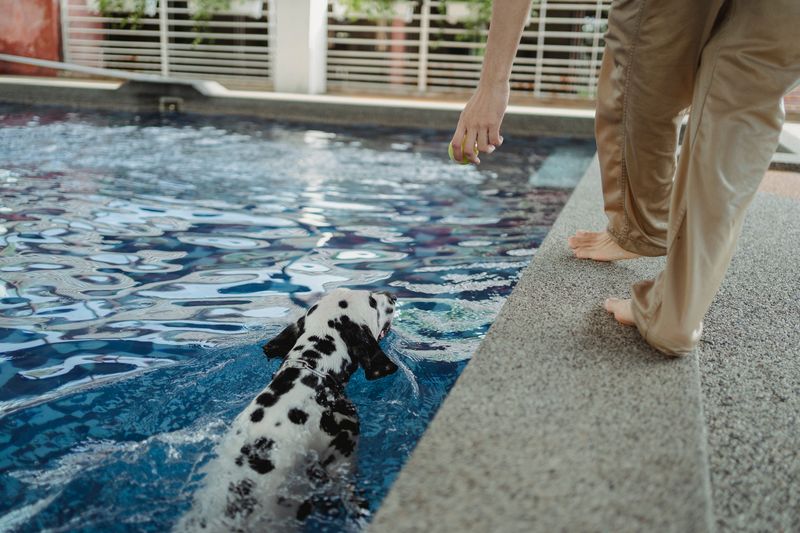
Arthritis, stiff hips, fading vision, and short legs all make a standard pool edge feel like a wall. Senior dogs may also forget where the exit sits.
Wide, shallow steps or a gently sloped ramp change everything for these pups.
Pair that with a life jacket for extra lift and an easy grab handle. Practice the route on calm days so it becomes familiar and stress free.
13. Toys Sized Wrong for Your Dog’s Mouth
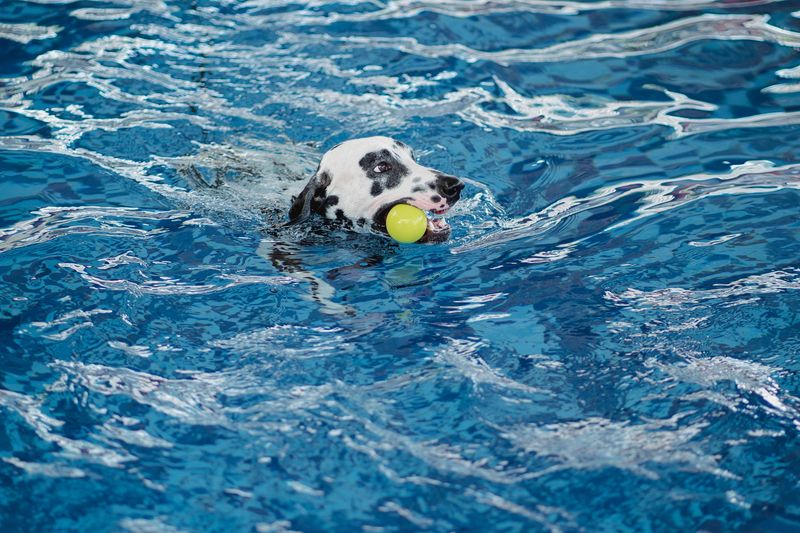
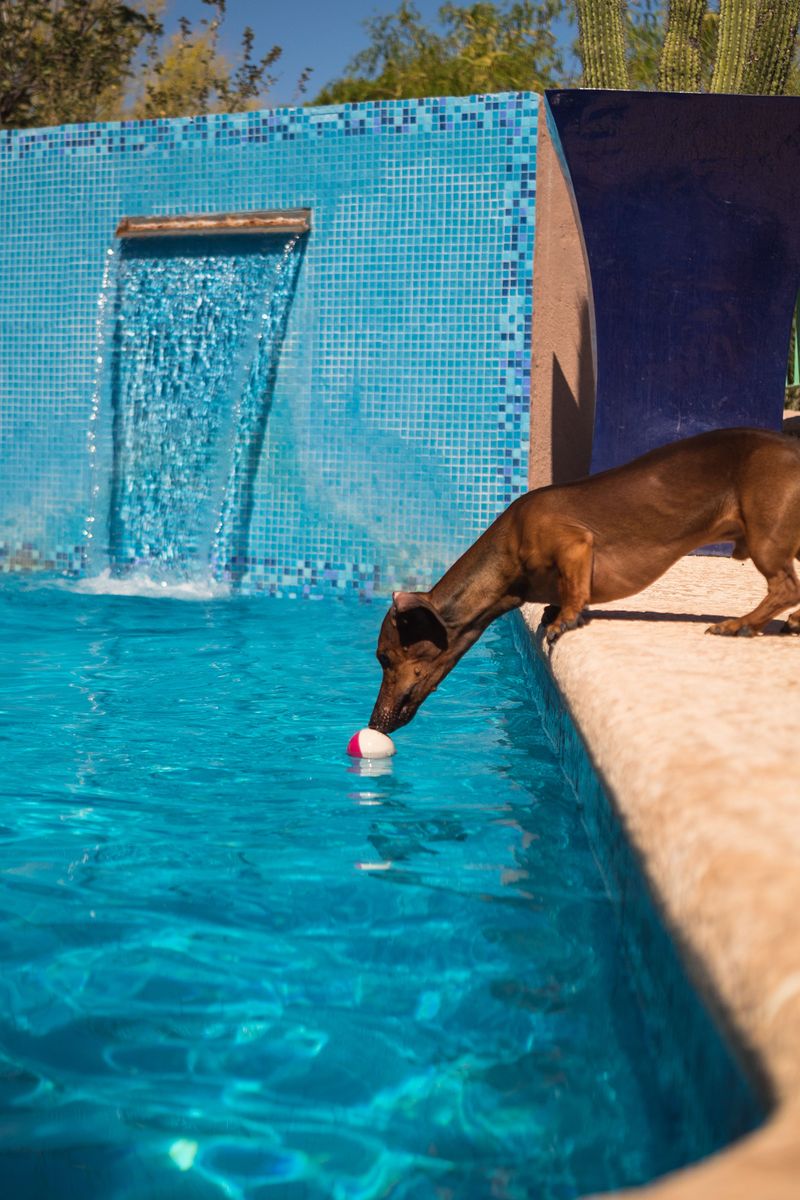
Small, smooth rubber balls are the ones to watch. A ball that fits entirely behind the teeth can lodge in the throat, especially for larger breeds.
Pick floating toys made for water play, sized generously for your dog’s jaw and chewing style.
Inspect for loose squeakers, cracks, or chewed edges before each session. Retire anything crumbling.
Supervised play with the right toy keeps fetch joyful and uneventful.
14. Sunburn on Thin Coats and Pink Skin
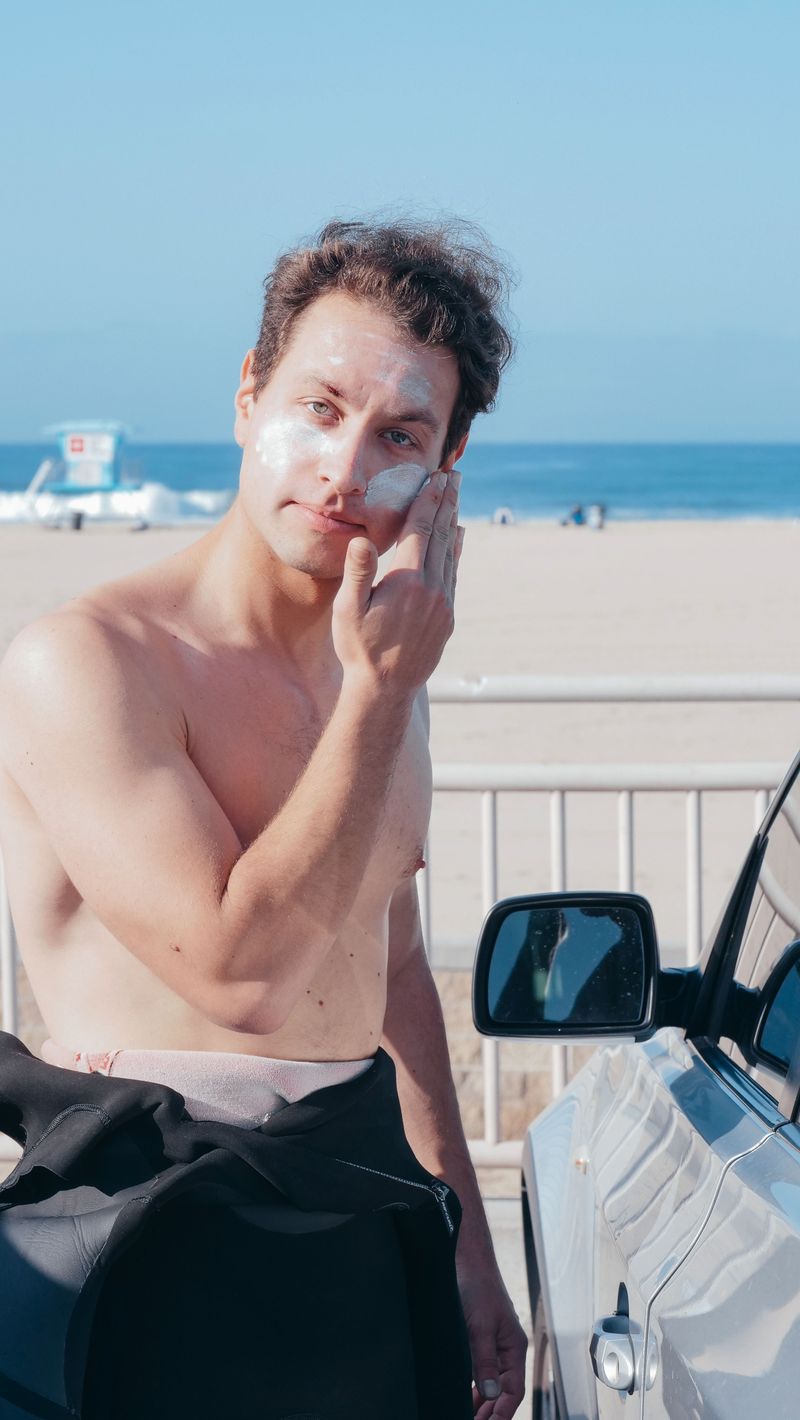
Noses, ear tips, bellies, and groins burn easily, particularly on white, thin-coated, or freshly groomed dogs. Repeated burns cause irritation and raise longer-term skin risks.
Use a pet-formulated sunscreen, generally SPF 15 or higher, applied about 15 minutes before going out and refreshed every two to three hours.
Never substitute human sunscreen, since some ingredients are unsafe if licked. Limit exposure between 10 a.m. and 3 p.m.
15. Storm Debris Hiding Around the Water
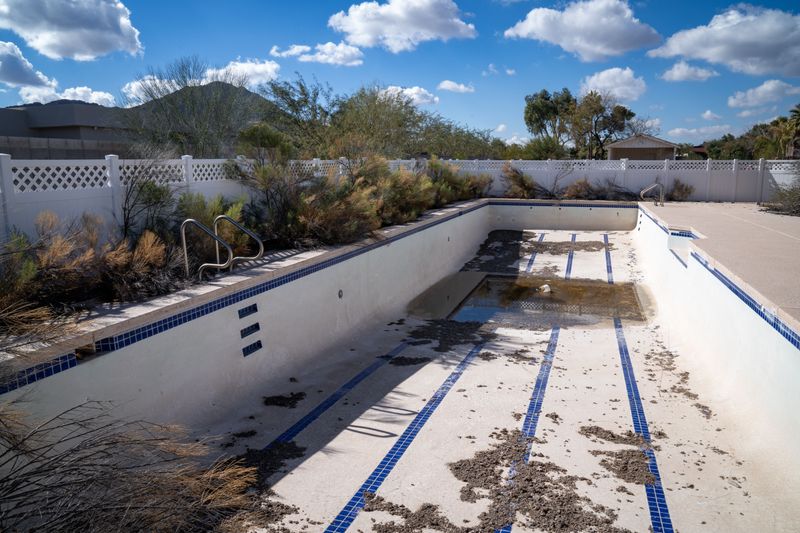
Monsoon winds rearrange a backyard fast. Palm fronds, gravel, broken patio pieces, and blown-in dust all end up in the water or scattered across decking.
Sharp fragments are easy to miss and hard on paws.
Do a slow walk-through before letting your dog out: skim the pool, sweep the deck, check equipment covers, and drain any water pooled on the safety cover. Five minutes saves a vet visit.
Season set, worries handled. Enjoy the water together.