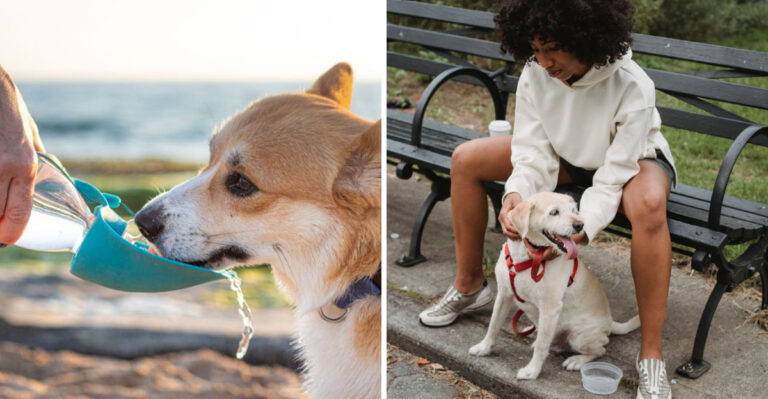
What Illinois Law Says About Dogs Left Outside During Extreme Weather

Illinois weather can change quickly, leaving dog owners wondering when outdoor time becomes unsafe. State law requires more than a yard and a doghouse, especially during bitter cold or summer heat.
Knowing the basic rules helps you protect your dog and recognize when a neighbor’s pet needs help. Here is what Illinois owners should understand about shelter, daily care, outdoor exposure, and getting reliable local guidance.
1. Illinois Law Requires Dogs to Have Protection From the Weather
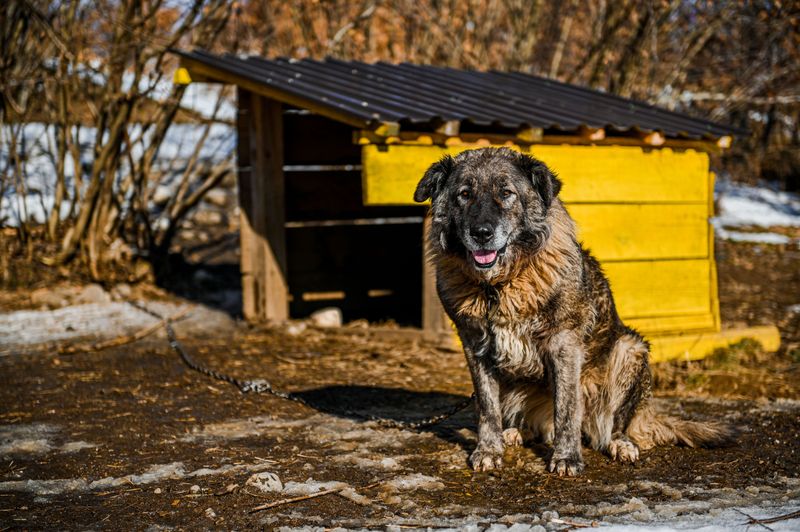
A backyard fence does not meet every responsibility that comes with owning a dog. The Illinois Humane Care for Animals Act requires adequate shelter and protection from weather.
Owners must also provide humane care and necessary veterinary attention.
Those duties apply even when a dog usually enjoys being outdoors. Check your setup whenever conditions change, rather than assuming yesterday’s shelter remains suitable.
Ask local animal control about requirements that apply to your property and community.
2. Extreme Cold Can Become an Animal Cruelty Issue

Snow in the yard does not automatically mean someone has broken the law. However, Illinois specifically prohibits prolonged exposure to extreme cold when that exposure results in injury or worse.
Other care requirements can apply before an injury appears.
Wind, wet fur, and inadequate shelter can make cold exposure more concerning. Bring your dog inside before problems develop.
If you suspect unlawful conditions, describe what you observe to animal control rather than making legal accusations.
3. Extreme Heat Is Also Covered Under Illinois Law

Summer sunshine deserves the same attention as a winter storm. Illinois law also addresses prolonged exposure to extreme heat that results in injury or worse.
Providing water alone does not excuse dangerous conditions or replace other required care.
Watch how sunlight moves across your yard throughout the day. A shaded corner at breakfast may become exposed by afternoon.
During dangerous heat, use a cooler indoor space and shorten outdoor breaks according to your dog’s needs.
4. There Is No Single Statewide Temperature Cutoff for Every Dog

A number on your weather app cannot answer every legal or safety question. The statewide extreme-weather provision does not set one temperature cutoff covering every dog.
Duration, conditions, and the animal’s condition can all matter.
Local ordinances may include more specific temperature rules or weather alerts. Check your city or county code instead of relying on a social media chart.
Your veterinarian can help you choose safer limits for your own dog’s outdoor time, too.
5. Outdoor Shelter Must Protect Dogs From Weather Conditions
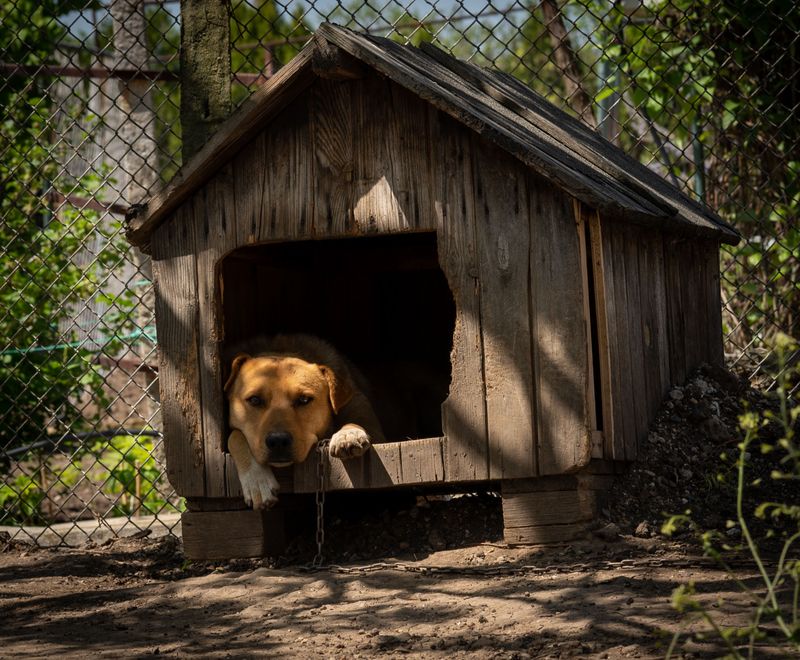
A doghouse earns its place by keeping weather out, not simply by being present. Illinois requires shelter that adequately protects animals from weather conditions.
A leaking roof or exposed sleeping area may not provide that protection.
Inspect for damp bedding, drafts, flooding, and direct afternoon sun. Keep the resting area dry and accessible without tangled restraints.
A small enclosed shelter can also trap summer heat, so never assume a winter arrangement works safely all year.
6. Dogs Must Have Access to Sufficient Food and Water
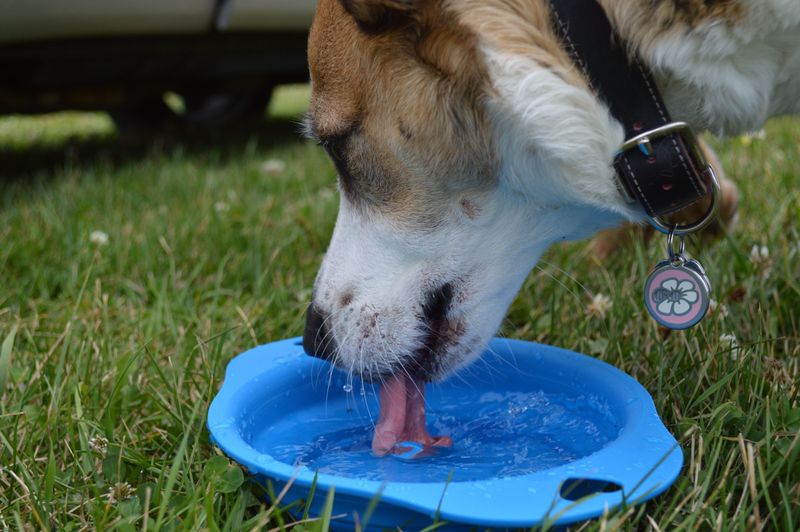
Frozen water cannot meet a thirsty dog’s needs. Illinois requires sufficient quantities of good-quality, wholesome food and water.
Outdoor conditions can quickly turn a previously useful water bowl into something a dog cannot safely use.
Check bowls often during freezing weather and hot afternoons. Prevent tipping, contamination, and ice buildup, while following electrical safety instructions for heated equipment.
Ask your veterinarian whether changing weather affects your dog’s food needs, especially with outdoor activity or medical concerns.
7. Leaving a Dog Outside for Too Long Can Have Legal Consequences

Time outside matters alongside temperature and shelter. Illinois prohibits prolonged extreme-weather exposure that causes qualifying harm, while broader care duties remain in effect.
There is no universal statewide outdoor timer that makes every situation lawful.
Repeatedly checking your dog is better than setting a long unattended schedule. Depending on the facts and applicable charge, violations can bring criminal penalties or other court orders.
Confirm current penalty details with official sources rather than assuming every case receives identical treatment.
8. Tethering Rules Still Apply When Dogs Are Outside

A tether is not a substitute for supervision or weather protection. Illinois sets requirements for tether length, attachments, movement, and access to necessities.
Owners must follow those rules even during otherwise comfortable weather.
Make sure the restraint cannot wrap around posts or prevent access to shelter and water. Avoid arrangements that could catch on fencing or other objects.
Review the current state statute and local tethering ordinance before leaving any dog attached outside, even for short periods.
9. Heavy Chains and Improper Restraints Can Violate State Law
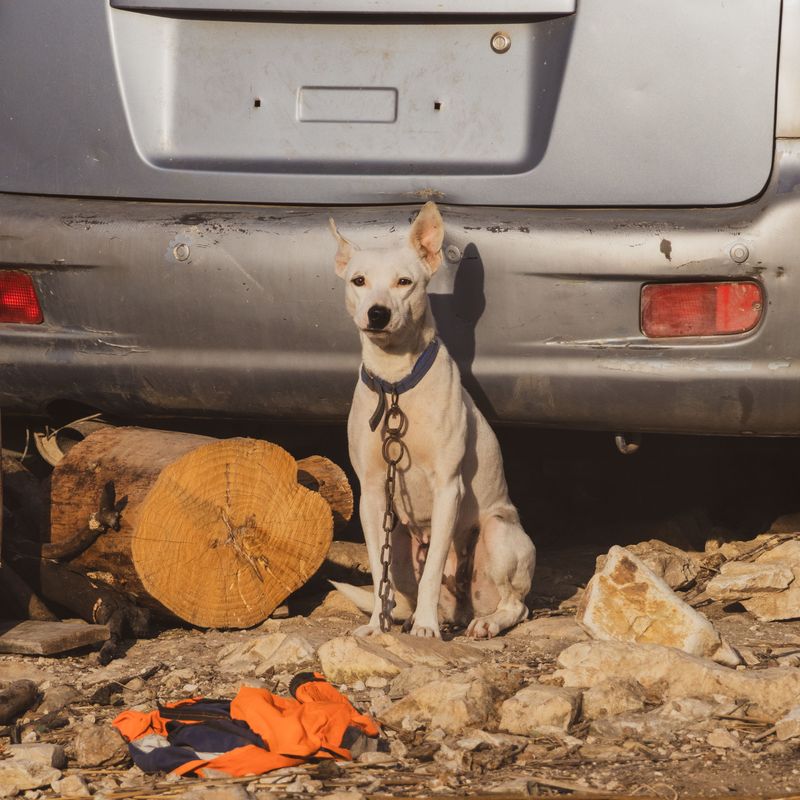
Hardware chosen for hauling equipment does not belong on a dog. Illinois tethering rules restrict heavy restraints and prohibit certain collars or attachments.
A restraint must allow appropriate movement without creating entanglement risks.
Do not guess that any chain sold at a hardware store is acceptable. Check the statute’s weight and equipment requirements, plus local restrictions.
A properly fitted setup still does not make dangerous heat or cold acceptable, and equipment should be inspected regularly for damage.
10. A Dog’s Health Matters When Considering Outdoor Exposure
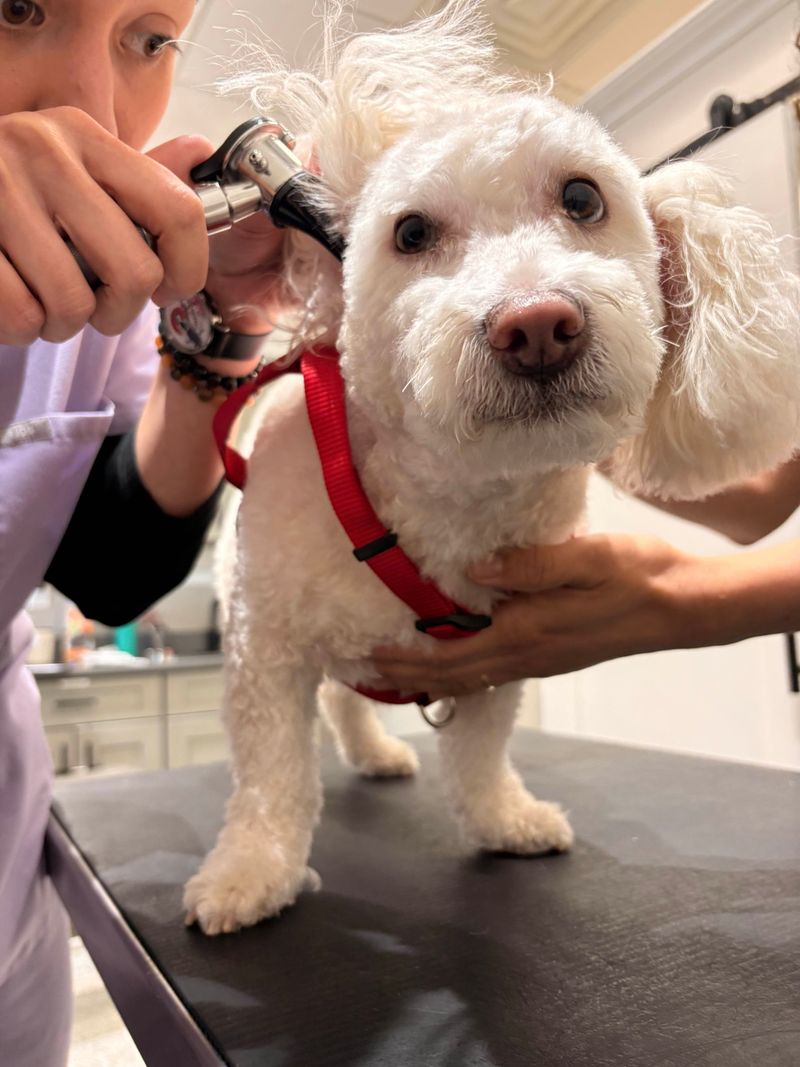
Your neighbor’s sturdy adult dog is not a reliable weather guide for your puppy. Age, coat, body condition, and illness influence how well dogs handle outdoor conditions.
Some medical problems also reduce tolerance for heat or cold.
Illinois requires necessary veterinary care, alongside adequate shelter and other basic needs. Ask your veterinarian about your dog’s specific limits and medications.
Adjust outdoor routines after illness, surgery, or major health changes instead of following an old schedule without reassessment.
11. Frostbite and Hypothermia Can Support an Animal Cruelty Case
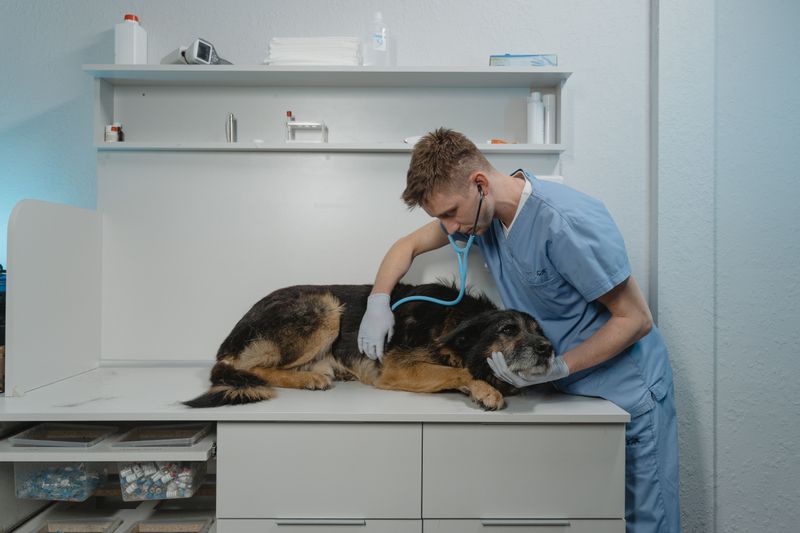
Persistent shivering, unusual weakness, or confusion after cold exposure calls for prompt veterinary advice. Frostbite and hypothermia are medical conditions that can help document weather-related injury.
Their presence may support an investigation, depending on the circumstances.
Move your dog into a warm, dry place and contact a veterinarian promptly. Avoid rubbing areas that may have frostbite or applying intense direct heat.
Let professionals assess the problem, provide treatment, and record findings rather than attempting a home diagnosis.
12. Heat-Related Illness Can Also Have Legal Consequences
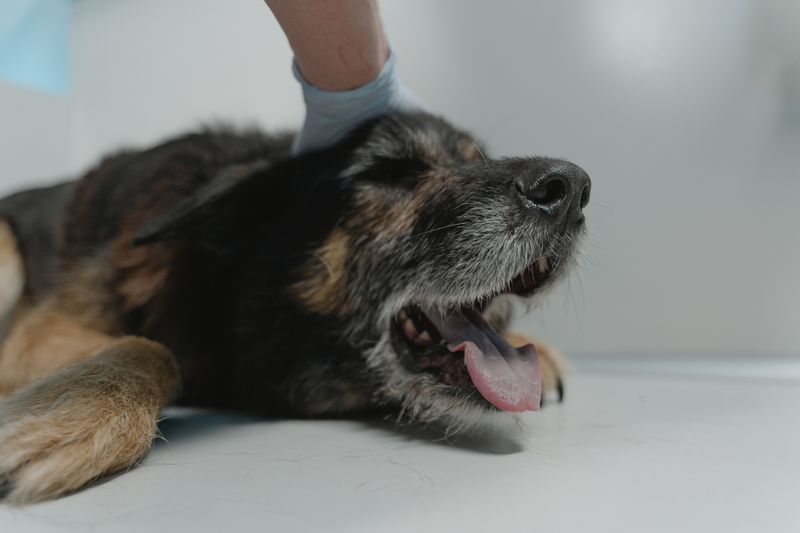
Heavy panting paired with weakness or poor coordination deserves immediate attention. Heat-related illness can provide evidence of injury following dangerous outdoor exposure.
Whether conduct violates Illinois law depends on the evidence and relevant legal requirements.
Move your dog into a cooler area and contact an emergency veterinarian immediately. Follow professional cooling instructions, and do not delay care while gathering evidence.
Even if symptoms seem to improve, a veterinarian should guide the next steps and assess possible complications.
13. Law Enforcement Can Take Temporary Custody of Dogs in Danger
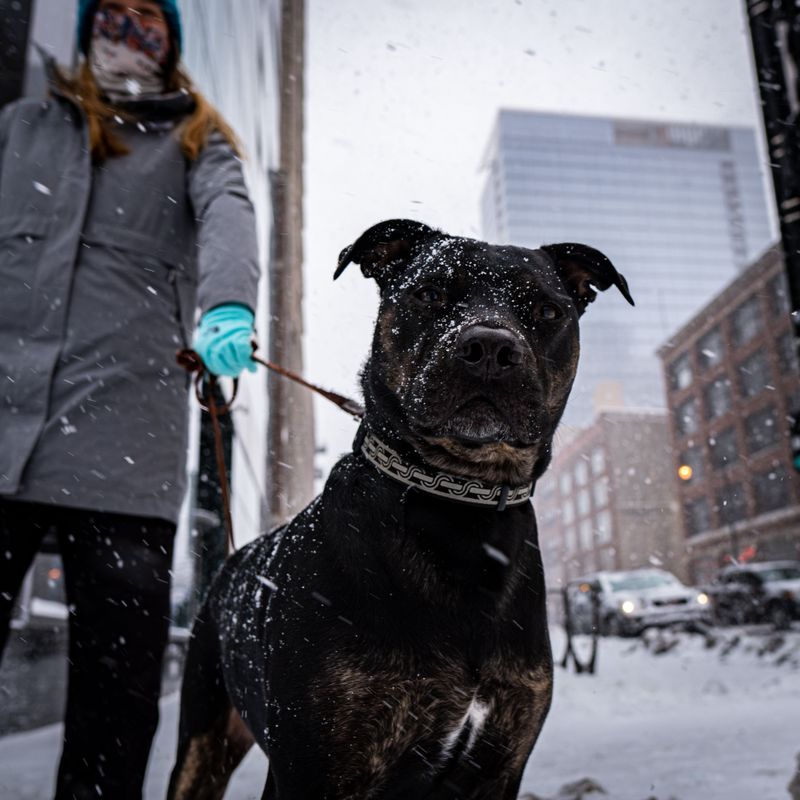
Officers have legal tools beyond simply asking an owner to improve conditions. Illinois law allows temporary custody of animals under specified circumstances involving suspected violations.
Procedures, required findings, and later hearings depend on the applicable provision.
A concerned neighbor should call authorities rather than remove a dog personally. Explain the weather, shelter, available water, and visible condition.
Responders can assess their authority and the animal’s needs. Taking custody does not automatically decide ownership or establish a criminal conviction.
14. Animal Abandonment Laws Also Protect Dogs From Exposure

Moving away does not erase an owner’s responsibility for a dog left behind. Illinois prohibits abandoning animals, and exposure concerns may overlap with failures to provide basic care.
Leaving food nearby does not necessarily resolve those legal concerns.
If housing or finances make care difficult, contact shelters, rescue groups, or local animal services before leaving. Ask about temporary help or lawful surrender options.
Report apparently abandoned dogs with specific observations, while avoiding assumptions about an owner’s absence.
15. Veterinary Records Can Help Establish Weather-Related Harm

A medical record can connect observed symptoms with a professional assessment. Veterinary notes, examination findings, treatment records, and photographs may help investigators evaluate suspected weather-related harm.
No single document automatically proves every element of an offense.
Owners should keep discharge instructions and follow recommended care. Witnesses can preserve dated observations and provide them to authorities when requested.
Avoid sharing private records publicly or presenting guesses as diagnoses. Clear documentation helps professionals separate confirmed facts from understandable concerns.
16. Neighbors Can Report Dogs Left Outside in Dangerous Conditions

Helpful reporting starts with facts, not confrontation. Contact local animal control or the appropriate law enforcement agency when a dog appears endangered.
For an immediate emergency, use the emergency reporting channel serving that location.
Give the address, time, weather, and details about shelter, water, and the dog’s behavior. Take photographs only from places where you may lawfully stand.
Do not enter private property or remove the animal yourself. Let trained responders investigate and decide what action is authorized.
17. Owners Should Bring Dogs Indoors When Conditions Become Dangerous
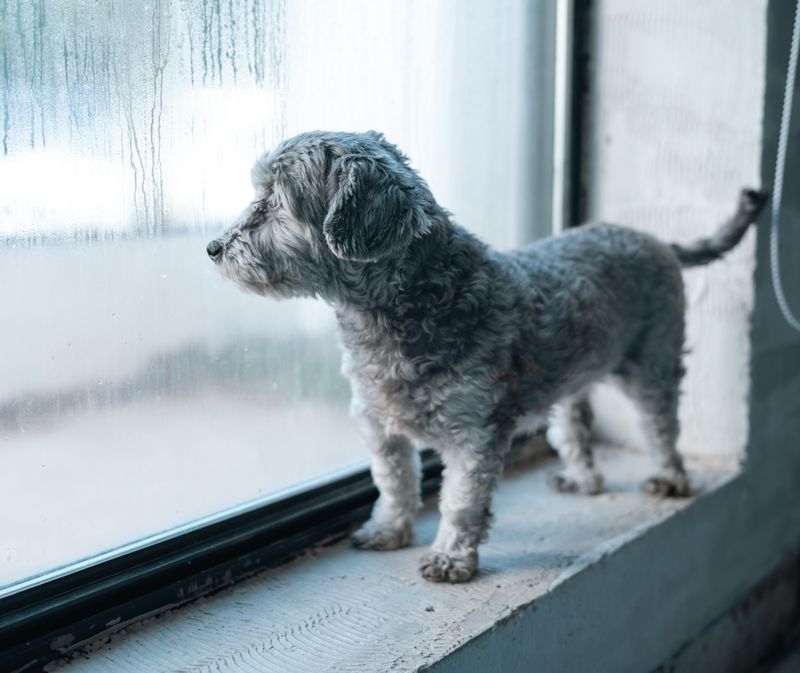
The simplest weather plan starts with a safe place inside. When outdoor conditions become dangerous, bring your dog into a comfortable indoor area.
A garage or shed is not automatically safe, especially without suitable temperature control.
Plan short bathroom breaks, keep supplies ready, and arrange backup care before storms arrive. Check official Illinois statutes and local rules whenever legal details matter.
Good preparation means fewer last-minute decisions: watch the weather, know your dog, and choose protection early.