19 Questions California Dog Owners Should Ask Before Hiring A Walker Who Handles Apartment Or Condo Access
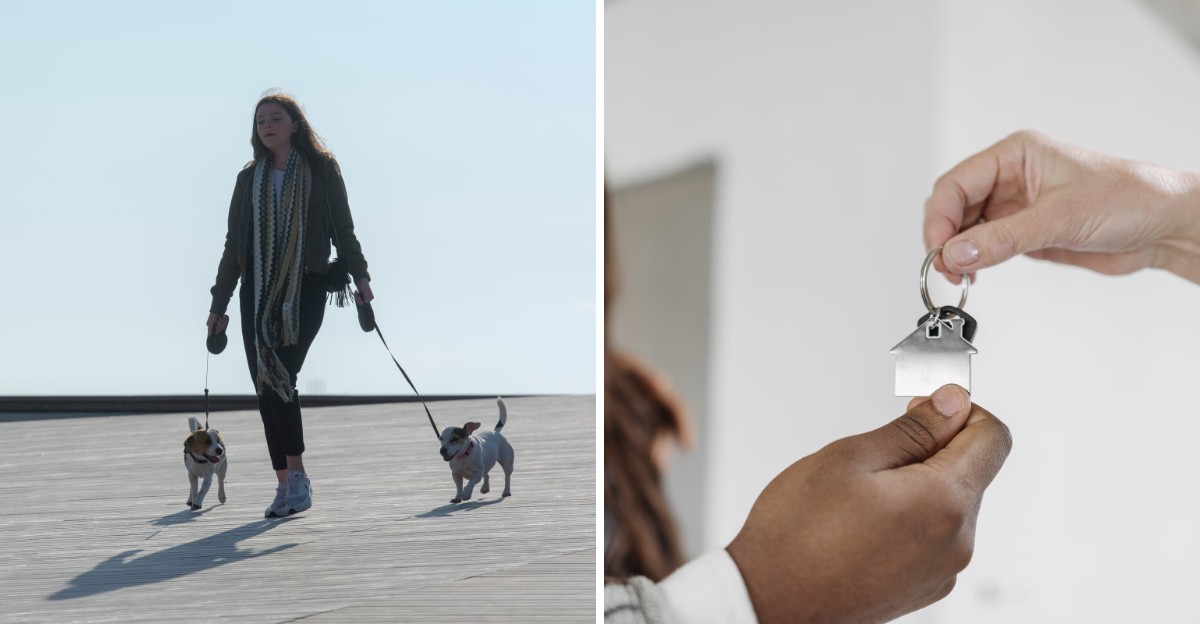
Handing someone the keys to your home is a big step, especially when your dog is waiting inside. For California renters and condo owners, a walker also has to manage gates, fobs, elevators, and busy lobbies.
The right questions help you spot a true professional before the first visit ever happens. Think of this guide as friendly advice from someone who has been there, so you can choose calmly and with confidence.
1. How will you enter and secure my apartment or condo each visit?
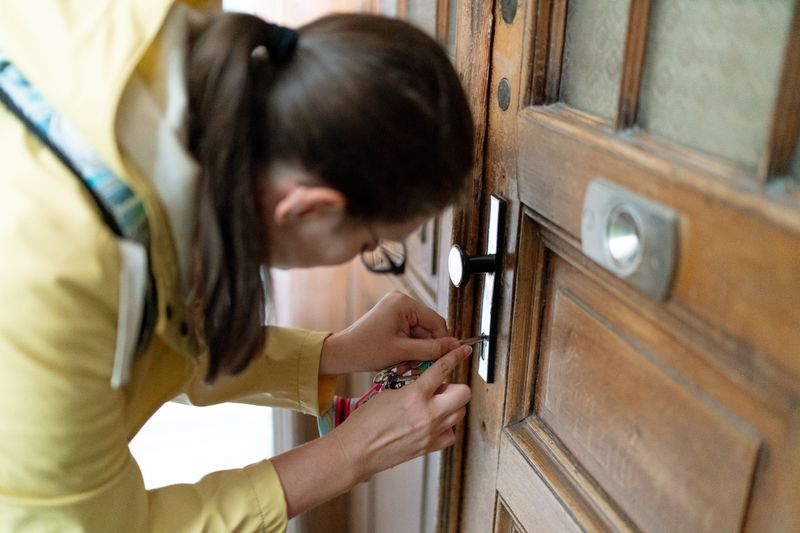
Picture your walker standing at your door for the first time. Do they have a clear, repeatable routine, or are they guessing?
A strong answer covers how they get in, whether by key, fob, lockbox, or smart lock code. It should also explain how they lock up and double-check before leaving.
Ask them to walk you through a sample visit, step by step. Confident pros describe it easily.
Vague replies are a signal to keep interviewing.
2. Where will you keep my keys, fob, access card, or entry code?
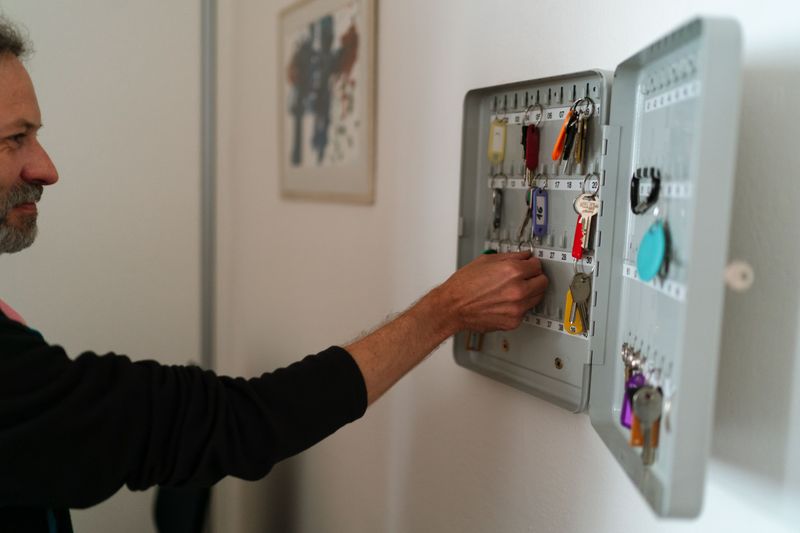
Keys that sit loose in a car cup holder make most owners nervous, and for good reason.
Professional walkers often use a locked key cabinet, a secure lockbox, or a coded tracking system. Some services keep keys at the office and sign them out for each shift.
Digital entry codes should live in a protected client profile, not a sticky note.
Ask exactly where your fob or card spends the night. A specific answer shows real care for your security.
3. Will my keys or access devices be labeled with my address?
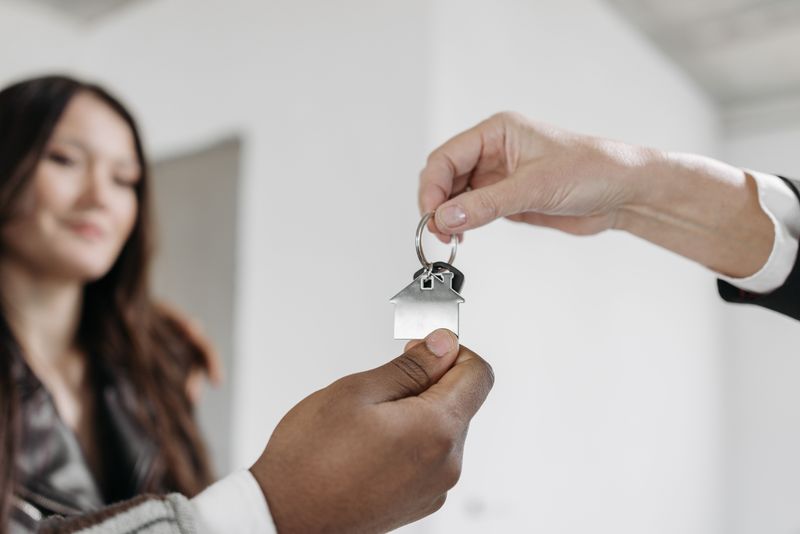
Here is a simple rule that security experts repeat often: never pair a key with an address.
If a labeled key is dropped on a sidewalk, anyone who finds it knows exactly which door it opens. Careful walkers use a number or code instead.
That code links to your file in a secure system only they can see.
Ask to see a sample tag during your meeting. You should see numbers, colors, or codes, never street names or unit numbers.
4. Who besides you will have access to my keys or building credentials?
A solo walker and a larger company handle access in very different ways. Knowing which one you are hiring clears up a lot.
With a solo walker, the answer may simply be one person. With a team, ask who can reach your key cabinet, office manager included.
Find out whether every staff member passes a background check before handling client credentials.
Good businesses keep a written list of who holds what. They should happily share that policy with you.
5. What happens if you lose a key, fob, or access card?
Even the most careful people misplace things now and then. What matters is the plan that follows.
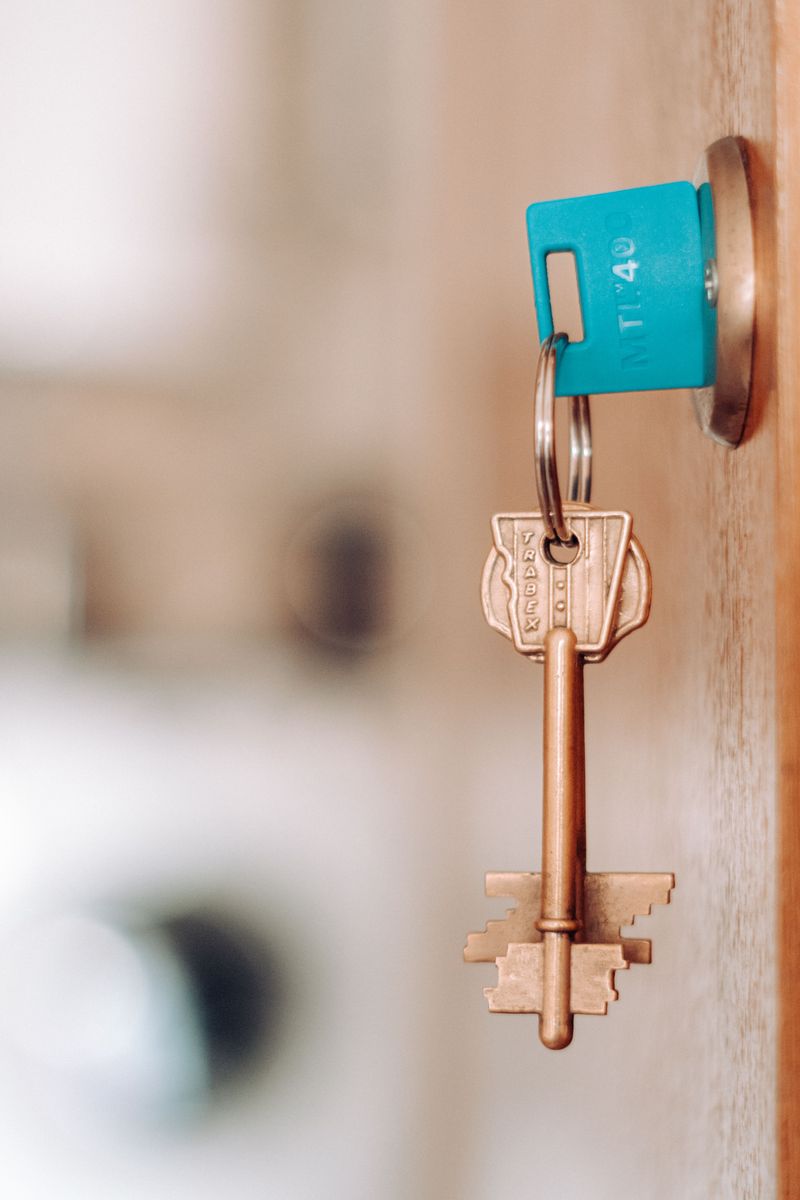
A trustworthy walker tells you right away, not days later. They should also explain who pays for rekeying locks or replacing a building fob.
Replacement fobs in some buildings carry a fee set by management, so costs vary.
Some pet care insurance policies include lost key coverage, but not all do. Ask whether theirs does, and request the details in writing.
6. Do you know how to use controlled-entry doors, elevators, gates, and call boxes?
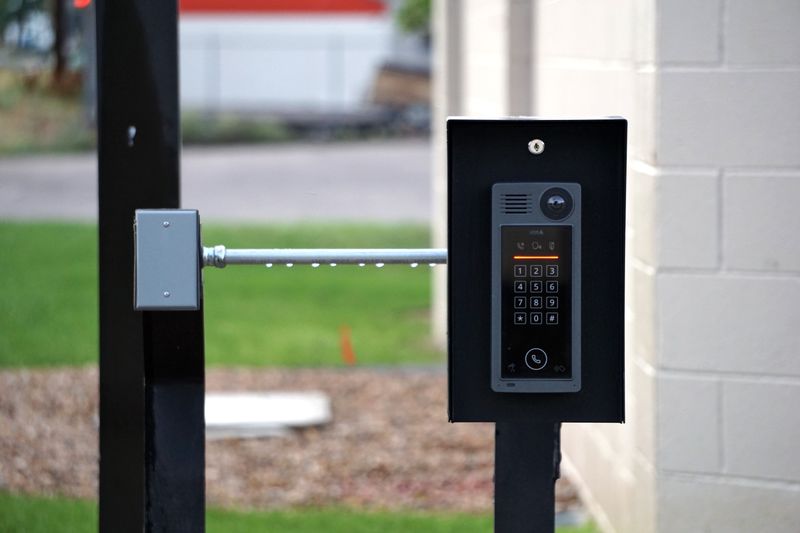
Call boxes, parking garage gates, and fob-only elevators can confuse anyone on day one. That first-day fumble is normal, but it should not last.
Offer a practice run where you show your walker every door and reader. Point out which fob works where and any tricky timing on gates.
Mention if the elevator needs a fob tap before choosing a floor.
Experienced city walkers usually pick this up fast. Their questions during the tour will show how closely they pay attention.
7. Will you make sure every door and gate is fully locked behind you?
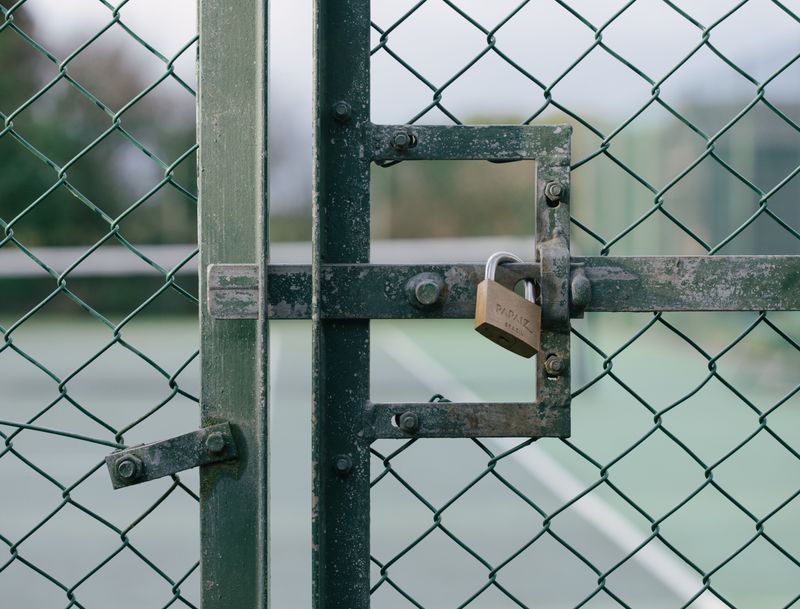
Slow-closing gates are sneaky. Some shared doors in California complexes drift shut but never quite latch.
A careful walker pauses after each door and gives it a gentle push to confirm the lock caught. That habit covers your unit door, pool gates, garage entries, and side doors.
Deadbolts should be turned, not just the knob lock.
Ask your candidate to describe their personal lock-check habit. Pros often have a simple routine, like a quick tug and a glance back.
8. How will you handle building staff, security desks, or required visitor check-ins?

Front desk staff often act as a friendly first line of security. Your walker should treat them like teammates.
Some buildings want visitors to sign in, show ID, or wear a badge. Others need you to add the walker to an approved list through a resident app or the management office.
Set this up before the first visit to avoid awkward delays.
Ask how the walker handles a new concierge who does not recognize them. Patience and politeness are what you want to hear.
9. Will the same walker usually handle my dog, or could substitutes enter my home?
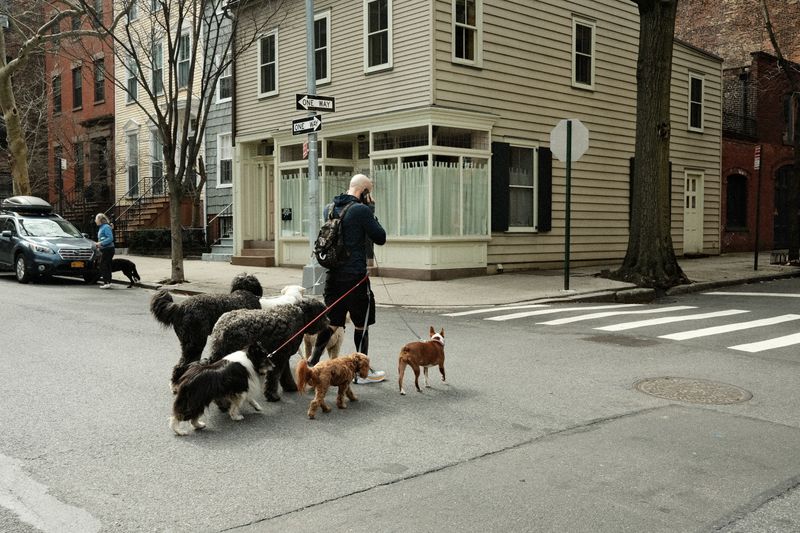
Dogs love routine, and many feel happiest with a familiar face at the door. Your home security benefits from that familiarity too.
Solo walkers usually handle every visit themselves, though they may need backup during illness or vacation. Larger services might rotate staff across the week.
Neither setup is wrong, but you deserve to know which one you are signing up for.
Ask how many different people might enter in a typical month. A clear number helps you plan.
10. How will I be notified if a substitute walker needs access?

Imagine checking your doorbell camera and spotting a stranger with your dog. That surprise is easy to prevent.
Ask for advance notice by text, email, or app whenever someone new is scheduled. The message should include the substitute’s first name and ideally a photo.
You might also let your building staff know, so the front desk is not caught off guard.
Some owners prefer to meet backups in person first. Say so upfront if that matters to you.
11. Do you carry liability insurance or bonding that covers in-home access?
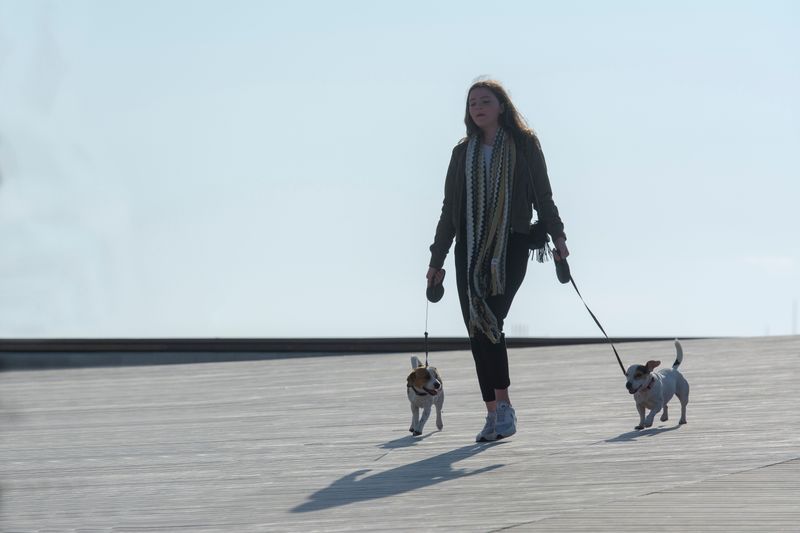
Insurance is not the most exciting topic, yet it quietly protects everyone involved. Professional walkers often carry business liability coverage.
Many policies include care, custody, and control coverage for pets. Bonding is different: it can help cover losses if an employee steals.
In California, businesses with employees must carry workers’ compensation insurance under state law.
Ask for a certificate of insurance and read what it covers. Your HOA may also require proof before allowing vendors inside.
12. What is your procedure if you arrive and find my door unlocked or something unusual inside?
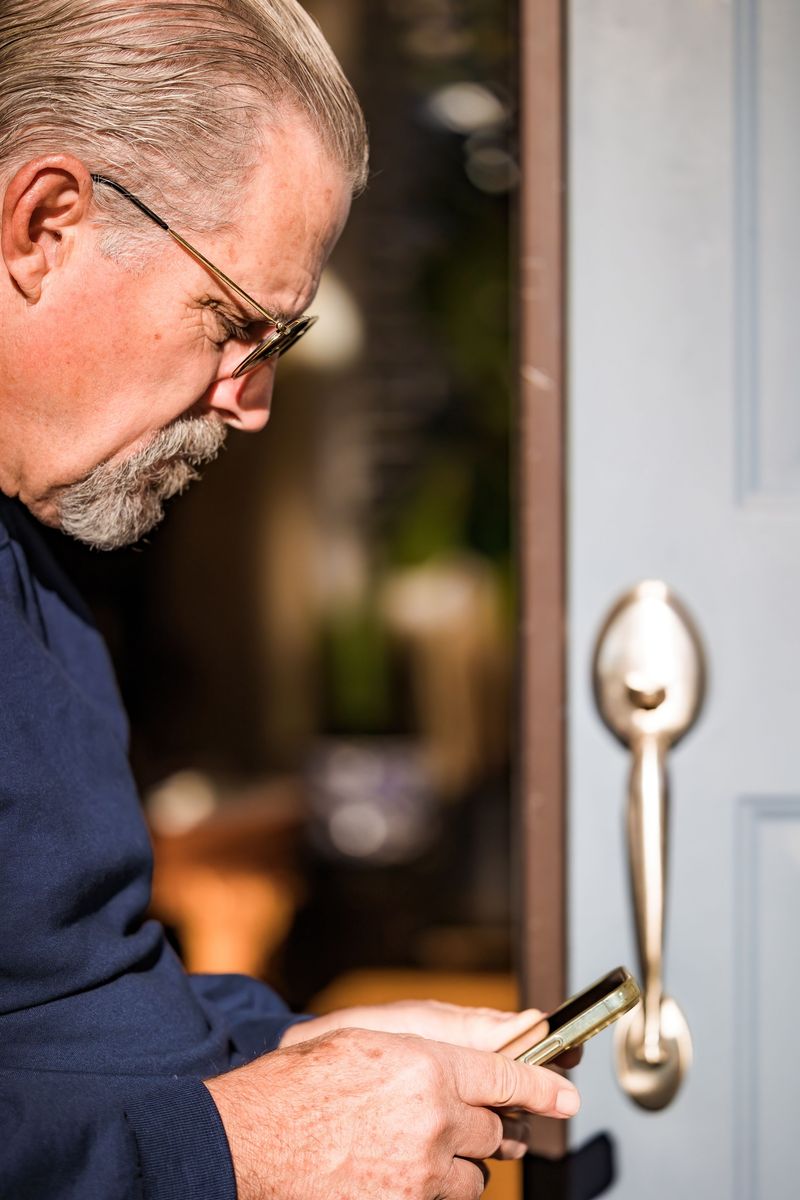
Sometimes a door that should be locked is not. A calm, clear plan makes that moment much less stressful.
Many pet care pros advise staying outside if something looks wrong. Examples include a door left ajar or signs of forced entry.
The first step is moving to a safe spot and calling you.
If anything suggests a crime, they should contact local police. Talk through your preferences together.
Some owners simply forget to lock up, so agree on what happens then.
13. What will you do if my dog slips out while you are entering or leaving?
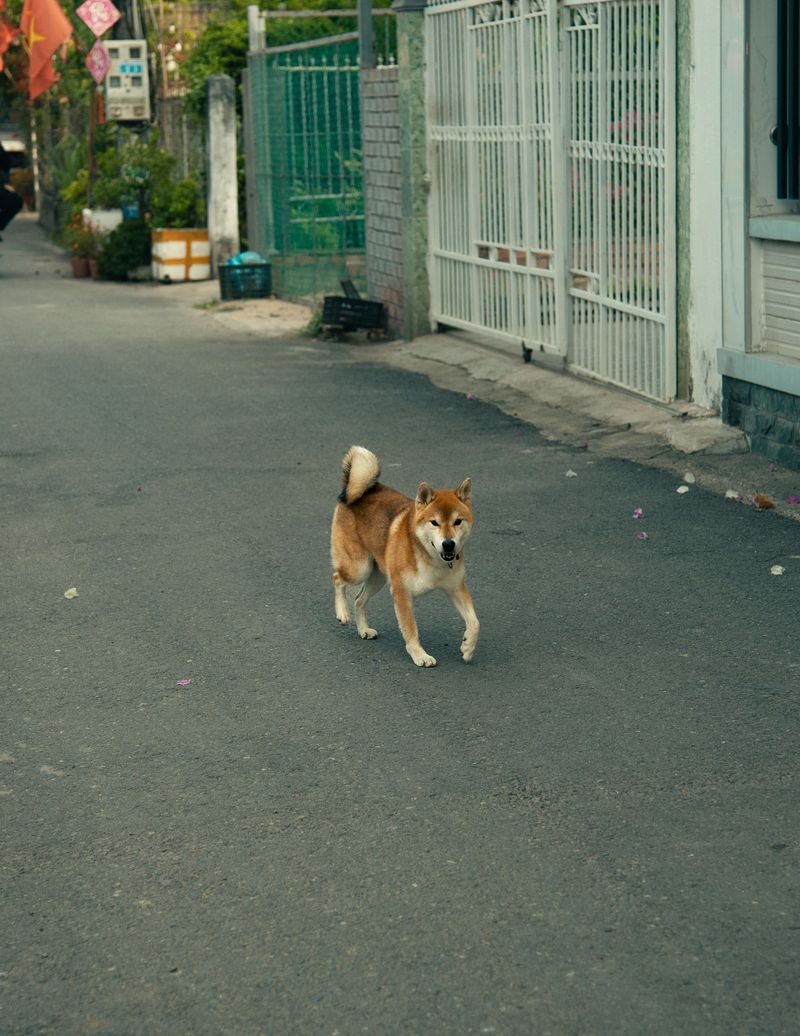
Quick paws and an open door can surprise anyone. Preparation turns a tense moment into a manageable one.
Experienced walkers know that chasing often makes a dog run farther. Many will crouch, speak calmly, or use treats and a favorite toy to invite the dog back.
They should call you right away and alert building staff.
Make sure your dog wears an ID tag and has an updated microchip. Most California cities and counties require dog licenses, so confirm your local rules.
14. How do you prevent my dog from rushing through apartment doors, lobby doors, or elevator doors?
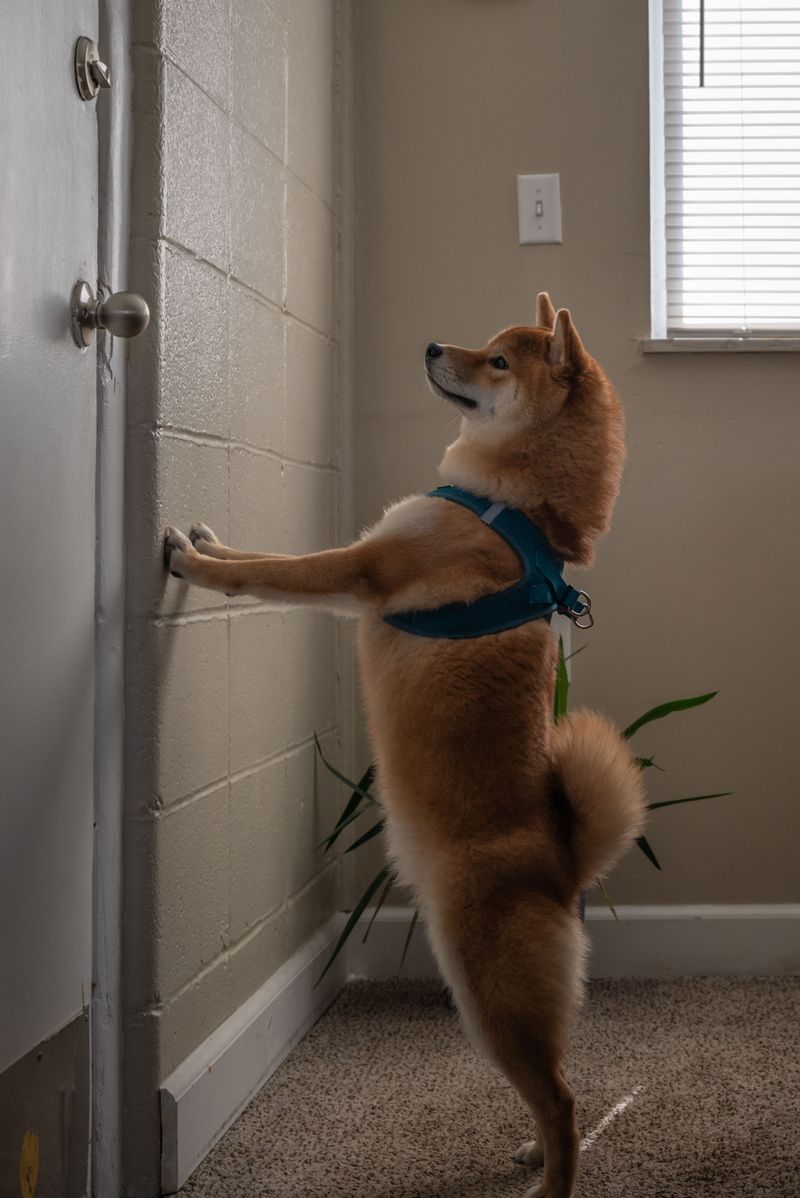
Door-dashing is a familiar habit in busy buildings. Lobbies and elevators add extra excitement for curious dogs.
Ask whether the walker clips on the leash before opening your unit door. Some owners use a baby gate inside the entry to create a simple airlock.
A reliable sit-and-wait cue at each threshold helps a lot, too.
At elevators, pros often let the doors fully open and check for other riders first. Small habits like that keep everyone comfortable.
15. Will you avoid letting unfamiliar people follow you into secured areas?
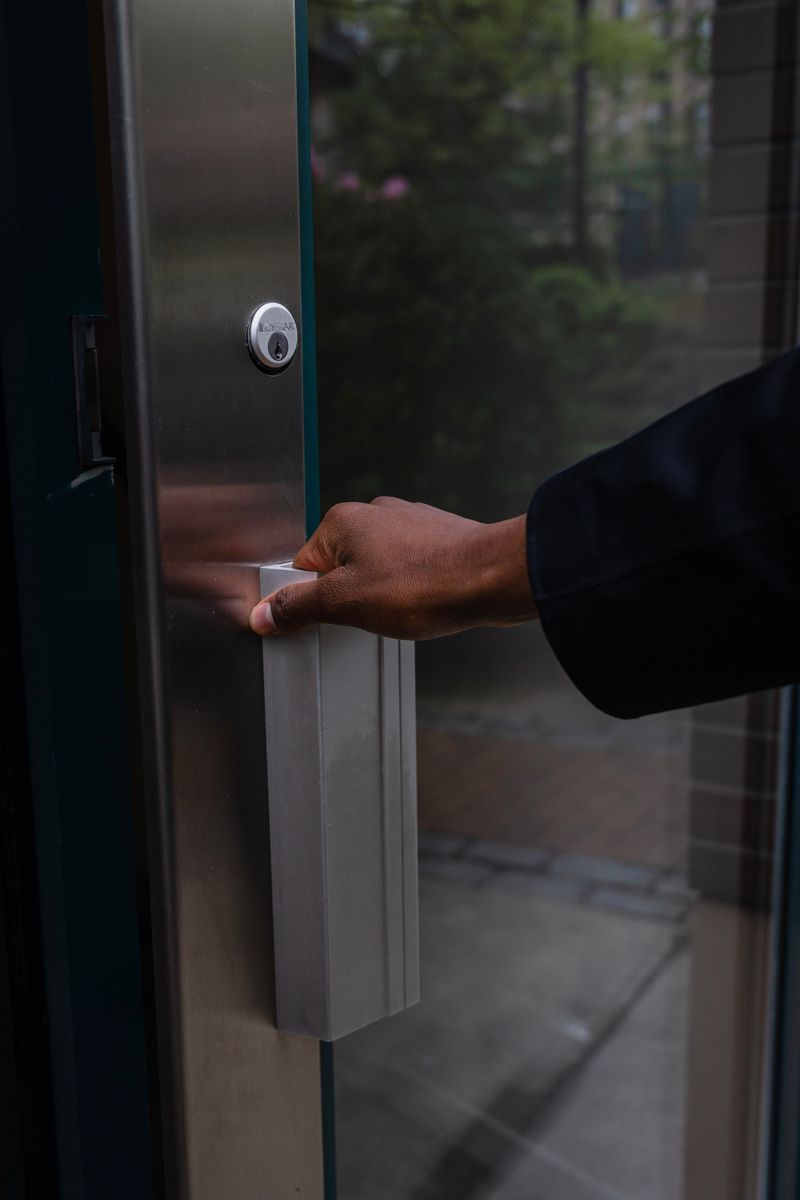
Security folks call it tailgating or piggybacking. It happens when someone slips through a secured door right behind a resident.
Walkers juggling a leash and a bag of supplies can feel rushed to hold doors open. A thoughtful walker politely lets the door close and lets others use their own fob.
Plenty of buildings ask residents to do the same.
Ask how your candidate would handle a friendly stranger asking to be let in. Kind but firm is the goal.
16. How will you confirm that my dog is safely back inside before you leave?
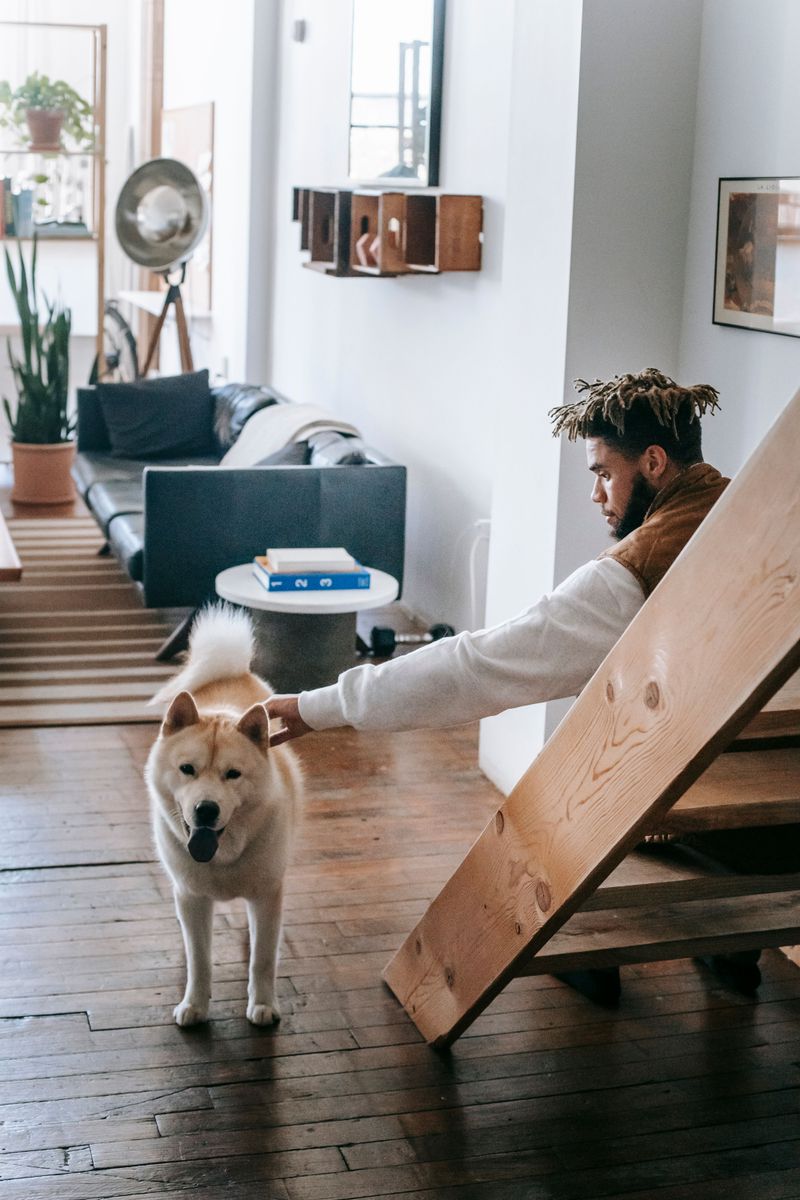
Finishing a walk is not the same as finishing a visit. The last few minutes matter most for your peace of mind.
Before stepping out, your walker should unclip the leash and see your dog settled inside. They should also check that fresh water is available.
Any crates, gates, or closed rooms should be set the way you prefer.
Leave a short written checklist near the door. It gives new or backup walkers the same steady routine every time.
17. Will you send confirmation after each visit that my dog is home and the residence is secured?
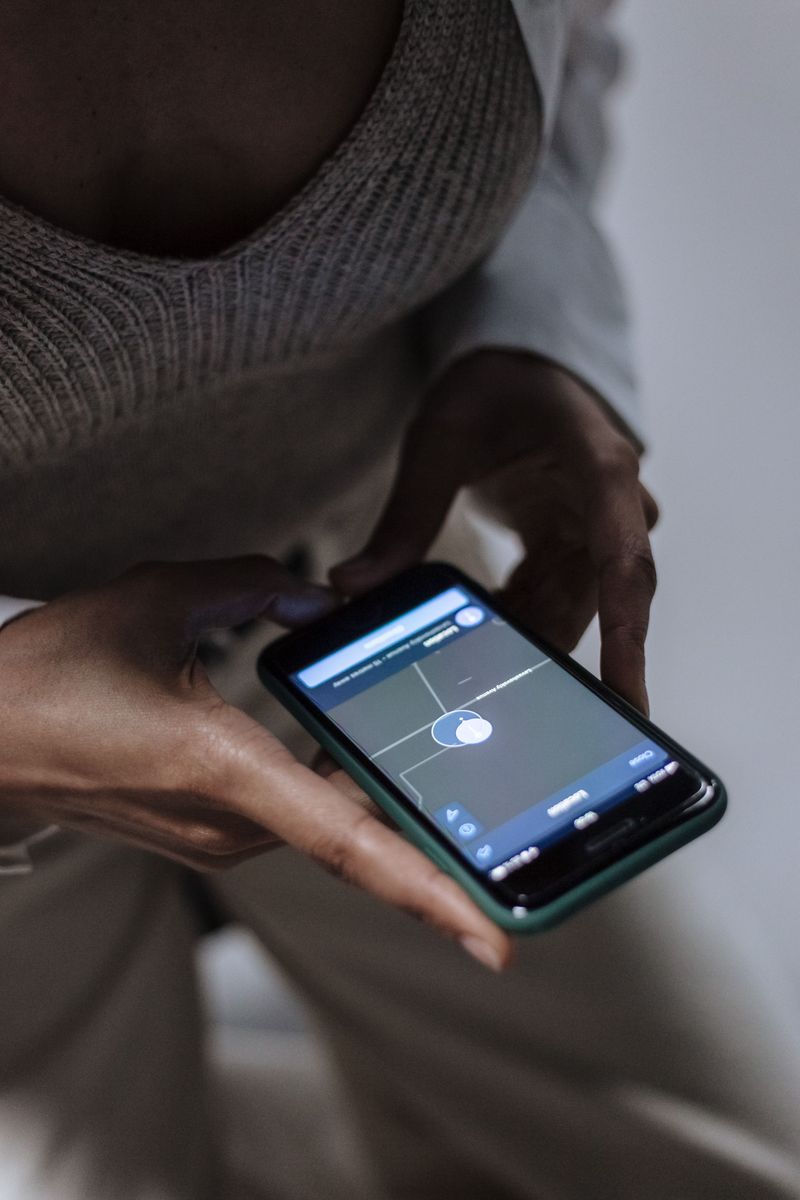
A quick message after each visit can turn worry into relief. Many walkers now use pet care apps that make this easy.
Visit reports often include a photo, notes on bathroom breaks, and sometimes a GPS map of the route. The most useful reports also confirm that your dog is home and the door is locked.
Tell your walker what you want to see. Even a simple text saying all secured can make your workday smoother.
18. How will you return or transfer my keys and access devices if I stop using your service?
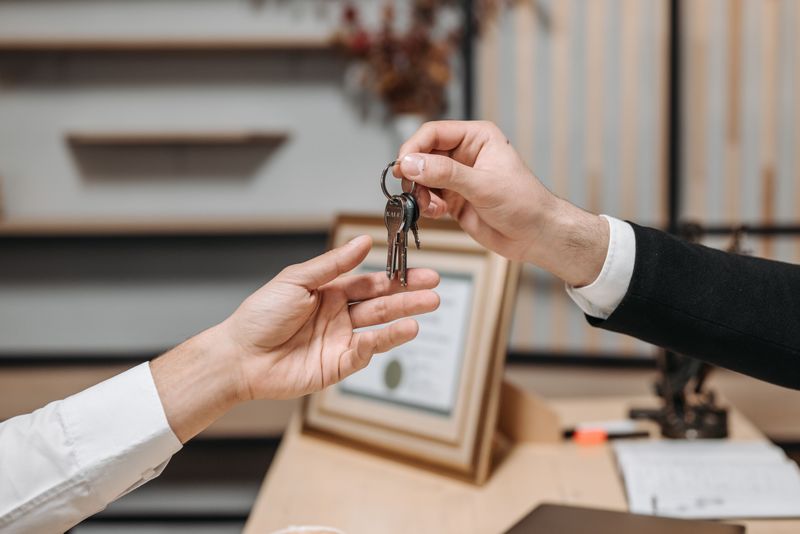
Goodbyes happen for all sorts of reasons, like a move, a new schedule, or a change in budget. A smooth handoff protects your home long after.
Physical keys and fobs should be returned in person or by a trackable delivery method. Some professionals advise against leaving keys inside the home on the final visit.
Any lockbox or smart lock codes should be changed or deleted.
Ask for a signed note confirming everything was returned. Then update your building’s approved visitor list.
19. What is your emergency plan if the building becomes inaccessible while my dog is inside?
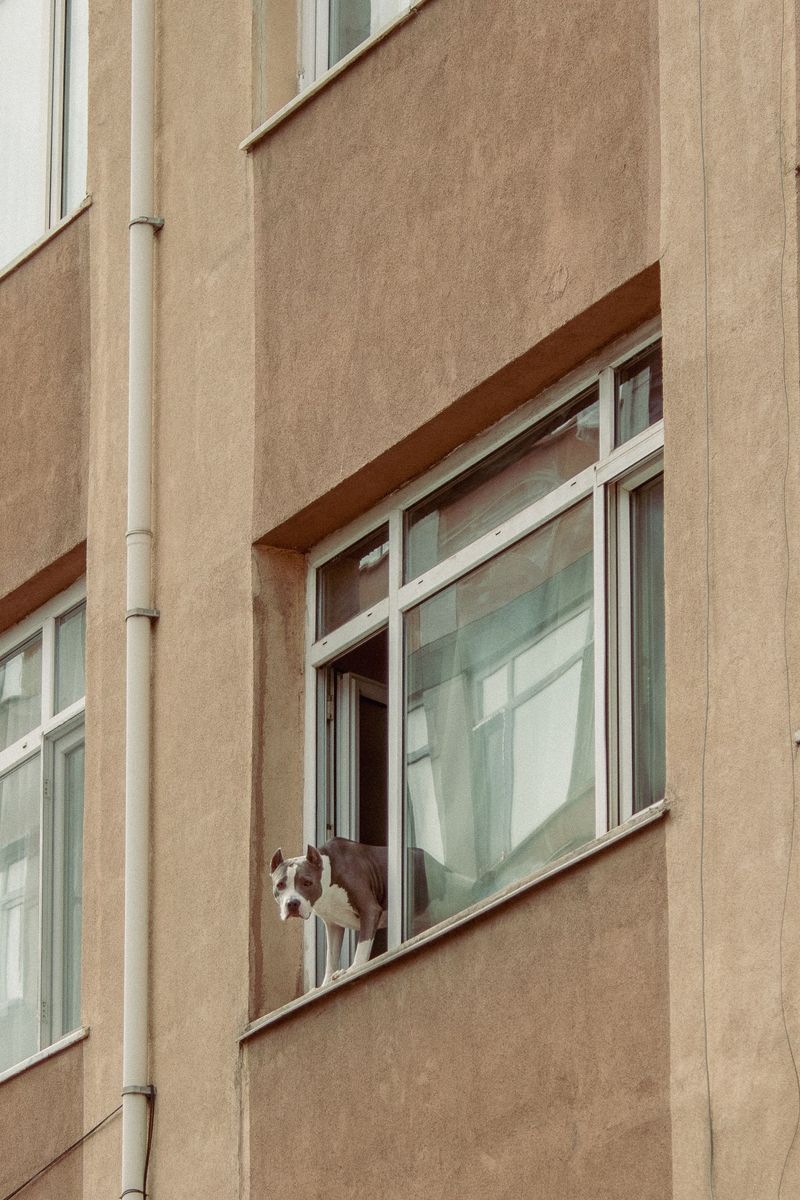
Power outages, broken elevators, and building emergencies do happen, and wildfire season can bring evacuations in parts of California. A backup plan keeps your dog cared for.
Ask who the walker contacts if they cannot get in. Share a trusted neighbor or friend as an emergency contact, and consider leaving a spare key with them.
Keep a go-bag with food, leash, and records by the door.
With these questions answered, you can hand over your keys feeling calm, prepared, and confident.