15 Power-Outage Supplies North Carolina Dog Owners Should Keep Ready For Summer Storms

Summer storms can leave North Carolina homes without lights, air conditioning, or a working refrigerator. Your dog still needs cool water, familiar food, and a safe place to rest while crews restore power.
A few supplies gathered early can make those hours much easier for both of you. Keep these essentials together, check them before storm season, and plan where you could go if your home becomes too warm.
Battery-Powered Flashlights for Safe Movement Around the House

A dark hallway feels different when a dog is weaving around your feet. Keep flashlights near your bed, exterior doors, and pet supplies.
Choose simple models that everyone in your household can operate.
A headlamp leaves both hands free for clipping leashes or cleaning spills. Avoid candles around curious noses and wagging tails.
Test every light before storm season, and keep one within reach rather than buried in a closet behind other household storage boxes.
Extra Batteries for Flashlights and Other Devices
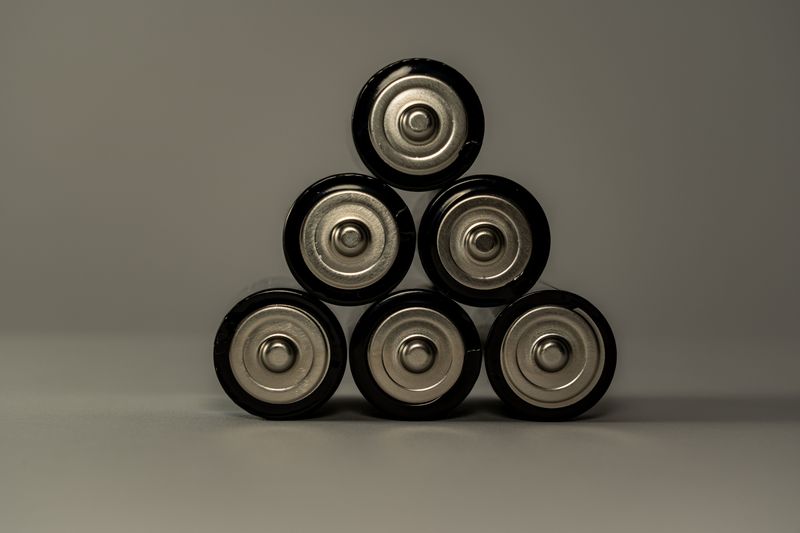
Even a good flashlight becomes useless when its batteries run low. Check which sizes your lights, radio, and fans need.
Store spare sets in their original packaging or a case that separates the terminals.
Keep batteries dry, away from heat, and beyond your dog’s reach. Never mix old and new batteries in one device.
Mark a calendar reminder to check expiration dates and replace used supplies after each outage, before the next storm arrives locally.
A Battery-Powered Radio for Weather Updates
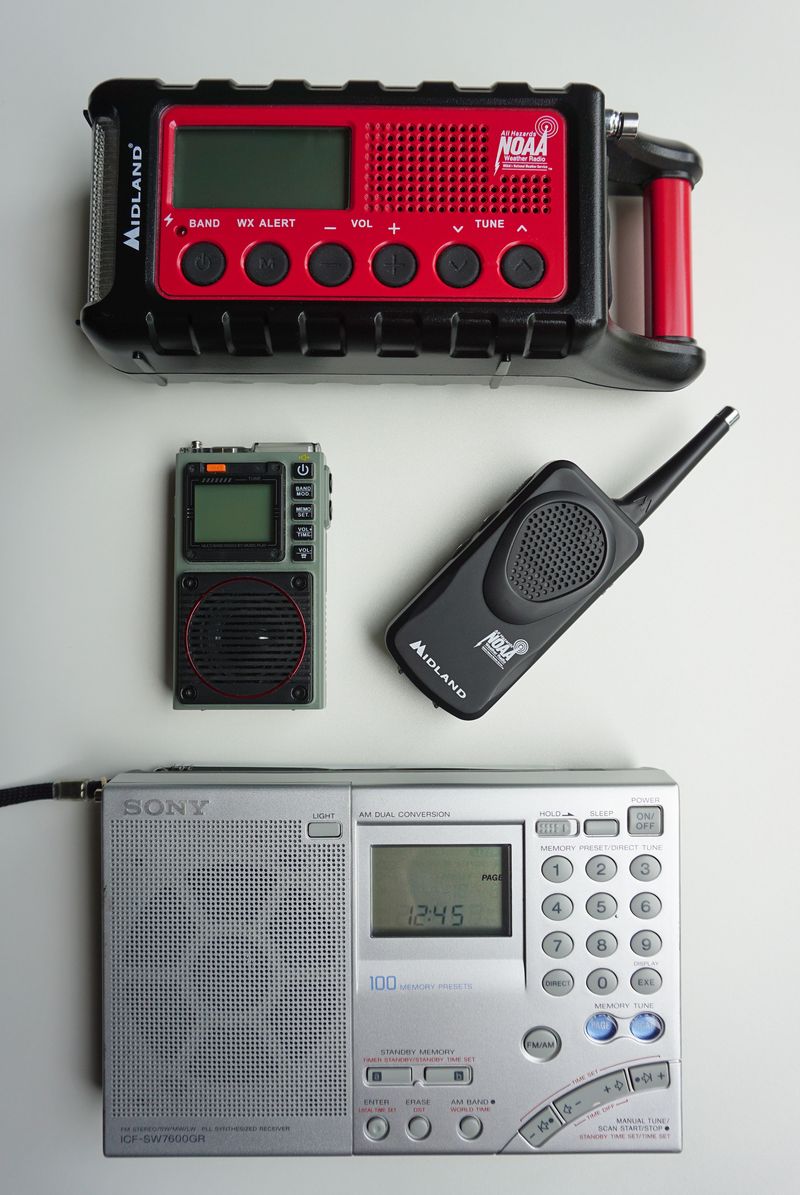
Phone service can become unreliable when storms affect towers or networks. A battery radio offers another way to hear weather alerts and local instructions.
Look for a NOAA Weather Radio with battery backup.
Program county alerts if the model supports them, and learn its controls beforehand. Keep your county name and nearby locations written beside it.
Weather warnings and evacuation guidance may differ across North Carolina, so follow information for your actual location during storms.
Portable Power Banks for Charging Your Phone
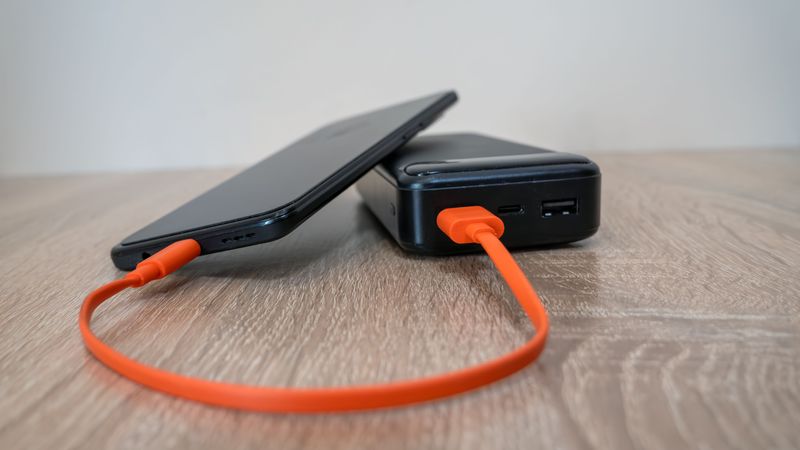
Your phone connects you with your veterinarian, weather alerts, and family updates. Charge power banks before storms arrive, and pack the correct cables.
Choose enough capacity for your household’s basic communication needs.
Use low power mode and reduce screen brightness to stretch each charge. Store batteries away from hot cars, water, and chewing dogs.
Download useful contacts and maps beforehand, since a charged phone cannot guarantee cellular service during a widespread outage in your area.
Plenty of Fresh Drinking Water for Your Dog
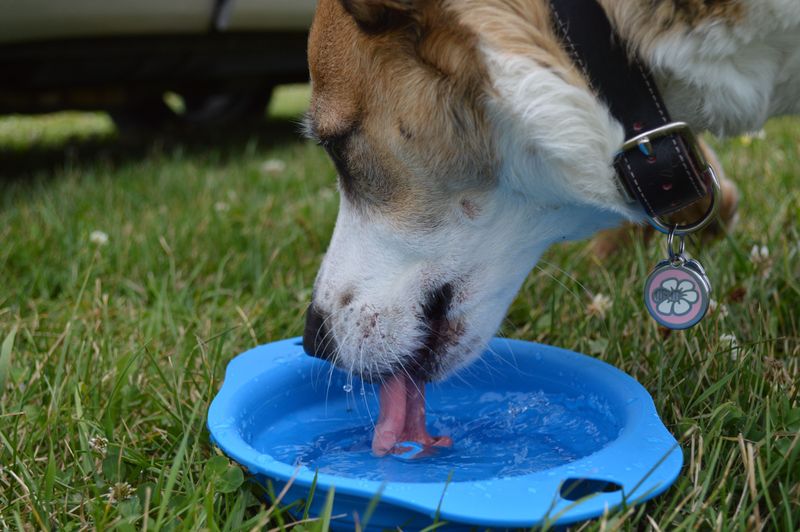
Water deserves its own space in your storm supplies. Store at least several days of drinking water for every pet.
Ask your veterinarian about amounts based on size, health, diet, and summer conditions.
Keep extra water for washing bowls and cleaning messes. Replace stored water according to container guidance, and follow local drinking water advisories.
Never let your dog drink floodwater. Offer fresh water often, especially when indoor temperatures climb and your usual cooling disappears.
Canned and Shelf-Stable Dog Food

A familiar dinner can bring welcome routine to an unusual evening. Set aside several days of your dog’s regular food.
Sudden diet changes may upset digestion, so avoid stocking unfamiliar meals just for emergencies.
Choose small cans when possible, because opened wet food generally needs refrigeration. Follow package directions and discard leftovers when safe storage is unavailable.
Keep dry food sealed against moisture and pests, and rotate your supplies before their expiration dates come around.
A Manual Can Opener and Portable Feeding Supplies
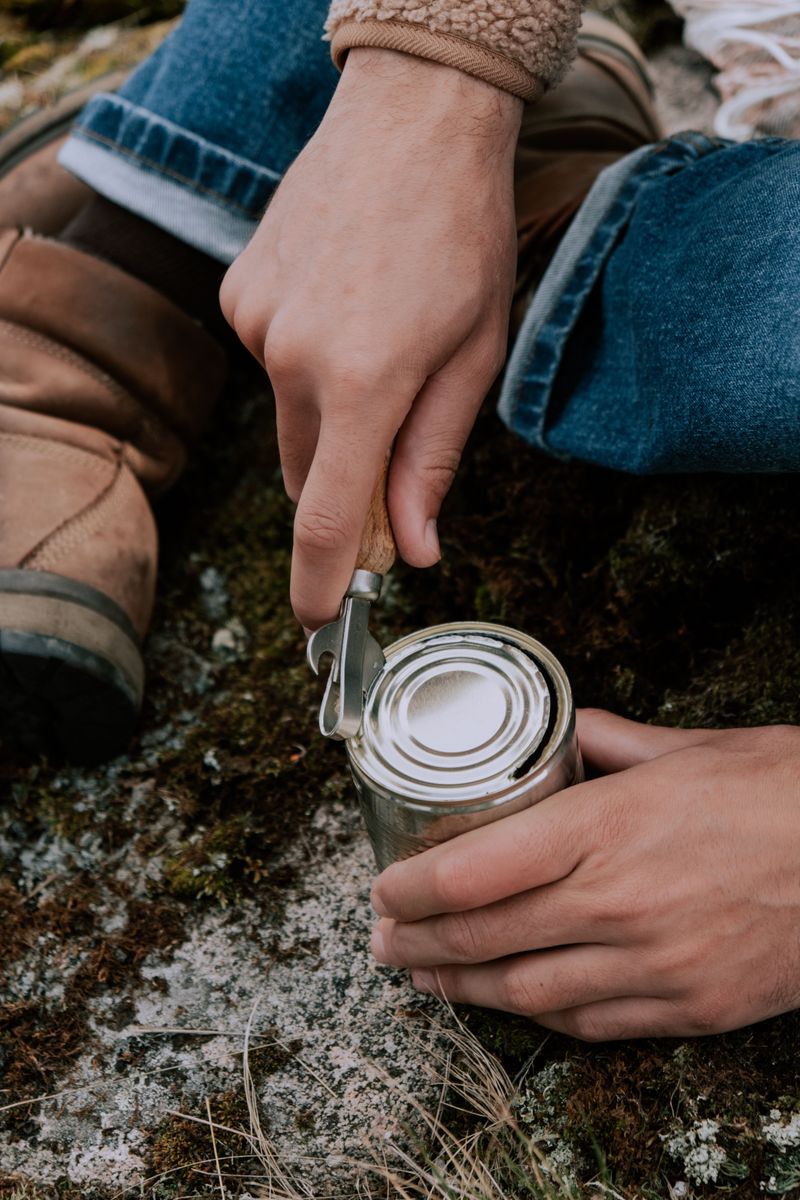
That neatly stocked food shelf needs one small helper: a working can opener. Pack a manual model, even if most cans have pull tabs.
Add sturdy bowls, a measuring scoop, and basic washing supplies.
Collapsible bowls save space if you must leave home. Practice opening and cleaning them before an outage.
Set feeding stations away from busy walkways, and measure normal portions. Keeping meals predictable helps you notice appetite changes that might need veterinary advice.
Cooling Mats for Hot and Humid Days
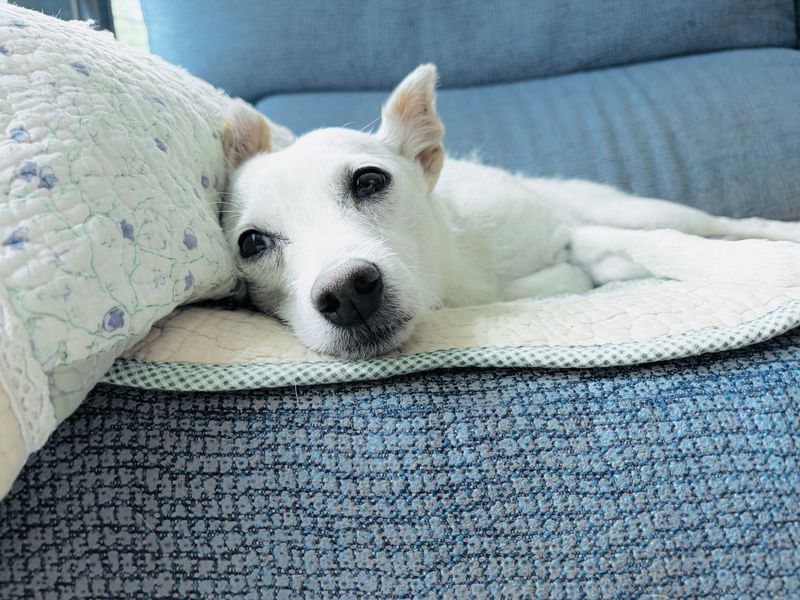
North Carolina humidity can make a powerless house feel stuffy quickly. A cooling mat may provide a comfortable resting surface.
Select one suited to your dog’s size and follow its instructions carefully.
Inspect for tears, supervise chewers, and let your dog move away freely. Cooling mats cannot replace a cooler location when temperatures become unsafe.
Heavy panting, weakness, or unusual drooling need prompt attention. Contact your veterinarian immediately and move your dog somewhere cooler promptly.
Battery-Operated Fans for Better Air Circulation

Moving air can make a room feel less stagnant during an outage. Keep a battery fan with a sturdy base and covered blades.
Place it where paws, tails, and teeth cannot reach moving parts.
Dogs do not cool themselves through sweating like people, so fans have limits. Never rely on airflow alone in dangerous heat.
Watch your dog’s comfort, provide water, and arrange another place to stay if your home cannot remain safely cool indoors.
A Pet First-Aid Kit for Minor Emergencies
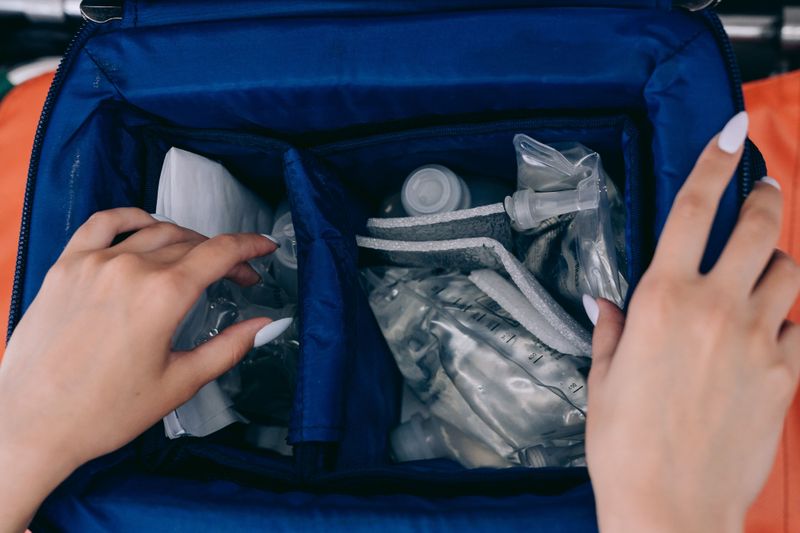
Small mishaps are easier to manage when supplies stay together. Build a kit with gauze, saline, gloves, and blunt scissors.
Ask your veterinarian which additional items fit your dog’s needs.
Keep written instructions inside, and consider taking a pet first aid class. Avoid giving human medicines unless your veterinarian specifically directs you.
Bandages can cause problems when applied incorrectly, so seek guidance. Keep your regular clinic and an emergency veterinary hospital listed in the pouch.
Your Dog’s Medications and Medical Records

Prescription routines should not depend on the lights staying on. Ask your veterinarian about maintaining an appropriate backup supply.
Keep medicines in labeled containers with clear instructions and current expiration dates.
Some products need specific temperatures, so discuss an outage storage plan in advance. Do not assume every cooler provides suitable conditions.
Include vaccination records, allergies, and your dog’s medical history. Check whether nearby boarding facilities require additional records before you need a temporary stay.
Puppy Pads and Extra Cleaning Supplies
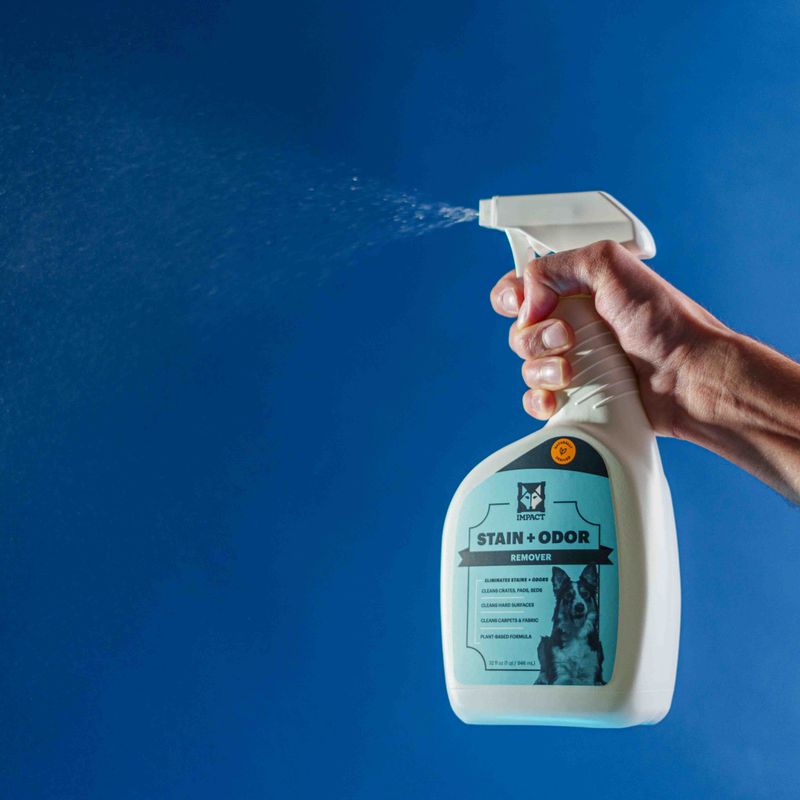
Thunder and heavy rain can interrupt even reliable bathroom routines. Puppy pads offer a temporary option when outdoor conditions are unsafe.
Add waste bags, paper towels, gloves, and a cleaner labeled for pet households.
Introduce pads before storm season if your dog has never used them. Clean accidents promptly, following product directions and keeping chemicals away from pets.
Never mix cleaning products. Resume outdoor breaks when conditions allow, avoiding standing water, fallen branches, and damaged lines.
Familiar Blankets, Toys, and Comfort Items

A favorite toy still smells like home when routines change. Pack a washable blanket and familiar toys your dog uses safely.
Choose lightweight bedding during summer, and avoid covering a panting dog with heavy layers.
Create a quiet resting spot away from windows and household traffic. Stay nearby when possible, without forcing cuddles or confinement.
If storms regularly cause distress, ask your veterinarian about a personalized plan beforehand. Familiar comforts work best alongside calm handling.
A Secure Leash, Harness, and Updated ID Tags
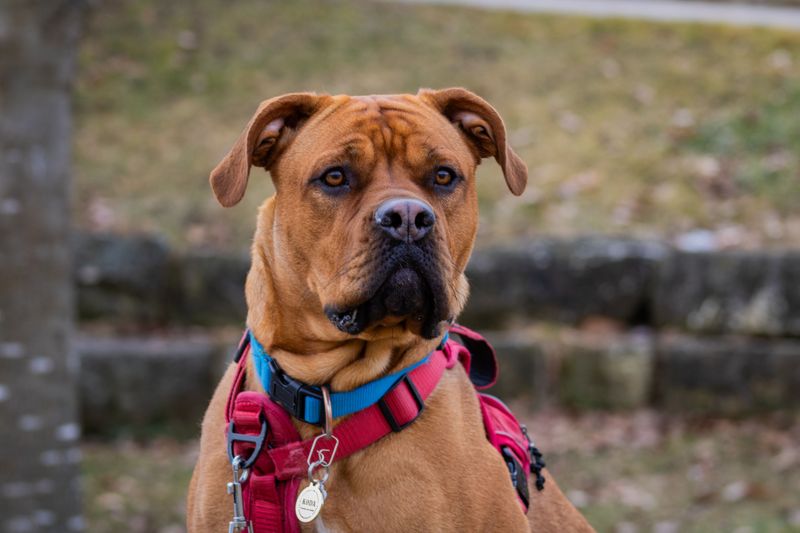
Opening a door during a noisy storm can invite an unexpected dash. Keep a sturdy leash and fitted harness beside your emergency supplies.
Check buckles, stitching, and fit before the forecast turns unsettled.
Attach readable identification with your current phone number. Confirm that microchip registration details are current, too.
A microchip helps identification but does not track location. Use leashes during bathroom breaks, and avoid retractable models around debris or crowded evacuation spaces whenever possible.
A Pet Emergency Kit With Important Documents
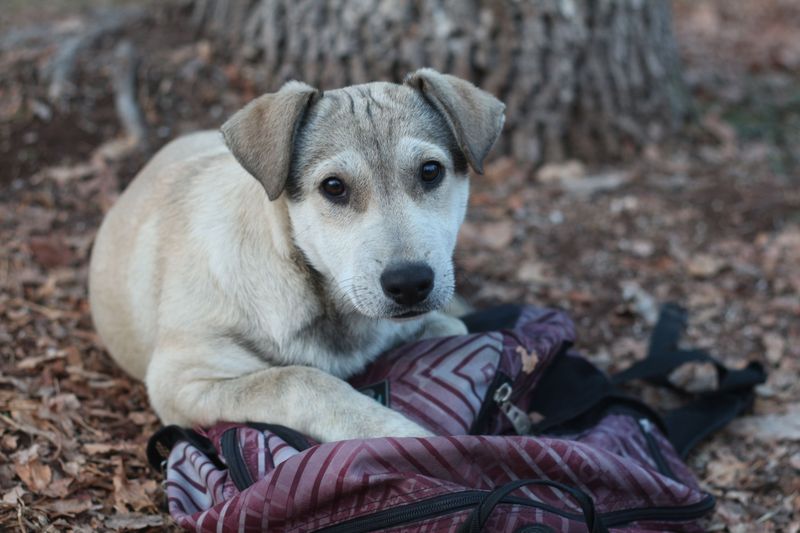
One grab bag turns scattered supplies into a usable plan. Include ownership records, recent photos, emergency contacts, and copies of medical documents.
Keep papers waterproof and save digital backups you can access offline.
Identify lodging that accepts dogs, and confirm county shelter rules before traveling. General shelters may have separate arrangements for pets.
Add a carrier if appropriate, and review your route. A ready bag and a practiced plan make the next outage more manageable.