15 Working Dog Breeds For Arizona Horse Properties And Ranch Life
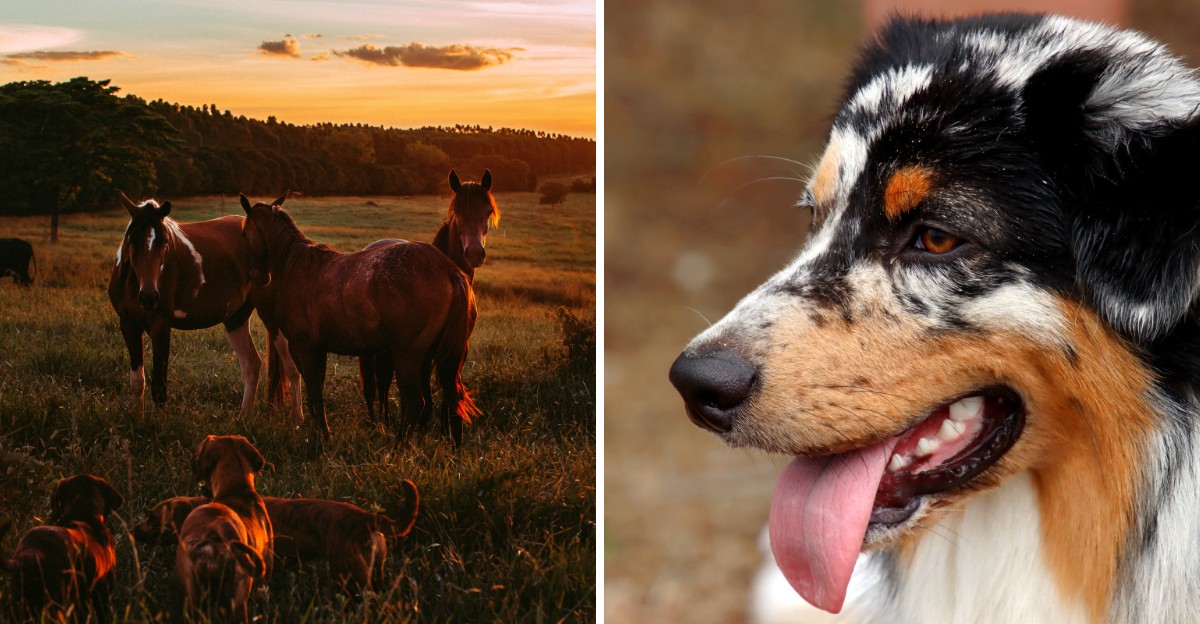
A good ranch dog knows when to move stock and when to stay clear of a horse’s heels. On Arizona properties, that judgment matters just as much as energy, especially when summer heat changes the daily schedule.
Some breeds bring herding talent, while others offer livestock protection or steady companionship during chores. Matching those instincts to your animals, fences, and experience is where the real work begins, before anyone grabs a leash.
1. Australian Cattle Dog: Compact Cattle Crew
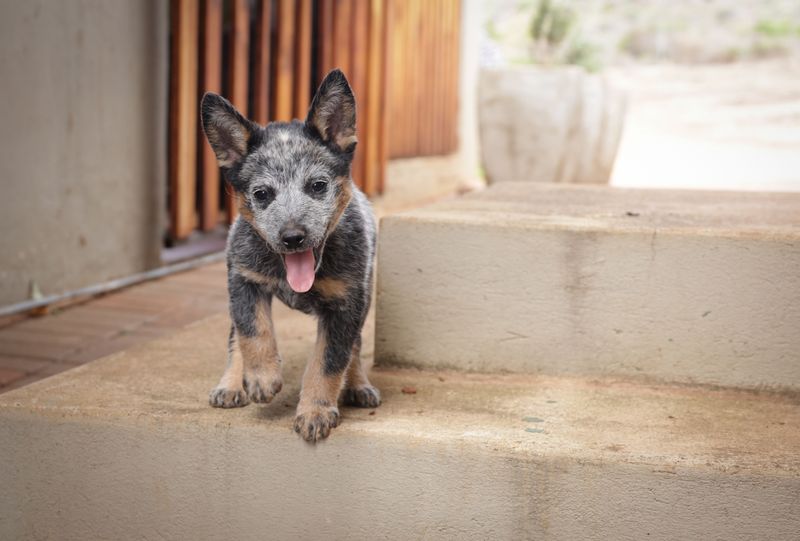
Dust barely settles before this sturdy worker looks for another assignment. Developed to move cattle, the breed brings stamina, sharp thinking, and a strong urge to control movement.
Teach a reliable stop before introducing horses, since heel nipping can create trouble around hooves. Schedule training near sunrise during Arizona summers, with water and cooling breaks.
Choose parents with sound temperaments and health screening. A bored cattle dog often invents chores nobody requested around the barn.
2. Australian Shepherd: The Versatile Ranch Hand
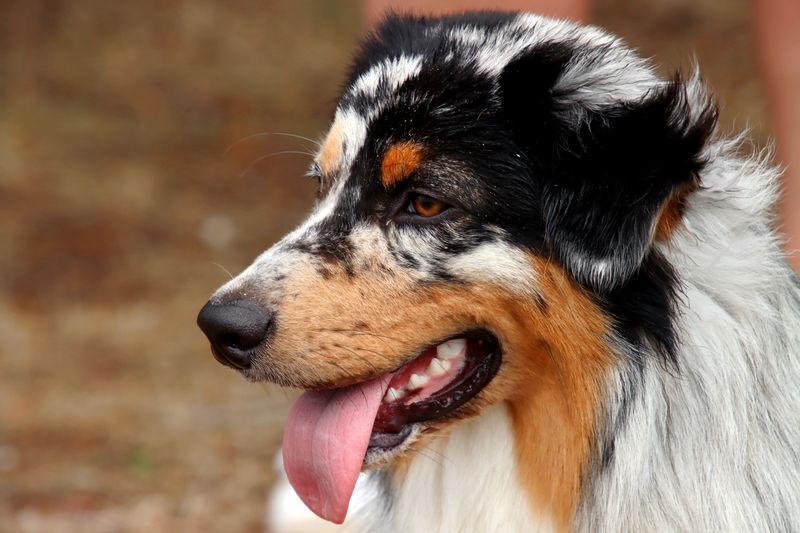
Watch those bright eyes follow every gate opening and you understand the appeal. Despite its name, this ranch favorite developed in the American West.
Many Aussies enjoy herding lessons, obedience, and helping with regular routines. Their coat needs brushing, especially after dusty outings through brush.
Teach quiet waiting while horses pass, rather than allowing excited circling. Arizona heat still demands shade and indoor recovery, even when your enthusiastic helper insists the next chore cannot wait.
3. Border Collie: Precision With Plenty of Spark
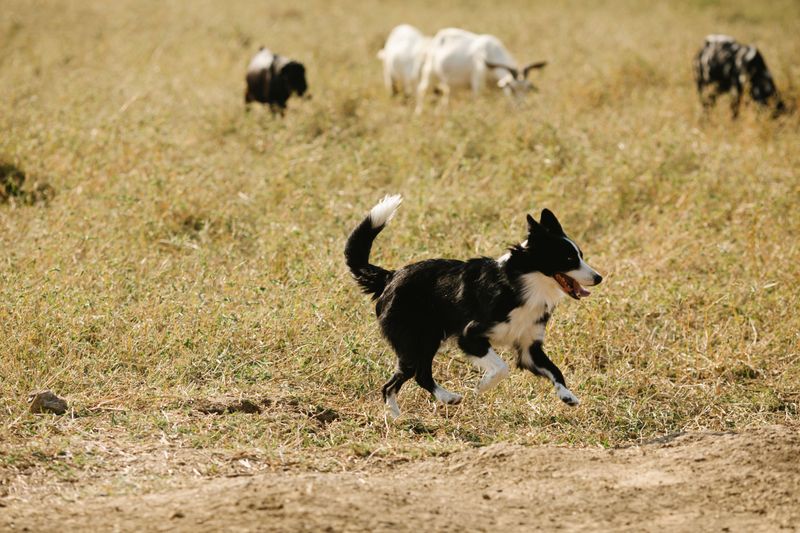
A tiny hand signal can mean more than a shouted instruction to this observant herder. Border Collies excel at reading stock and responding quickly, but ability needs thoughtful direction.
Arrange lessons with a qualified stockdog trainer instead of encouraging backyard chasing. Horses should never become moving toys.
Offer problem solving alongside exercise, and practice settling near the barn. For owners who enjoy daily training, that remarkable brain becomes a useful partner rather than constant homework.
4. Catahoula Leopard Dog: Independent Problem Solver
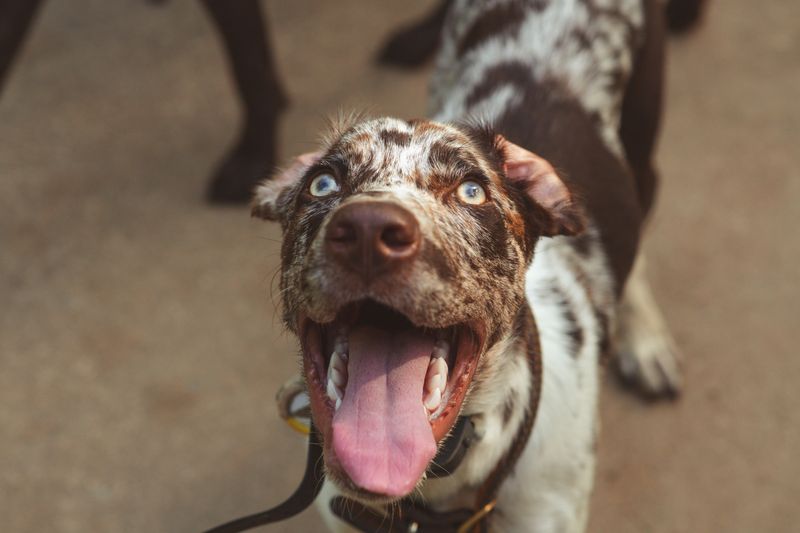
Confidence comes standard with many of these Louisiana workers, along with an independent streak. Catahoulas have worked livestock and hunted, so individual instincts deserve careful attention.
Pick a dog whose background matches your actual chores, not simply its striking coat. Introduce horses through secure barriers, rewarding calm attention before closer supervised work.
Reliable fencing matters for curious explorers. Short coats simplify grooming, but they provide little protection from Arizona sunshine or chilly nights at elevation.
5. Blue Lacy: A Texas Worker With Drive
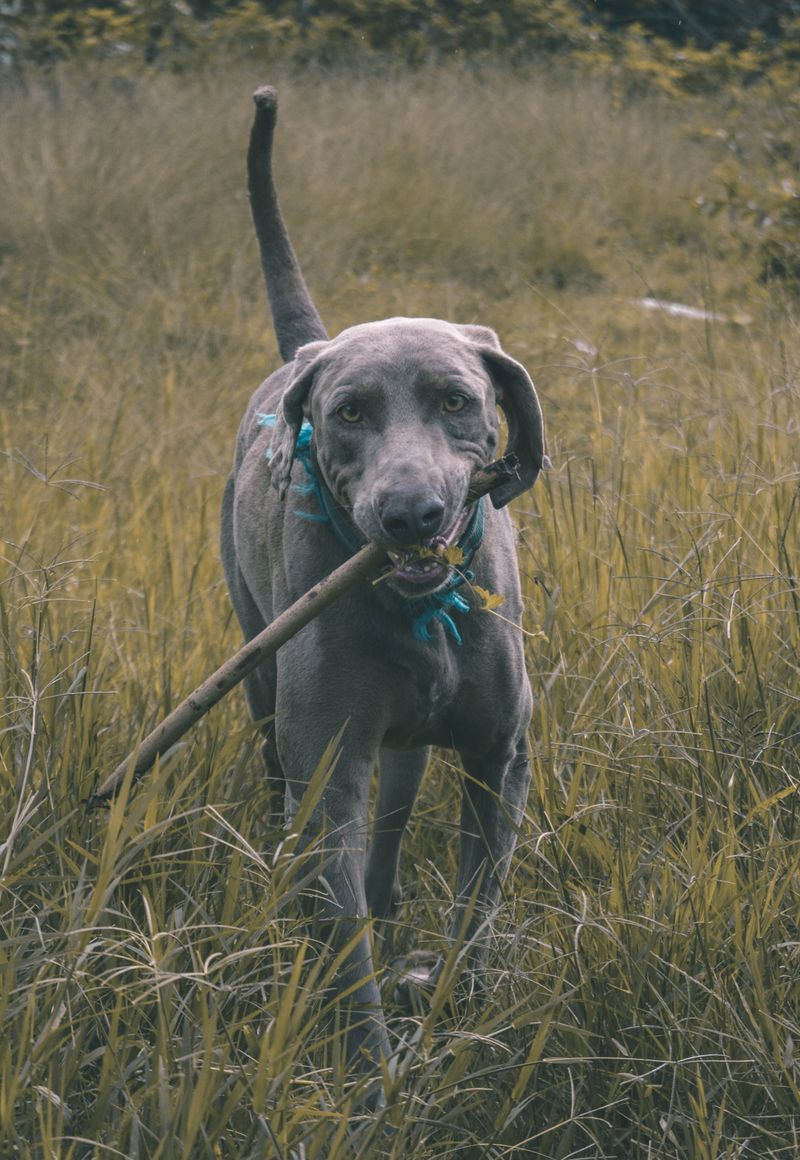
Texas ranch roots give this lean worker a practical reputation, not a promise of effortless training. Lacys have served in stock work, tracking, and hunting roles.
Ask breeders about their dogs’ specific jobs and comfort around horses. A strong desire to follow movement needs clear boundaries and consistent recall practice.
Plan active sessions before temperatures climb, followed by genuine rest. Their short coats suit simple grooming, but no coat makes midday desert exercise safe.
6. Australian Kelpie: Built for Thoughtful Stock Work
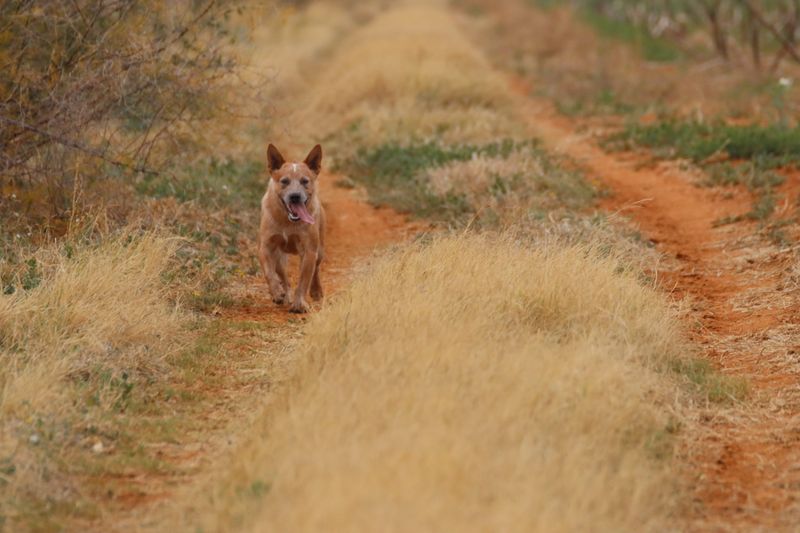
Springy steps and quick decisions make a working Kelpie impressive to watch. Bred for Australian stock work, these dogs often bring considerable stamina and initiative.
That heritage does not remove the need for heat precautions on Arizona properties. Teach distance cues and a dependable down before asking for livestock help.
Seek working lines suited to your animals and experience. Without real tasks and regular coaching, a talented Kelpie may reorganize the household instead of sheep.
7. McNab Shepherd: A Western Herding Specialist
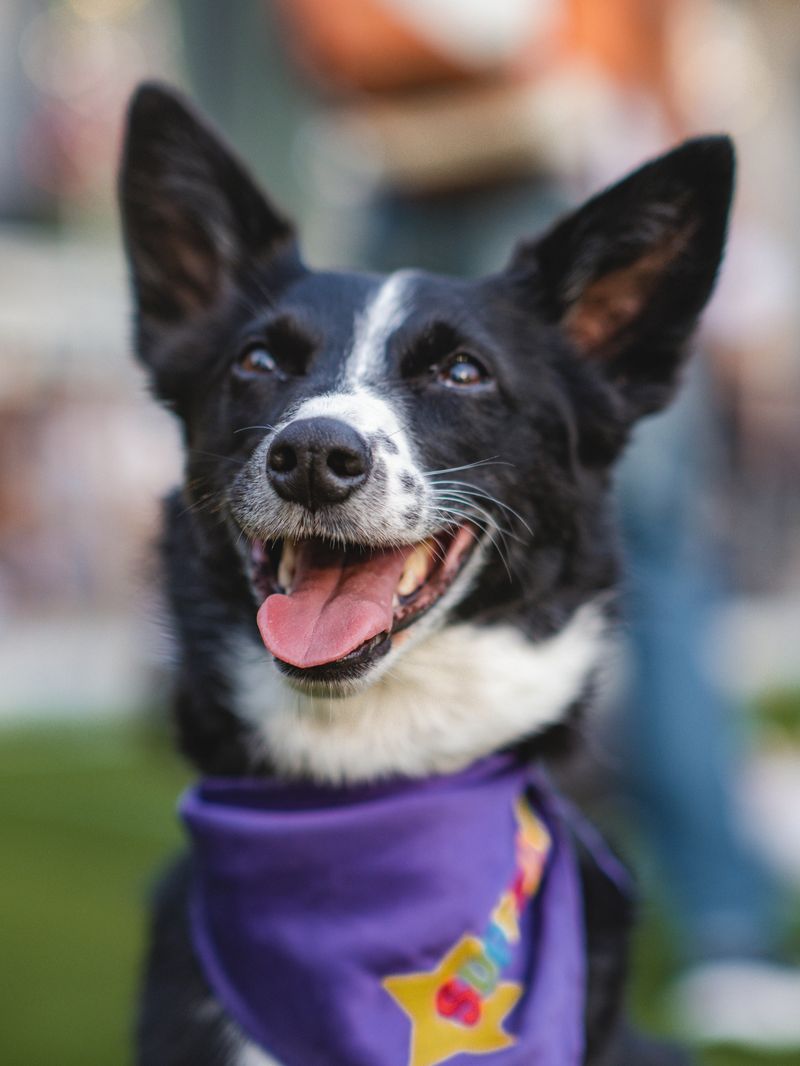
Northern California ranch country shaped this athletic herder, which remains less familiar than many barnyard favorites. McNabs are valued for useful stock sense and responsive teamwork.
Because breed records and labels vary, investigate each breeder’s practices and working history. Meet adult relatives when possible, and discuss behavior around horses specifically.
Build recall before allowing freedom across acreage. Consistent chores, patient instruction, and cool morning exercise give this capable partner a clear place on your property.
8. German Shepherd: Structure Makes the Difference
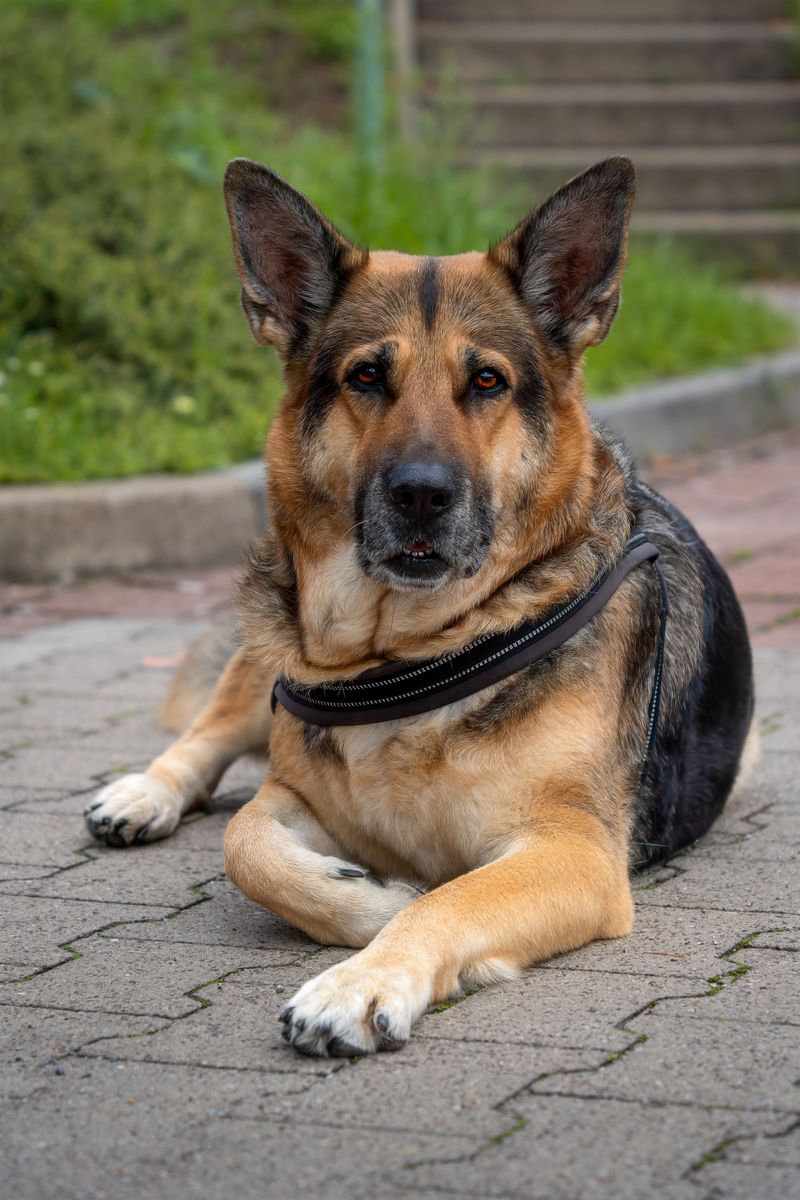
Order suits a dog that likes knowing where everyone belongs. German Shepherds can learn useful ranch routines, though modern lines vary widely in energy and purpose.
Choose stable temperament and documented health testing over impressive looks. Practice staying on a mat while you handle tack or lead horses.
Their dense coats require brushing and careful summer management. Most properties benefit more from calm obedience than constant patrolling, especially when delivery drivers and visiting riders arrive.
9. Belgian Malinois: A Job for Experienced Owners
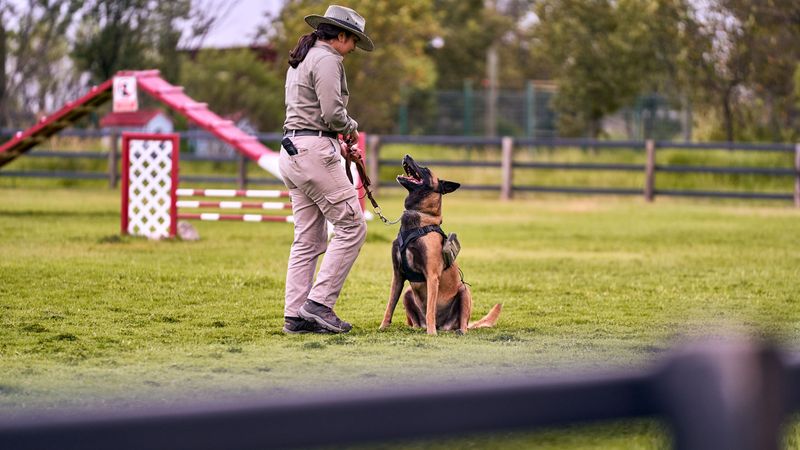
Fast feet are only half the story; this breed also needs demanding mental work. A Malinois usually suits experienced handlers who genuinely enjoy structured training every day.
Open acreage alone will not meet those needs or create safe horse manners. Start with impulse control, recall, and calm observation from behind fencing.
Avoid choosing one simply for property security. For many casual horse owners, a less intense adult dog will be a happier, more manageable match.
10. Great Pyrenees: A Guardian With Nighttime Opinions
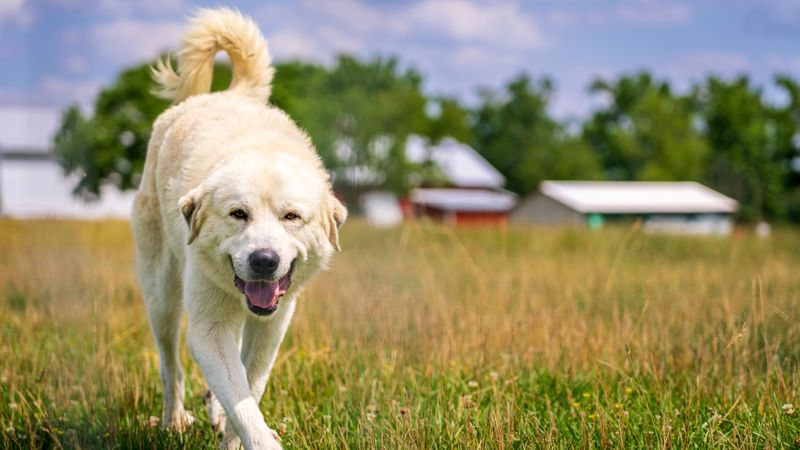
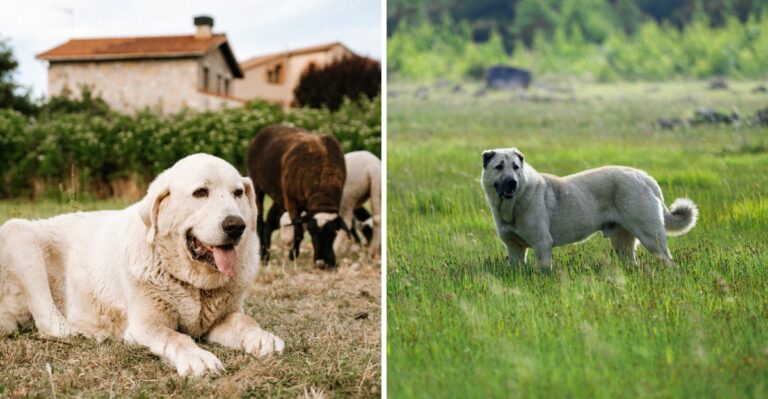
Nighttime announcements often come with that magnificent white coat. Great Pyrenees were developed to guard livestock, not gather animals or follow every cue immediately.
They need secure fencing, thoughtful introductions, and neighbors who can tolerate barking. Choose a proven livestock guardian background if goats or sheep need protection.
Arizona summers require generous shade, abundant water, and reliable cooling options. Do not shave the coat as a cooling shortcut; ask your veterinarian about appropriate grooming instead.
11. Anatolian Shepherd: Serious About Boundaries
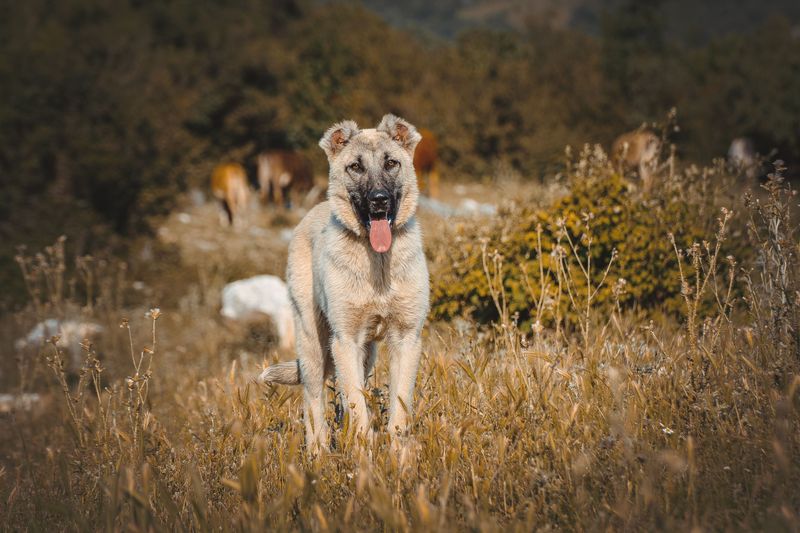
Quiet observation can be real work when livestock protection is the assignment. Anatolian Shepherds developed as independent guardians, making them different from dogs bred for close herding teamwork.
Strong fencing and careful visitor routines are essential on busy horse properties. Begin supervised livestock introductions early, guided by someone experienced with guardian breeds.
Their size calls for polite leash manners. Although their heritage includes demanding climates, Arizona heat still requires shade, water, and close monitoring every day.
12. Akbash: The Watchful White Guardian
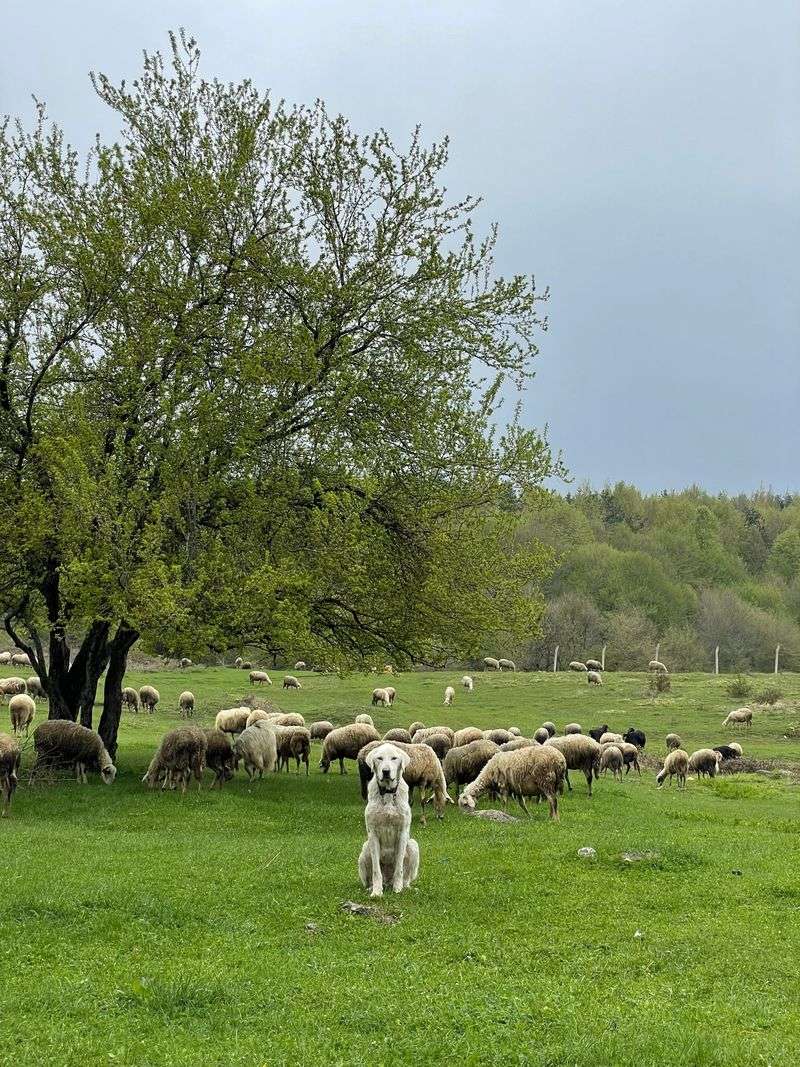
A pale silhouette resting near the flock may be paying closer attention than you think. The Akbash is a Turkish livestock guardian known for independent judgment.
Expect supervision and patient guidance, not instant obedience or automatic trust around unfamiliar animals. Good fencing helps prevent wandering beyond property lines.
Discuss guardian experience, livestock exposure, and temperament with breeders or rescues. On hot Arizona afternoons, provide cool shelter rather than expecting a white coat to prevent overheating.
13. Maremma Sheepdog: A Partner for the Flock
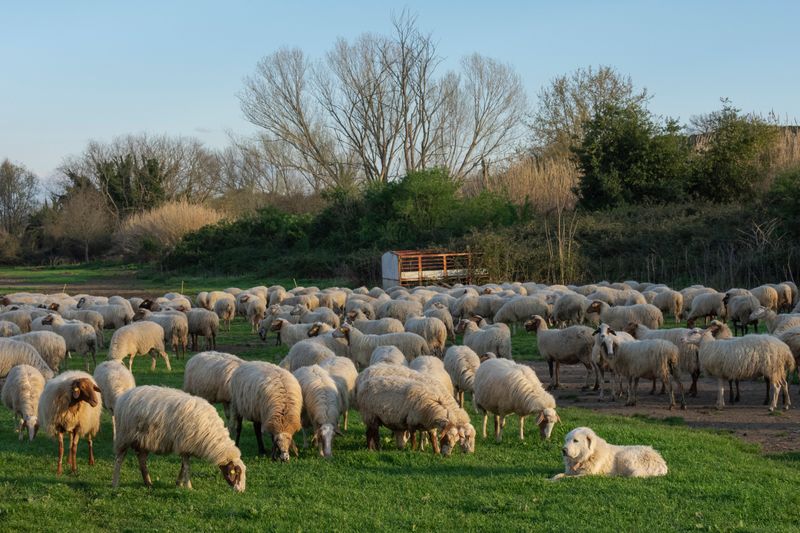
Sticking with sheep is the specialty here, rather than racing beside your saddle. Maremmas come from Italy’s livestock guarding tradition and need a clearly defined role.
A horse property with smaller livestock may offer suitable work when introductions are managed well. Puppies still require guidance and cannot immediately assume adult responsibilities.
Plan for coat care, secure boundaries, and barking after dark. In warmer Arizona valleys, assess cooling arrangements before bringing this substantial white guardian home.
14. Black Mouth Cur: A Practical All-Rounder
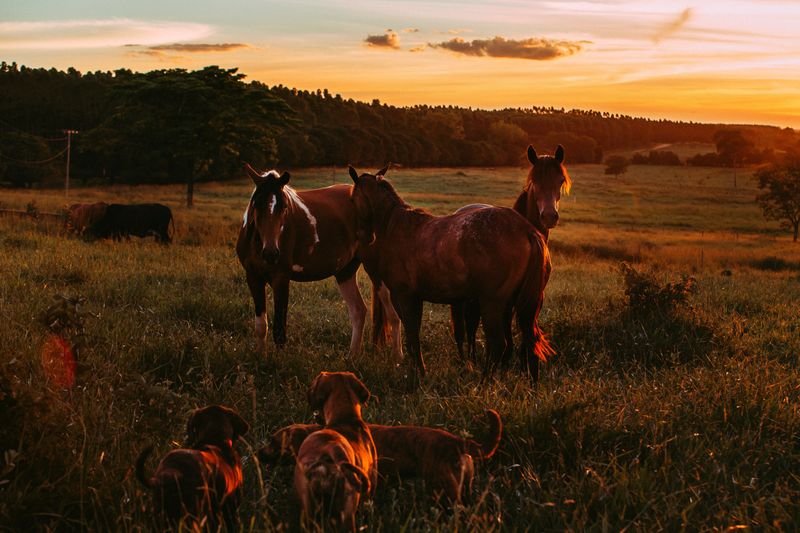
Farm work has shaped many of these adaptable Southern dogs across generations. Black Mouth Curs may come from hunting, stock, or general farm backgrounds, with meaningful differences between lines.
Ask what the parents actually do before choosing a puppy for horse chores. Reward calm behavior near moving animals and teach dependable gate manners.
Their athletic build benefits from steady conditioning, not sudden long outings. Check paws after desert walks, and remove cactus spines with veterinary guidance.
15. Rhodesian Ridgeback: Company for Ranch Routines
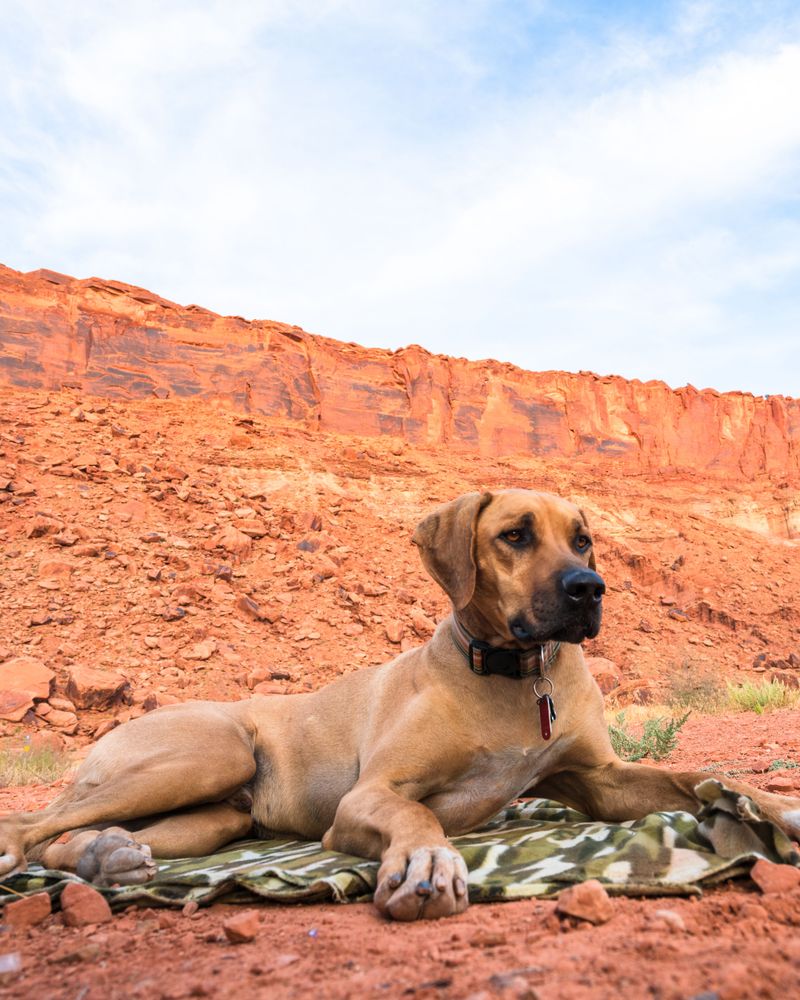
Not every useful ranch companion needs to move or guard livestock. Originally developed in southern Africa for hunting, Ridgebacks are better considered chore companions than natural stockdogs.
Their interest in pursuing animals makes secure fencing and supervised horse introductions essential. Build walking fitness gradually, and avoid running beside horses without extensive preparation.
Short coats do not make desert heat harmless. Choose the role first, then the dog, and let good manners lead every ranch outing.