How Summer Dust And Cheatgrass Affect Dogs In Eastern Washington
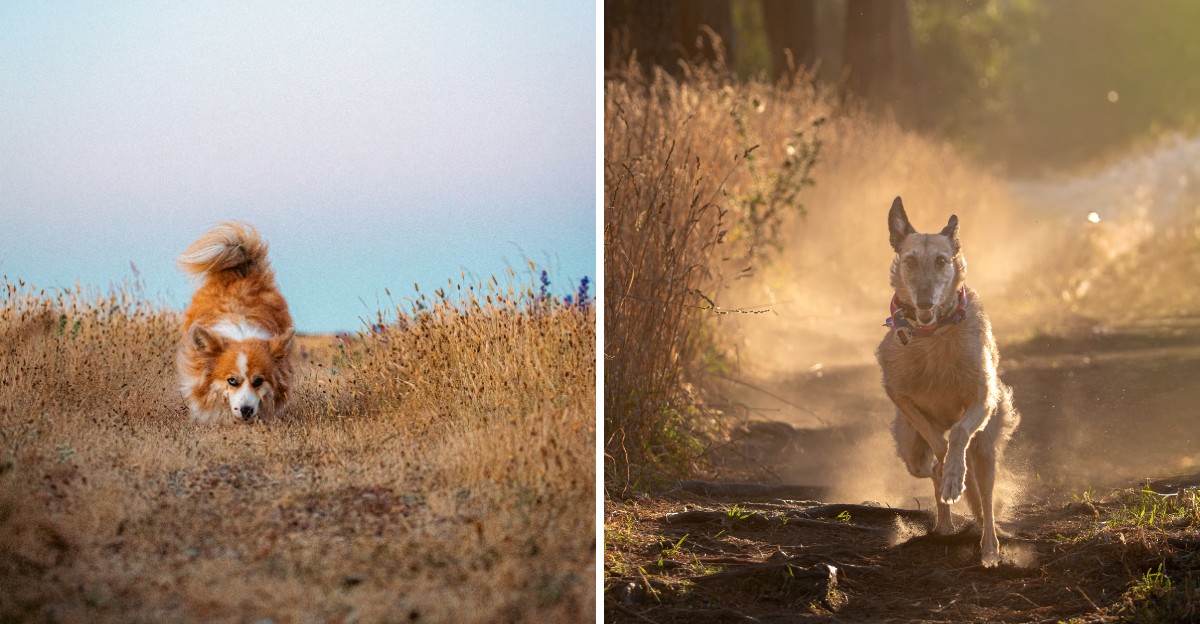
Summer walks in Eastern Washington often mean sunny skies, dusty trails, and dry grass brushing your dog’s legs. Those familiar conditions can irritate eyes and airways, while cheatgrass seeds can lodge in places you might overlook.
You can still enjoy the season together with a few smart habits and careful checks. Knowing what to watch for helps you choose safer routes, catch problems early, and feel more confident outside.
1. Dry Summer Winds Carry Dust Into Dogs’ Eyes and Noses
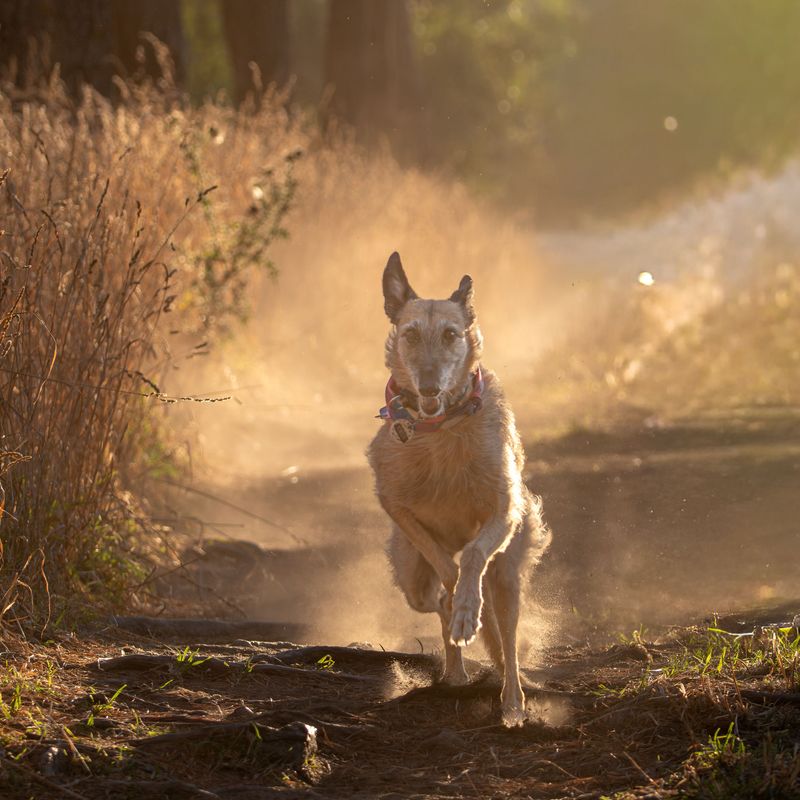
A breezy afternoon can send fine dirt swirling at your dog’s face. Across Eastern Washington, dry ground and open landscapes give wind plenty of loose material to carry.
Watch for blinking, watery eyes, or sneezing during exposed walks. Move somewhere sheltered when dust starts blowing.
Wipe the face with a clean, damp cloth afterward, keeping grit away from the eyes. Persistent squinting or nasal discharge deserves a veterinary call rather than repeated home cleaning attempts.
2. Dust Can Make Breathing Harder for Sensitive Dogs
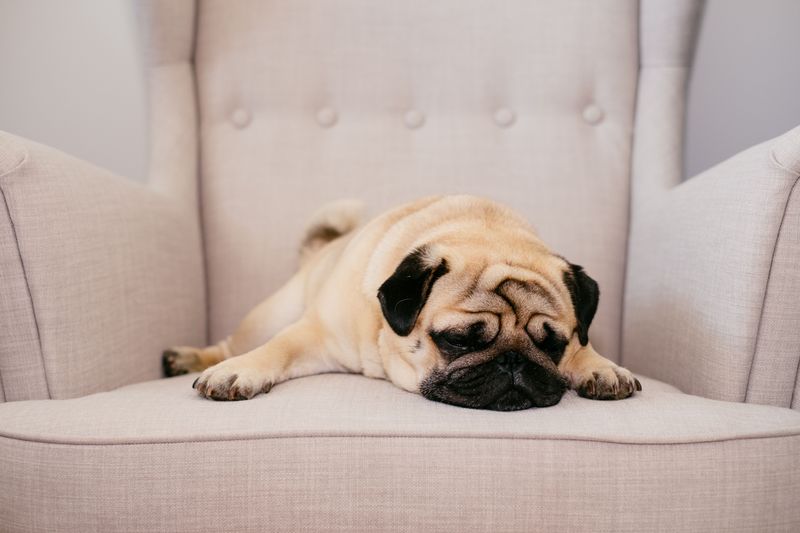
Some walking partners need cleaner air than others. Dogs with existing respiratory conditions or short noses may be more sensitive to airborne dust, which can irritate their airways.
Choose indoor activity when conditions are dusty, and follow your veterinarian’s exercise advice. Keep windows closed during blowing dust, using indoor filtration when available.
Repeated coughing needs medical guidance. Labored breathing, unusual weakness, or blue gums require urgent veterinary attention.
Never assume breathing trouble is simply normal summer panting after outdoor exercise.
3. Cheatgrass Seeds Can Get Trapped Between Toes
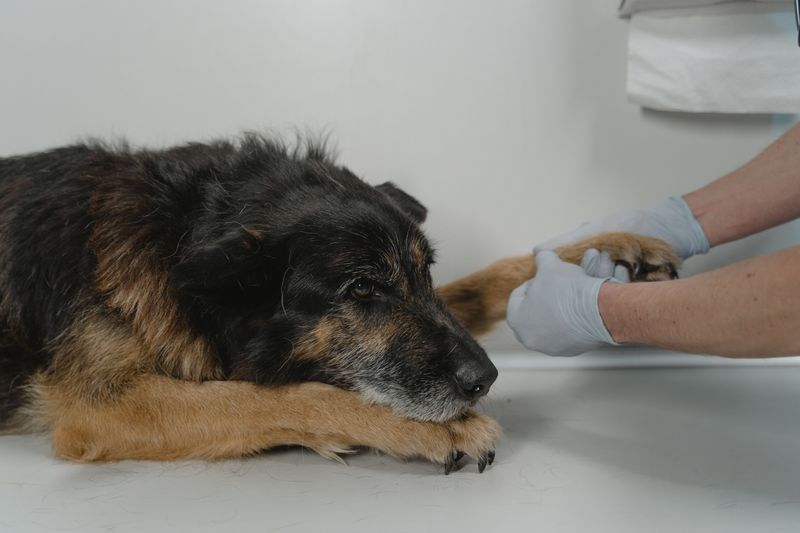
Between those busy toes, tiny seeds can hide surprisingly well. Cheatgrass has sharp, barbed seed parts called awns that catch in fur and may enter skin.
Spread each toe gently after outings, checking underneath and around the pads. Remove only loose material sitting clearly on the coat.
Do not dig into skin or squeeze swollen spots. A dog that limps or repeatedly favors one foot should have that paw examined by a veterinarian promptly.
4. Dry Cheatgrass Can Cause Painful Skin Irritation
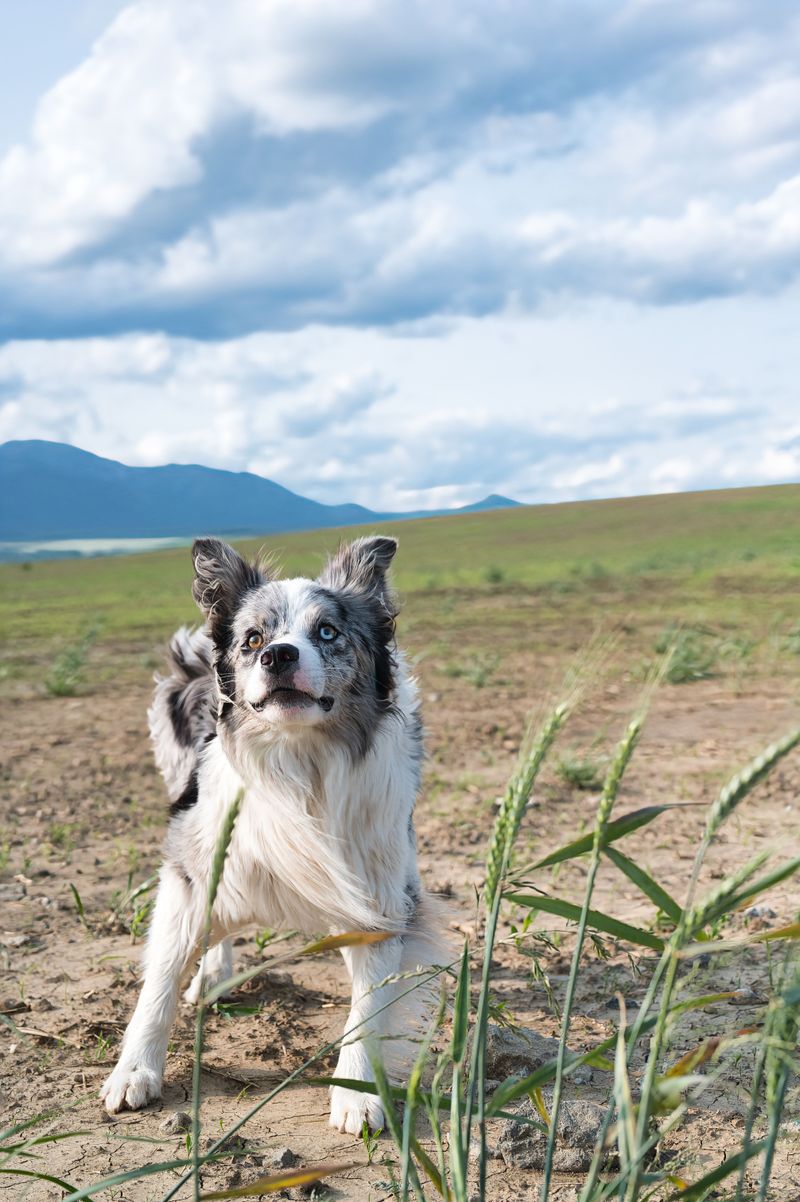
A scratchy coat after a field visit deserves a closer look. Dry stems can rub skin, while pointed awns may lodge beneath tangled hair.
Check the belly, chest, armpits, and other places where grass brushes your dog. Keep mats under control through regular grooming.
Ask a groomer about suitable trimming rather than shaving every coat. Redness, tenderness, swelling, or a draining spot needs veterinary advice, especially when irritation stays focused in one small area afterward.
5. Grass Seeds Can Enter Dogs’ Ears
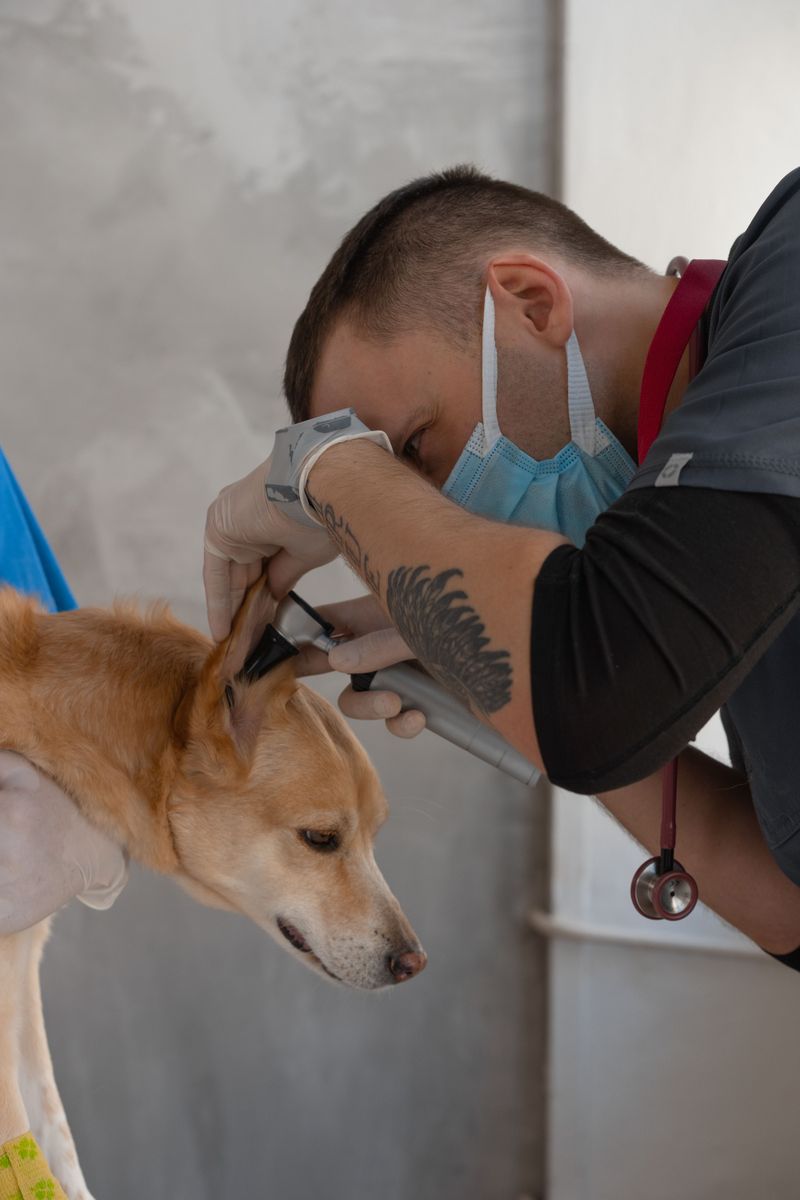
Sudden head shaking after sniffing dry grass is worth noticing. A grass awn can slip into an ear canal and cause discomfort.
Look at the outer ear without pushing anything inside. Cotton swabs, tweezers, or home flushing can move material deeper or cause injury.
Contact your veterinarian promptly if shaking continues, especially with scratching or a tilted head. Dogs with floppy ears also need checks, since covered ear openings do not reliably keep seeds out.
6. Seeds Can Get Caught Around Dogs’ Eyes
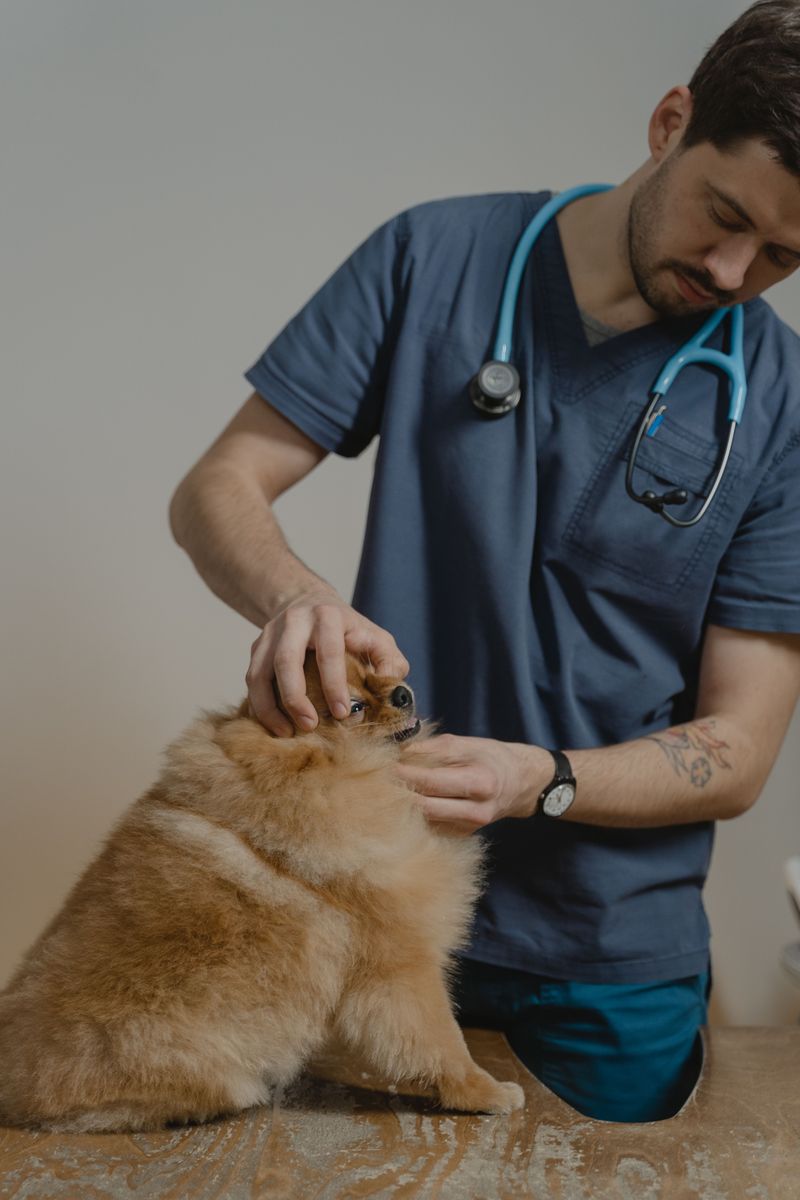
One closed eye can tell you more than a noisy sneeze. Grass seeds may catch near eyelids or become trapped beneath them.
Stop the walk if your dog starts squinting, tearing, or rubbing its face. Prevent rubbing as safely as possible, and seek prompt veterinary care.
Do not pull at material touching the eye or use leftover eye medicine. Even a small awn can scratch the clear surface, so waiting overnight is not advisable here.
7. Dogs May Inhale or Swallow Cheatgrass Seeds
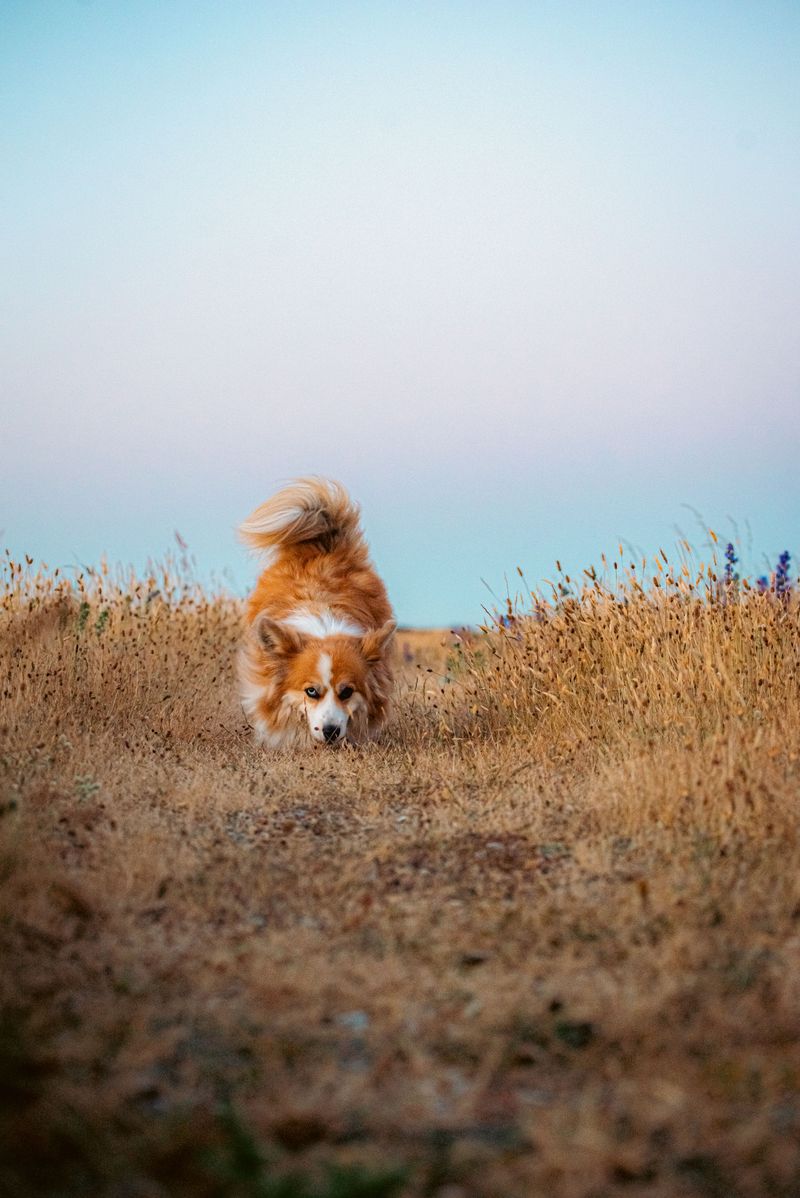
Nose-first exploring puts seed heads close to mouths and nostrils. Awns can enter during sniffing, chewing grass, or running through dry patches.
Repeated forceful sneezing, gagging, coughing, or trouble swallowing calls for veterinary advice. Breathing difficulty requires immediate care.
Keep dogs from chewing seed heads, and redirect enthusiastic sniffing away from brittle grass. Do not reach blindly into the throat or induce vomiting.
Tell the clinic when and where the possible exposure happened that day.
8. Dusty Fields Can Make Outdoor Allergies Worse
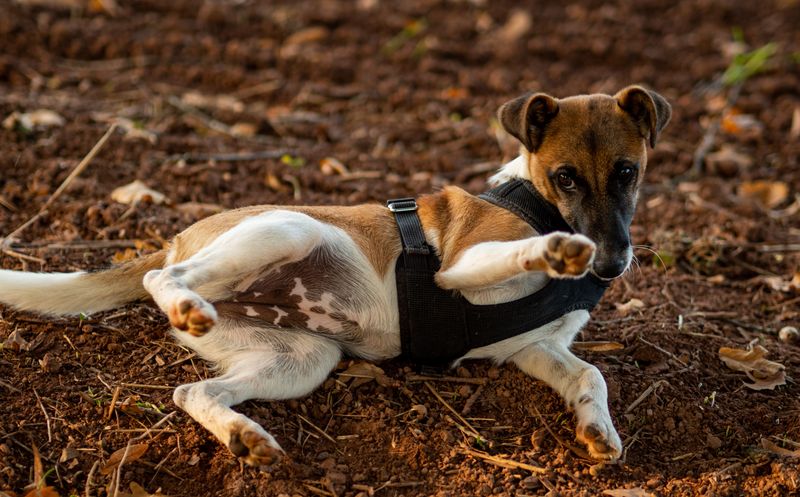
Itchy paws do not always mean a hidden seed. Dusty outings can expose dogs to pollen and other particles that worsen existing allergies.
Notice whether scratching affects several paws, the belly, or both ears. Wipe feet and exposed skin with a damp cloth after walks.
Wash bedding regularly, and discuss ongoing itch with your veterinarian. Human allergy medicines are not automatically safe for dogs.
A single swollen spot still deserves checking for an embedded awn.
9. Unpaved Roads and Gravel Areas Add Extra Dust Exposure
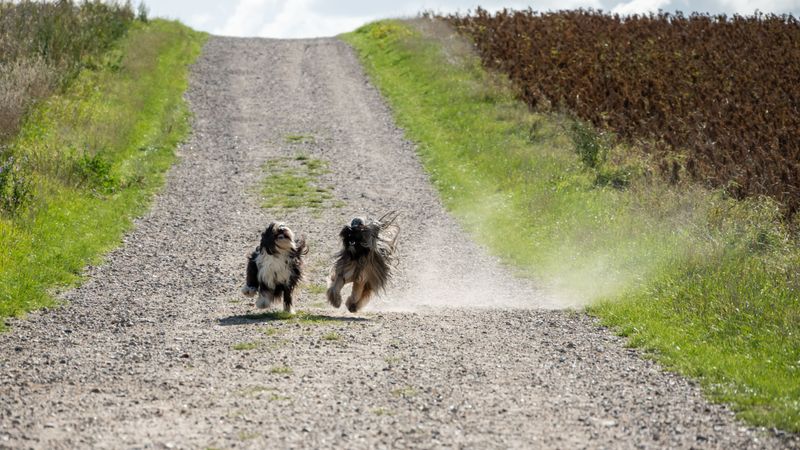
A passing vehicle can turn a quiet gravel road into a dusty corridor. Dogs walk close to the ground, where stirred particles may linger.
Pick routes separated from traffic whenever possible. Step well away from roads before vehicles pass, keeping your dog securely leashed.
Avoid lingering beside active farm access roads or busy gravel parking areas. If visibility drops, leave the area.
Choosing a cleaner route often helps more than trying protective gear without guidance.
10. Mowing and Yard Work Can Spread Cheatgrass Seeds
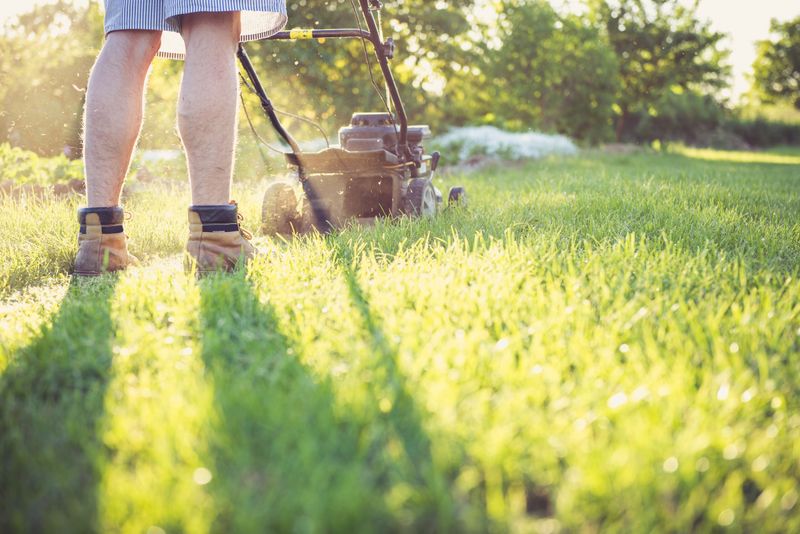
Weekend cleanup can stir up more than lawn clippings. Mowers and string trimmers can scatter dry seed heads while sending dust into the air.
Keep your dog indoors during work and until debris settles. Collect cut material where practical, especially around play areas and fence lines.
Clean equipment before moving between infested and clear spaces. Cutting before seeds mature can help, but timing matters.
Ask your county weed office about suitable local cheatgrass control methods.
11. Cheatgrass Can Spread Into Home Yards
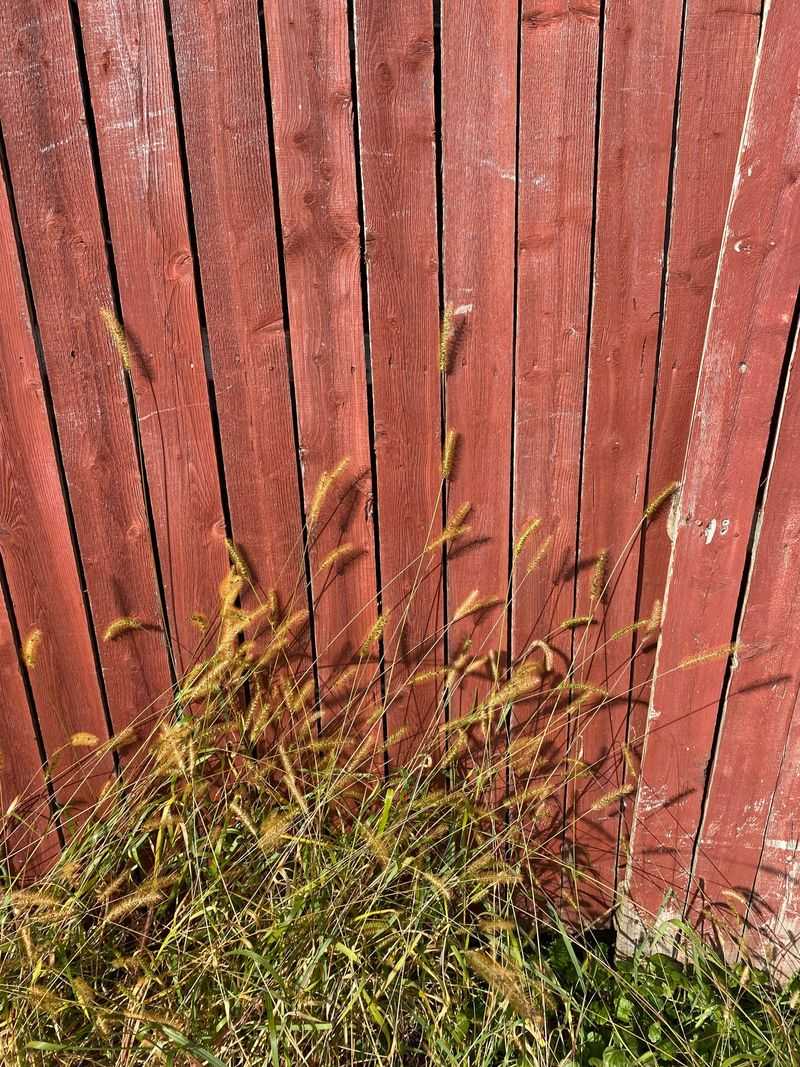
Your own fence line can become a seed source. Cheatgrass grows in disturbed ground, bare patches, and neglected edges, including yards near open land.
Inspect dog runs and gate areas throughout spring and summer. Learn to identify the plant before its seed heads dry.
Remove small patches before seeds mature when practical, following local disposal guidance. Maintain suitable ground cover to reduce bare soil.
Follow all product labels if using herbicides, including pet reentry instructions.
12. Foxtail-Like Seeds Can Cause Problems Beyond the Paws
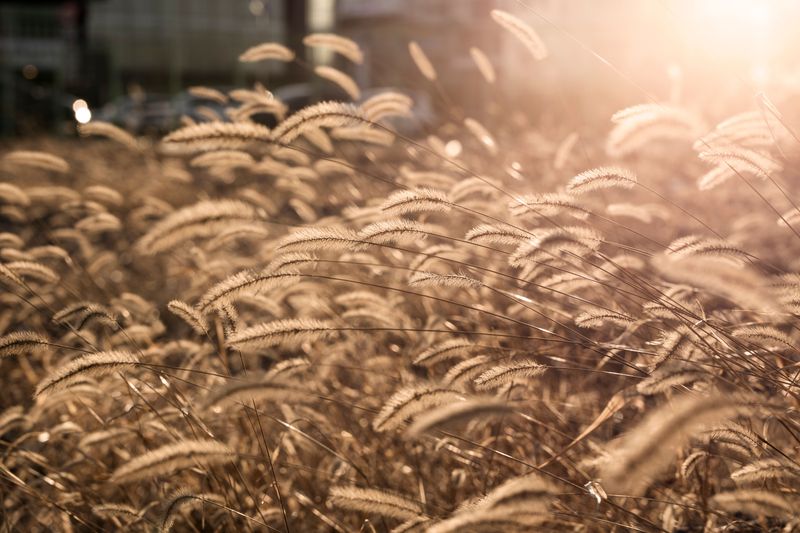
Not every troublesome grass seed belongs to the same plant. Foxtails are the spiked seed heads of certain grasses, while other grasses, including cheatgrass, also produce barbed awns that can cause similar injuries.
Cheatgrass is one concern, but other local grasses can also cause problems. Awns may enter skin and move through tissue, making the original entry hard to find.
Check more than feet after outings. Share any plant photos with your veterinarian, but never delay care while trying to identify the exact grass species.
13. Paw Licking Can Signal a Hidden Grass Seed
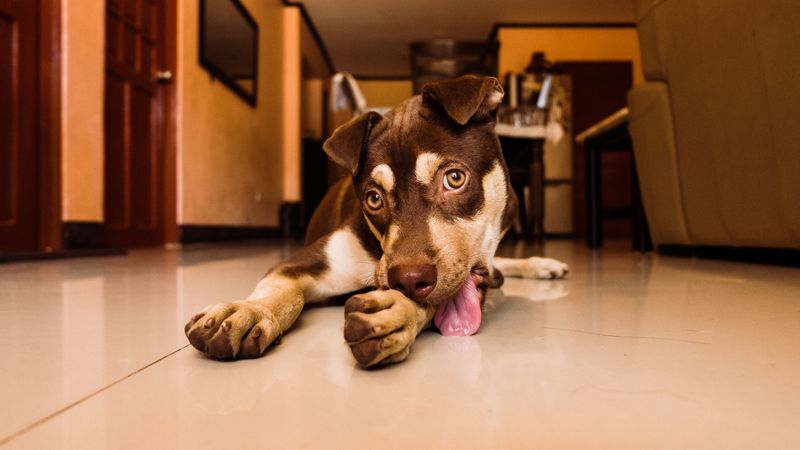
That steady licking after dinner may be a clue. A dog with an embedded awn might focus on one foot long after the walk ends.
Compare both paws for swelling, redness, or tenderness without pressing hard. Look between toes in good light.
Even when nothing appears, continued licking or limping deserves a veterinary appointment. Prevent chewing while arranging care, using a properly fitted recovery collar if available.
Avoid tight homemade wraps that can trap moisture.
14. Dust Can Settle on Food and Outdoor Water Bowls
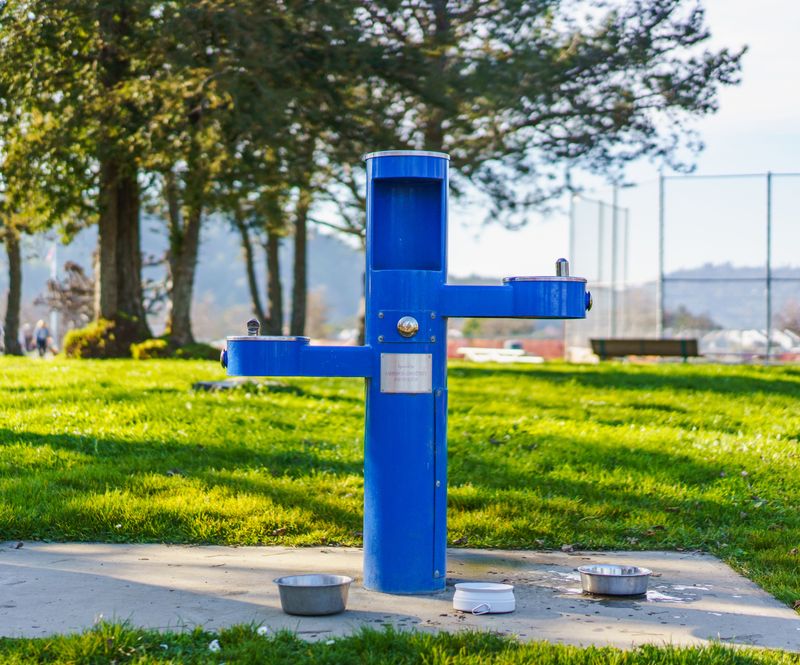
A bowl left outside collects whatever the breeze brings. Dust, loose seeds, and yard debris can settle in drinking water or uncovered food.
Place bowls in a sheltered, shaded location away from dry grass. Replace water whenever it looks dirty, and wash bowls daily.
Bring food indoors between meals rather than leaving it exposed. Check rims and nearby mats for awns too.
Fresh water supports summer comfort, but a clean bowl cannot replace safer routes.
15. Choose Walking Times With Less Wind and Heat
The clock helps, but conditions matter more than habit. Early mornings often offer cooler temperatures, though wind and air quality can change each day.
Check the forecast and local air quality before heading out. Shorten walks when dust rises, and consider indoor games instead.
Carry water and choose shade where available. Remember that cooler air does not remove grass seeds.
Continue checking the route and your dog’s coat, even during a pleasant walk before breakfast.
16. Keep Dogs on Clear, Maintained Walking Paths
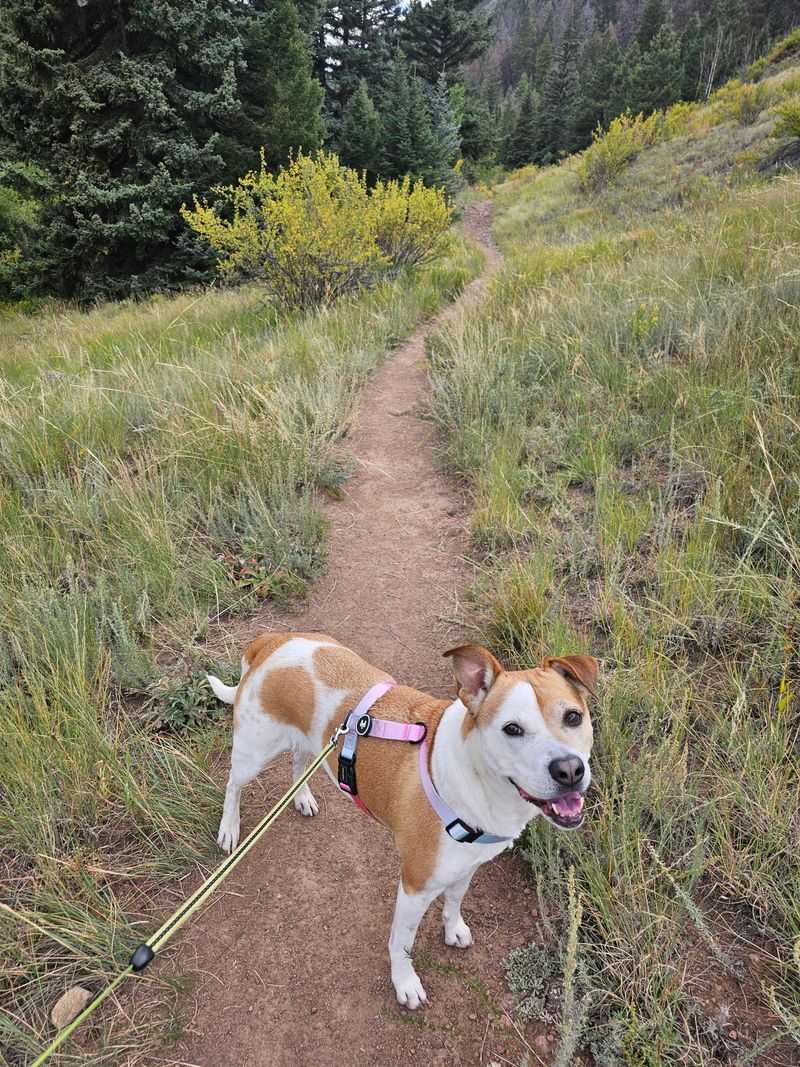
A clear path gives paws fewer seed heads to brush. Stay near the center rather than letting your dog wander through dry trail edges.
Use a leash that allows comfortable walking while limiting grass diving. Inspect maintained areas too, since loose awns can land on pavement.
Dog boots may reduce contact when properly fitted, but seeds can enter around openings. Check inside afterward.
Follow posted access rules, and choose another route when vegetation crowds passage.
17. Inspect Your Dog After Every Walk Through Dry Grass
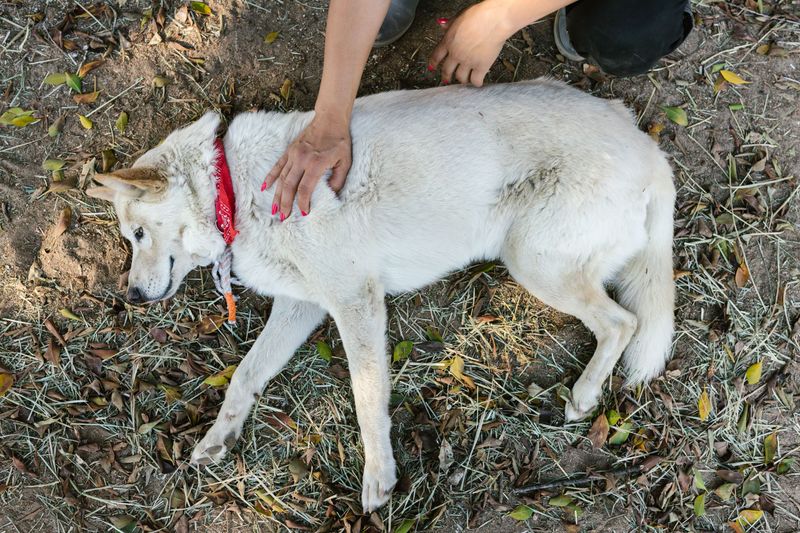
Make the homecoming check part of the adventure. A quiet minute on the porch can reveal loose seeds before they become harder to notice.
Start with paws, then inspect legs, belly, armpits, ears, and facial fur. Check under collars and around the tail, including nearby skin folds.
Use good lighting and gentle hands. Brush out loose debris without tugging at embedded material.
Reward calm cooperation, and repeat the check later if your dog starts licking.
18. Know When Cheatgrass Injuries Need Veterinary Care
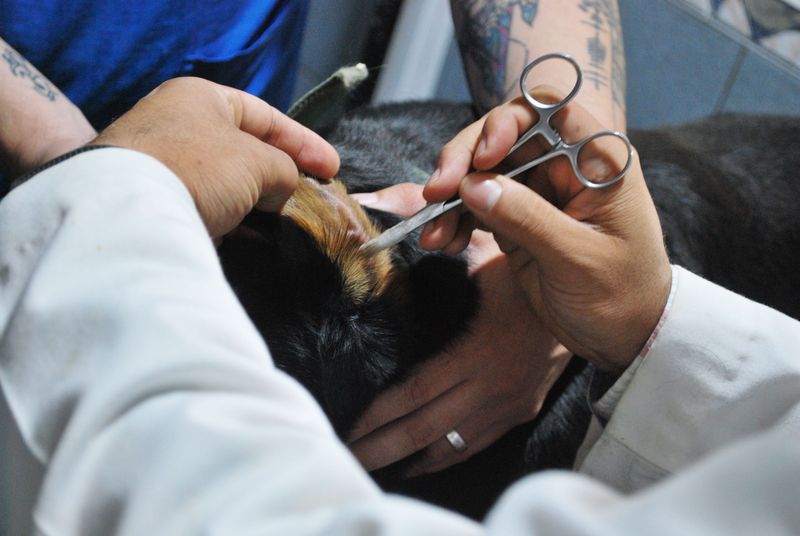
Trust a change in behavior, even without visible seeds. Persistent sneezing, head shaking, limping, swelling, or eye discomfort deserves prompt veterinary guidance.
Seek emergency help for breathing trouble or sudden collapse. Explain the recent grass exposure and when signs began.
Embedded awns usually need professional removal, not home digging. Follow treatment instructions and attend recommended rechecks.
Clear paths, clean water, and careful checks make a dependable summer routine. Enjoy Eastern Washington with awareness, not worry.