17 Artificial-Turf And Gravel-Yard Problems Arizona Dog Owners Should Fix
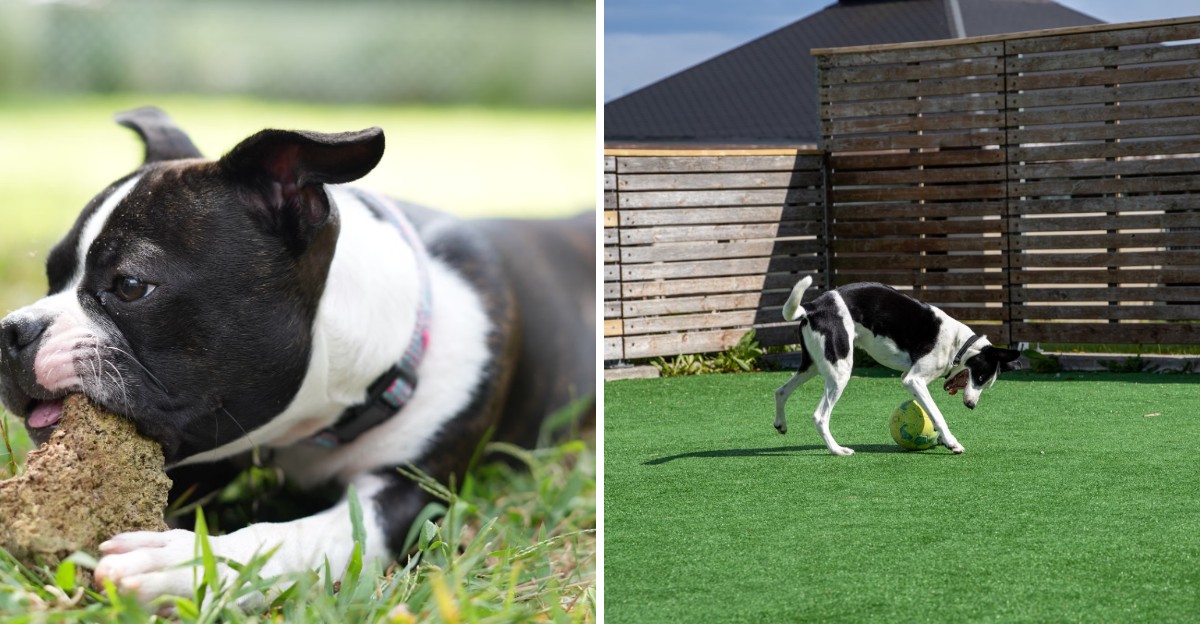
Your Arizona yard can look tidy and still need a few changes to keep your dog comfortable. Sunshine, desert dust, and summer storms affect artificial turf and gravel in ways that are easy to miss.
A few simple checks can prevent sore paws, reduce odors, and make outdoor breaks more pleasant. Start with the surfaces your dog touches most, then work toward a cleaner, cooler space.
1. Artificial Turf Can Become Dangerously Hot Under Arizona Sun
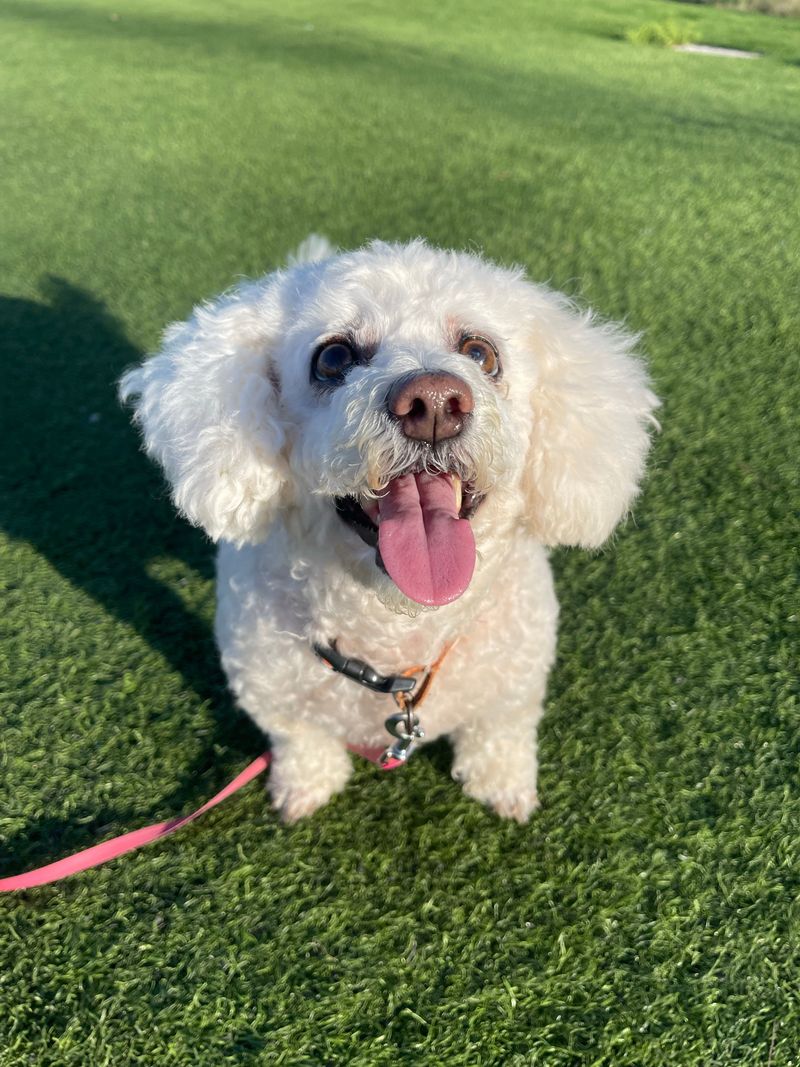
A green lawn can look cool while holding more heat than your dog can comfortably handle. Artificial turf often becomes much hotter than surrounding air.
Check sunny patches before every outing, especially during Arizona afternoons. A quick touch can flag heat, but cannot guarantee safety for paws.
Choose shaded routes and cooler hours instead. Bring your dog indoors if the surface feels hot, and remember that rinsing provides only temporary cooling during strong summer sunshine.
2. Gravel Can Burn Paw Pads During Extreme Heat
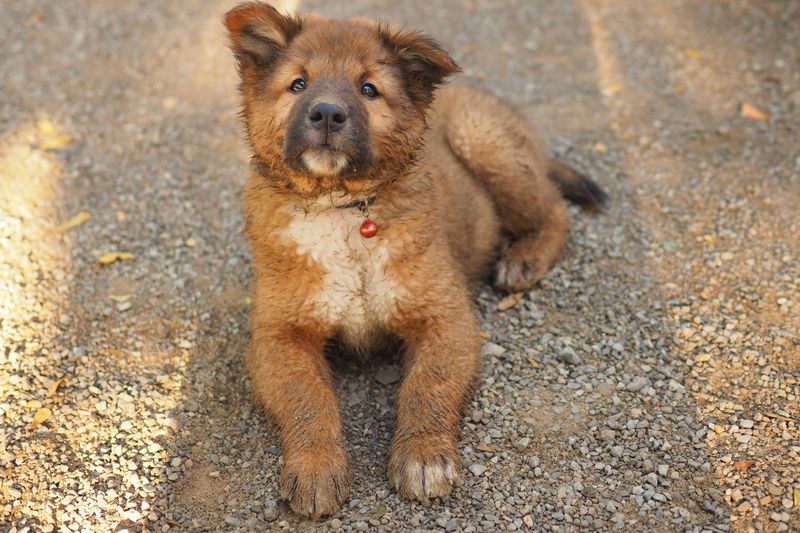
Those pale stones are not automatically cooler than a dark patio. Gravel absorbs sunlight, and exposed areas can become uncomfortable or burn paw pads.
Plan bathroom breaks for cooler periods whenever possible. Provide a shaded path rather than expecting your dog to cross hot stones quickly.
Properly fitted booties may help some dogs, but introduce them gradually indoors. Stop outdoor activity if your dog lifts paws, limps, or refuses to walk across the yard comfortably.
3. Loose Gravel Can Get Trapped Between Toes
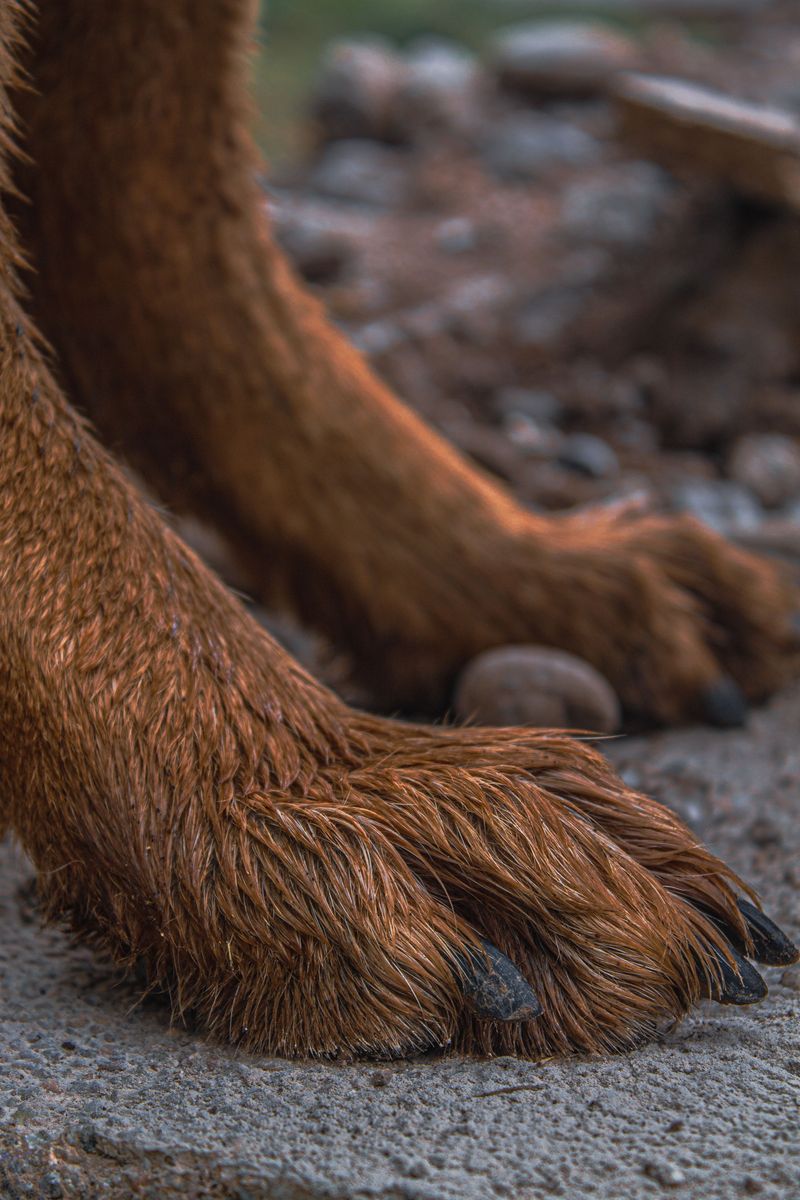
A sudden pause during yard time might mean something is caught underfoot. Small stones can lodge between toes, especially around thick fur or damp paws.
After outdoor play, gently spread the toes and check each paw. Remove loose surface stones without digging into skin or pulling embedded material.
Ask your veterinarian about persistent licking, swelling, or limping. Consider a smoother bathroom area if gravel repeatedly bothers your dog, and keep nearby paw fur neatly trimmed.
4. Artificial Turf Needs Regular Cleaning To Control Odors
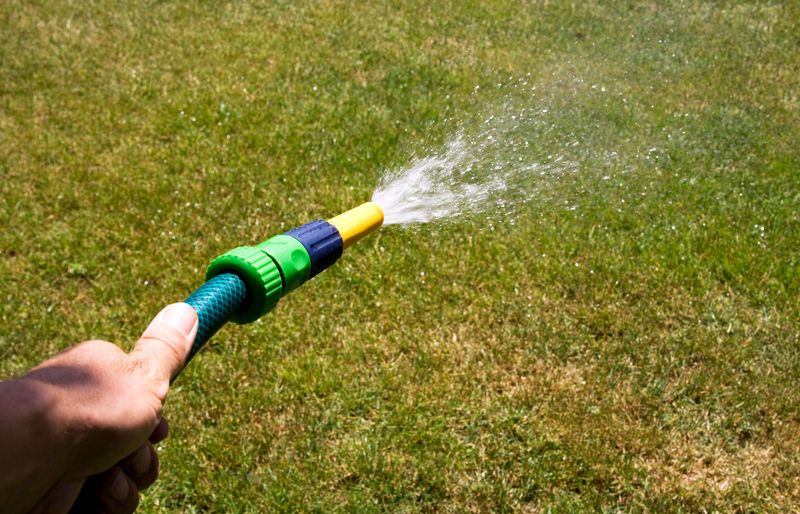
Your nose may notice trouble before the lawn looks dirty. Urine residue can collect in turf, infill, and the layers underneath during repeated use.
Pick up waste promptly and rinse bathroom spots regularly, following installer guidance. Use a turf compatible cleaner labeled for pet areas when needed.
Keep dogs away until label directions allow their return. Avoid masking smells with fragrances; recurring odor often means cleaning or drainage needs attention beneath the visible grass fibers.
5. Poor Turf Drainage Can Leave Standing Urine And Water
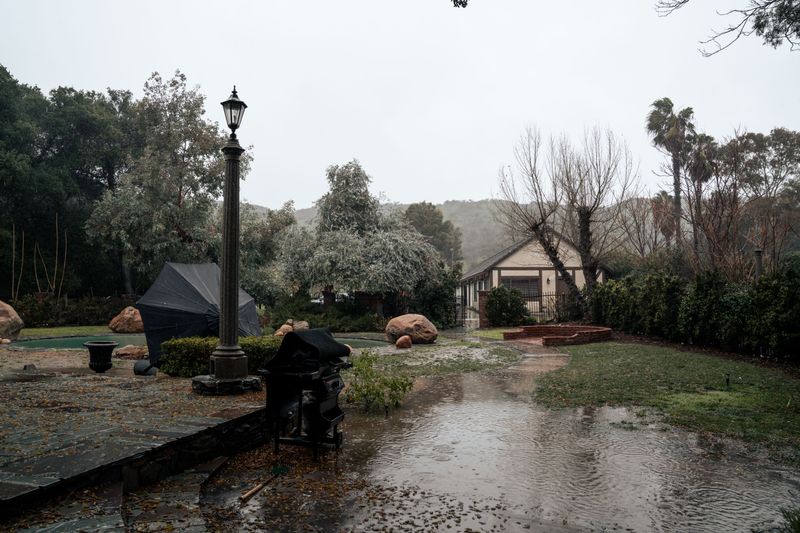
Puddles that linger after rinsing deserve a closer look. Blocked drainage or a poorly prepared base can leave moisture beneath an otherwise tidy surface.
Watch where water travels after rain and routine cleaning. Check accessible drains for debris without cutting turf or disturbing buried utilities.
Ask a qualified installer to assess persistent pooling, low spots, or recurring smells. More hose water will not repair an unsuitable base, and may simply spread the problem farther outward.
6. Gravel Yards Can Hide Sharp Stones And Debris
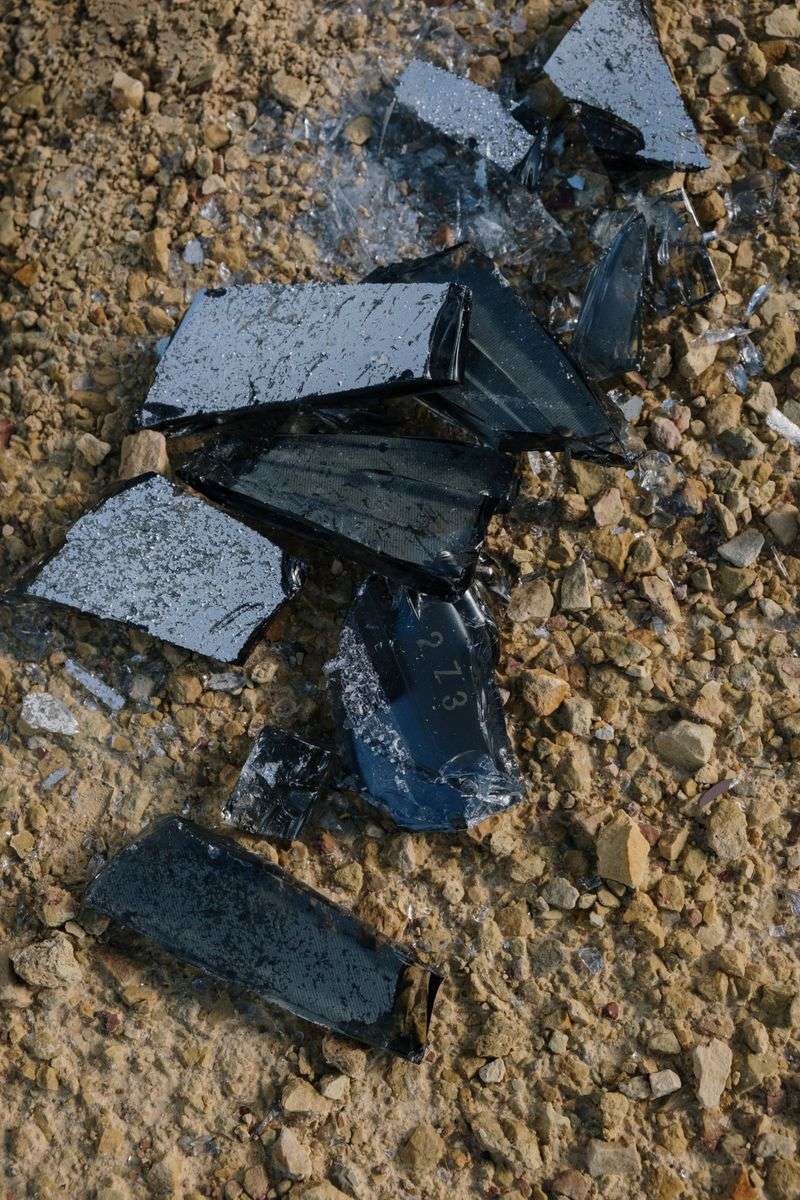
Wind and yard work can leave surprises between ordinary looking rocks. Broken plastic, sharp stones, dropped screws, and plant fragments may blend into gravel.
Walk the yard regularly, looking closely around gates, fences, and work areas. Wear gloves when collecting debris, and inspect again after repairs or storms.
Replace troublesome patches with suitable rounded material your dog tolerates. No gravel is completely risk free, so supervise dogs that mouth stones or rush around tight corners.
7. Weed Growth Can Make Gravel Areas Unsafe
A few green sprouts can become more than a landscaping nuisance. Some weeds develop burrs, sharp seeds, or stiff stems that catch on dogs.
Pull unwanted plants early, ideally before seed heads form. Wear gloves, remove roots where practical, and bag troublesome seed heads rather than scattering them.
Inspect paws, ears, and coats after exploring weedy edges. Contact your veterinarian about persistent head shaking, sneezing, or licking after exposure, especially when a grass awn seems possible.
8. Artificial Turf Can Trap Dirt, Hair, And Allergens
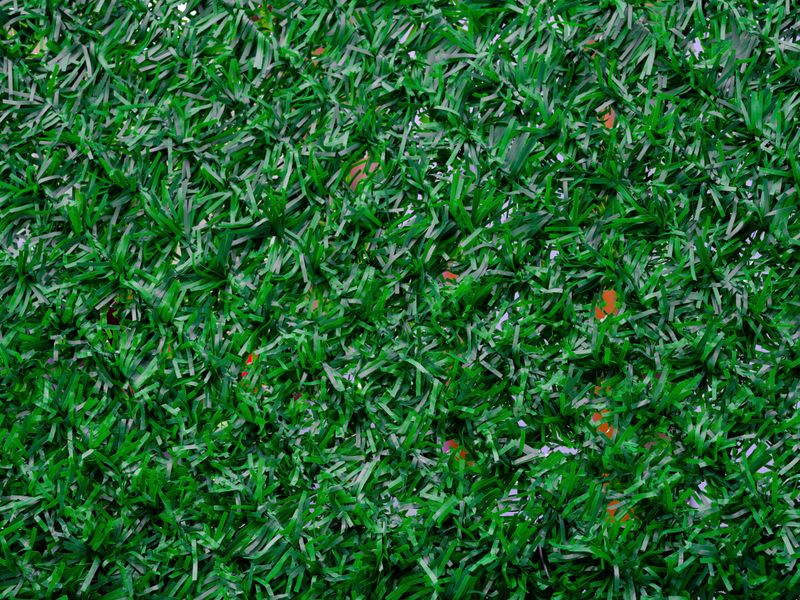
Even a lawn that never grows still needs grooming. Shed hair, dust, pollen, and leaves can settle between synthetic blades and collect around edges.
Remove debris with tools approved by your turf manufacturer. Gentle brushing and appropriate rinsing help prevent buildup without damaging fibers or shifting infill.
If your dog develops itchy skin, discuss possible causes with your veterinarian. Cleaning may reduce surface exposure, but it cannot diagnose allergies or replace a suitable treatment plan.
9. Chemical Weed Killers Can Put Curious Dogs At Risk
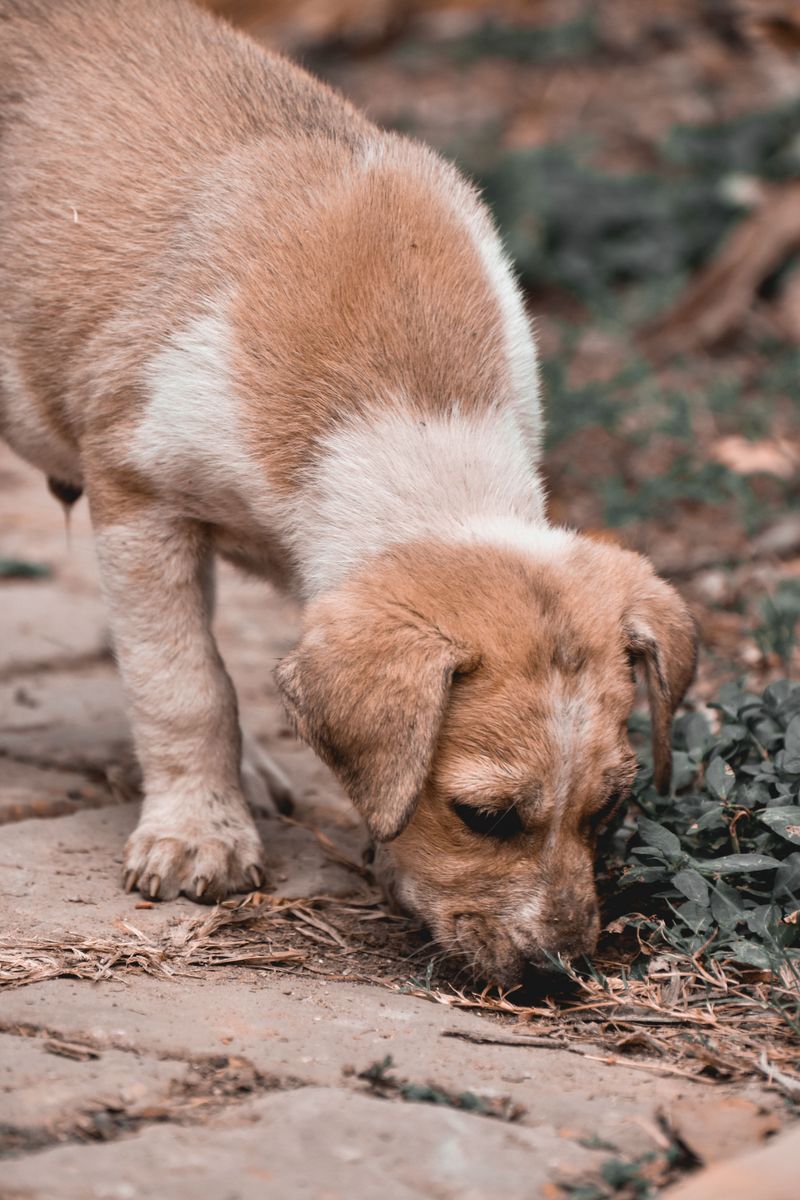
Curious noses often investigate freshly treated ground. Weed control products have different ingredients and restrictions, so a general promise of safety is not enough.
Read the entire label before use, including pet access instructions. Keep dogs away during application and until every stated return condition is met.
Store concentrates securely and prevent contact with spills or containers. If exposure occurs, contact your veterinarian promptly with the product label available, rather than trying a home remedy.
10. Gravel Can Create Dust Problems During Dry Weather
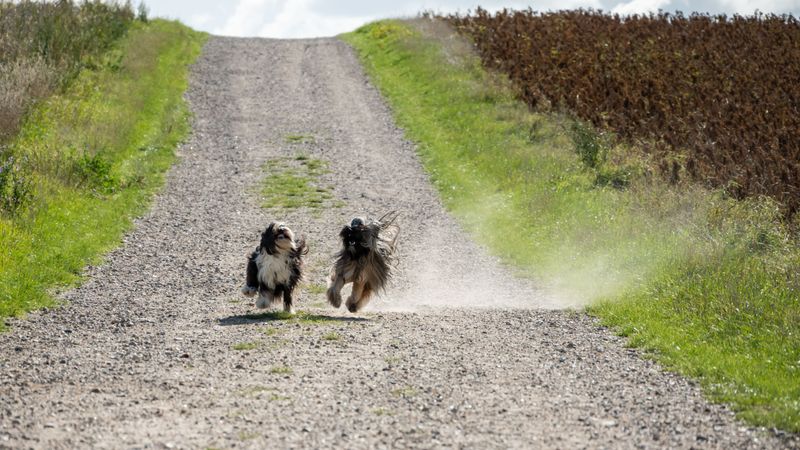
One enthusiastic sprint can send fine dust into the air. Loose material beneath gravel may irritate eyes and airways during Arizona’s long dry stretches.
Limit dusty play when wind picks up, and bring coughing dogs indoors. Ask your veterinarian about ongoing coughing instead of assuming dust explains everything.
Valley fever is another regional concern linked to airborne soil spores. Reduce soil disturbance, discuss persistent symptoms with your veterinarian, and consider professionally stabilizing frequently dusty areas.
11. Artificial Turf Edges Can Become Chewing And Digging Hazards
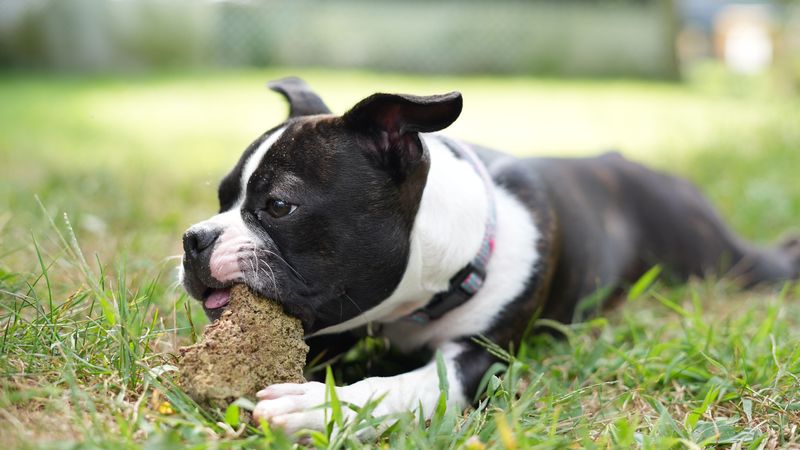
A lifted corner can look like an invitation to play. Dogs may tug loose fibers, chew backing, or dig beneath an edge that moves.
Block access to damaged sections until repairs are complete. Have the installer secure edges appropriately and check for exposed fasteners around the entire perimeter.
Offer safe chew toys and supervised activities away from vulnerable seams. Contact your veterinarian if pieces are swallowed, particularly if vomiting, appetite changes, or unusual behavior follows.
12. Weed Barriers And Turf Backing Need Proper Installation
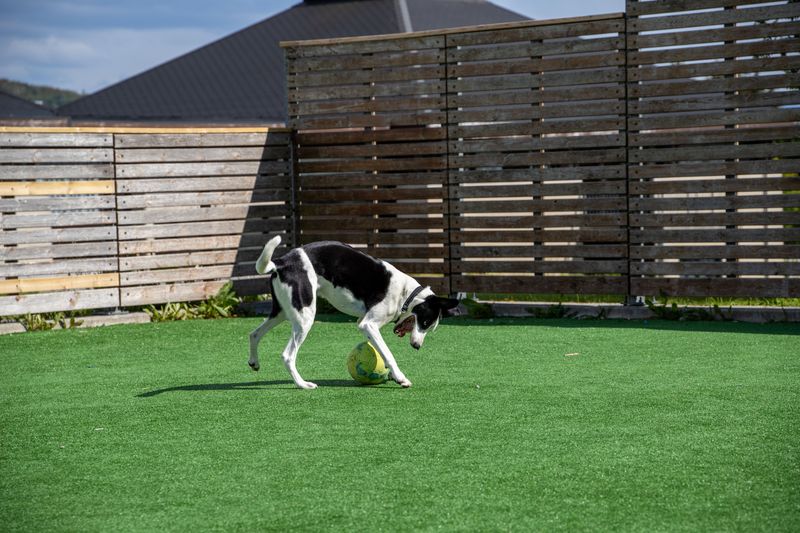
What sits underneath the yard matters as much as its appearance. Wrinkled fabric, exposed mesh, or unsuitable backing can create loose material and drainage trouble.
Ask installers which layers suit pet use and your soil conditions. Confirm how water will drain and how edges will remain covered.
Avoid assuming every weed barrier belongs beneath artificial turf. Follow system specifications, inspect exposed areas after digging, and arrange repairs before your dog pulls hidden materials into the open.
13. Gravel Can Make Digging More Difficult And Frustrating
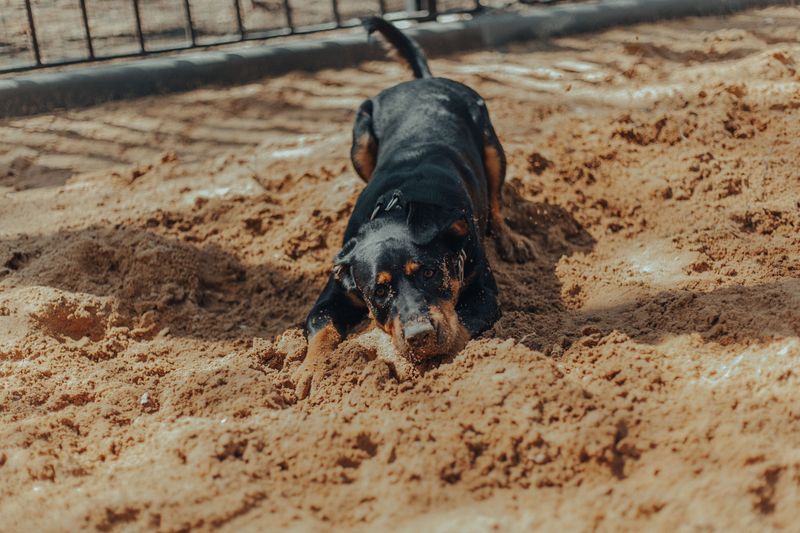
For some dogs, digging is a favorite pastime rather than misbehavior. Hard, rocky ground may frustrate that urge and encourage repeated scratching near fences.
Offer a shaded digging box with suitable clean material and clear boundaries. Hide a toy there and reward your dog for choosing that spot.
Supervise practice, check nails afterward, and provide other enrichment too. Persistent digging can also reflect boredom, escape attempts, or heat seeking, so address the reason behind it.
14. Arizona Desert Plants Can Grow Through Yard Surfaces
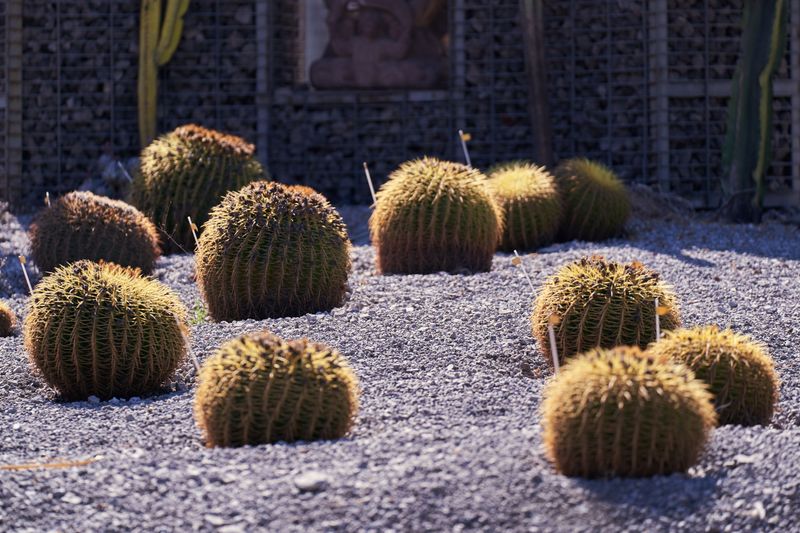
Desert landscaping does not always stay inside its planting bed. Volunteer plants and spreading growth can emerge beside turf seams or through gravel layers.
Identify unfamiliar growth before allowing close investigation. Cactus spines and sharp plant parts can cause problems even when a plant is not poisonous.
Use suitable tools and gloves for removal, keeping dogs elsewhere during cleanup. Ask a local nursery or extension office about identification, and consult your veterinarian about suspected plant exposure.
15. Artificial Turf Can Develop Uneven Or Loose Sections
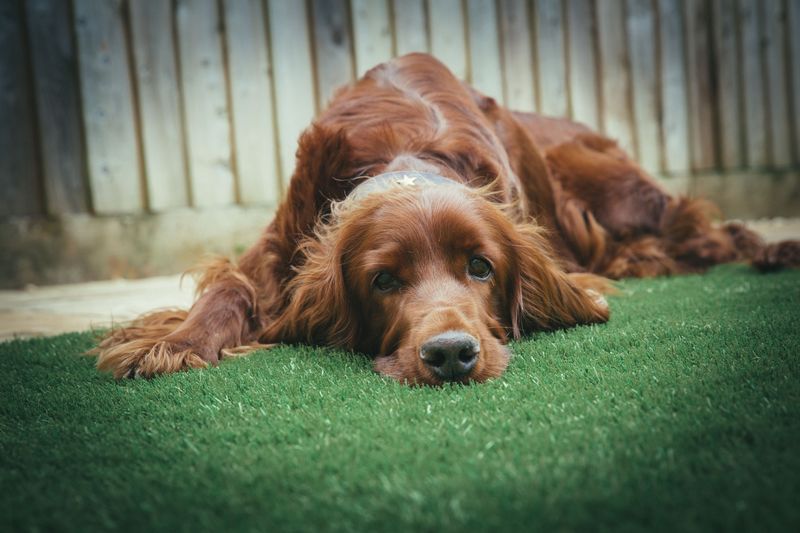
A small ripple can interrupt an otherwise smooth game of fetch. Settling soil, loose seams, or installation problems may leave bumps and dips underfoot.
Walk the surface slowly and feel for changes after heavy rain. Pay special attention to turns, gates, and your dog’s usual running route.
Restrict fast play until loose sections are repaired. Ask an installer to evaluate the base rather than simply stretching over depressions, especially when uneven spots keep returning after repairs.
16. Gravel Can Scatter Into Walkways And Outdoor Living Areas
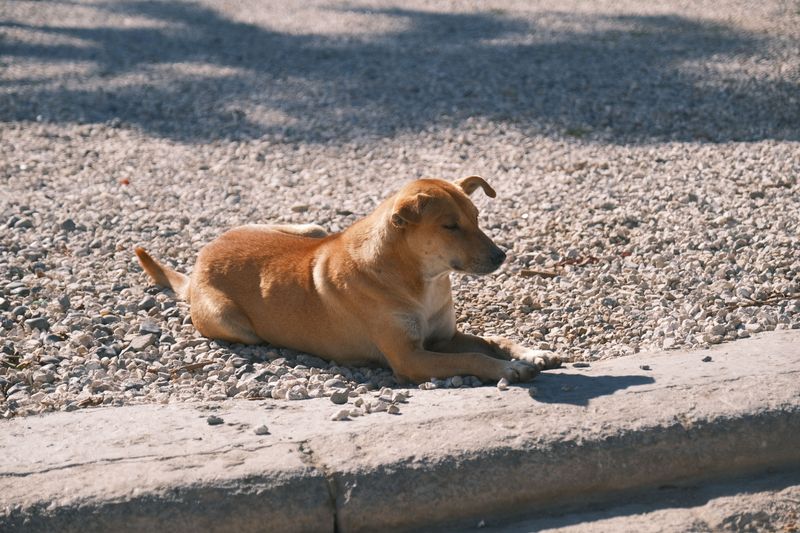
Little stones rarely respect the border of a landscaping bed. Running paws, hoses, and summer storms can move gravel onto patios and narrow walkways.
Sweep busy paths often, especially near doors and water bowls. Loose stones can shift under paws and feet, making smooth surfaces less predictable.
Install secure edging without sharp exposed corners or awkward steps. Choose a layout that contains gravel while preserving drainage, and check borders regularly for gaps where stones escape again.
17. Dogs Still Need A Cool, Comfortable Place To Rest Outside
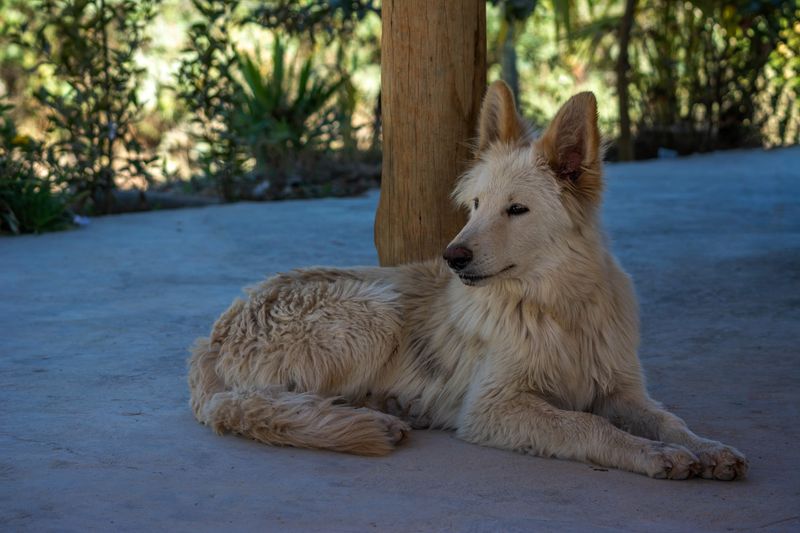
A comfortable yard includes somewhere to pause, not just somewhere to play. Provide deep shade, fresh water, and a resting surface that stays cool.
Move beds as shade shifts, and check them before use. An enclosed doghouse can trap heat, so it is not dependable summer cooling.
Outdoor comfort never replaces access to an air conditioned home during dangerous heat. Keep outings brief when needed.
Small checks and thoughtful changes make your Arizona yard more welcoming.