17 Georgia Dog Expenses That Grow Once Yard Care, Grooming, And Boarding Enter The Picture
Your dog may love a Georgia backyard, but keeping that space comfortable takes more than a bag of food. Grooming visits, muddy floors, and travel plans can stretch your budget in ways that are easy to overlook.
Costs vary across the state, so local quotes matter more than broad averages. A little planning helps you choose useful services and avoid paying for extras your dog does not need.
1. Lawn Care Costs Increase With a Larger Property
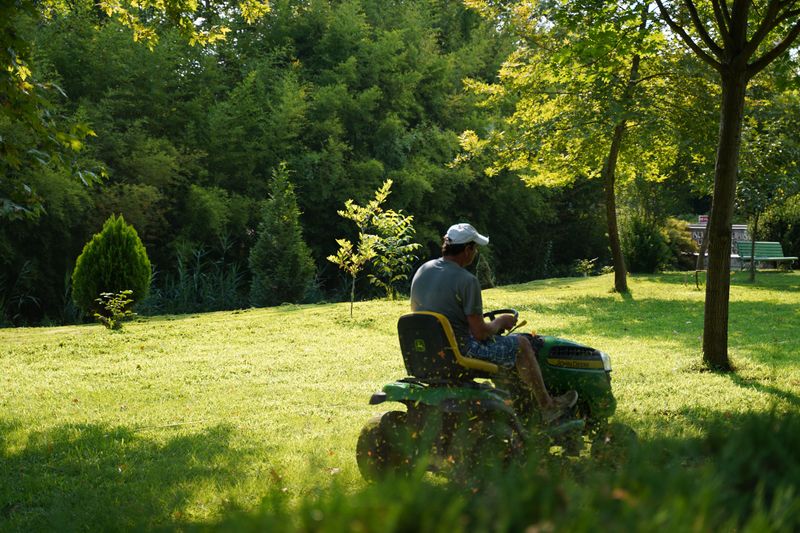
A bigger backyard gives your dog room to explore, but every extra stretch of grass needs attention. Mowing, edging, and watering can increase together.
Ask lawn services whether pricing depends on acreage, slopes, gates, or cleanup. Georgia’s growing season can mean repeated visits rather than occasional work.
Keep one manageable play area instead of treating every corner equally. Comparing seasonal packages with individual visits helps you budget without buying services your yard does not actually need.
2. Fence Repairs Become Part of Routine Yard Maintenance
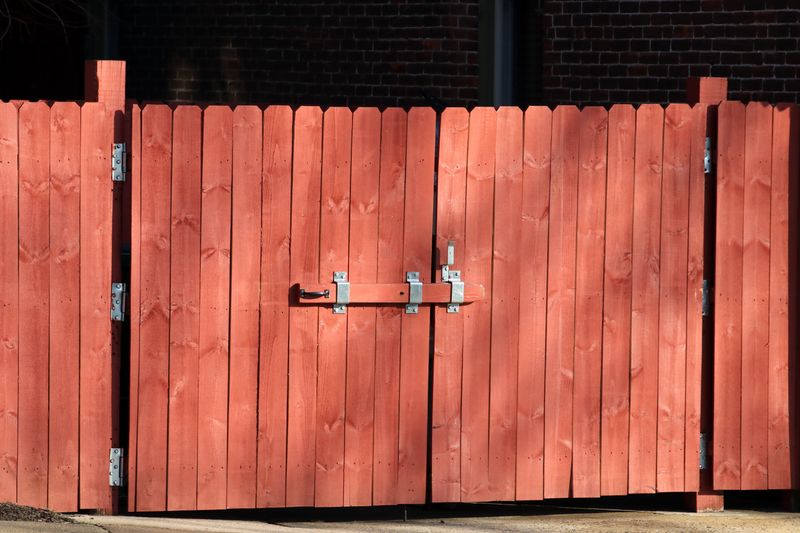
That loose gate latch deserves a place on your household repair list. Dogs can discover small gaps before their owners notice them.
Walk the fence regularly, checking boards, hinges, and spaces beneath panels. After storms, look for fallen branches and shifted sections before letting your dog outside.
Set aside money for hardware and occasional professional repairs. Fence rules vary locally, so confirm requirements before changing height, placement, or materials around your Georgia property this year.
3. Pet-Safe Weed Control Can Cost More
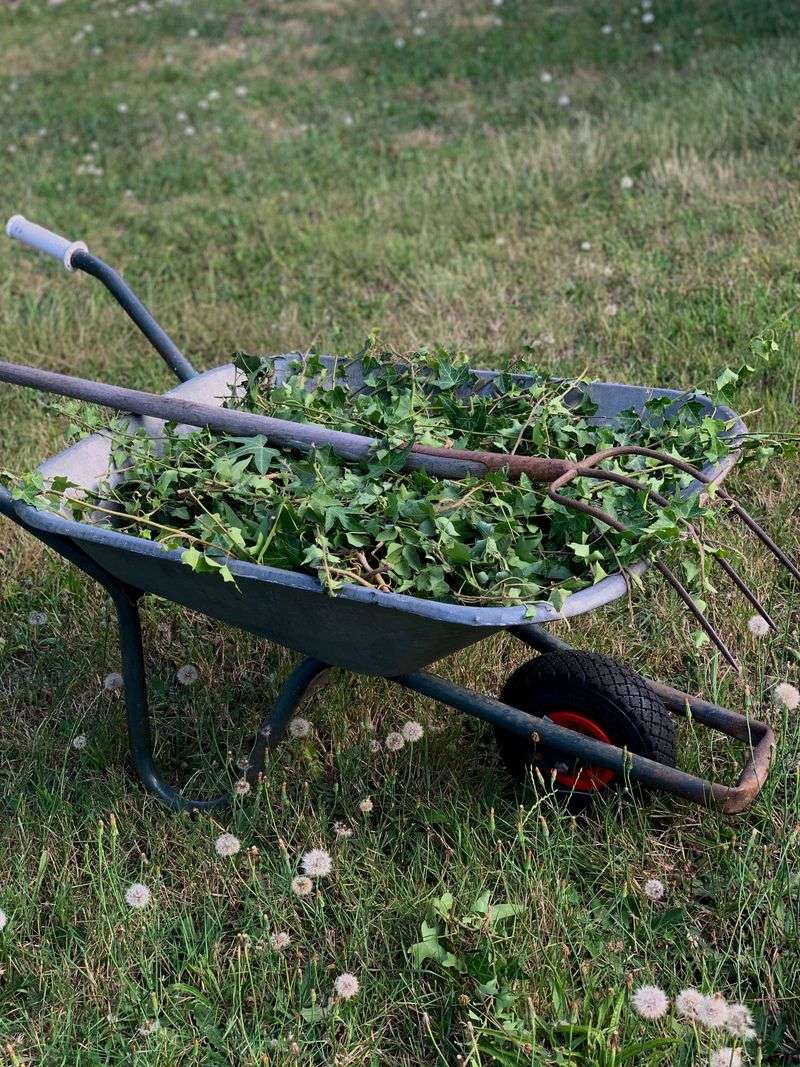
Weeds do not care that your lawn doubles as a dog playground. Managing them may require extra labor or different treatment choices.
Hand pulling, mulching, and targeted applications can change the final bill. No weed treatment should be considered harmless simply because its packaging mentions pets.
Follow label directions, including restrictions on entry after application. Ask your lawn provider for product names and written instructions before scheduling treatments where your dog plays or regularly rests outdoors.
4. Picking Up Yard Waste Adds Time and Supplies
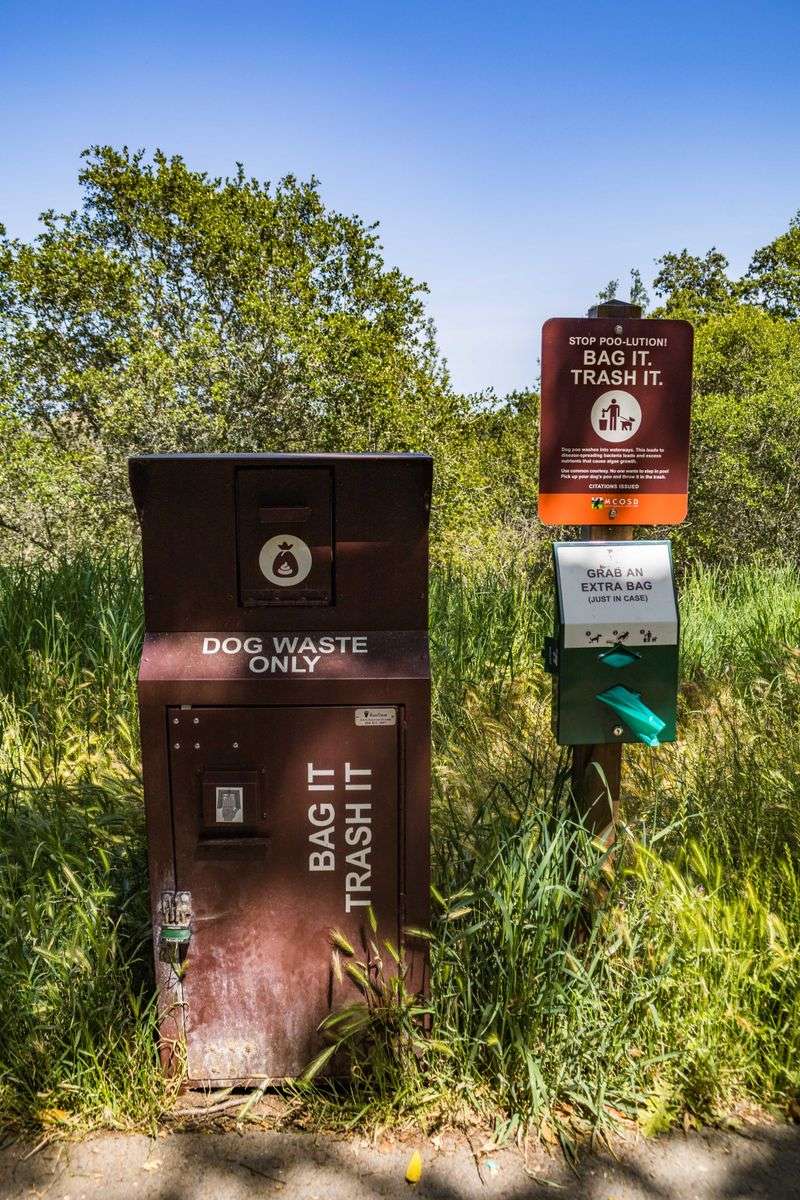
Even a small dog creates a steady cleanup job. Bags, a sturdy scoop, and a covered outdoor bin become regular household supplies.
Frequent pickup keeps play areas usable and helps reduce opportunities for contact with waste. It also makes mowing easier and more pleasant.
Professional pickup services may charge by visit frequency, yard size, and dog count. Confirm disposal practices and check local waste guidance before choosing your routine or signing a recurring service agreement nearby.
5. Grooming Appointments Become More Frequent
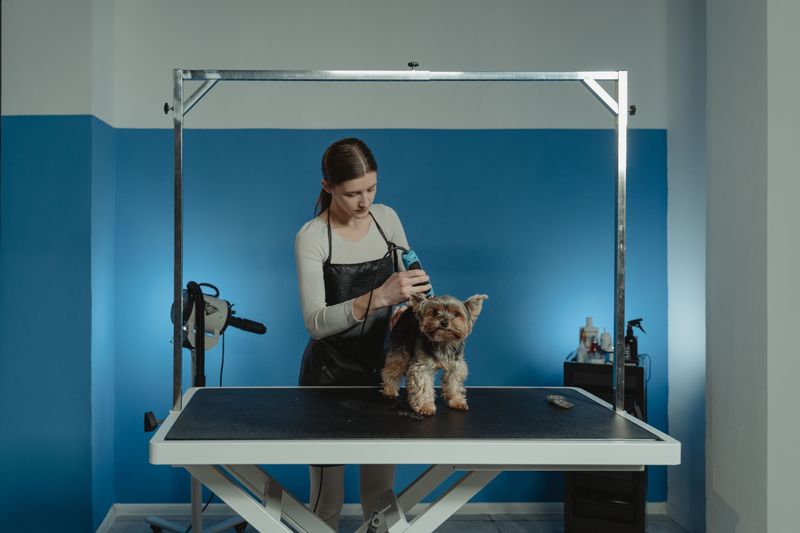
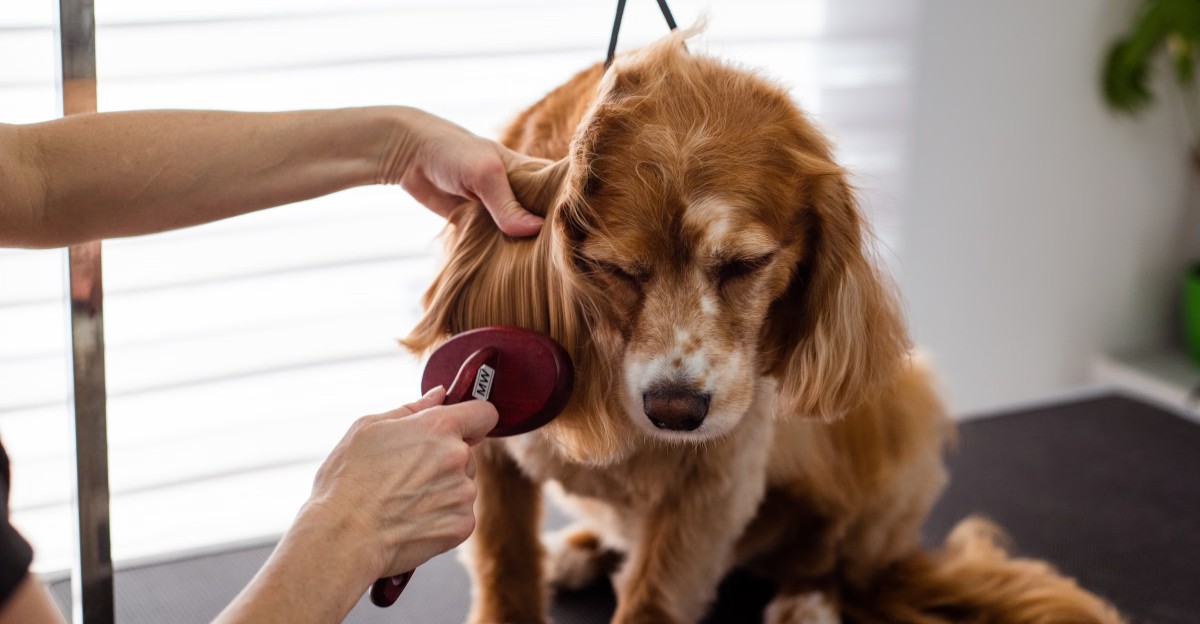
A fluffy haircut can hide a surprisingly busy maintenance schedule. Some coats need regular professional work to stay comfortable and manageable.
Your dog’s coat type, activities, and home brushing routine affect appointment timing. Ask a groomer for a realistic schedule rather than choosing visits by appearance alone.
Request an estimate covering bathing, drying, brushing, and clipping. Matted coats may need additional work, so steady home care can help keep future appointments simpler and more predictable overall.
6. Nail Trims May Require Professional Help
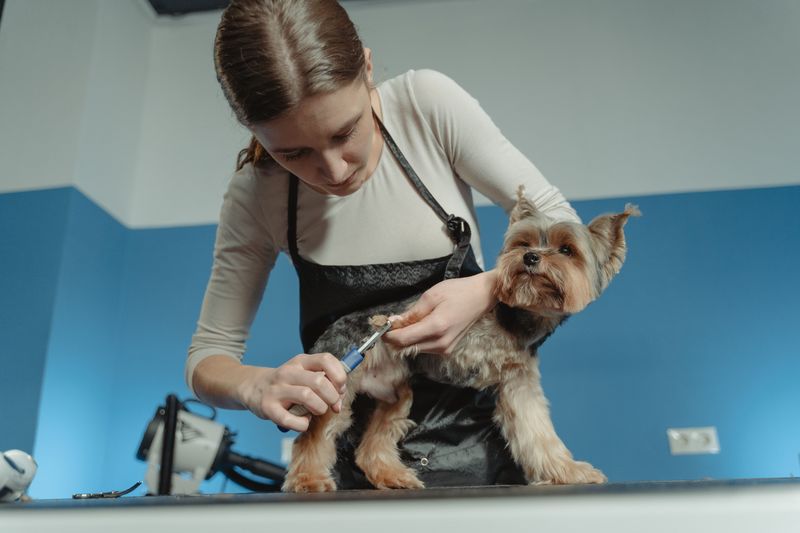
Clicking nails on the kitchen floor can signal another small expense. Some owners prefer paying a trained professional instead of trimming at home.
Groomers and veterinary teams may offer separate nail appointments or package them with other services. Ask whether grinding costs extra before booking.
If your dog feels worried, discuss gradual handling practice and appropriate support. Never force a struggling dog through trimming just to save money on an appointment with someone experienced and patient.
7. Seasonal Coat Care Can Increase Grooming Bills
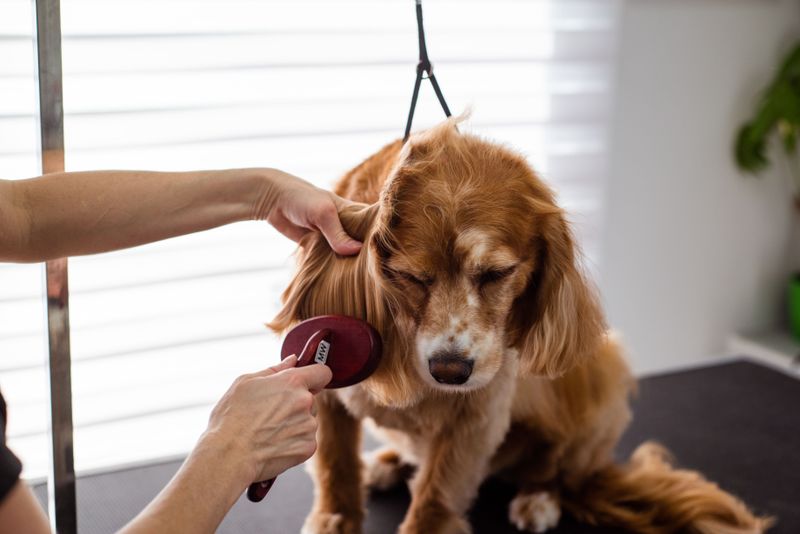
Loose fur on every cushion often arrives with a grooming decision. Seasonal shedding can make brushing sessions longer, especially for thick coated dogs.
A professional coat service may include extra brushing, bathing, and drying time. Ask what the quoted price includes and whether coat condition changes it.
Do not assume shaving will keep every dog cooler. Discuss coat needs with your groomer or veterinarian, and maintain gentle brushing between appointments to prevent avoidable tangles and discomfort.
8. Flea And Tick Prevention Needs Consistent Attention
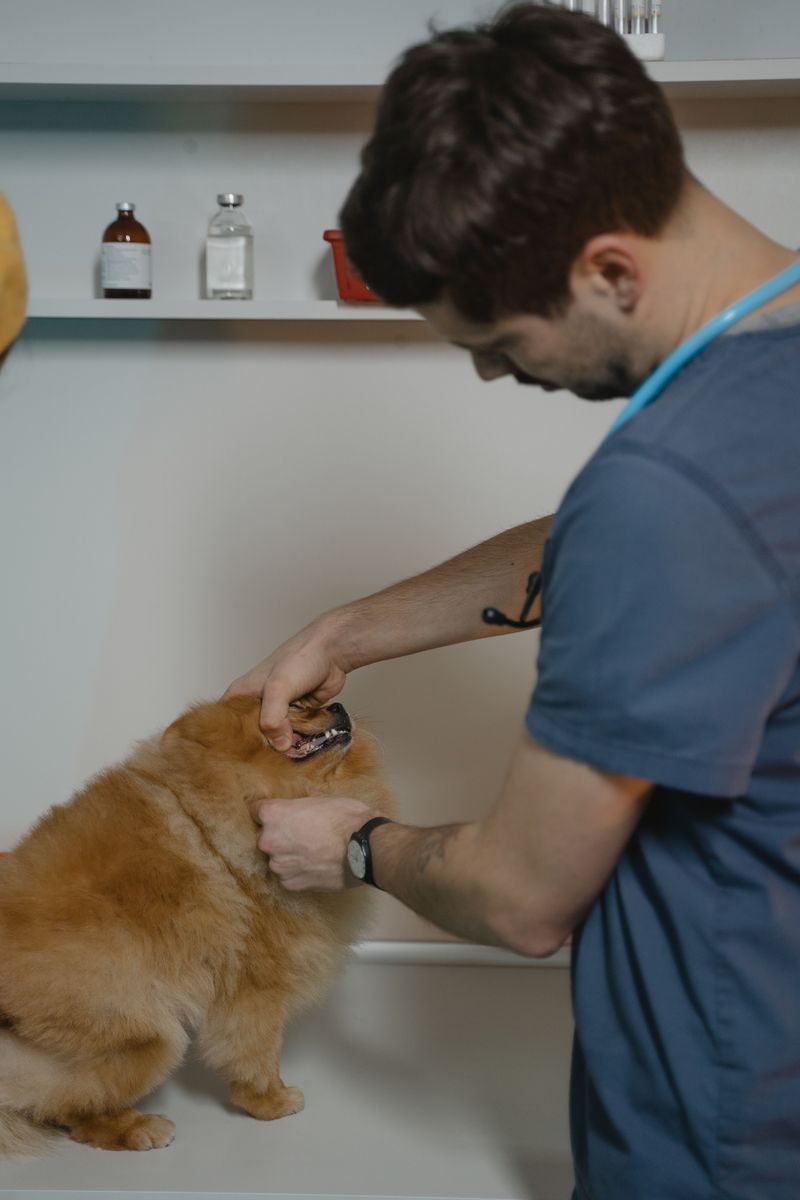
Georgia’s mild stretches mean parasite planning should not depend only on summer weather. Veterinary guidance commonly supports consistent, year round flea and tick prevention.
Product costs vary with your dog’s weight, health needs, and the option prescribed. Ask about the full yearly expense during routine visits.
Use only products appropriate for your dog, following veterinary advice and label instructions. Avoid doubling treatments without approval, even when yard services also promise help managing fleas and ticks outdoors.
9. Muddy Paws Mean More Bathing And Cleaning
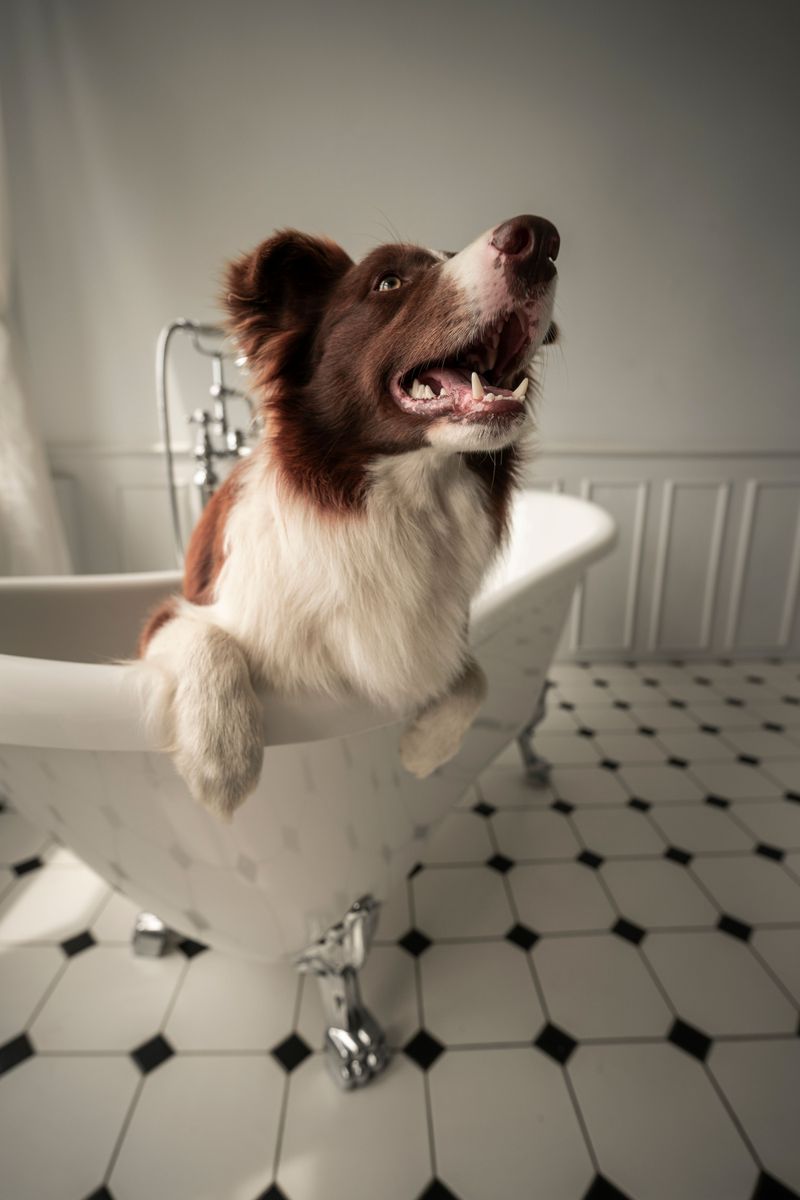
Red clay has a way of following Georgia dogs indoors. Rainy afternoons can turn towels, floor cleaner, and laundry into noticeable expenses.
Place washable mats near the door and keep a paw towel handy. A quick rinse may handle light mud without requiring another full bath.
Choose dog shampoo when bathing is needed, and ask your veterinarian about persistent skin irritation. Include water, laundry, and cleaning supplies when estimating what outdoor adventures cost your household monthly.
10. Boarding Costs Rise During Holiday Travel
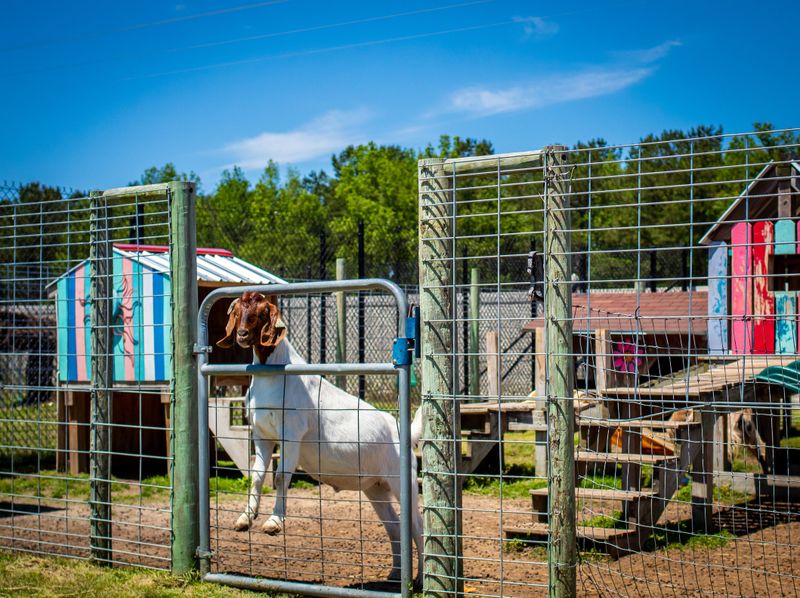
Your holiday getaway may coincide with everyone else’s travel plans. Boarding facilities can charge higher rates during busy periods or require minimum stays.
Reserve early, but read cancellation terms before paying a deposit. Ask whether holiday pricing applies only to certain dates or the entire reservation.
Confirm vaccine requirements well ahead of arrival, since policies and timing differ. Comparing complete written quotes gives a clearer picture than comparing advertised nightly prices without their added seasonal charges.
11. Longer Boarding Stays Can Increase The Total
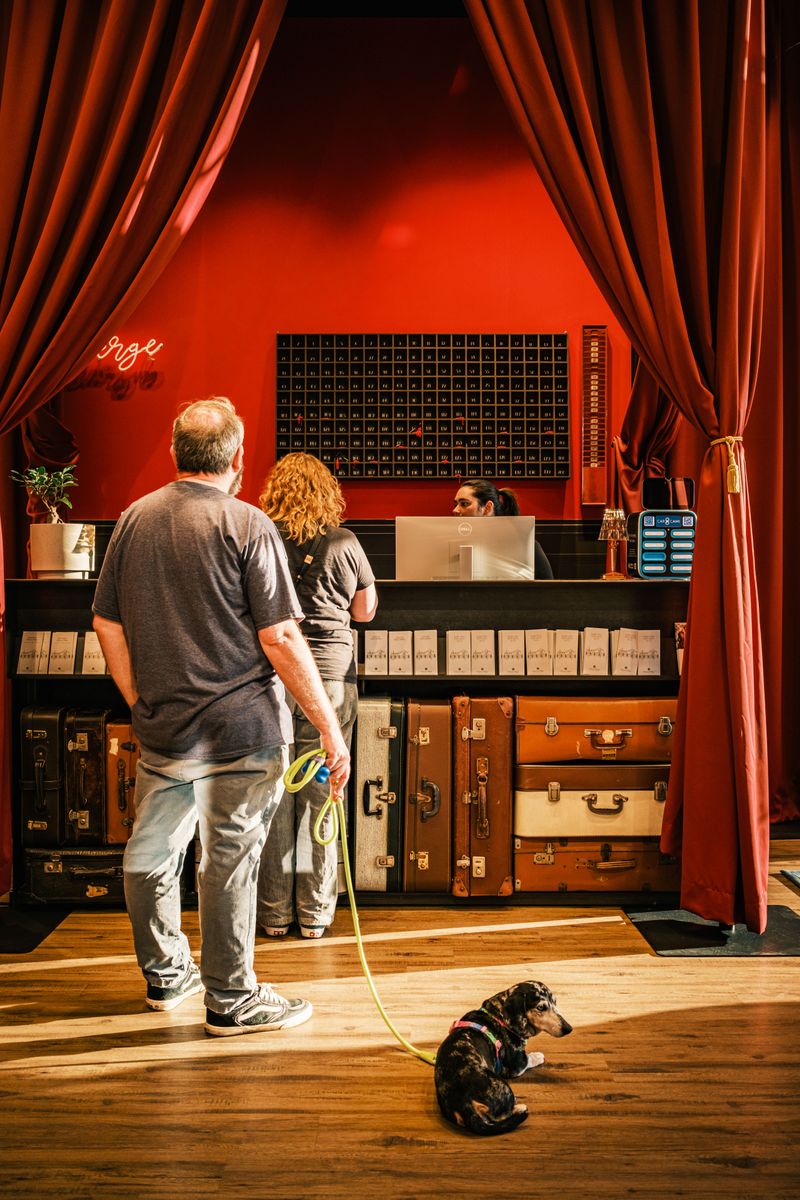
One extra travel day can mean more than another night’s charge. Pickup deadlines sometimes trigger additional fees, depending on the facility’s billing rules.
Ask how arrival times, departure times, and extended stays affect your total. Any longer stay discount should appear clearly in your estimate.
Pack enough approved food and provide clear feeding instructions. Check whether supplied meals, extra bedding, or laundry cost more, especially when your dog needs care for several days beyond a weekend.
12. Extra Playtime And Attention May Cost More
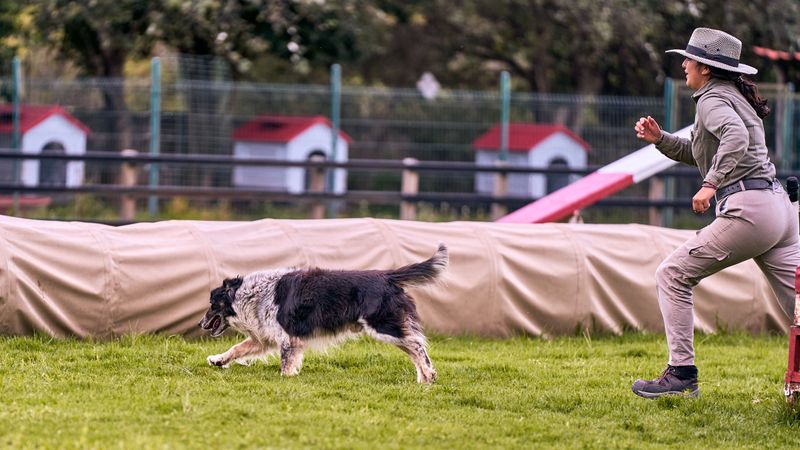
A boarding brochure may promise plenty of fun while listing activities separately. Individual walks, private play, and special treats can carry additional charges.
First, find out what the standard rate actually provides. Ask about bathroom breaks, supervision, rest periods, and how staff match dogs for activities.
Choose extras around your dog’s comfort rather than the longest menu. A quiet dog may appreciate individual attention more than group sessions, making one thoughtful upgrade better than several unnecessary purchases.
13. Medication Administration Can Add Boarding Fees

A daily pill adds another detail to your dog’s travel arrangements. Some boarding providers charge for medication, while others include simple dosing.
Fees may depend on frequency, handling needs, or the treatment involved. Confirm that trained staff can follow your veterinarian’s instructions before making reservations.
Bring medication in its original labeled container, along with written directions and contact numbers. Ask how doses are recorded and what happens if your dog refuses medication during the boarding stay.
14. Holiday And Weekend Pet Sitting Can Be Pricier

Staying home does not always make your dog’s care cheaper. Sitters may add weekend or holiday charges, especially when local demand rises.
Clarify whether the price covers a short visit, an overnight stay, or extended company. Those services provide very different amounts of supervision.
Request a written schedule covering walks, meals, and updates. Discuss keys, home access, insurance, and emergency plans before booking, then compare the complete cost with boarding that offers a similar care level.
15. Backup Pet Care Can Become Necessary
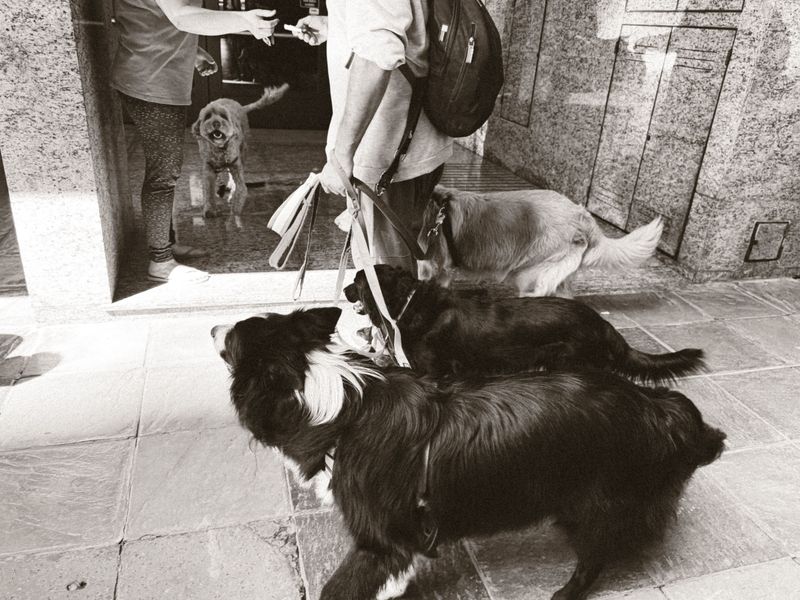
Travel delays and schedule changes rarely ask whether your budget is ready. A backup caregiver can help when your usual arrangement falls through.
Meet another sitter or identify an alternate boarding facility before you need one. Last minute availability may come with higher prices or limited choices.
Keep care notes, veterinary contacts, and permission details easy to find. A modest emergency care fund gives you options without depending entirely on a favor from an available neighbor.
16. Yard Pest Control May Need Pet-Safe Options
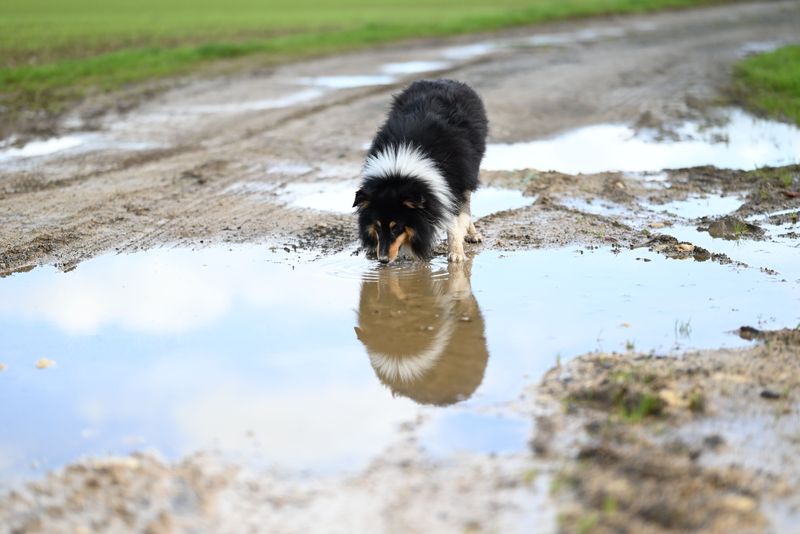
Mosquitoes, ants, and other yard pests can complicate outdoor time. Managing them may add inspection costs, repeat visits, or changes to your landscaping.
Start by removing standing water and keeping outdoor feeding areas clean. Ask providers about targeted options and the pests each treatment actually addresses.
Pet safe is not a guarantee that every exposure is harmless. Follow product directions and keep dogs away for the specified period, confirming any unclear instructions directly with the provider.
17. Outdoor Water And Shade Add To Yard Expenses
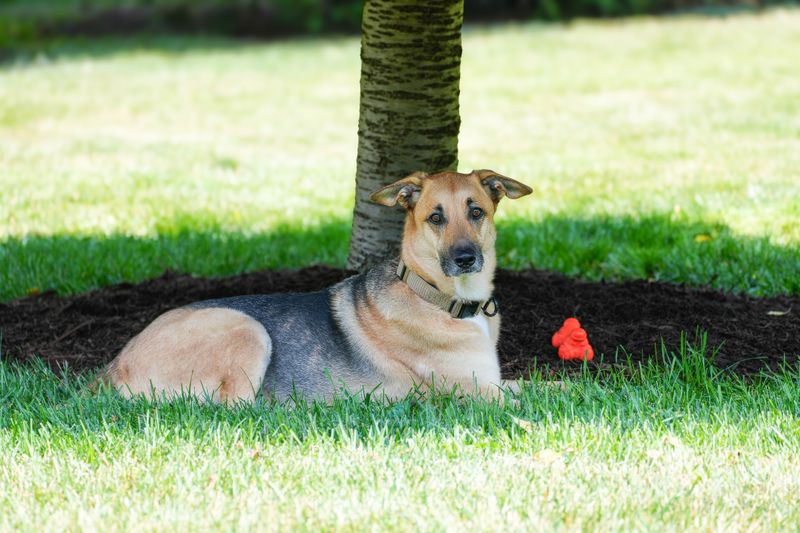
A sunny yard needs more than a bowl beside the door. Clean drinking water and dependable shade require regular attention during Georgia’s warm weather.
Budget for sturdy bowls, cleaning, and secure shade structures where natural cover falls short. Check shade throughout the day because sunlight shifts.
Outdoor comforts never replace indoor cooling when conditions become uncomfortable. Plan shorter outings around your dog’s needs, and remember: thoughtful spending builds a yard and routine you can both enjoy.