Moving Between The North Carolina Mountains And Coast Means Rebuilding More Of A Dog’s Routine Than Owners Expect
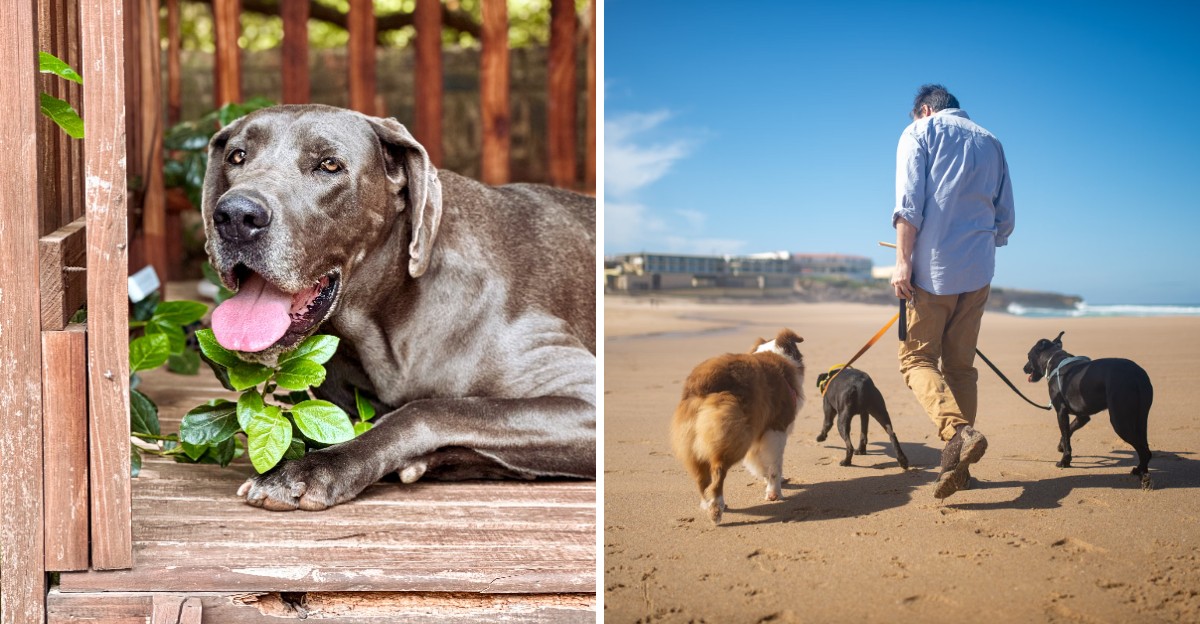
Your dog may love both mountain trails and beach walks, but moving between them changes more than the view. North Carolina’s higher elevations and coastal towns bring different weather, surfaces, sounds, and daily needs.
A routine that works near Boone may need adjusting near Wilmington, even during the same week. With a few thoughtful changes, you can help your dog settle comfortably while keeping familiar parts of the day.
1. Mountain Temperatures And Coastal Humidity Call For Different Adjustments
A cool mountain morning can make the coast feel surprisingly warm by afternoon. Check conditions at your destination, not just outside your current front door.
Elevation, shade, wind, and humidity all affect comfort.
Pack for both settings, including towels and any coat your dog already needs. Keep the first outing short after arrival.
Watch your dog’s movement and breathing instead of assuming yesterday’s comfortable routine will work equally well in a different climate today, too.
2. Rebuild Walking Times Around The Weather
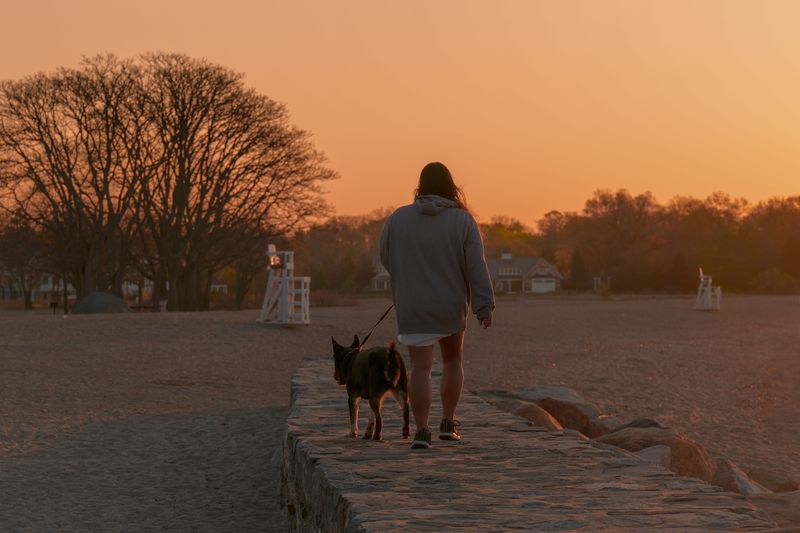
Your usual afternoon loop may need a new place on the clock. Coastal summer walks often fit better in cooler morning hours.
Mountain winter outings may work better after daylight warms the route.
Check the hourly forecast before choosing your window. Humid mornings can still feel uncomfortable, so avoid treating sunrise as a safety guarantee.
Shorten walks when needed, add indoor games, and let bathroom trips stay brief during uncomfortable weather at either home instead.
3. Give Your Dog Time To Adjust To Humidity
Sticky air changes how a familiar walk feels. Dogs cool themselves mainly through panting, and high humidity can make that less effective.
Begin coastal visits with shorter, easier outings rather than your normal mountain distance.
Build activity gradually only while your dog stays comfortable. Heavy panting, slowing down, or seeking shade means stop and cool off.
Contact a veterinarian promptly for concerning symptoms. Adjustment takes time, but it never removes the need for heat precautions.
4. Change Outdoor Gear To Match The Terrain
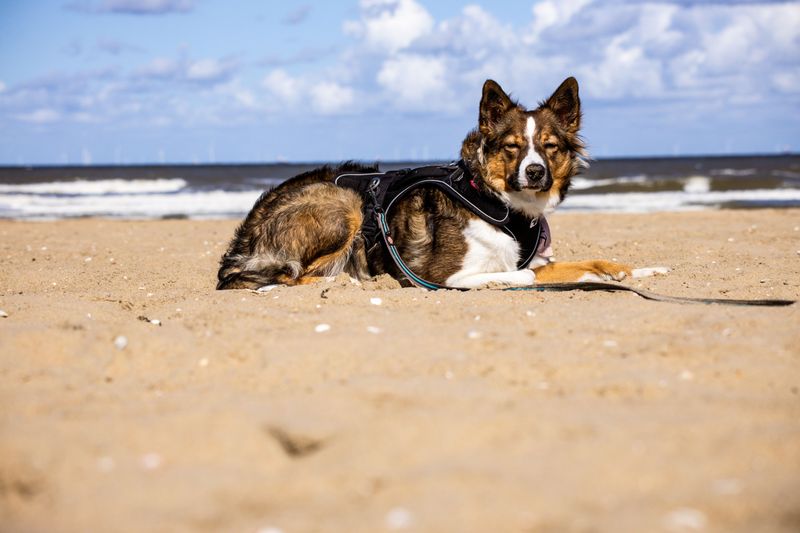
Rocky paths and sandy boardwalks ask different things from your walking kit. A secure harness and sturdy leash suit both, but extra supplies should match the outing.
Carry water wherever you go.
For rough trails, consider boots only after your dog practices wearing them comfortably. Near the beach, bring a towel for grit and salt.
Check straps after each move, since wet fur, sand, and changing coats can affect how equipment sits against the skin.
5. Rethink Potty Breaks In A New Environment
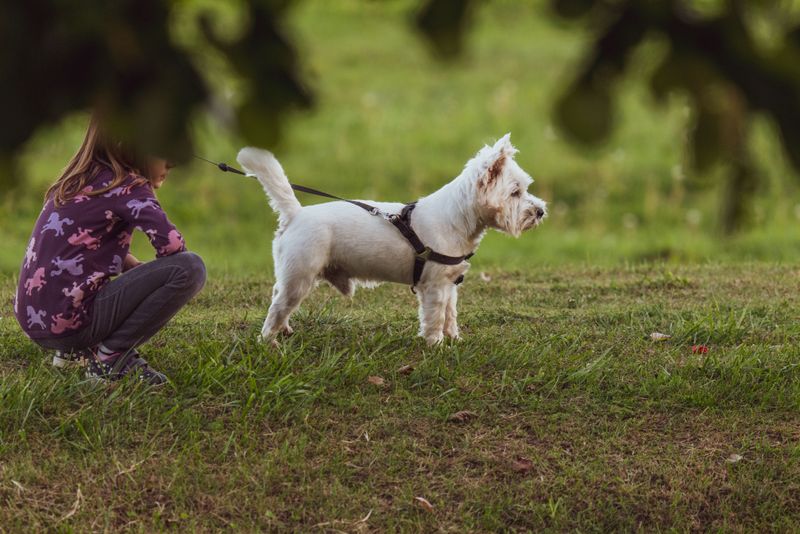
Even reliable dogs can hesitate when their bathroom spot suddenly changes. New smells, unfamiliar ground, and travel stress may interrupt their usual signals.
Offer extra chances after arrival, waking, eating, and play.
Choose one quiet location and reward successful trips right away. Avoid scolding accidents, which can add worry without teaching the new routine.
If straining, frequent attempts, or unusual accidents continue, ask your veterinarian whether a health concern needs attention rather than assuming stress.
6. Watch For Different Fleas, Ticks, And Mosquitoes
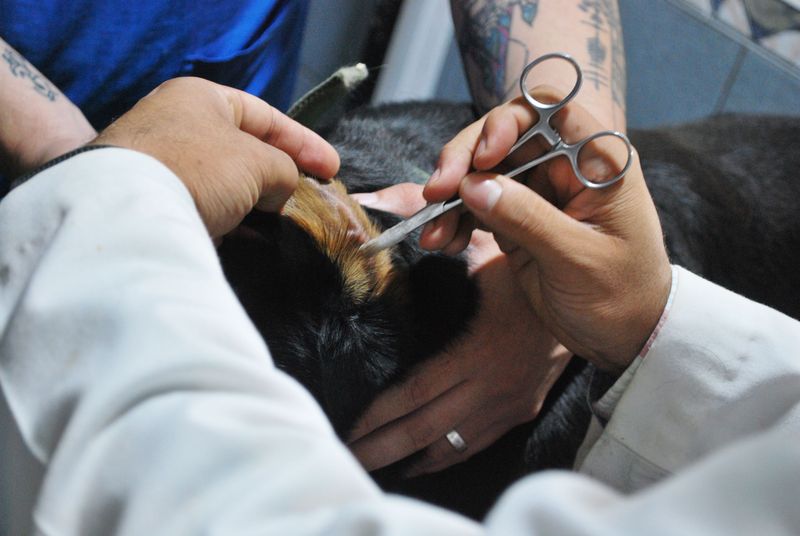
A change in scenery also changes your dog’s exposure to biting pests. Ticks occur in mountain and coastal areas, while local conditions affect flea and mosquito activity.
Cold weather does not guarantee a break.
Keep veterinarian recommended parasite prevention consistent, including heartworm protection. Ask whether your travel pattern changes any testing or product needs.
Check your dog’s coat after outings, especially around ears, toes, and collar lines. Never combine treatments without professional advice about safety.
7. Reintroduce Leash Rules In Unfamiliar Places
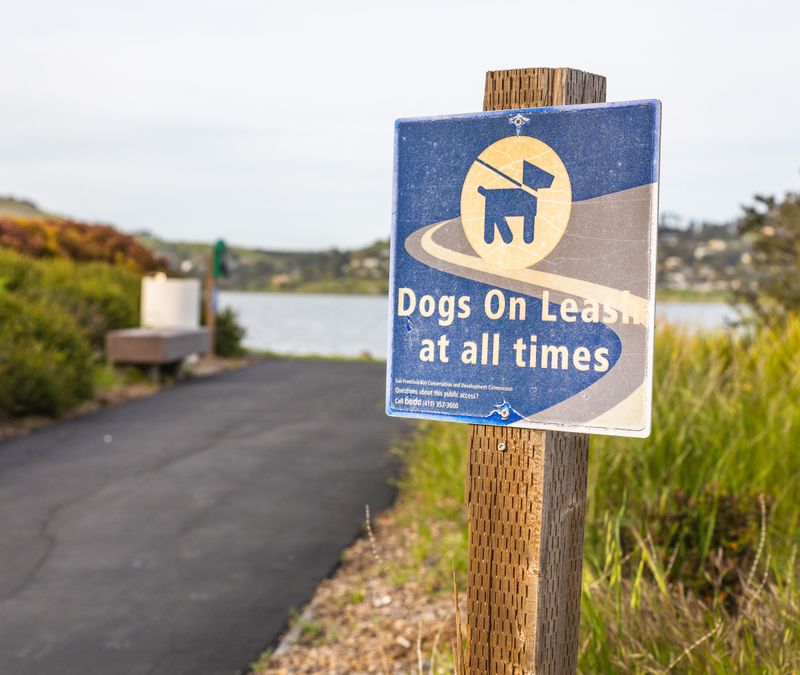
That inviting stretch of open space may have rules you have not encountered before. Beach access, leash requirements, and seasonal dog restrictions vary among towns, parks, and managed areas.
Read current signs and confirm details with the responsible agency before visiting. Use a standard leash while your dog learns the surroundings, even where more freedom is allowed.
Practice checking in and passing people calmly. Familiar cues help prevent excitement from turning a simple outing into confusion.
8. Adjust Exercise For Sand And Steep Trails
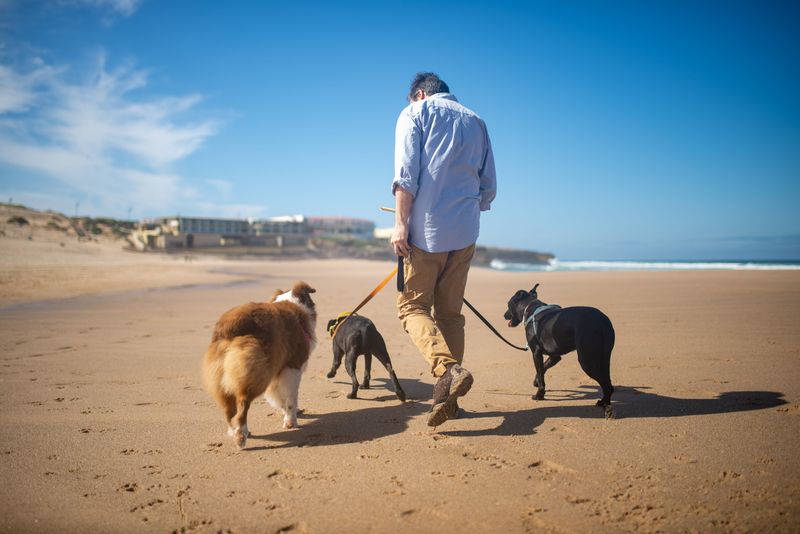
A mile is not the same workout on every surface. Loose sand demands extra effort, while steep trails challenge balance and muscles.
Start below your dog’s usual distance when switching between regions.
Choose flatter routes or firmer permitted beach areas at first. Include pauses, and watch for stiffness later that day or the next morning.
Puppies, older dogs, and dogs with joint conditions need individual limits. Ask your veterinarian what fits your companion’s current abilities.
9. Make Room For Different Wildlife Encounters
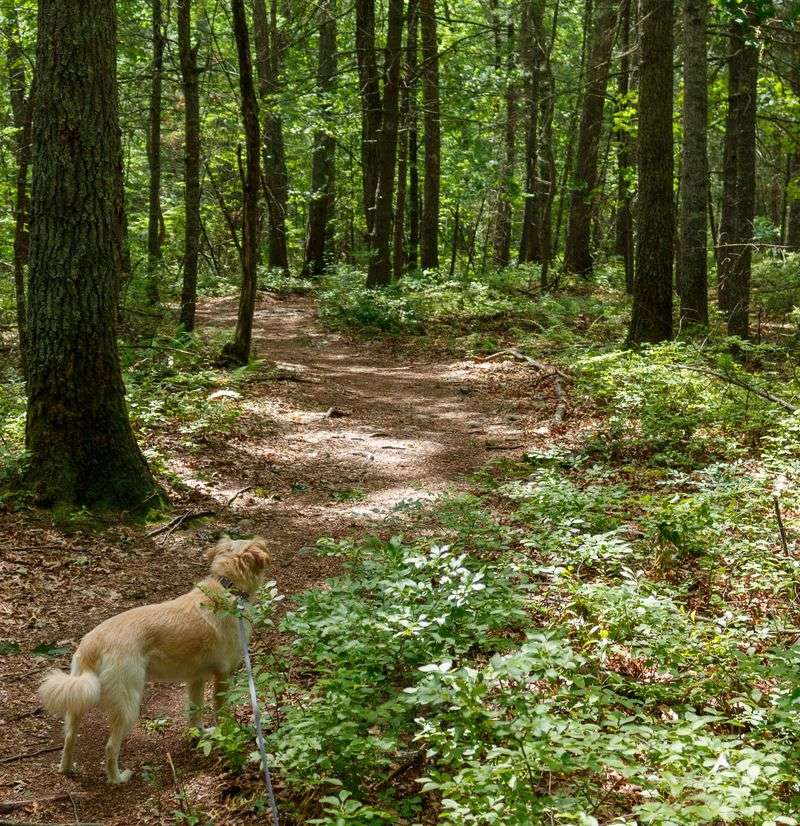
The rustle beside a mountain path may mean something different near a coastal pond. Both regions support wildlife that deserves distance.
Keep dogs away from snakes, nesting birds, and unfamiliar animals.
In coastal alligator habitat, avoid water edges and follow posted warnings. In bear country, secure food and give bears space.
Never allow chasing or sniffing wildlife. A practiced turn around cue helps you leave calmly when an animal appears along your planned walking route.
10. Rebuild Resting Habits In Each Home

A familiar bed can make a strange room feel less puzzling. Set up your dog’s resting place before unpacking everything else.
Bring bedding that smells familiar and choose a quiet corner.
Keep bedtime close to the usual hour in both homes. Give your dog permission to rest instead of greeting every visitor.
If outside activity interrupts sleep, close curtains or move the bed. Predictable downtime supports better behavior and makes busy travel periods easier overall.
11. Pay Attention To Drinking Water And Hydration
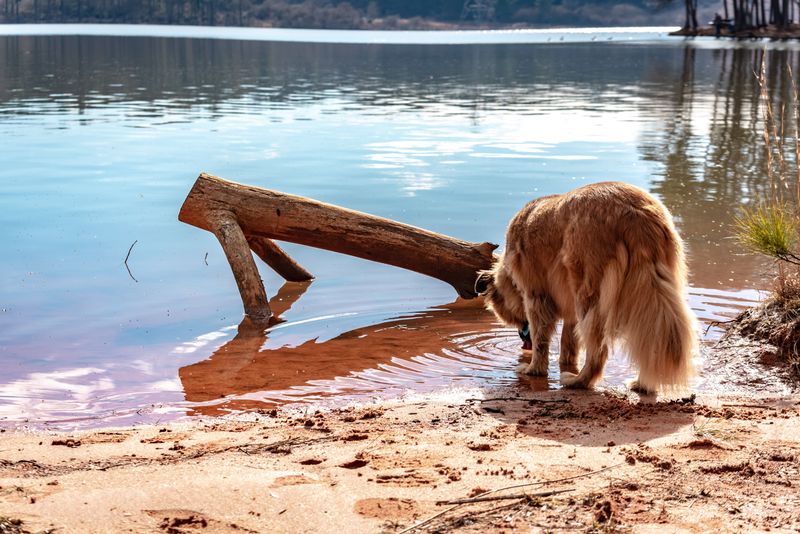
Ocean water is not a refreshing substitute for a drinking bowl. Bring fresh water on outings and offer it regularly.
Discourage drinking from the ocean, puddles, ponds, or streams.
Natural water can contain germs or other hazards, even when it looks clear. Keep bowls easy to find indoors at both homes.
Notice changes in drinking, especially alongside unusual urination or tiredness. Ask your veterinarian about persistent changes rather than simply blaming warmer weather or travel.
12. Change Paw-Care Habits Between Regions
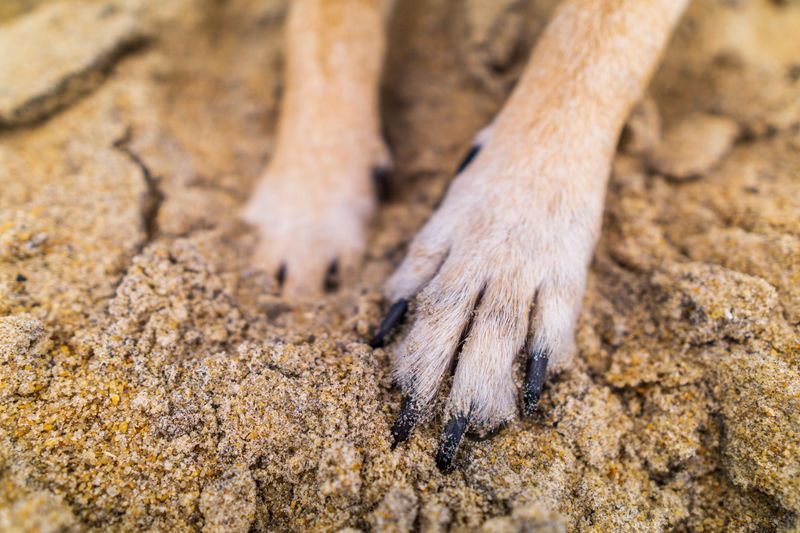
Paws bring home evidence of every adventure. Mountain routes may leave grit or small debris, while beaches add sand and salt.
Check pads and between toes after each outing.
Rinse away residue with fresh water and dry carefully. Avoid hot pavement and sand, and choose another route when surfaces feel uncomfortable.
During mountain freezes, watch for ice and irritating deicers. Limping, repeated licking, or a visible injury deserves a closer look and veterinary advice promptly.
13. Keep Feeding Times Consistent During Travel

Dinner is one routine you can pack without much effort. Bring enough familiar food for the trip, plus extra for delays.
Sudden diet changes can upset digestion during an already unusual week.
Keep portions and meal times close to normal whenever practical. Store food securely away from wildlife and curious pets.
Avoid adding treats to coax every hesitant meal. Contact your veterinarian if appetite changes persist or appear with vomiting, diarrhea, or other unusual signs.
14. Prepare For Different Outdoor Noise Levels
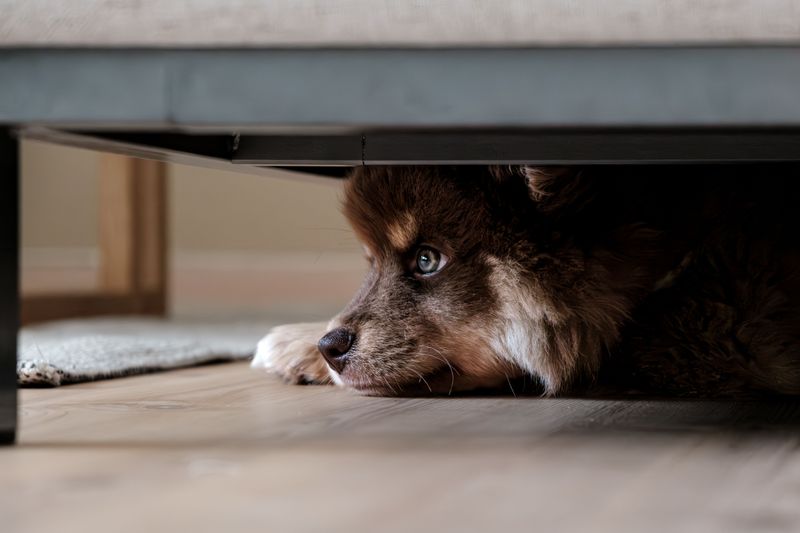
A quiet cabin and a busy beach rental have very different soundtracks. Surf, boats, unfamiliar traffic, or mountain maintenance equipment may catch your dog off guard.
Notice which sounds interrupt rest or cause pacing.
Create distance from the noise and offer a quiet indoor retreat. Pair manageable sounds with treats without forcing exposure.
Soft background sound may help mask activity outside. For ongoing noise fears, discuss a behavior plan with your veterinarian before returning again.
15. Update Your Dog’s Indoor Cooling And Heating Routine
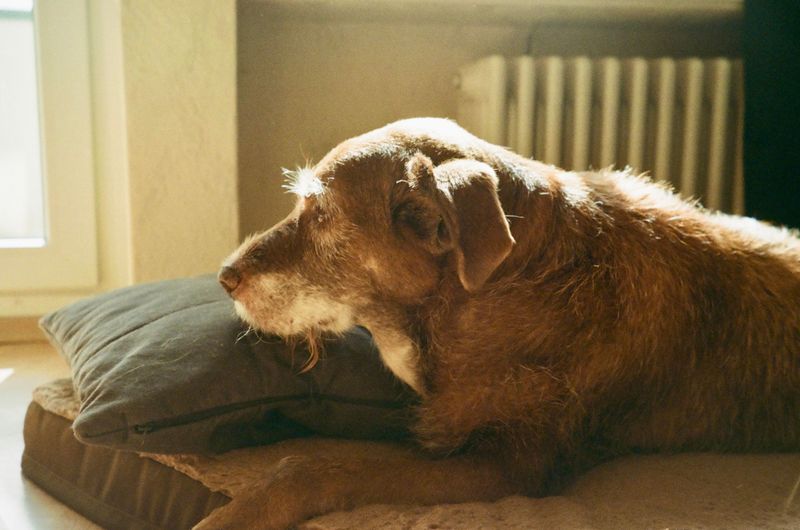
Indoor comfort deserves a fresh check whenever you switch homes. A sunny coastal room can warm quickly, while mountain floors may feel chilly.
Place beds away from strong drafts and direct heat sources.
Use reliable heating or cooling to maintain comfortable conditions. A fan alone may not keep a dog cool in heat.
Never leave your dog in a parked vehicle. Before leaving either home, confirm water access, safe room temperature, and a backup caregiver.
16. Plan Bathroom Breaks Around Coastal Sand And Public Spaces
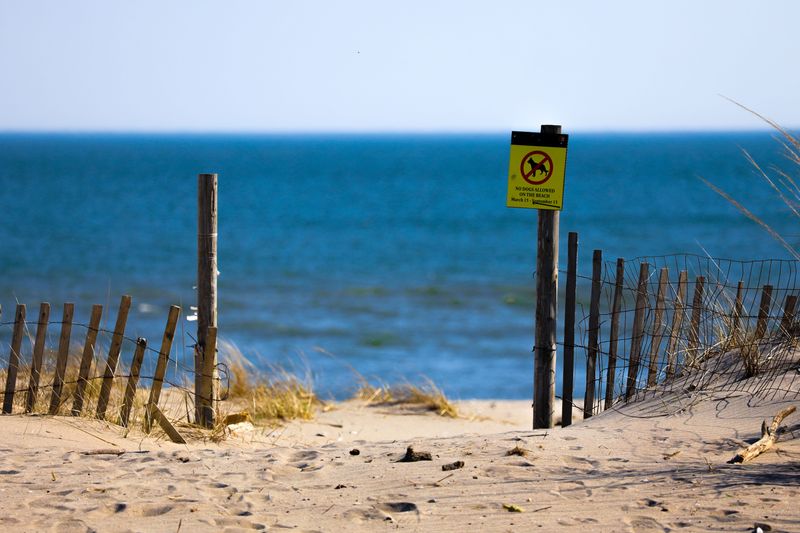
Beach access does not always include an easy bathroom stop. Boardwalks, protected dunes, crowded sidewalks, and seasonal restrictions can limit your options.
Find a permitted spot before heading toward the shore.
Carry waste bags and remove waste promptly, including from sand. Keep dogs out of dunes and planted areas where access is restricted.
Offer a bathroom break before long walks through busy spaces. Check municipal guidance because beach rules and disposal options differ along the coast.
17. Keep Travel Days Predictable And Comfortable
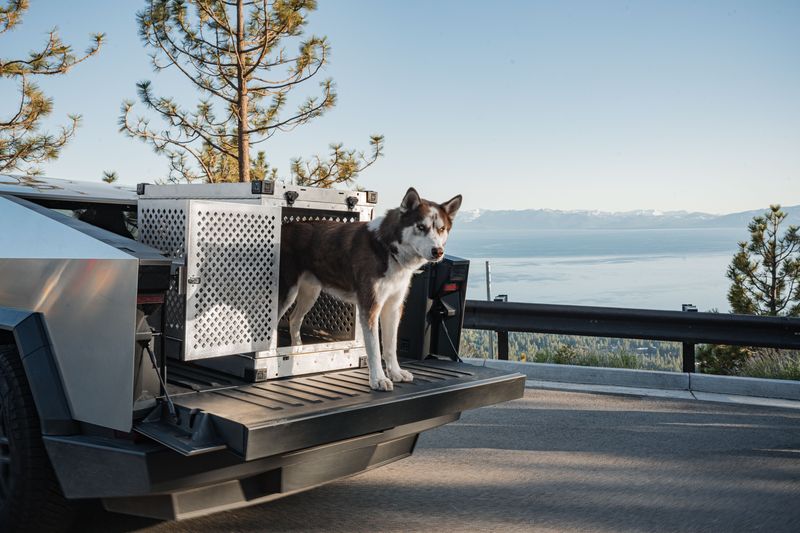
The drive itself becomes part of your dog’s routine when you move between regions. Use a secured crate or suitable vehicle restraint.
Plan stops based on your dog’s age, health, and bathroom needs.
Pack water, medication, cleanup supplies, and veterinary contact details within reach. Keep identification and microchip information current.
If winding roads cause nausea or anxiety, ask your veterinarian for guidance before departure. Calm loading, familiar bedding, and unhurried breaks make travel more manageable.
18. Maintain Familiar Training Rules In Both Homes
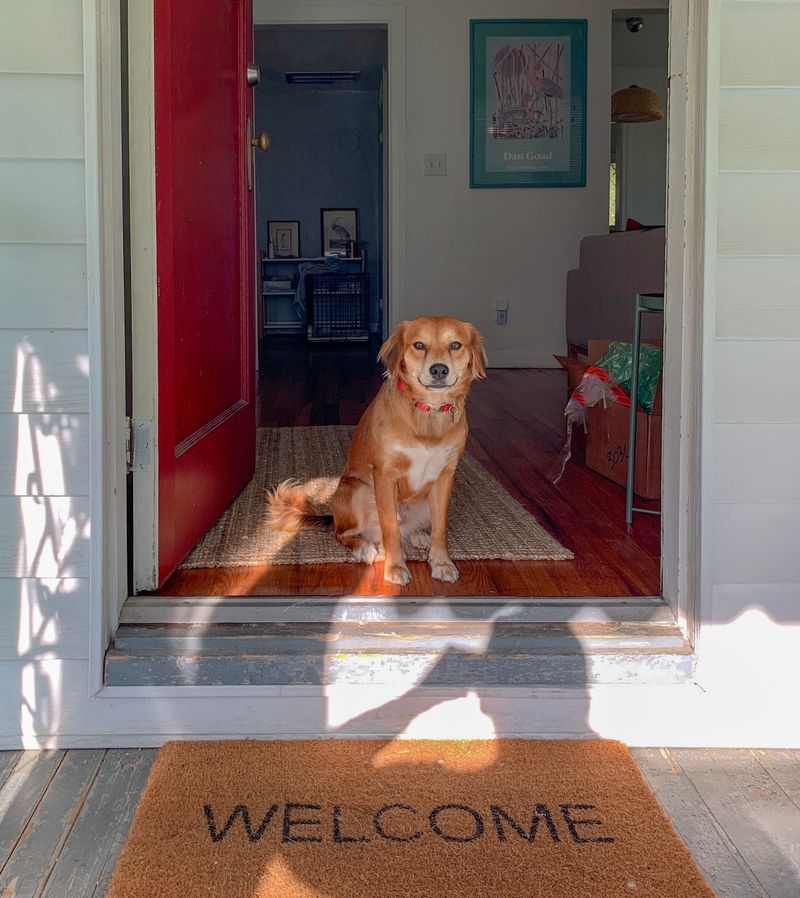
Same dog, different address, familiar expectations. Use the same words for waiting, coming back, settling, and walking politely at both homes.
Ask everyone sharing the space to follow those rules.
Practice briefly in quiet rooms before adding outdoor distractions. Reward small successes, especially during the first days after arrival.
Your dog does not need a perfect schedule everywhere. Keep the basics steady, adjust for local conditions, and let comfort guide the pace of each transition.