12 Vet-Record Details California Owners Should Keep Ready During Fire Season
When California fire season changes your plans, having your dog’s records ready can make the next step easier. A small, organized folder helps another veterinarian understand your dog’s needs, even when your regular clinic is unavailable.
You don’t need a perfect filing system, just clear information you can reach quickly. Start with these essentials, then check your folder whenever prescriptions, vaccines, or care instructions change.
1. Keep Your Dog’s Current Medical Summary Accessible
A single page can save plenty of explaining when a new veterinarian meets your dog. Ask your clinic for a current medical summary.
Include diagnoses, recent treatments, ongoing concerns, and your dog’s usual behavior. Add the date so another clinic knows how current it is.
Keep it at the front of your evacuation folder, beside identification details. A downloaded phone copy helps when internet access is unreliable or your regular clinic cannot answer calls right away.
2. Make a List of Current Medications

Prescription bottles help, but a clear medication list fills the gaps. Write each medicine’s name, strength, dose, schedule, and reason for use.
Add supplements, refill information, and any storage instructions from the label. Record the last dose during evacuation to help prevent accidental repeat dosing.
Ask your veterinarian about a practical reserve before fire season begins. Never change doses or substitute human medicines without veterinary guidance, even when reaching your usual pharmacy becomes difficult during evacuation travel.
3. Record Vaccination Dates and Expiration Details
Boarding plans can move faster when vaccine records are easy to show. Save certificates listing vaccine names, administration dates, and next due dates.
California generally requires rabies vaccination for dogs four months of age or older, with limited exemptions. Ask local animal control about applicable requirements.
Keep the actual rabies certificate, not just a photo of the tag. Boarding facilities and evacuation shelters may have different documentation rules, so check available options before your family needs temporary housing elsewhere.
4. Keep Microchip Information and Registration Details Updated
A microchip number is only part of the reunion plan. Your registry account also needs working phone numbers and current contact details.
Save the chip number, registry name, website, and telephone number with veterinary records. Ask your clinic to scan the chip during routine visits.
Microchips do not provide live location tracking. Add an alternate contact outside your immediate area, and confirm that person agrees to help if evacuation interrupts your phone service or changes your location.
5. Save Your Veterinarian’s Contact Information
Phone batteries fade, and saved bookmarks may need internet access. Write your regular clinic’s name, phone number, address, and usual business hours.
Include an emergency hospital and another clinic outside your neighborhood. Verify their current services rather than assuming every hospital accepts walk-ins.
Ask how your veterinarian handles record requests during closures. Save these contacts offline and on paper, then call ahead when possible because wildfire conditions can affect staffing, travel routes, and clinic availability without warning.
6. Document Allergies and Medication Reactions
That old reaction deserves a clear note, even if your dog recovered quickly. List the medicine, vaccine, food, or material involved.
Describe what happened, when it occurred, and any treatment given. Separate confirmed allergies from suspected reactions, using your veterinarian’s wording whenever possible.
Place this information near the medical summary where another clinic can spot it. Avoid vague labels like sensitive stomach when specific symptoms would give a veterinarian better guidance about safe care during an evacuation.
7. Keep Recent Bloodwork and Diagnostic Results
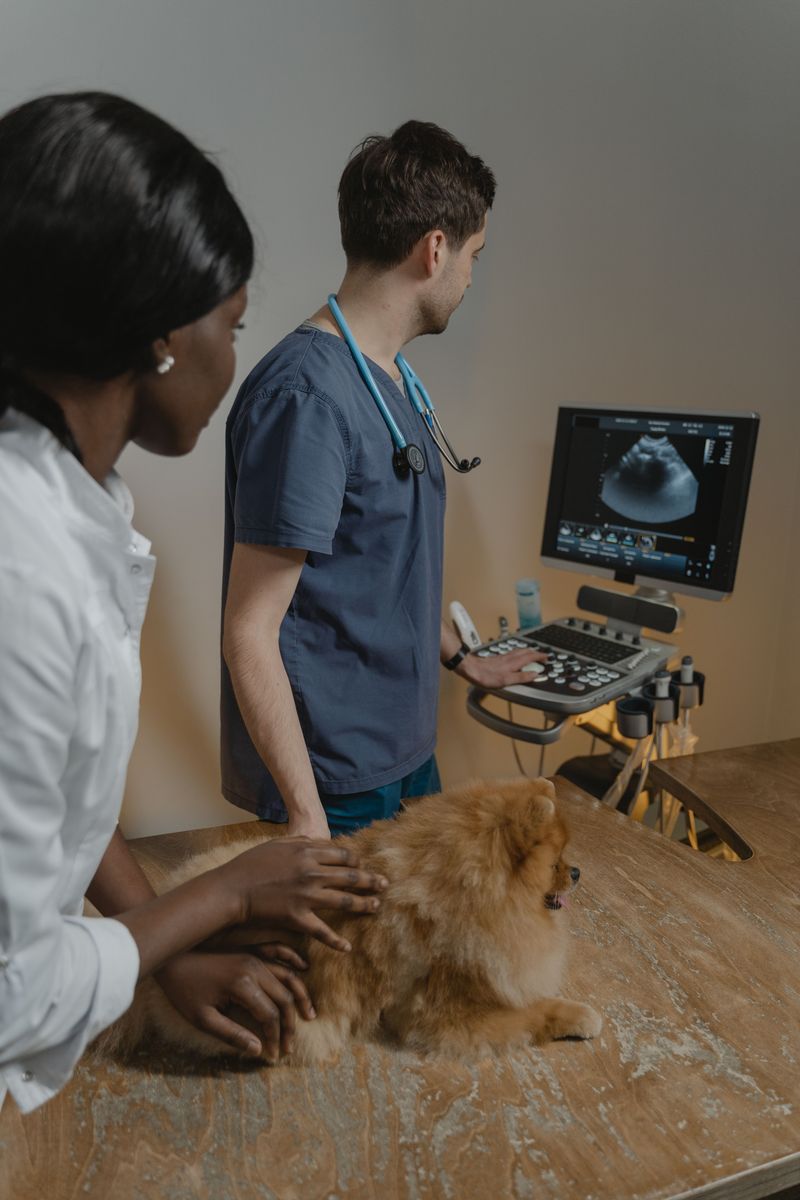
Recent test results give a new clinic a useful starting point. Save bloodwork, urine tests, imaging reports, and other results your veterinarian recommends.
Keep test dates and laboratory reference ranges attached. Numbers without their original context may be harder for another veterinarian to interpret.
Ask whether actual imaging files should accompany written reports. Previous results can help guide decisions, but an emergency veterinarian may still recommend repeat testing based on your dog’s condition at the new visit.
8. Include Your Dog’s Weight and Body Condition
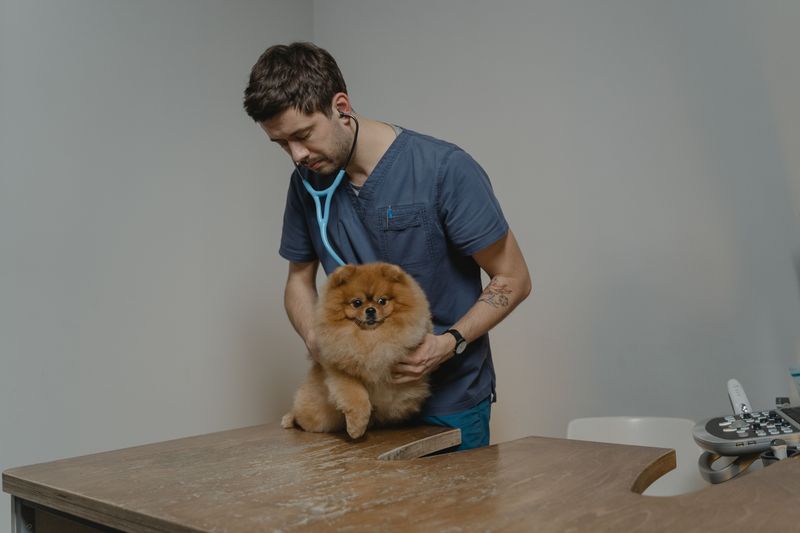
An accurate weight is more useful than a hopeful guess. Record your dog’s latest measured weight, its date, and the units used.
Add the body condition score if your veterinarian has provided one. Mention recent weight changes, appetite changes, or a prescribed feeding plan.
Medication decisions often depend on current weight, so another clinic may weigh your dog again. Keep meal amounts nearby too, helping temporary caregivers follow familiar routines without guessing about portions during an evacuation.
9. Note Chronic Conditions and Special Care Needs
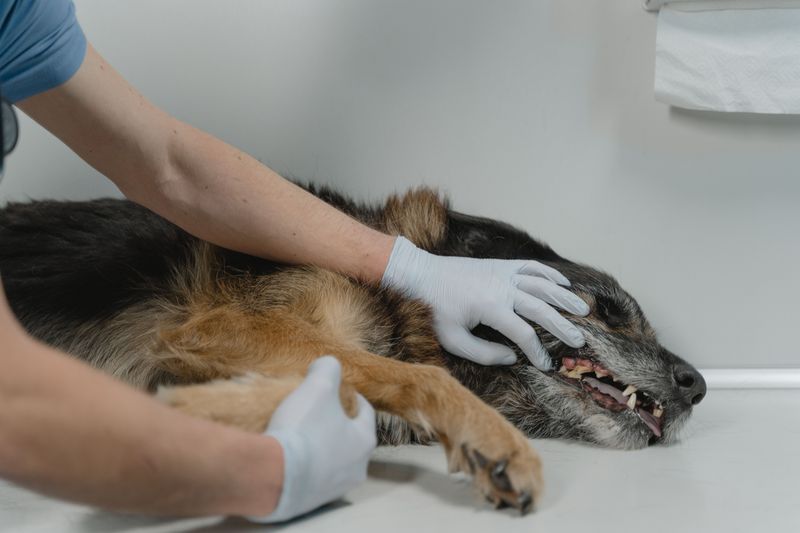
Familiar routines matter when your dog has an ongoing health condition. Describe daily care for diabetes, seizures, heart disease, or mobility problems.
Include feeding times, activity limits, bathroom support, and signs requiring veterinary advice. Attach written action plans supplied by your veterinarian for specific problems.
Explain what is normal for your dog, including usual energy and movement. Temporary caregivers need practical instructions, not just diagnosis names, especially when a different setting makes everyday care feel less familiar.
10. Prepare Records for Oxygen or Respiratory Concerns
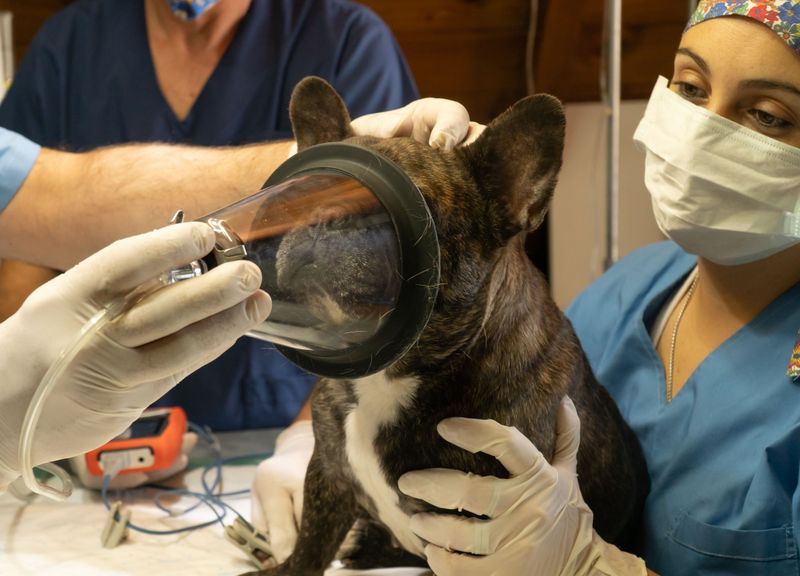
Smoke can irritate airways, especially in dogs with existing breathing problems. Keep respiratory diagnoses, previous oxygen treatment notes, and relevant imaging reports together.
Ask your veterinarian for written guidance about symptoms and where to seek care. Labored breathing or collapse needs immediate veterinary attention.
Record any prescribed inhalers and instructions for their use. Oxygen requires veterinary direction and appropriate equipment, so arrange care options early rather than assuming an evacuation shelter can provide respiratory treatment on site.
11. Keep Spay or Neuter and Surgical Records
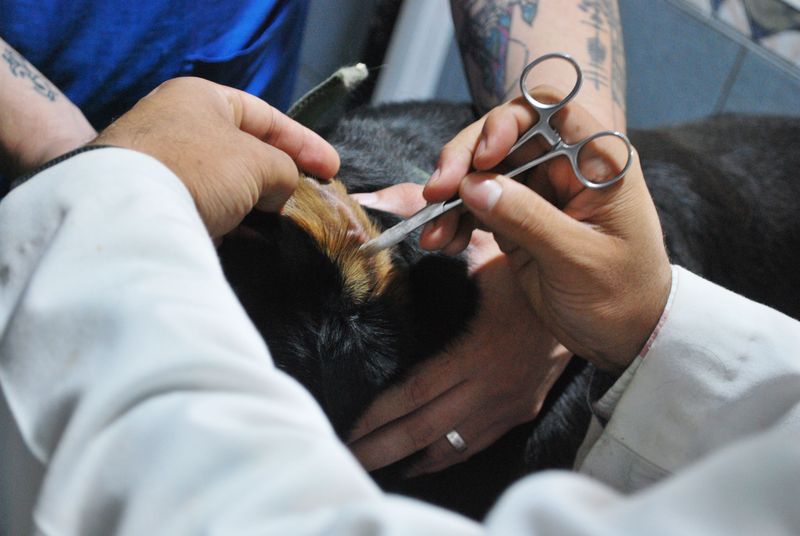
Past procedures can explain more than a scar ever could. Save spay or neuter certificates alongside records of other operations and anesthesia.
Include procedure dates, complications, implanted devices, and any known anesthesia reactions. For recent surgery, keep discharge instructions and follow-up appointments easy to find.
Ask the clinic which activity limits still apply during travel. Some boarding providers request sterilization information, but policies vary, so confirm requirements directly rather than treating one facility’s rules as statewide law.
12. Store a Backup Copy of All Veterinary Records

Preparation works best when one missing device cannot undo it. Keep paper copies in a waterproof pouch beside your dog’s evacuation supplies.
Download digital copies for offline access and maintain a secure backup elsewhere. Share access with a trusted caregiver while protecting private account information.
Check files before fire season and after major medical changes. Make sure pages are readable and downloads open.
A ready folder means less searching and more attention for your dog’s next step.