17 Michigan Garage And Boat-Shed Storage Habits Dog Owners Should Fix Before Cottage Season
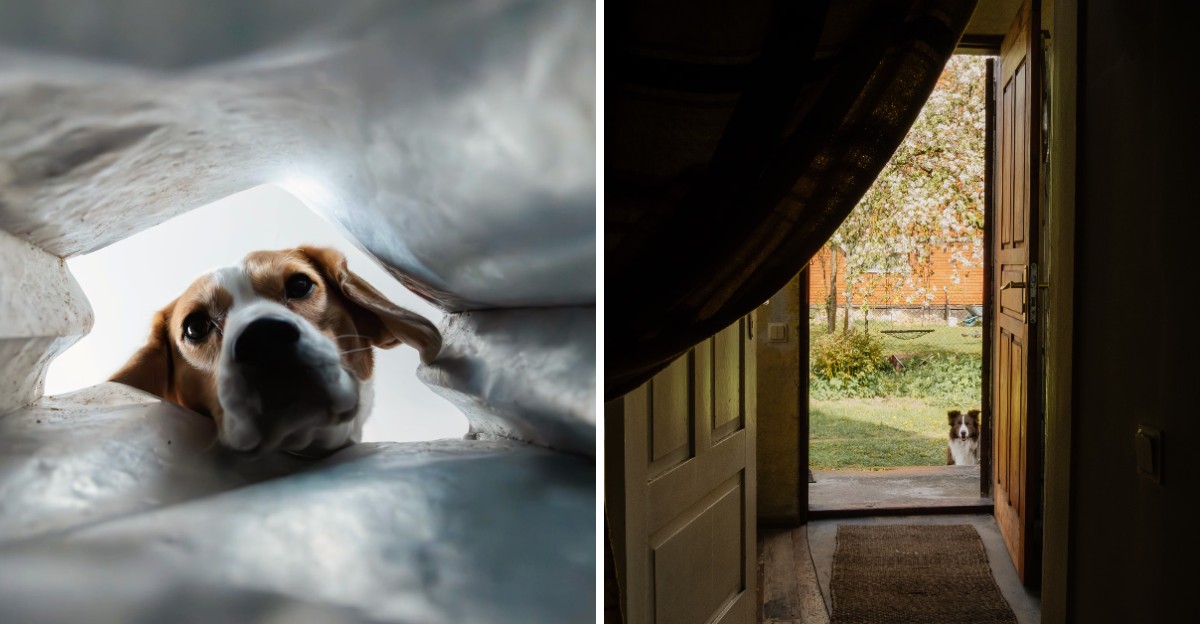
Opening up the cottage in spring is one of Michigan’s best rituals, and dogs love it even more than we do. The trouble is that garages and boat sheds sit untouched all winter, and they quietly collect things a curious nose should never find.
A single afternoon of sorting shelves can prevent an emergency vet drive down a two-lane road. Here are the storage habits worth fixing before your dog explores the property again.
1. Antifreeze and Washer Fluid Left at Paw Level
Sweet-tasting ethylene glycol is the single biggest garage hazard for dogs. Even a small amount can seriously harm the kidneys, and signs may show within hours.
Washer fluid usually contains methanol, which affects coordination and the stomach. Both belong on a high shelf or in a latched cabinet, capped tightly.
Wipe up drips right away. Products based on propylene glycol are a safer swap.
If exposure happens, call your veterinarian immediately.
2. Fuel, Oil, and Solvents Parked on the Bottom Shelf

Bottom shelves are exactly nose height, which makes them the worst spot for petroleum products. Gasoline, kerosene, and solvents can irritate the mouth and stomach badly.
Vomiting after ingestion also risks liquid entering the lungs, so never induce it on your own.
Keep everything in original, labeled, tightly closed containers. Move them above shoulder height or behind a latch.
Never pour fuel into old drink jugs.
3. Loose Hooks and Lures Scattered Across the Boat Shed

Anglers know the drill: lures get tossed on a bench after a good evening on the water. Treble hooks catch paws, lips, and tongues with almost no effort.
Store tackle in latched boxes, then put those boxes inside a closed cabinet.
Sweep the floor with a magnet bar after rigging. Never pull an embedded hook yourself.
Cover the barb and head to the clinic.
4. Fertilizer and Weed Control Products Sitting in Torn Bags

Paper bags split over winter, and granules spill into corners where dogs sniff around. Fertilizer can upset the stomach, and some weed products cause drooling or wobbliness.
Pour leftovers into sealed plastic bins with clip lids, and tape the original label on top.
Follow the reentry time printed on any product you spray. Michigan lakefront lots also have local runoff rules, so check with your township.
5. Rakes and Shears Leaning Against the Wall

A wagging tail knocks over a leaning rake faster than you would believe. Tines, blades, and pruner points land right where a dog walks.
Wall hooks or a simple pegboard fix this in twenty minutes.
Hang sharp edges facing the wall and above waist height. Old rusty tools deserve retirement, since puncture wounds from rusted metal invite infection.
Tidy walls also make spring cleanup faster for you.
6. Tool Batteries and Charger Cords Dangling Within Chew Range

Lithium packs look like chew toys to a bored retriever. A punctured battery can leak and irritate the mouth, and charging cords carry shock risk.
Mount chargers on a wall shelf and coil cords with hook-and-loop straps.
Unplug everything when you leave for the day. Damaged batteries should go to a recycling drop-off, not the trash bin.
Many Michigan county facilities accept them free.
7. Paint and Wood Stain in Half-Closed Cans

Dock stain and deck sealer often get left with the lid tapped on loosely. Fumes build up in a closed shed, and paw prints spread wet product around.
Seal lids with a rubber mallet, then store cans upright in a bin.
Solvent-soaked rags need a metal container with a lid. Water-based finishes cut fume exposure.
Keep dogs out until treated wood dries fully.
8. Trash Bins That Any Nose Can Open
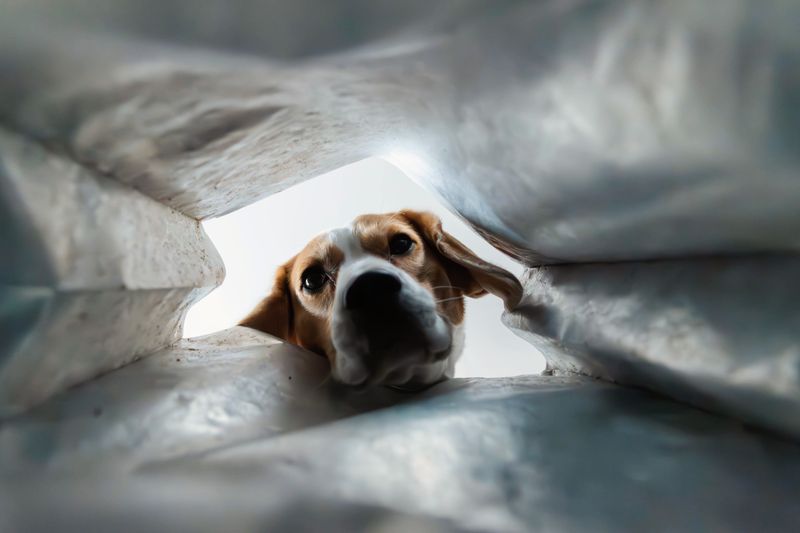
Garbage raiding causes more holiday weekend vet visits than most people expect. Cooked bones, corn cobs, and moldy leftovers all cause real trouble.
Choose a bin with a locking lid, or store it inside a cabinet.
Up north, an open bin also invites raccoons and the occasional bear. A secured container protects your dog and keeps overnight visitors away from the shed door.
9. Boat Chemicals Stacked Right on the Floor
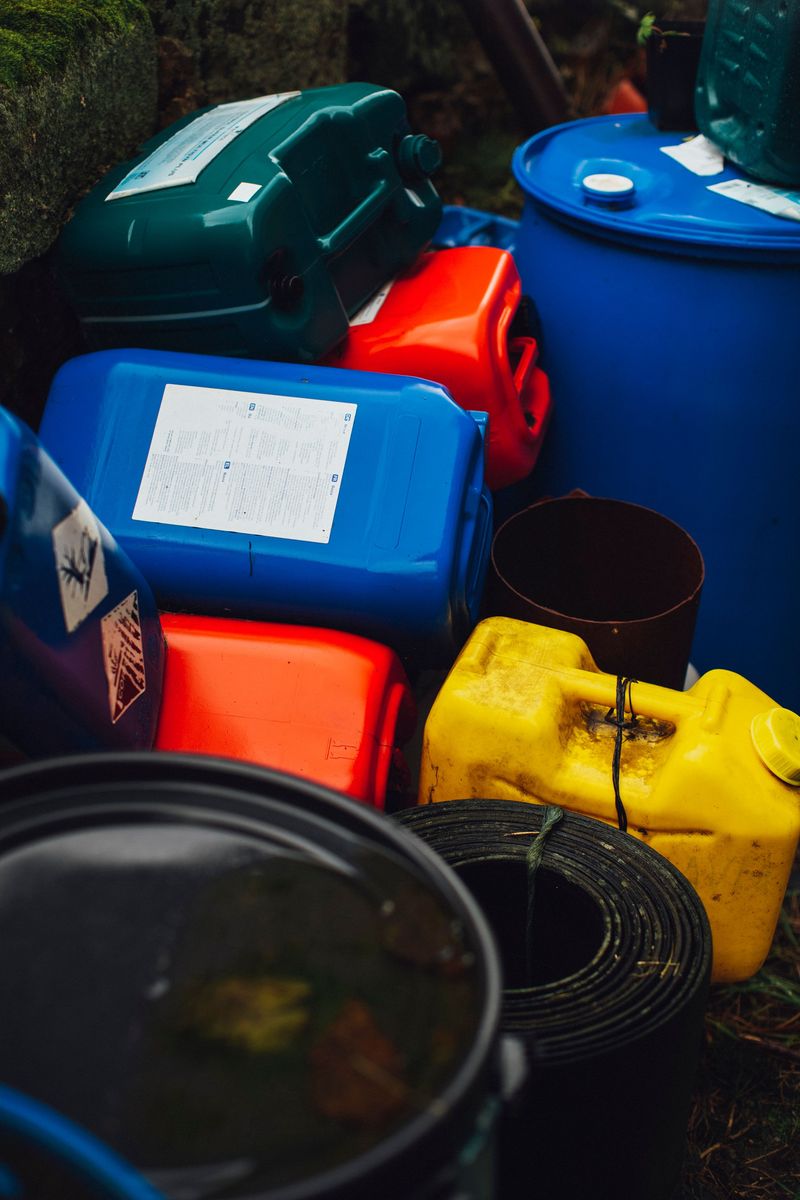
Hull cleaners, bilge soaps, and teak brighteners often ride out the winter in a floor pile beside the trailer. Many are acidic or caustic enough to burn skin.
Get them off the concrete and onto a shelf with a lip.
A plastic tote catches drips from cracked bottles. Rinse the shed floor before the dog explores.
Store marine antifreeze with the automotive products, sealed tight.
10. Tangled Rope, Line, and Cords in Reach

Stringy items are deceptively risky. Swallowed fishing line or rope fibers can bunch up in the intestines, and that becomes a surgical problem quickly.
Hang dock lines on large hooks and coil extension cords in a lidded tub.
Collect monofilament clippings in a capped jar, then drop them at a lakeside recycling tube. Many Michigan boat launches offer them for free.
11. Kibble Stored in the Original Paper Bag
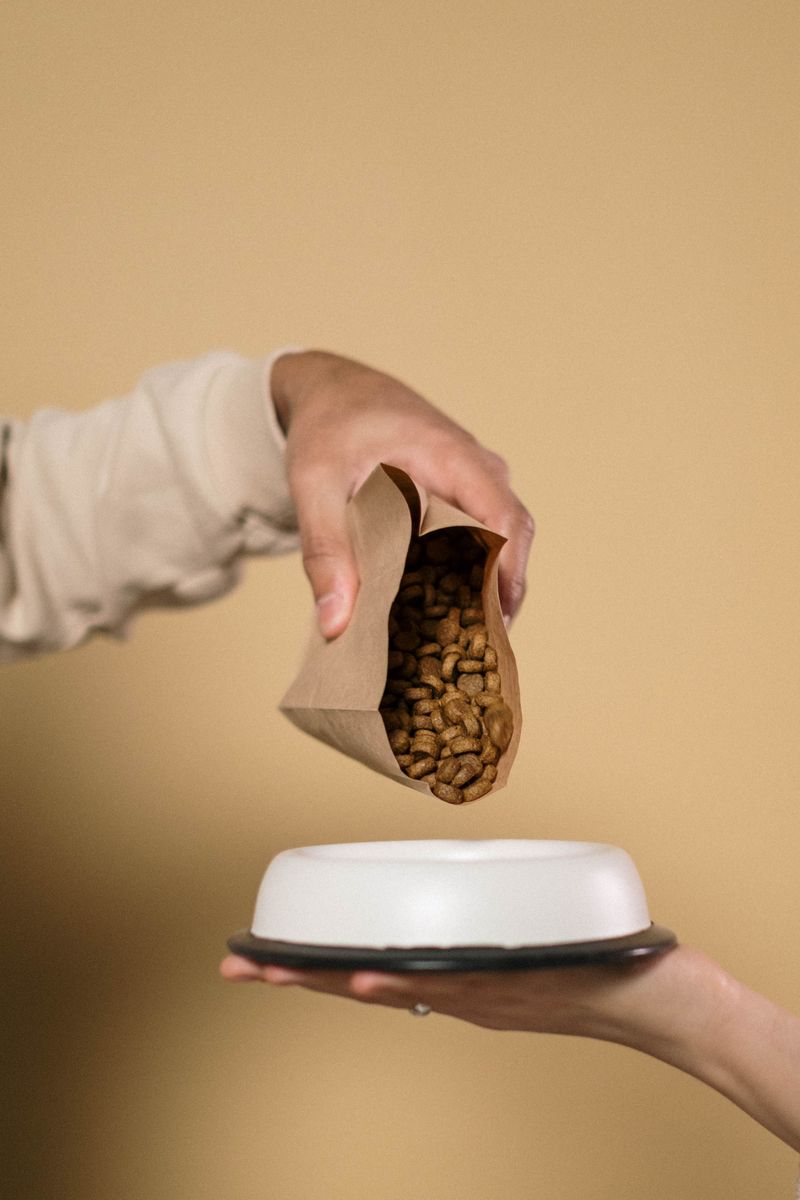
Mice chew through kibble bags in a single night, leaving droppings behind. Damp Michigan garages also let fat in the food turn rancid, which upsets stomachs.
Slide the entire bag into an airtight bin with a gasket lid.
Keeping the bag preserves the lot number and expiration date. Store bins off the concrete on a pallet or shelf, and wash them between refills.
12. Screws, Nails, and Washers Scattered Underfoot
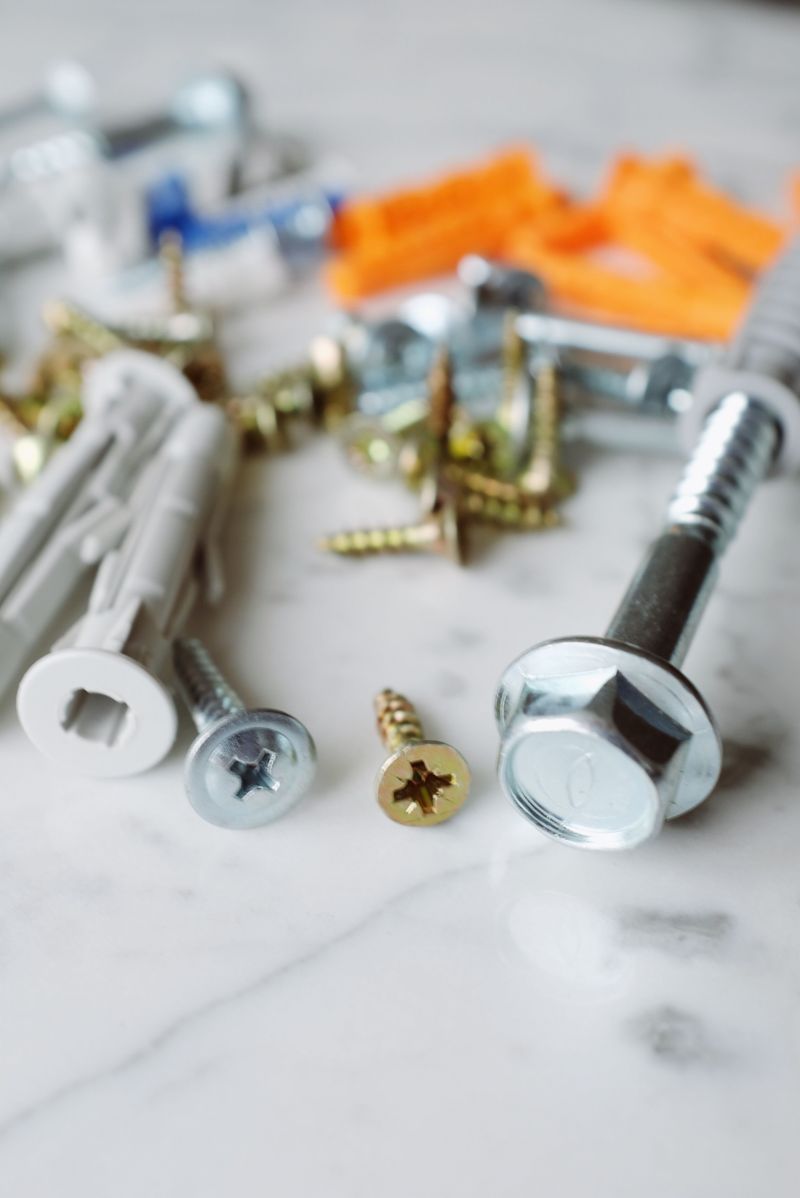
Small hardware disappears into floor cracks and reappears when a dog licks the concrete. Swallowed metal can scratch the digestive tract or lodge somewhere awkward.
Run a rolling magnetic sweeper across the floor after any project.
Sort leftovers into labeled jars or a divided organizer on the wall. Zinc-coated items deserve extra care, since zinc causes problems if it stays in the stomach.
13. Fuel Cans Beside the Dog’s Favorite Nap Spot

Shady garage corners make lovely nap spots, which is why dog beds end up next to the mower. Vapors from a vented can linger in still air, and older spouts leak.
Relocate fuel to a detached shed or a ventilated locker far from bedding.
Use approved sealed cans only. Fill them outdoors on the ground.
Store mixed two-stroke fuel the same careful way.
14. Boat Batteries With Bare Terminals
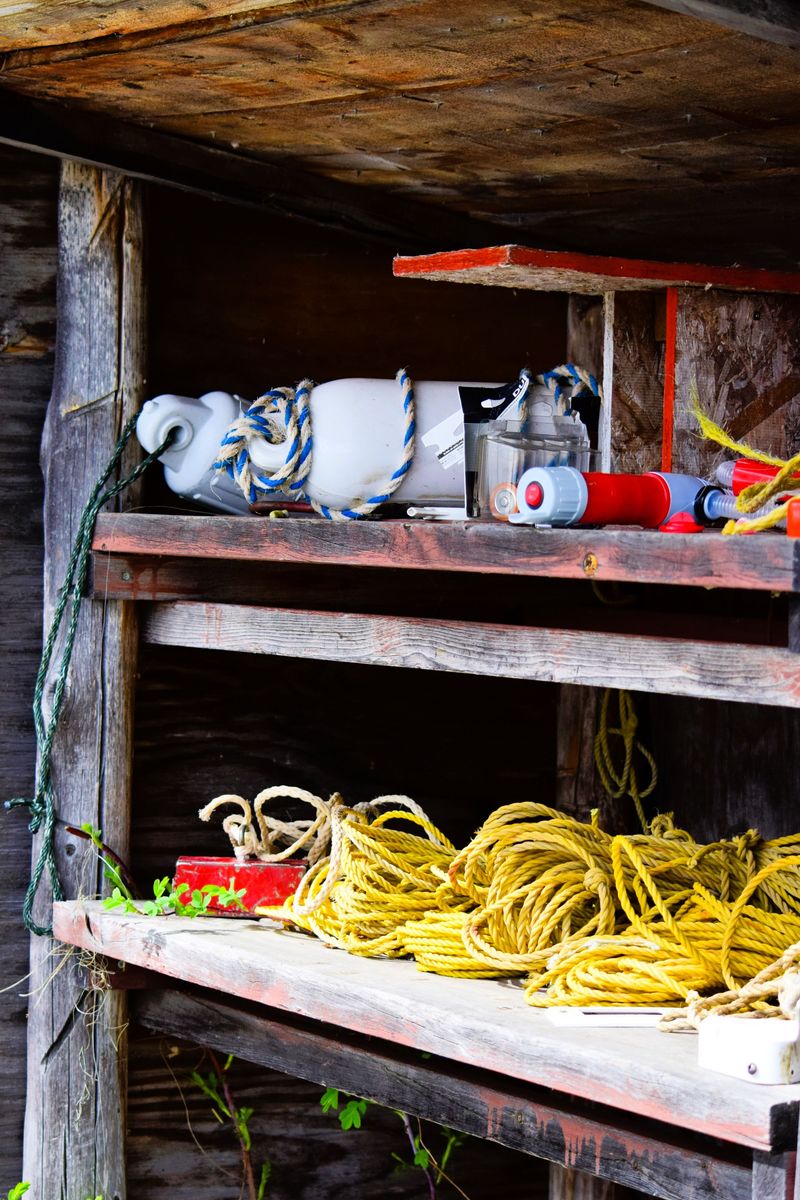
Deep-cycle batteries come out for winter and often sit uncovered on a bench or floor. Terminals can spark, and the acid inside irritates skin and mouths.
Cap the posts, set the battery in a marine battery box, and strap the lid shut.
Place the box on a shelf, never near the water bowl. Wipe white corrosion with baking soda solution, wearing gloves.
15. Moldy Birdseed and Forgotten Feed From Last Fall
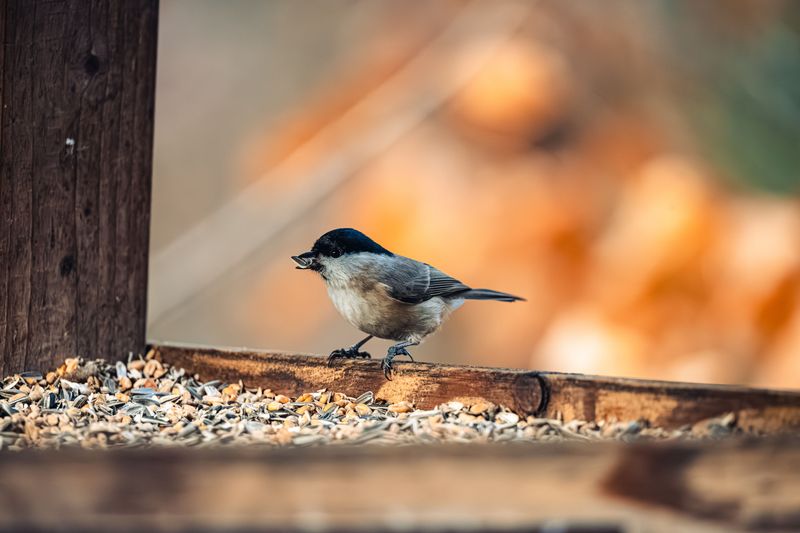
Leftover birdseed, corn, and cracked feed absorb moisture through a Michigan winter. Mold that grows on them can produce toxins that affect the nervous system, causing tremors.
Toss anything clumped, dusty, or musty smelling rather than gambling on it.
Store fresh seed in a metal can with a clamped lid. Sweep under the feeder station too, since fallen seed molds in the grass.
16. Gaps and Doors That Open Toward the Road or Water
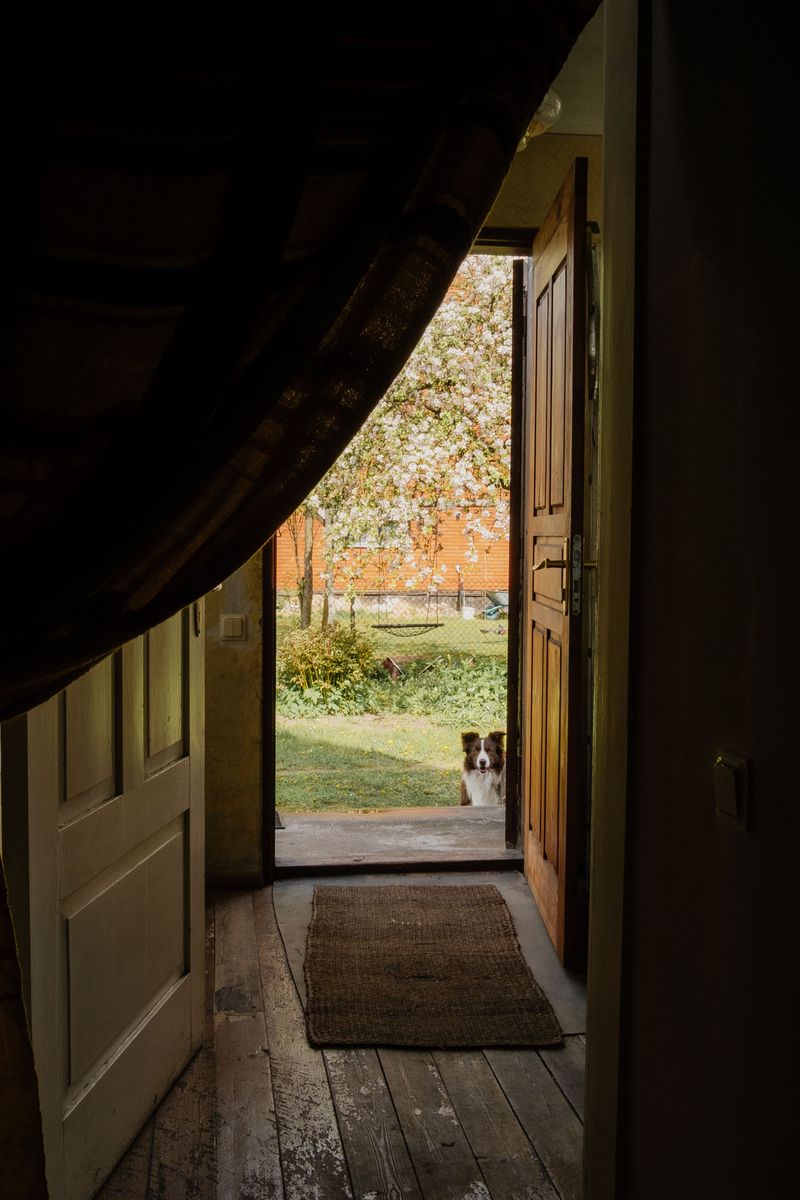
Sheds settle over winter, and siding gaps widen just enough for a determined dog. A gravel road or open shoreline sits on the other side.
Walk the perimeter and patch openings with hardware cloth or trim board.
Add a self-closing hinge on the side door. Michigan counties handle loose-dog rules differently, so confirm leash and at-large ordinances with your local animal control office.
17. Skipping the Walkthrough Before the Dog Arrives
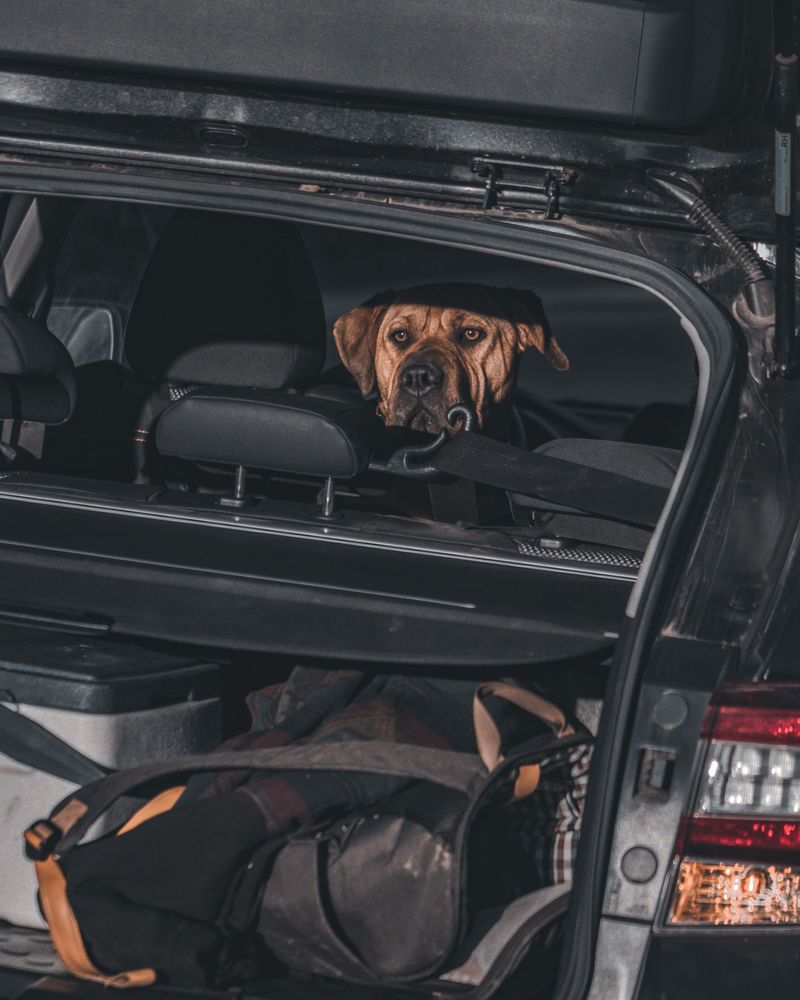
The best habit of all takes fifteen minutes. Grab a flashlight and check corners for nests, chewed containers, broken glass, and old bait.
Look under the workbench and behind the boat trailer, where debris collects.
Seal what leaks, sweep what is sharp, and note the nearest emergency clinic number. Then open the door and let your dog enjoy the season.
Calm preparation beats rushed reaction every time.