What Wyoming Dog Owners Should Know Around Livestock And Open Range
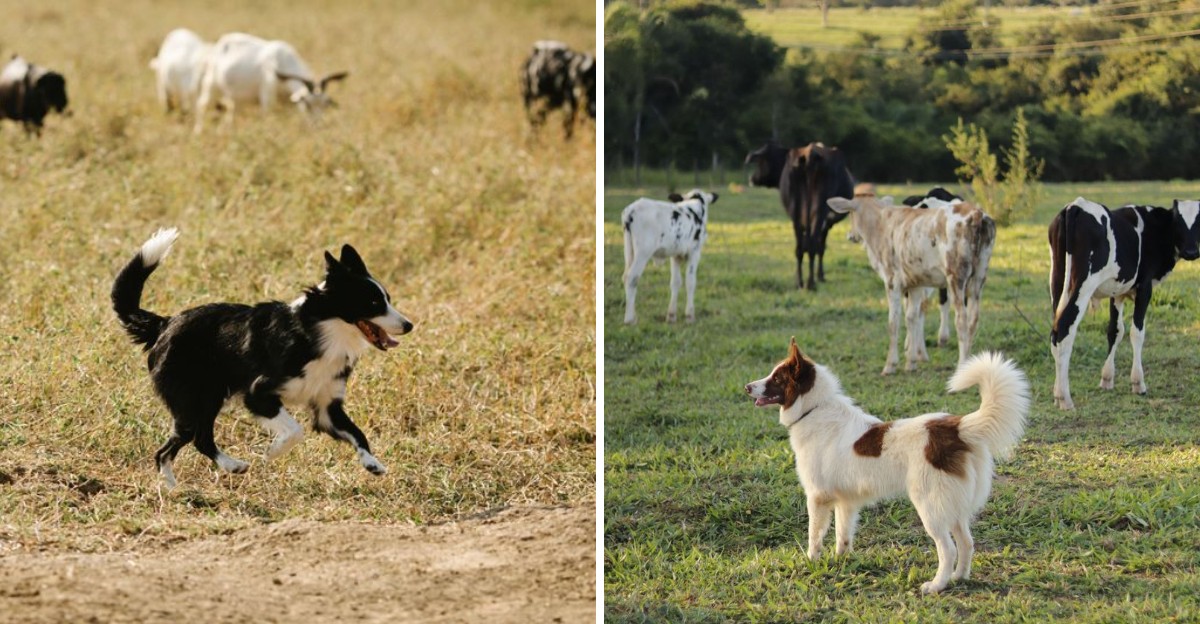
Wyoming gives dogs miles of sagebrush, two-track roads, and wide skies to enjoy. Much of that country is also working ranchland, where cattle, sheep, and horses graze freely.
Knowing how open range works, and what state law expects from dog owners, keeps your walks calm and your neighbors friendly. Consider this a friendly rundown from someone who has learned the local rules the practical way, so you can explore with confidence.
1. Fence-Out Country Is the Wyoming Default
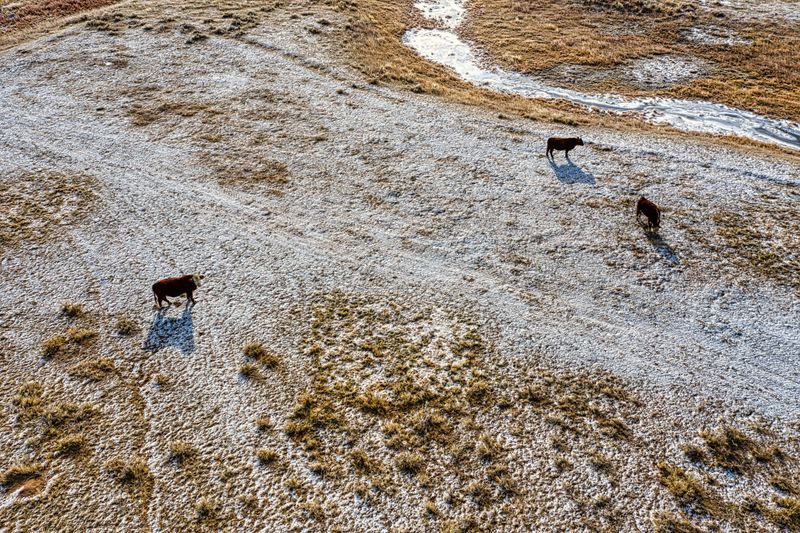
Most states expect ranchers to fence animals in. Wyoming flips that idea for cattle and domestic bison in many rural areas.
Under fence-out tradition, landowners build fences to keep grazing animals off their ground. When livestock lawfully at large wander onto unenclosed land, no trespass occurs.
For dog owners, the takeaway is simple. Cattle may appear almost anywhere outside town, so plan your walks expecting company on the landscape.
2. Sheep Follow a Different Standard
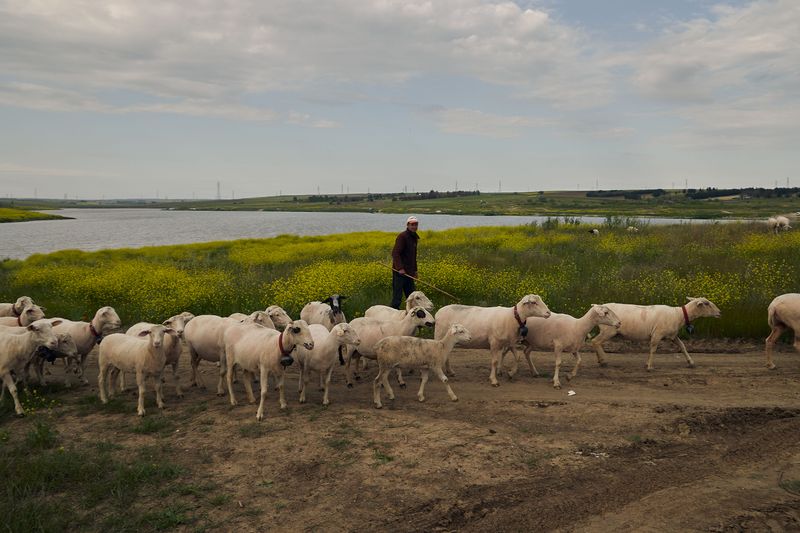
Here is a wrinkle many newcomers miss. While cattle fall under fence-out rules, sheep in Wyoming are generally treated as fence-in animals.
Bands of sheep are usually managed by a herder, often with guardian dogs and horses nearby. That means an encounter tends to involve people and working animals together.
Give sheep a wide berth, leash your dog early, and let the herder pass without interference.
3. Rules Shift From County to County
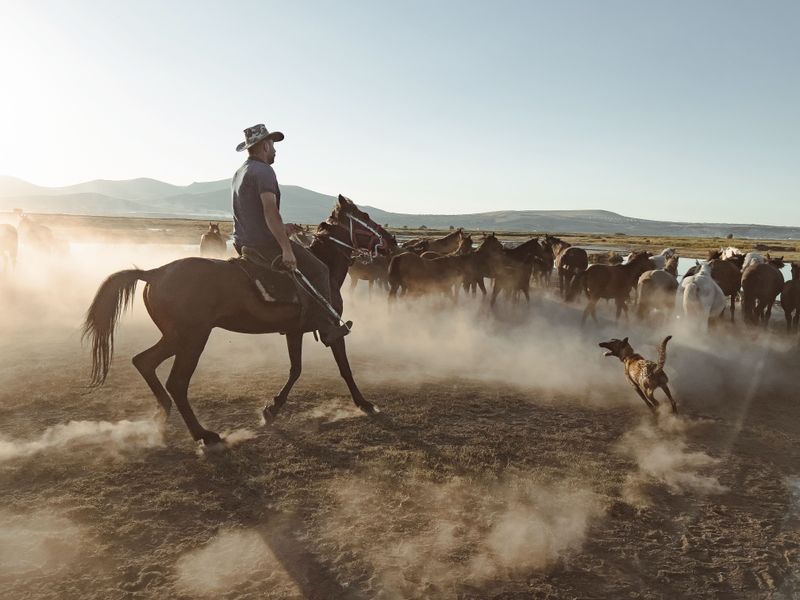
One valley may be open range while the next operates under closed-range rules. Wyoming’s herd district law lets specific areas petition for different arrangements.
County commissioners can also declare animals running at large in unincorporated areas a public nuisance, then regulate accordingly.
Because of that patchwork, always confirm the rules where you actually walk. A quick call to the county clerk or sheriff’s office clears things up fast.
4. Cattle on Unfenced Roads Are Legal
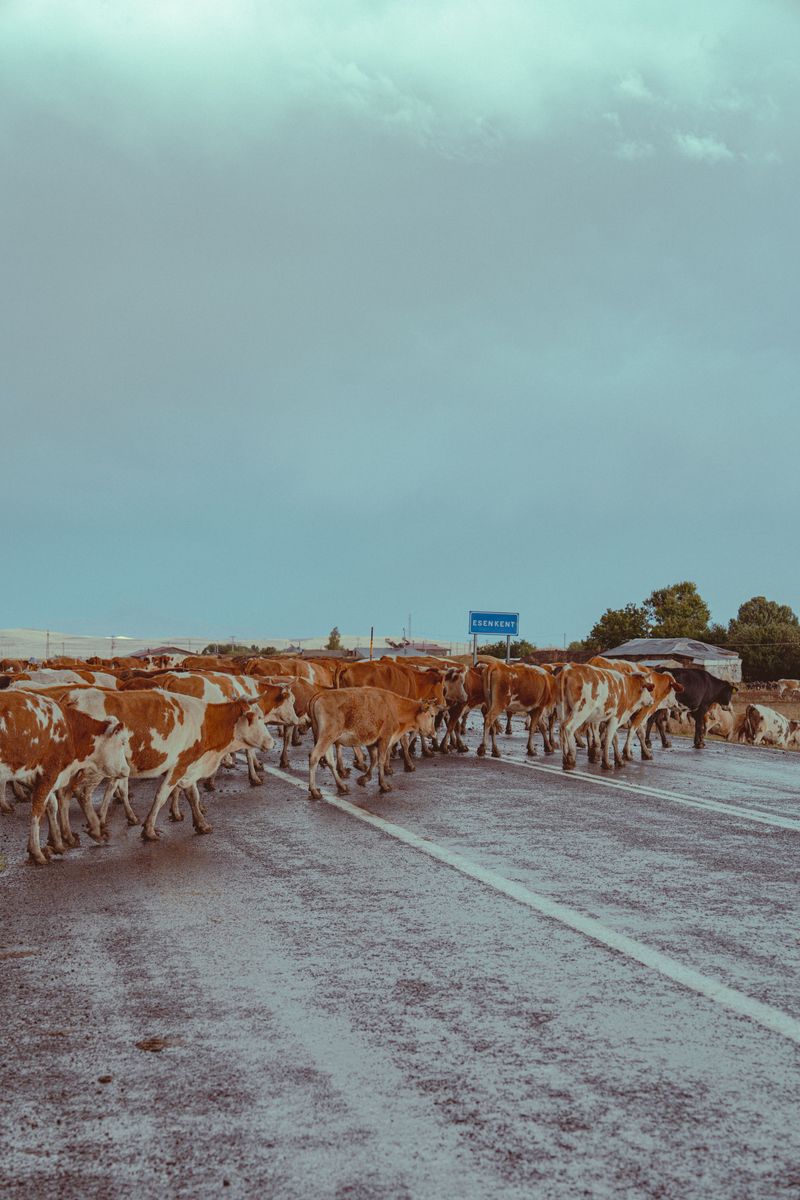
Rounding a bend and finding cows on the pavement surprises plenty of drivers. In posted open range, that is perfectly lawful.
State law addresses livestock running at large on fenced public highways, and range legally includes unfenced public roads outside private enclosures. Animals drifting toward accustomed ranges are treated differently too.
Slow down, keep windows up if your dog barks, and never let anyone out to shoo animals along.
5. Public Lands Double as Pastures
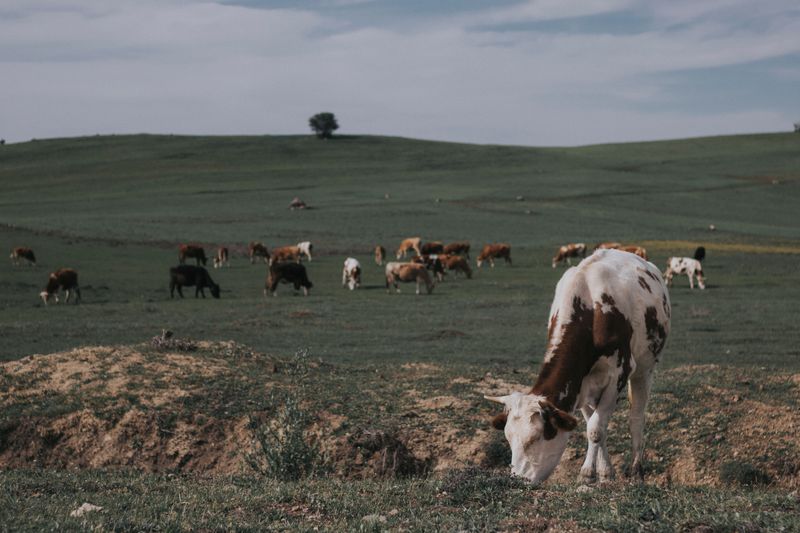
Roughly 27.6 million acres of Wyoming rangeland sit under federal management, about 44 percent of the total. BLM and Forest Service tracts host active grazing permits.
Cattle, sheep, horses, and goats all use these allotments seasonally. A trailhead that felt empty in May can hold a herd by July.
Scan ahead for fresh sign, then leash up before your dog notices anything on the horizon.
6. Chasing Livestock Carries Criminal Penalties
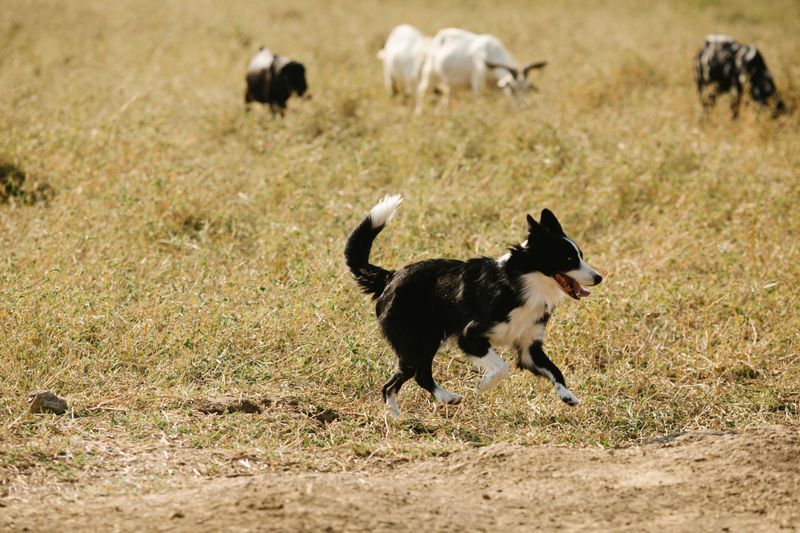
Wyoming treats livestock chasing as more than a nuisance. Allowing a dog you own or control to chase cattle or other livestock that are not yours can bring charges.
The statute covers areas beyond 100 yards from your land, government lands, and watering places on open range. Fines run from 50 to 750 dollars, with possible jail up to six months.
Recall training pays real dividends here.
7. Steer Clear of Stock Water Sources
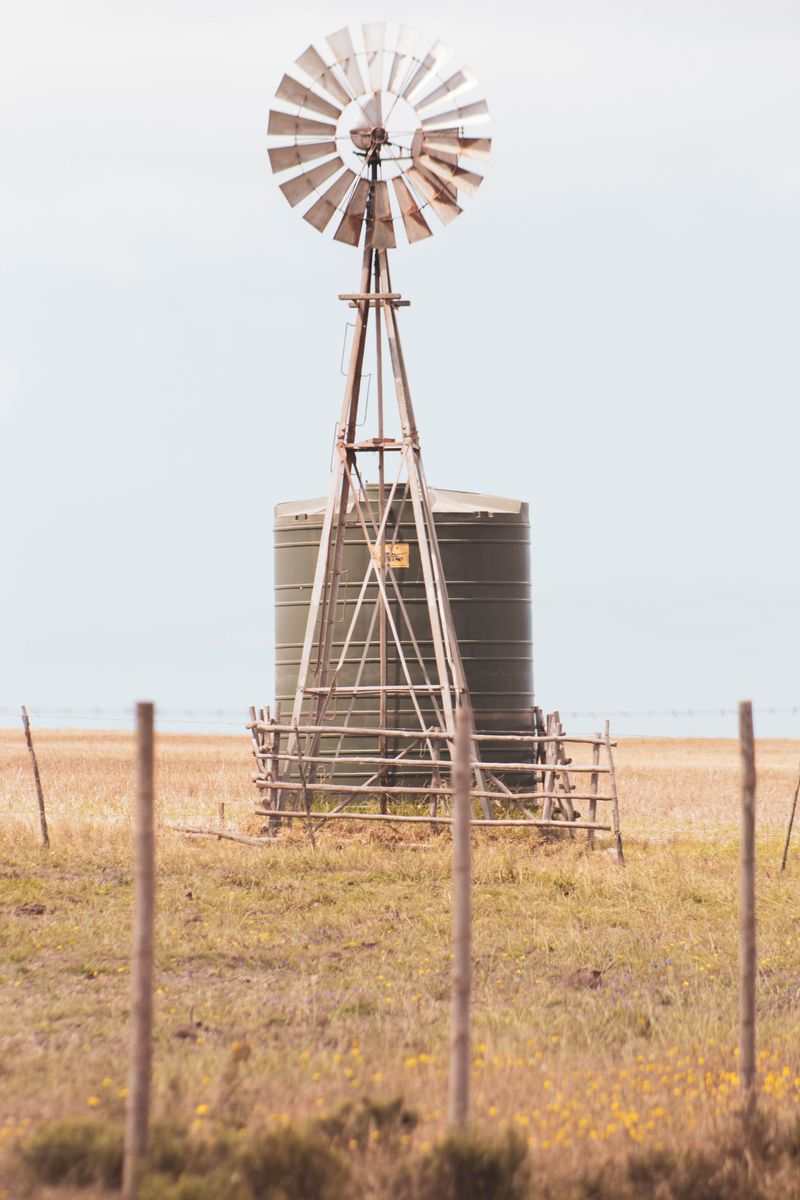
Tanks, springs, and reservoirs are lifelines on dry country. Livestock plan their whole day around reaching them.
State law specifically penalizes letting a dog drive livestock away from watering places on the open range. Even playful splashing can push a thirsty herd off water.
Carry a collapsible bowl and your own water instead. Route your walk around tanks rather than through them, and everyone stays comfortable.
8. Worrying Counts, Not Just Biting
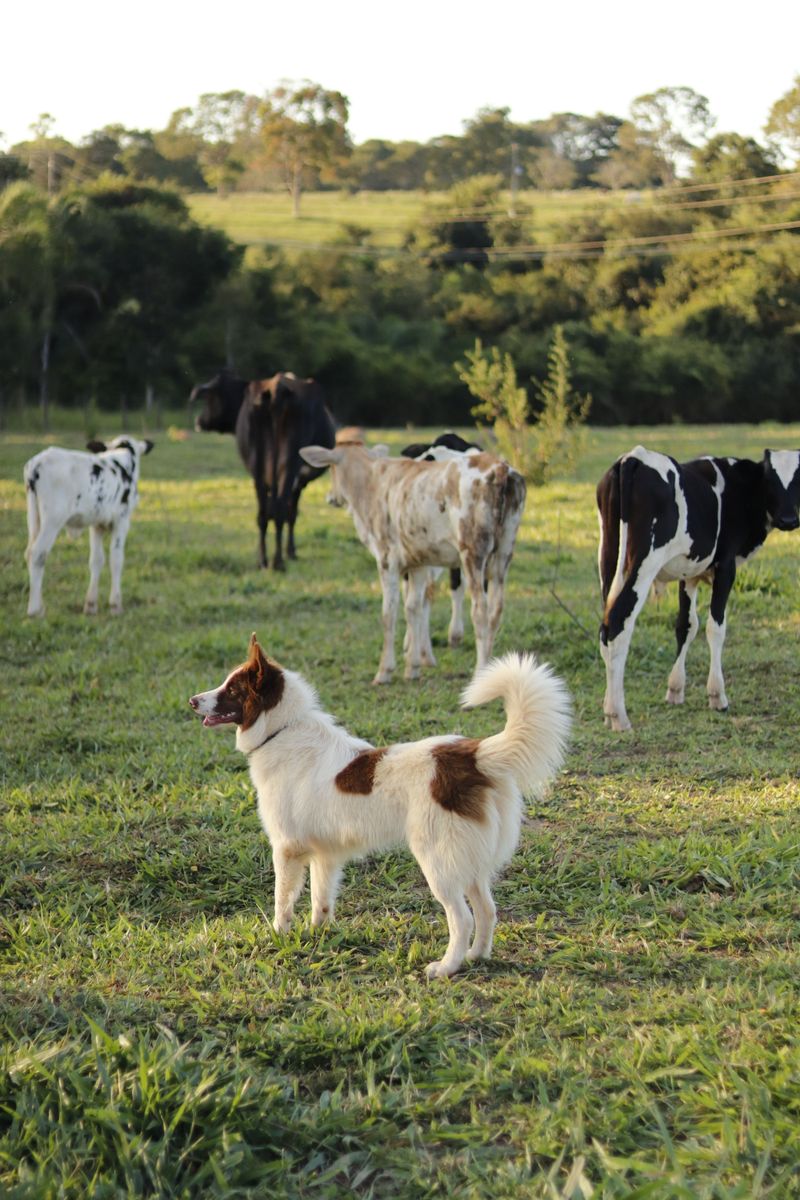
A common misunderstanding: owners assume trouble starts only if teeth are involved. Wyoming law says otherwise.
Statute makes a dog owner liable for all damages resulting from killing, wounding, worrying, or chasing sheep or other domestic animals. Stress alone can cost a rancher weight gain, pregnancies, or scattered stock.
Barking through a fence line counts too. Redirect your dog quickly and move along without hesitation.
9. Whoever Keeps the Dog Can Be Responsible
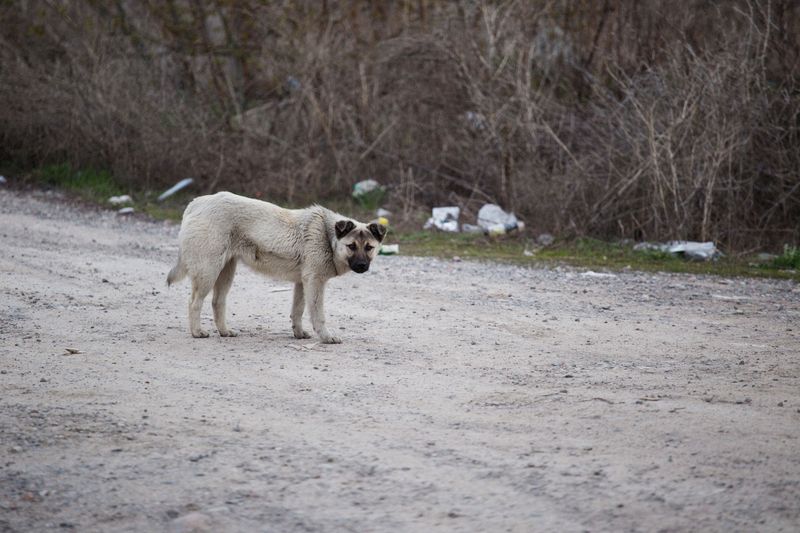
Kind-hearted folks often take in a wandering dog. Wyoming law attaches responsibility along with that kindness.
A person who harbors a dog on their premises for twenty days is considered the owner and liable for damages it causes. Some local ordinances shorten that window to three consecutive days.
Before feeding a roaming dog long term, call animal control. Reporting it protects both the animal and your wallet.
10. Consequences Can Be Serious for the Dog
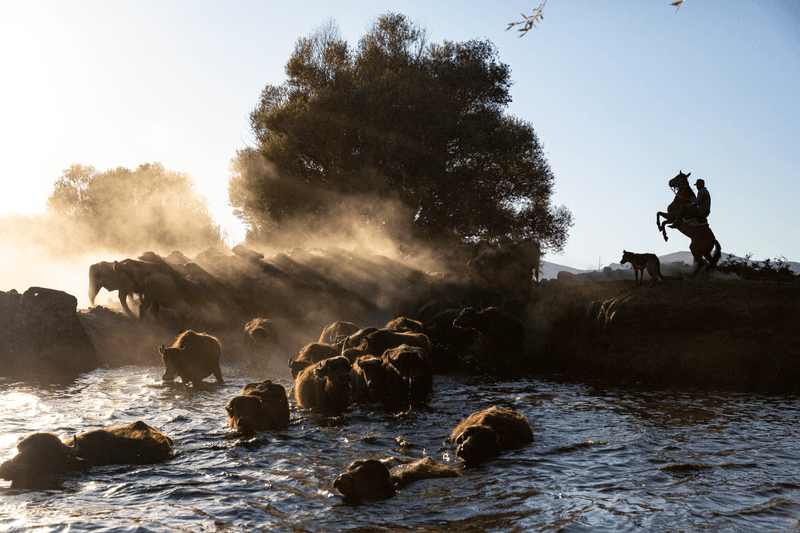
Nobody enjoys this part, but honesty helps. Wyoming statutes allow a dog running livestock against the owner’s wishes to be stopped immediately when animals are injured or threatened.
Livestock owners, their agents, or peace officers may act, and they generally face no liability if the threat is demonstrated.
Leashes and reliable recall protect your dog first. Prevention is far kinder than any legal remedy.
11. Known Livestock Attackers Face Strict Rules
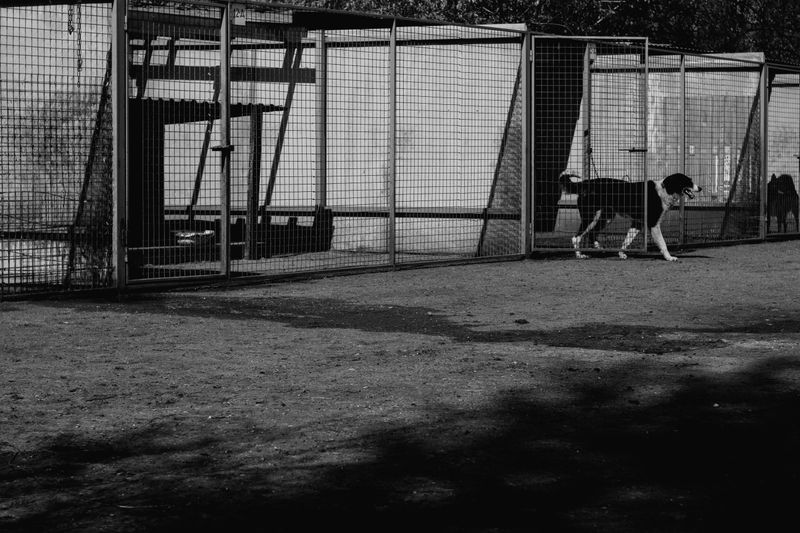
Wyoming takes repeat incidents extremely seriously. State law directs that any person or company knowingly owning a dog that has taken sheep or other livestock must remove that dog permanently.
Because the standard is that firm, a first incident should change everything about your management.
Secure kennels, tall fencing, and professional training become essential. Talk with a veterinarian and a qualified trainer immediately if your dog shows livestock interest.
12. Driving Trespassing Stock Off Your Land
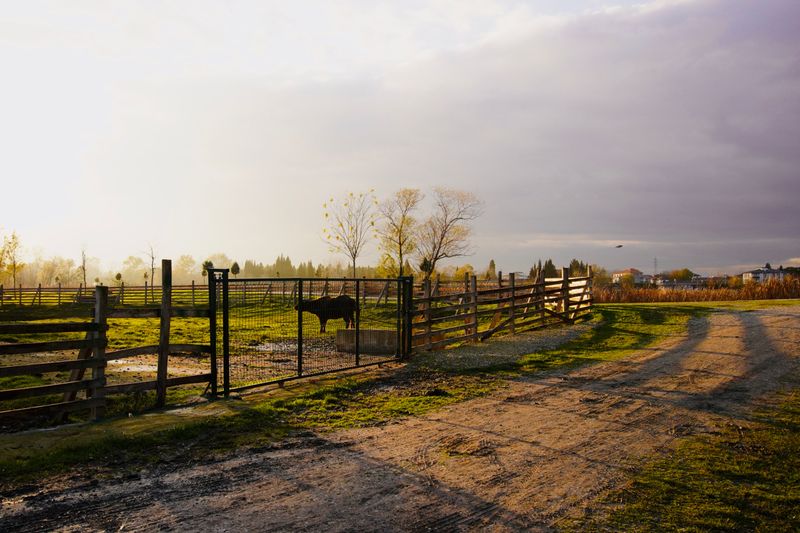
There is a narrow exception worth understanding. When livestock trespass onto your property, Wyoming law permits using dogs to drive and keep those animals off your land.
The allowance is limited and situation specific. It does not authorize sending a dog after stock on open range or public ground.
Handle it calmly, then contact the brand inspector or neighbor. Good fences and good phone calls solve most repeat visits.
13. County Leash and At-Large Ordinances
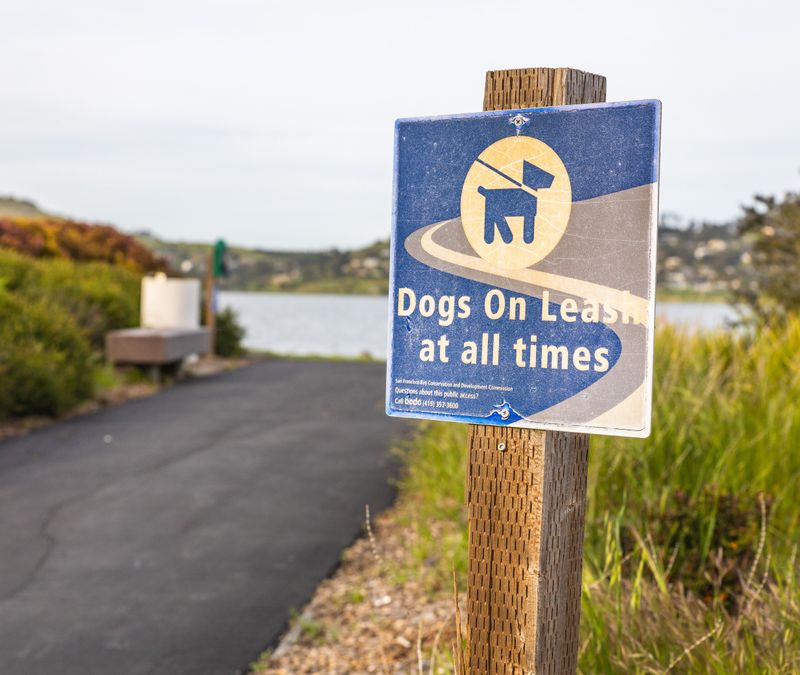
State statutes are only half the picture. Boards of county commissioners can declare dogs running at large in unincorporated areas a public nuisance.
They may also regulate vicious dogs and dogs interacting with wild game or livestock. Ordinances often define at large as simply not under restraint, with fines attached.
Rules differ between towns and counties, so check with your local animal control before assuming anything.
14. Guardian Dogs Have Legal Protections
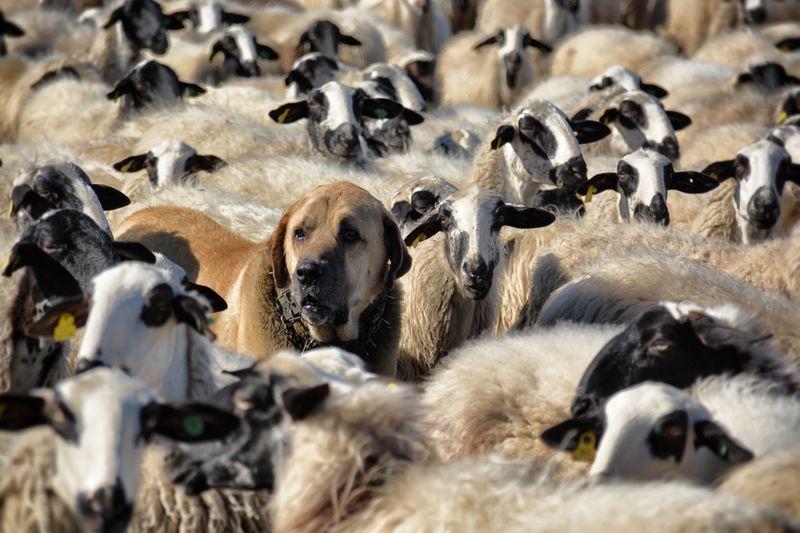
Those big white dogs among the sheep are employees, not strays. Wyoming law gives livestock guarding animals special standing.
Except in cases of gross or willful negligence, their owners are generally exempt from liability for injury caused while the dog actively protects livestock. Running-at-large statutes largely do not apply to them either.
Recognizing a working guardian changes how you react. Calm distance is always the right response.
15. Leave Guardian Dogs Completely Alone
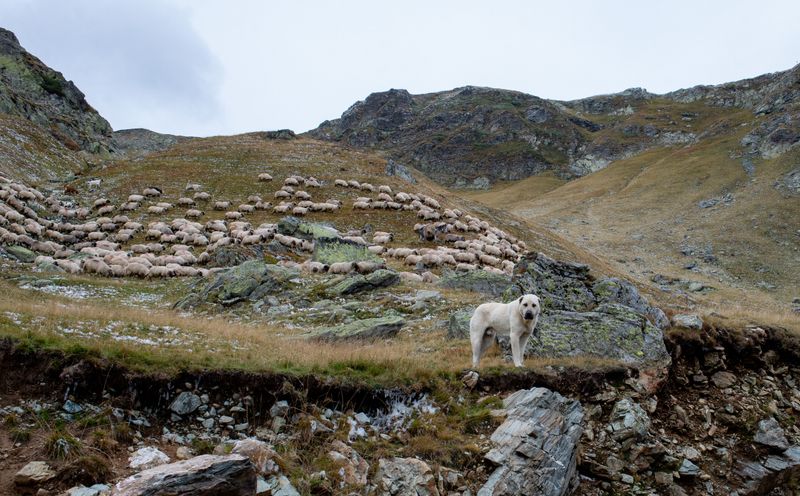
Well-meaning visitors sometimes try to rescue a guardian dog that looks lonely. Ranchers ask that people resist.
Do not approach, pet, feed, or attempt to move these dogs. They are exactly where they belong, doing their job.
If you genuinely worry about one’s welfare, contact local law enforcement or animal control instead. Leash your own dog, back away quietly, and choose a different route.
16. Cows With Calves Deserve Extra Room
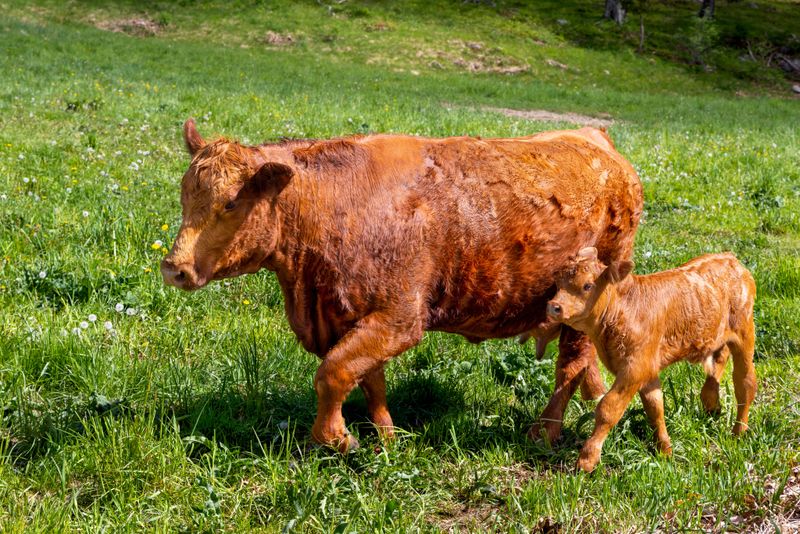
Spring turnout brings the cutest sight on the prairie and one of the touchiest. Mother cows guard newborn calves fiercely.
A loose dog reads as a predator, and a protective cow may charge to defend her calf. Riders and hikers have been knocked down in these moments.
Detour widely, keep your dog on a short leash, and never walk between a cow and her calf.
17. Leash Rules Change With the Land
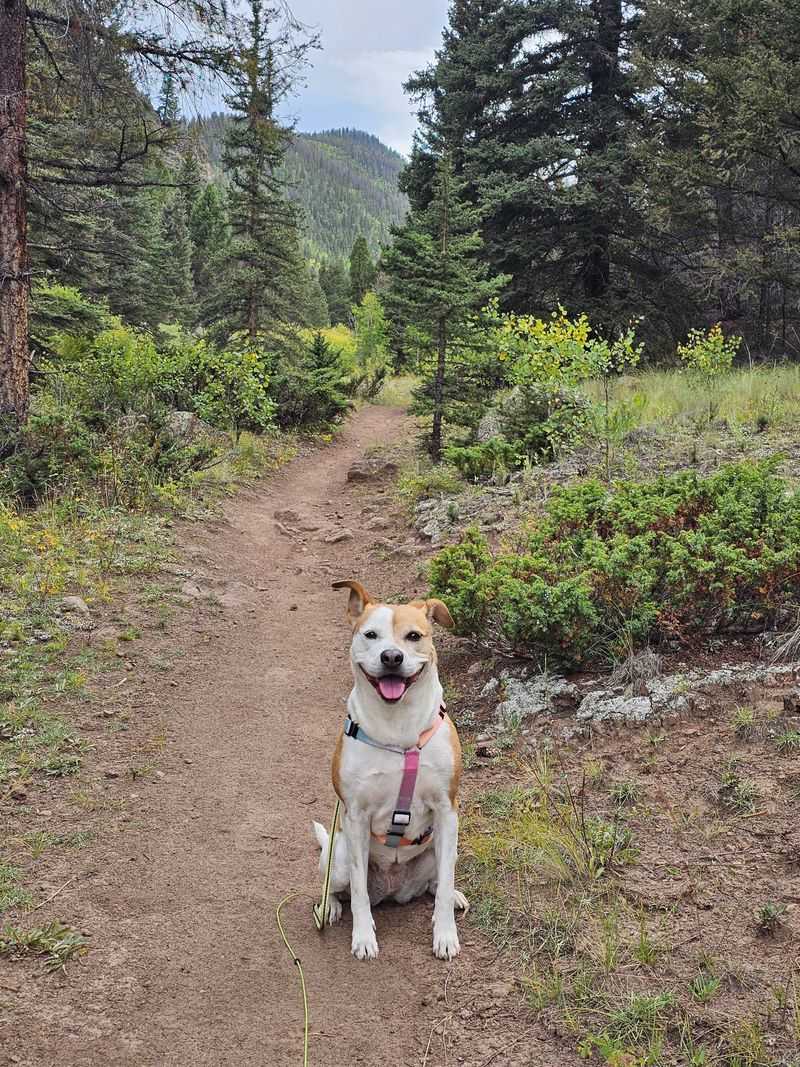
A ten foot leash may be required in one spot and optional a mile away. Wyoming state park lands, for example, require pets to stay in a vehicle or on a leash no longer than ten feet, under physical control.
Certain park areas close to pets entirely to protect wildlife.
Check the managing agency’s website before each outing. Screenshots of the rules travel well without cell service.
18. Horses and Riders Need Quiet Space
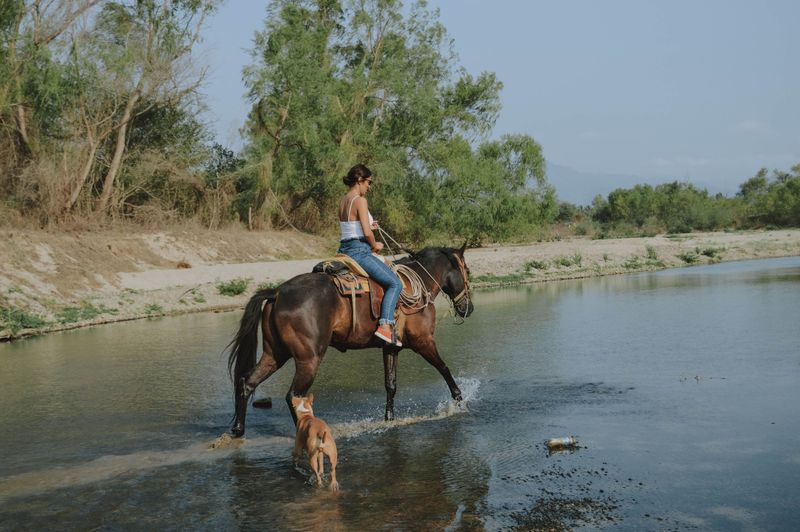
Horses spook at fast movement near their legs. A loose dog darting in can unseat a rider in a heartbeat.
Step off the trail on the downhill side, shorten the leash, and ask your dog to sit. Speak normally so the horse hears a human voice.
Riders will usually thank you. That small courtesy keeps shared trails welcoming for everyone.