20 Things California Dog Owners End Up Keeping In The Car Because Daily Life Spans Heat, Traffic, And Long Drives
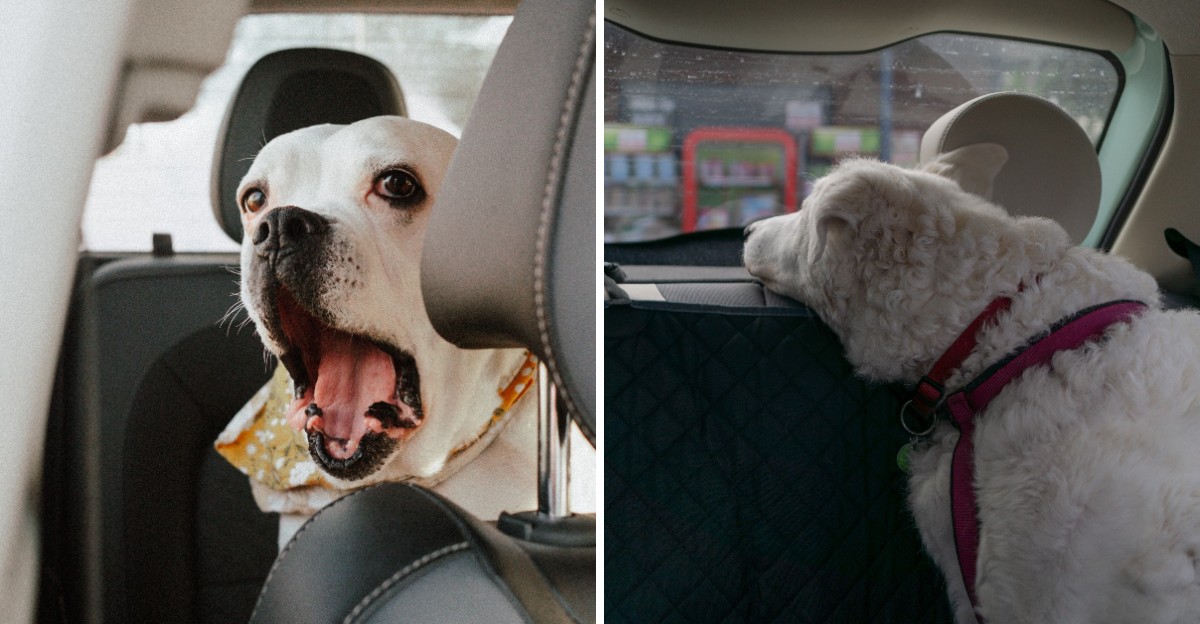
If you share California roads with a dog, you already know how fast a simple errand can stretch into a long afternoon. Heat waves, freeway slowdowns, and weekend road trips all ask a little more of us.
A well-stocked car makes those moments easier, calmer, and safer for your pup. Here is what experienced local owners tend to keep on board, and why each item earns its spot.
1. Collapsible Dog Water Bowls
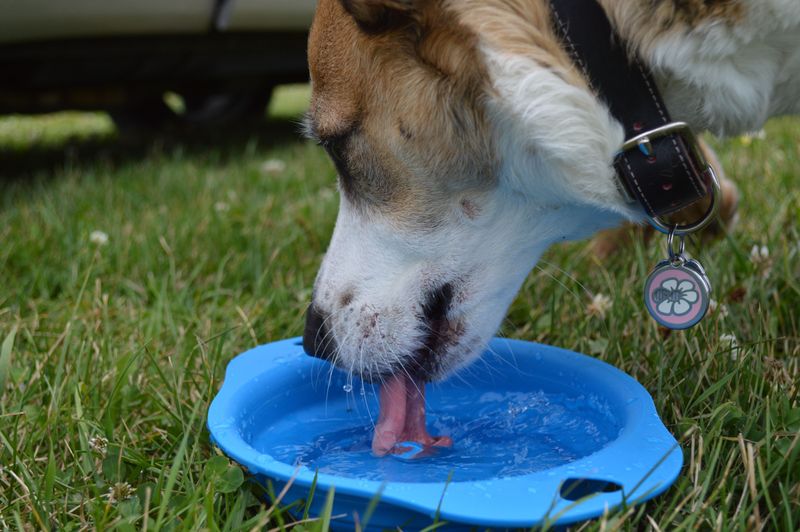
Picture a dusty rest stop off Interstate 5 on a July afternoon. Your dog is panting, and you need water out fast.
A collapsible bowl folds flat enough to tuck into a door pocket. Silicone versions pop open in seconds and rinse clean easily.
Keep one in the car at all times, not just on trip days. Short errands in California heat can turn long without warning, and steady hydration helps your dog stay comfortable.
2. Refillable Dog Water Bottles
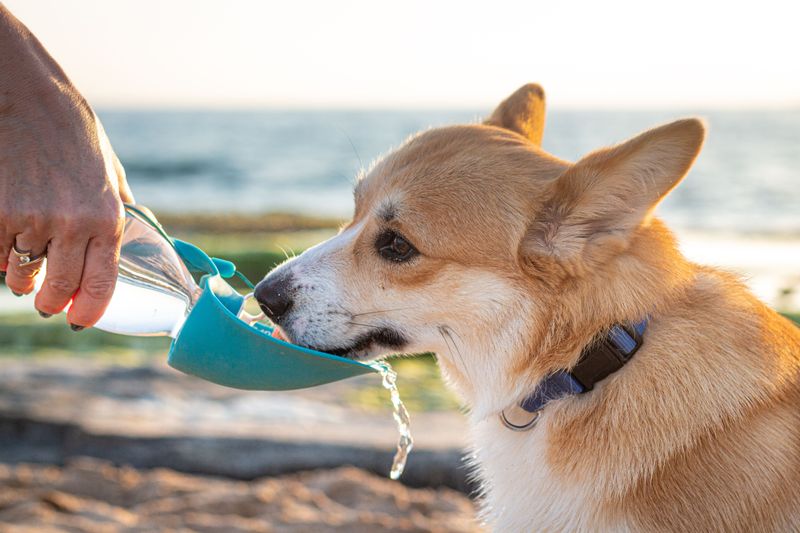
Spills on the back seat get old quickly. A refillable dog bottle with a built-in trough solves that small headache.
You squeeze, your dog sips, and any leftover water flows back inside. Nothing goes to waste, which matters on long desert stretches with few stops.
Many models clip onto a leash or bag. Fill it with fresh water before every outing.
A quick daily rinse keeps it clean and free of odors.
3. Insulated Water Jugs
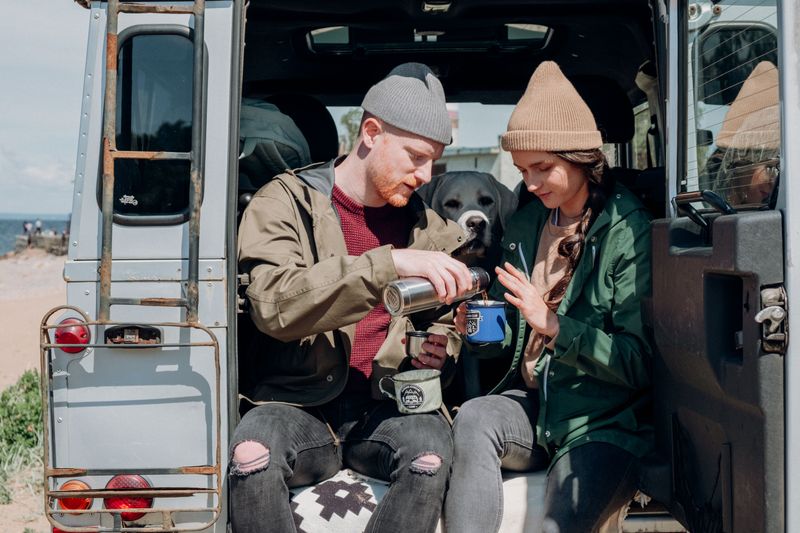
Plastic bottles left in a hot car turn warm within hours. Most dogs drink less when water feels unpleasant.
An insulated jug holds cool water much longer, even when the cabin heats up. A half-gallon or one-gallon size covers a full day for most dogs.
Owners heading through the Central Valley or desert routes often keep one filled. Strap it down so it stays put during sudden braking.
Refill it with fresh water each morning.
4. Dog Cooling Mats
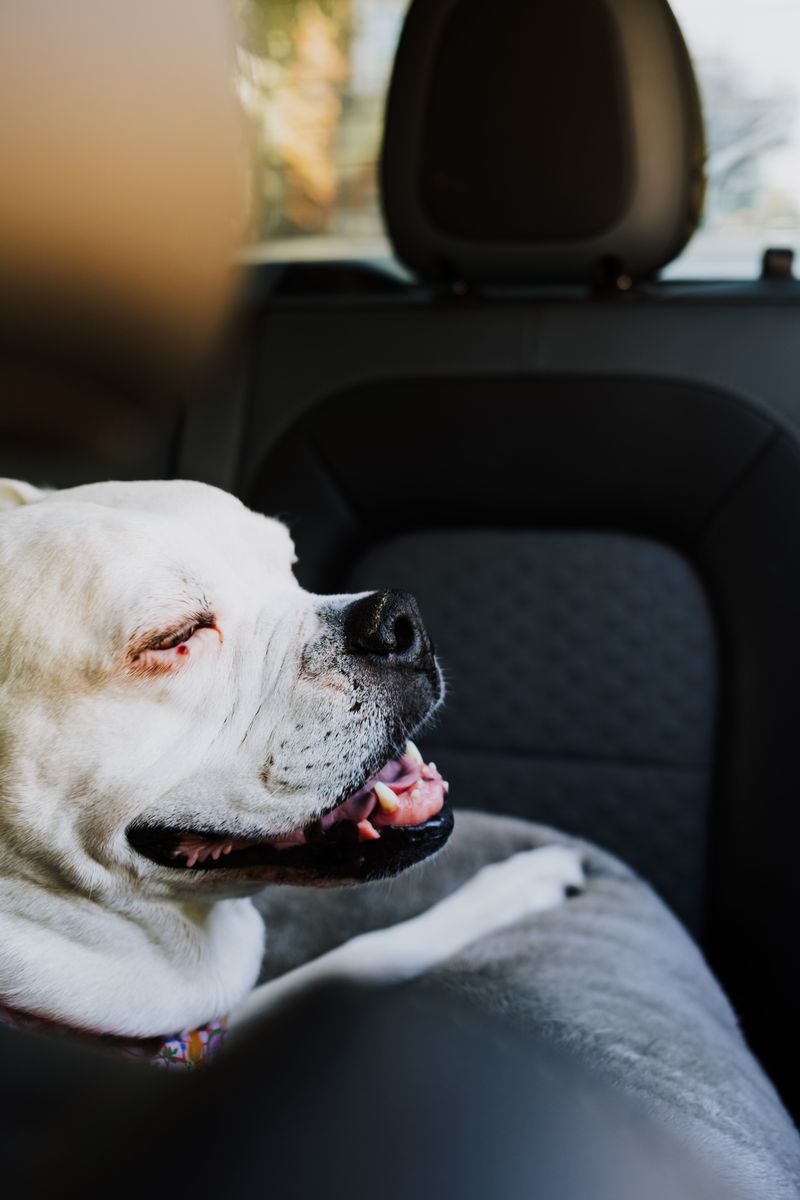
Some dogs instinctively hunt for the coolest spot in any room. A cooling mat gives them that spot inside the car.
Pressure-activated gel mats need no electricity or refrigeration. Your dog lies down, and the surface draws away body heat for a while.
They work well during stop-and-go traffic on warm days. Still, a mat supports comfort and does not replace air conditioning.
Check it regularly for chew marks, since the gel inside should stay sealed.
5. Cooling Vests or Bandanas
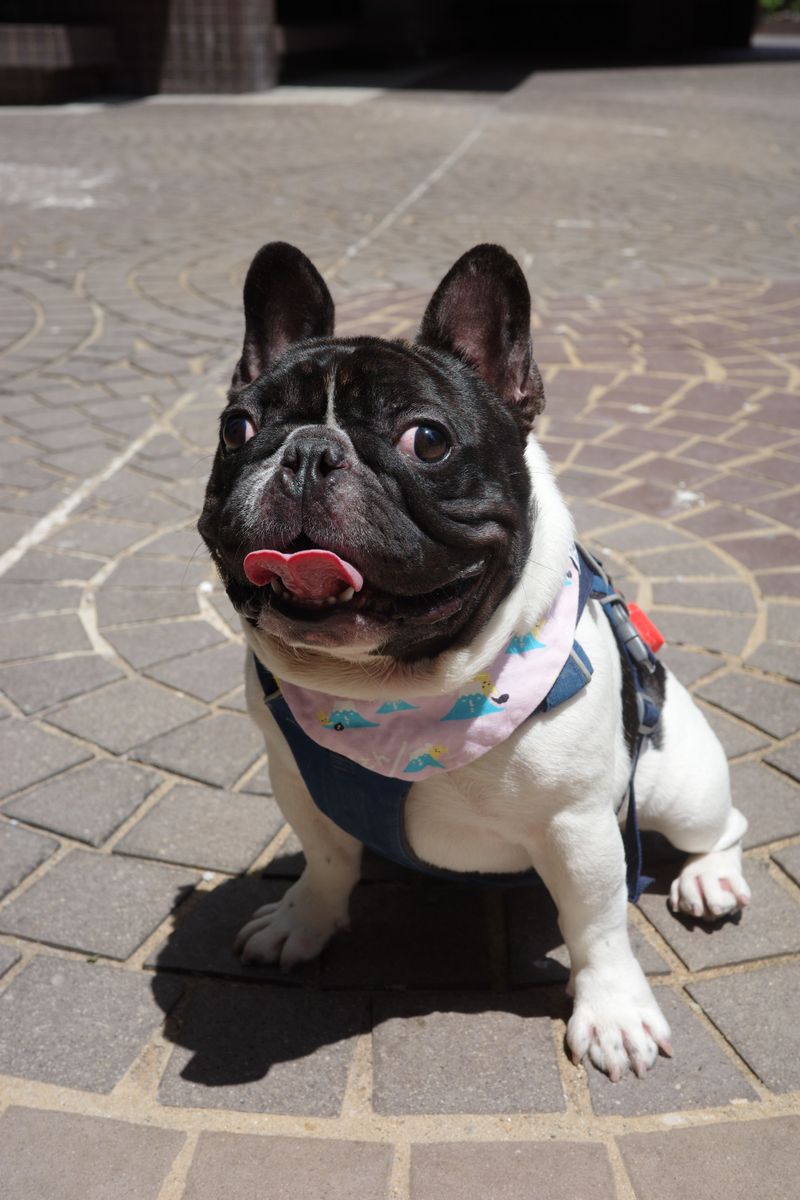
Flat-faced breeds, thick-coated dogs, and seniors often struggle more in heat. A little extra help goes a long way.
Cooling vests and bandanas work through evaporation. You soak them in water, wring them out, and the drying fabric pulls warmth away from your dog.
They shine in dry inland air, where evaporation happens quickly. Rewet them as they dry out.
Watch for heavy panting or sluggishness, and move your dog somewhere cool if you notice it.
6. Car Window Sunshades
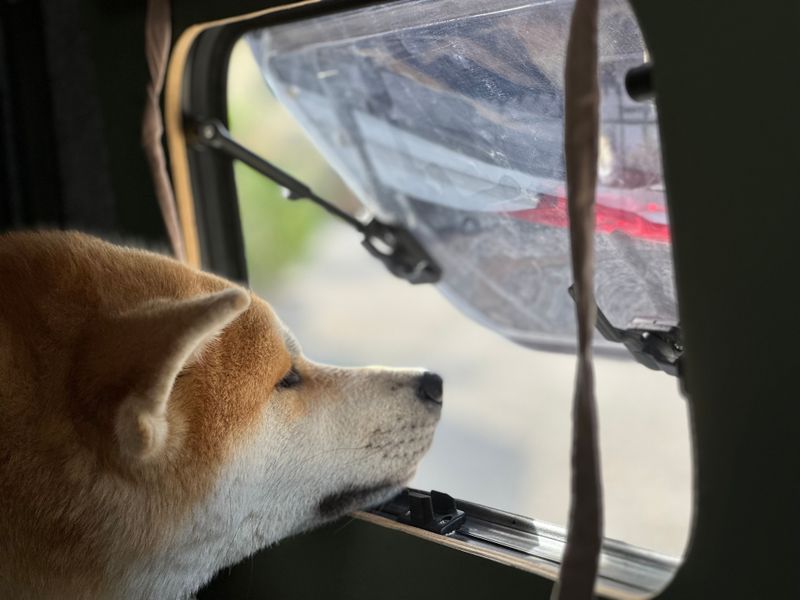
Afternoon sun pouring through a side window can make one seat far warmer than the rest. Rear window shades help even things out.
Mesh styles block glare and UV rays while letting your dog see outside. Some slip over the whole door, allowing a window to open partly.
Keep one key fact in mind. A sunshade never makes a parked car safe for an unattended dog.
Interior temperatures climb quickly, even on mild days.
7. Portable Battery Operated Fans
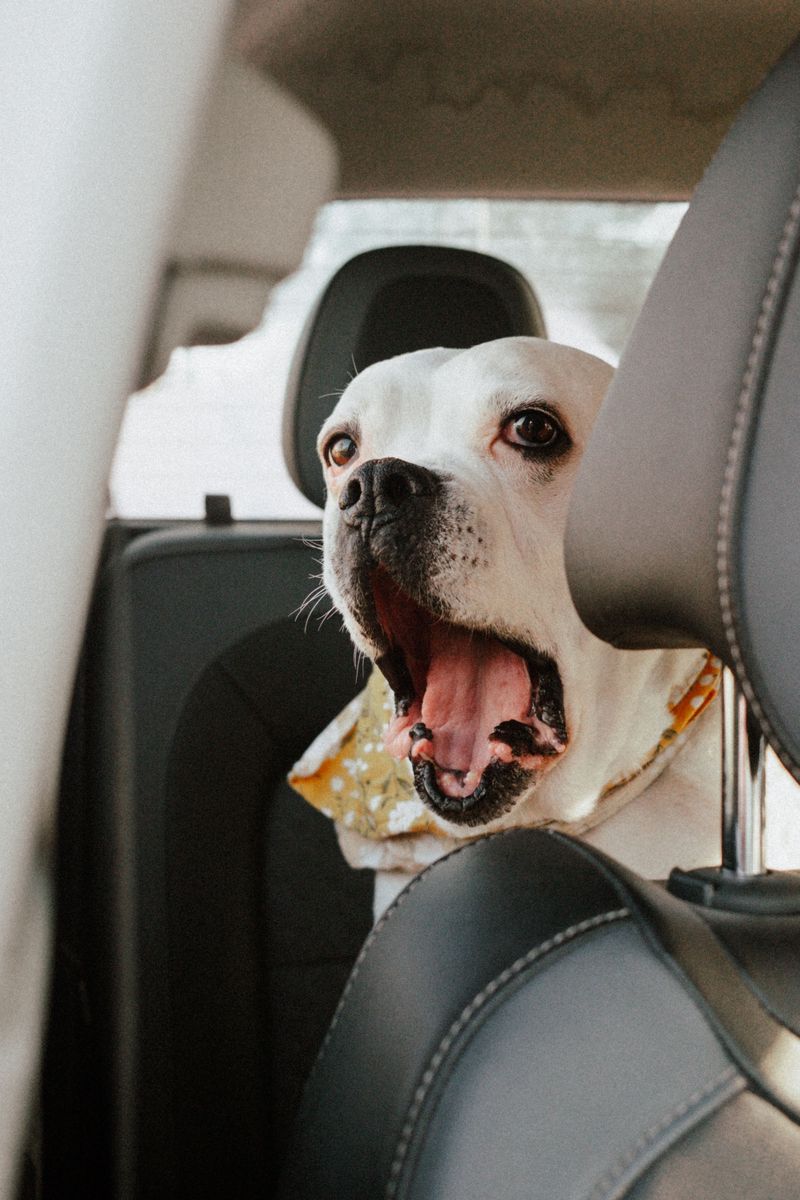
Front vents often blast cold air at the driver while the back seat stays stuffy. Your dog usually rides right in that warm zone.
A small battery or USB fan clipped to a headrest moves air where it is needed. Look for models with covered blades so curious noses stay safe.
Fans are helpful extras during long commutes. They work alongside air conditioning, not instead of it.
Charge spare batteries before summer road trips.
8. Crash Tested Dog Safety Harnesses
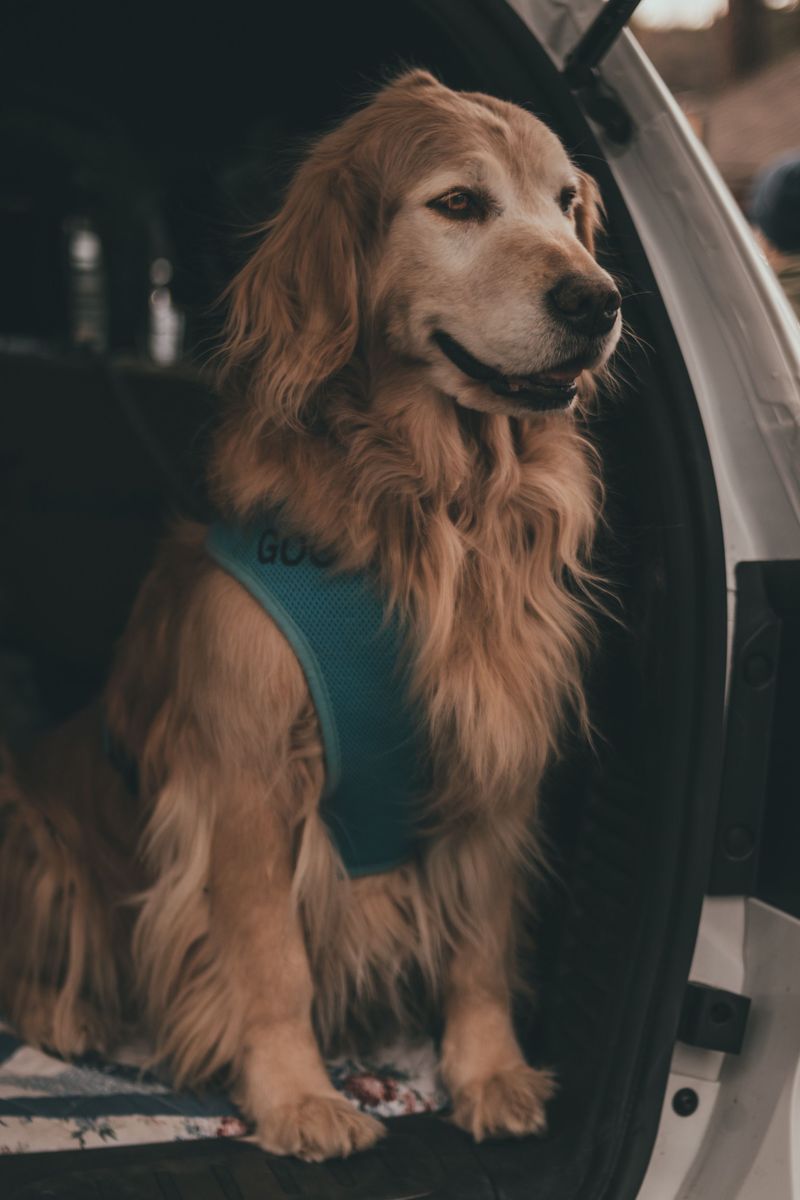
Sudden braking on a crowded freeway can send a loose dog tumbling. A secure harness keeps them steady.
California does not generally require dogs to be restrained inside a car cabin. However, officers can cite distracted driving if a pet interferes with control.
The California Highway Patrol discourages unrestrained pets.
The Center for Pet Safety tests and certifies certain harness models. Choose a snug fit and a short tether that keeps your dog out of the front seat.
9. Secured Travel Crates or Carriers
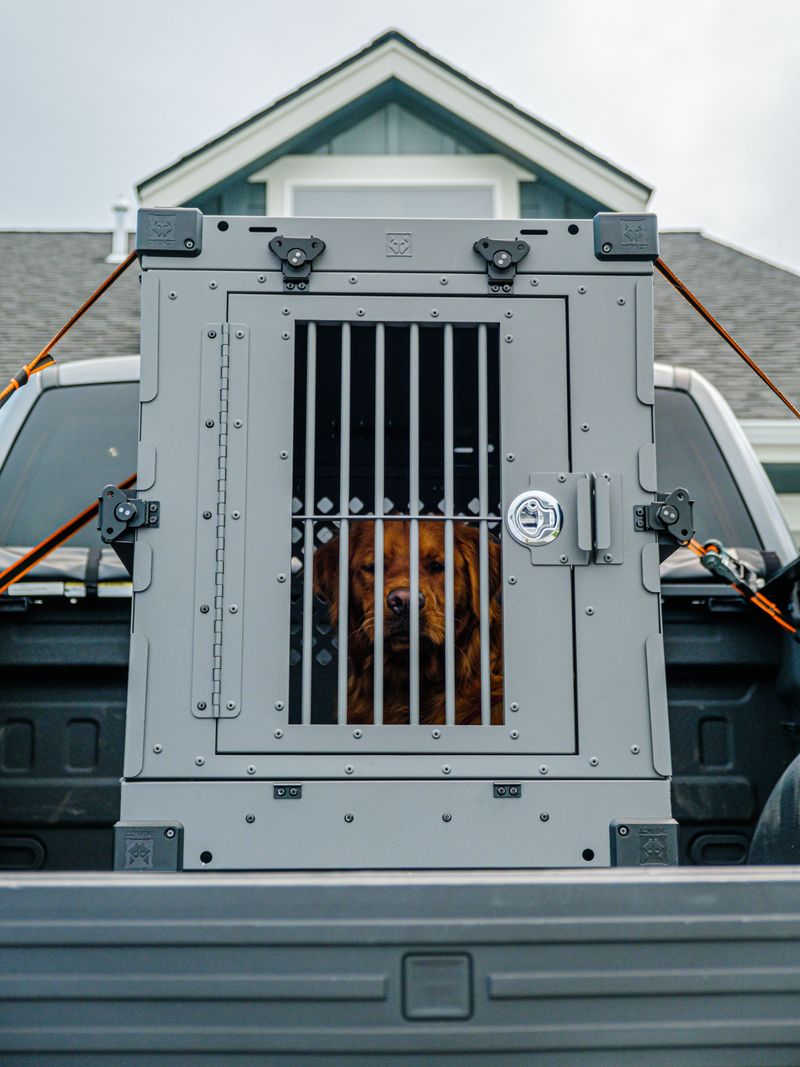
Many safety experts consider a crash-tested crate, tied down in the cargo area, the safest way for dogs to ride.
A secured crate keeps your dog contained and limits movement during a collision. Loose crates can shift, so use straps or anchor points.
Truck owners have a specific rule to follow. California Vehicle Code 23117 bars carrying animals in an open truck bed unless they are crated or properly cross-tethered.
10. Waterproof Car Seat Covers
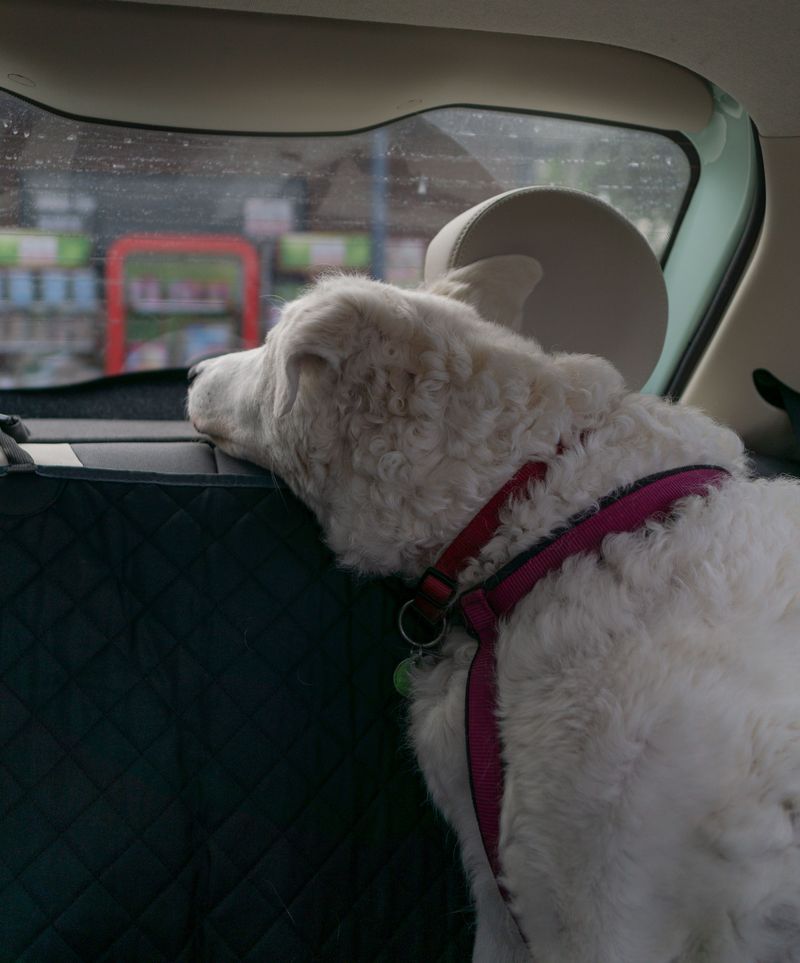
One sandy beach day can leave your back seat looking like a dune. A waterproof cover keeps cleanup simple.
Good covers block mud, hair, drool, and spills from soaking into upholstery. Most are machine washable, which helps with lingering odors.
Hammock-style designs stretch between the front and back seats. They stop dogs from sliding into the footwell during quick stops.
Look for a nonslip backing so the cover stays in place.
11. Microfiber Towels

Lake swims and sprinkler surprises happen. A wet dog in a closed car can fog windows and soak seats in minutes.
Microfiber towels absorb water fast and dry quickly afterward. They roll small, so keeping two or three in a seat pocket is easy.
Use one for paws and one for the body. The soft texture feels gentle on skin and fur.
Toss them in the wash weekly to keep them fresh.
12. Pet Safe Cleaning Wipes
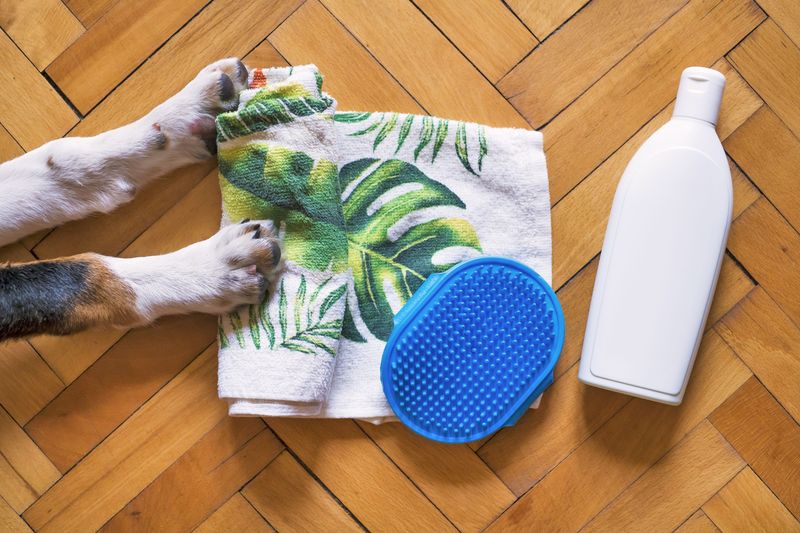
Sticky paws after a farmers market visit? Pet-safe wipes handle that quickly, no faucet required.
They work for muddy feet, drool on the window, and small messes on the seat. Choose wipes made specifically for pets, since some household wipes contain ingredients dogs should not lick.
Keep a pack in the glove box. Seal it tightly after each use, because heat can dry wipes out faster than you expect.
13. Dog Waste Bags
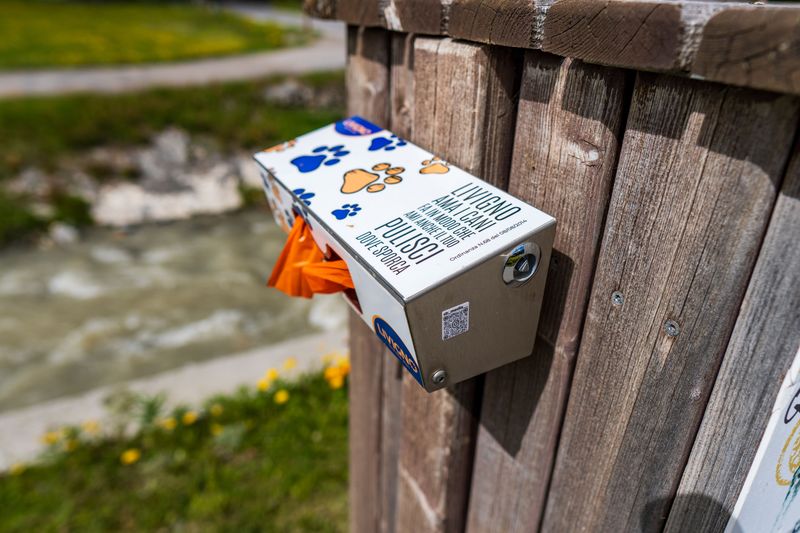
Nobody plans to forget poop bags, yet it happens to everyone eventually. Stashing extra rolls in the car fixes that.
California has no single statewide scooping law. Many cities and counties, though, require prompt cleanup in public areas.
Fines often range from about 50 to 500 dollars.
Some places, including Sacramento County and San Francisco, require owners to carry bags while walking. Check your local rules to stay covered.
14. Spare Leashes and Collars
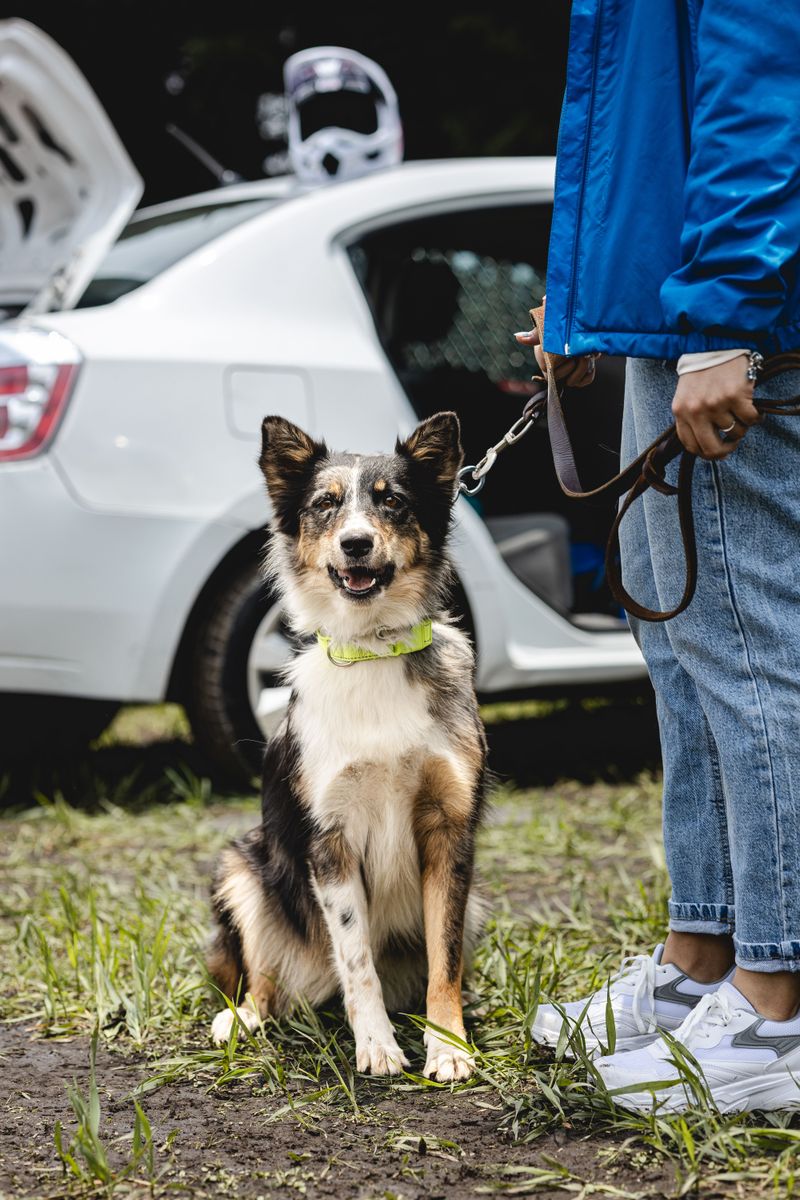
Leashes snap, clips wear out, and sometimes one simply gets left at home. A backup set saves the day.
Leash rules in California vary by city and county. Most require leashes in public spaces, and some limit length.
Los Angeles County, for example, uses a six-foot maximum.
Keep a sturdy spare leash and an ID-tagged collar in the trunk. Check your local ordinance before visiting parks or trails.
15. Portable Dog Food Containers
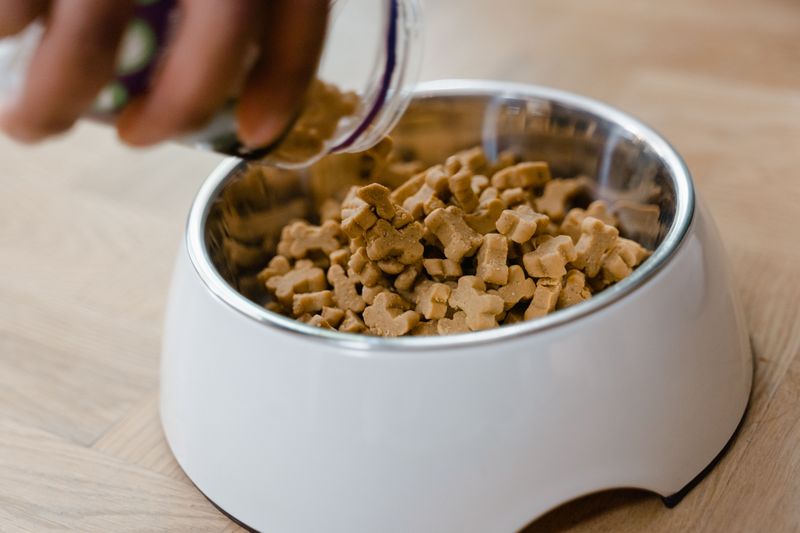
Traffic near Los Angeles can turn a two-hour drive into five. Mealtime may arrive long before home does.
An airtight food container keeps kibble fresh and stops spills. It also keeps tempting smells away from curious noses in the back seat.
Pack at least one extra meal for every outing longer than a few hours. Sticking to your dog’s usual food helps avoid tummy trouble on the road.
16. Training Treats and Chew Toys
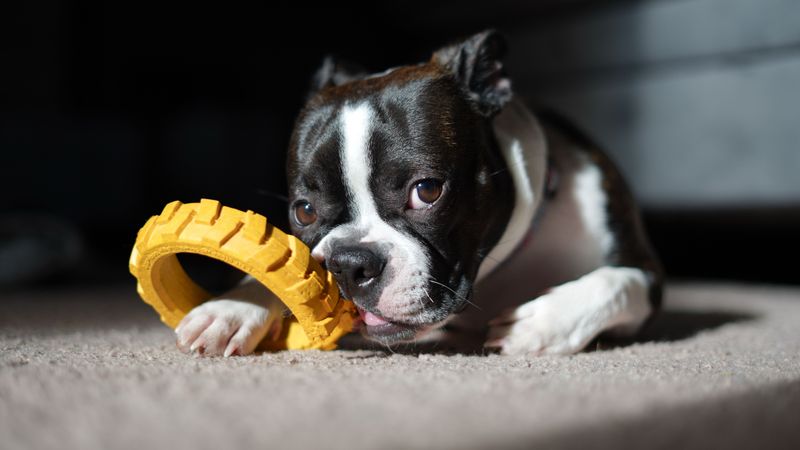
Ever notice how a bored dog finds trouble? Long waits in the car are no exception.
Small training treats reward calm behavior, like settling down or hopping in on cue. Over time, many dogs start linking the car with good things.
Durable chew toys give anxious or restless pups something to focus on. Pick sizes too big to swallow.
Rotate toys occasionally so they stay interesting during longer trips.
17. Pet First Aid Kits
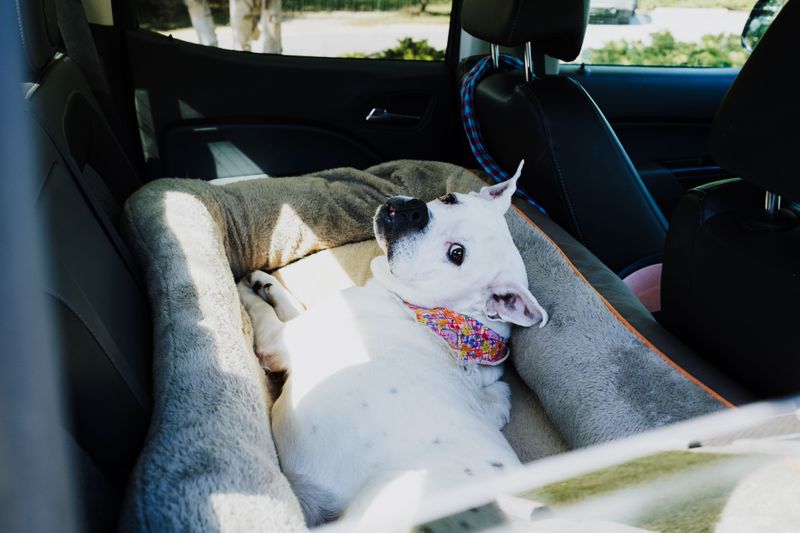
Trail scrapes, foxtails, and splinters tend to show up far from any clinic. Being ready brings peace of mind.
A basic pet kit includes bandages, gauze, antiseptic wipes, tweezers, and a tick remover. Add your veterinarian’s phone number and a nearby emergency clinic.
Skip adding human medications unless your vet approves them. Some are unsafe for dogs.
Restock supplies after each use so the kit stays complete.
18. Paw Protection Balm
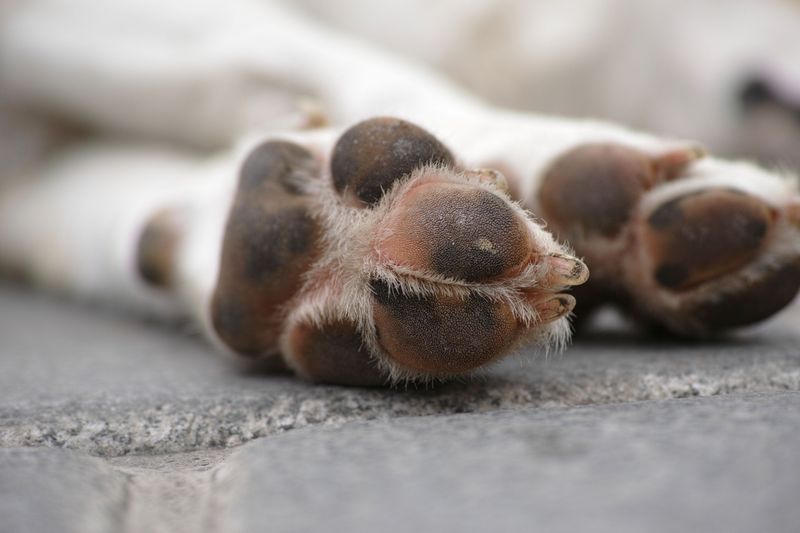
Try this quick test on a sunny afternoon. Press the back of your hand to the pavement for seven seconds.
If it feels too hot for you, it is too hot for paws. California asphalt warms quickly in summer, and paw pads can get sore.
Paw balm forms a light barrier against heat, sand, and rough ground. Apply it before walks, and choose shaded or grassy paths whenever possible.
19. Dog Travel Beds or Blankets
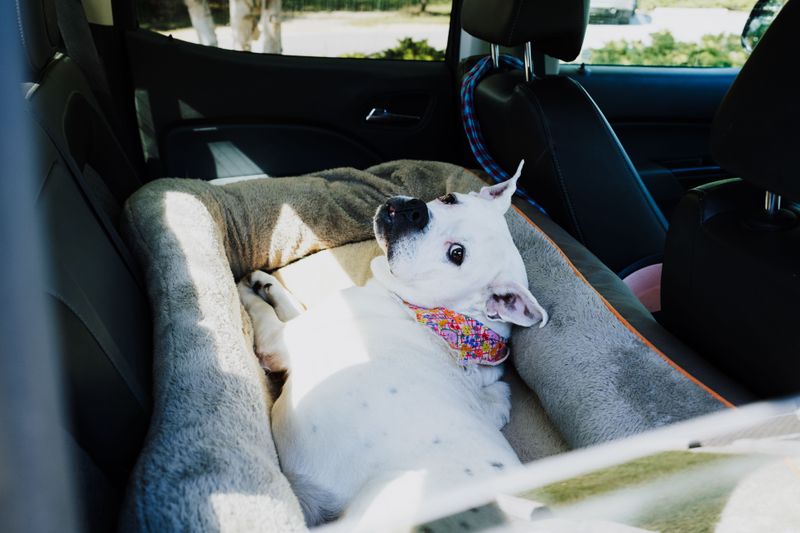
Home smells comforting, even on the road. A favorite blanket brings a little of that along.
Familiar scents can help nervous dogs relax during long drives. A travel bed also adds cushioning for older dogs with stiff joints.
Choose something washable and easy to fold. On warm days, pick a thin cotton blanket instead of thick padding.
Your dog will appreciate a comfy spot that feels familiar.
20. Copies of Vaccination and Veterinary Records

Paperwork rarely feels exciting until you suddenly need it. Then it matters a lot.
Keep copies of vaccination records, especially rabies proof, in a folder in the glove box. Boarding facilities, groomers, and emergency clinics may ask for them.
Some trips across state lines may require health documents too. A phone photo makes a handy backup.
Update your copies after each vet visit.
Prepared owners make every California mile calmer, for both ends of the leash.