19 Things To Check Before Taking A Dog Into Ohio State Forests
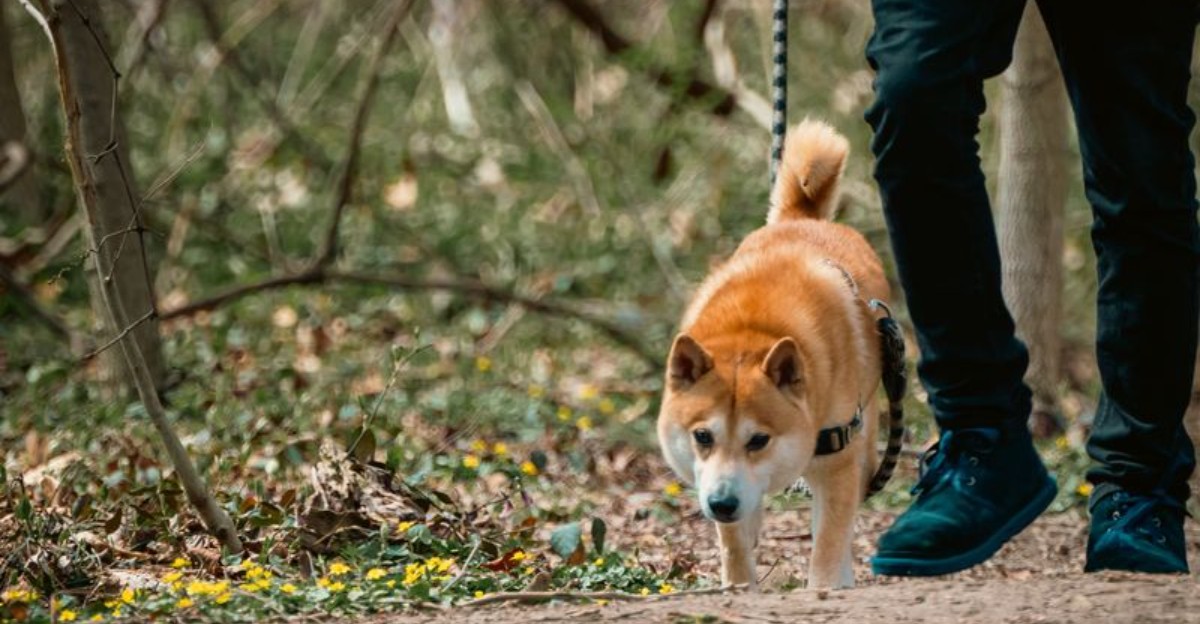
Ohio’s state forests offer some of the best walking miles in the state, and most of them welcome a leashed dog happily. Still, a little homework before you load up the car makes the whole trip smoother for both of you.
Rules shift between forests, parks, and nature preserves, and seasons change what you might run into on the trail. Here is a friendly checklist every Ohio dog owner can run through before heading out.
1. Trail-by-Trail Pet Access
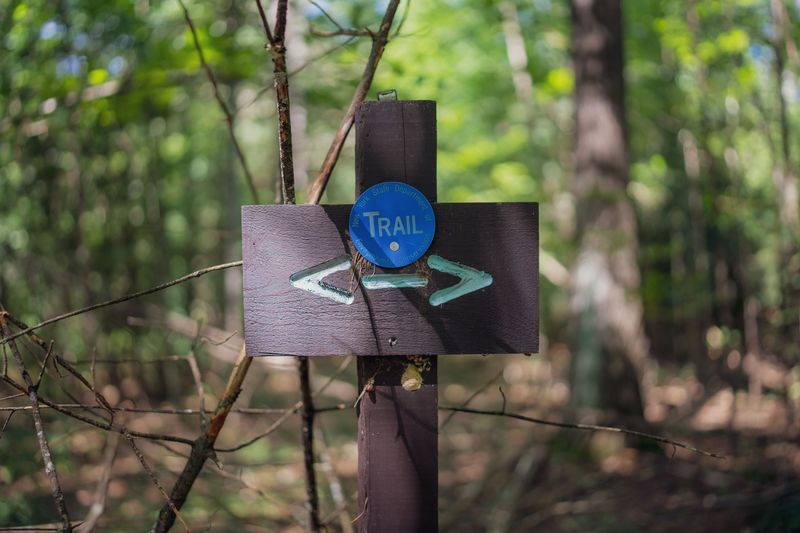
Most Ohio state forest trails welcome dogs, which is great news for weekend hikers. The catch is that individual areas can be posted otherwise, and posted signs always win.
Pull up the forest’s page on the ODNR website, then glance at the trailhead board when you arrive. Rules differ between state forests, state parks, and nature preserves.
A two-minute check beats turning around with a disappointed dog in the back seat.
2. When Your Route Crosses Into A State Park
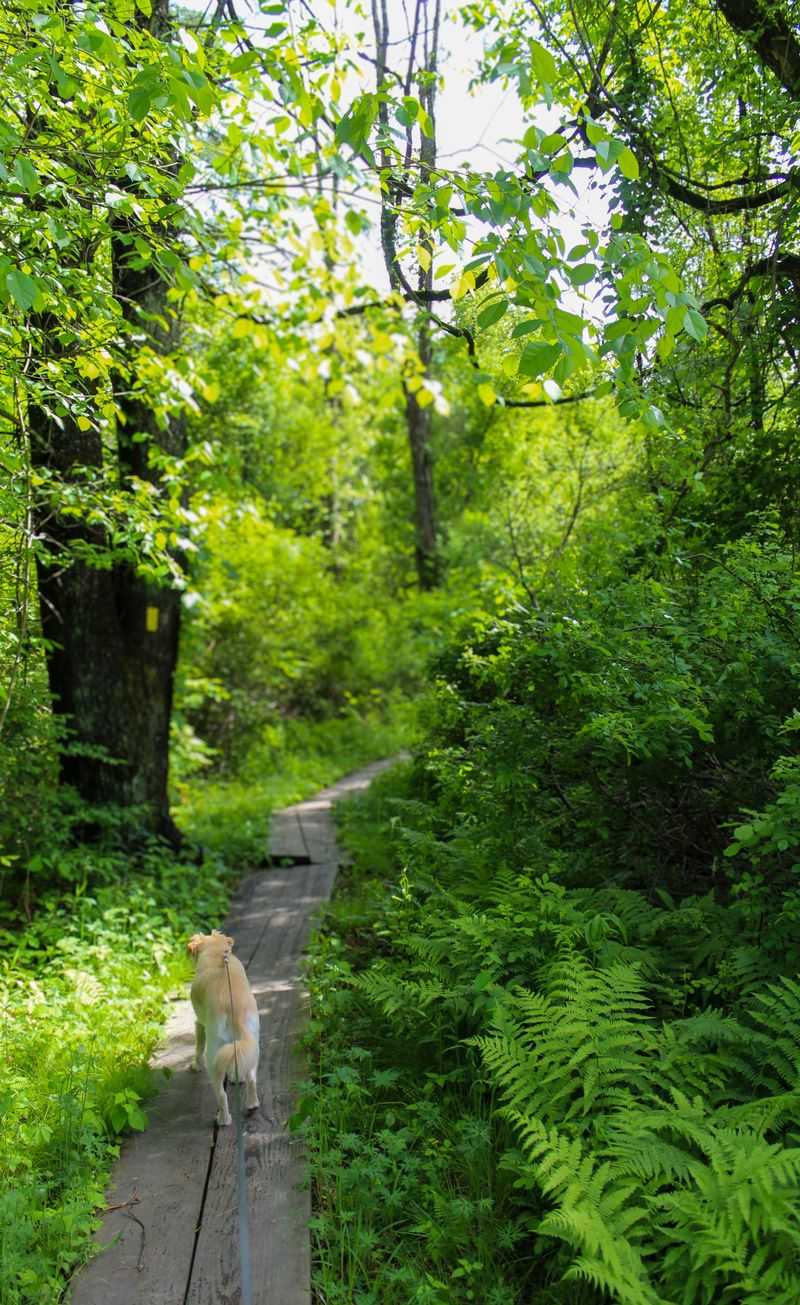
Plenty of Ohio forests sit right beside state parks, and trails sometimes wander between them. Park pet policies are their own set of rules.
Leashed dogs are welcome on most park trails, campgrounds, and picnic areas, with leashes capped at six feet. Swimming beaches are typically off limits.
Some parks add designated pet exercise or dog swim spots, plus pet-friendly cabins that may carry an extra fee.
3. Nature Preserves: Usually A No-Dog Zone
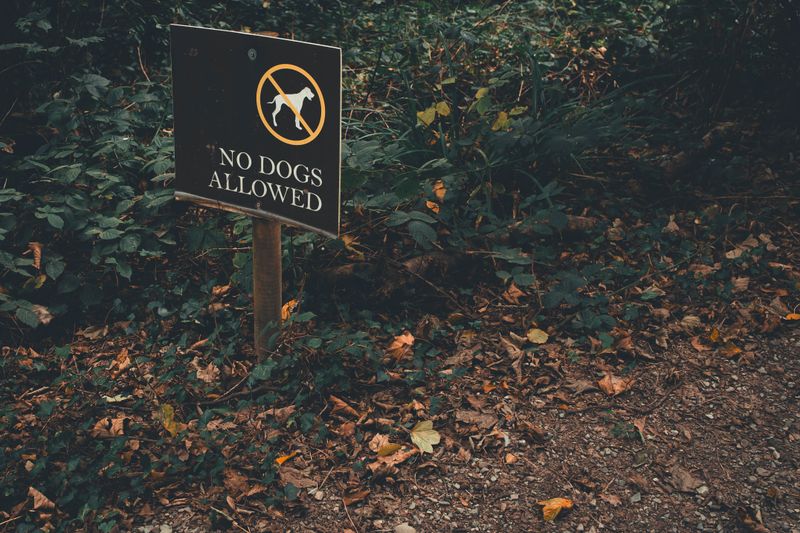
Here is the rule that surprises people most. Pets are generally not permitted in Ohio state nature preserves, since these places protect fragile habitats and uncommon plants.
Dogs can disturb wildlife or carry seeds and illness into sensitive ground. Service animals are allowed.
A few exceptions exist, including parking areas and the paved trail at Blackhand Gorge. Ignoring the rule can bring a citation and fine.
4. Leash Length and Legal Control
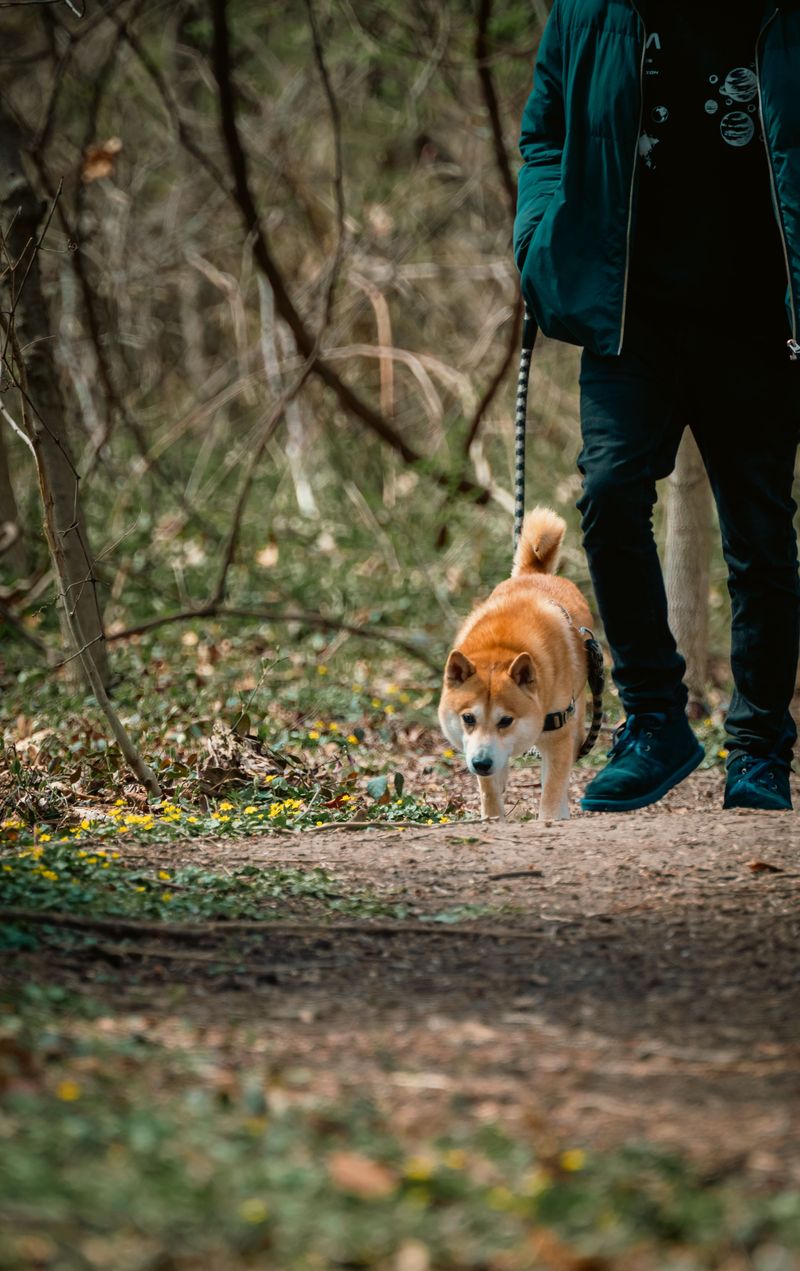
Ohio law expects dogs in public places to be leashed and under their owner’s control. The standard limit is six feet, and that same rule applies in state parks.
Retractable leashes often stretch well past that mark, so lock yours short or swap it out.
Inside state forests, dogs must stay leashed or under control at all times. A fixed-length lead makes proving that simple.
5. Temporary Closures Worth A Quick Look
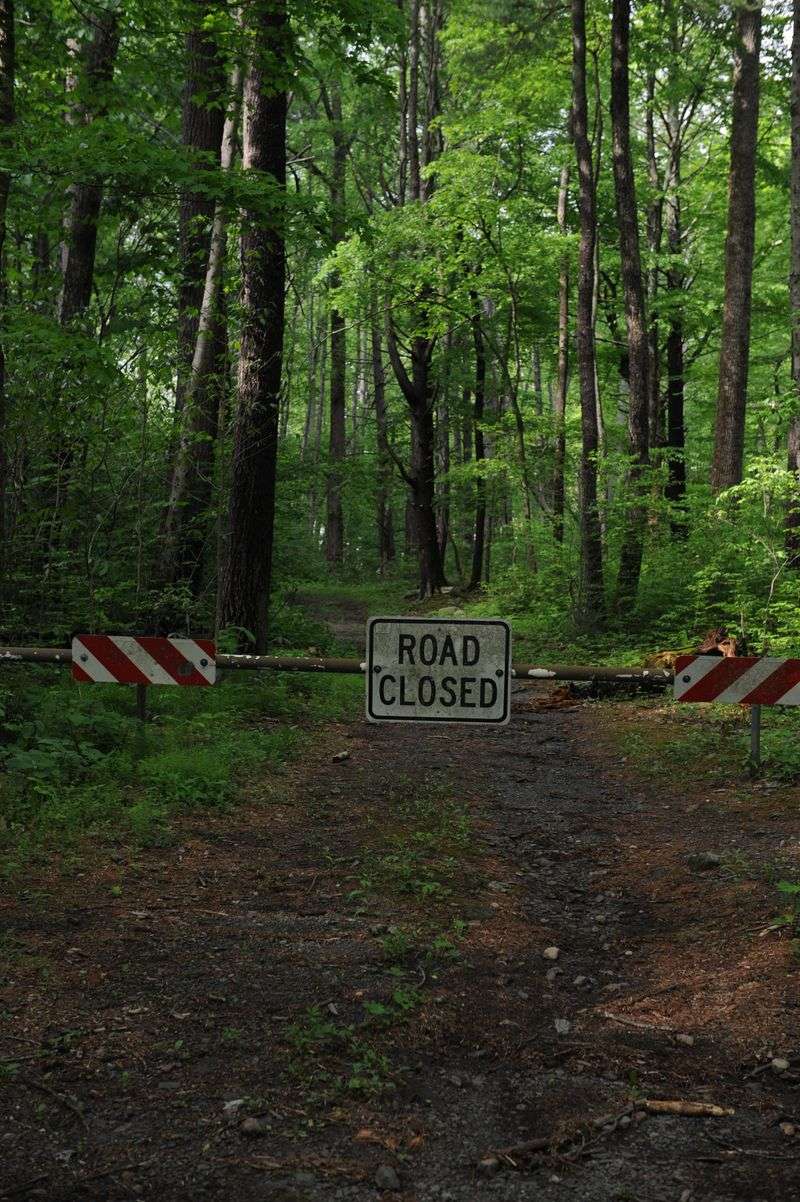
Forests are working landscapes, so sections close now and then. ODNR posts updates on its alerts page for state forest areas and special event schedule changes.
Timber work, road repairs, and events like the Southern Ohio Forest Rally can shut roads or trails temporarily.
Seasonal closures matter too. Bridle trails generally close December 1 through March 30, with Maumee State Forest being the exception.
6. Gate Hours and Daylight Math
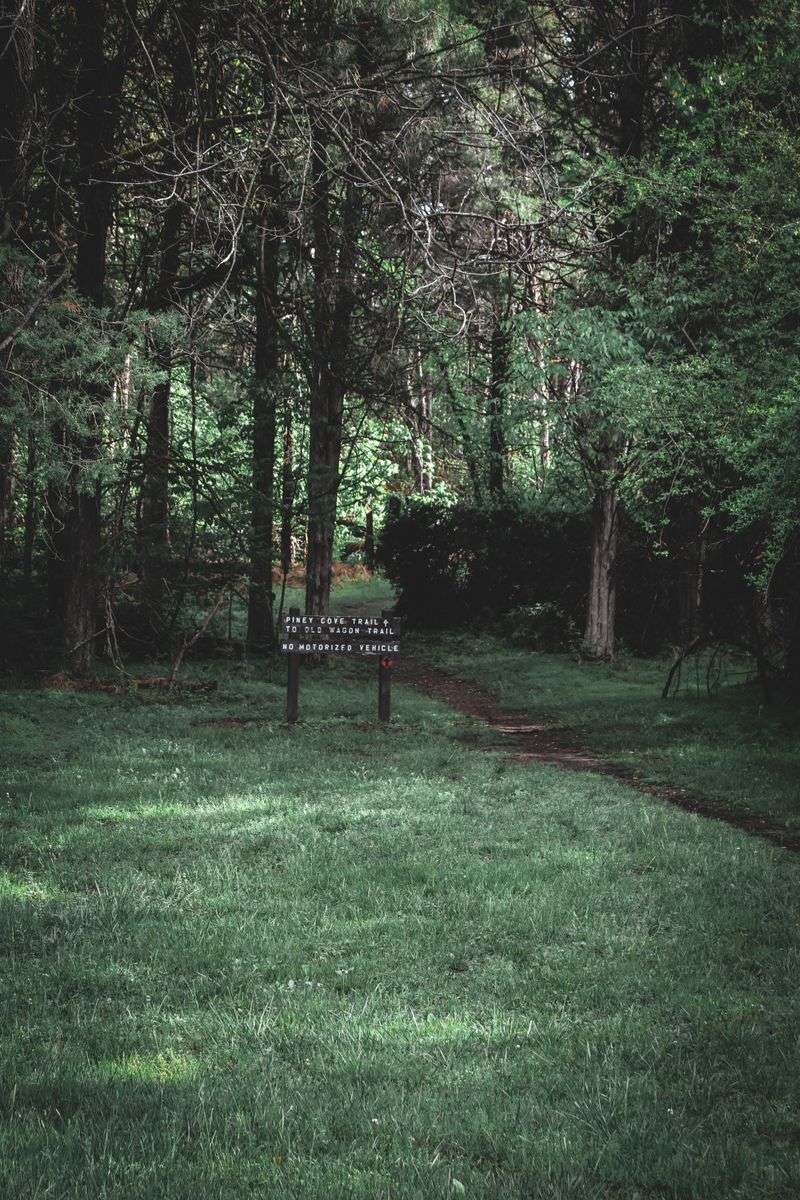
Nothing ends a hike faster than a locked gate. Mohican-Memorial and Shawnee typically welcome visitors from 6 AM to 11 PM daily.
Hocking State Forest runs on a different clock: a half hour before sunrise until a half hour after sunset.
Lawful campers, hunters, and anglers may be out beyond posted hours. Confirm times for your chosen forest, then build in extra daylight.
7. Trapping Activity In The Area
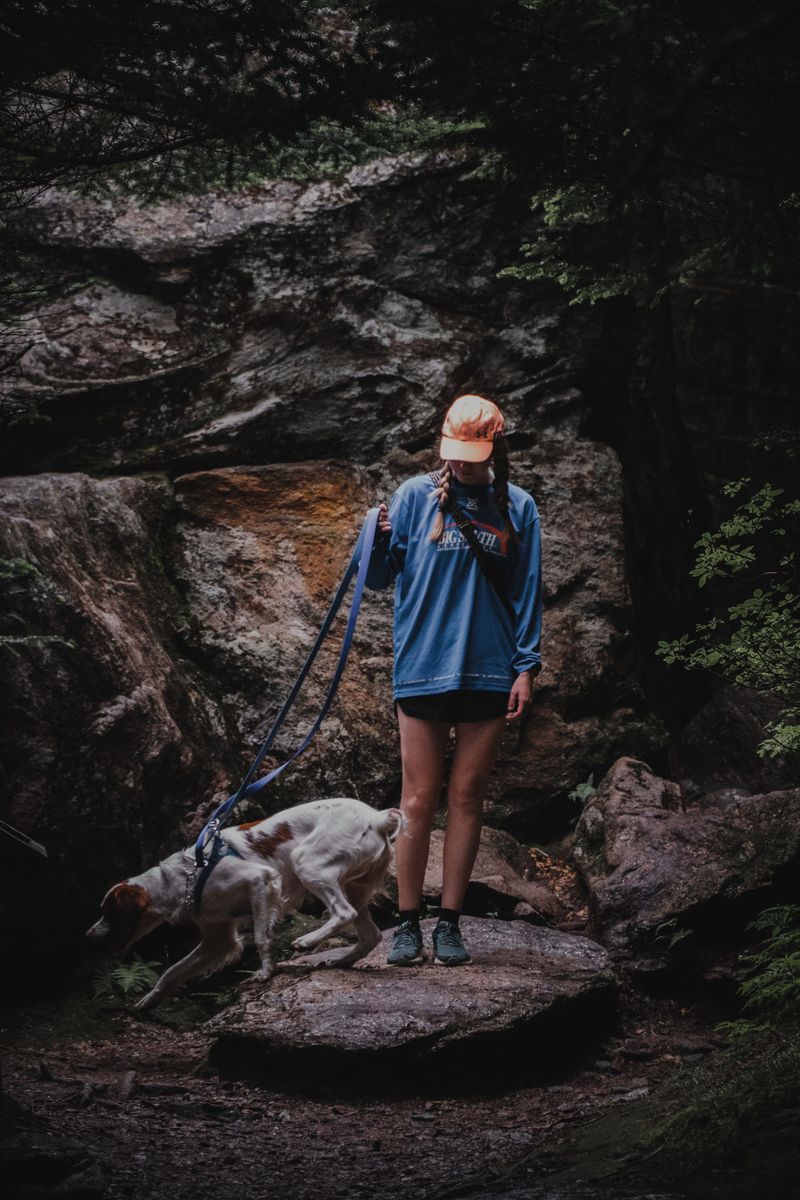
Trapping is also regulated by the ODNR Division of Wildlife, and rules vary by area and season. Details are worth confirming directly.
Check their official website or call the forest office about current trapping seasons where you plan to walk.
Meanwhile, keep your dog on the established path. Brushy creek edges and thick cover are exactly where curious noses wander off route.
8. Shooting Ranges Nearby
Sudden noise can rattle even a steady dog. Zaleski State Forest has a free outdoor shooting range, and Harrison State Forest offers an unsupervised rifle and pistol range.
Other public ranges sit on wildlife areas such as Deer Creek and Grand River.
If your dog is noise sensitive, pick trails farther from the range or visit at quieter times. Bring a favorite treat for reassurance.
9. Shared Trails: Horses, Bikes, and More
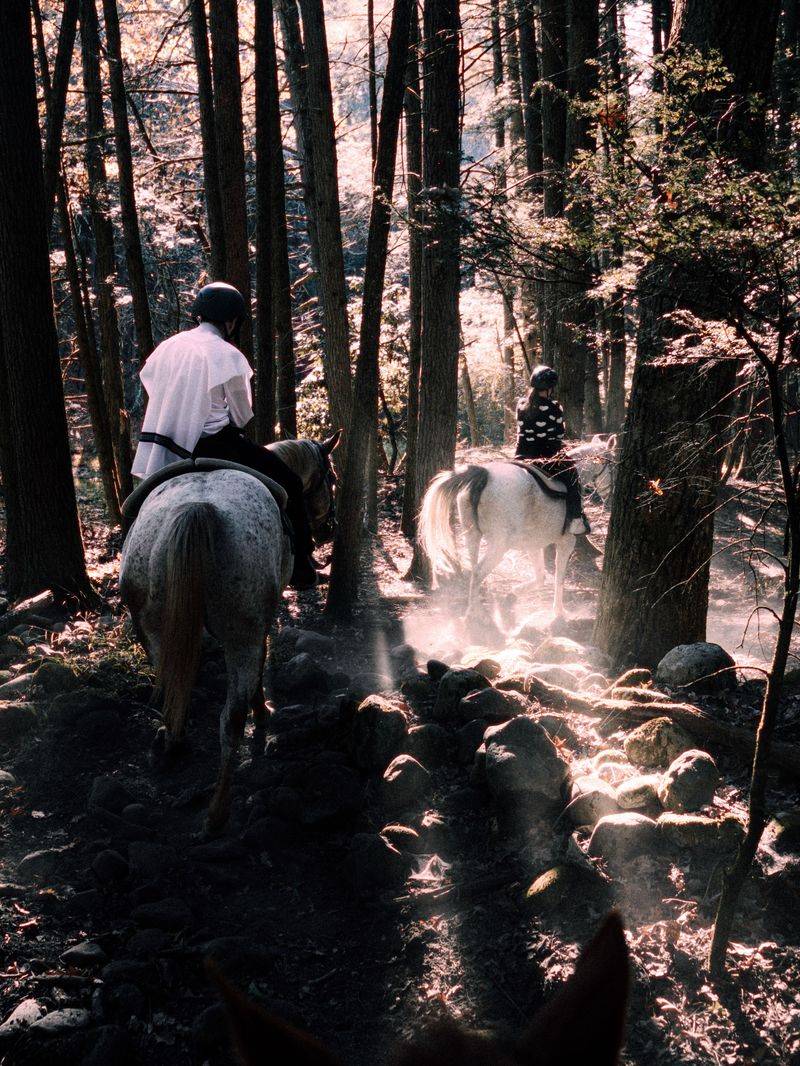
Ohio forests lean heavily on multi-use trails. That means hikers, horseback riders, and mountain bikers often share the same tread, and some routes allow snowmobiles in winter.
Practice stepping calmly to the downhill side and letting horses pass. Shorten the leash and speak quietly to your dog.
Bridle trails have seasonal closures to protect the ground, so check before planning a mixed route.
10. Honest Look At Your Dog’s Manners
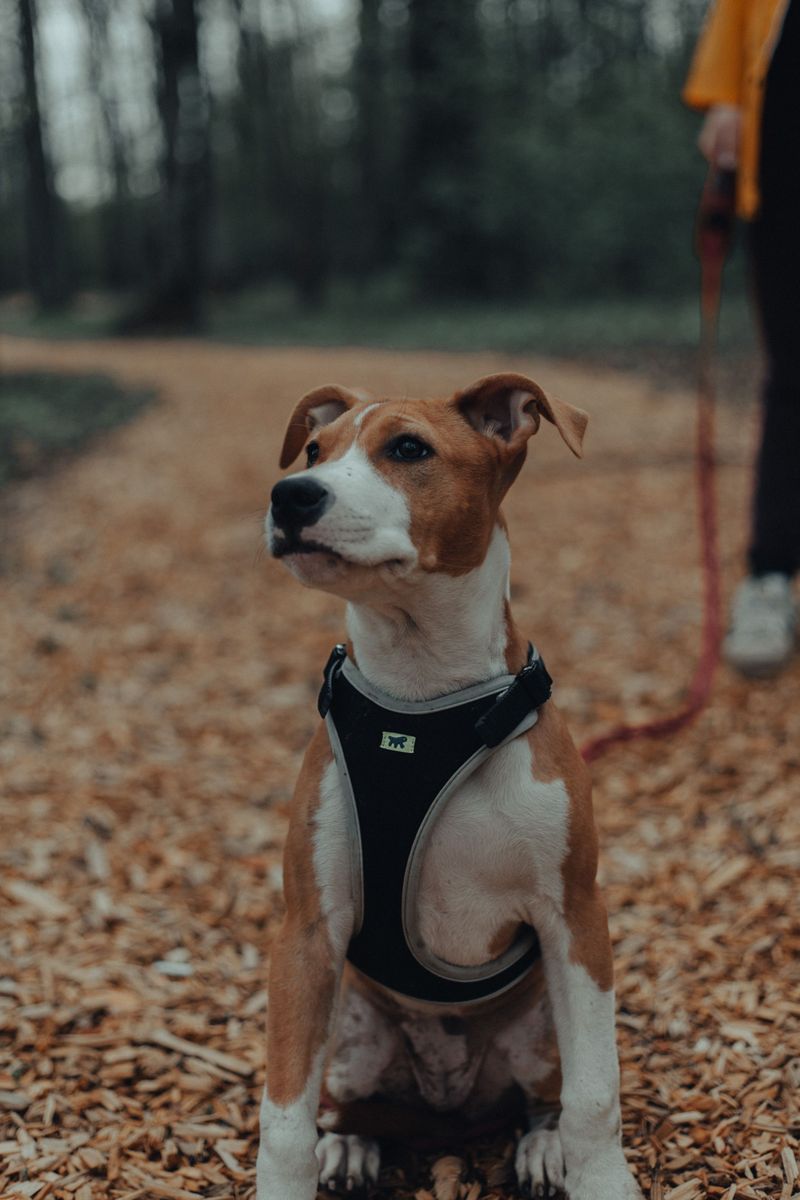
Ohio law asks owners to keep dogs under reasonable control at all times, on or off their own property. A leash is the accepted way to show that off property.
Dogs running at large may be seized by authorities, which nobody wants.
Before a busy trail, practice a solid recall and a calm sit while strangers or other dogs pass. Confidence at home carries into the woods.
11. Tags, License, and Contact Info
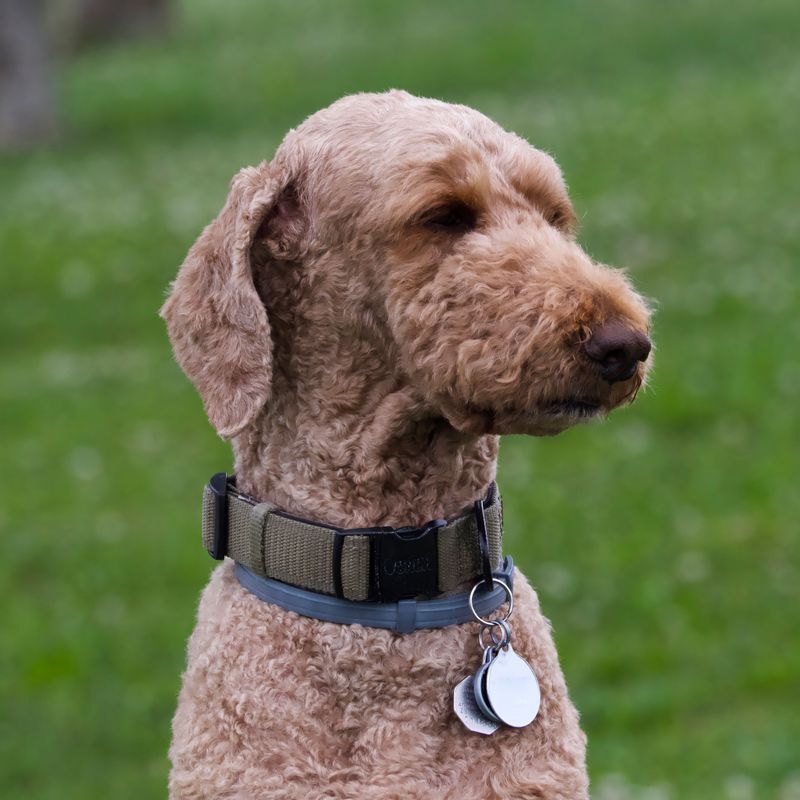
Ohio requires every dog over three months old to be licensed each year. Registration runs December 1 through January 31 with your county auditor.
The current tag belongs on the collar or harness whenever your dog is out. Missing it is treated as a minor misdemeanor.
Add an ID tag with your cell number, and make sure microchip records are current. Reunions happen fastest when your details are readable.
12. Rabies Paperwork For Overnight Trips
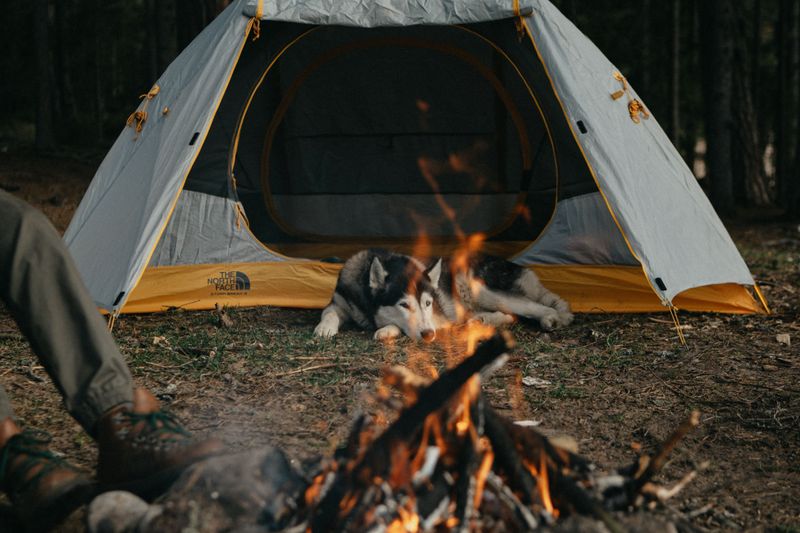
Planning to stay the night? Ohio state park campgrounds require proof of current rabies inoculation for your dog.
Guidance for state forest campgrounds is less explicitly stated, but carrying the certificate is smart practice anywhere you camp publicly.
Snap a photo of the paperwork and keep it on your phone, plus a paper copy in the glovebox. Your vet can email a fresh copy quickly.
13. Campground Leash Rules Get Tighter
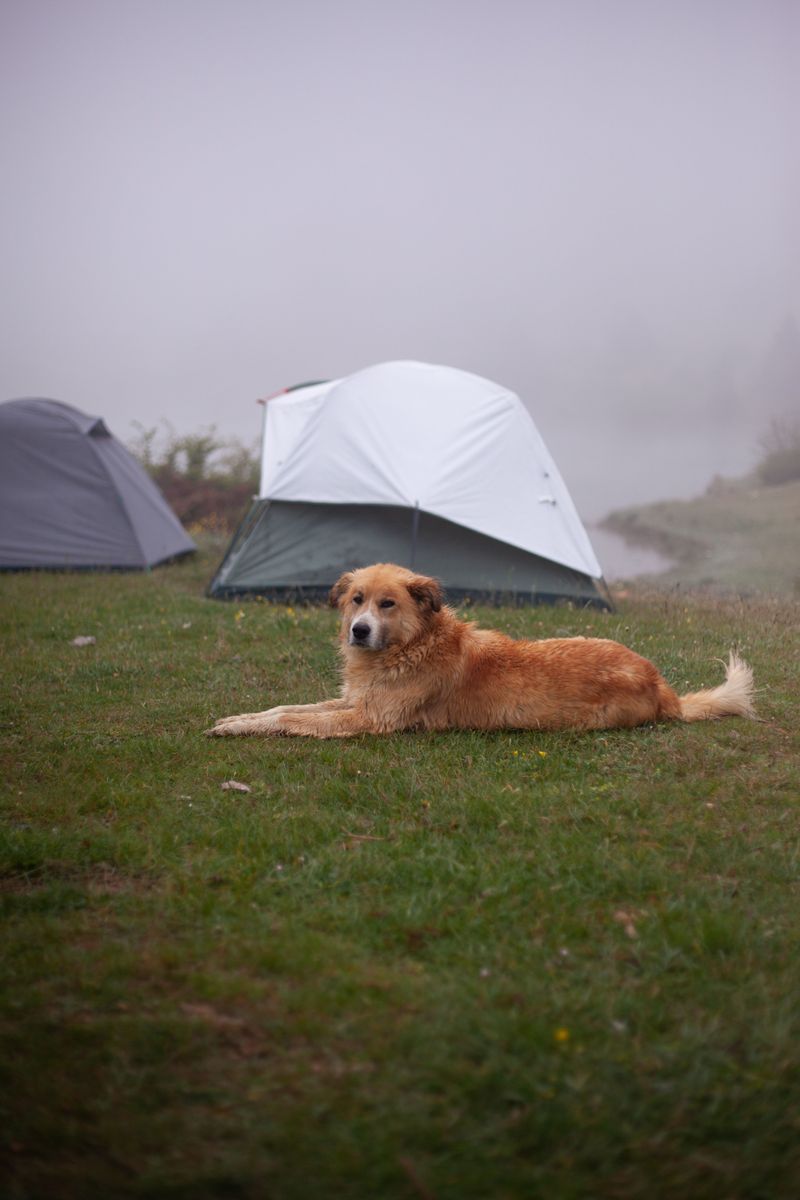
Camping brings extra conditions. Camping areas allow a maximum of two pets per campsite, and pets must stay on a securely anchored leash or lead line.
That tether cannot stretch into a neighboring site or get in another camper’s way.
Dogs should not be left unattended at the site. Pack a ground stake, a shorter lead, and something comfortable for your dog to settle on.
14. Buildings Where Pets Stay Outside
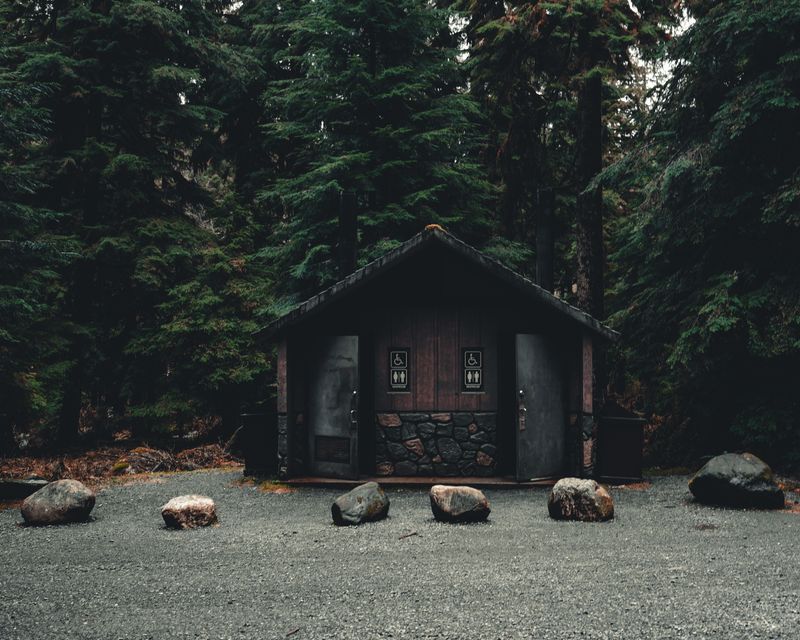
Shower houses, restrooms, and other enclosed camping structures are generally off limits to pets. Camp beaches are included in that restriction.
Plan for it by traveling with a partner who can hold the leash, or use a secure spot at your site while you step away briefly.
A shaded tie-out, water bowl, and chew toy turn a small inconvenience into a non-issue.
15. Waste Bags, Always
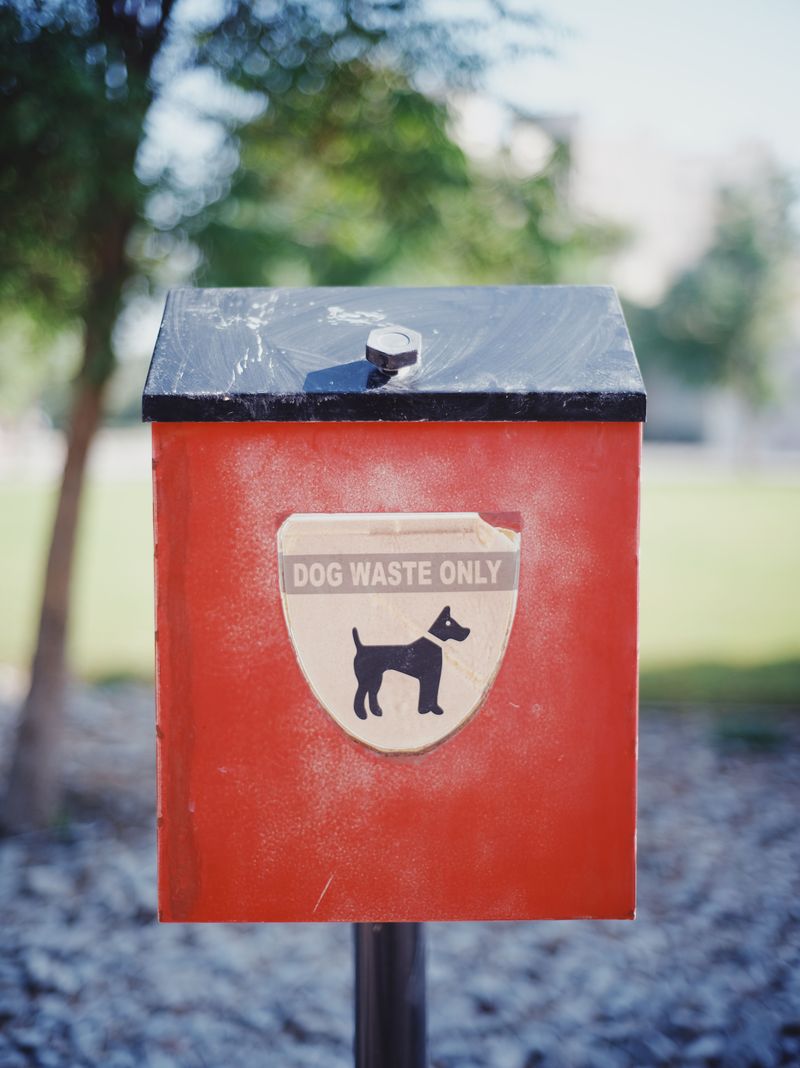
Cleaning up is required, not just polite. Rules at forests like Mohican-Memorial direct visitors to pick up after pets and dispose of waste properly, and the Ohio Administrative Code applies the same expectation in nature preserves.
Left behind, waste can pass illness to wildlife and wash into streams.
Clip a roll of bags to your leash handle so you never forget. Carry out what you pack in.
16. Tick and Parasite Coverage
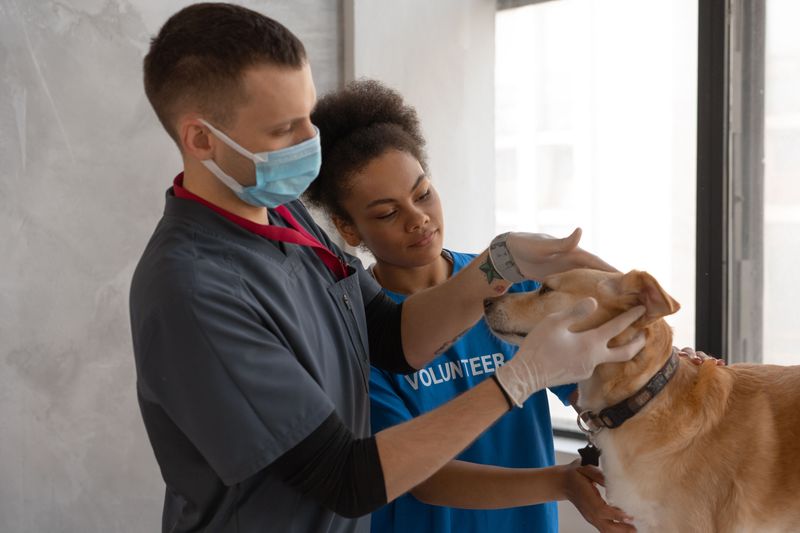
Woodlands and tall grass are prime tick country, and Ohio forests are no exception. Confirm your dog’s flea, tick, and parasite preventives are current before the trip.
Streams can also carry organisms such as Giardia, which is one more reason to discourage puddle sipping.
Run your hands over ears, neck, armpits, and toes once you get back to the car. Ask your vet what protection fits your dog.
17. Pack More Water Than You Think
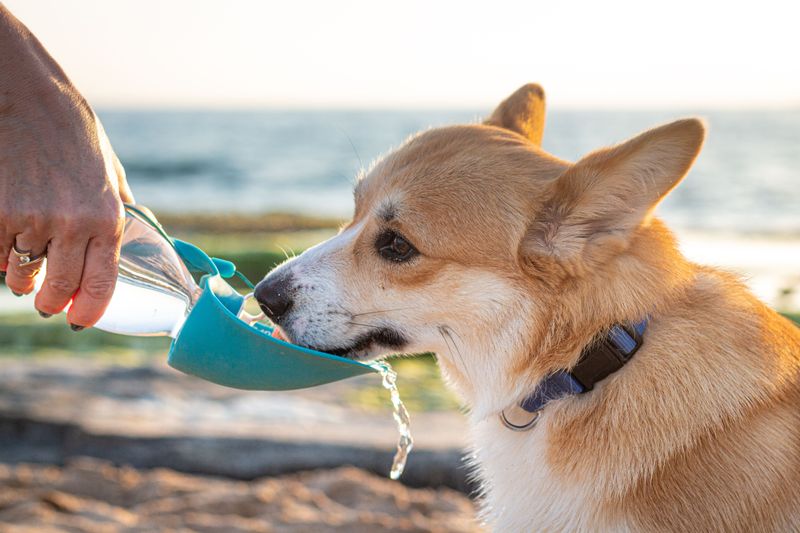
Dogs cool themselves inefficiently, so hydration does heavy lifting on the trail. Carry plenty of drinking water for yourself and your dog, especially on warm days.
Skip the streams. Natural sources may hold parasites like Giardia, and a collapsible bowl solves the problem neatly.
Offer small drinks at regular stops rather than one big gulp at the end. Shade breaks help just as much.
18. Match The Trail To The Dog
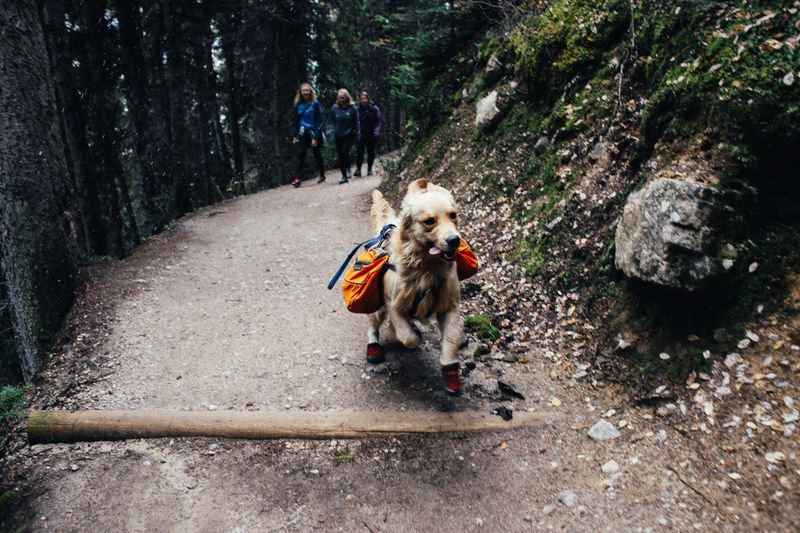
Ohio hills can be steeper than the map suggests. Weigh trail distance and terrain against your dog’s age, fitness, and paw toughness.
Check the forecast too, since humidity and heat build quickly in summer. Early mornings are kinder for everyone.
The ODNR website and apps such as OuterSpatial list trail conditions and alerts. Turning back early is a perfectly good decision.
19. Water Advisories Before Any Swim

Warm, still water in late summer can develop harmful algal blooms, also called blue-green algae. Toxins in them are risky for dogs that drink or swim.
Blooms may look like odd coloring, foam, mats, or scum, sometimes with a musty smell. Appearance alone cannot tell you if it is toxic.
Health officials say when in doubt, keep them out. Rinse your dog with clean water afterward, check ODH BeachGuard advisories, and call your vet with any concerns.
Run this checklist once, and your forest days get easier every time.