20 Everyday Ohio Dog Routines That Change Between Big Cities, Suburbs, And Farm Country
Ohio dogs live very different lives depending on where home is. A pup in downtown Columbus starts the day on a sidewalk, while a farm dog in Holmes County might trot past a barn.
Knowing how routines shift between cities, suburbs, and farm country helps you plan smarter care. Think of this as a friendly guide from a neighbor who has walked all three paths.
1. Morning Potty Breaks Look Different Everywhere
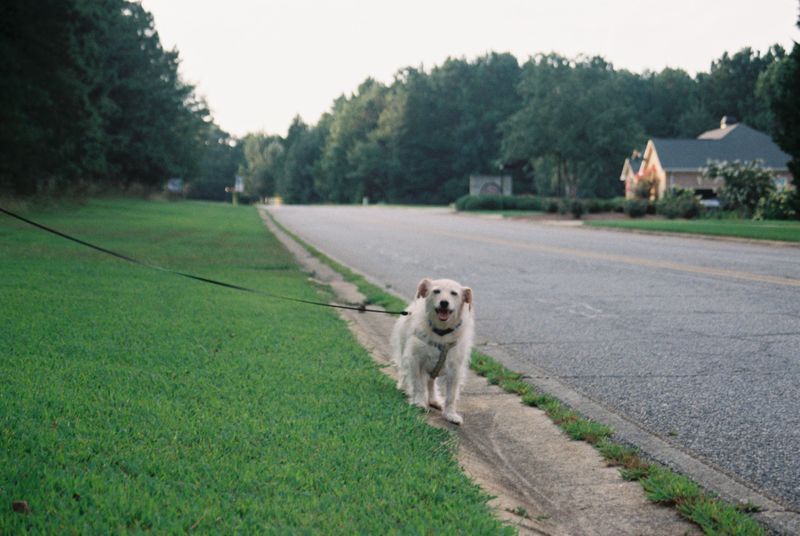
Sunrise means business for every Ohio dog, but the setting changes. City pups usually head out on a leash to a sidewalk strip or a small patch of urban grass.
Suburban dogs often just step into a fenced backyard. Quick and easy.
On farms, many owners pick a set spot away from barns, gardens, and water sources. Using the same place each morning teaches your dog where to go and keeps cleanup simple.
2. Daily Walks Take Different Paths
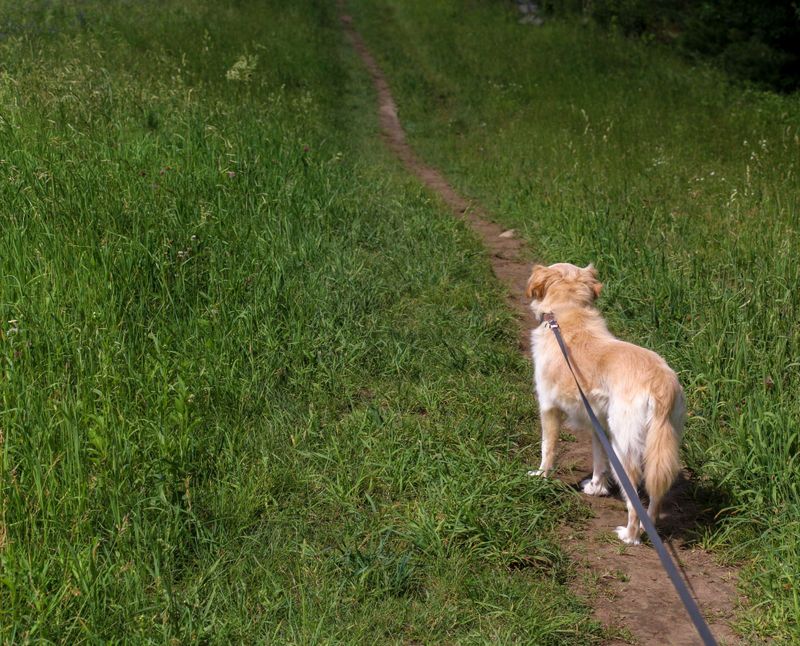
Picture three walks happening at once. One dog weaves past coffee shops downtown, another strolls a quiet cul-de-sac, and a third pads along a dirt track between cornfields.
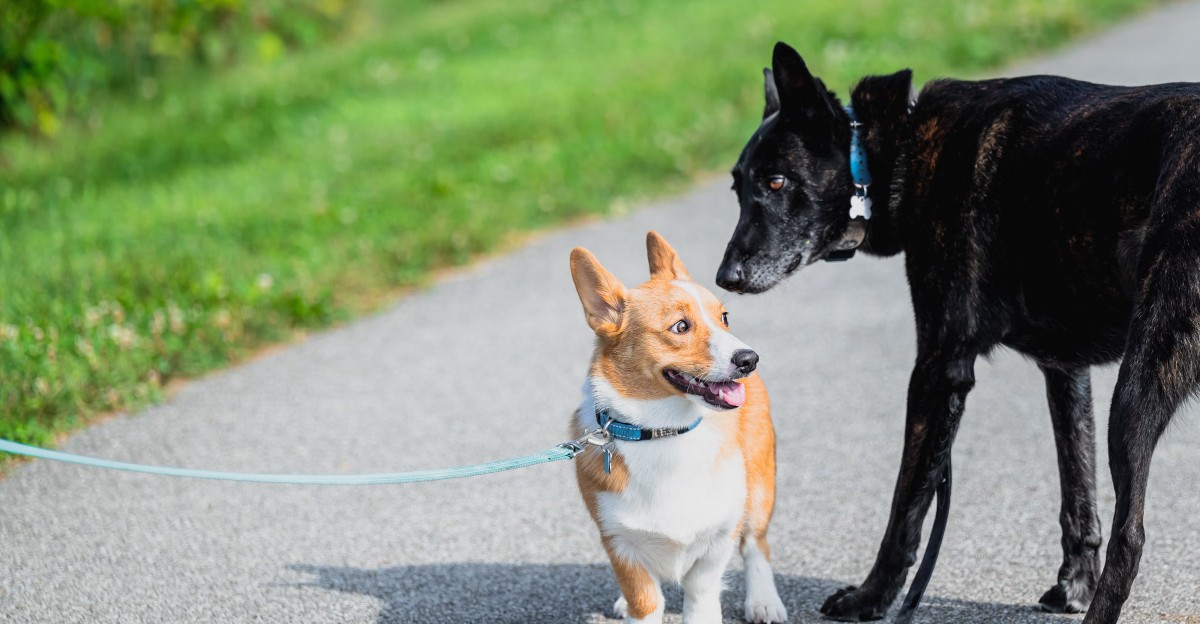
City walks mean crowds and crosswalks. Suburban walks follow neighborhood sidewalks and park paths.
Farm walks cover fields and wooded trails. Near livestock, keep your dog on a short leash and under close control.
Cattle and horses can startle easily.
3. Exercise Fits the Space You Have
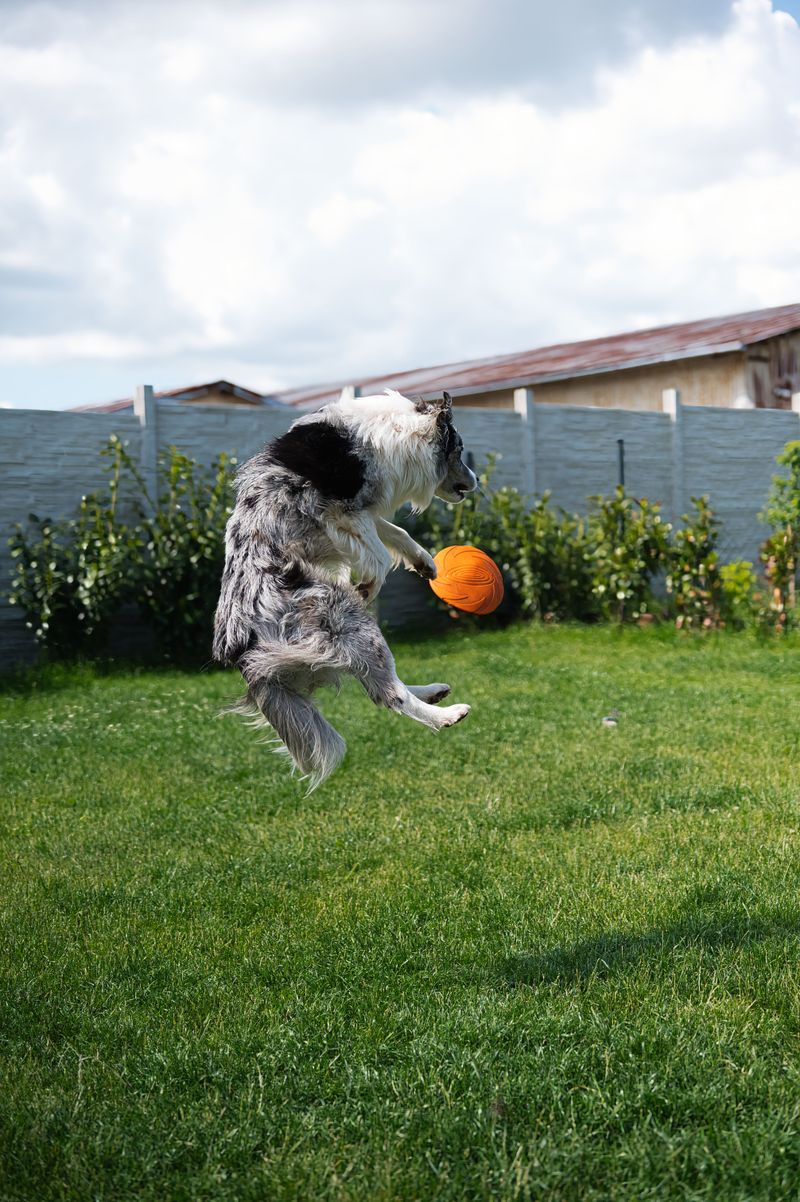
Energy needs an outlet, no matter the zip code. In cities, dog parks and long structured walks do the heavy lifting.
Some owners even rent private yards for safe off-leash play.
Suburban dogs often burn energy in their own backyards with fetch or tug.
Farm dogs may roam open land, but supervision still matters. Ponds, equipment, and livestock pens are good reasons to keep an eye on your running buddy.
4. Leash Rules Shift With the Setting
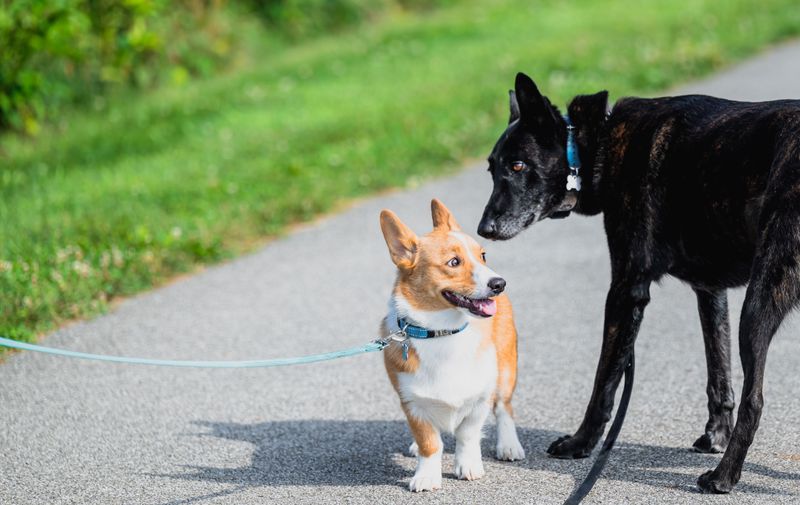
Ohio law says dogs must be kept on the owner’s property or under reasonable control. Cities and suburbs usually go further with local leash rules.
Many parks and trails limit leashes to about six feet. Check your city or park district for exact rules.
On private farmland, off-leash exercise is often allowed. Once your dog leaves your property, though, control is still required.
Fences and recall training help here.
5. Traffic Comes in Many Shapes
Cars, bikes, and scooters zip through city streets all day. City owners keep leashes short and wait for the walk signal.
Suburbs have slower traffic, but kids on bikes and delivery vans still appear suddenly.
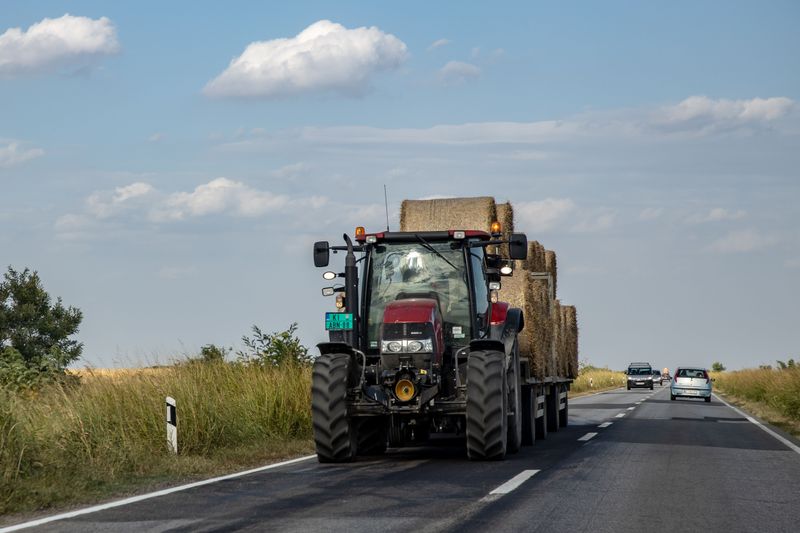
Farm country brings big, slow vehicles. Tractors and grain trucks have large blind spots, and harvest season adds extra road traffic.
Keep farm dogs away from working machinery and driveways during busy hours.
6. Meeting People and Pets
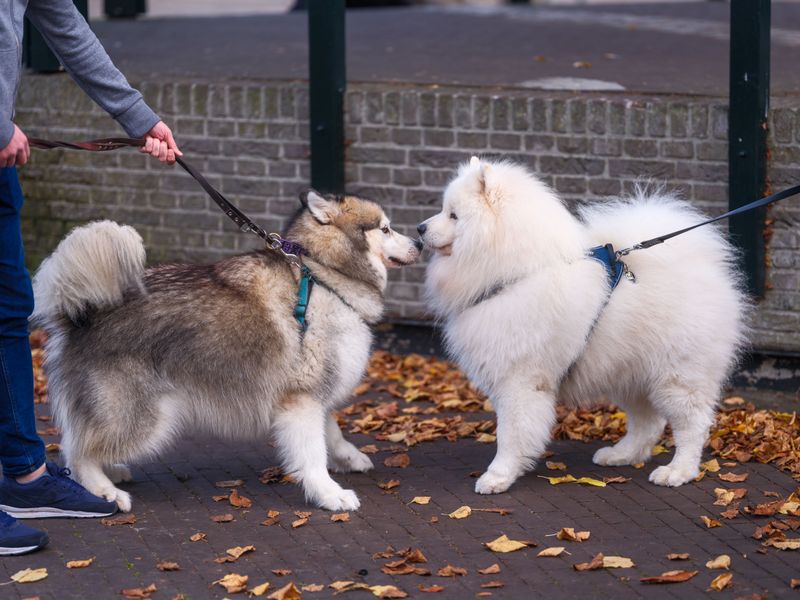
A city dog might meet fifty strangers before lunch. That constant exposure builds confidence, but it also calls for polite greeting skills.
Suburban dogs usually see familiar faces, like the mail carrier and neighbor kids.
Farm dogs meet fewer people and more animals. Plan short trips to town, feed stores, or friendly homes.
Regular, calm outings help a rural dog stay relaxed around visitors and vet staff.
7. Every Area Has Its Own Soundtrack
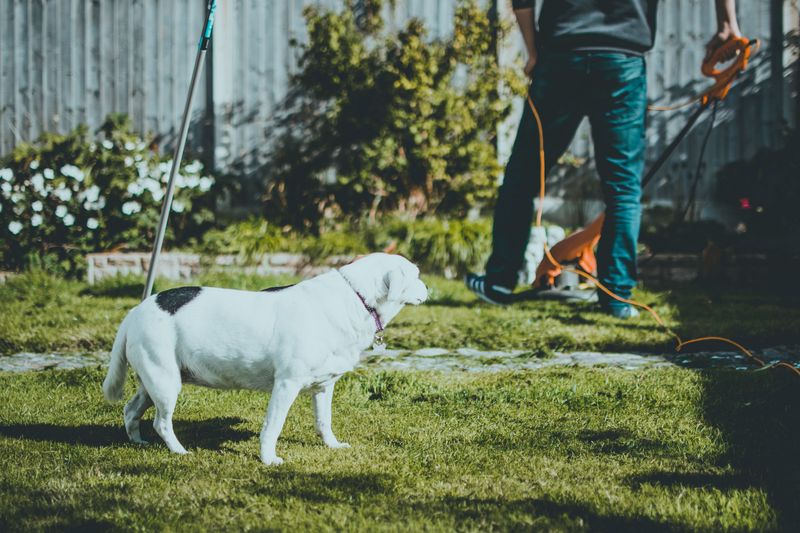
Sirens, horns, and jackhammers fill city air. Lawnmowers and leaf blowers rule the suburbs.
Farms rumble with tractors, grain dryers, and mooing cattle.
Dogs usually adjust to familiar sounds. New noises are what catch them off guard.
Try pairing unfamiliar sounds with treats at a low volume first. A cozy crate or quiet room gives anxious dogs a safe retreat.
Ask your vet if noise worries seem strong.
8. Training Goals Change With Location
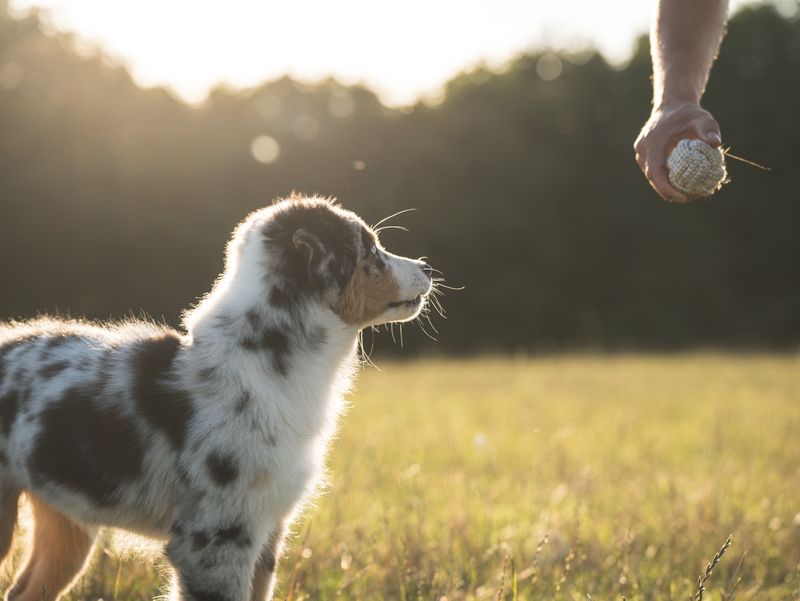
Good manners look a little different in each place. City trainers focus on loose-leash walking and staying calm in busy spaces.
Suburban owners often work on yard boundaries, door manners, and not chasing passing bikes.
On farms, a strong recall is the top skill. A dog that comes back instantly stays safer around livestock, roads, and wildlife.
Practice daily with rewards your dog truly loves.
9. Cleanup Duty Never Takes a Day Off
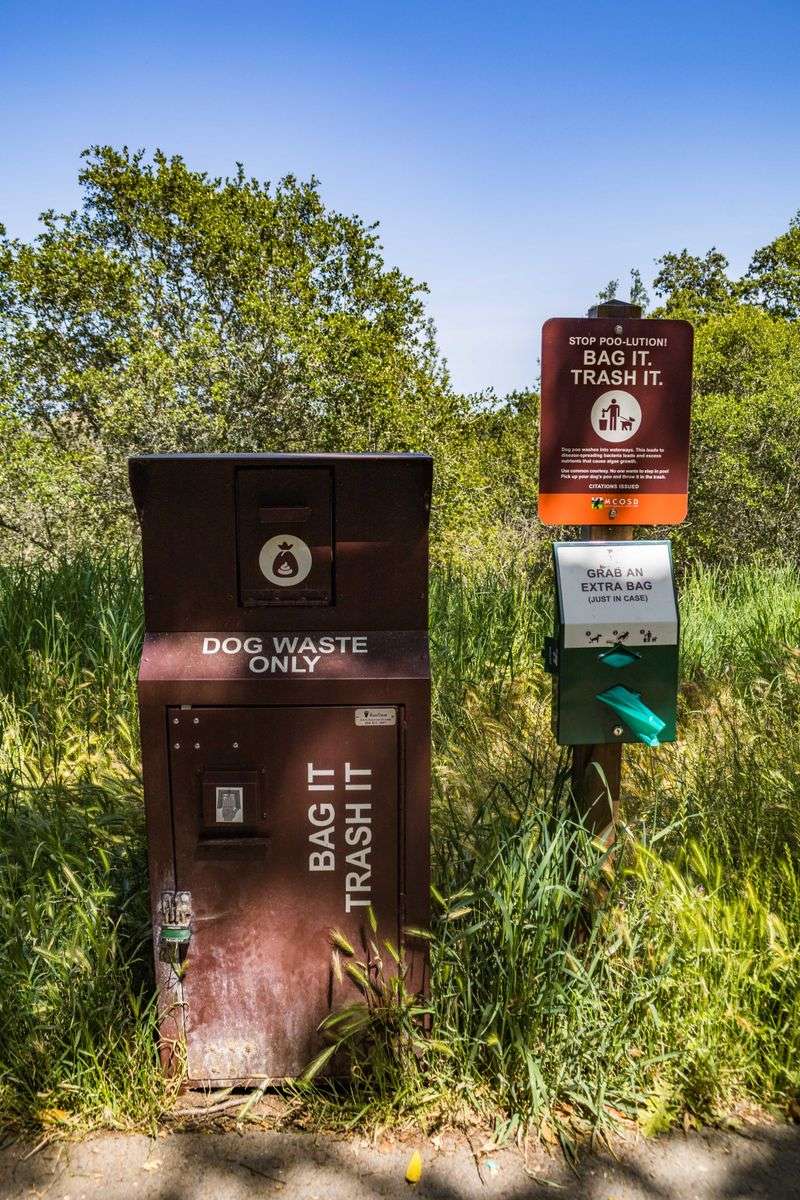
Many Ohio cities require owners to pick up after dogs in public right away. Waste stations with bags are common in city parks.
Suburban owners bag waste on walks and clean their yards often.
Farm cleanup is more relaxed but still matters. Focus on shared spaces like driveways, porches, and kids’ play areas.
Keep waste away from wells, streams, and gardens to protect water and crops.
10. Dog Park Access Varies a Lot
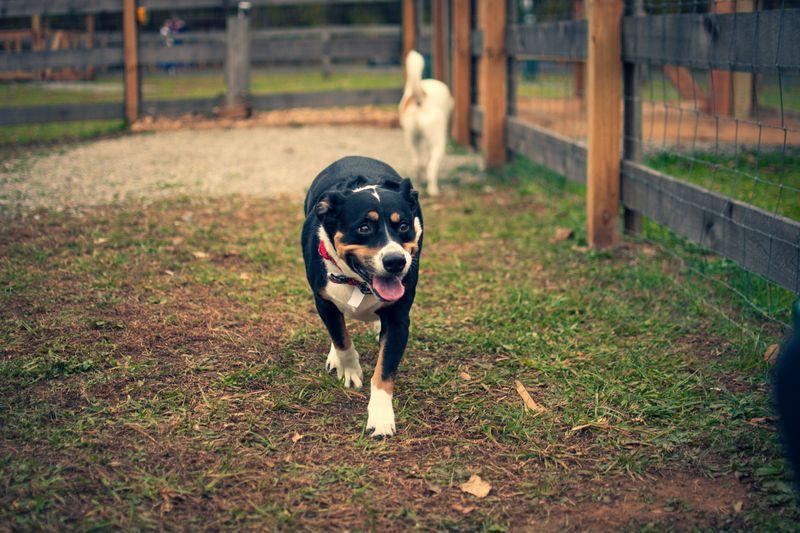
City dwellers often have a fenced dog park within a short walk or drive. Many suburbs offer them too, often with separate large and small dog sections.
Rural owners may need a longer drive to reach one.
Some private properties now rent fenced fields by the hour, which works well for shy dogs. Wherever you go, read posted rules.
Many parks require current vaccines and a license.
11. Getting to the Vet
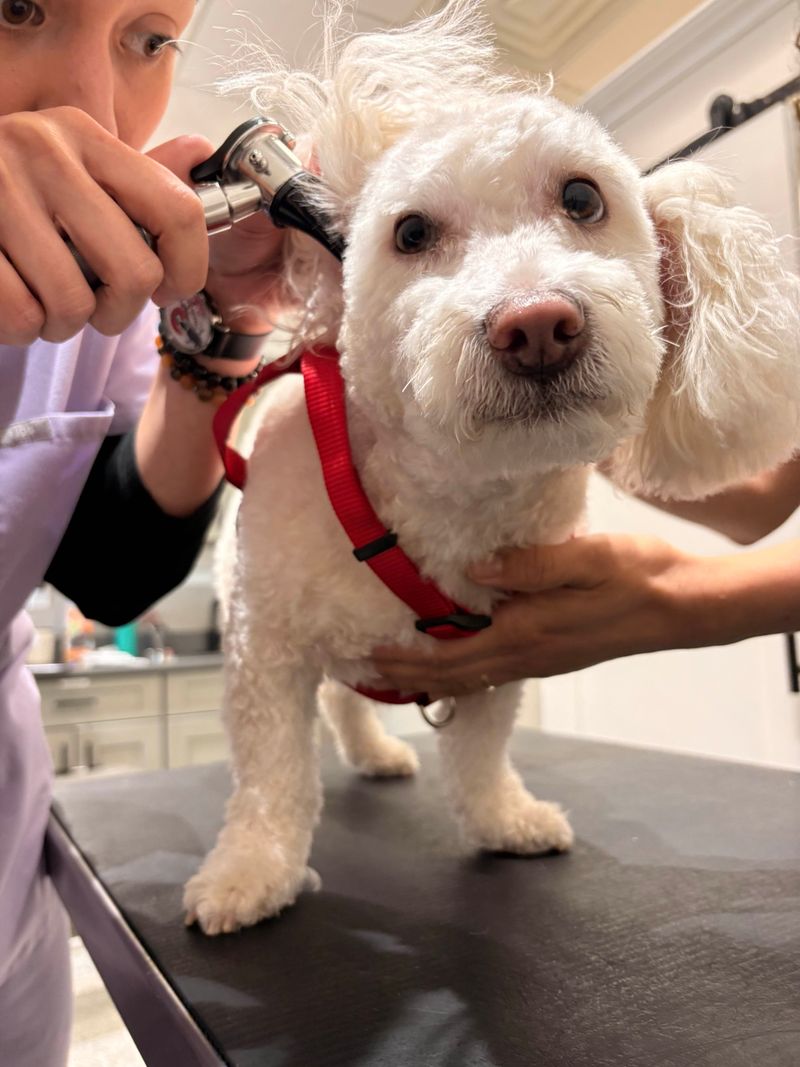
Here is a question worth asking now: how far is your closest emergency vet? City residents often have several clinics nearby.
Suburban families usually drive a short distance for routine care.
Farm families may travel much farther, especially after hours. Mobile vets who make farm calls can be a real help.
Save your vet and emergency clinic numbers in your phone before you ever need them.
12. Grooming Means Different Messes
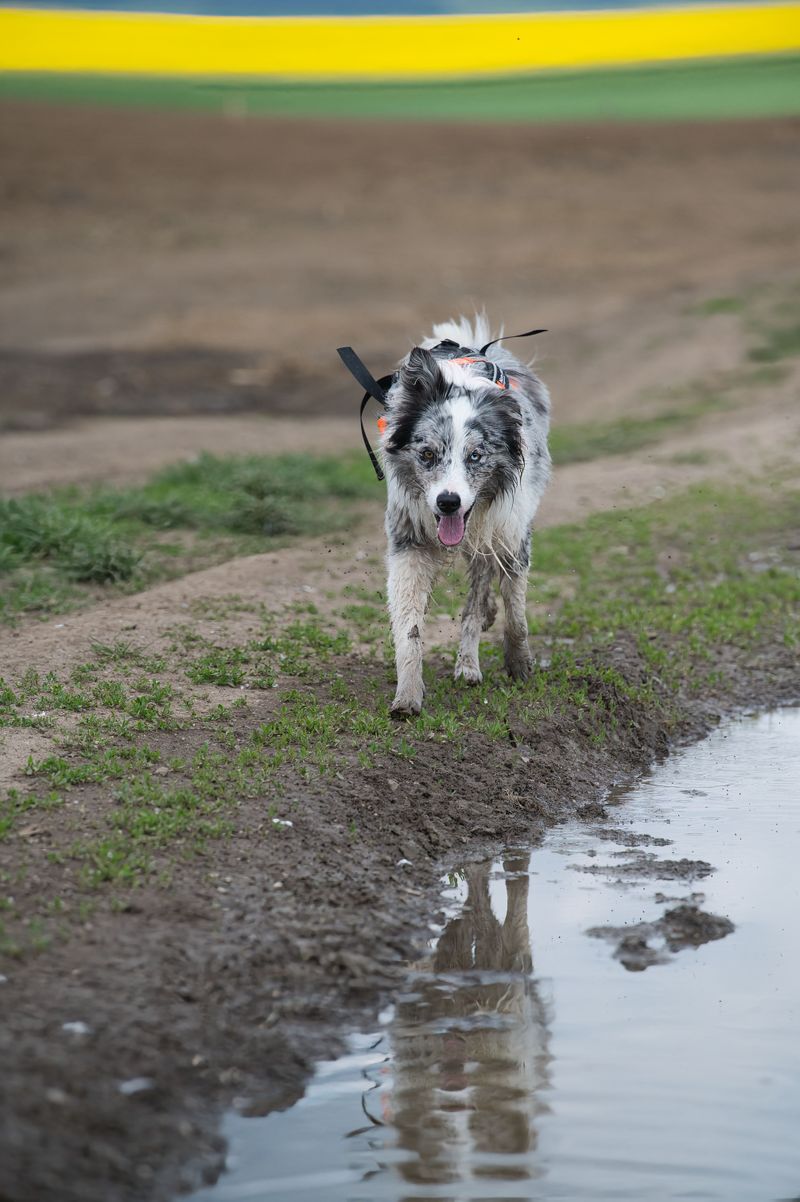
Every dog brings home souvenirs. City pups pick up street grime on their paws and bellies, so a quick wipe after walks helps.
Suburban dogs collect grass clippings, leaves, and garden dirt. Regular brushing handles most of it.
Farm dogs win the mud contest, plus burrs and sticky seeds. Check coats and between toes often.
Catching tangles early prevents painful mats and skin irritation.
13. Wildlife Neighbors to Watch
Squirrels are a city dog’s favorite distraction. Raccoons and rabbits also appear in urban yards.
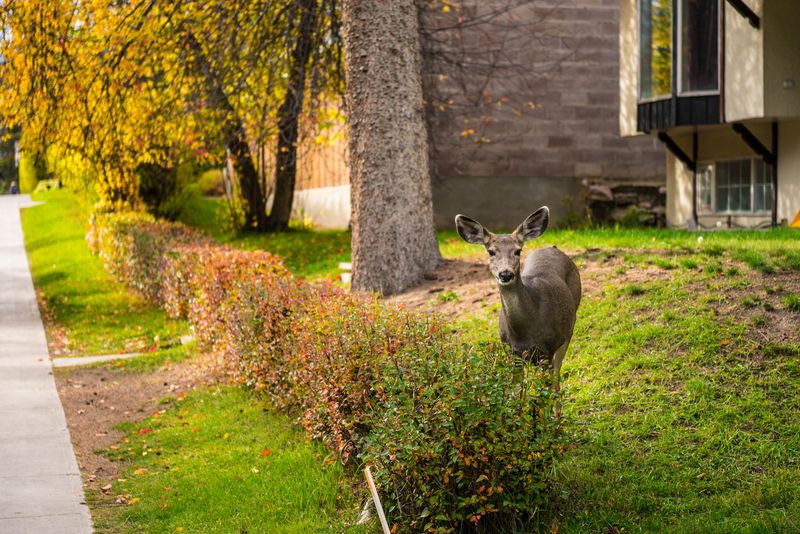
Suburbs add deer and the occasional coyote, which matters most for small pets outside at dusk.
Farms may see coyotes and foxes more often. Supervise small dogs at dawn and dark.
Also, Ohio law gives livestock owners rights to protect animals from threatening dogs, so keep your dog away from neighbors’ herds.
14. Ticks Show Up Almost Anywhere

Ticks are not just a country problem. They live in city park edges, suburban yards, and farm fields alike.
Ohio has seen tick numbers grow in recent years, including blacklegged ticks.
Check your dog after outdoor time, especially ears, armpits, and between toes. Keep grass mowed and clear brush piles.
Ask your veterinarian which preventive product fits your dog’s age, size, and lifestyle.
15. Winter Paw Care
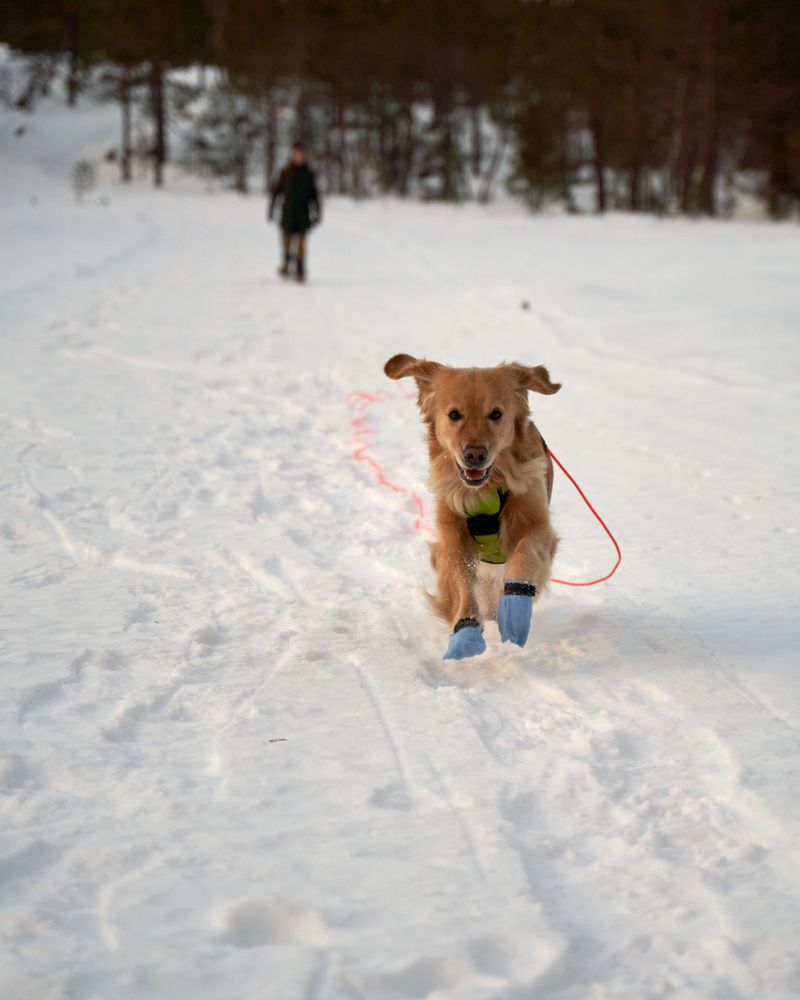
Ohio winters test every paw. City sidewalks are often coated in salt, which can dry and crack pads.
Suburban driveways turn icy, so slips are common. Pet-safe ice melt is a smart choice at home.
Farms bring frozen mud and long hours outside. Provide dry, wind-blocking shelter.
Booties or paw balm help everywhere, and a warm rinse after walks removes salt and grit.
16. Beating the Summer Heat
Try the five-second test. Press the back of your hand to the pavement.
Too hot for you means too hot for paws.
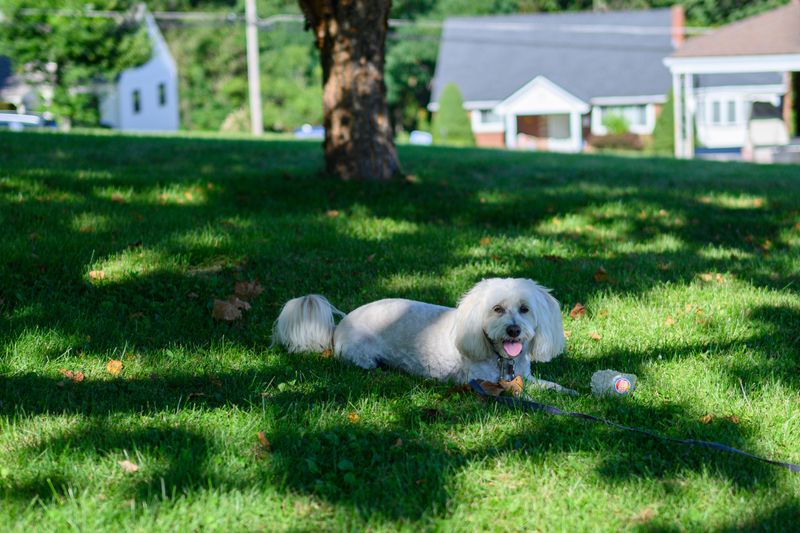
City walks work best early morning or evening. Suburban dogs need shaded yard spots and cool indoor breaks.
Farm dogs working outside need water and shade within easy reach. Watch for heavy panting, drooling, or weakness.
Call your vet promptly if you notice these signs.
17. Keeping Dogs Safely Contained
Containment is about safety, plain and simple. City dogs mostly live inside apartments or homes and go out on a leash.
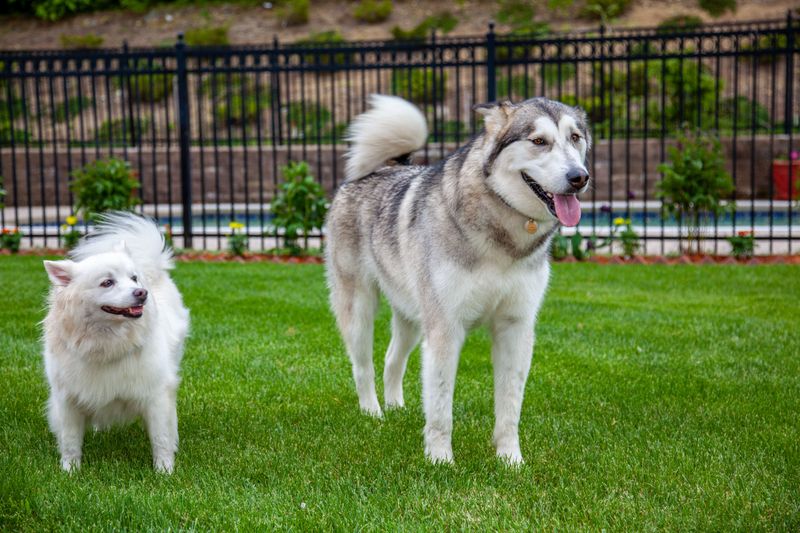
Suburban families often rely on fenced yards. Some use invisible fence systems, though determined dogs may push through.
Farms cover more ground, so secure boundaries take more planning. Fenced dog yards near the house work well.
Walk your fence line often and fix gaps quickly.
18. Finding Pet Services
Need a dog walker by noon? In a city, that is usually easy.
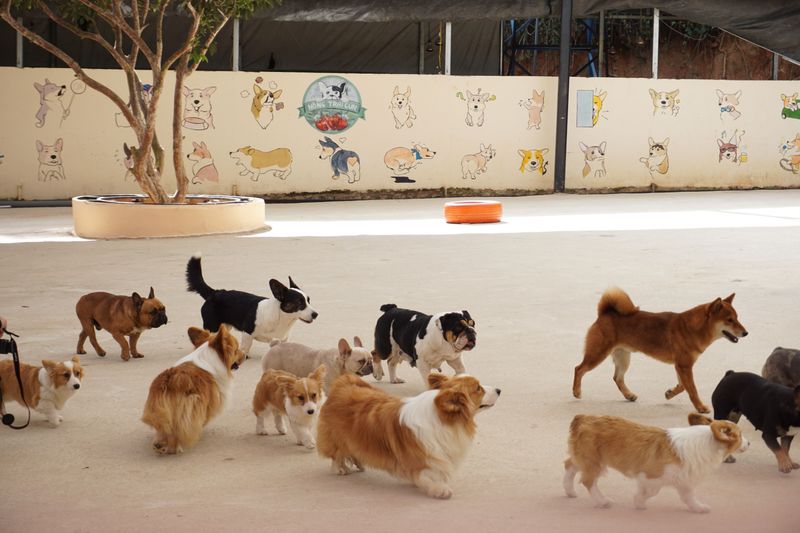
Walkers, daycares, groomers, and trainers are plentiful.
Suburbs offer a good mix, though you may drive a bit.
Rural owners often have fewer choices and longer waits. Book groomers and boarding well ahead, especially near holidays.
Trusted neighbors and farm-sitting services can fill gaps when you travel.
19. Some Dogs Have Jobs
Most city and suburban dogs have one main job: being family. Couch cuddles count as important work.
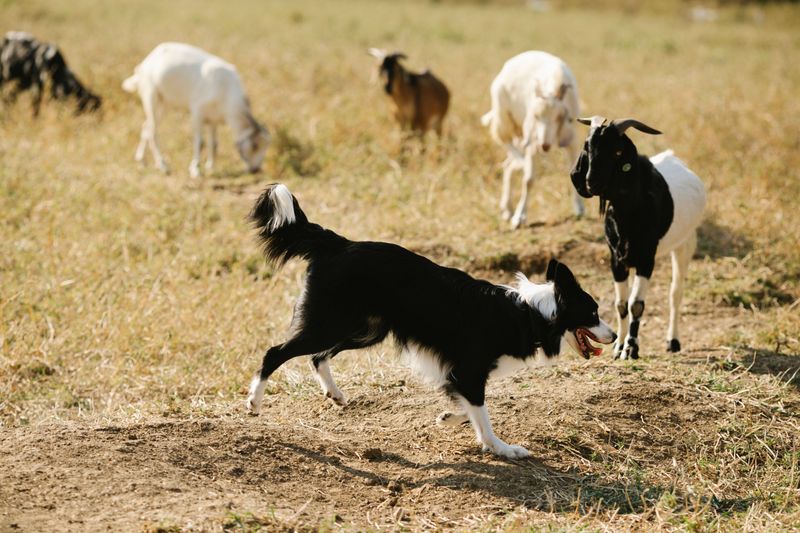
Farm dogs may clock in too. Border Collies and Australian Shepherds herd livestock, while breeds like Great Pyrenees guard flocks.
Fun fact: guardian breeds often bond with the animals they protect. Working dogs still need vet care, rest, and affection.
A good job never replaces being loved.
20. Winding Down the Day
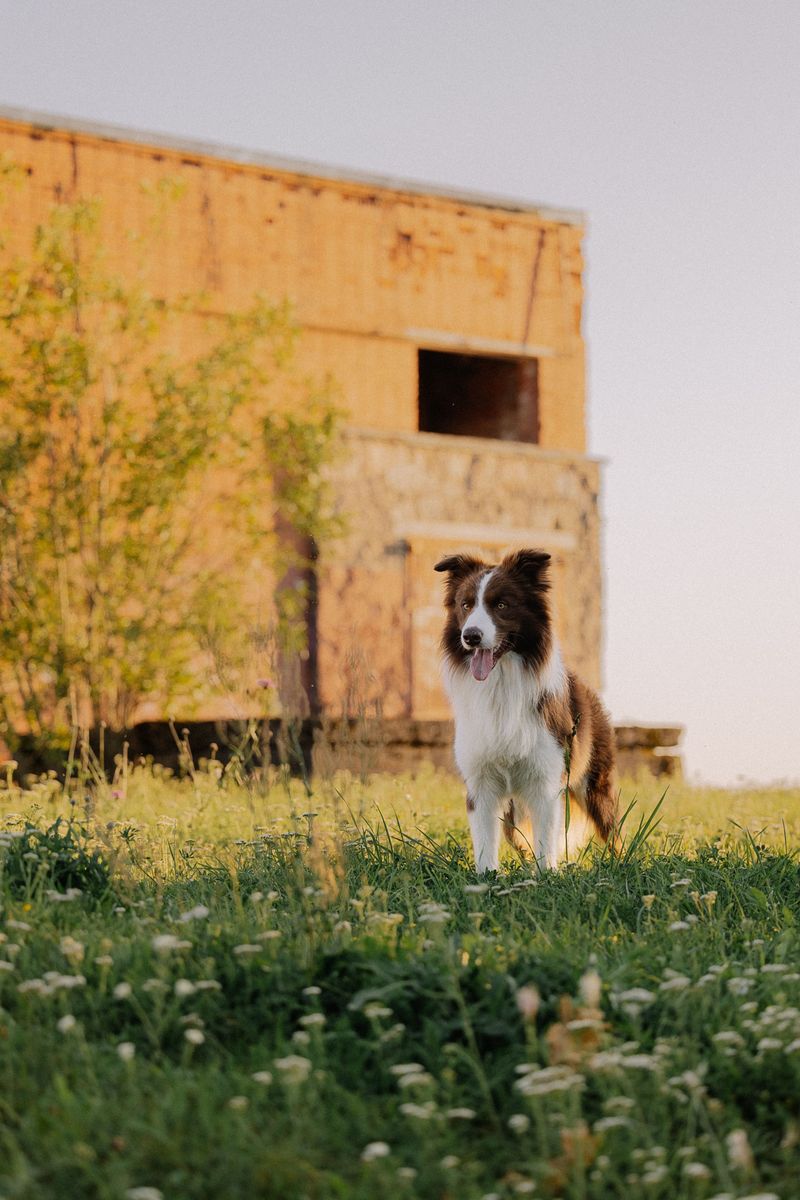
Evenings have a gentle rhythm of their own. City dogs usually take one last leashed stroll and a potty break before bed.
Suburban pups might sniff around the yard while the sky turns orange.
Farm dogs often tag along for chores, checking animals and closing barn doors. Wherever you live, a predictable bedtime routine helps dogs settle.
Ending calmly makes for a restful night.