20 Ohio Mudroom And Basement Habits To Rethink Once A Dog Comes Home
Bringing a dog home changes how every room works, especially the busy spaces near your doors and below your feet. In Ohio, mud, snow, road salt, and damp basements are part of normal life.
A few small changes can make these areas safer and calmer for your new friend. Think of this as a friendly checklist from someone who has wiped plenty of muddy paws.
1. Stack Towels Right by the Door
Ohio springs and falls bring a steady parade of mud. Your dog will happily carry it inside unless you are ready at the door.
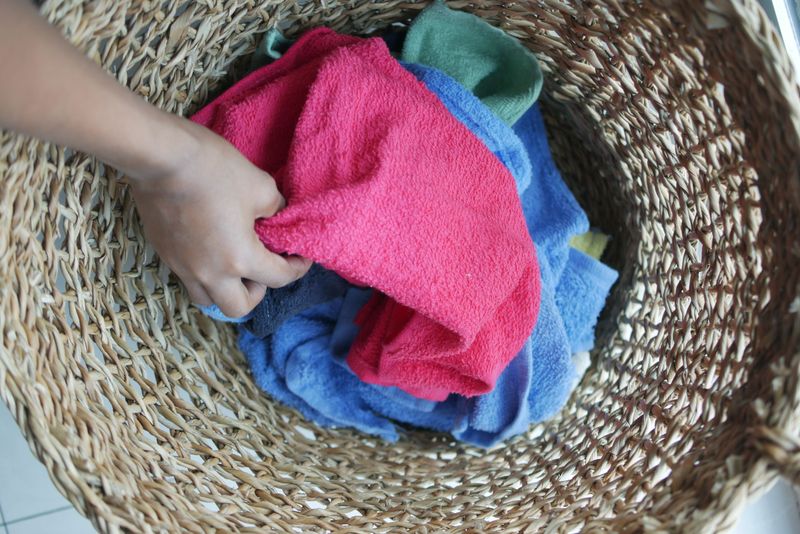
Keep a basket of soft, absorbent towels within arm’s reach. Dry each paw, including the spaces between toes and pads.
For extra muddy days, rinse with lukewarm water first, then dry well. Trapped moisture can lead to irritation or fungal problems, so a thorough towel-off really matters.
2. Make Winter Paw Wipes Automatic
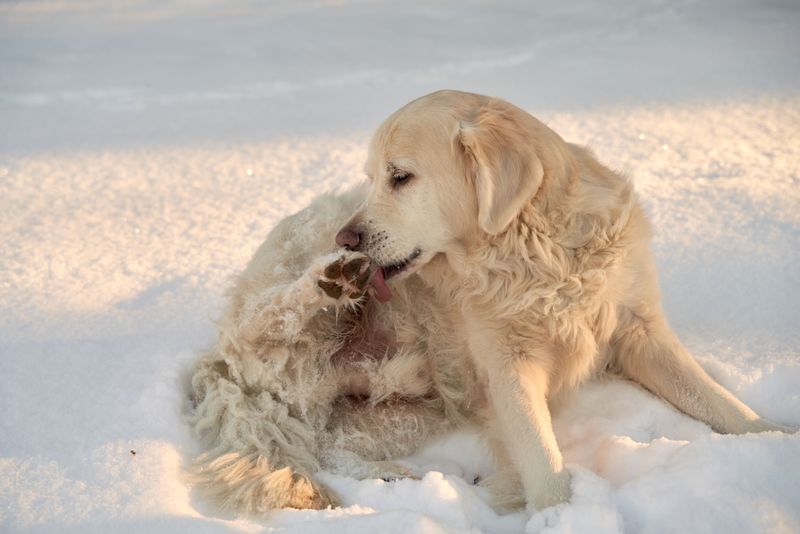
Salted sidewalks keep people upright, but they are rough on dog paws. Road salt and deicers can dry, crack, or redden paw pads.
Licking those paws later adds another concern. Swallowed salt can upset the stomach and cause vomiting or diarrhea.
After every winter walk, wipe or rinse each foot with a damp cloth. Then dry them fully.
A minute of care keeps paws comfortable all season.
3. Give Salty Boots a Higher Home
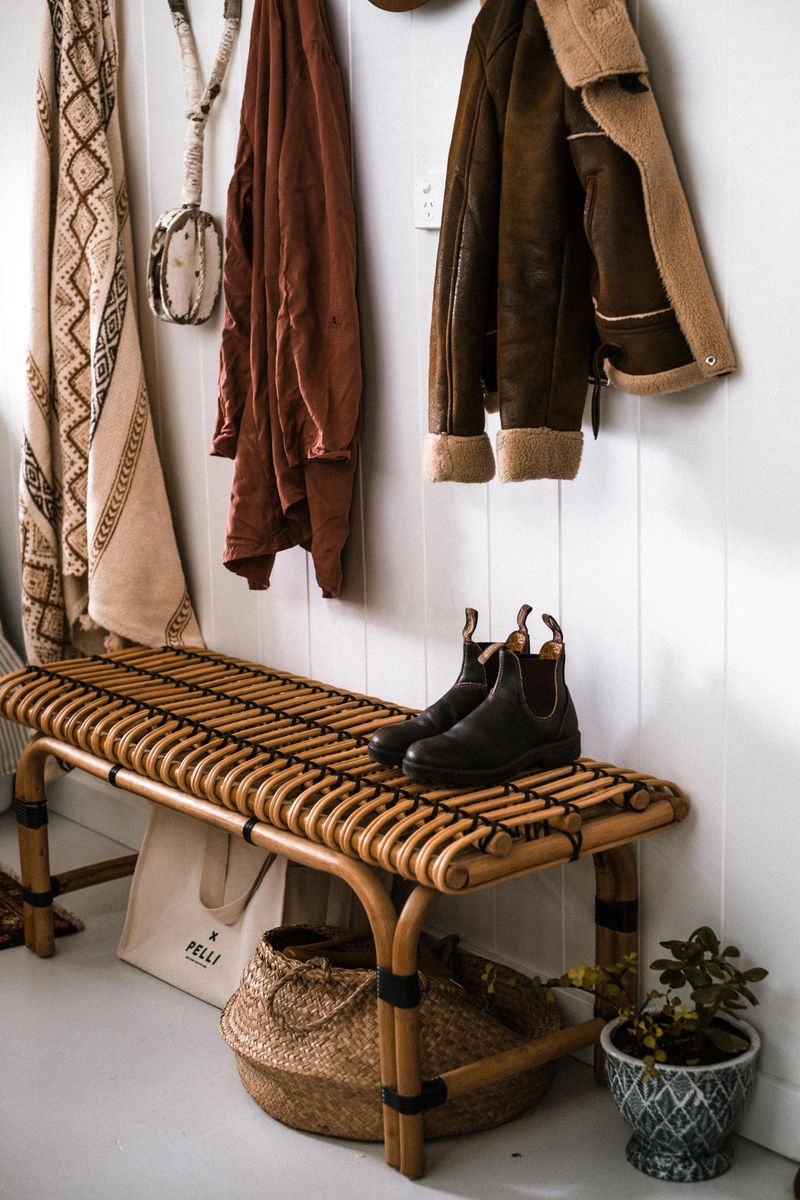
Picture a puppy discovering a pile of slushy boots. To a dog, those boots smell amazing and taste salty.
Unfortunately, the same salt and deicing chemicals on sidewalks cling to footwear. Licking or chewing boots means swallowing that residue.
Move wet boots onto a raised rack, a closed bench, or a tray behind a gate. Wipe the soles once they dry.
Your shoes last longer too.
4. Swap Slick Rugs for Grippy Mats
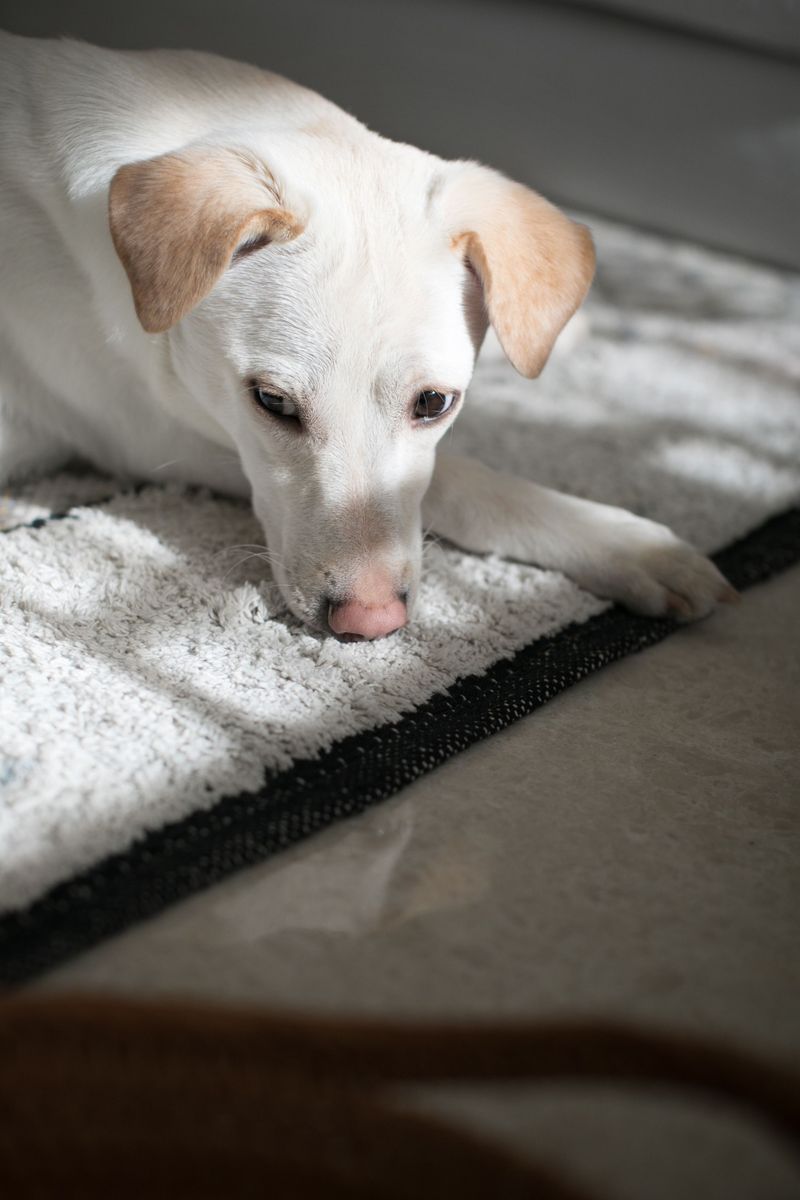
A loose rug and an excited dog make a slippery pair. One happy zoomie at the door can send rug and pup sliding.
Washable mats with a nonskid rubber backing stay put. Microfiber chenille styles soak up water and trap mud before it spreads.
Toss the mat in the wash when it gets grimy. Keep a spare for rainy weeks so the entry stays safe and clean.
5. Close the Escape Hatch
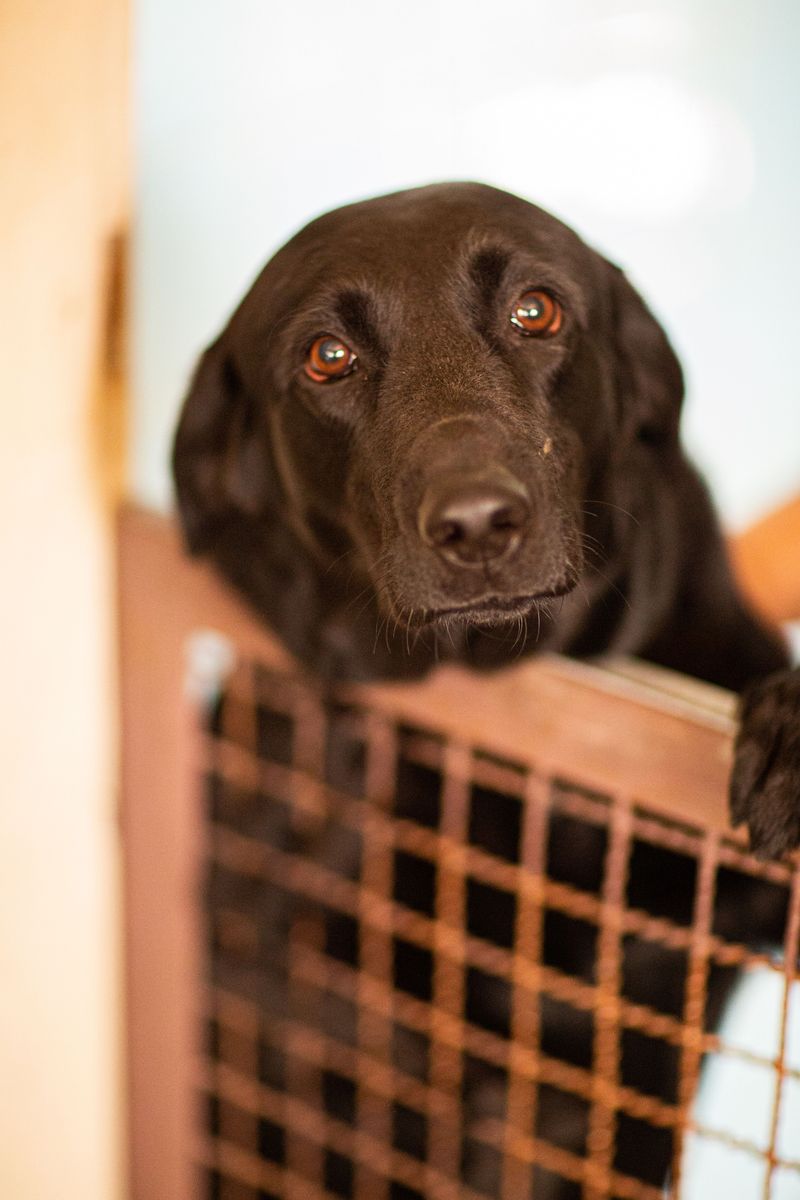
Many dogs master the door dash quickly. A propped mudroom door is an open invitation to explore the neighborhood.
Get in the habit of closing and latching the outside door every time. Some clever dogs learn to open handles, so a childproof latch can help.
A baby gate or exercise pen inside the entry adds a second barrier. Deliveries and guests then become much less stressful.
6. Hang Leashes Where Hands Can Find Them
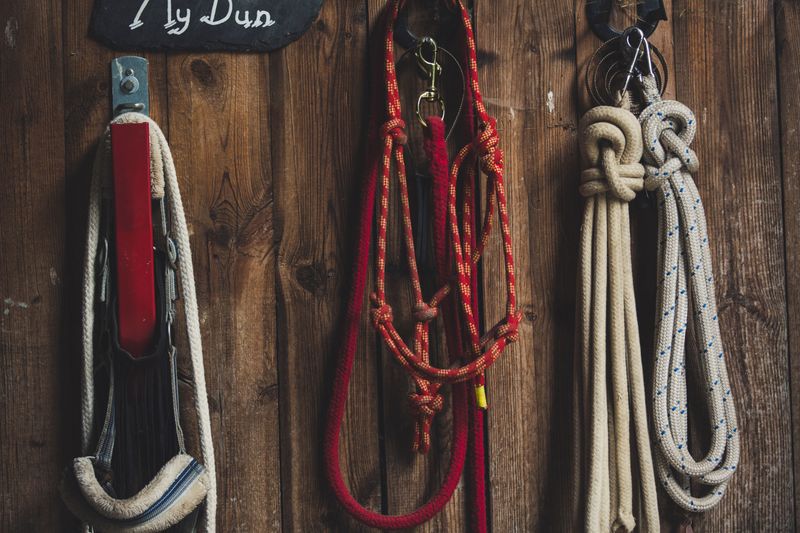
Searching for a leash while your dog spins in circles is no fun. A set spot near the door solves that.
Install a few sturdy hooks or a small shelf for leashes, harnesses, and poop bags. Clip on gear before the door opens.
Consistency builds routine, and dogs love routine. Many learn to sit calmly once they see you reach for the hook.
7. Lock Up Laundry Pods and Cleaners
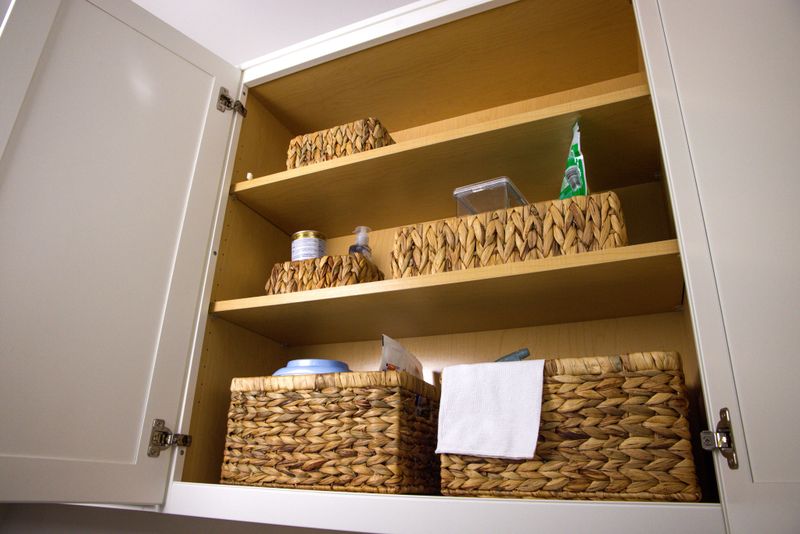
Laundry pods look like squishy toys. That bright, chewable shape is exactly why they worry veterinarians.
Their concentrated formula can cause serious stomach upset and airway irritation, even in small amounts. Disinfectants and detergents carry risks too.
Store everything in closed containers inside latched cabinets or on high shelves. If your dog gets into any product, call your veterinarian or a pet poison hotline right away.
8. Seal the Car Fluids Tight
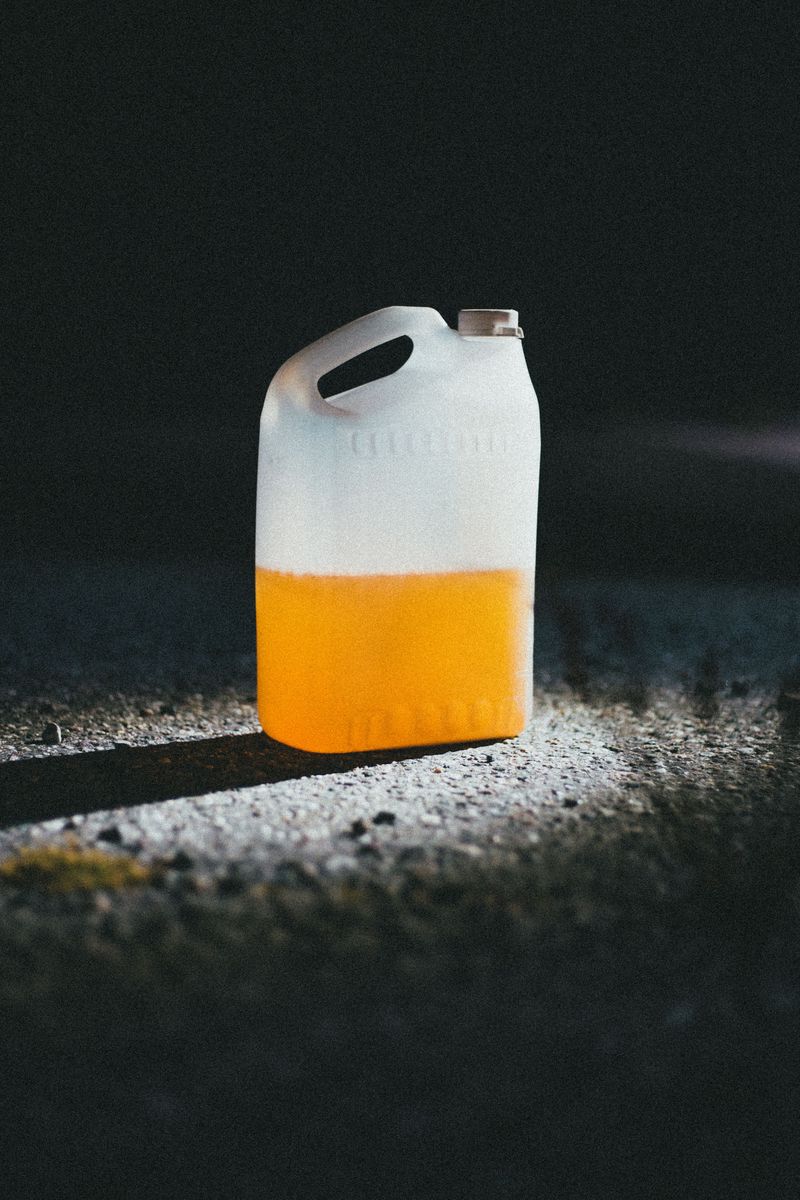
Antifreeze has a sweet taste that draws dogs in. Ethylene glycol is highly toxic, and even a tablespoon can be very serious for a dog.
Brake fluid, washer fluid, and motor oil also contain harmful chemicals. Keep every bottle tightly capped in a high or locked cabinet.
Clean any drips immediately and thoroughly. If you suspect your dog licked some, treat it as an emergency and contact a vet.
9. Clear Out Rodent Bait First
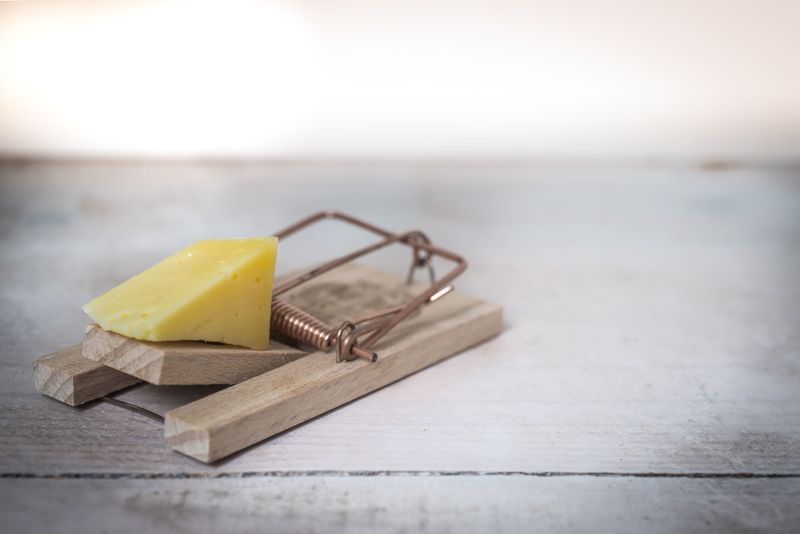
Older Ohio homes often have a mouse plan already in place. Before your dog explores downstairs, take a careful walk through.
Rodent baits are made to taste good, so curious dogs may eat them. Some cause internal bleeding or organ damage.
Remove baits and traps from any reachable spot. Ask a pest professional about pet-safer options.
If ingestion is possible, get veterinary care immediately and bring the package.
10. Dry Out the Damp Corners
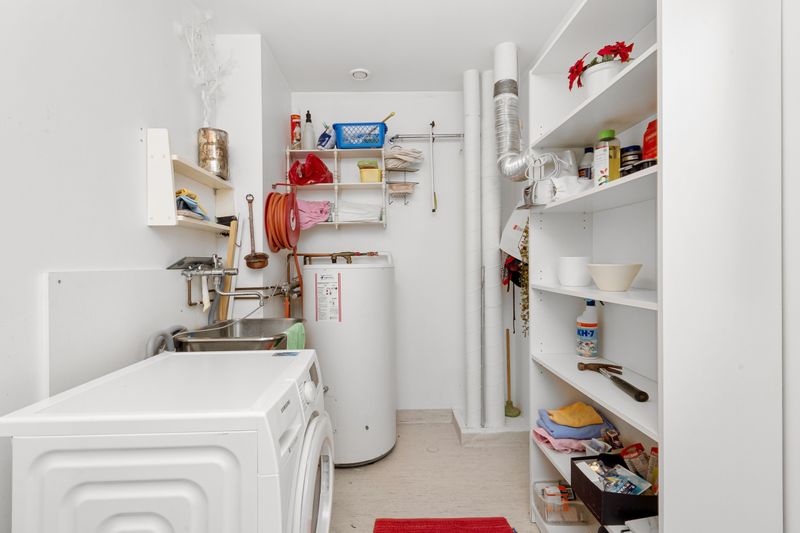
Musty smells are common in Ohio basements, especially after heavy spring rain. That dampness can invite mold.
Damp air and mold may irritate breathing or skin in sensitive dogs, just like people. Standing water can also hold bacteria your dog might lap up.
Repair leaks, clear gutters, and run a dehumidifier when needed. A dry basement is healthier for everyone who spends time there.
11. Add Grip and Gates to the Stairs
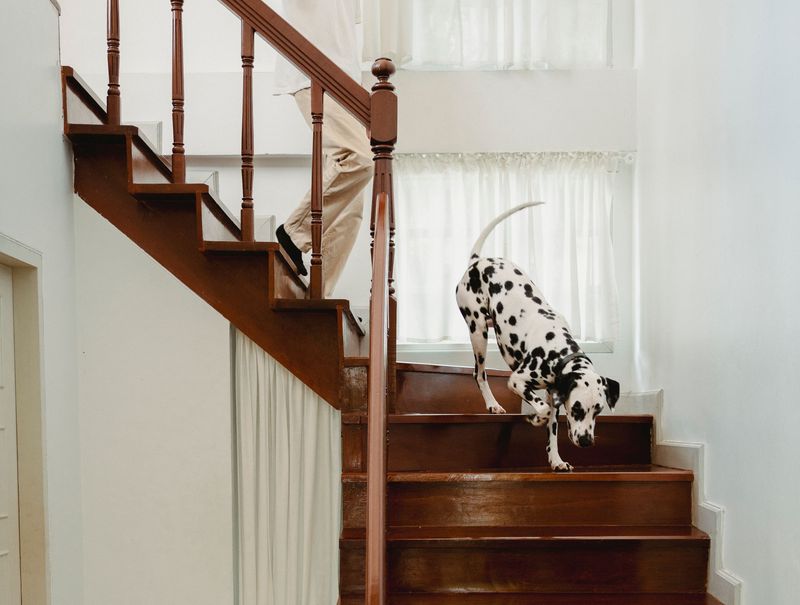
Bare wooden basement steps can feel like a slide to paws. Puppies and older dogs struggle the most.
Add nonslip treads or a carpet runner for better footing. Make sure every tread is fastened securely.
When you cannot supervise, close off the stairs with a gate. Choose a hardware-mounted model at the top of stairs.
Pressure-mounted gates can shift and are not recommended there.
12. Peek Inside Before Every Cycle
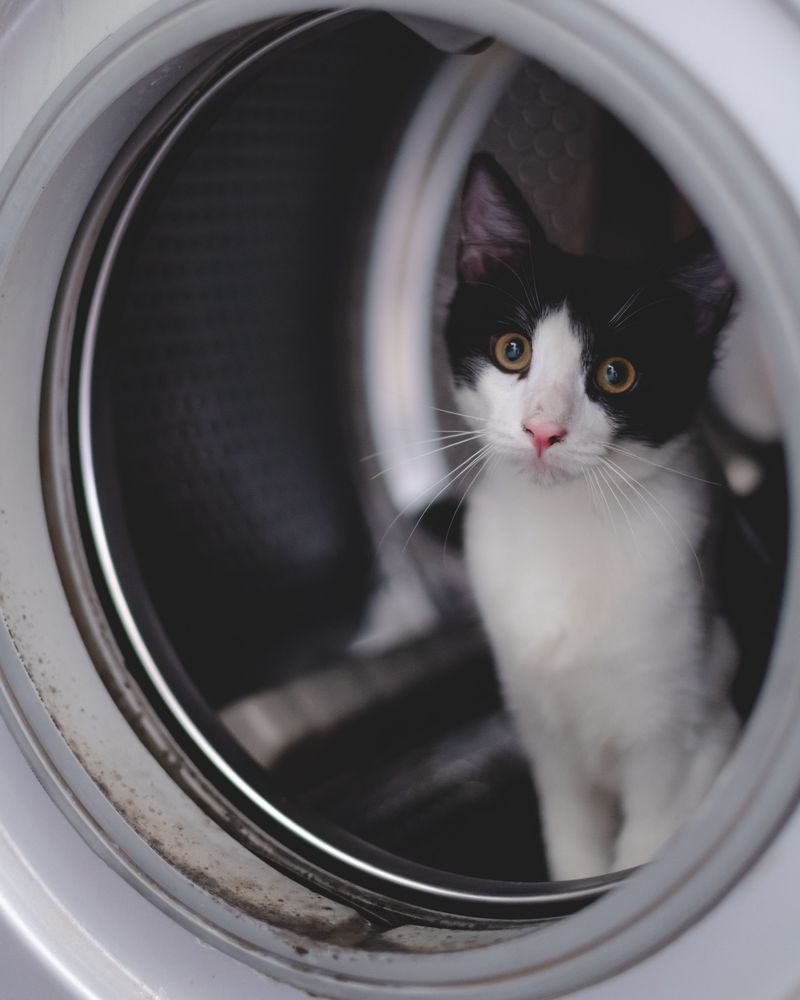
A warm, dark dryer drum looks like a perfect den to a small dog. Cats feel the same way.
Pets have been accidentally shut inside machines when owners started a cycle without looking. A quick glance prevents that.
Keep washer and dryer doors closed when not in use. Then make checking the drum a firm habit before loading and pressing start, every single time.
13. Cover the Sump Pit
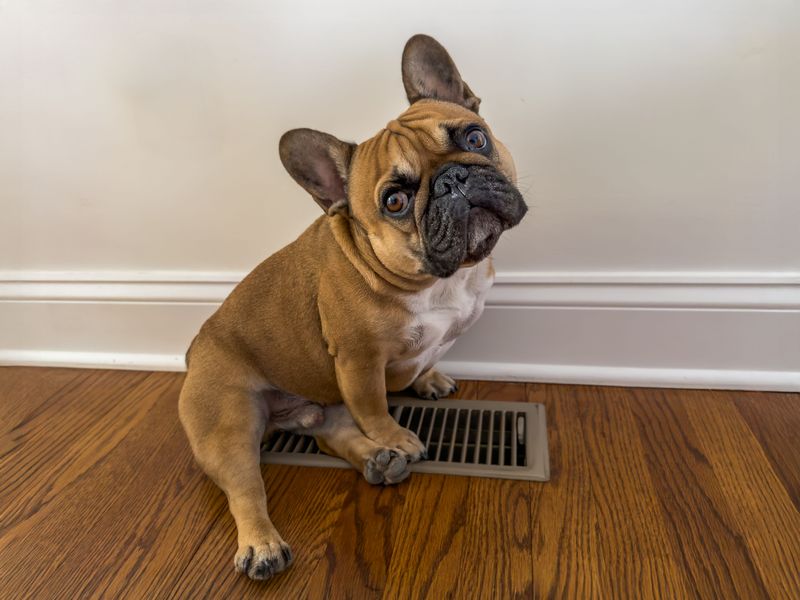
Plenty of Ohio basements rely on a sump pump during rainy months. Many pits sit open with water inside.
For a small dog, an open pit is a real drowning hazard. The water may also be dirty.
Fortunately, the fix is simple and affordable. Install a secure, fitted sump lid and cover any open floor drains.
Check that covers stay in place after the pump runs.
14. Fence Off the Utility Corner
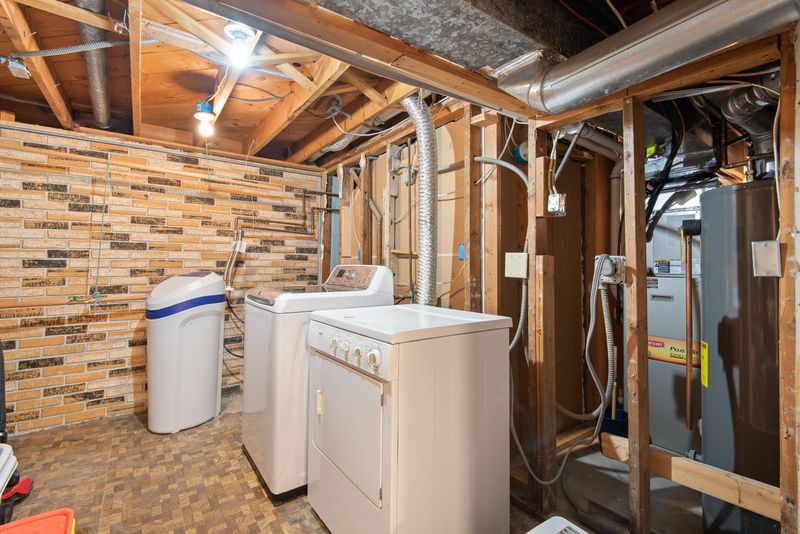
Furnaces hum, water heaters click, and curious noses follow. Utility corners hold heat, vents, and wiring a puppy might investigate.
Chewed electrical wires can cause shocks or even fires. Enclose exposed wiring in conduit or secure it out of reach.
Block the whole area with a sturdy gate or enclosure. Leave plenty of space for airflow, since appliances need it.
Ask an electrician about anything uncertain.
15. Keep Beds Above Flood Lines
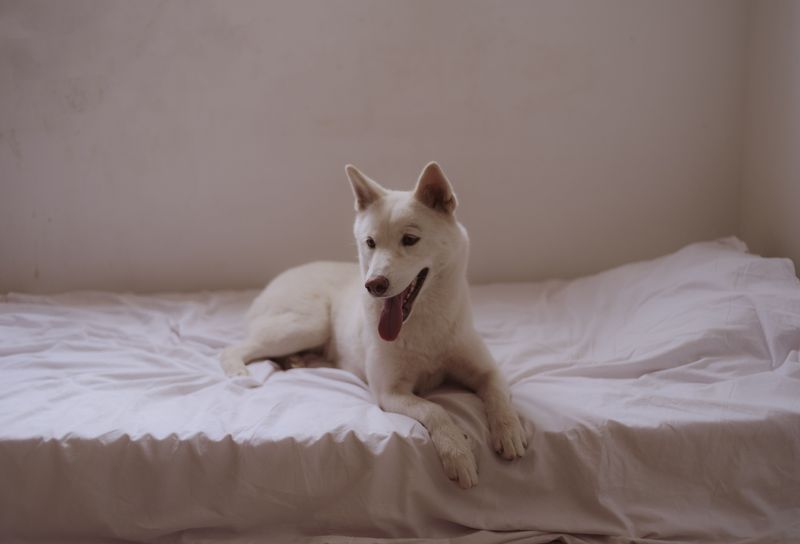
Spring thaws and summer storms can leave water across basement floors. Your dog’s bed should never be in that path.
A soggy bed turns damp, smelly, and possibly contaminated. Crates in those spots trap a dog with nowhere dry to go.
Look for water stains or past puddles before choosing a spot. If the basement floods even once a year, pick a drier room upstairs.
16. Measure the Basement Climate
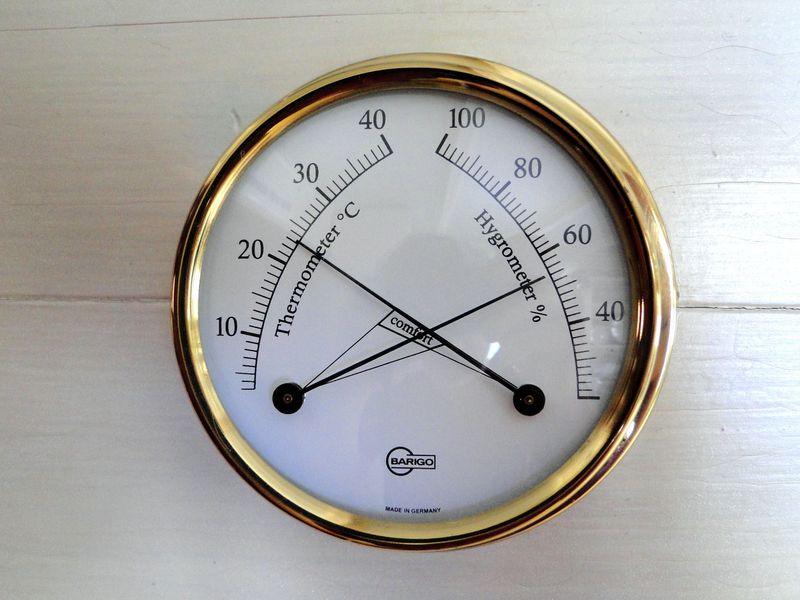
Basements can feel chilly in January and sticky in August. Dogs notice those swings even when we do not.
Before using the space for sleeping or long stays, place a simple thermometer and humidity monitor there. Watch readings for a week.
Comfort needs vary by breed, age, and coat. High humidity may bother skin and breathing.
Treat the basement like any living room, and ask your vet if unsure.
17. Tidy the Workbench
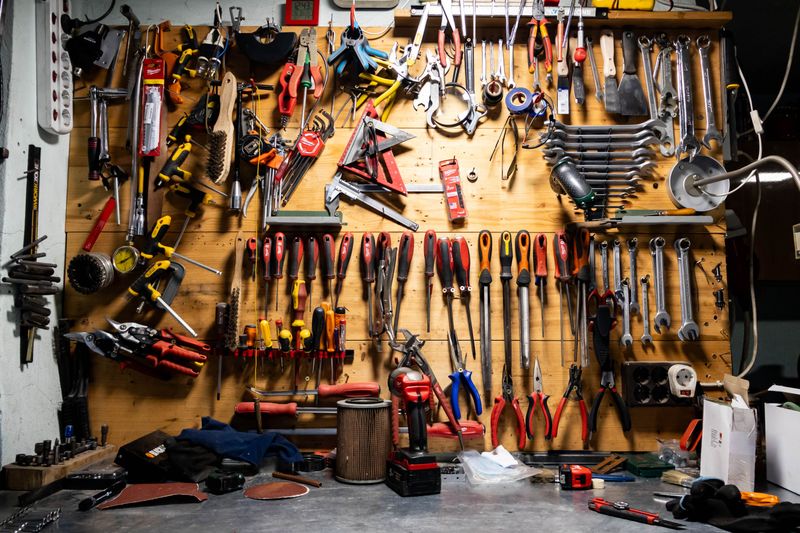
A stray screw on the floor seems harmless until a puppy finds it. Small hardware can become a choking or blockage risk.
Sharp blades and saws can cut paws and mouths. Some tools also carry oils or residue you would not want licked.
Sweep the floor after projects. Keep tools in latched drawers and fasteners in closed bins.
A neat workshop is also a happier one.
18. Shelve the Lawn and Ice Products
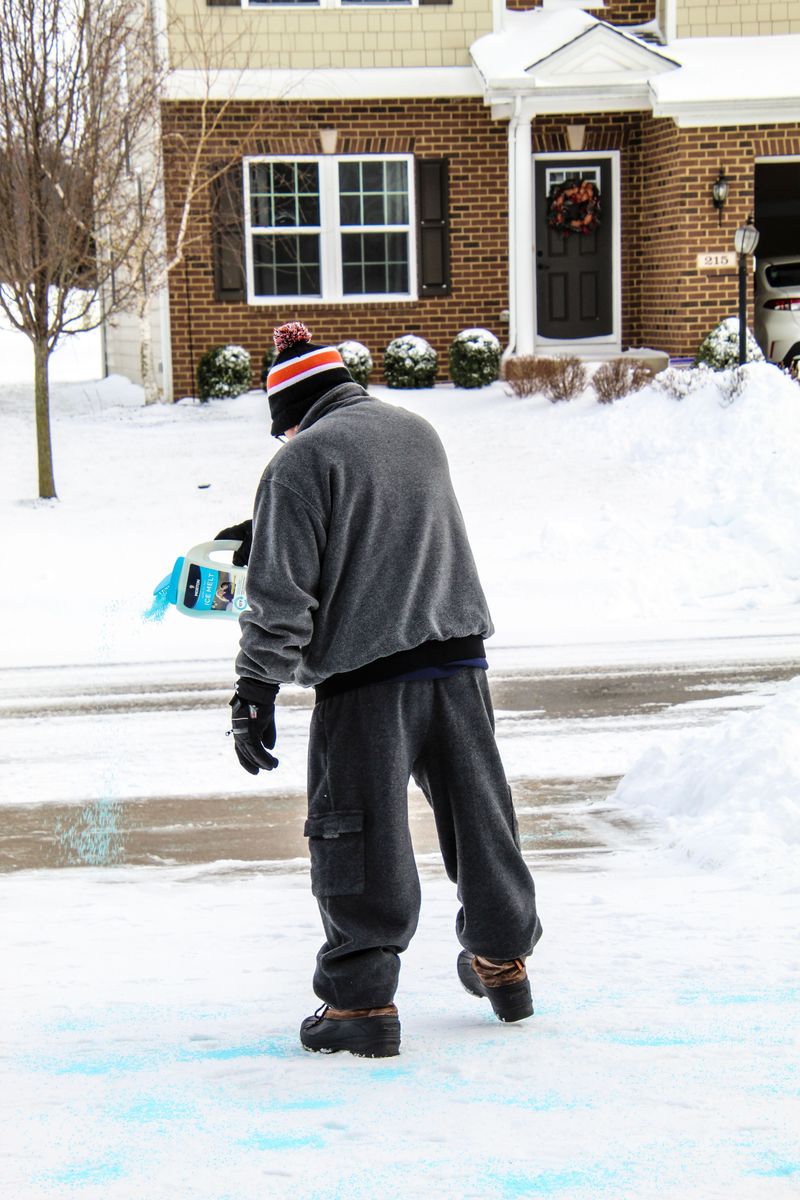
Ohio homes juggle both lawn season and ice season, so storage shelves fill up fast. Many of these products are harmful to dogs.
Fertilizers can cause stomach upset and weakness. Ice melt may irritate the mouth and disrupt electrolytes.
Even pet-friendly ice melt can cause trouble in large amounts. Store everything in sealed bins on high shelves or in locked cabinets, away from curious noses.
19. Bring the Crate Upstairs
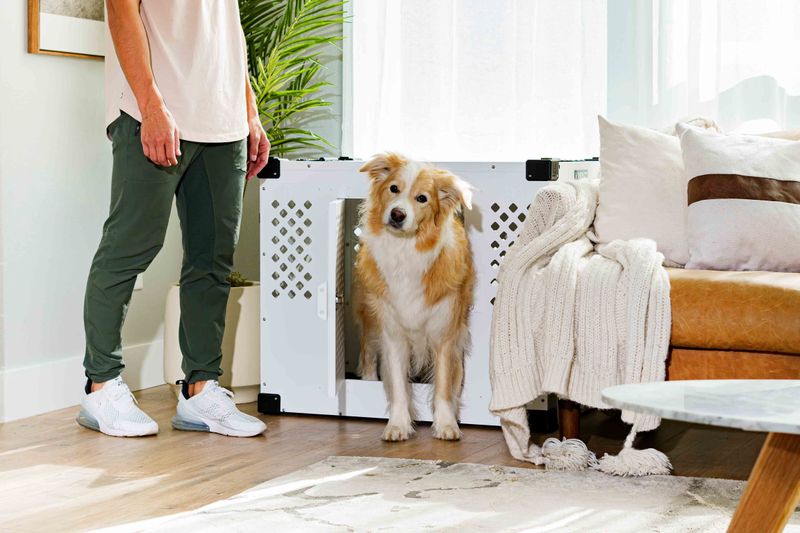
Dogs are social animals at heart. A crate tucked away in the basement can feel lonely, even like a punishment.
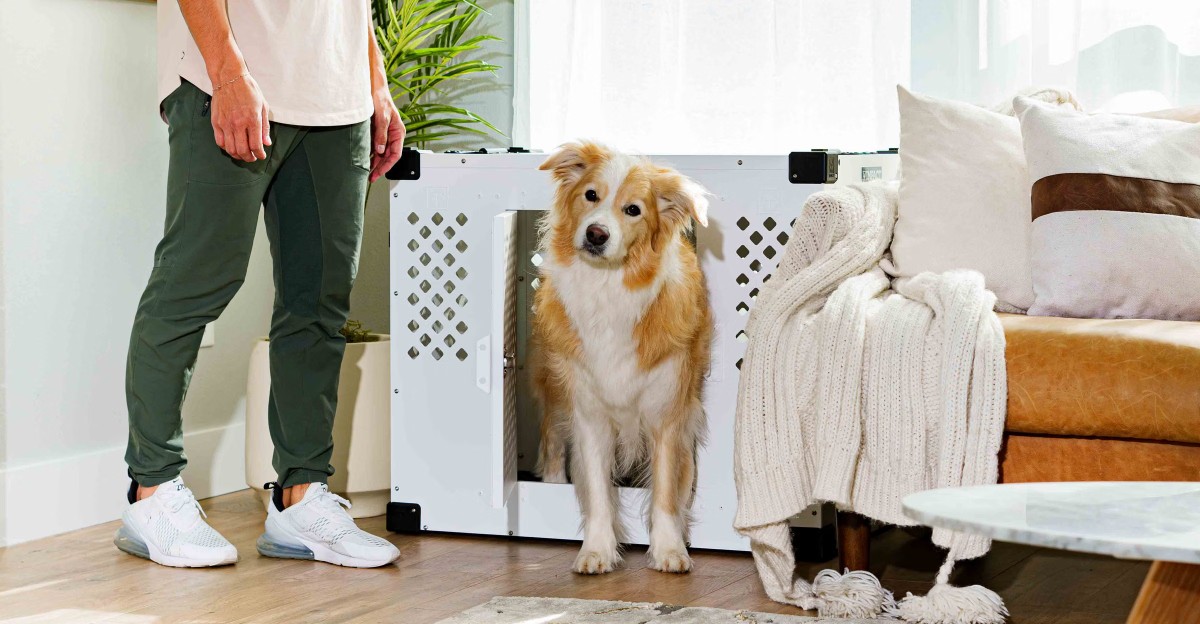
Place the crate in a calm, well-ventilated spot near family life, such as a corner of the kitchen or living room.
Hearing familiar sounds helps a new dog relax. Avoid spots right beside loud appliances or busy walkways.
That balance makes crate training smoother.
20. Finish With a Quick Paw Check
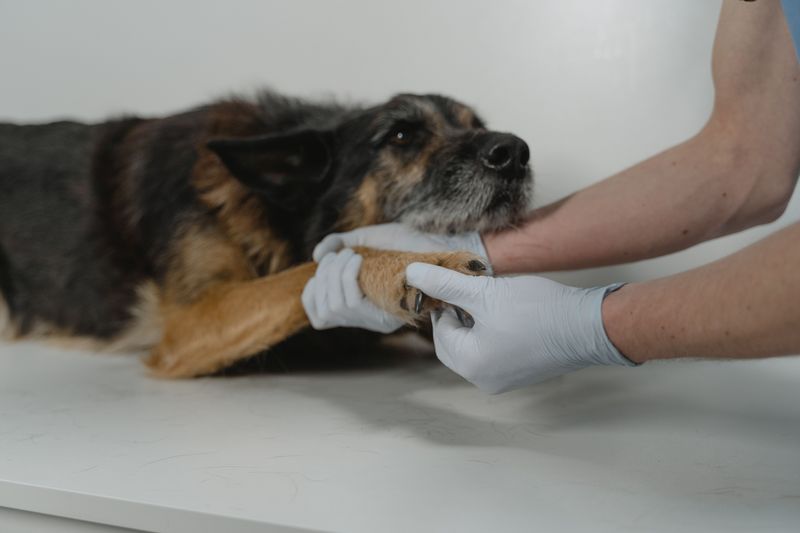
A romp through tall grass or wooded trails leaves souvenirs. Burrs, pebbles, and thorns love to hide between toes.
Spread each paw gently and look between the pads. Watch for cuts, redness, or swelling.
Ticks are active in Ohio, especially in warmer months, so check paws, ears, and legs. Remove any ticks promptly and call your vet about concerns.
Treats make inspections easy.