11 Everyday Texas Yard Plants That Are Risky for Dogs
If you share a Texas yard with a dog, you already know how much sniffing, digging, and casual chewing happens out there. Most of it is harmless.
Still, a handful of the plants we grow here for heat tolerance and easy color are not great choices for pets. That does not mean you need to tear out your beds this weekend.
It simply means knowing which plants deserve a fence, a container, or a spot beyond your dog’s usual patrol route. Puppies and young dogs tend to be the biggest risk, since they explore with their mouths.
Older dogs sometimes chew out of boredom too. The good news is that identification is half the work.
Once you can name what is growing along your fence line, you can make calm, practical decisions about it. Below are twelve plants commonly found in Texas landscapes that are worth watching, along with simple steps to reduce risk.
If you ever suspect your dog ate something questionable, call your veterinarian or an animal poison control line right away. Quick action matters far more than panic, and most owners handle these situations just fine with a little preparation.
1. Oleander
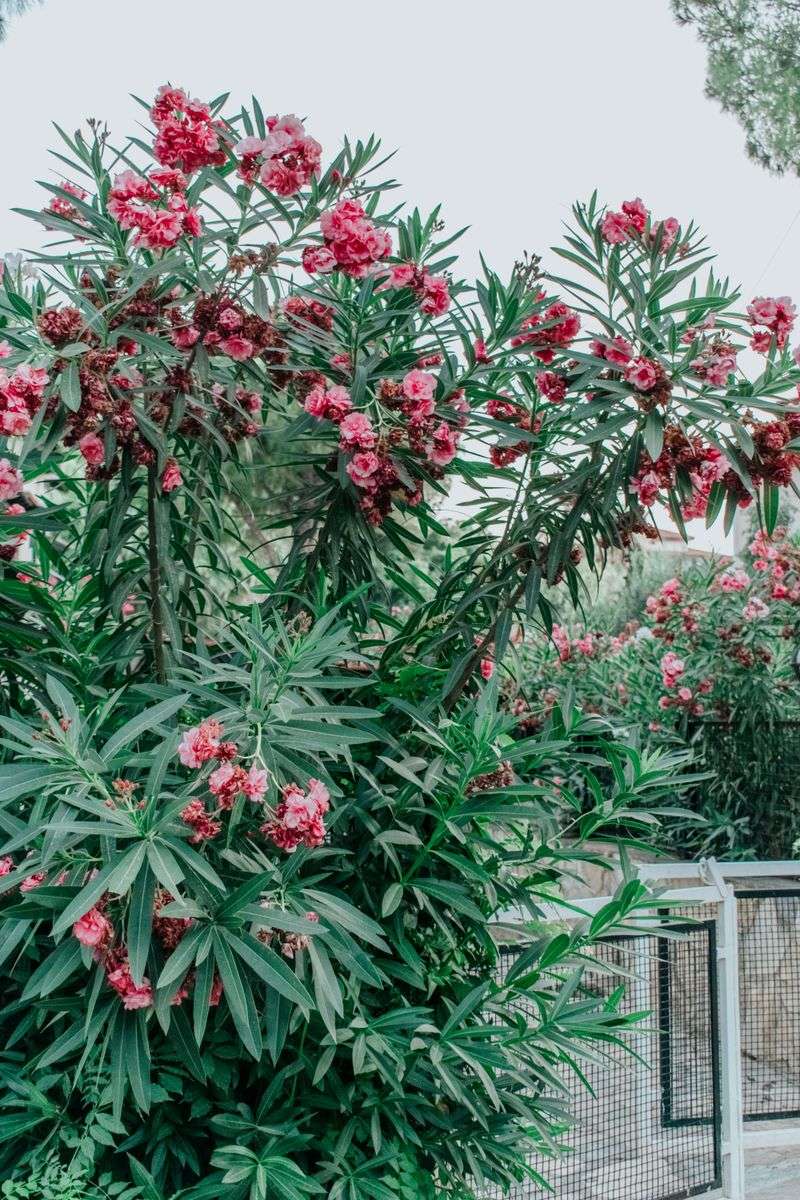
Drive through almost any older Texas neighborhood and you will spot oleander hedges thriving in brutal summer heat.
That toughness is exactly why it stays popular. Unfortunately, every part of the shrub is considered toxic to dogs, including dried clippings.
Rake up trimmings promptly and never leave pruned branches in a play area. If your dog likes to chew sticks, fencing off oleander is the simplest fix.
Call your vet immediately with any suspected nibbling.
2. Sago Palm
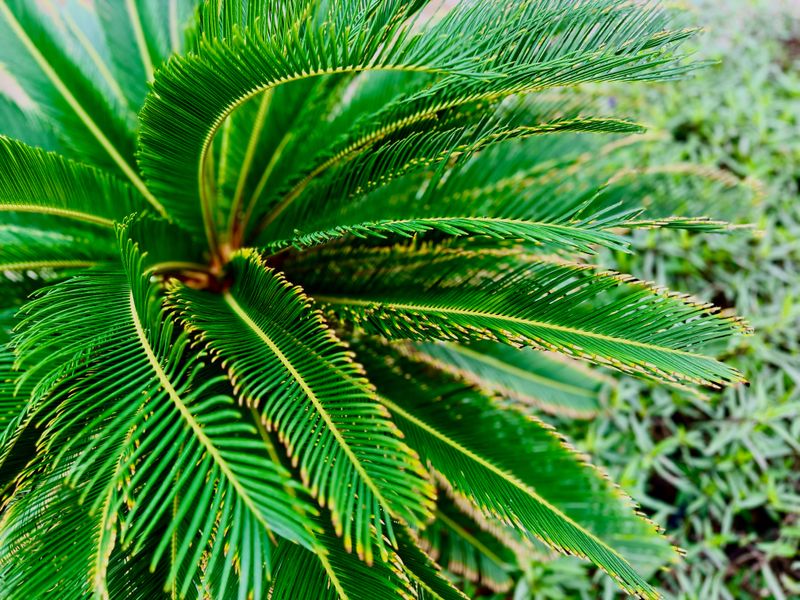
Landscapers love sago palms around pools because they look tropical and need little fuss.
For dog owners, though, they rank among the most serious plants in the yard. The seeds carry the highest concentration of harmful compounds, and even small amounts can affect the liver.
Given how easily seeds drop into mulch, many Texas owners simply remove these plants. If you keep one, elevate it and inspect the ground often.
Veterinary care should be immediate.
3. Azalea
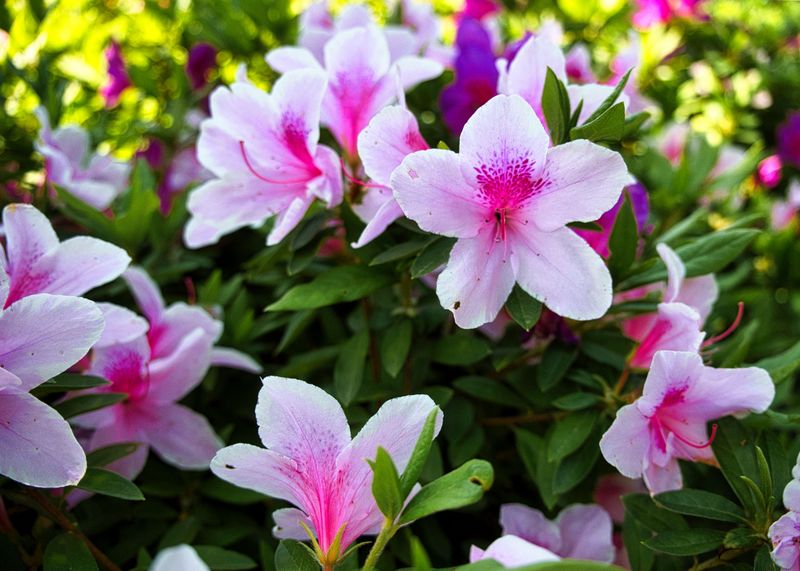
Spring in East Texas would not feel the same without azalea color lining front walkways.
Beautiful as they are, the leaves and flowers contain grayanotoxins, which can upset a dog’s stomach and affect heart rhythm.
Most trouble happens when a bored dog strips leaves from a low branch. Raised beds, decorative edging, or a short garden fence usually solves it.
Sweep up fallen blooms after storms, since dogs sometimes taste whatever lands on the grass.
4. Lantana
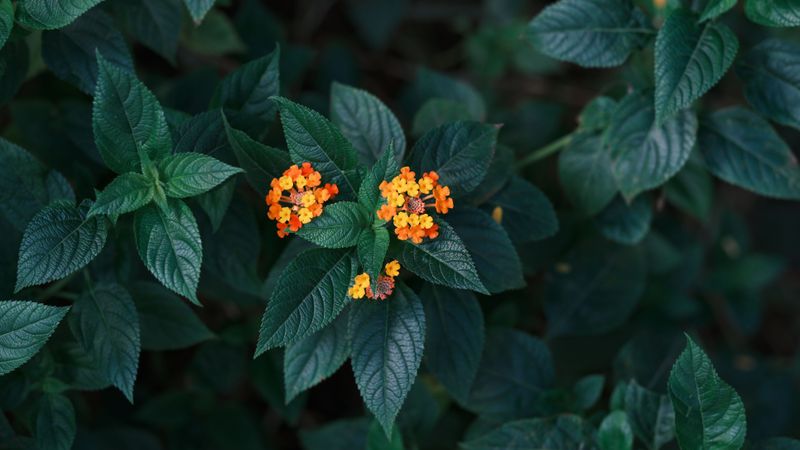
Few plants shrug off a Texas August like lantana, which keeps blooming when everything else sulks.
Butterflies adore it. he concern for dogs is ingestion of the plant, which can cause vomiting, diarrhea, weakness, and other problems. Liver injury is particularly associated with larger exposures and is more commonly reported in livestock.
Since lantana often grows at nose height in beds and pots, place containers on tables or plant stands. Snipping off berry clusters as they form is an easy habit worth building.
5. Castor Bean Plant
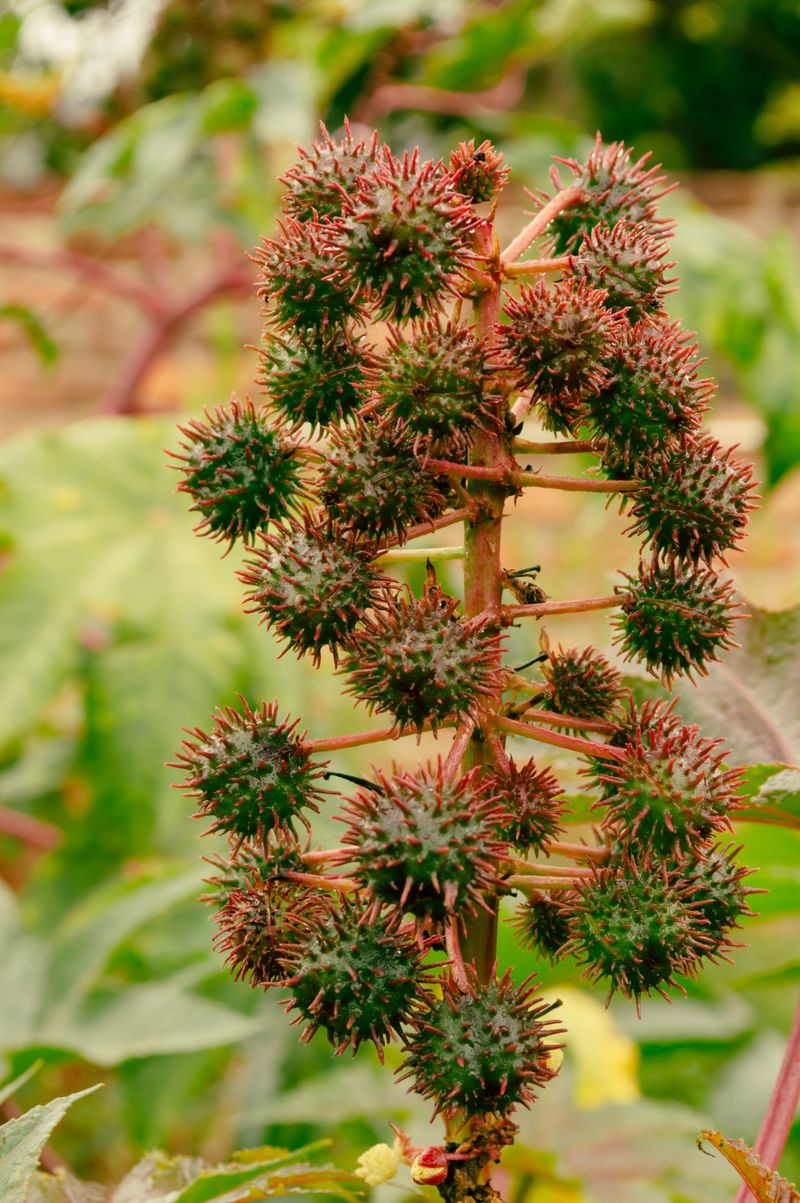
Here is a plant that grows so fast it almost seems suspicious, and the dramatic foliage draws plenty of compliments.
The seeds, sometimes called castor beans, contain ricin and are the real hazard. Even one chewed seed can cause severe illness in a dog.
Because seeds scatter freely, this is one to skip entirely in a pet household. If it volunteers in your yard, pull it early and bag the pods.
6. Texas Mountain Laurel
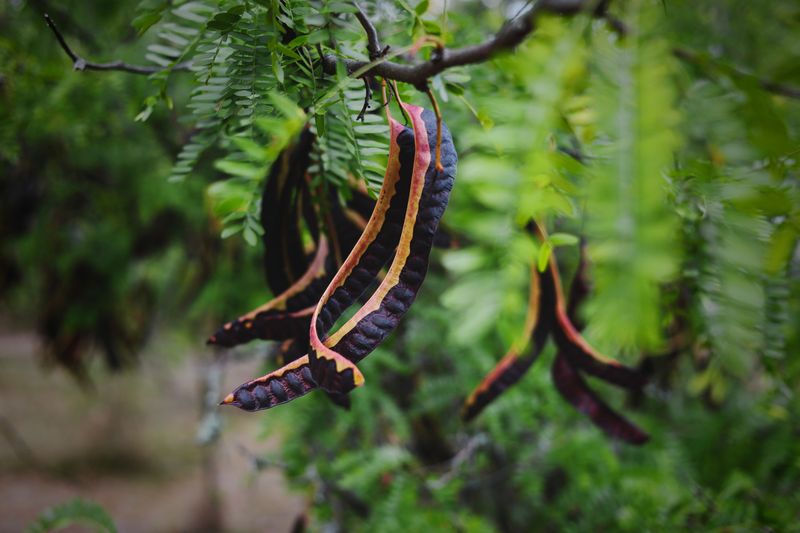
Ask anyone in the Hill Country about that grape soda smell in March, and they will point to mountain laurel.
Native, drought-tolerant, and lovely, Texas mountain laurel has distinctive seed pods containing toxic alkaloids. Dogs that chew on the pods or seeds can be exposed, so collect fallen pods during seed drop and keep the shrub away from areas where dogs frequently explore.
Dogs that carry rocks in their mouths are the ones at risk. Collect pods during seed drop, and plant this shrub away from favorite lounging spots.
7. Wisteria
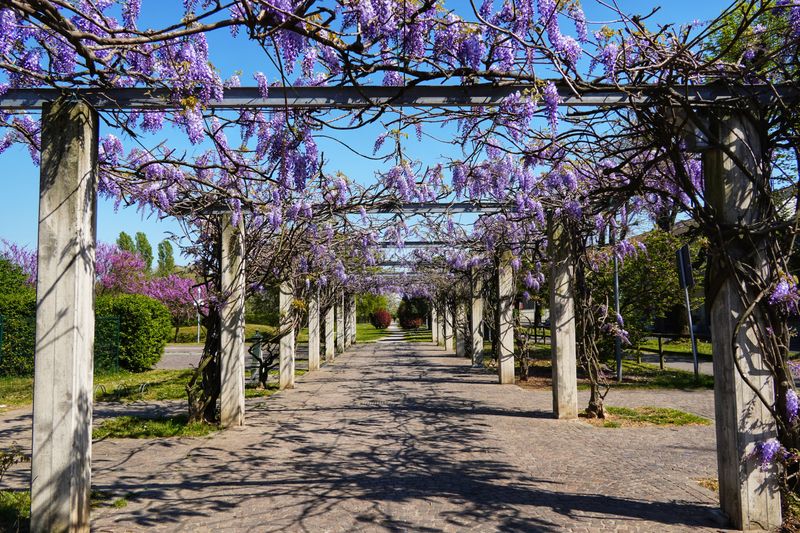
A wisteria-draped pergola is a genuine showstopper, and Texas gardeners plant plenty of them.
Both the seeds and the fuzzy pods contain compounds that can cause repeated vomiting and stomach pain in dogs.
Pods tend to fall right where people sit, which is also where dogs nap. A quick sweep of the patio during late summer handles most of the risk.
Discourage vine chewing early, since young dogs treat dangling stems like toys.
8. Tulips
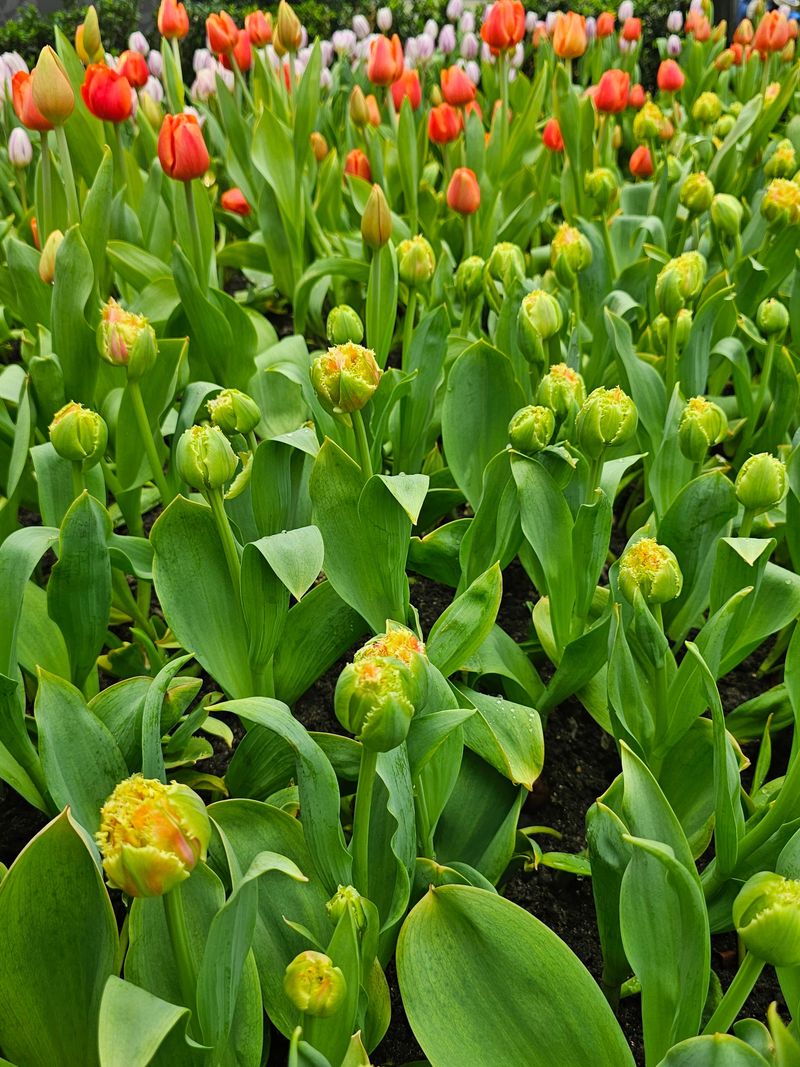
North Texas gardeners get one good tulip season each year, so the bulbs go in every fall.
Those bulbs are the problem. They hold concentrated tulipalin compounds that irritate the mouth and stomach, and dogs love freshly turned soil.
Plant them in raised containers or in a fenced front bed instead of the dog’s yard. Wire mesh laid just under the mulch is another quiet trick that stops most digging attempts.
9. Daffodils
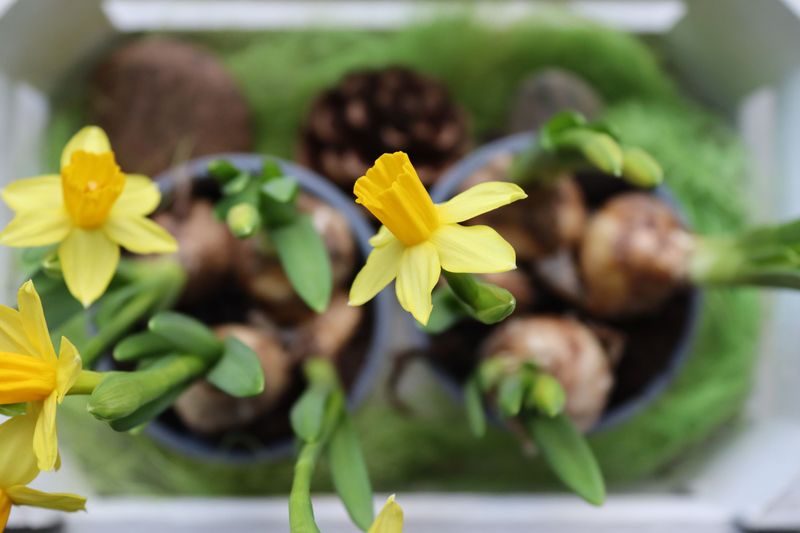
Cheerful yellow daffodils show up in Texas yards before most other spring color arrives.
The bulb contains the highest concentration of toxic compounds, including lycorine, which can cause drooling, vomiting, and abdominal discomfort. The leaves and flowers also contain irritating compounds, so curious dogs should be kept away from the entire plant.
Dogs rarely eat them on purpose. They dig, find something round, and chew.
Keeping bulbs in pots or behind edging removes the temptation completely, and it makes your beds look tidier too.
10. Hydrangea
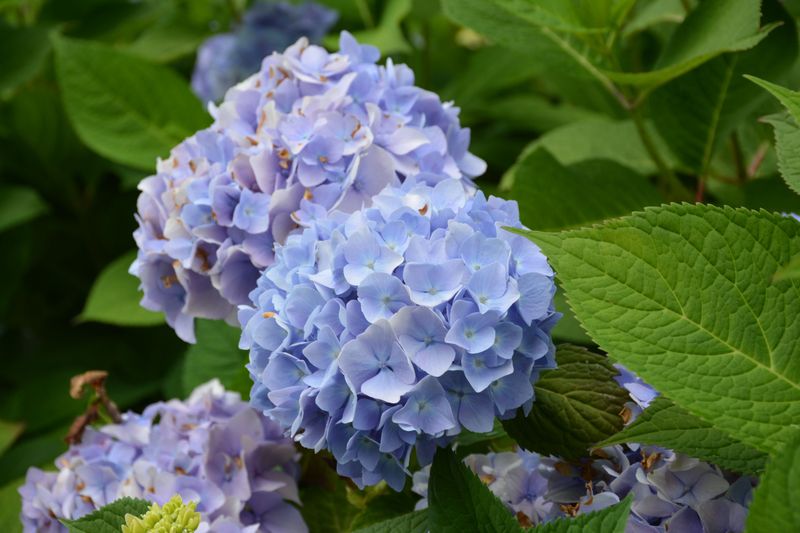
Shade-loving hydrangeas soften the corner of a house better than almost anything else.
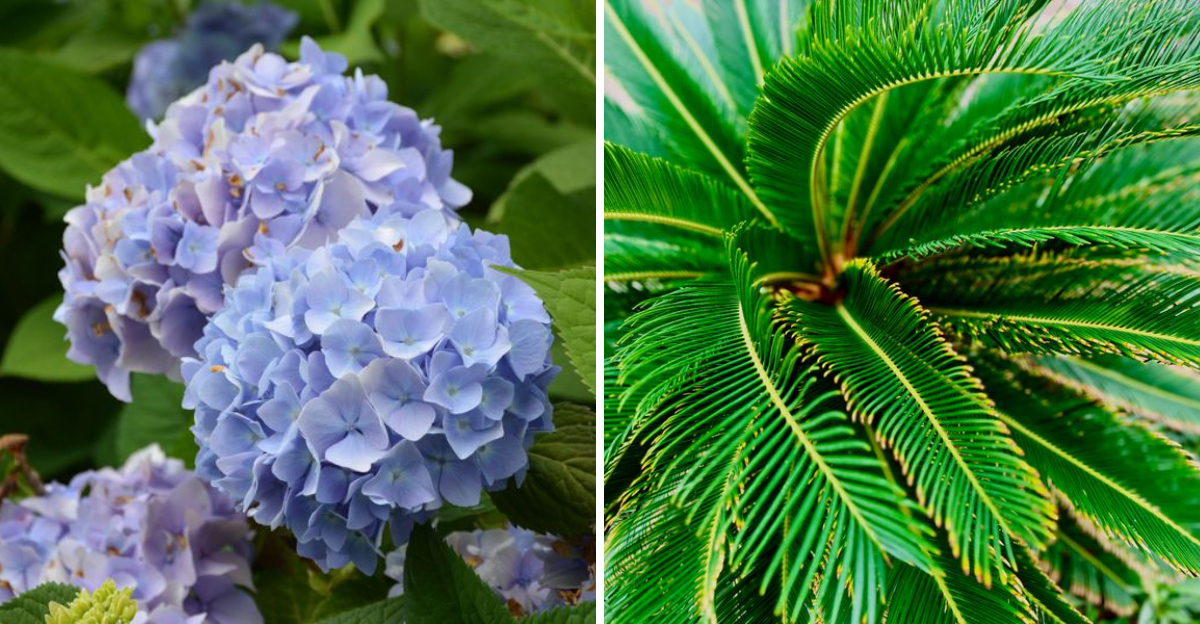
Compared with other plants on this list, they sit lower on the concern scale. Leaves, flowers, and buds do contain small amounts of cyanogenic compounds, so a big mouthful can bring on vomiting or loose stools.
Casual sniffing is nothing to worry about. Watch dogs that strip foliage out of habit, and mention any chewing to your vet.
11. English Ivy
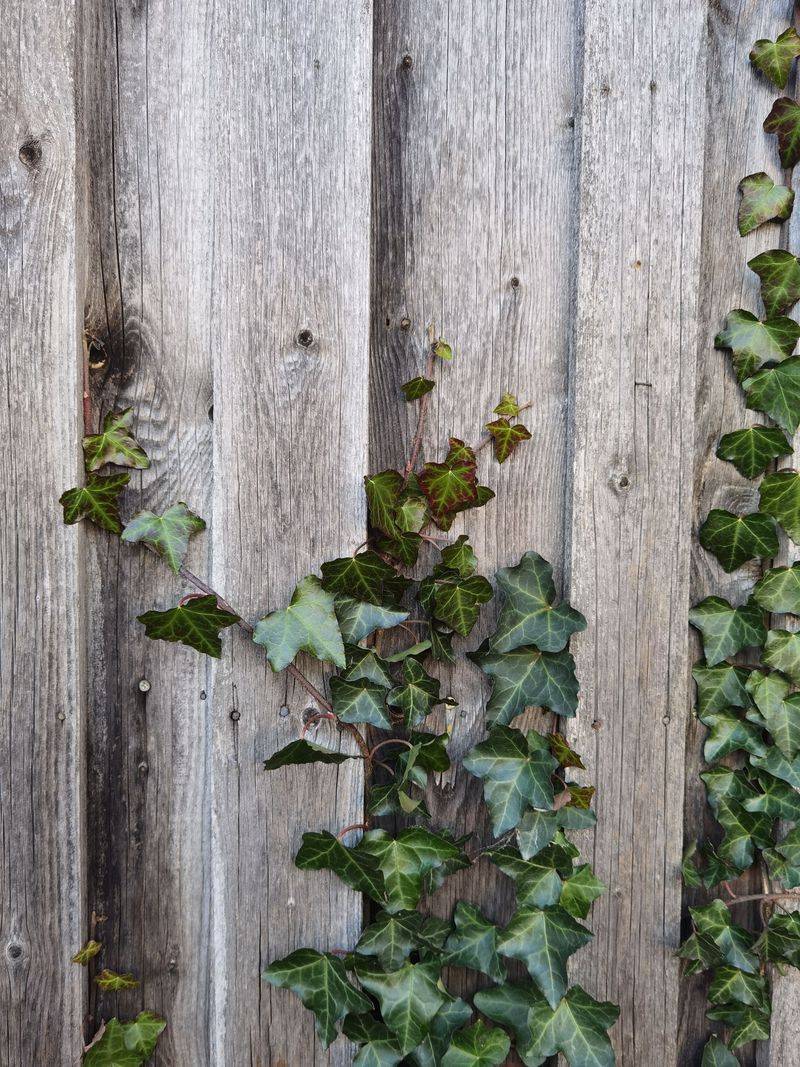
Given a shady fence, English ivy will happily take over in a single season.
Its leaves and dark berries contain saponins that can irritate a dog’s mouth and digestive tract. Signs often include drooling, vomiting, and sometimes skin irritation after contact.
Trailing vines sit right at dog level, which is why chewing happens. Trim it above shoulder height on fences, and pull runners out of the lawn during weekend cleanup.