What To Do If Your Florida Dog Gets Too Close To Water’s Edge
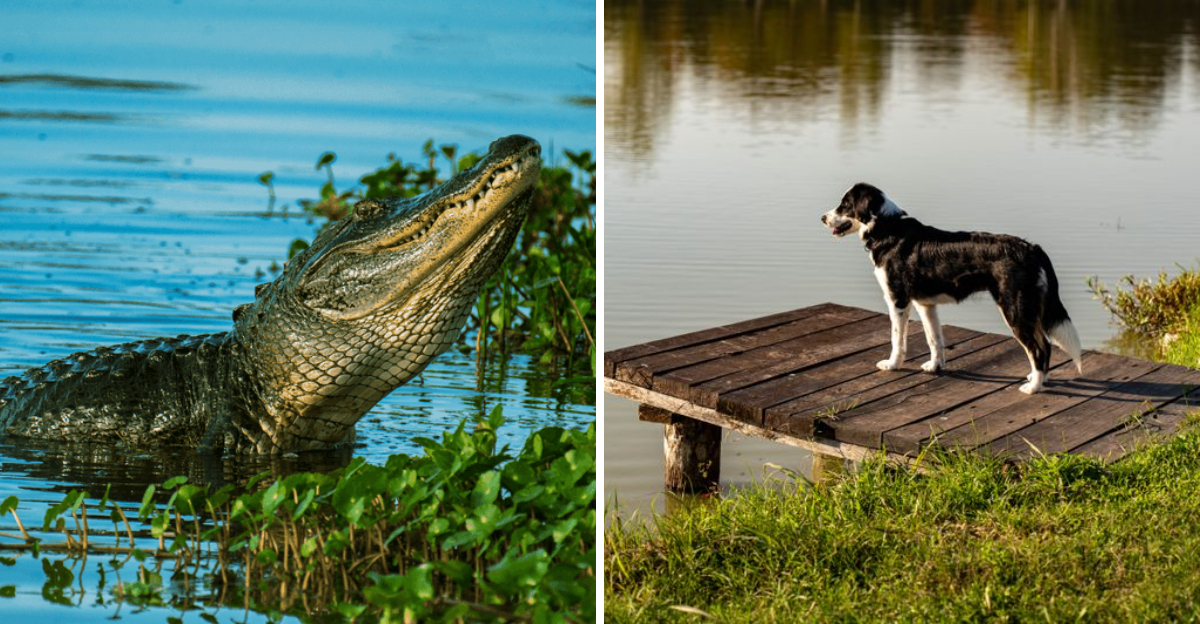
If you walk a dog anywhere in Florida, you already share the neighborhood with alligators. They live in all 67 counties, in lakes, ponds, canals, rivers, and even brackish coastal water.
That sounds dramatic, but the reality is calmer than most people expect. Serious incidents are rare, and the habits that keep dogs safe are simple, repeatable, and easy to teach the whole family.
Still, dogs do not read water the way we do. To a small or medium dog, a shoreline is just a fun place to sniff.
To an alligator resting a few feet offshore, movement near the bank can register as an opportunity. That mismatch is the whole reason this article exists.
Read through once, share it with anyone who walks your dog, and you will handle shorelines with quiet confidence instead of guesswork.
1. Reel In and Step Back From the Bank
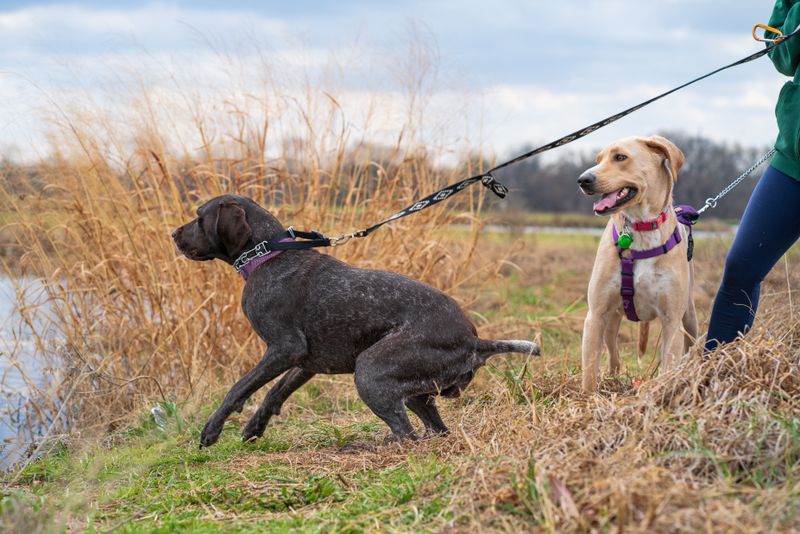
The fastest fix is also the simplest one. Gather the leash short in your hand, then walk your dog inland at a normal pace.
Wildlife officials suggest keeping pets at least 15 to 20 feet from the water’s edge. That buffer matters because alligators are ambush hunters with surprisingly quick lunges.
No need to panic or run. Calm, steady movement away from the shoreline does the job, and your dog will follow your energy every time.
2. Choose a Six-Foot Leash, Not a Retractable One
Retractable leashes feel convenient until you actually need control. A thin cord and a tiny brake give you almost no ability to stop a sudden pull toward water.
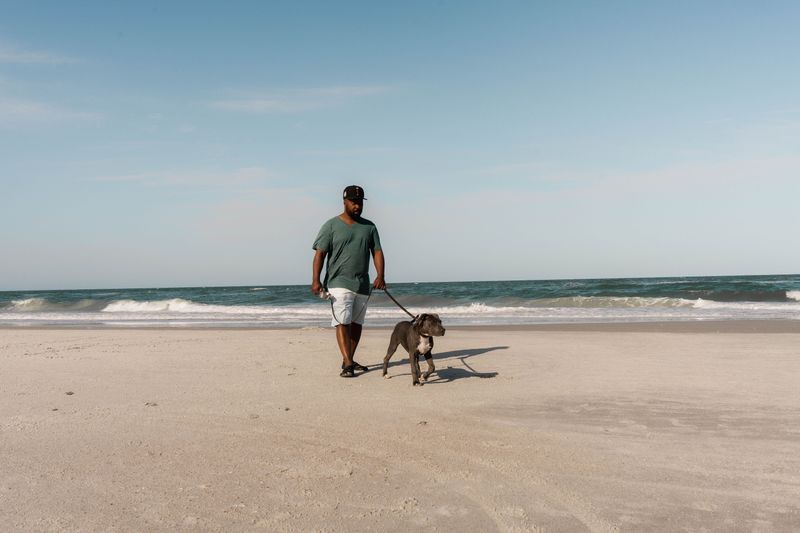
A fixed leash of six feet or less keeps your dog within reach at all times. Florida has no single statewide leash law, so rules come from your city or county.
Some ordinances treat a leash longer than eight feet as letting an animal run at large.
3. Keep Paws Out of Lakes, Ponds, and Canals
Swimming looks harmless, especially on a hot afternoon. In Florida fresh water, though, it puts your dog directly inside alligator habitat.
Guidance from state wildlife staff is straightforward: pets should not swim in fresh or brackish water. Drinking from natural water sources is also discouraged, since bacteria and algae can cause illness.
Bring a collapsible bowl and clean water instead. Your dog gets the refreshment without the risk, and you skip a difficult recall.
4. Quiet Water Is Not Proof of Empty Water
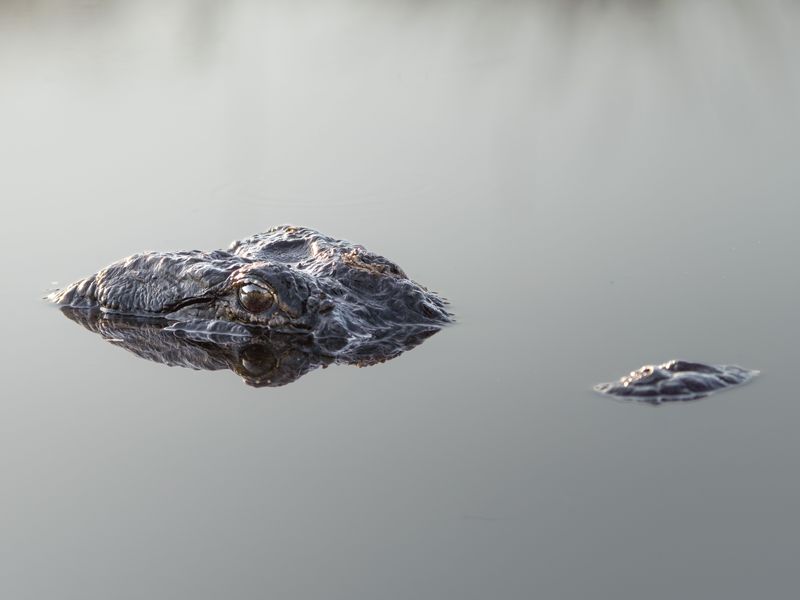
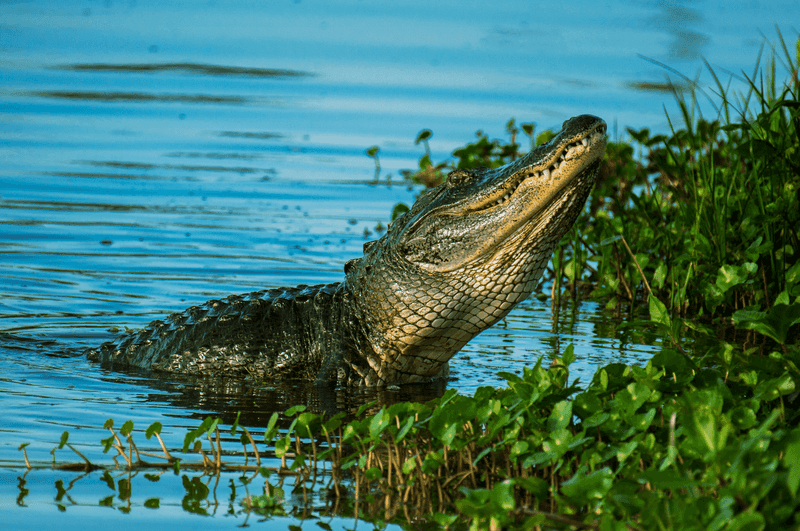
Here is the detail that surprises visitors most. Alligators spend long stretches submerged, with only nostrils or eyes breaking the surface.
A still pond can look completely empty and still hold a large animal a few feet from shore. A motionless alligator is not necessarily asleep either.
The safest working assumption is that any Florida water body may contain one. Treat every shoreline the same way, and you never have to guess correctly.
5. Spotted a Gator? Add Distance Right Away
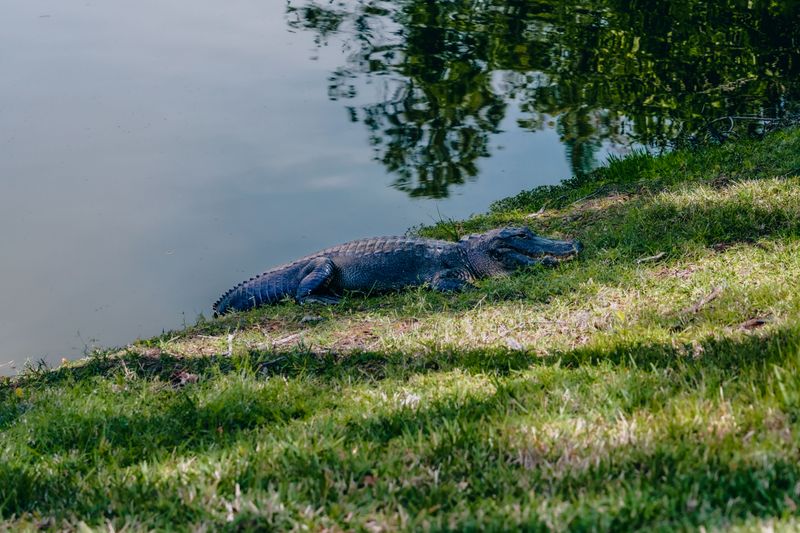
Seeing one is common in Florida and rarely a crisis. What matters is your response in the next ten seconds.
Back away slowly, keep your dog beside you, and aim for at least 60 feet of separation. Never approach for a photo, and do not let curious dogs investigate.
American crocodiles live in far south Florida and deserve identical respect. Distance solves nearly every encounter without anyone getting excited.
6. Hug the Inland Side of the Trail
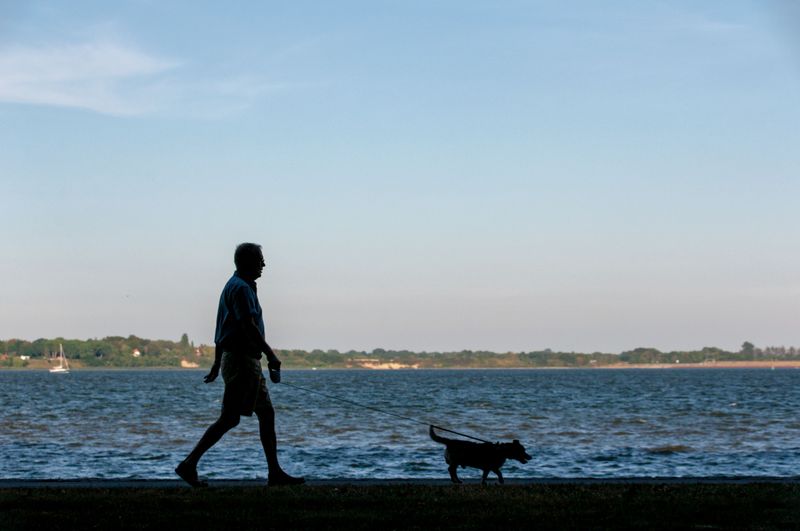
Many Florida parks build paths right along the water, which is lovely and also worth managing. Walk the far edge of the trail whenever the option exists.
That single habit preserves the recommended 15 to 20 foot buffer without cutting your walk short. It also keeps your dog from sniffing directly into shoreline vegetation.
On narrow boardwalks, shorten the leash and keep moving. Lingering at the rail is where trouble usually starts.
7. Rethink Sunrise and Sunset Shoreline Strolls
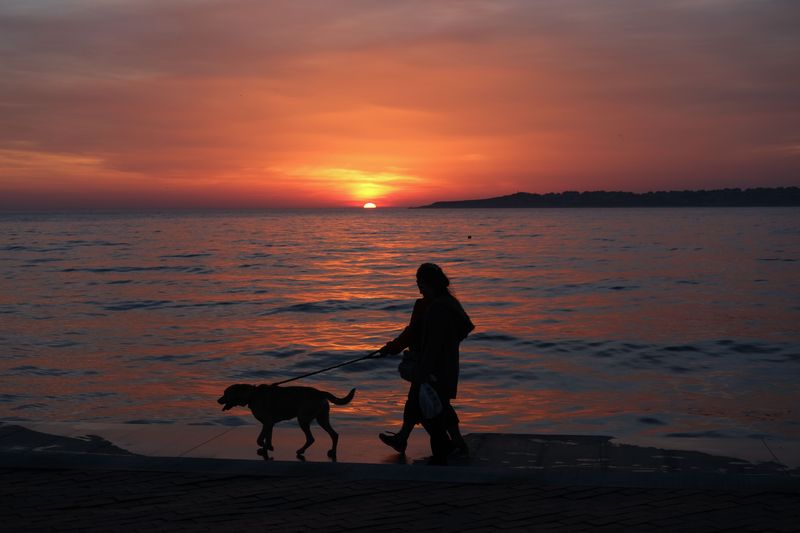
Timing quietly does a lot of the work for you. Alligators feed most actively from dusk through dawn, moving along shorelines during cooler hours.
Shifting waterside walks to mid morning or midday lowers your odds of an encounter considerably. When early or late walks are unavoidable, stick to sidewalks, lit streets, and open lawns.
Bring a flashlight after dark. Being able to see the ground ahead helps more than most owners realize.
8. Shut Down Wildlife Chases Before They Begin
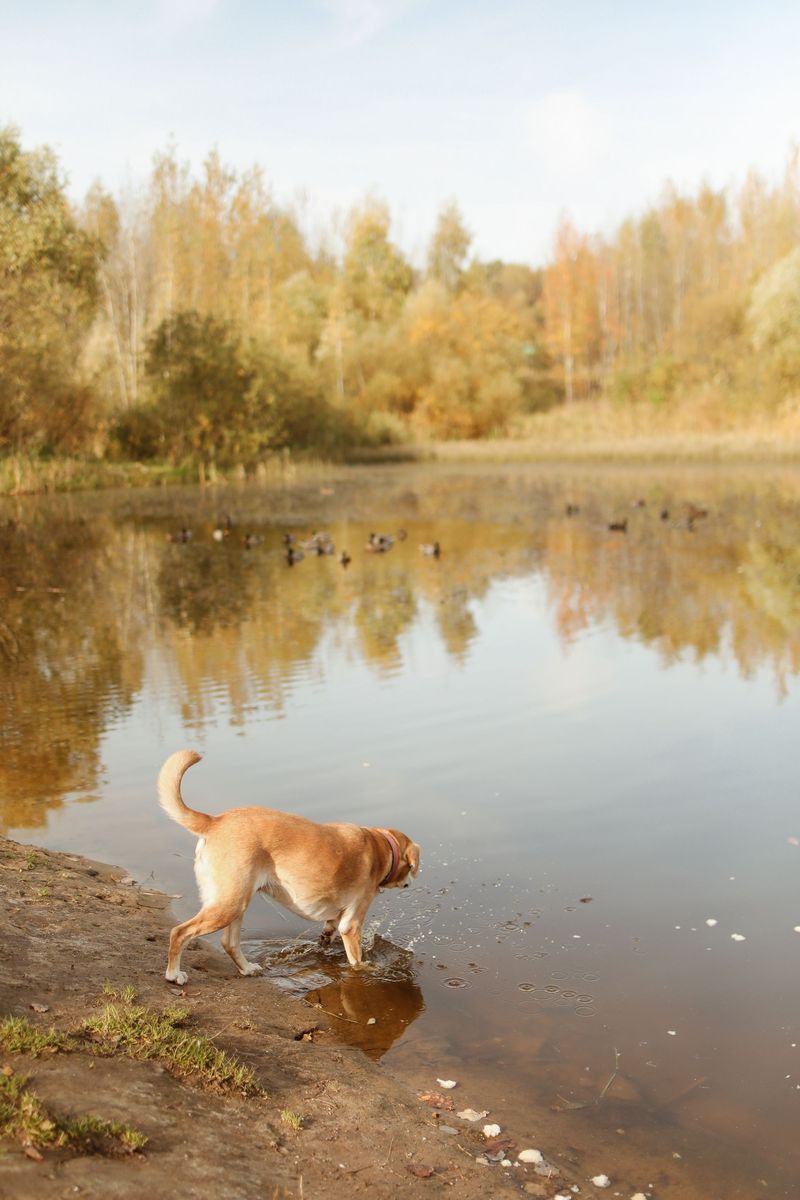
Ducks, herons, turtles, and iguanas all gather near Florida banks. A dog in full chase mode stops listening, and that chase almost always heads toward water.
Wildlife guidance is clear about preventing pets from interacting with wild animals, including playful pursuit. Practice a solid recall and a reliable leave it cue on quiet days.
Rewarding your dog for turning toward you builds the habit you will need later.
9. Save Fetch for Dry Land
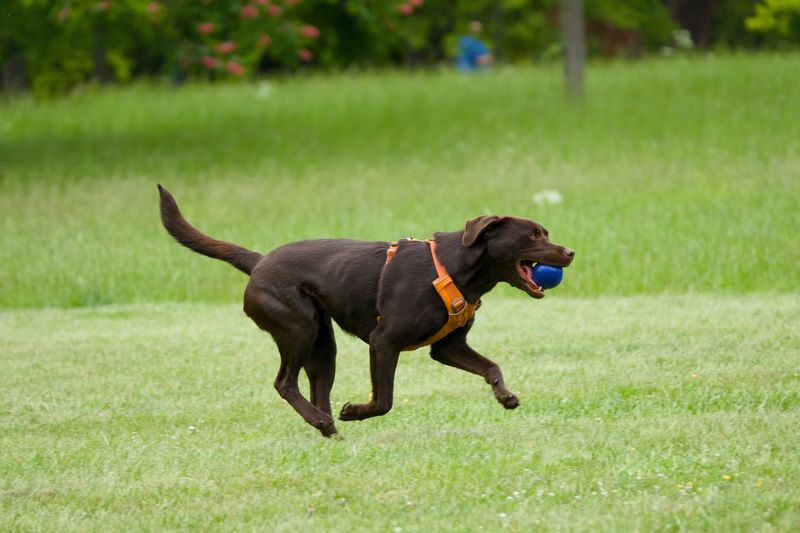
Water fetch is a beloved game in plenty of states. In Florida, tossing a ball into a pond teaches your dog to launch into alligator habitat on command.
Splashing and repeated entry create exactly the movement that draws attention near shorelines. Move the game to a lawn, a fenced field, or a shaded park instead.
Sprinklers, kiddie pools, and frozen treats cool dogs down without any shoreline involvement whatsoever.
10. Feeding Gators Is Illegal, and It Backfires
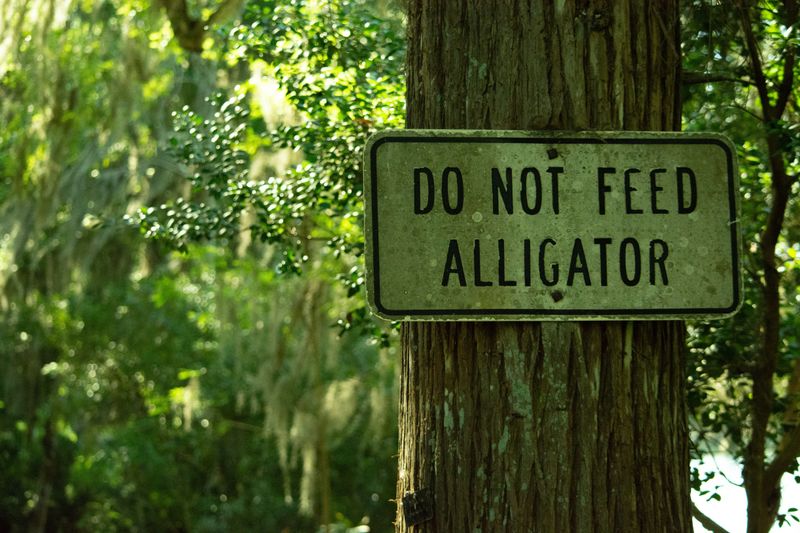
Some folks toss food to alligators thinking it is harmless fun. Florida law disagrees, treating it as a misdemeanor offense.
Penalties can reach a $500 fine or up to 60 days in jail. Beyond the legal side, fed alligators lose their natural wariness of people and pets.
Animals that learn to associate humans with meals often end up removed. Speak up politely if you see it happening near your walking route.
11. Move the Food Bowl Well Away From Shorelines
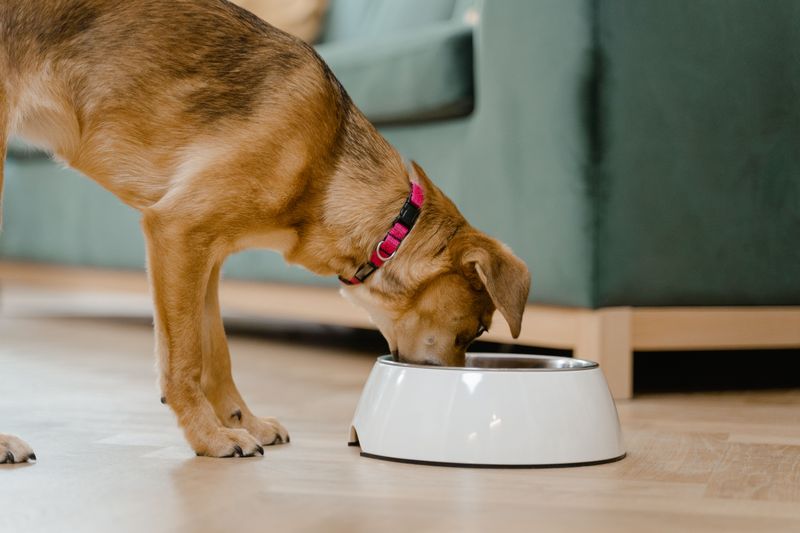
Outdoor food bowls are a quiet invitation to raccoons, opossums, and larger visitors. Left near water, they can draw wildlife closer to where your dog spends time.
Feed your dog indoors, or stay present the entire meal. Pick up leftovers, containers, and scattered kibble as soon as eating stops.
Rinse the bowl too, since lingering smells work just as well as food. A tidy yard is a less interesting yard.
12. Fences Near Ponds Still Need a Human Present
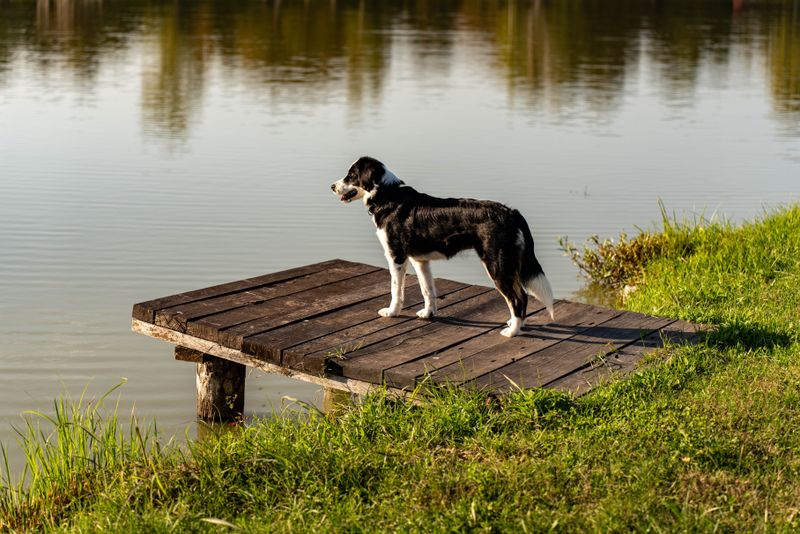
Thousands of Florida homes back up to retention ponds and canals. A fence helps, but wildlife moves through gaps, under rails, and across low barriers.
Go outside with your dog rather than sending them out alone. Your presence alone discourages most animals from sticking around.
After dark, sweep the yard with a flashlight before opening the door. Reflected eyeshine near the water gives you an easy early warning.
13. Brackish Coastal Water Deserves Equal Caution
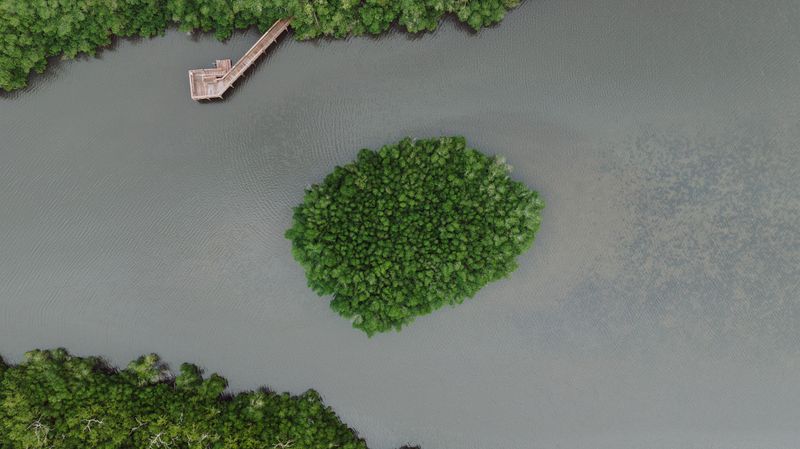
Salt in the water does not mean gators are absent. Alligators regularly use brackish habitats, including mangrove creeks and tidal canals.
Apply the same shoreline distance, short leash, and no swimming rules you use at freshwater ponds. Brackish areas can also carry blue-green algae blooms and Vibrio vulnificus bacteria.
Rinse your dog with clean water after coastal outings. Skip any area posted with an algae or water quality advisory.
14. Know the Number for a Nuisance Alligator
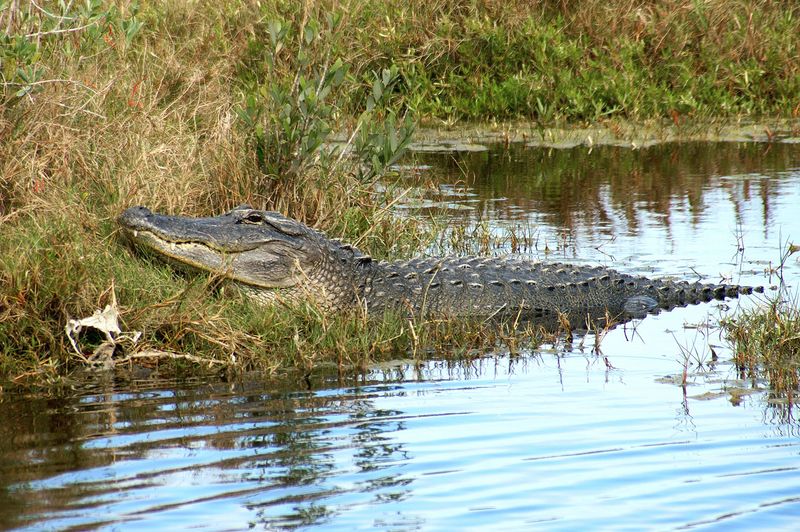
Florida has a system for animals that stop acting wary. Call the FWC Nuisance Alligator Hotline at 866-392-4286, also written as 866-FWC-GATOR.
An alligator generally qualifies when it is at least four feet long and appears to threaten people, pets, or property. Trained contracted trappers handle the response.
Those animals are often euthanized, so reporting is reserved for genuine concerns rather than routine sightings you can simply walk away from.
15. Call the Vet Fast After Any Wildlife Injury
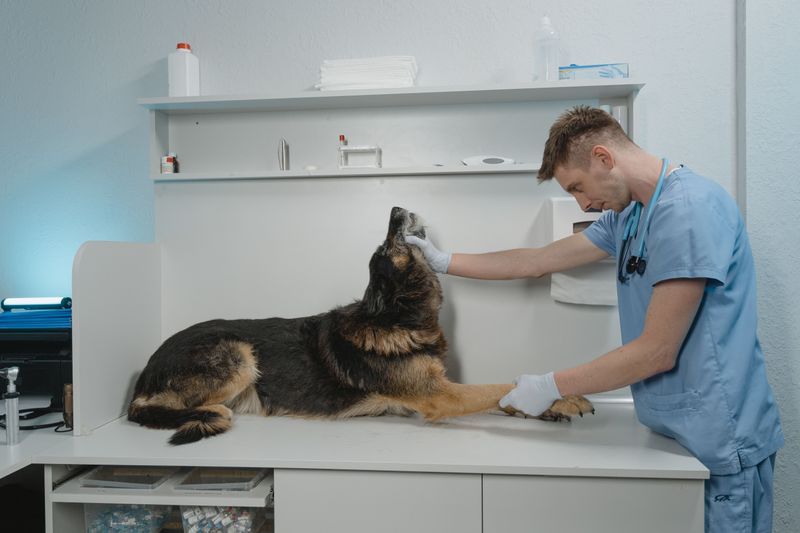
Wounds from wild animals can look minor and still carry serious infection risk. Contact your veterinarian promptly after any bite, scratch, or unexplained injury.
Bufo toad exposure and snake bites are true emergencies, so head straight to a clinic. Keep an emergency vet number saved in your phone before you ever need it.
If an alligator ever grabs your leash, let go immediately. Never enter the water yourself.