What Florida Owners Should Put On A Dog’s ID Before Hurricane Season
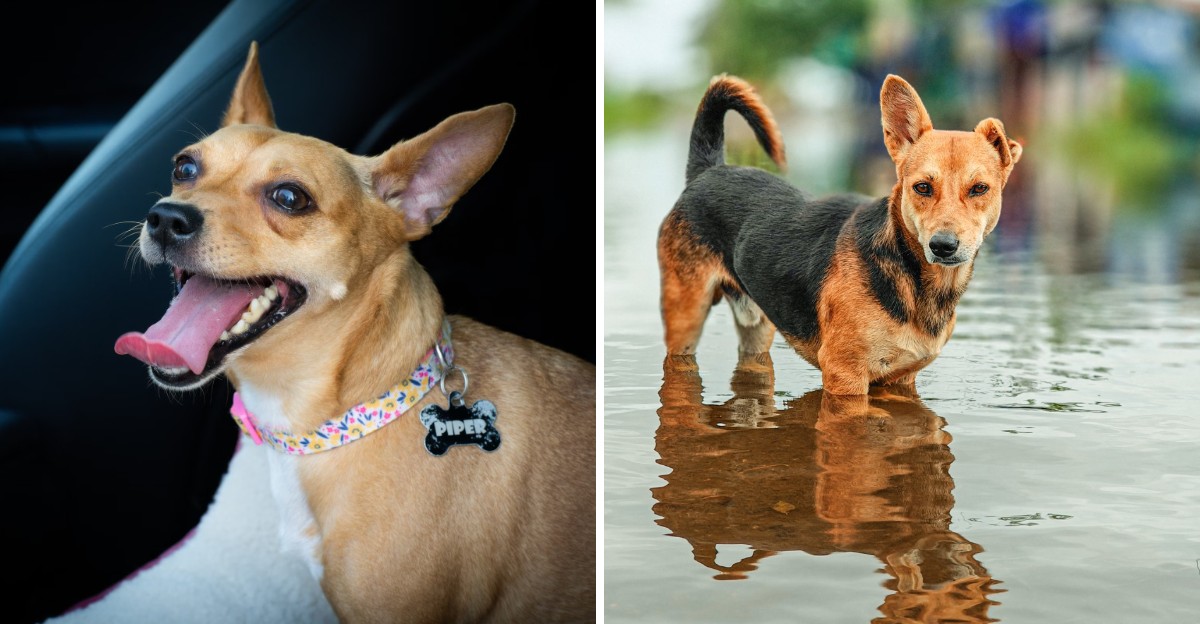
Hurricane season has a way of shuffling everything around, including dogs. If your pup slips out a gate during a storm, a good ID tag does the talking for you.
Current, readable identification details can make it easier to reunite a separated dog with its owner. Here is what Florida owners should have engraved, attached, and registered before hurricane season gets underway.
1. Put Your Phone Number On The Collar
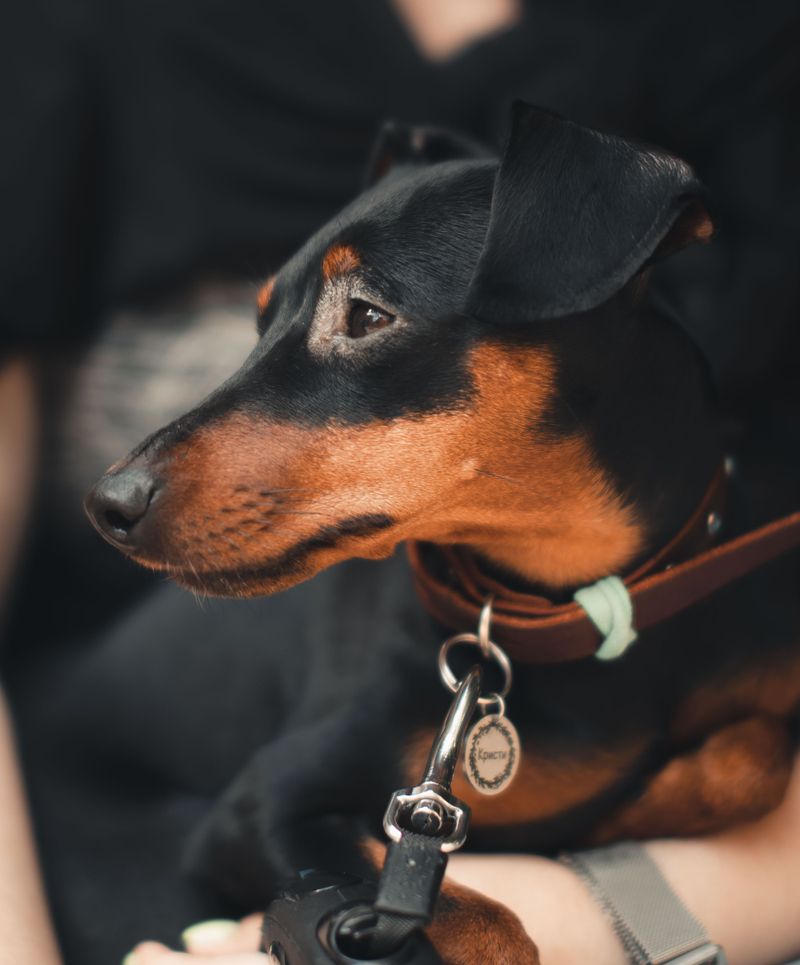
A working cell number is the quickest route home. Engrave it clearly, with the area code included.
A finder or shelter may use the phone number on the tag to contact you. Choose the line you actually answer, not a home phone you might leave behind during an evacuation.
Keep the digits large and uncrowded. Tiny lettering gets missed when hands are wet and the light is low.
2. Add Your Dog’s Name
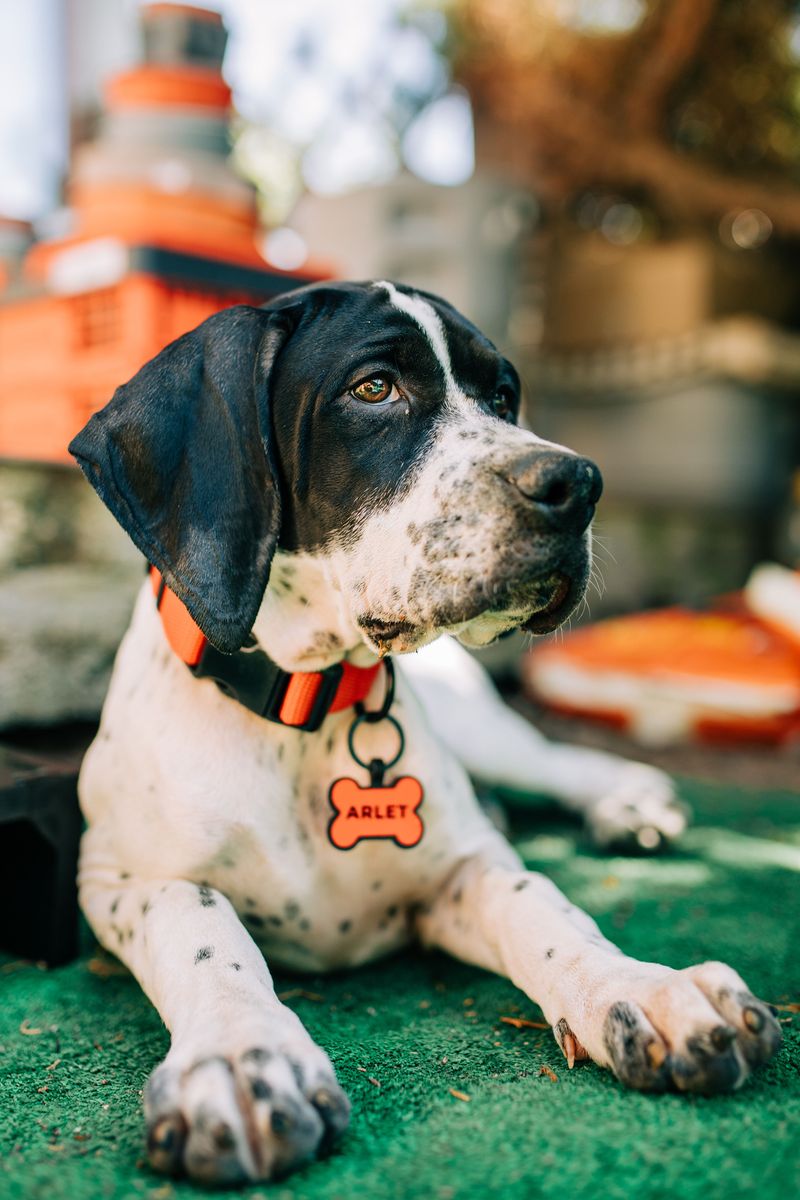
Using a dog’s name may help a finder communicate with the dog, but individual dogs respond differently to unfamiliar people.
Keep it short and easy to pronounce on the tag. Some owners worry that a name helps a stranger coax a dog away.
In everyday practice, the recovery benefit usually outweighs that concern. Place the name and your number on the same side so both get read together.
3. Include A Backup Contact
Phones do not always cooperate during a storm. Service drops, batteries fade, and you may end up somewhere with no signal.
A second number, ideally a relative or trusted friend, keeps the chain unbroken. Ask that person first so a call about your dog is not a surprise.
Label the line plainly, such as Alt followed by the number. An additional line of contact information gives a finder another way to reach someone who knows the dog.
4. Add Your Home Address
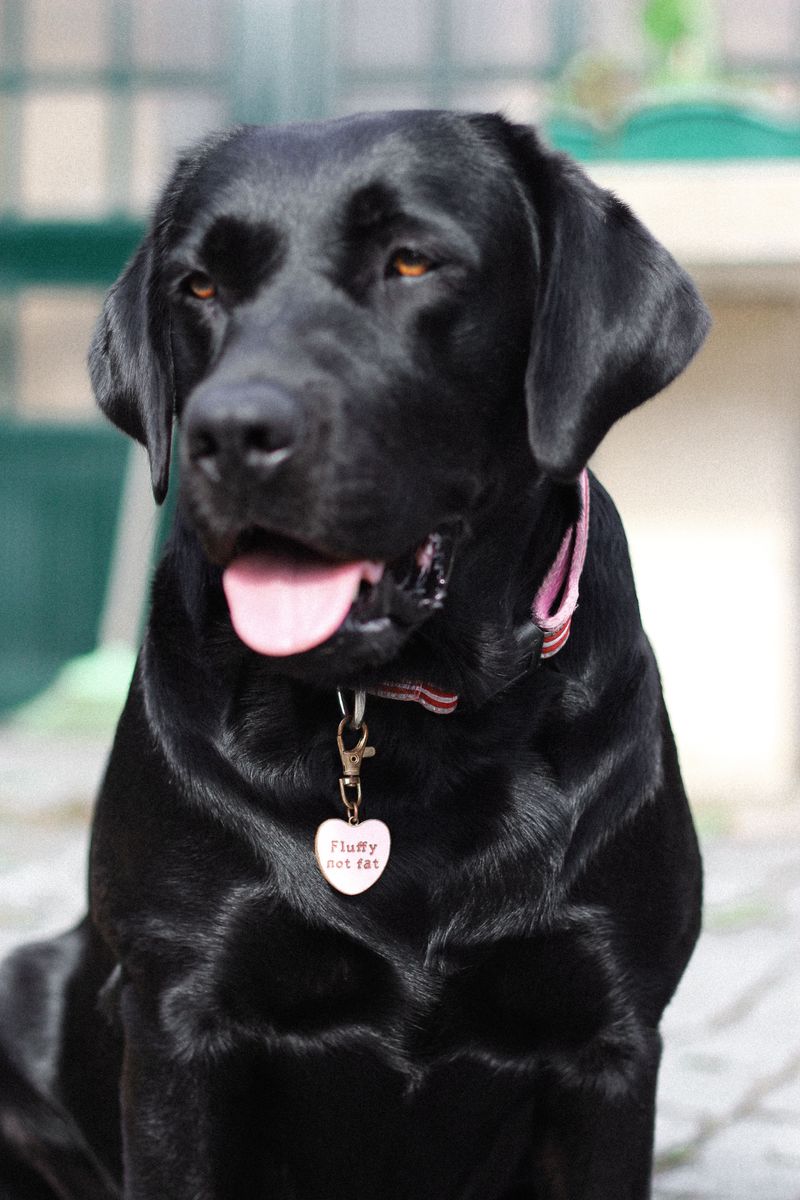
An address can give a finder or animal services another way to identify the dog’s home and contact the owner. If you include one, keep it current.
Even a partial line helps. Street name and city are often enough to narrow things down quickly.
If space is tight, put the address on the back of the tag. After any move, replace the tag instead of waiting for the next vet visit.
5. Consider An Out-Of-Area Contact
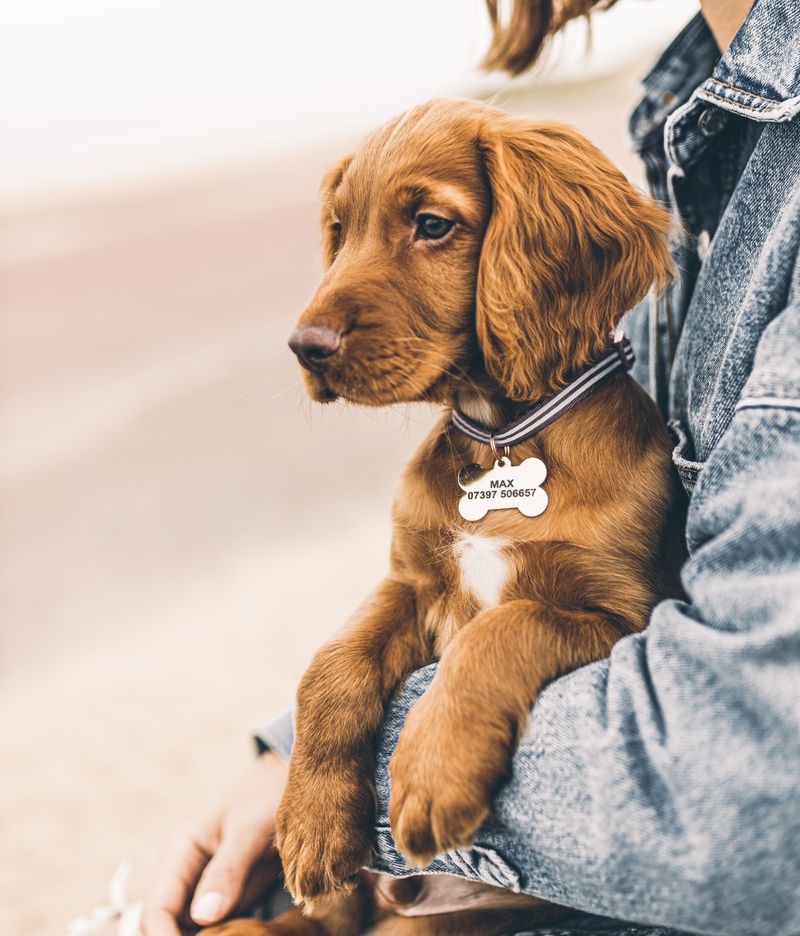
Storms can strain phone service across a whole region at once. A contact who lives inland or out of state stays reachable when local lines struggle.
Pick someone who knows your dog and can answer questions calmly. Note the relationship if room allows, like Aunt followed by a state abbreviation.
Share your vet’s name with that person too. Distance is exactly what makes this contact so useful.
6. Make The Emergency Contact Easy To Recognize
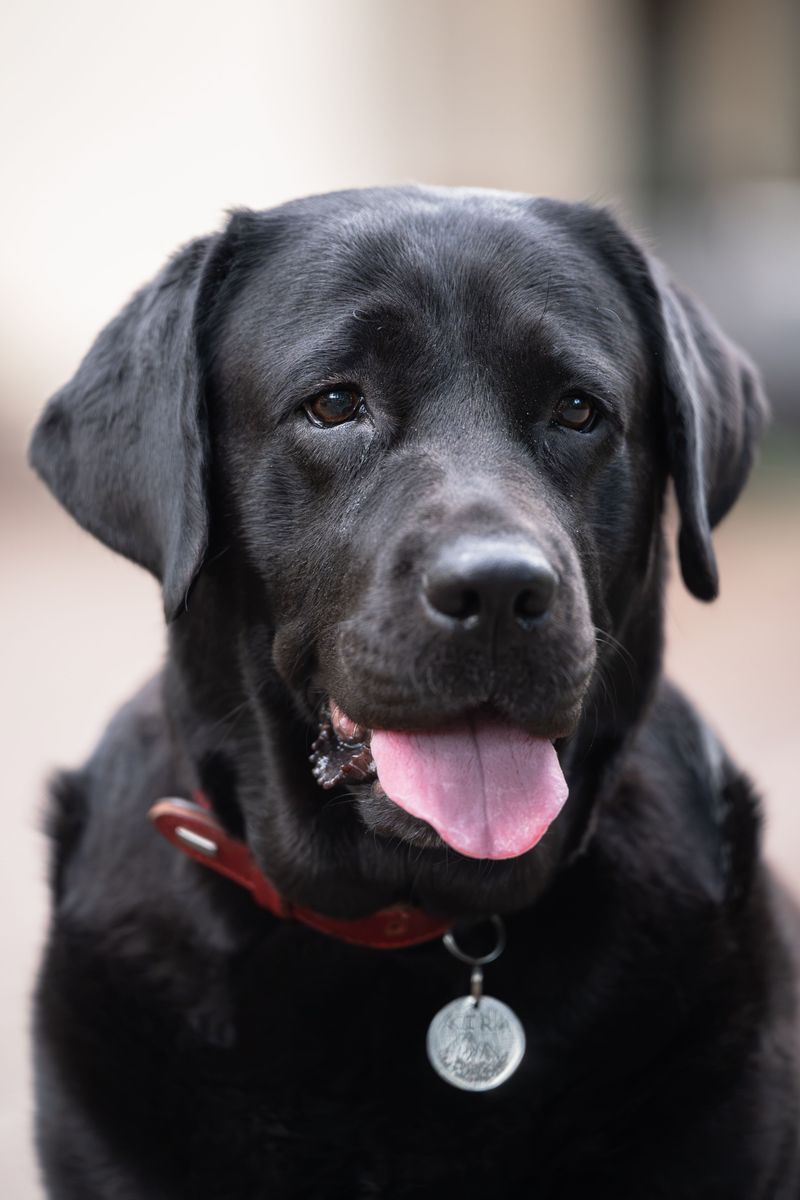
Whoever finds your dog is reading fast, often in poor light. Clear labels remove the guessing entirely.
Short prefixes work best, such as Call 1st and Call 2nd, or simply Mom. Skip clever wording and abbreviations that only make sense to you.
A clean block font beats fancy script every time. When the information is instantly obvious, a good Samaritan acts instead of hesitating.
7. Add A Note About Medical Needs Or Medication
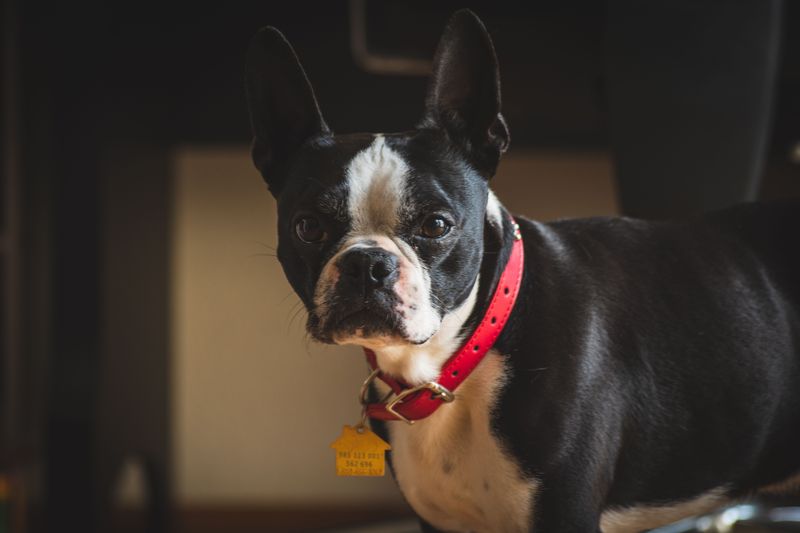
Health details change how a finder or shelter cares for your dog. A short note like Needs Daily Medication signals urgency without a long story.
Keep the wording to a few words. Only list conditions that genuinely affect handling, such as seizures, diabetes, allergies, or deafness.
Ask your veterinarian how to phrase it. Then tuck a written dose schedule into your storm kit as backup.
8. Keep The Tag Easy To Read
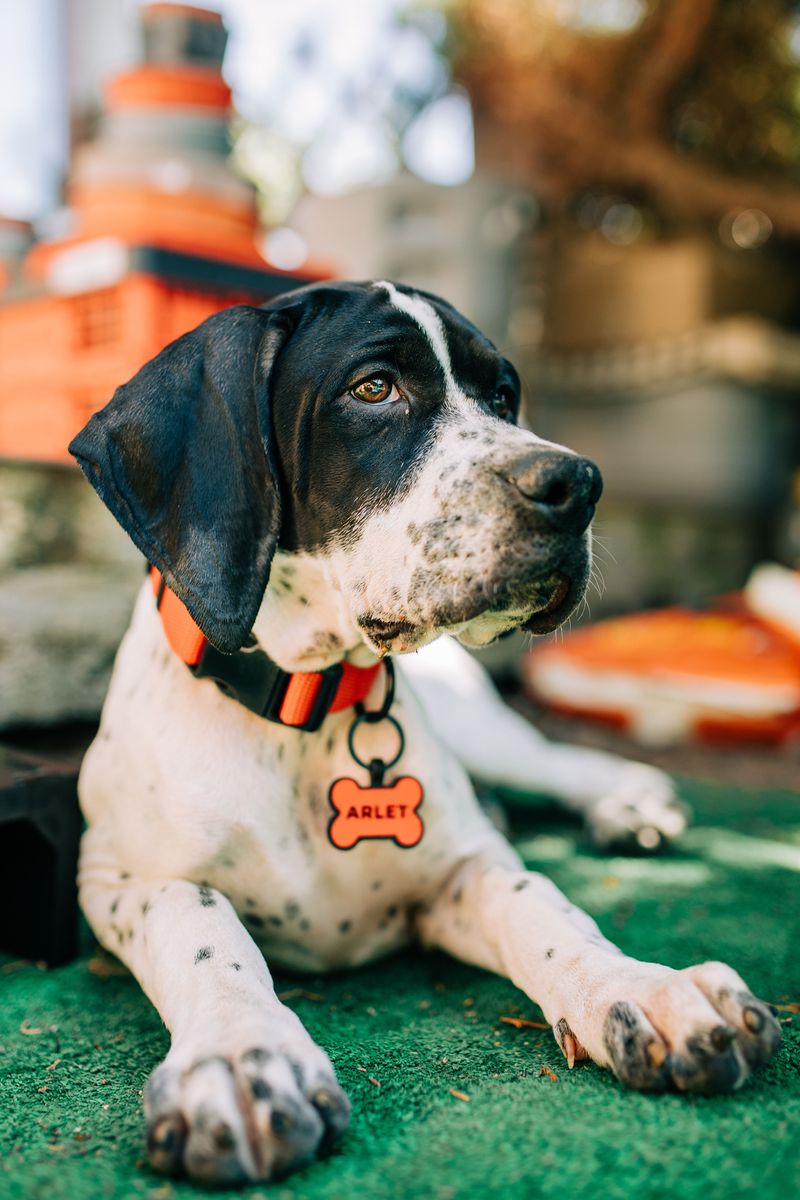
Worn tags are surprisingly common. Metal rubs against metal, letters flatten out, and a year later nobody can read the number.
Choose durable engraving or other clearly legible identification, along with high-contrast text and a simple layout that does not crowd the tag.
Run your thumb across the tag now and then. If you have to squint, a stranger will not bother trying.
9. Check The Tag Before Hurricane Season
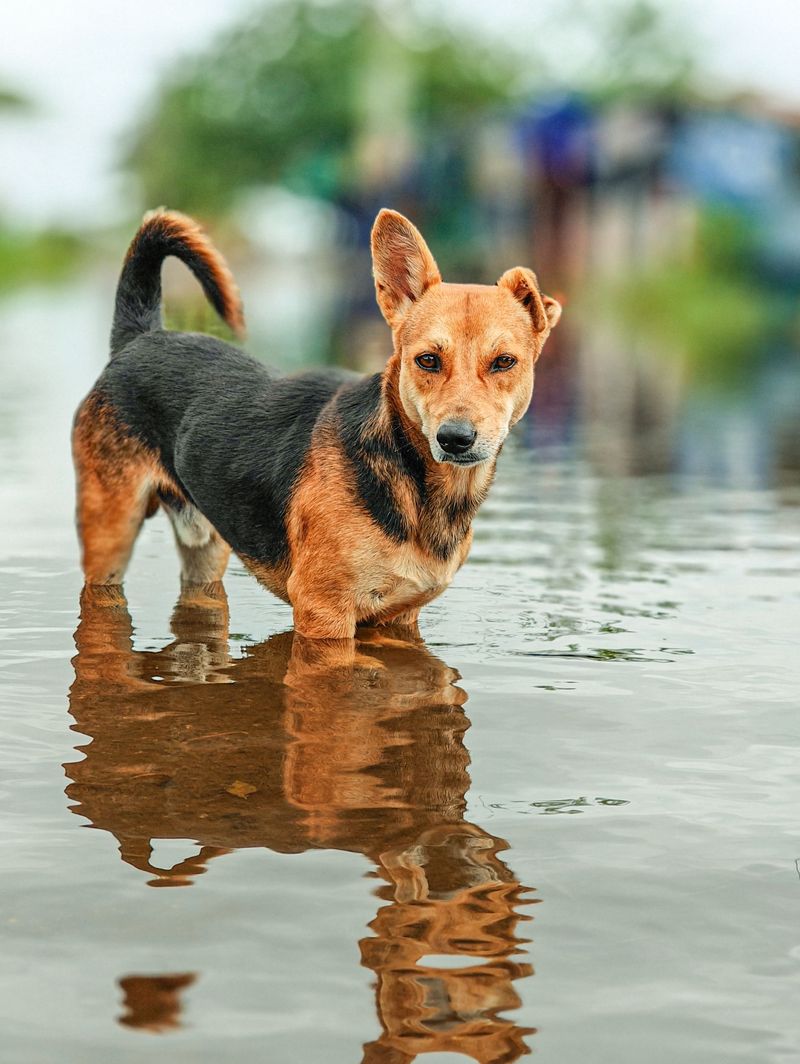
June 1 is a handy reminder on the Florida calendar. Hurricane season opens then, so use that date for your yearly ID check.
Read every line out loud: name, numbers, address. Confirm the split ring is closed and the tag is not cracked or bent.
Swap out anything faded or outdated before storms appear in the forecast. Ten minutes in late May beats scrambling when a watch is issued.
10. Make Sure The Collar Fits Securely
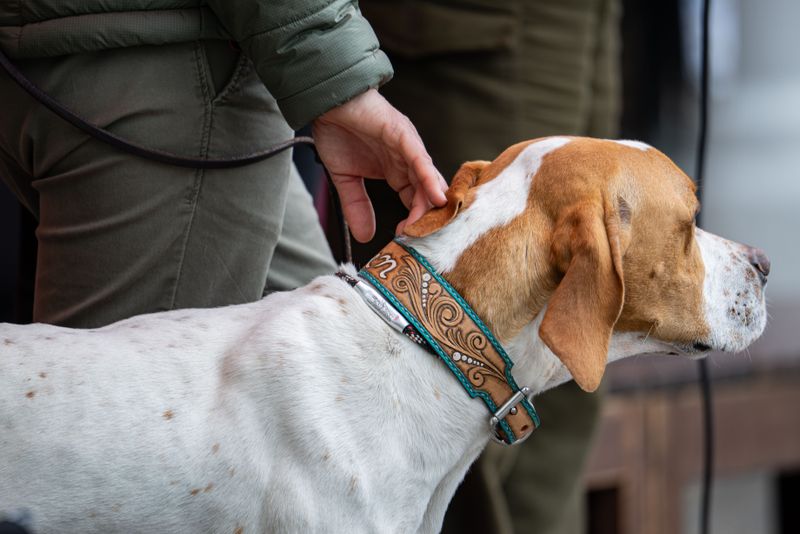
An ID does nothing if the collar slides off. Two fingers should fit snugly between the collar and your dog’s neck, no more.
Recheck the fit after weight changes and after grooming appointments. Flat buckle collars usually stay put better than loose martingales for daily wear.
Inspect stitching, rings, and buckles for wear. Nervous dogs pull hard during storms, so sturdy hardware earns its keep.
11. Add Microchip Information Too
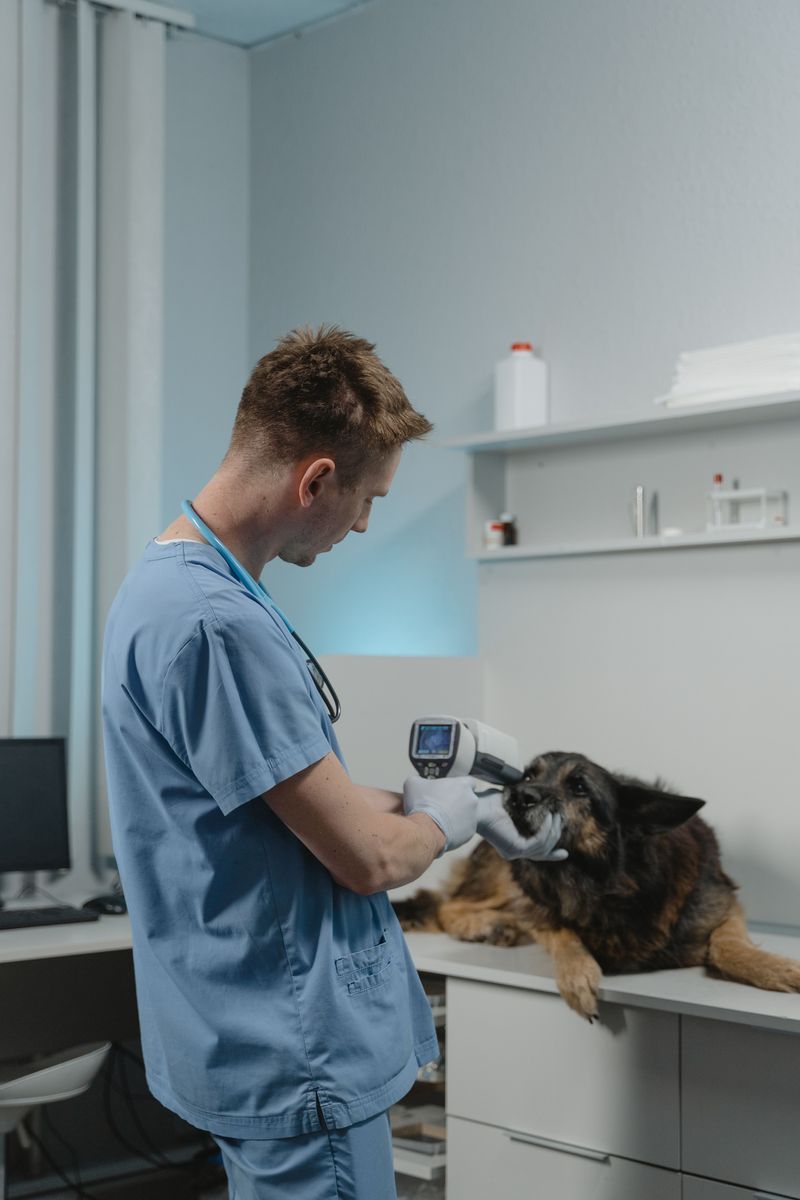
Tags can slip off a collar; a microchip stays put. Many owners engrave the word Microchipped so a shelter knows to scan immediately.
Some owners add the chip number or registry name in small print. A microchip can help identify a dog when a veterinarian, shelter, or animal-control facility scans it and checks the associated registry.
Remember that a chip is not a tracker. It works through the registry, which makes tag and chip partners rather than substitutes.
12. Update Your Microchip Contact Details
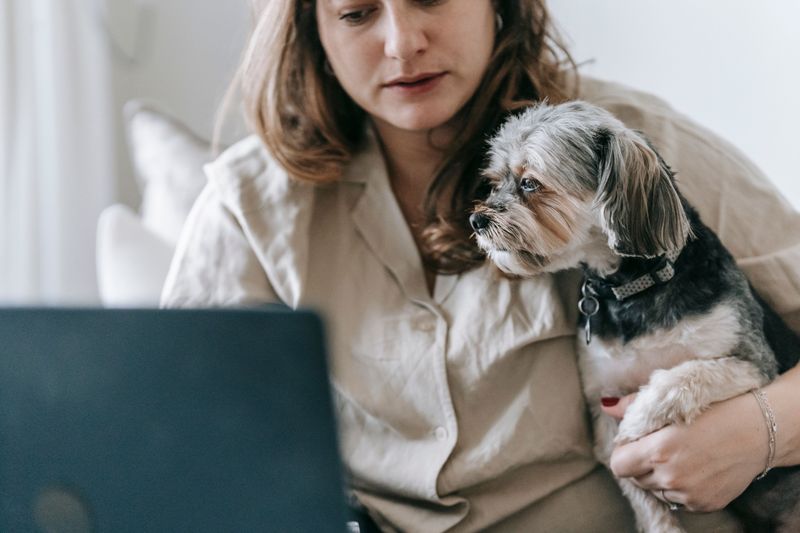
A chip is only as useful as the phone number attached to it. Moves, new carriers, and changed emails quietly break that link.
Sign into your registry account and confirm every field, including the backup contact. Most registries allow free or low cost updates online.
Cannot recall which registry holds the record? Your veterinarian can scan the chip and help you trace it.
13. Use A Waterproof ID
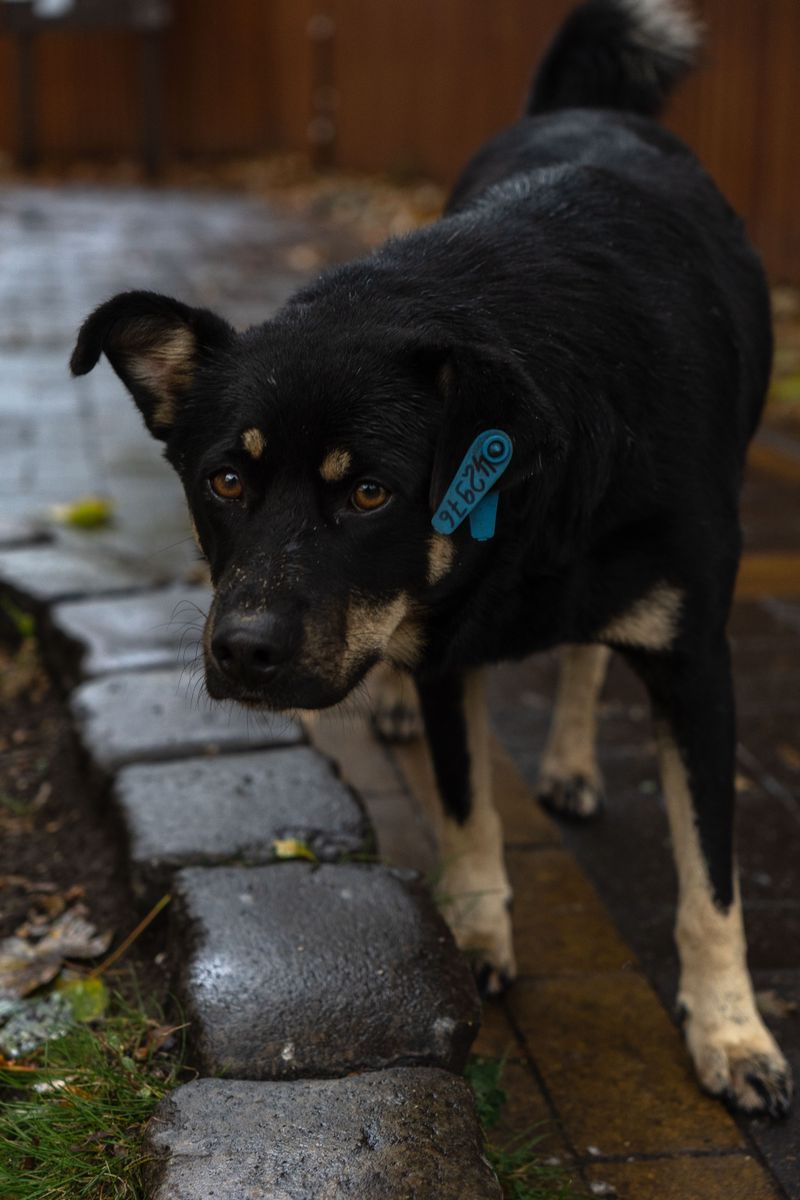
Florida weather tests everything, tags included. Paper inserts and printed plastic fade after a few soakings and long hours of sun.
Stainless steel, anodized aluminum, and quality brass shrug off rain, salt air, and humidity. Silicone covers cut jingling noise while protecting the lettering.
Prefer details stitched or printed on the collar webbing? Choose fade-resistant thread, because water should never erase your number.
14. Consider A QR Code ID
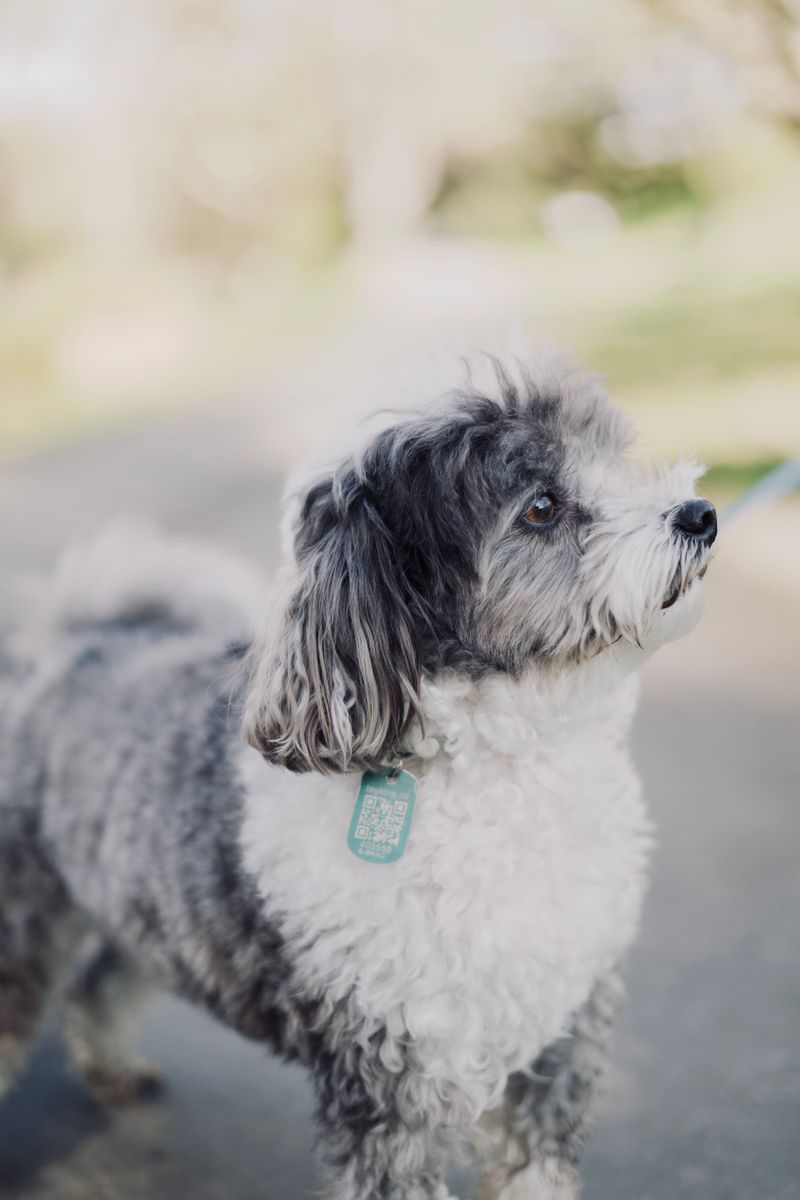
Smartphone tags have quietly become popular with travelers. A scannable code can open a profile holding your numbers, your vet, feeding notes, and medical details.
Everything stays editable, which helps a lot during an evacuation. The catch is that scanning needs a working data connection.
Storms sometimes interrupt that, so keep engraved text on the same collar. Two systems, one collar, far fewer worries.
15. Put Your Dog’s Rabies Tag On The Collar
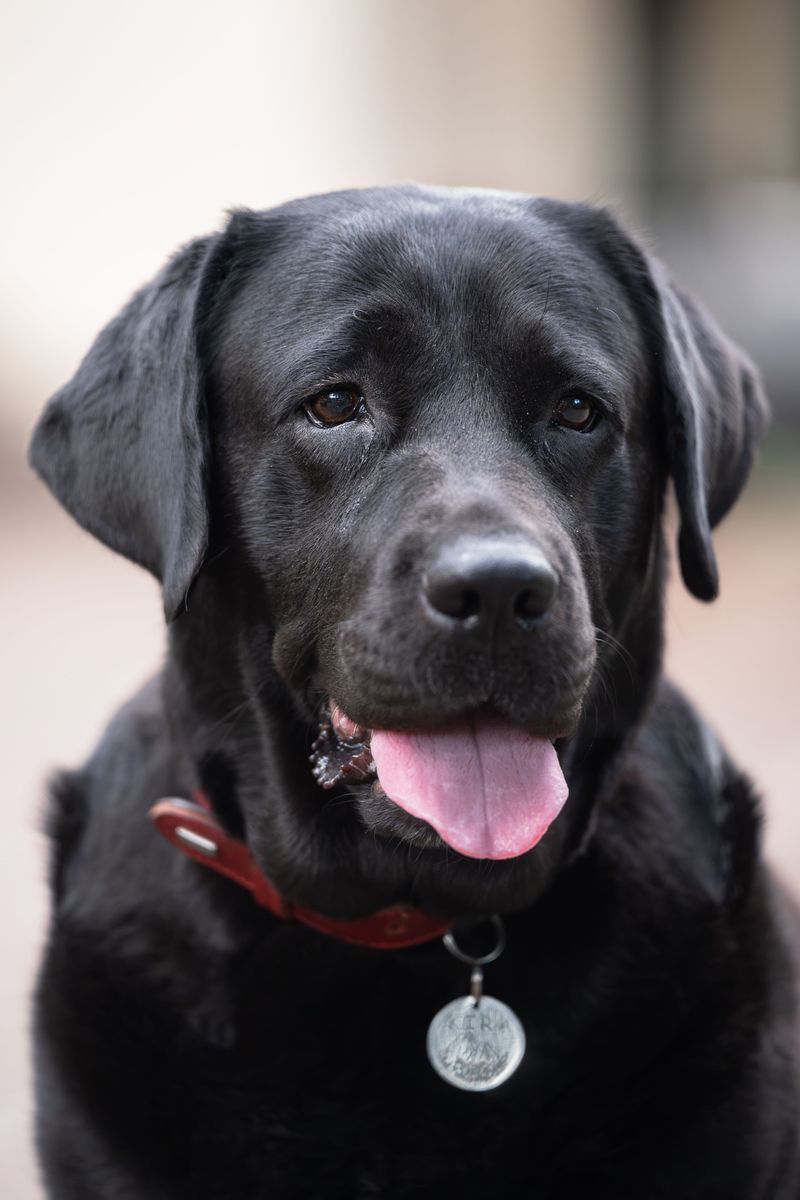
Rabies tags carry more weight than their size suggests. The serial number ties back to your veterinarian’s records, so your dog stays traceable.
Florida requires rabies vaccination for dogs, and many counties also require a license tag. Rules vary, so confirm details with your county animal services.
Keep the current tag attached rather than tucked in a drawer. A current rabies tag can provide useful vaccination information if your dog is found or temporarily housed.
16. Keep A Second ID Tag With Your Evacuation Supplies
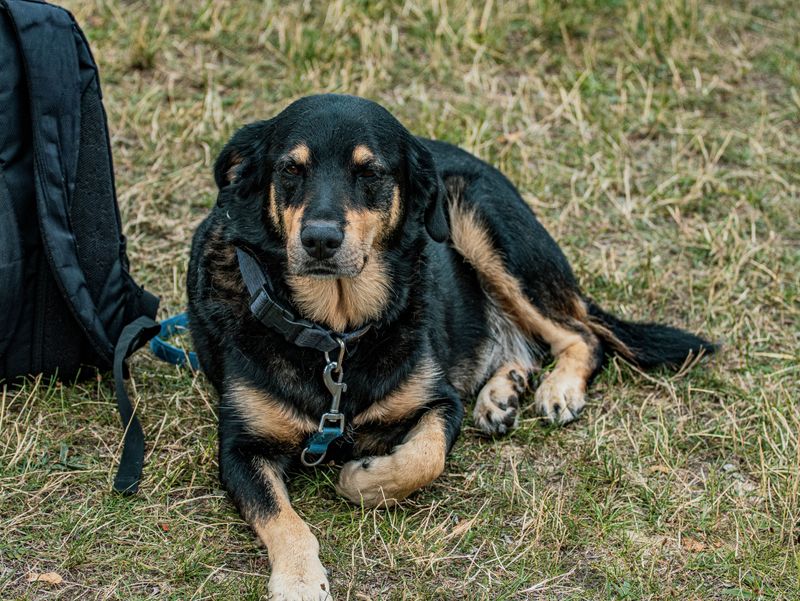
Spare tags cost a few dollars and prevent real headaches. Tuck an extra engraved tag and a backup collar into your dog’s go bag.
If a collar breaks at a shelter or a friend’s house, you are not starting from scratch. Some owners add a temporary tag listing the evacuation address.
Write that changing detail in pencil on a paper insert. Flexibility is the point.
17. Check Every Dog’s ID Separately
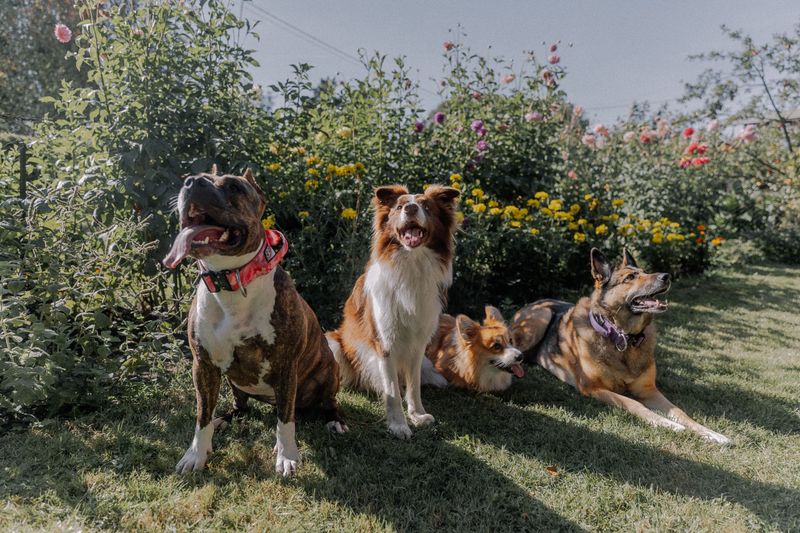
Multi-dog homes trip on this one. Tags get swapped during baths, and suddenly the beagle is wearing the terrier’s details.
Inspect each collar on its own, saying that dog’s name as you read. Confirm the right medical note sits on the right dog.
Color coded collars make future checks faster. A calm afternoon of sorting now means every dog travels with the correct story, and that quiet confidence is the whole goal.