20 Vet Questions Pennsylvania Dog Owners Should Ask Before Their First Full Four-Season Year
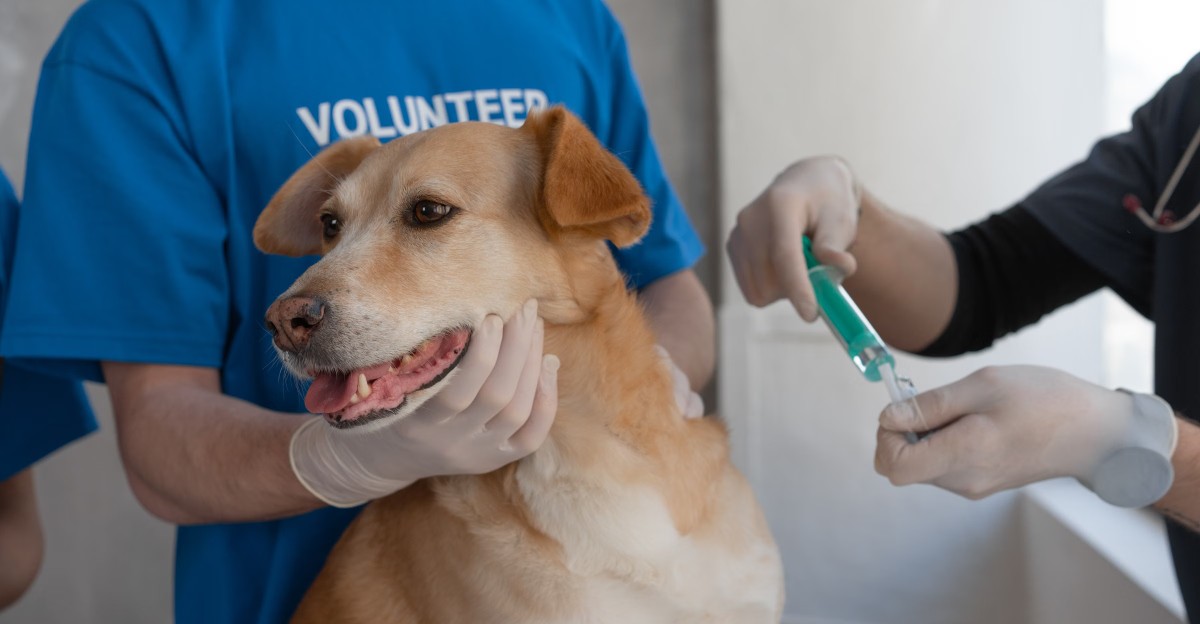
Pennsylvania gives dogs a little bit of everything: muddy springs, sticky summers, crunchy falls, and salty winter sidewalks. Each season brings its own small challenges, from ticks to ice melt.
The good news is that your vet can help you plan ahead for all of them. Bring these questions to your next visit, and you will head into the year feeling calm, ready, and confident.
1. The Lyme Vaccine Conversation
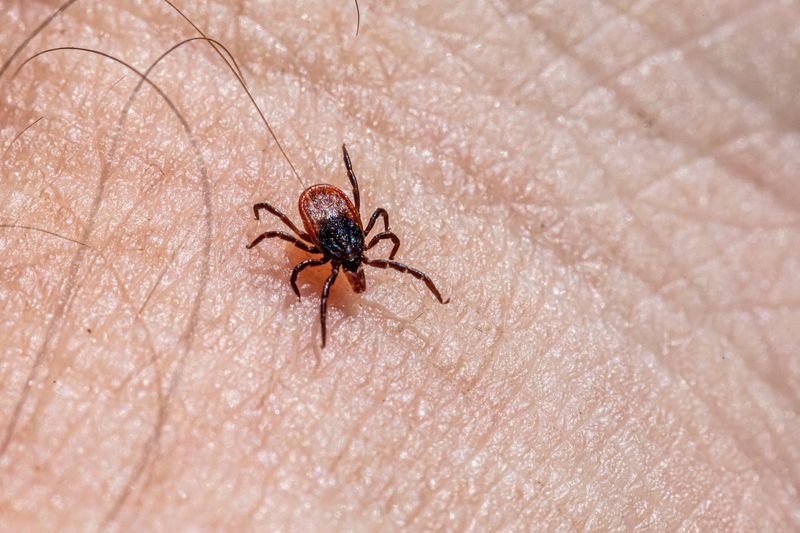
Here is a sobering local fact. Pennsylvania ranks among the top states for reported Lyme disease in both people and dogs.
Deer ticks, which spread it, live across the whole state.
Many vets recommend the Lyme vaccine for outdoorsy dogs. It usually starts with two doses a few weeks apart, then a yearly booster.
Your vet may suggest a blood screen first. No vaccine is perfect, so pair it with tick prevention.
2. Flea and Tick Protection in Every Month
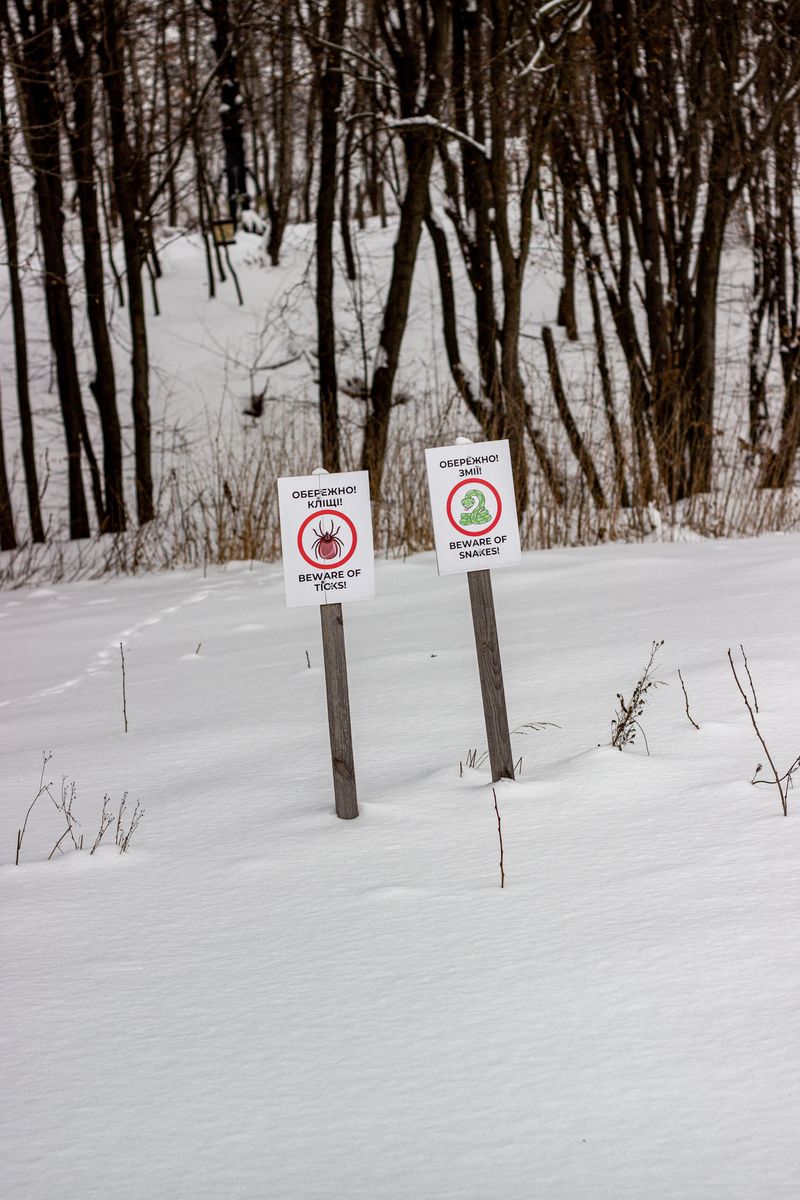
A January thaw can surprise you. On mild winter days above about 45 degrees, deer ticks can wake up and look for a meal.
Fleas are sneaky too. They happily survive indoors all year, even when snow covers the yard.
So most Pennsylvania vets advise year-round prevention with no winter break. Ask which product suits your dog’s size, age, and habits.
Then set a phone reminder so no dose slips by.
3. Heartworm Prevention Timing
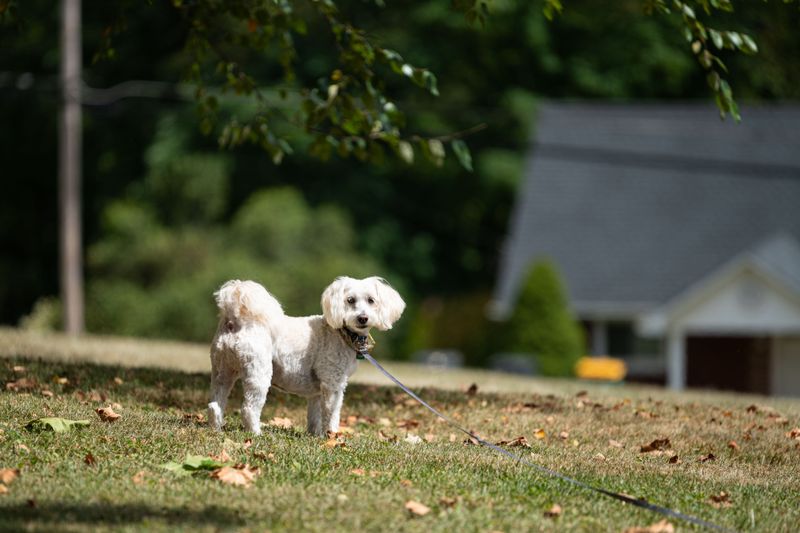
One mosquito bite is all it takes to pass heartworm larvae to a dog. Mosquitoes can hide indoors or buzz around during warm winter spells.
That is why vets here usually recommend monthly prevention all year long. Each dose clears larvae picked up in the past 30 days.
Skipping one leaves a gap.
Plan on a yearly heartworm test as well. It confirms the medicine is doing its job.
4. How Often to Test for Tick-Borne Illness

Think of screening as a quick check-in with your dog’s bloodstream. A simple blood test can show exposure to Lyme and other tick-borne illnesses.
Many clinics combine this with the annual heartworm test, which keeps things easy. Some dogs may need testing more often, especially active hikers or farm dogs.
Ask your vet what schedule fits your area and your dog’s adventures. Local risk can vary from county to county.
5. Spotting Heat Exhaustion Early
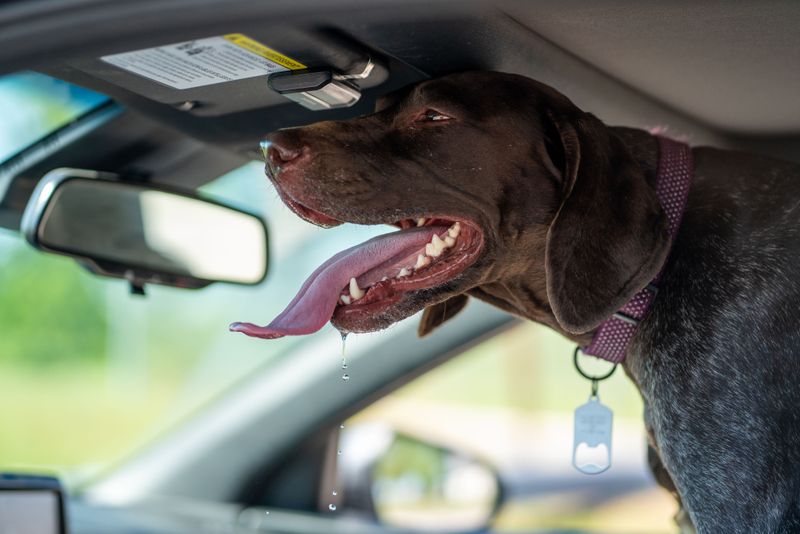
July in Pennsylvania can feel like a damp towel. Dogs cool off mostly by panting, so humidity makes their job harder.
Watch for heavy panting that will not settle, thick drool, and bright red gums. Stumbling, weakness, vomiting, or confusion are bigger warning signs.
If you notice these, move your dog somewhere cool right away. Offer water, then call your vet promptly.
Quick action usually makes a real difference.
6. Building a Year-Round Vaccine Plan
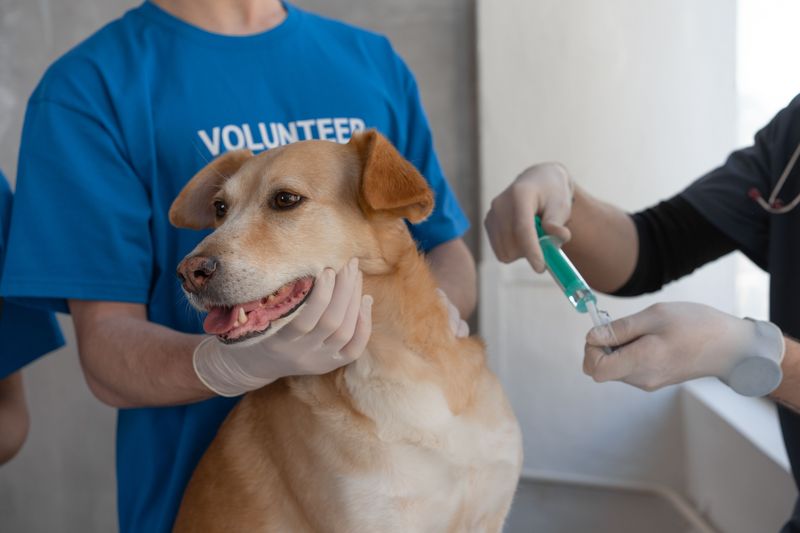
Start with the basics, because the law does. Pennsylvania requires rabies vaccination for dogs over three months old.
Most vets also treat DHPP as a core shot, covering distemper, adenovirus, parvovirus, and parainfluenza.
After that, your dog’s lifestyle shapes the plan. Leptospirosis matters for dogs who drink from puddles or creeks.
Bordetella and canine influenza often make sense for boarding or daycare pups.
Ask your vet which extras fit your dog’s routine.
7. Caring for Paws on Salty Sidewalks
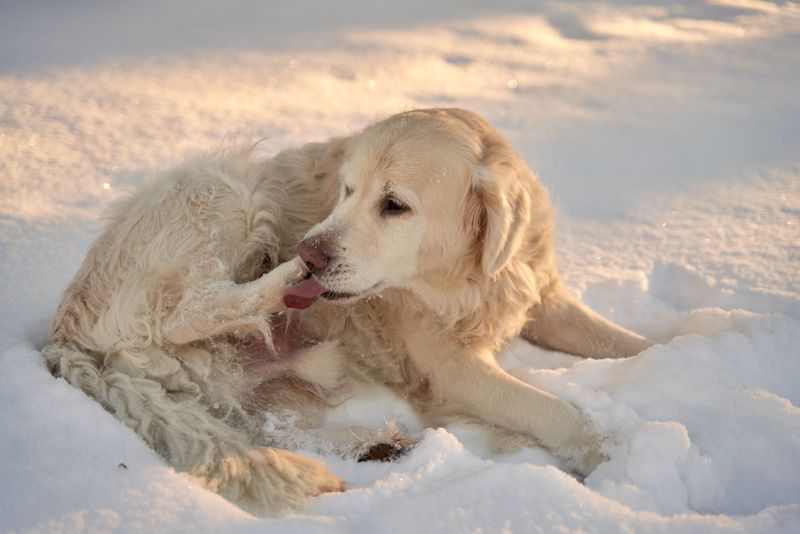
Picture walking barefoot on gravel coated in salt. That is roughly what winter sidewalks feel like to unprotected paws.
Dog boots offer the best barrier. If your pup refuses them, a paw balm can help keep salt and ice from sticking.
After every walk, wipe paws with a damp towel. Check between the toes for redness or cracks.
Ask your vet which balm they trust most.
8. Deciding on a Winter Coat
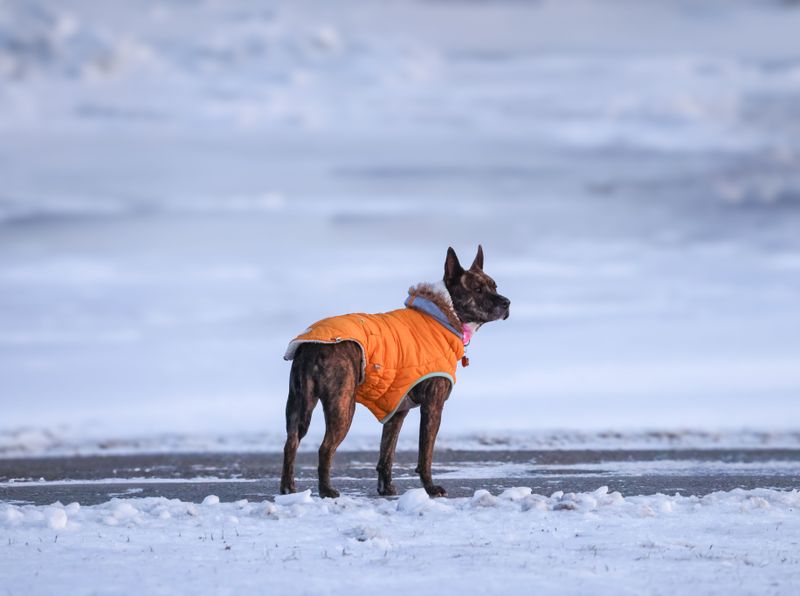
Not every pup was built for a Poconos winter. Huskies may shrug at snow, while a chihuahua may tremble.
As a general guide, most dogs need extra warmth below 20 degrees. Small, short-coated, lean, senior, or sick dogs may want a sweater near 40 degrees.
Watch your dog’s signals. Shivering, lifting paws, or refusing to move means it is time to head inside or add a layer.
9. Safe Exercise in Extreme Weather
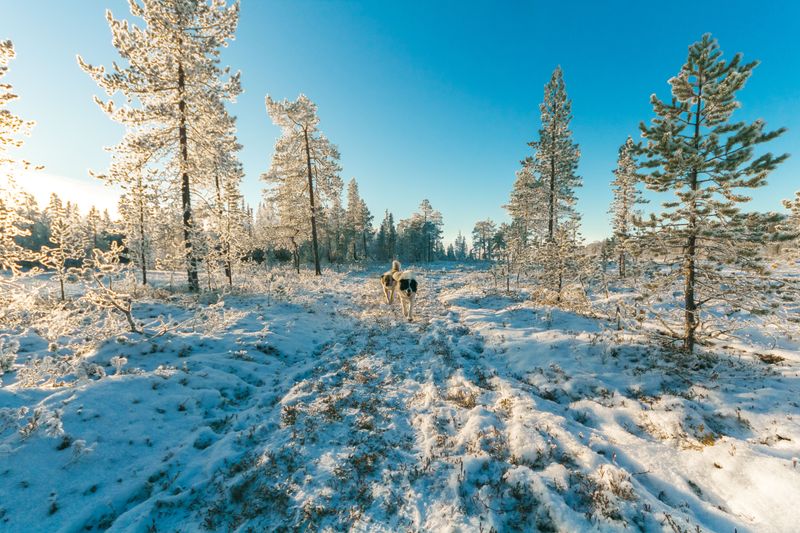
Sadly, no magic thermometer number works for every dog. Humidity, breed, age, weight, and health all play a part.
Flat-faced breeds, heavy-coated dogs, and overweight pups struggle most in summer heat. Try early morning or evening walks instead.
In freezing weather, shorter outings protect paws and help prevent frostbite. Always carry water in warm months.
Ask your vet for limits that match your specific dog.
10. Recognizing Seasonal Allergies
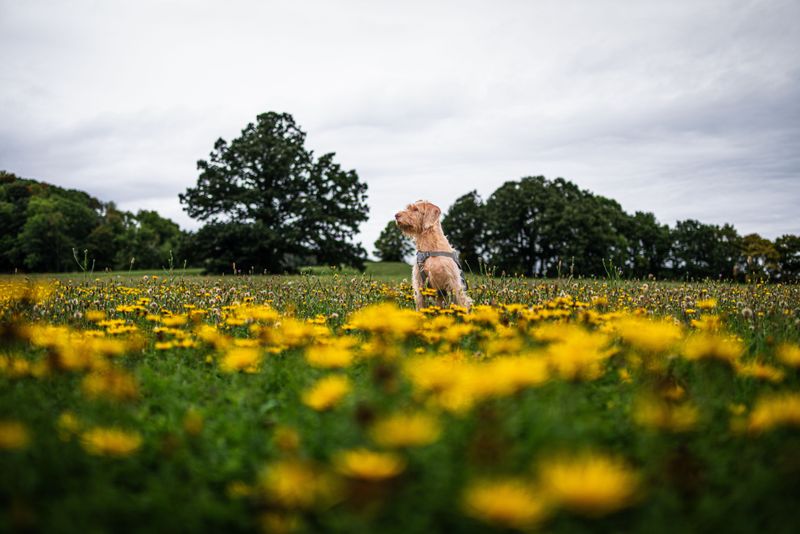
Spring blossoms look lovely, but some dogs pay for them with itchy skin. Tree, grass, and weed pollens are common triggers here, especially in spring and fall.
Mold and fleas can bother dogs too. Look for constant paw licking, face rubbing, red skin, or repeated ear infections.
Sneezing and watery eyes can show up as well. Your vet can help pinpoint the cause and build a comfort plan.
11. Keeping Ears Healthy After a Swim
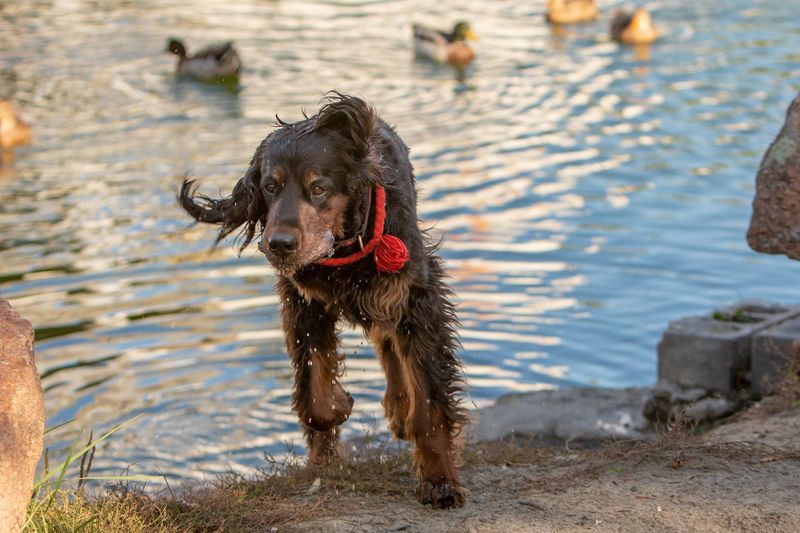
Dog ear canals bend like the letter L. That shape traps water, creating a cozy spot for yeast and bacteria.
Floppy-eared swimmers are most prone to trouble. After each swim, gently dry the outer ear with a soft cloth.
Ask your vet about a drying solution made for dogs. Skip cotton swabs deep in the canal.
Head shaking, odor, or redness means a vet visit is wise.
12. Steering Clear of Harmful Algae
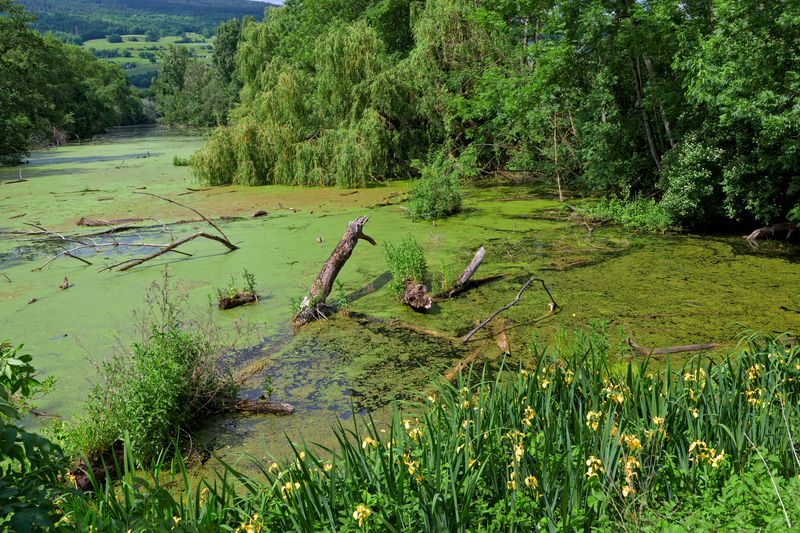
Late summer ponds can hide an unwelcome guest. Blue-green algae blooms often appear in July, August, and September during hot, dry weather.
Water may look like pea soup, spilled paint, or foamy scum. Keep your dog out and leashed near the shore.
If contact happens, rinse their coat with clean water and stop licking. Check local advisories before outings.
Call your vet right away with any vomiting or stumbling.
13. Avoiding Run-Ins with Wildlife
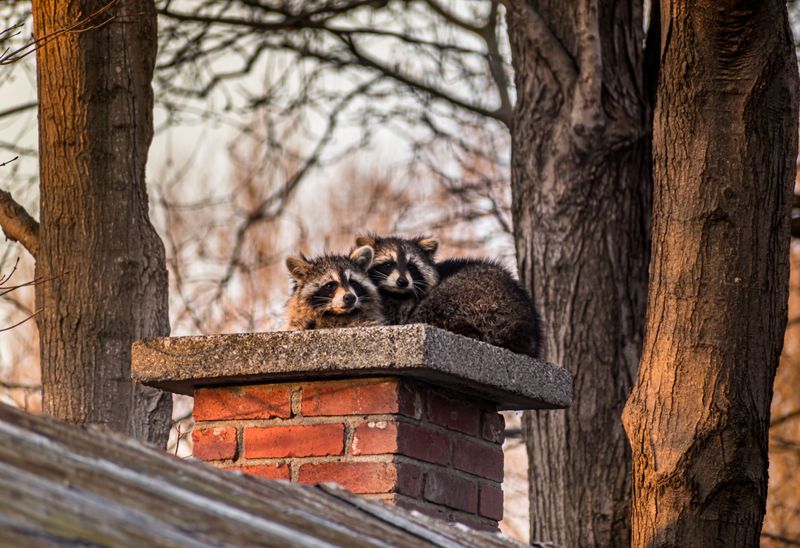
Curiosity is a lovely dog trait, until it meets a skunk. Dawn and dusk are busy hours for raccoons, skunks, and other wildlife.
Keep your dog leashed in wooded areas. Secure trash and outdoor food so scavengers do not visit.
A solid leave it command is worth practicing. If you see a snake, calmly move away.
Check for bites afterward, and call your vet about any wildlife contact.
14. Signs of Plant, Mushroom, or Chemical Exposure
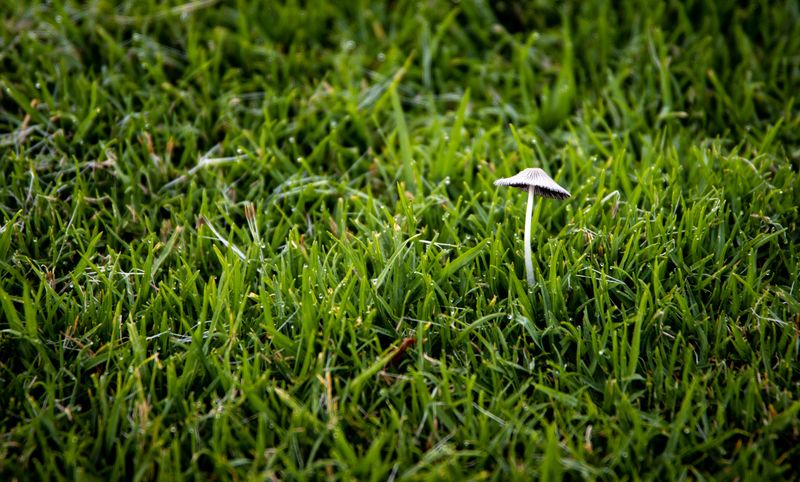
Rainy autumn lawns can sprout mushrooms overnight. Some plants and lawn chemicals can also upset a dog’s system.
Common signs include vomiting, diarrhea, drooling, tiredness, or a sudden loss of appetite. Stumbling, tremors, or skin redness can appear too.
If you suspect exposure, note what your dog touched or ate if you safely can. Then call your vet or an animal poison control line right away.
15. Adjusting Food with the Seasons
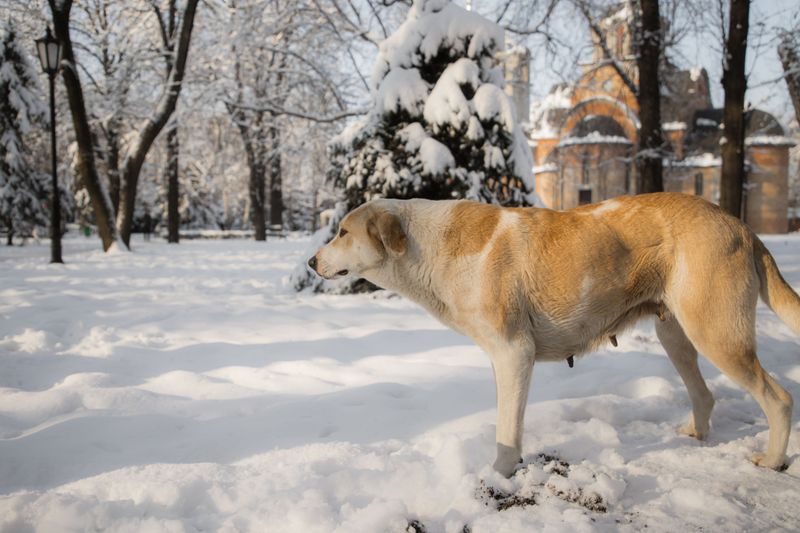
Snowy months often mean more couch time and fewer long walks. Some less active dogs may need slightly fewer calories to avoid slow weight gain.
Very active or working dogs may need a bit more in winter. In summer, heat can dull appetites, so cooler feeding times help.
Big diet overhauls are rarely needed. Ask your vet to check body condition and suggest small, sensible tweaks.
16. Catching Dehydration on the Trail
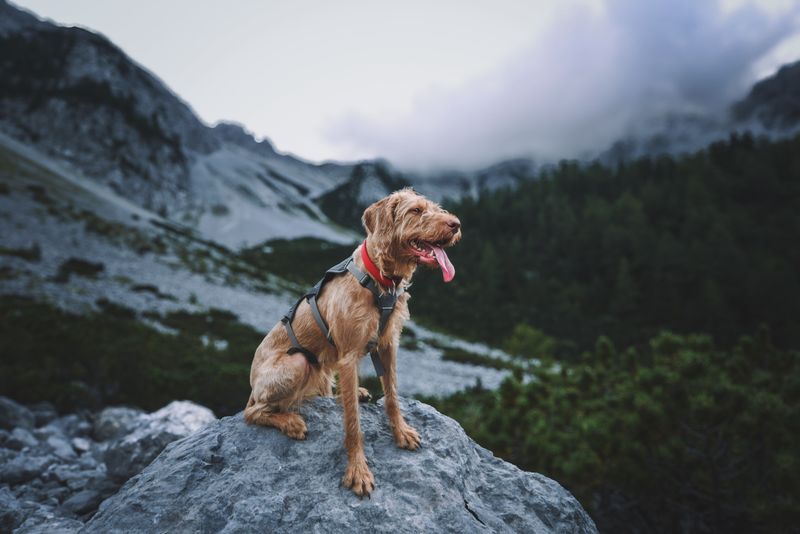
Try a quick gum check on your next hike. Healthy gums feel slick and moist, while tacky gums can signal dehydration.
Another handy trick is the skin tent test. Gently lift skin over the shoulders.
If it springs back slowly, your dog needs fluids.
Sunken eyes, thick saliva, and unusual tiredness are clues too. Offer water often, rest in shade, and call your vet if signs continue.
17. Hiking Safely During Hunting Season
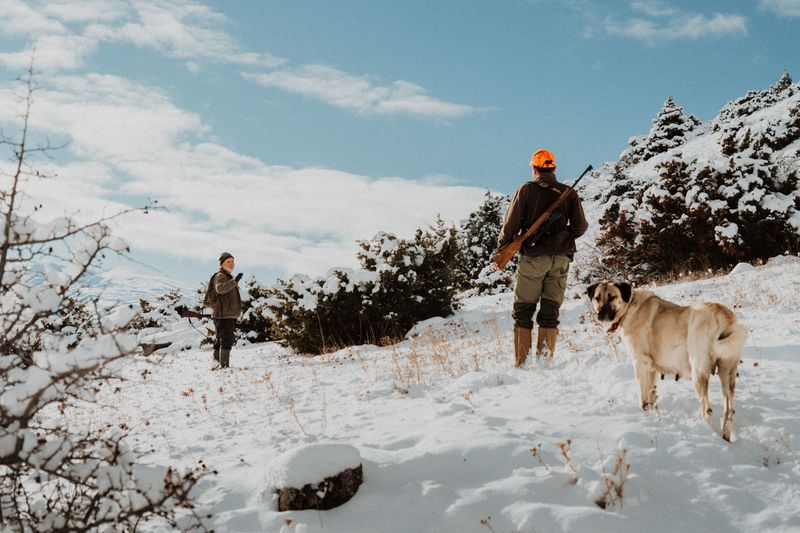
Fall woods in Pennsylvania are shared spaces. Hunters, hikers, and dogs may all use the same trails.
Dress your dog in a blaze orange vest or bandana, and wear orange yourself. State game lands often have orange requirements for non-hunters during certain seasons.
Check the Pennsylvania Game Commission for current dates and rules, including some Sunday hunting. Keep your dog leashed, and avoid dawn and dusk outings.
18. Guarding Against Winter Chemicals
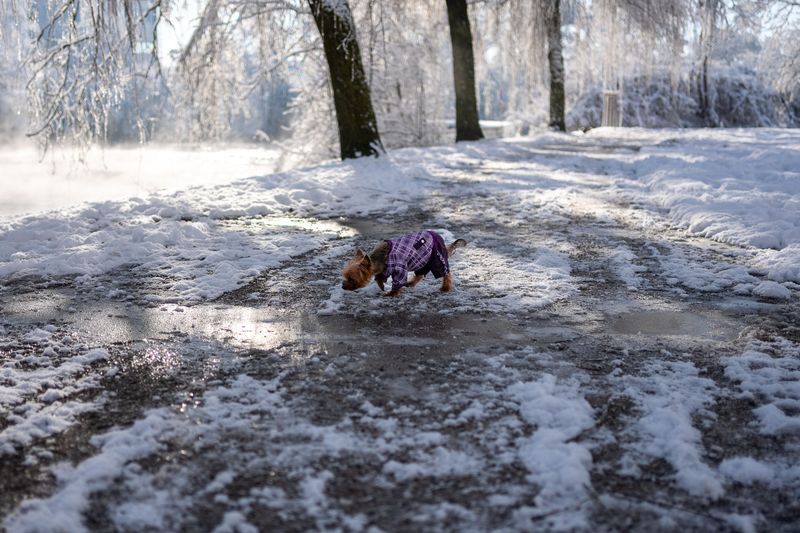
Antifreeze has a sweet taste that can tempt curious dogs. Even a small amount is seriously harmful, so storage matters.
Keep containers sealed and up high. Wipe garage spills right away.
Propylene glycol formulas are considered less toxic than ethylene glycol types.
For your own steps, choose pet-safe ice melt. Rinse paws and bellies after walks.
Suspect antifreeze exposure? Head to an emergency vet immediately.
19. Setting a Checkup and Screening Routine
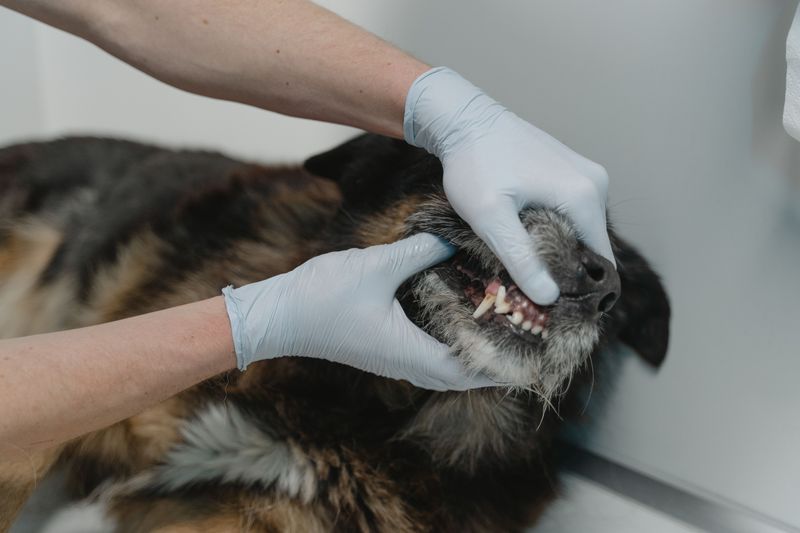
Regular visits catch small issues before they grow. Healthy adult dogs usually need a wellness exam at least once a year.
Puppies need a series of visits for vaccines. Seniors, often seven and older, may benefit from exams every six months.
Ask about dental evaluations, since many dogs show dental disease by age three. Plan on a yearly fecal test and heartworm test too.
Your vet will tailor timing.
20. Knowing Emergencies and Where to Go
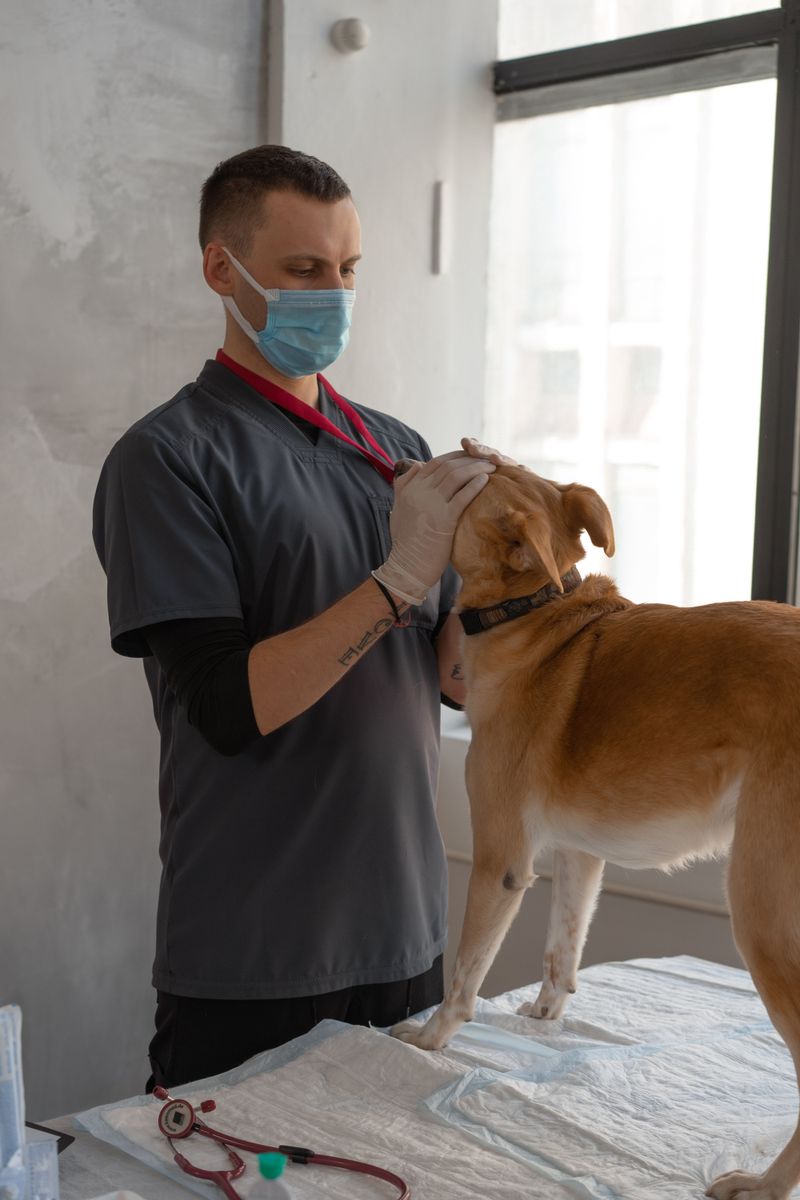
Nobody wants to search for an emergency clinic in a panic. Save that information now, while things are calm.
Get urgent help for collapse, seizures, pale or bluish gums, or frantic panting that will not ease. Repeated vomiting or bloody diarrhea also counts.
Suspected toxin exposure needs fast care too. Ask your vet which 24-hour hospital they recommend.
Store its address and number in your phone today.