What Texas Dog Owners Should Know About Leptospirosis After Flash Flooding
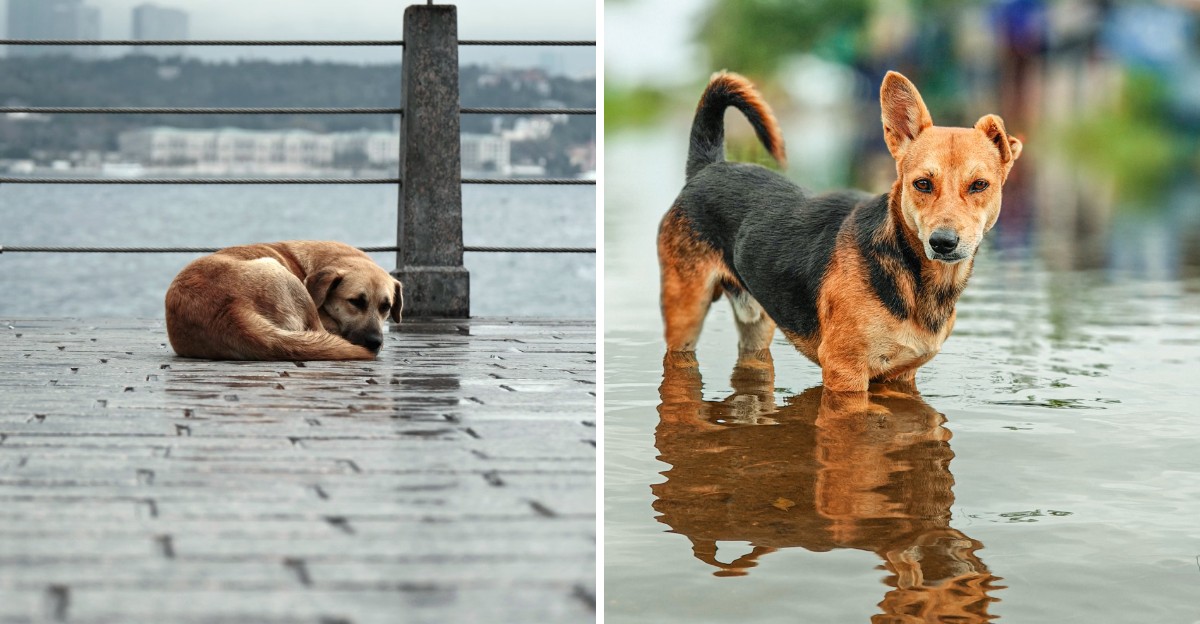
After a Texas flash flood, your dog may see puddles worth exploring while you see another cleanup job. Some wet areas can carry bacteria that cause leptospirosis, an illness affecting dogs and people.
A few sensible steps can lower exposure without making every walk feel worrying. Knowing where trouble hides, which symptoms matter, and when to call your veterinarian helps you move forward with confidence.
1. Flash Floods Can Move Bacteria Into New Places
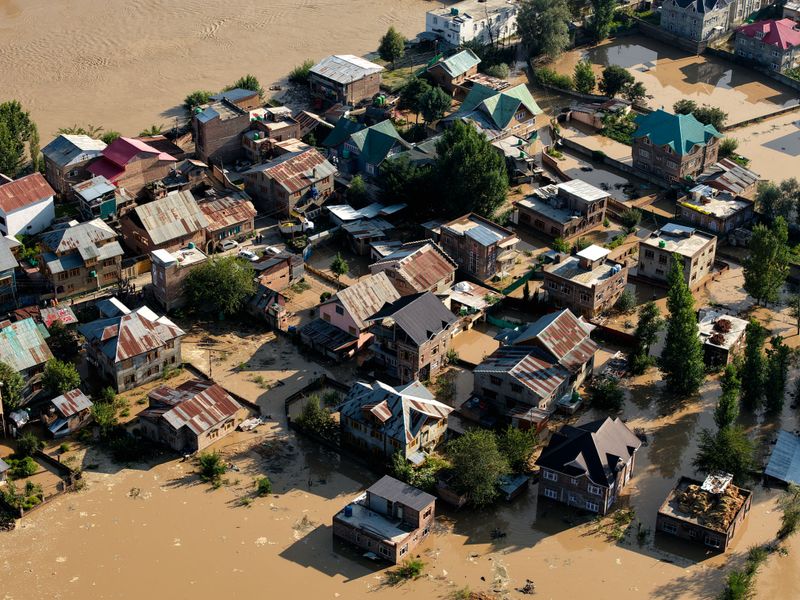
Fast moving water can carry more than mud through your neighborhood. Floodwater may spread Leptospira bacteria from infected animal urine into yards, parks, and other places dogs explore.
Warm, wet conditions can help these bacteria survive outside an animal. However, flooding does not mean every puddle contains them.
After heavy Texas rain, choose dry walking routes and follow local flood advisories. Ask your veterinarian whether recent conditions change your dog’s usual prevention plan or vaccination needs.
2. Standing Water Deserves a Wide Berth
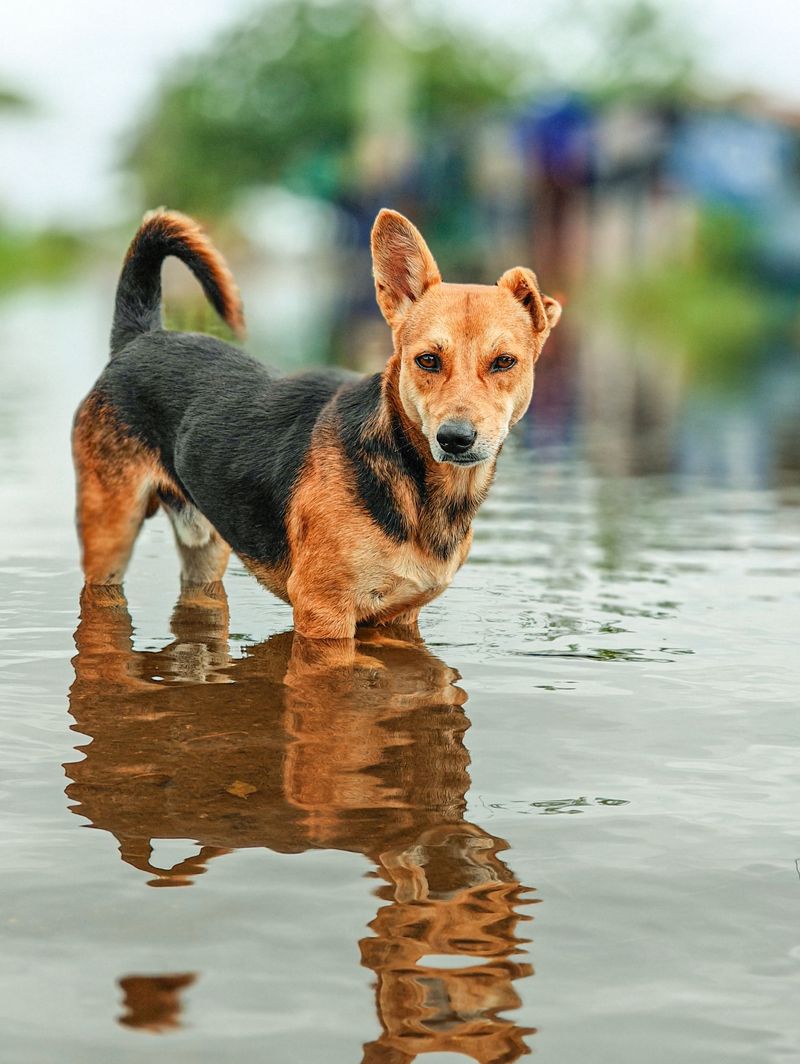
A puddle can look harmless while hiding contamination you cannot see. Standing water may contain bacteria from animal urine, especially where runoff collects after flooding.
Do not let your dog drink, splash, or swim in questionable water. Clear water is not proof of safety, either.
Carry fresh drinking water and a portable bowl on walks. If your dog heads toward a puddle, use a leash to guide them onto a dry path without entering the water.
3. Wildlife and Rodents Can Leave Invisible Traces
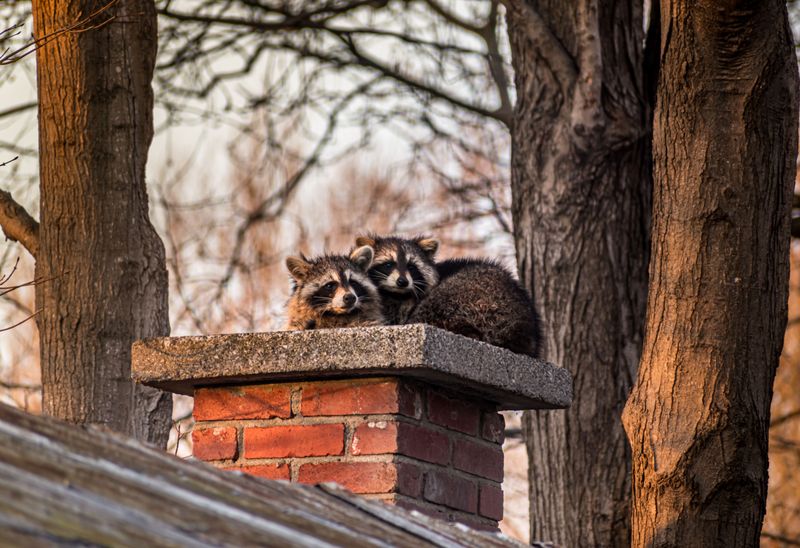
Nighttime visitors may leave behind more than scattered birdseed. Rats, raccoons, opossums, and other animals can carry Leptospira and shed bacteria in urine.
Dogs do not need to meet these animals directly. Contaminated soil or water can provide a route for exposure.
Reduce wildlife attractions by securing trash, storing pet food indoors, and removing leftovers from outdoor feeding areas. Address rodent activity through safe pest management that protects pets and follows local guidance for your particular property.
4. Exposure Can Happen Beyond Flooded Neighborhoods
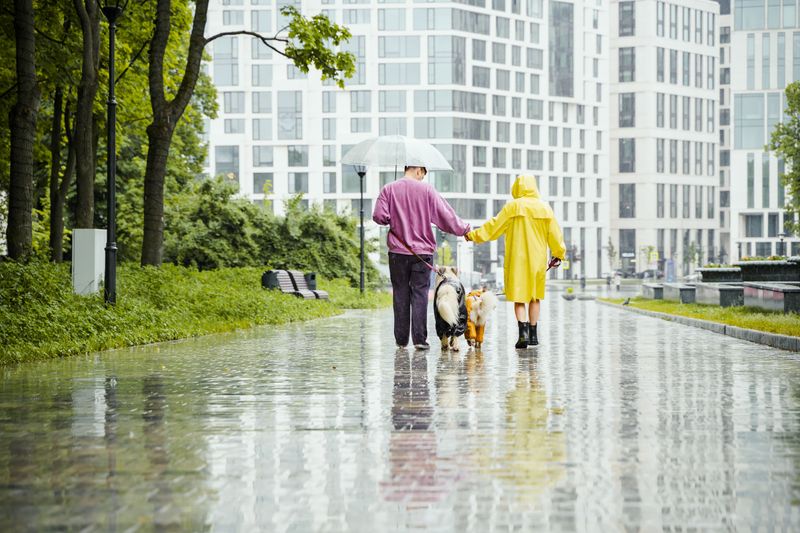
Your street might stay dry while your regular walking trail remains soaked. Leptospirosis exposure can occur in city parks, apartment grounds, rural properties, and places with wildlife activity.
Flooding raises concern, but it is not required for infection. Damp soil and contaminated water can matter during ordinary rainy weather, too.
Check destinations before loading your dog into the car. Choose maintained routes with good drainage, and avoid assuming familiar places are safe simply because your neighborhood escaped.
5. Drinking Floodwater Is Not the Only Route
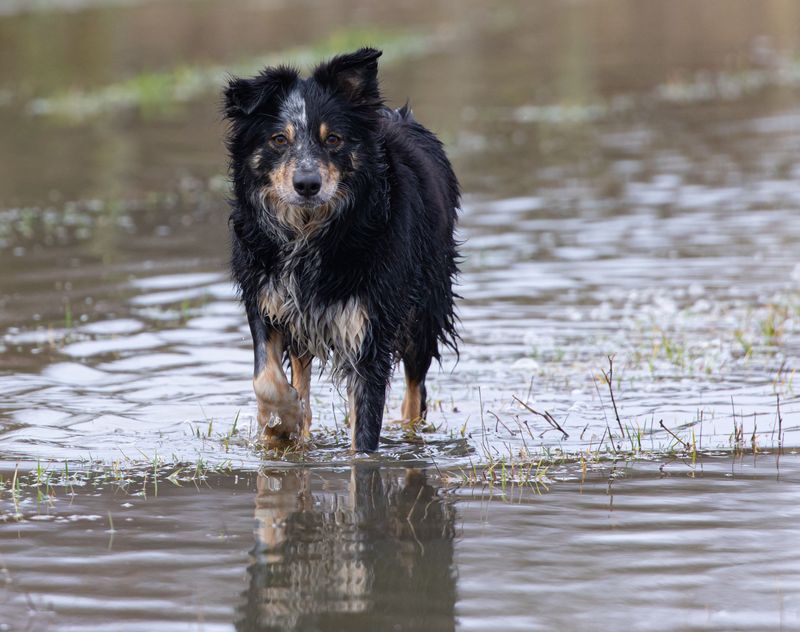
Keeping your dog from lapping puddles is helpful, but protection should go further. Bacteria can enter through the eyes, nose, mouth, or damaged skin.
Walking through contaminated water may create exposure, especially with cuts or irritated skin. A dog does not have to swallow floodwater to become infected.
Prevent wading whenever possible. After accidental contact, rinse your dog with clean water and contact your veterinarian for advice.
Rinsing helps remove contamination but cannot guarantee that infection was prevented.
6. Lifestyle Shapes Risk, but Any Dog Can Be Exposed
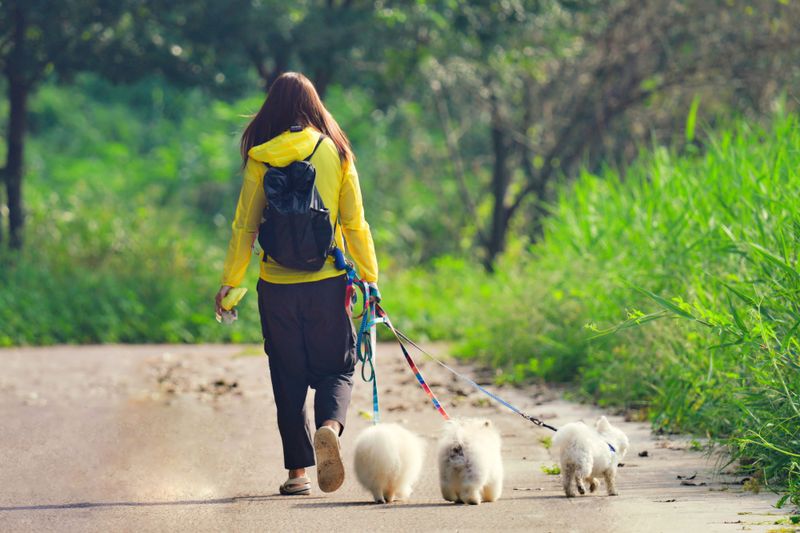
A tiny apartment dog is not automatically outside the risk group. Any dog may encounter contaminated water or soil, including during short bathroom trips.
Dogs that swim, hunt, roam rural land, or spend time near rodents may have more opportunities for exposure. Flooding can also change routines and bring contamination closer to home.
Tell your veterinarian where your dog walks, plays, travels, and boards. Those details help guide prevention without relying on breed, size, or neighborhood alone.
7. Watch for Changes That Do Not Fit Your Dog
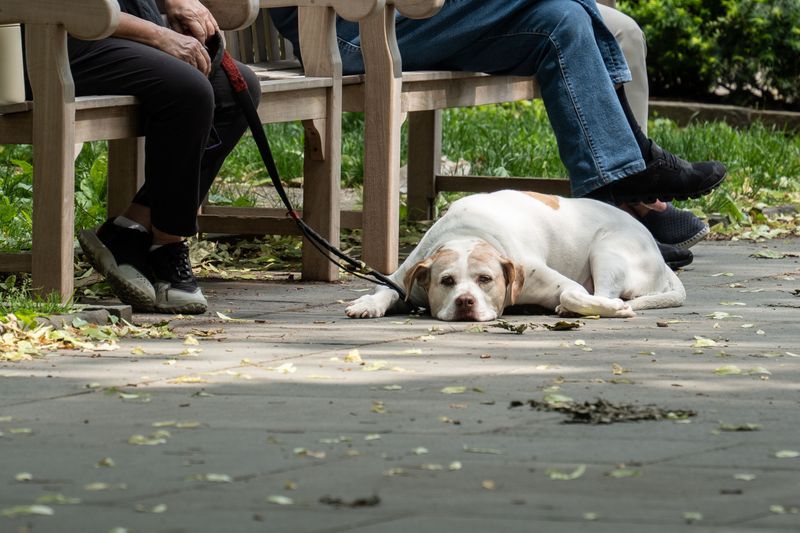
Skipping breakfast and refusing a favorite game can be useful clues. Leptospirosis may cause tiredness, poor appetite, fever, vomiting, diarrhea, muscle soreness, or reluctance to move.
These signs also occur with many other illnesses. You cannot identify leptospirosis from behavior alone, and some infected dogs show few obvious changes.
After possible flood exposure, note when symptoms started and call your veterinarian promptly. Mention the water contact rather than waiting for a more recognizable pattern to develop first.
8. Drinking and Urination Changes Need Attention
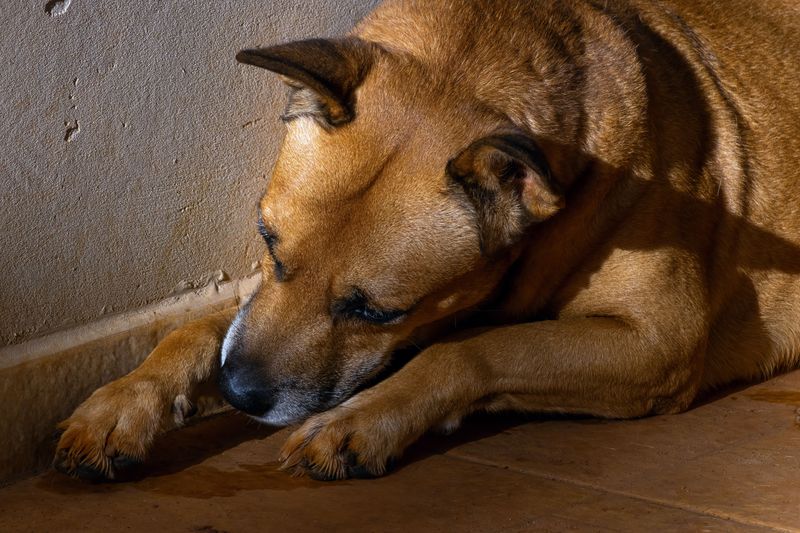
Extra trips to the water bowl deserve a closer look after possible exposure. Leptospirosis can affect the kidneys, changing how much a dog drinks or urinates.
Some dogs drink and urinate more. Others produce very little urine, which needs urgent veterinary attention.
Track noticeable changes without restricting access to fresh water. Tell the clinic about accidents indoors, unusual thirst, or reduced urine.
Do not assume hot Texas weather explains everything when your dog also seems unwell today.
9. Liver Problems May Change What You Notice
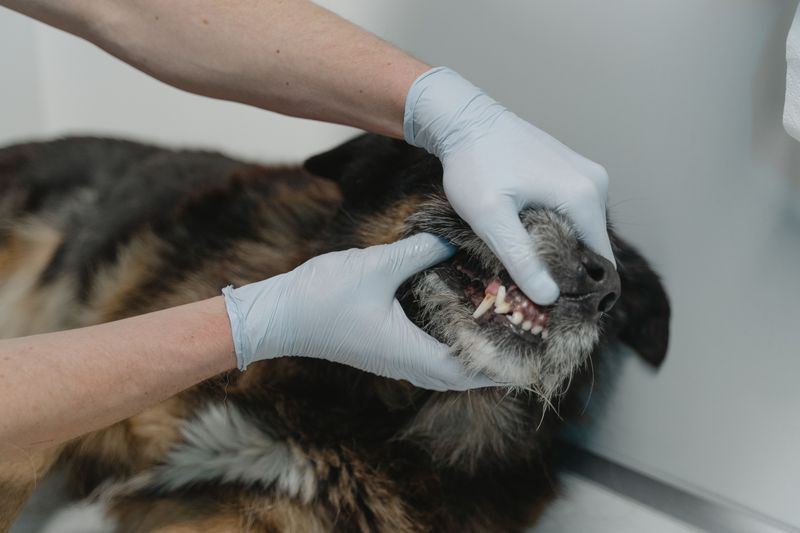
Yellow coloring in the eyes or gums is a reason to call right away. Leptospirosis sometimes affects the liver as well as the kidneys.
Owners may also notice vomiting, low energy, or reduced appetite. Yellow coloring, called jaundice, has several possible causes and needs veterinary assessment.
Do not wait for this sign before seeking help. Many dogs with leptospirosis never develop obvious yellowing.
Share every change you notice, including recent contact with floodwater, mud, or damp outdoor areas.
10. Symptoms May Take Days to Appear
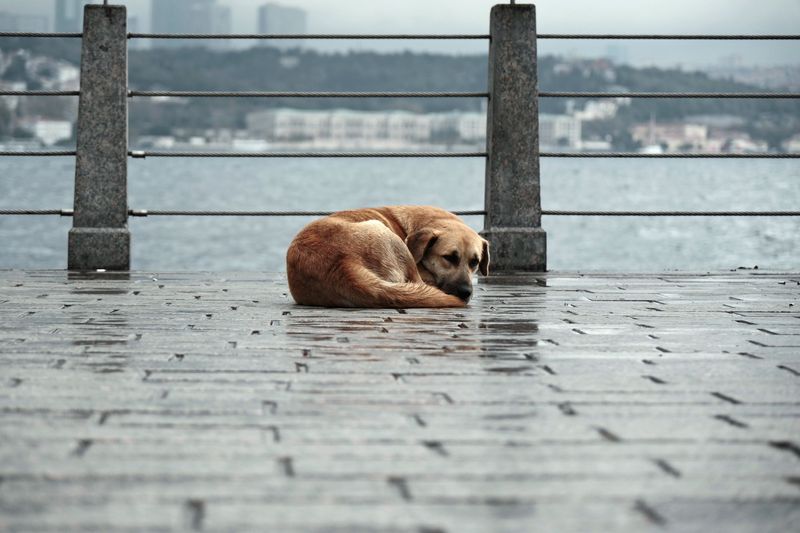
A normal afternoon after a muddy walk does not rule out infection. Signs often appear about four to twelve days after exposure, although timing can vary.
Write down the date, location, and type of water contact. Keep watching appetite, energy, drinking, and bathroom habits over the following days.
Your veterinarian can recommend an appropriate monitoring period for the situation. Call sooner if anything changes.
Avoid treating a symptom timeline as a guarantee that your dog is clear.
11. Call Your Veterinarian Before Worry Becomes Guesswork
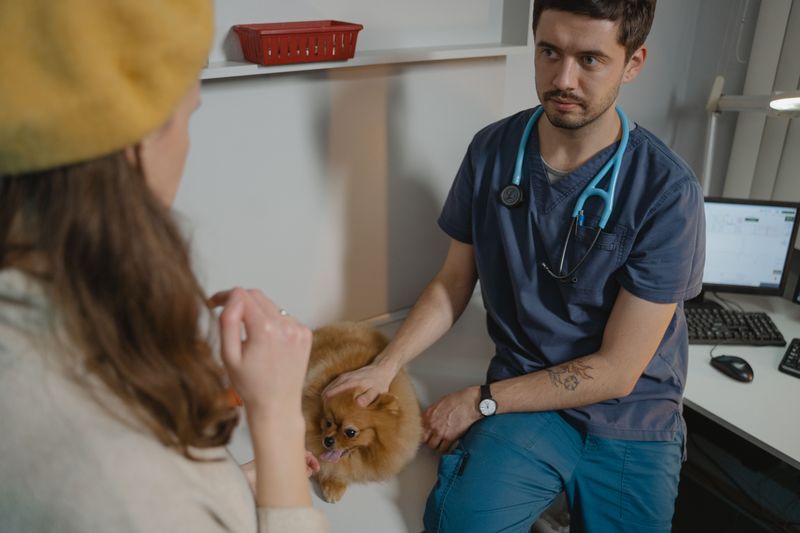
A quick phone call can turn uncertainty into a practical plan. Contact your veterinarian after meaningful floodwater exposure, particularly if your dog drank water or has skin wounds.
Any illness after possible exposure deserves prompt advice. Trouble breathing, collapse, repeated vomiting, or little urine calls for urgent veterinary care.
Explain the exposure date, symptoms, and vaccine history. Call before arriving when possible, so clinic staff can prepare suitable precautions.
Never give leftover antibiotics or human medicines without instructions.
12. Diagnosis Usually Takes More Than One Clue
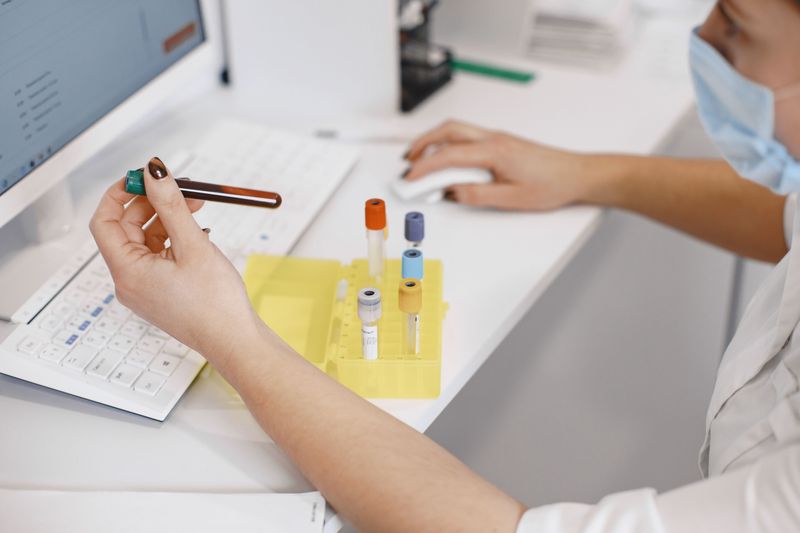
Your dog’s story helps the veterinarian choose the right tests. An examination and bloodwork can reveal kidney or liver changes, while urine testing adds useful information.
Specific tests may look for bacterial DNA or antibodies against Leptospira. Results depend partly on infection timing, vaccination history, and whether antibiotics have already started.
Sometimes repeat samples are needed. A single early negative result may not exclude infection.
Bring vaccine records and exposure notes to help your veterinarian interpret findings accurately.
13. Early Treatment Gives Your Dog Helpful Support
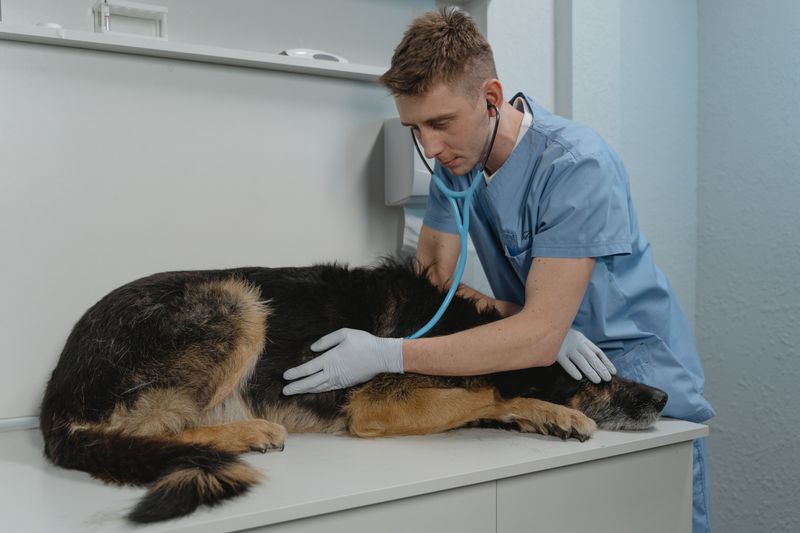
Getting help early gives the veterinary team more time to address problems. Treatment commonly includes antibiotics, with fluids and other support based on the dog’s condition.
Some dogs need hospital care, especially when kidney function or hydration is affected. Your veterinarian may begin treatment before every test result returns.
Follow medication instructions fully, even when your dog seems brighter. Keep scheduled rechecks because outward improvement does not always reflect complete recovery.
Ask what changes require another immediate call.
14. Make the Leptospirosis Vaccine Part of the Conversation
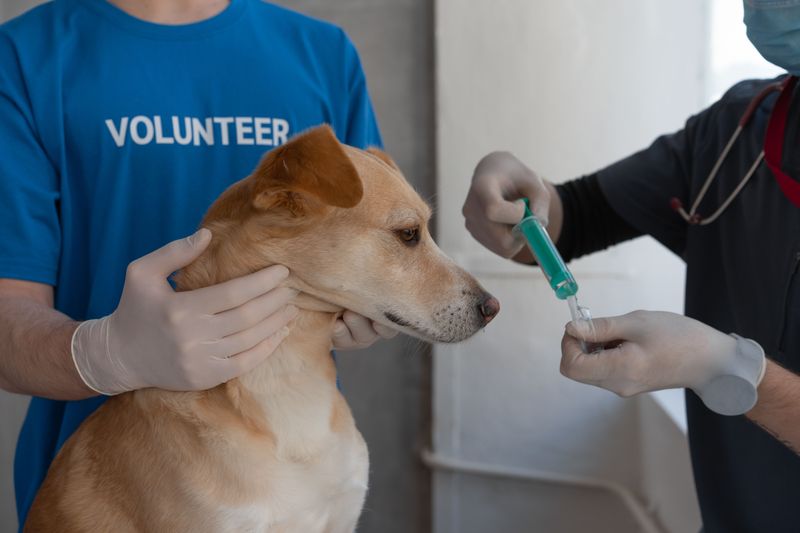
Prevention planning works best before the next heavy rain arrives. Current major veterinary guidelines recommend leptospirosis vaccination broadly for dogs, including those living in cities.
Starting protection generally requires two doses, followed by regular boosters. Your veterinarian should set the schedule using your dog’s age, health, and vaccine history.
Vaccination lowers risk but does not replace avoiding contaminated water. Protection is not immediate after a first dose.
Ask about coverage, possible reactions, and any overdue boosters at your appointment.
15. Set Firm Boundaries Around Flooded Outdoor Spaces
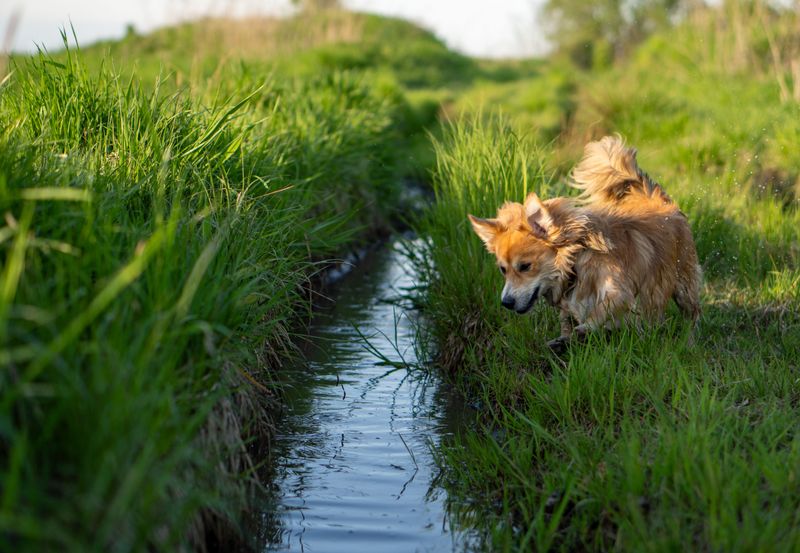
A backyard fence does not make floodwater safe for bathroom breaks. Keep dogs away from flooded lawns, drainage ditches, retention ponds, and storm drains.
Use a leash, even with dogs that usually follow voice commands. Choose a dry toilet area and supervise each trip outside.
Do not enter moving water to reach a usual walking route. Floodwater can also hide debris and other hazards.
If safe access is limited, ask local officials about open paths or temporary alternatives.
16. Protect People While Caring for an Infected Dog
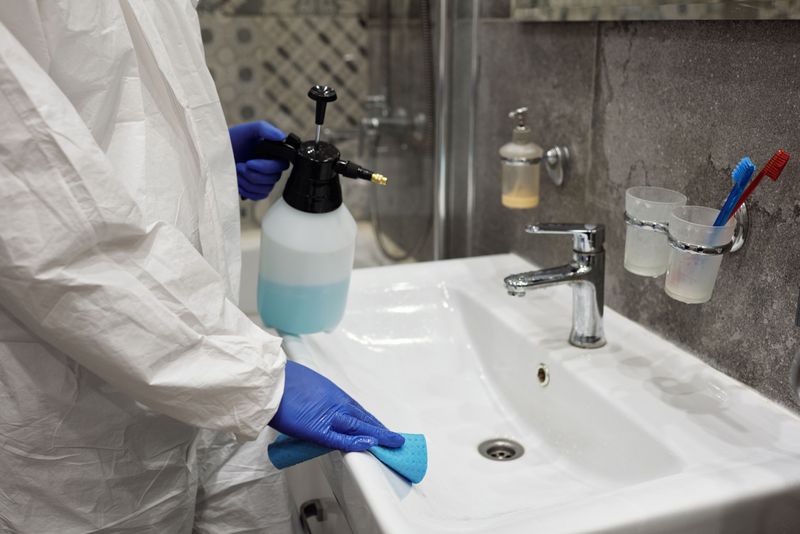
Caring for your dog can stay calm and organized with clear precautions. People can become infected through contact with contaminated urine, water, or soil.
Avoid direct urine contact, cover cuts, wear gloves during cleanup, and wash hands afterward. Keep children away from soiled areas.
Ask your veterinarian how long precautions should continue and whether other household pets need assessment. Anyone feeling unwell after exposure should contact a healthcare professional and mention the dog’s suspected or confirmed leptospirosis diagnosis.
17. Refresh Bowls and Clean With a Clear Plan
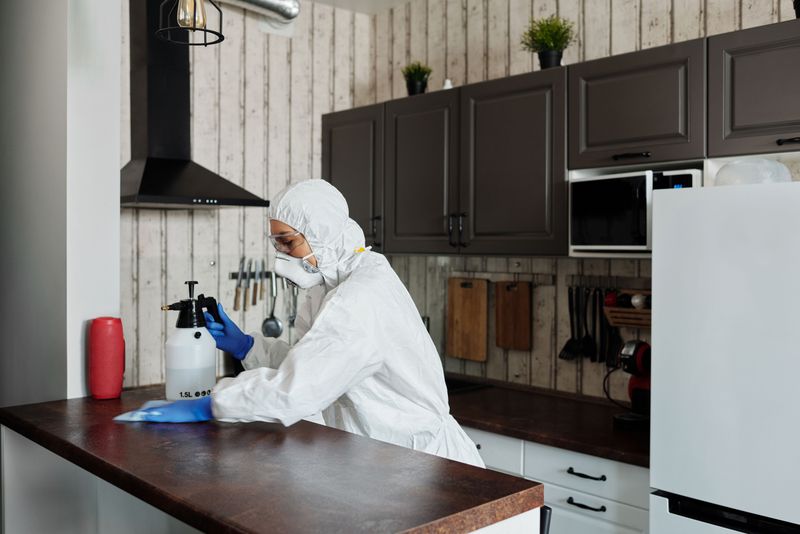
Start with the items your dog touches every day. Empty outdoor bowls, wash them thoroughly, and refill with fresh water in a protected location.
Keep pets away during cleanup. Remove dirt before applying an appropriate disinfectant to cleanable surfaces, following label directions and veterinary guidance.
Never mix cleaning products or apply disinfectants to your dog. Soil and grass cannot be reliably disinfected like hard surfaces.
Ask local authorities about flood cleanup, contaminated materials, and safe disposal after neighborhood flooding.
18. Return to Regular Walks With Local Conditions in Mind
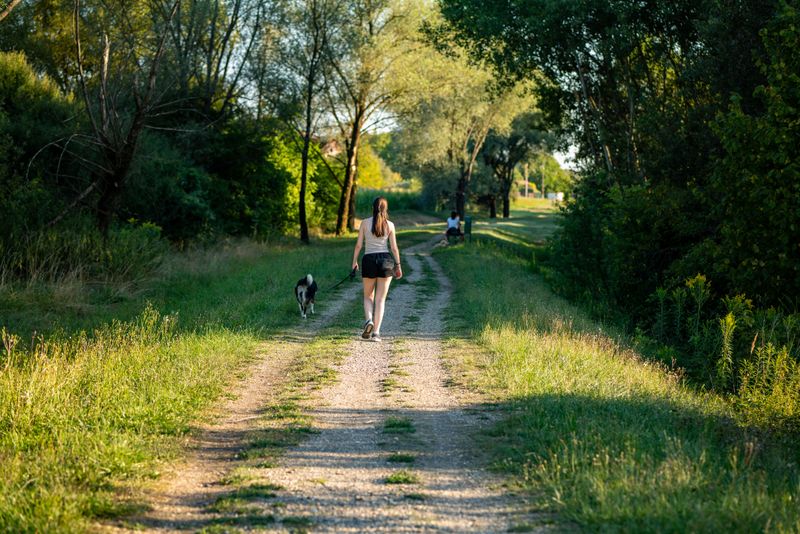
Dry pavement is a better starting point than a date on the calendar. There is no universal waiting period that makes every flooded area safe.
Check city or county notices, respect park closures, and avoid lingering puddles or muddy low spots. Ask your veterinarian about restrictions if your dog was exposed or treated.
Ease back into familiar routes as conditions improve. Fresh water, sensible boundaries, current vaccines, and timely veterinary advice make a steady plan for wetter Texas days.