Pittsburgh Hills Can Turn Senior-Dog Potty Breaks Into A Daily Mobility Issue In Pennsylvania
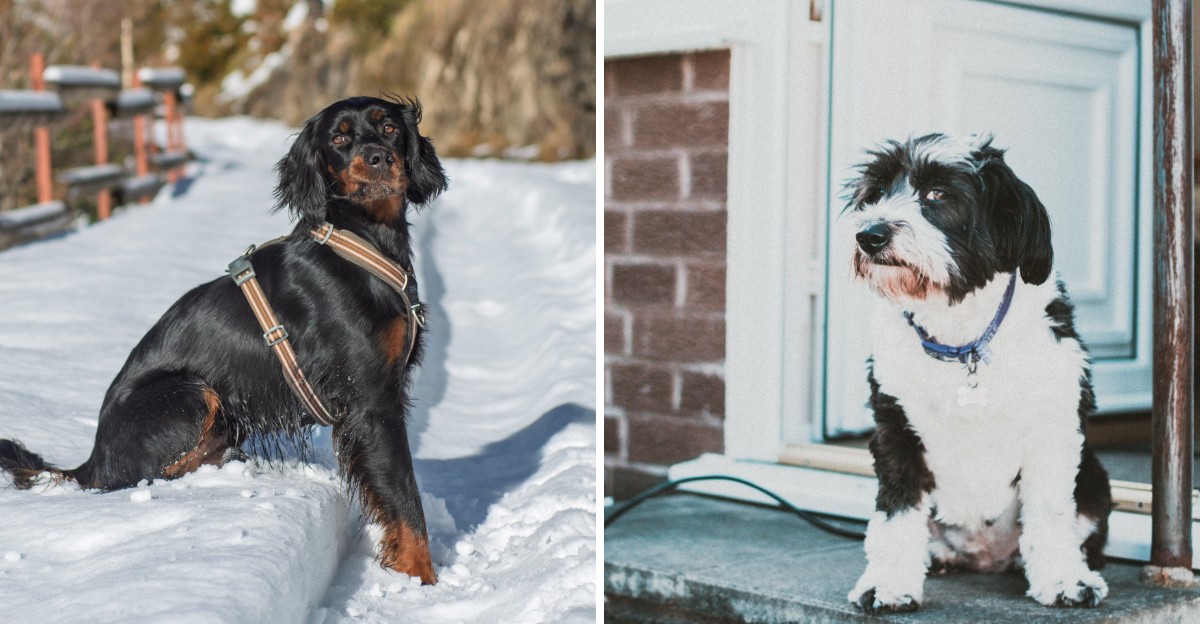
A familiar bathroom walk can feel different when your older dog starts slowing down on Pittsburgh’s hills. Steep sidewalks, porch steps, and changing Pennsylvania weather can turn a quick outing into extra work for aging legs.
You can make those trips easier without giving up the outdoor routines your dog enjoys. A few thoughtful changes, plus guidance from your veterinarian, can help you build a safer, more comfortable daily plan.
1. Pittsburgh’s Steep Hills Can Make Potty Breaks More Difficult
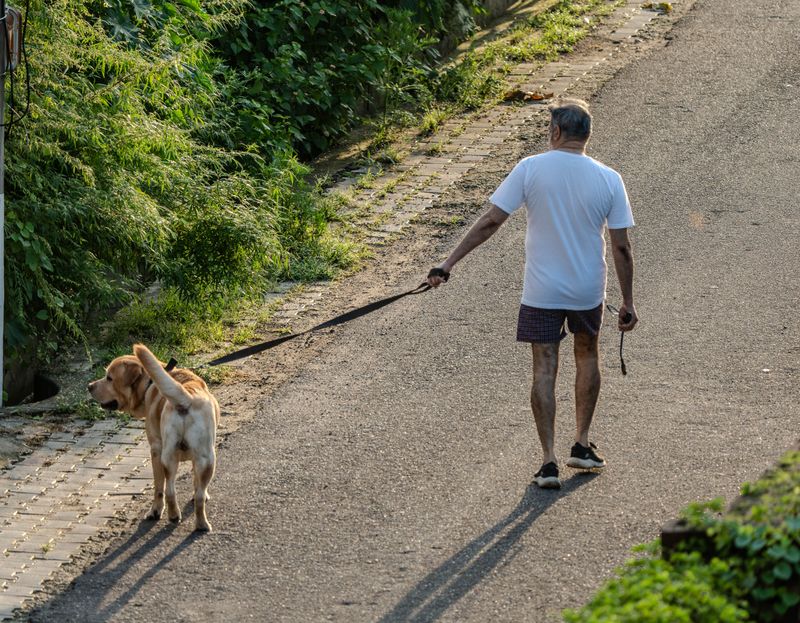
A bathroom trip should not feel like climbing a mountain. Yet Pittsburgh’s steep blocks can demand more effort from an older dog than owners expect.
Even a familiar route may become tiring as strength and balance change.
Notice where your dog slows, pauses, or starts searching for another path. Compare the uphill and downhill portions before choosing your usual loop.
A shorter, gentler outing often serves today’s needs better than yesterday’s favorite walk around the neighborhood.
2. Arthritis Can Make Hills Harder To Navigate
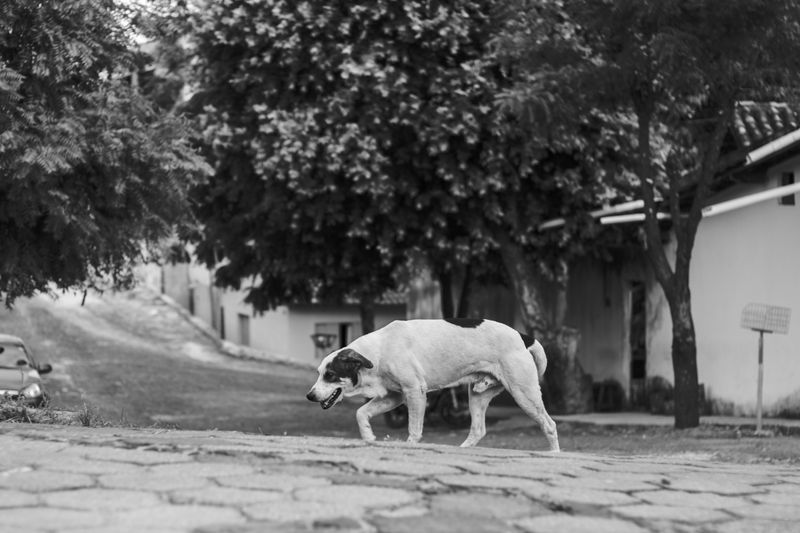
That hesitation at the corner may mean more than stubbornness. Arthritis can cause joint pain and stiffness, making slopes harder for some senior dogs.
Trouble rising, shorter strides, or less interest in walks deserve attention.
Ask your veterinarian about an exam and an individual comfort plan. Never give human pain medicine unless your veterinarian specifically directs it.
Adjust the route while seeking help, rather than encouraging your dog to push through discomfort on the next hill.
3. Downhill Walks Can Put Extra Pressure On Aging Joints
Going down is not always the easy half. A dog must control forward movement on a descent, which can challenge sore joints and balance.
Pulling ahead may also make steady footing harder to maintain.
Walk slowly and allow small, controlled steps without tugging your dog forward. Choose a gentler descent whenever possible, even if that means turning back early.
Ask your veterinarian whether repeated downhill trouble suggests pain, weakness, or another mobility concern needing further attention.
4. Wet Sidewalks Can Increase The Risk Of Slipping

Rain can change a dependable sidewalk in minutes. Wet leaves, smooth paving, and painted surfaces may offer less grip than dry concrete.
A slope leaves less room for a wobbly dog to recover.
Scan the ground before leaving, then steer around slick patches without sudden leash movements. Keep your pace slow and choose well maintained paths whenever available.
Afterward, dry your dog’s paws and check between the toes for grit, irritation, or anything caught during walking.
5. Winter Ice Makes Bathroom Trips More Complicated
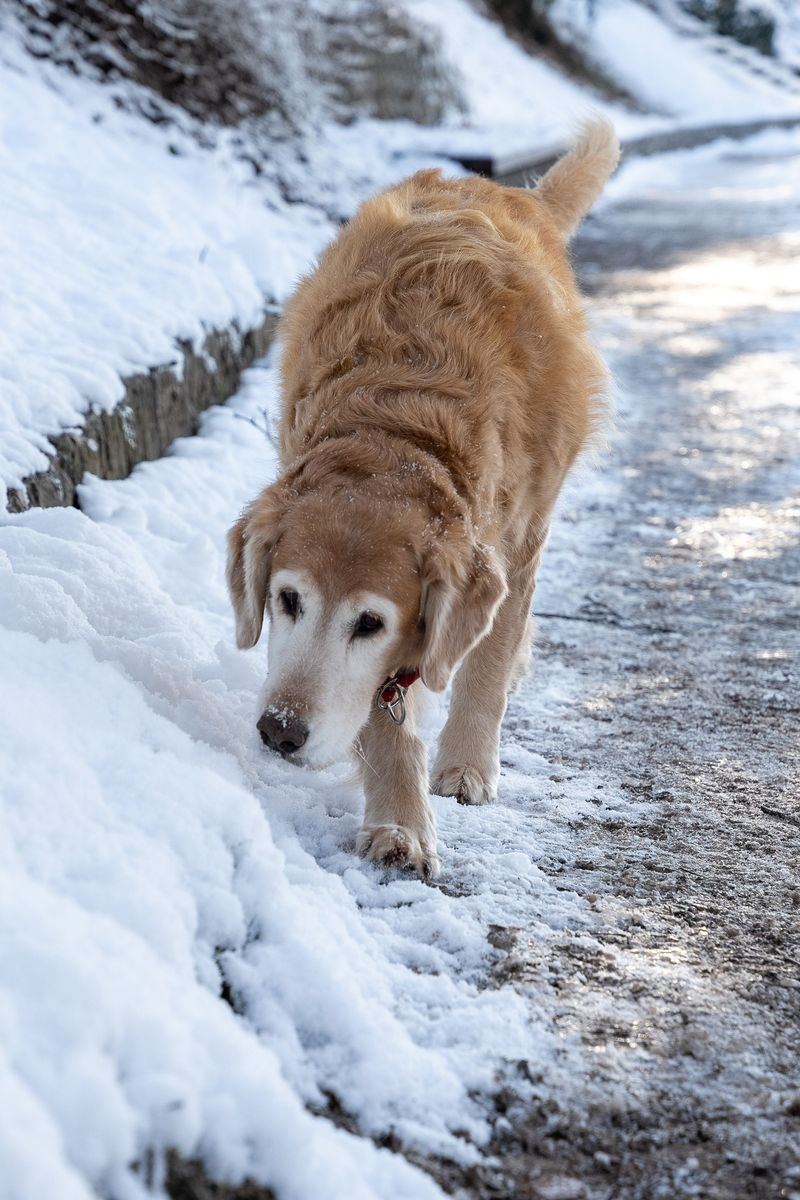
A clear porch does not guarantee a clear route. Pittsburgh winter weather can leave icy patches near drains, shaded sidewalks, and the bottom of steps.
Check the entire bathroom path before bringing your dog outside.
Clear snow promptly and use traction measures appropriate for your property. Products labeled for pets still require careful use and storage according to directions.
Wipe paws afterward, prevent licking sidewalk residue, and switch to a sheltered option when footing remains uncertain.
6. Weak Back Legs Can Make Steep Streets Feel Unmanageable
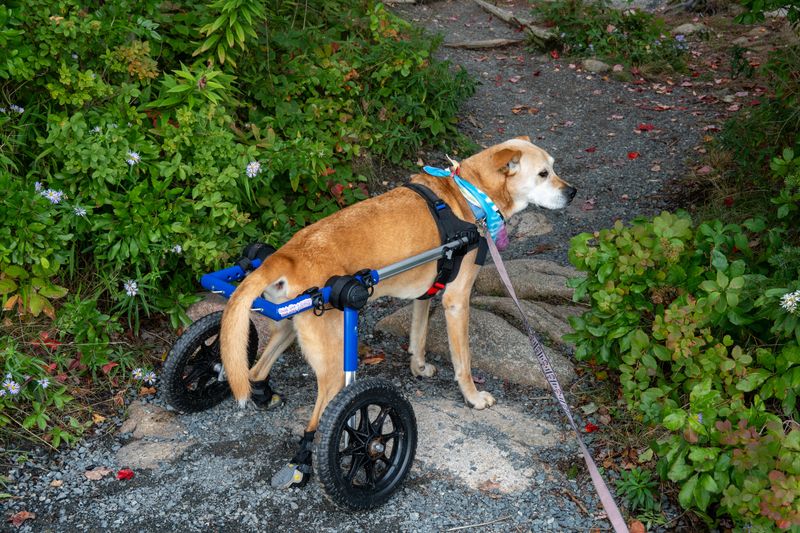
Rear legs do much of the pushing uphill. When strength fades, a dog may sway, crouch, drag toes, or struggle to move forward.
Those changes deserve veterinary attention rather than assumptions about normal aging.
Avoid testing your dog’s limits on a steep block. Move bathroom trips to level ground and ask about properly fitted support equipment.
Sudden weakness, inability to stand, or rapid changes call for prompt veterinary advice, even when your dog otherwise seems comfortable.
7. Potty Breaks May Need To Become Shorter And More Frequent
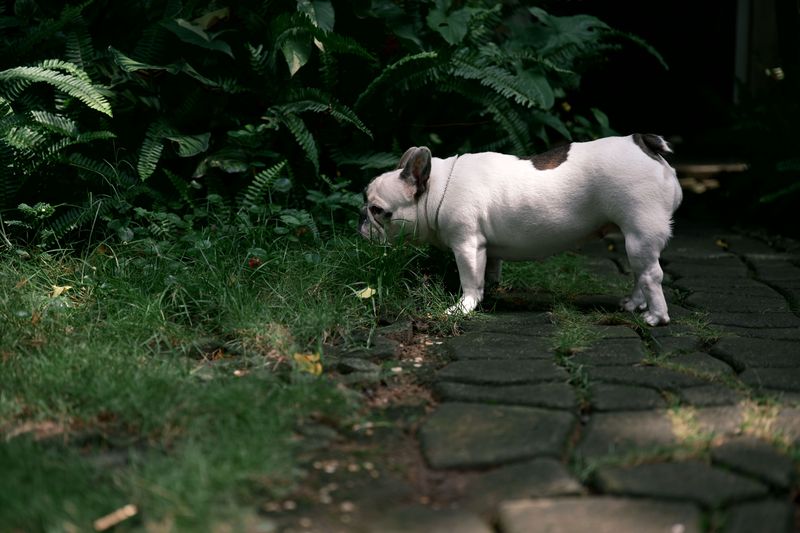
One long outing may no longer suit your dog’s day. Short bathroom visits can reduce the effort required during each trip.
More frequent opportunities may also help dogs who cannot comfortably wait as long.
Keep a simple record of outings, accidents, and signs of fatigue. Let your veterinarian know about new urgency, increased thirst, straining, or changes in urine.
Never restrict drinking water to reduce trips, and do not assume every bathroom change comes from age.
8. Choose The Flattest Route Available
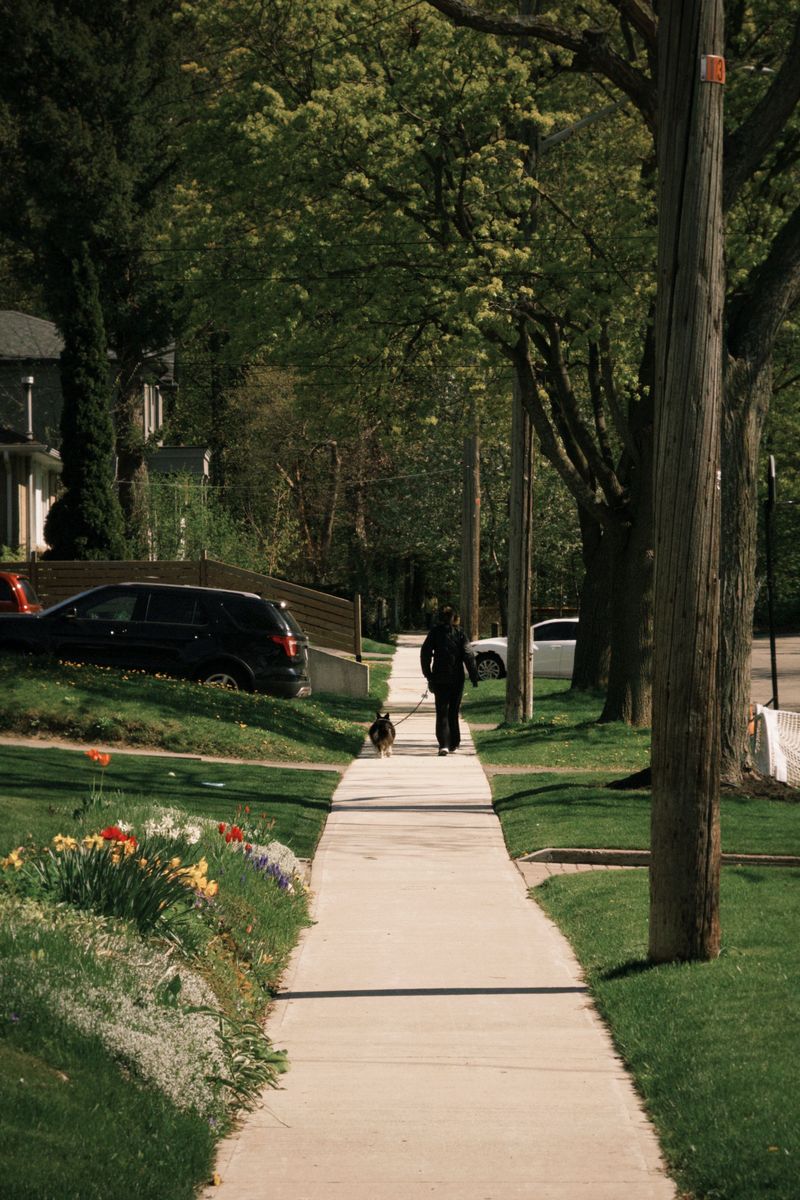
The best route may skip your usual corner entirely. Look for a level stretch near your building, a flatter side street, or an accessible yard.
Check surfaces and street crossings before making it your regular choice.
Avoid trading a hill for heavy traffic or broken pavement. Scout unfamiliar options without your dog first, especially after rain or snow.
If driving is necessary, weigh the effort of vehicle entry against the benefit of a gentler bathroom spot.
9. Keep Bathroom Spots Close To Home
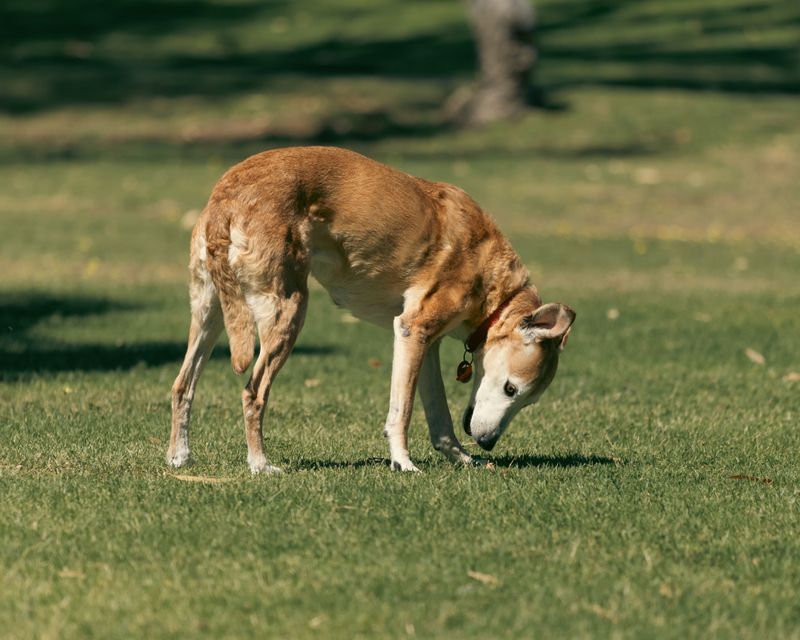
A nearby patch can become a welcome daily shortcut. Choosing a consistent bathroom spot reduces travel before your dog can settle and sniff.
Familiar smells may help some dogs understand the purpose of a shorter outing.
Use your own property or an area where dogs are permitted. Respect neighboring yards, building rules, and posted restrictions, which vary by location.
Carry waste bags every time, and keep the chosen spot clean, accessible, and free of obstacles throughout.
10. Harnesses Can Provide Extra Support On Slopes
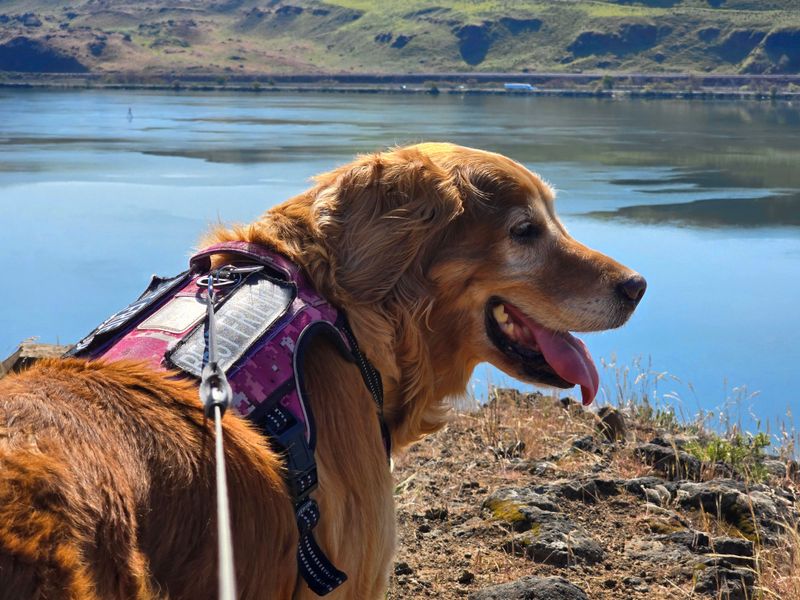
A handle can help, but fit matters more than appearance. Some mobility harnesses support the chest, rear body, or both, depending on a dog’s needs.
Ask your veterinarian which design suits your dog’s condition.
Practice on flat ground before attempting a slope. Follow fitting instructions, check for rubbing, and avoid lifting by equipment not designed for that purpose.
Keep support gentle and steady, and remember that a harness cannot make an unsafe route suitable for walking.
11. Paw Traction Can Help Older Dogs Stay Steady
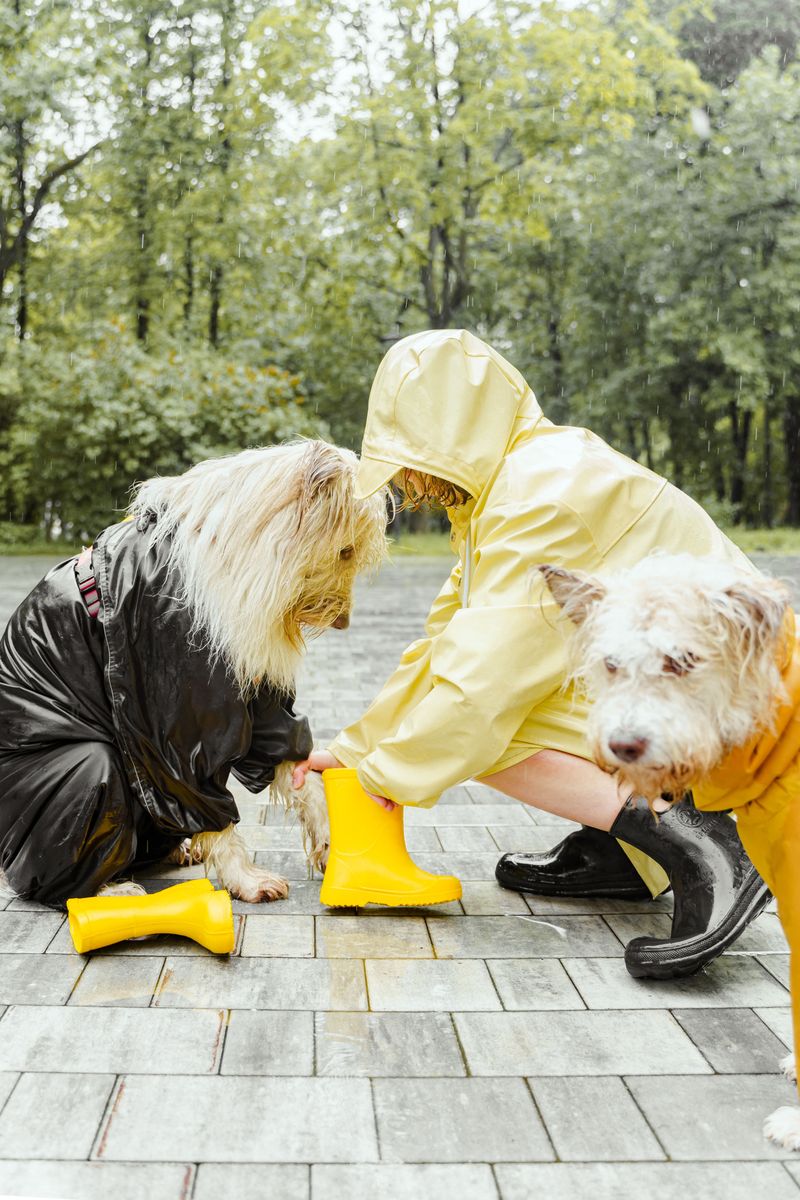
Better grip starts with a close look at paws. Overgrown nails or long hair between pads can interfere with footing for some dogs.
Have a veterinarian or experienced groomer advise on safe trimming.
Boots or other traction aids may help, but results depend on fit and your dog’s tolerance. Introduce them indoors during brief, supervised sessions before heading outside.
Stop if they cause rubbing, awkward steps, or distress, and never rely on them to overcome ice.
12. Outdoor Steps May Require Additional Assistance
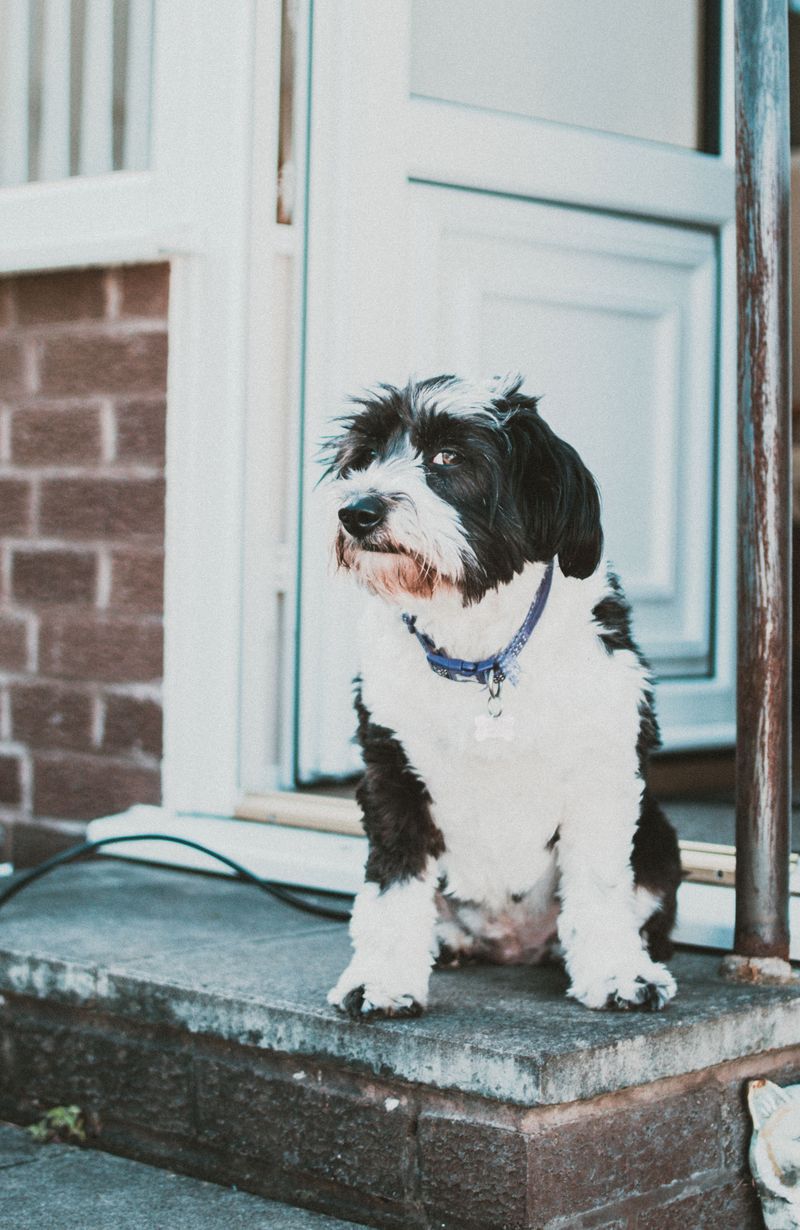
Sometimes the hardest hill is right outside the door. Porch stairs can challenge dogs before their bathroom walk even begins.
Loose surfaces, poor lighting, and narrow landings add complications worth fixing.
A stable ramp with suitable traction may help when its slope and size fit your dog. Secure it properly and introduce it gradually under supervision.
Ask for professional guidance when needed, and avoid carrying a large dog if doing so could unbalance either of you.
13. Grass Can Be Easier On Sensitive Paws
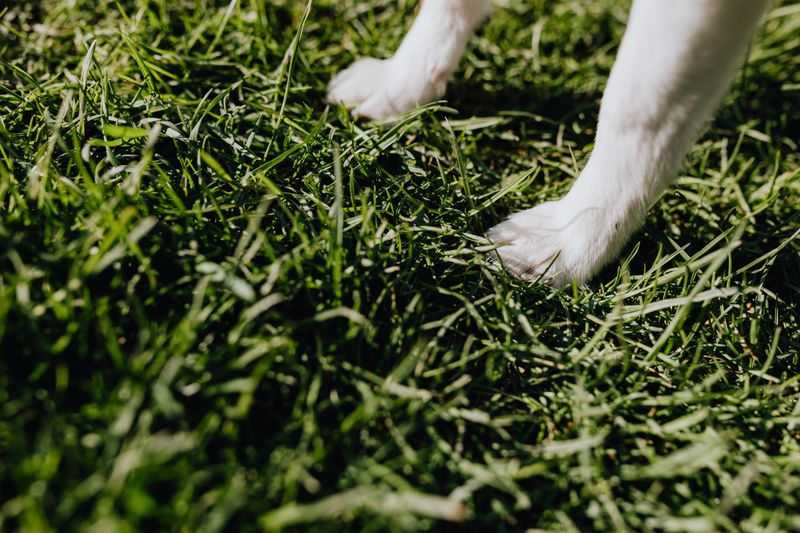
A soft patch of grass may offer welcome relief. Some older dogs prefer it to rough pavement, especially when their paws feel sensitive.
Still, grass is not automatically the safest surface for every outing.
Look for level ground without holes, hidden debris, or muddy areas. Wet grass and sloping lawns can also be slippery.
Avoid recently treated areas according to posted directions, and choose another spot whenever you cannot confirm the ground is suitable for use.
14. Watch For Signs That Your Dog Needs A Break
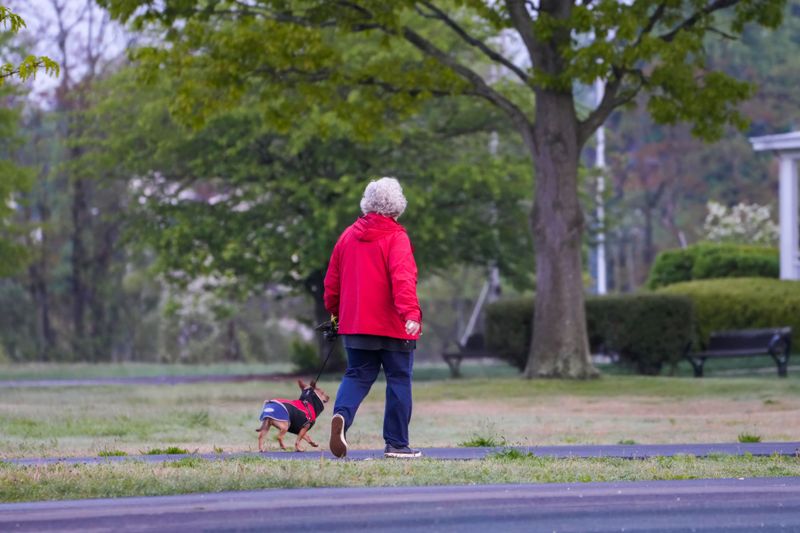
Your dog’s pace tells a useful story. Repeated stopping, lagging behind, trembling, or unusual panting can mean the outing needs to end.
Weather, stress, pain, and other health problems can produce overlapping signs.
Pause somewhere safe and allow time to settle without pressure. Contact your veterinarian about new or recurring changes rather than guessing at their cause.
Seek urgent veterinary help for collapse, breathing difficulty, or sudden inability to walk, instead of continuing the bathroom trip.
15. Indoor Potty Options Can Help During Difficult Weather
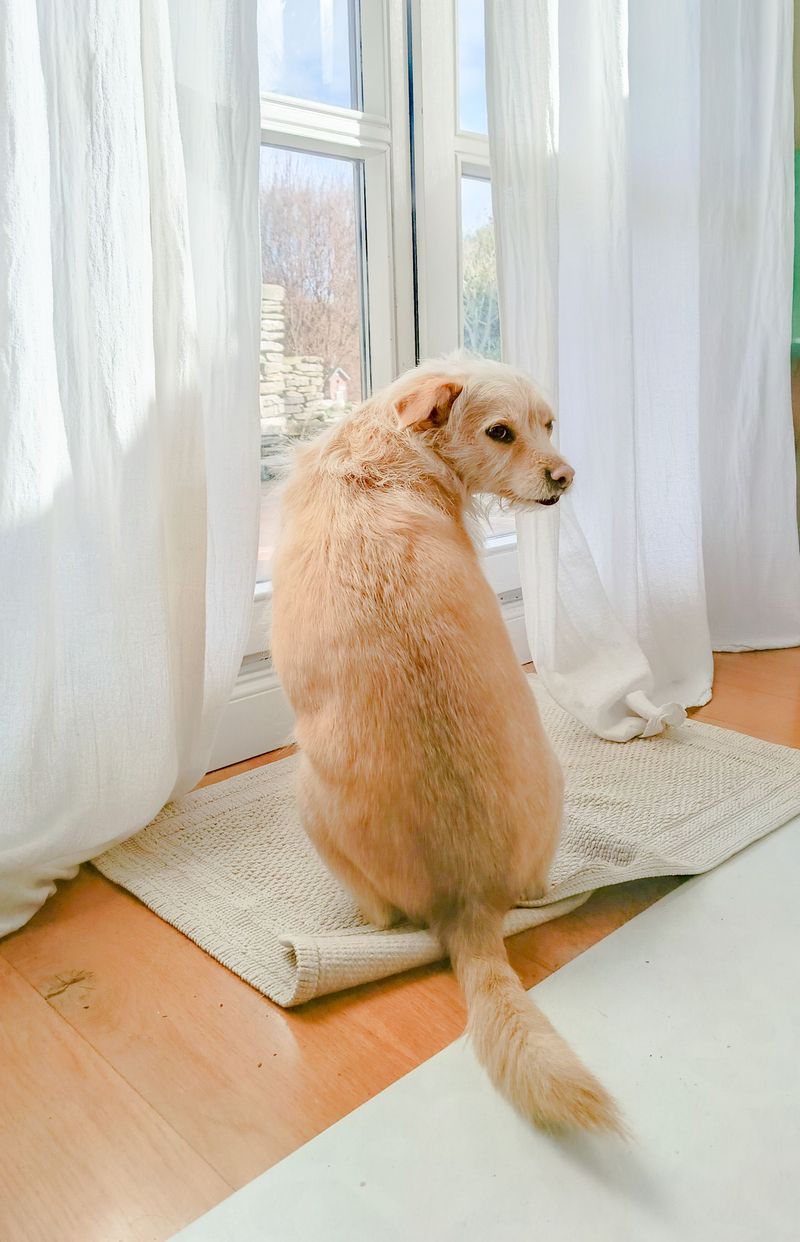
Bad weather calls for a backup, not a battle. An indoor grass tray or absorbent pad can provide an option when outdoor footing becomes unsafe.
Choose a quiet location with easy access and washable surroundings.
Introduce the setup before a storm, using patient rewards for interest and successful use. Keep pads secured so they cannot slide underfoot.
Clean promptly, avoid punishment for mistakes, and ask your veterinarian about sudden accidents or difficulty passing urine or stool.
16. Keep Your Dog’s Mobility Needs On The Vet’s Radar
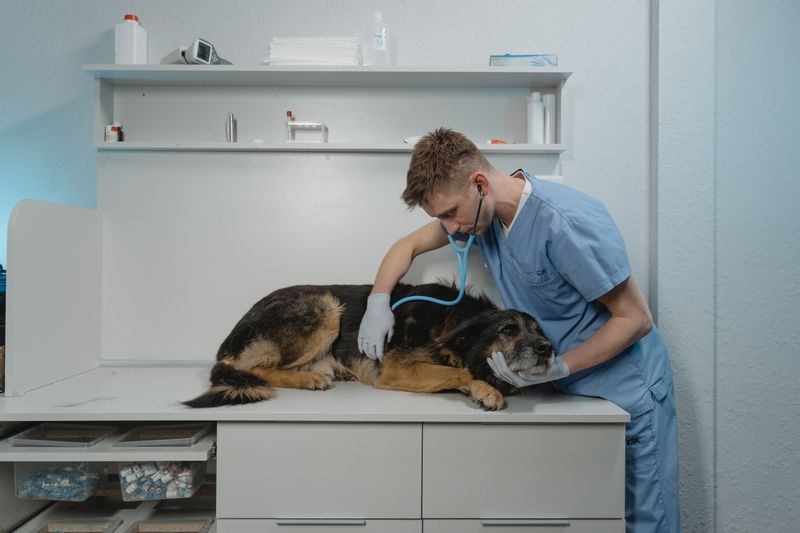
A short video can explain what words sometimes miss. Record your dog’s usual walking pattern from a safe position without creating extra effort.
Share changes in stairs, bathroom posture, slipping, and recovery after outings.
Your veterinarian can check for pain, joint disease, nerve problems, or other causes. Discuss weight, medication options, rehabilitation, and equipment based on the findings.
Follow the recommended review schedule, and report worsening mobility sooner rather than waiting for the next routine visit.
17. Gentle Exercise Can Help Maintain Leg Strength
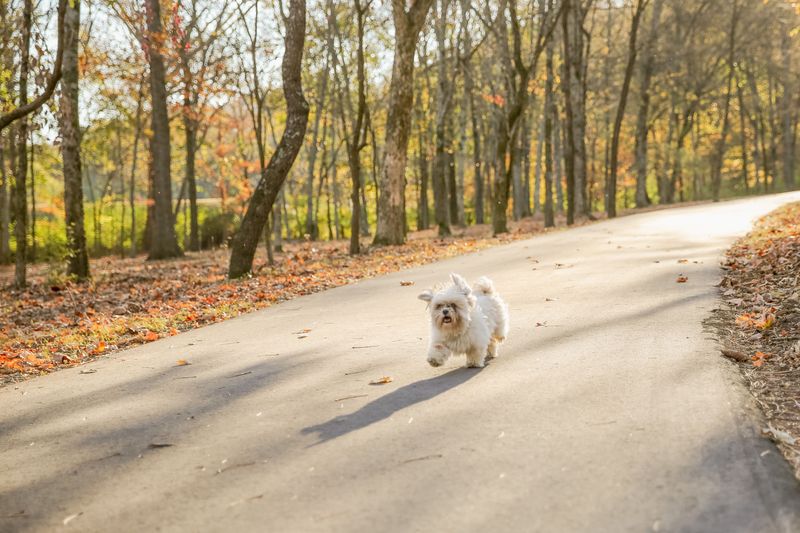
Rest alone is not always the whole answer. Appropriate movement can help maintain muscle and support daily function in older dogs.
The right amount depends on health, comfort, and your veterinarian’s advice.
Favor short, steady walks on level ground rather than demanding hill climbs. A veterinary rehabilitation professional may suggest specific exercises when appropriate.
Increase activity only with guidance, and scale back if your dog seems more uncomfortable during the outing or later in the day.
18. Plan Potty Breaks Around Your Dog’s Best Hours
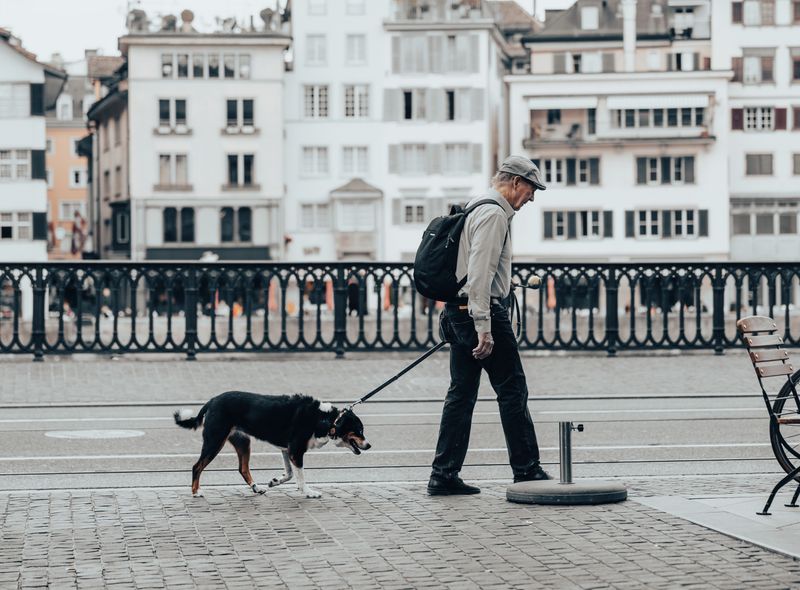
Some dogs move more comfortably after easing into the day. Others do better before afternoon fatigue or summer warmth arrives.
Track your dog’s patterns alongside weather and any treatment schedule prescribed by your veterinarian.
Offer bathroom opportunities when needed, while placing optional exercise during more comfortable hours. Prepare the leash, route, and supplies beforehand so departures stay calm.
Small adjustments can protect a familiar pleasure: getting outside together, at a pace your older dog can manage.