What North Carolina Dog Owners Should Know About Venomous Caterpillars In Yards And Woods
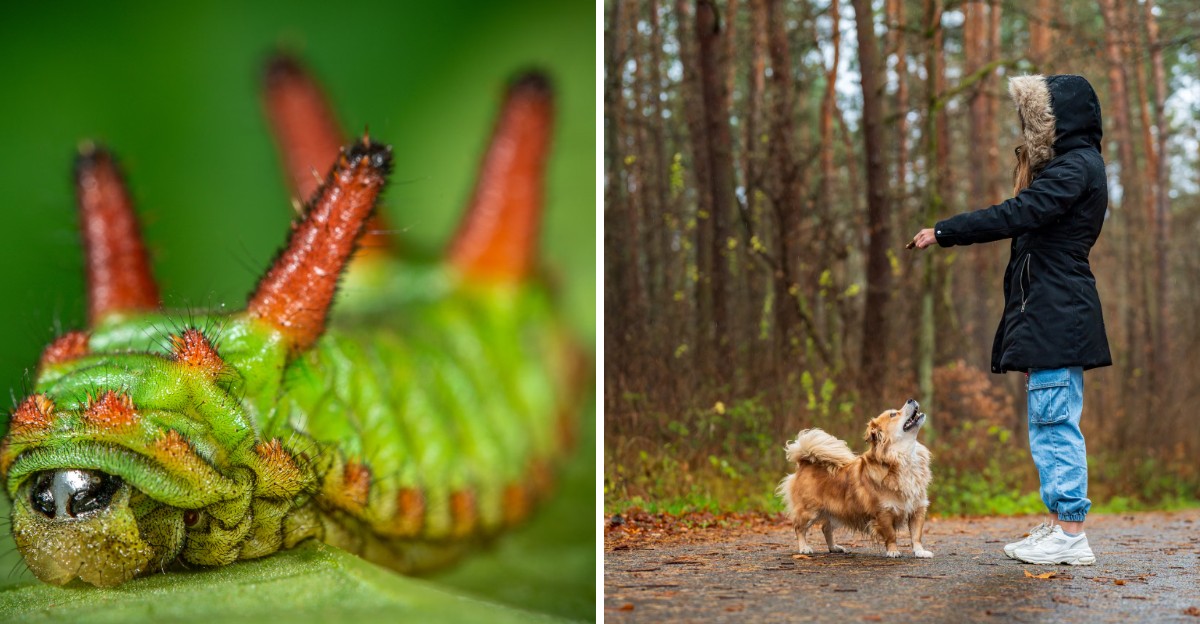
Your dog can find plenty to investigate in a North Carolina yard, including caterpillars tucked beneath leaves. Most caterpillars are harmless, but a few have spines that can cause painful contact.
Knowing what to watch for helps you enjoy garden time and woodland walks with more confidence. A little space, a quick check, and timely veterinary advice can make these encounters easier to handle.
1. Recognizing Venomous Caterpillars Found in North Carolina
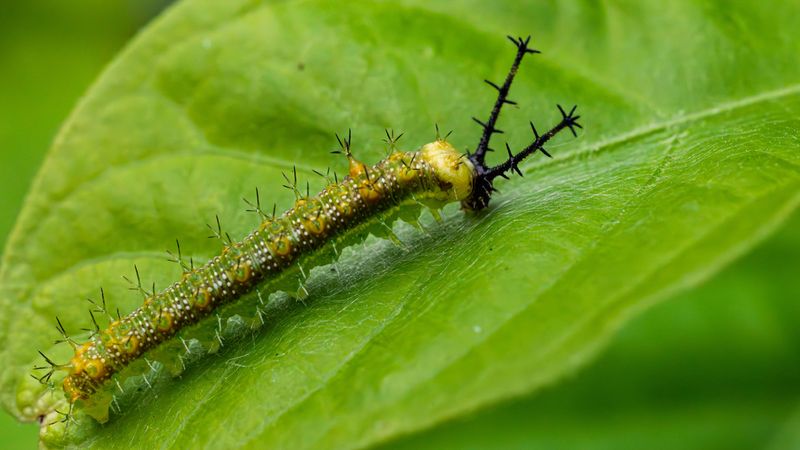
A fuzzy coat is not a reliable guide to whether a caterpillar can sting. North Carolina has several species with venomous spines, including saddleback, puss, and io moth caterpillars.
Many other hairy caterpillars do not sting.
Keep your dog away while you photograph unfamiliar caterpillars from a safe distance. Compare clear images with NC State Extension resources rather than guessing.
Color alone can mislead, especially when caterpillars change appearance as they grow through different life stages.
2. Saddleback Caterpillars Can Hide Among Yard Plants
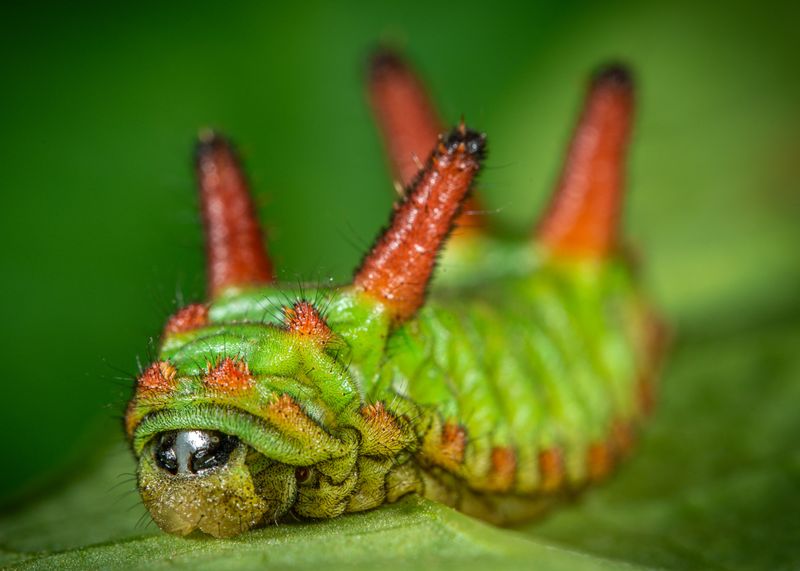
That bright green patch can blend surprisingly well into garden leaves. Saddleback caterpillars have brown ends and a green middle with a brown, pale-bordered saddle mark.
Their fleshy projections carry stinging spines.
They feed on many plants, so check more than one favorite shrub. Look beneath leaves before allowing your dog to nose through dense growth.
If you spot one near a potty area, block access and choose another route until the caterpillar has moved away.
3. Puss Caterpillars May Look Soft but Carry a Risk
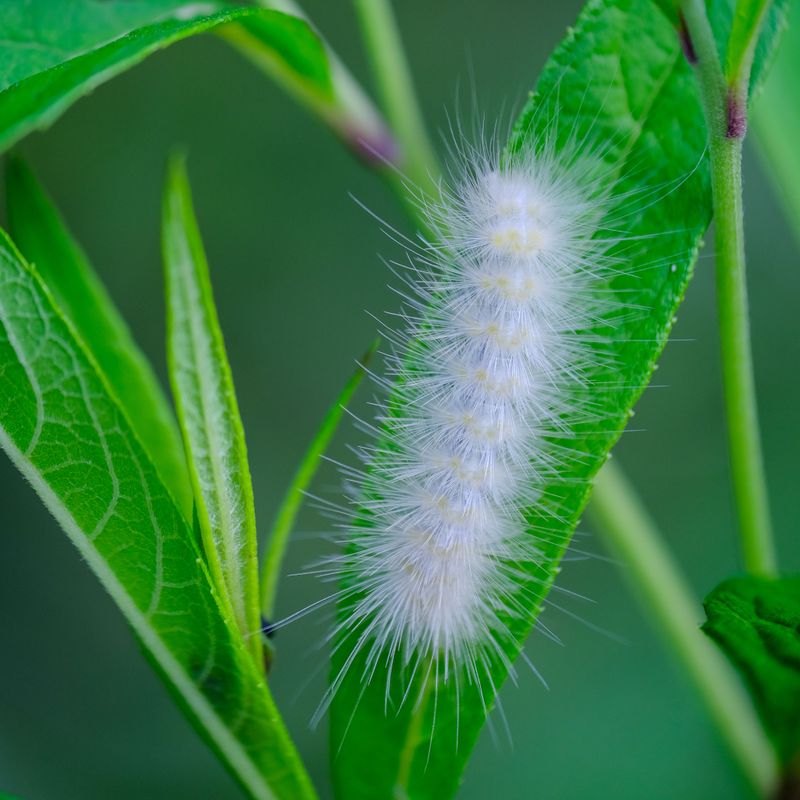
A tiny tuft of fur may invite a curious sniff. Puss caterpillars, the larvae of southern flannel moths, hide venomous spines beneath their soft-looking hairs.
Their coloring ranges from pale gray to tan or brown.
Do not let your dog investigate one, even if it appears still. Contact can happen without biting or chewing.
Take a photograph instead of collecting a specimen. If your dog touches one, call your veterinarian for advice based on the exposure.
4. Hag Moth Caterpillars Have Unusual Hairy Bodies
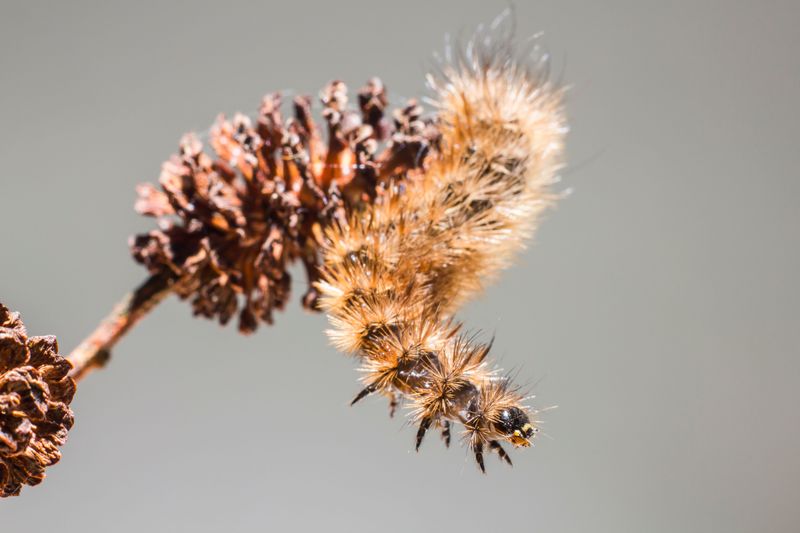
Something resembling a scrap of brown fluff might actually be a hag moth caterpillar. Also called monkey slugs, these larvae have spreading, hairy lobes that create an unusual outline.
They occur on various woody plants.
Hag moth caterpillars have urticating hairs and spines that can cause a painful contact reaction. Keep your dog from touching them, even though the severity of a reaction can vary.
Photograph the caterpillar where it rests, and ask your local Extension office for identification help.
5. Io Moth Caterpillars Carry Rows of Stinging Spines
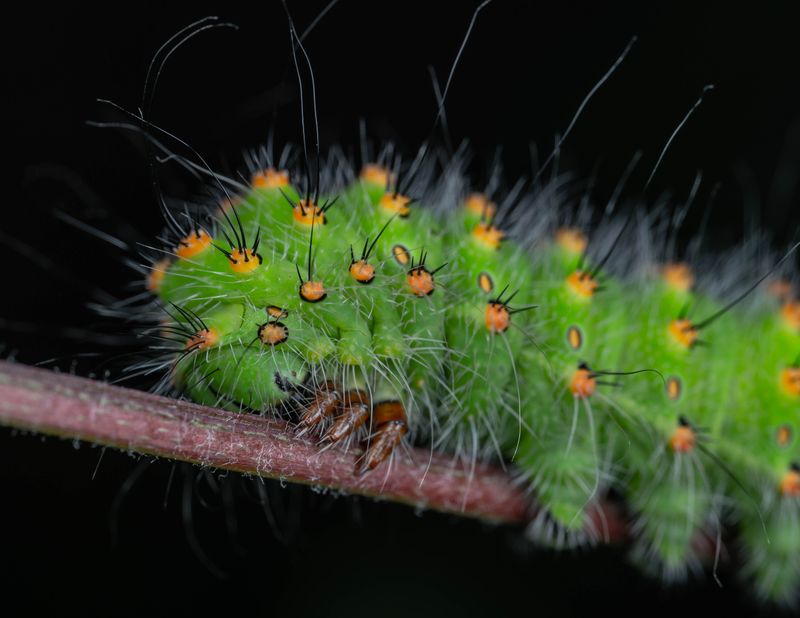
Rows of branching spines give io moth caterpillars a bristly outline. Mature larvae are usually green with a red-and-white stripe along each side.
Younger larvae look different and may feed together.
Several caterpillars on one branch deserve extra space, not a closer canine inspection. Guide your dog away without brushing the foliage yourself.
Their spines can sting through direct contact. A photograph showing the side markings can help an expert distinguish them from other green caterpillars.
6. Flannel Moth Caterpillars Can Appear on Trees and Shrubs
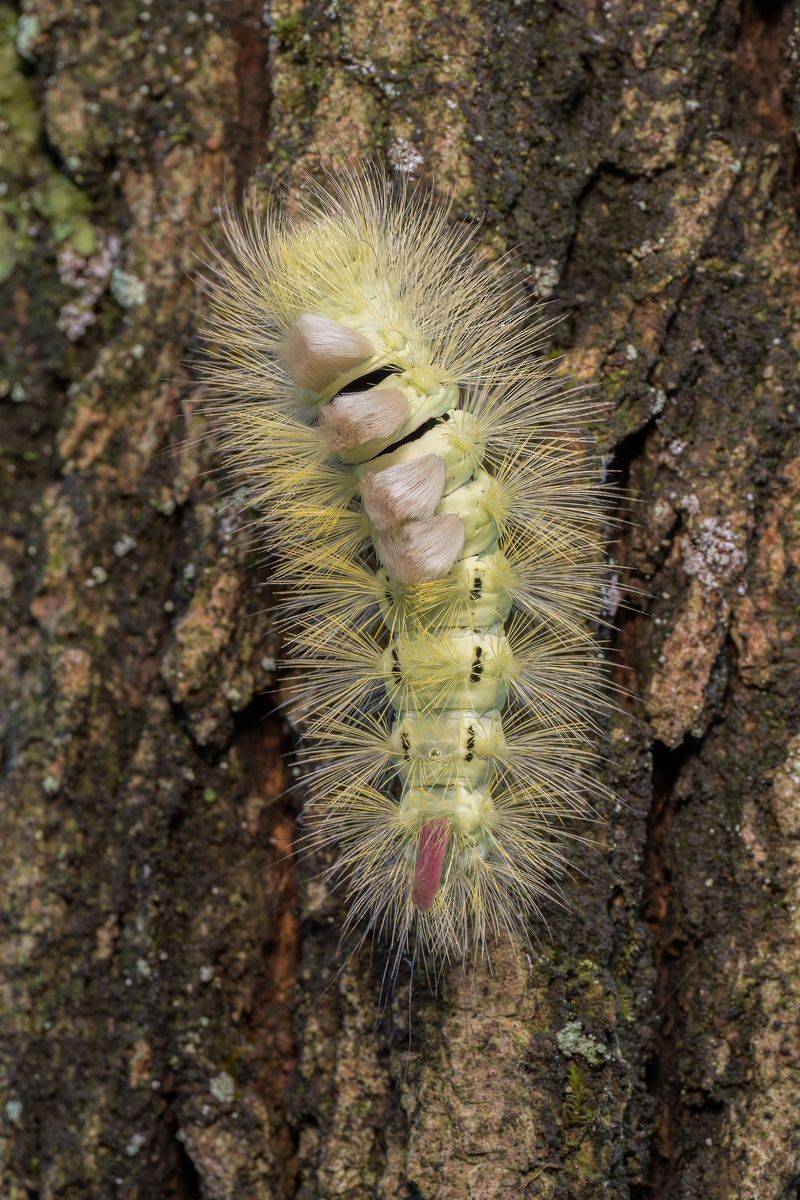
Oak branches and ornamental shrubs can hold more than leaves. Several flannel moth species occur in North Carolina, and their larvae may carry concealed stinging spines.
The puss caterpillar belongs to this group.
Not every fuzzy caterpillar is a flannel moth larva, however. Check branches beside gates, fences, and favorite resting spots without touching suspicious insects.
Knowing the plant can support identification, but it cannot confirm the species. Send clear photographs to Extension when you need help.
7. Check Tree Trunks and Low Branches Before Walks

A quick look at nose height can prevent an awkward encounter. Before starting your walk, scan nearby trunks, hanging twigs, and leaves beside the sidewalk.
Caterpillars sometimes leave feeding sites and crawl across unexpected surfaces.
Keep the leash short enough to guide your dog around overhanging plants without pulling constantly. Avoid tying dogs to trees where you cannot inspect the bark.
If a branch looks crowded with insects, cross to a clearer path when safely possible.
8. Watch for Caterpillars on Grass and Garden Plants
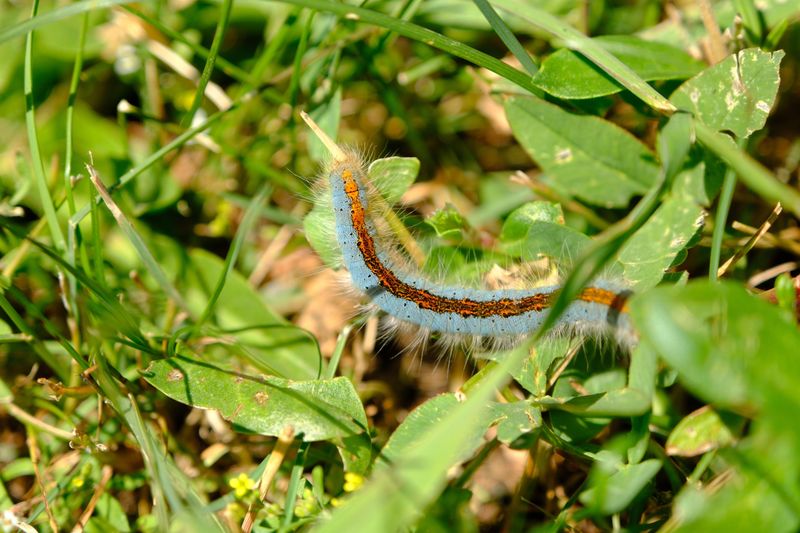
The lawn is not automatically a caterpillar-free zone. Larvae can fall from trees or cross grass while searching for a place to pupate.
Garden borders also put leaves within easy sniffing distance.
Check outdoor toys, water bowls, and shaded resting areas before your dog settles down. Move bowls away from branches when practical, and refresh the water regularly.
During gardening, keep your dog outside the work area rather than letting curious noses follow every leaf you disturb.
9. North Carolina Woods Can Bring More Unexpected Encounters
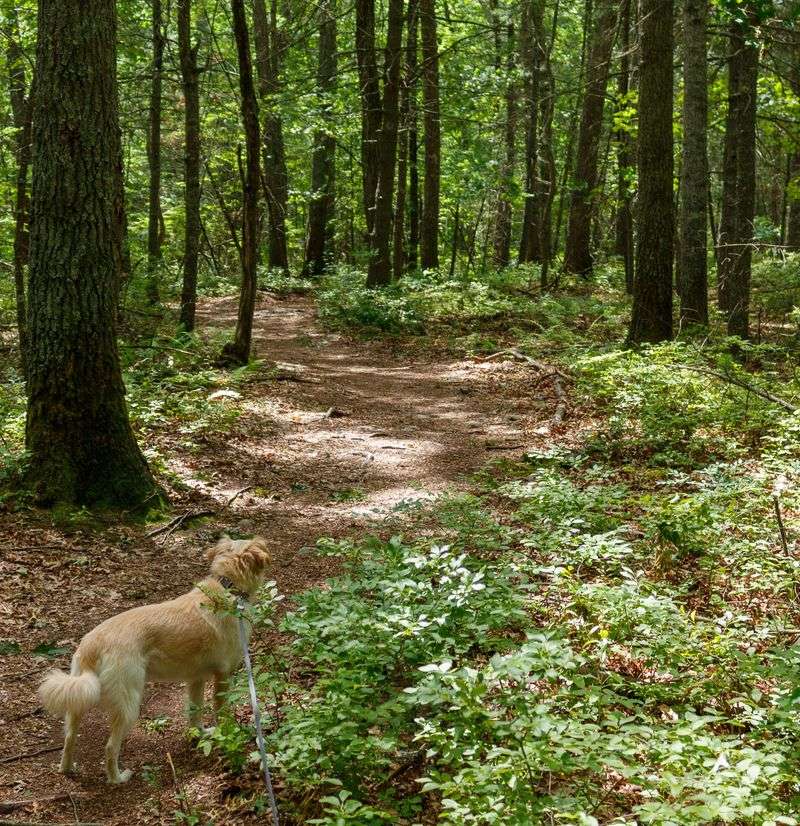
Woodland edges offer plenty of leaves, shade, and hiding places. Across North Carolina, forest trails can bring dogs close to caterpillars on saplings and brush.
Encounters are possible without leaving a marked route.
Favor open footing and steer around dense growth at your dog’s face level. Follow posted leash rules, which vary among parks and other properties.
Before stopping for water, inspect the resting spot. A clear patch gives both of you more room to relax.
10. Spring and Summer Call for Extra Caution
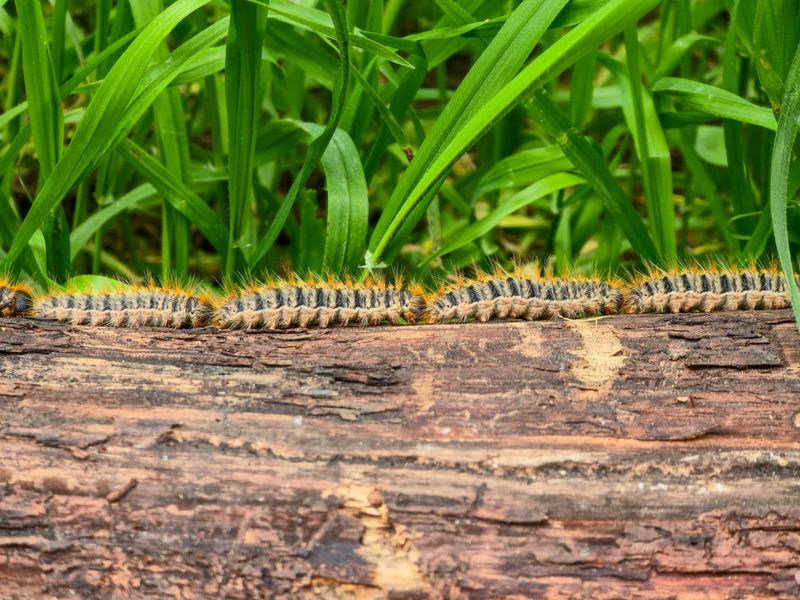
Warm weather brings fresh leaves and more outdoor exploring. Caterpillar activity varies by species, location, and weather, so spring and summer deserve attention.
Some stinging species are especially noticeable in late summer and fall.
Do not stop checking simply because school has started or evenings feel cooler. Coastal, Piedmont, and mountain conditions can differ.
Let current sightings guide your caution rather than a fixed calendar. Your county Extension office may help explain what residents are seeing locally.
11. Teach Dogs to Leave Unfamiliar Crawling Things Alone

A practiced leave-it cue gives curiosity a safer direction. Start indoors with harmless objects and reward your dog for turning toward you.
Gradually practice around outdoor distractions while keeping enough distance for success.
Never use a live caterpillar as a training prop. A cheerful recall and a rewarded turn can help you leave a busy garden edge.
Training supports supervision, but it does not replace it. Keep managing the leash when insects are within easy reach.
12. Recognize Possible Signs of Caterpillar Contact
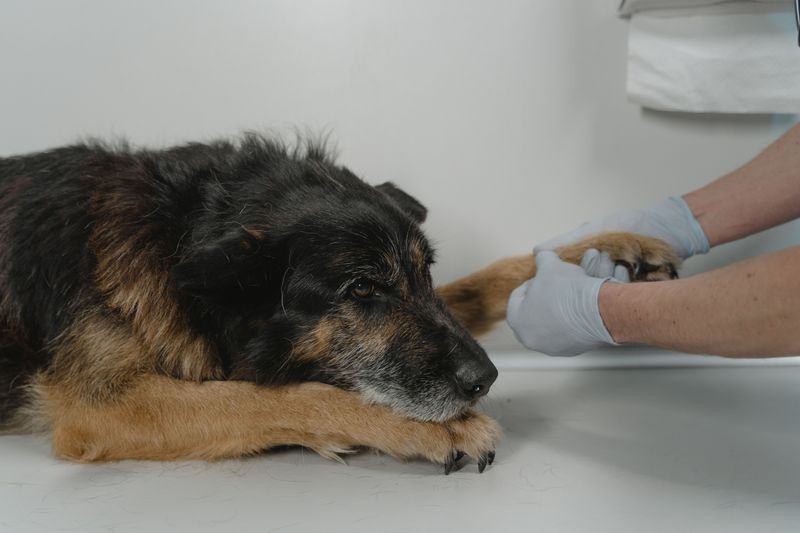
Sudden licking after brushing a plant deserves a closer look. Possible signs include pawing at the face, drooling, limping, redness, or swelling.
Dogs may also seem restless or resist having an area touched.
These signs have many causes, so they do not prove caterpillar contact. Move your dog away from the suspected spot and call your veterinarian.
Describe when symptoms began and what you observed. Photographs of the insect and affected area may help guide care.
13. Mouth and Tongue Exposure Needs Quick Attention
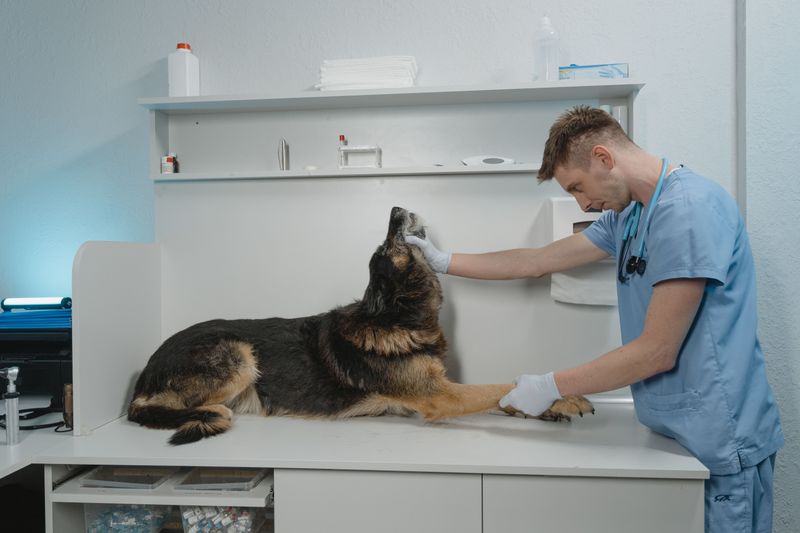
A curious lick needs faster action than a distant sighting. If your dog mouths a suspected stinging caterpillar, contact a veterinarian immediately.
Drooling, mouth discomfort, or facial swelling can signal a problem needing prompt assessment.
Breathing trouble, difficulty swallowing, or rapidly increasing swelling calls for immediate emergency veterinary care. Do not force the mouth open or reach inside.
Avoid pouring water into the mouth, which risks inhalation. Follow professional instructions while arranging transport to the recommended clinic.
14. Avoid Touching Caterpillars During Removal
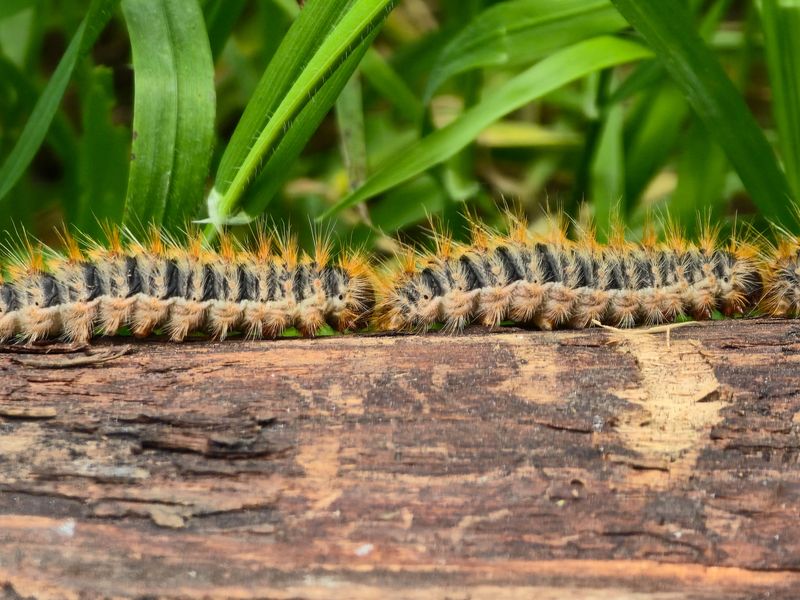
Helping your dog should not create another contact injury. Keep bare hands away from the caterpillar, its spines, and any suspected material on fur.
Ordinary garden gloves are not a guarantee against sharp spines.
First, separate your dog from the area and prevent further sniffing or licking. Ask your veterinarian how to handle material on your pet.
For caterpillars near busy household paths, seek Extension guidance about safe management. Never crush or brush them away by hand.
15. Check Your Dog After Time Outside
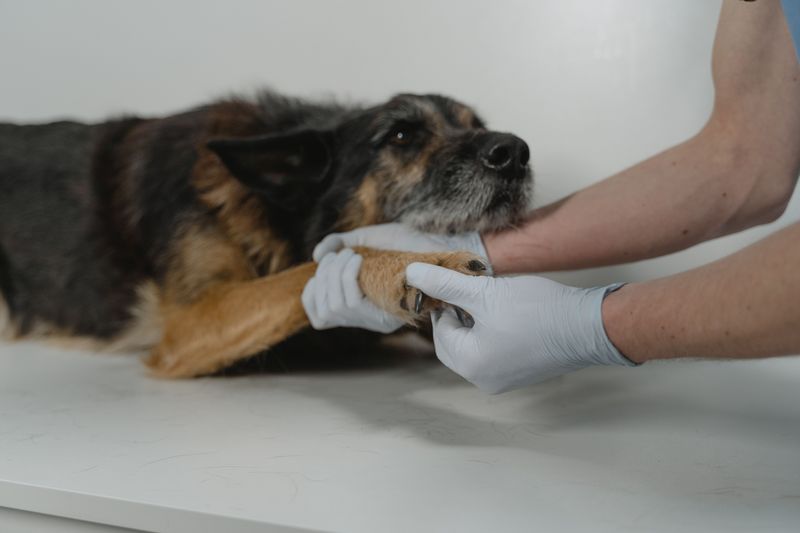
Back at the door, pause before your dog heads inside. Look over paws, legs, chest, and muzzle in good light.
Watch for unusual licking or a sudden change in how your dog walks.
A visual check is safer than rubbing through suspicious debris with bare fingers. If you notice a caterpillar or possible spines, prevent licking and call your veterinarian.
Do not assume thick fur prevented contact. Record any changes so you can describe them clearly afterward.
16. Keep Your Yard Less Attractive to Caterpillar Encounters
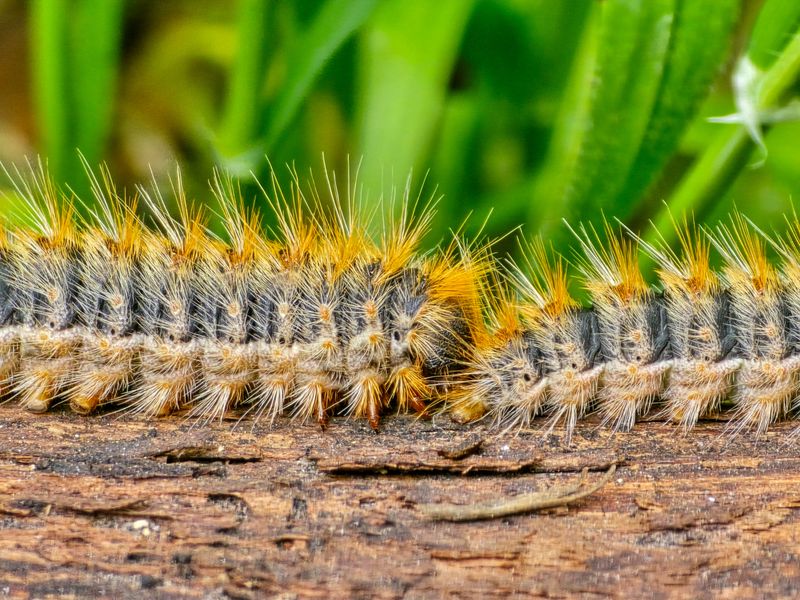
A safer yard does not need to be insect-free. Focus on reducing close contact where your dog eats, rests, and walks.
Trim vegetation away from narrow paths and move bedding from beneath overhanging branches.
Check fallen twigs before gathering them, especially after windy weather. Avoid broad pesticide spraying as a routine response to occasional caterpillars.
Products can affect beneficial insects and require careful pet precautions. For repeated sightings, ask Extension about identification and targeted management options first.
17. Contact a Veterinarian Instead of Trying Home Remedies
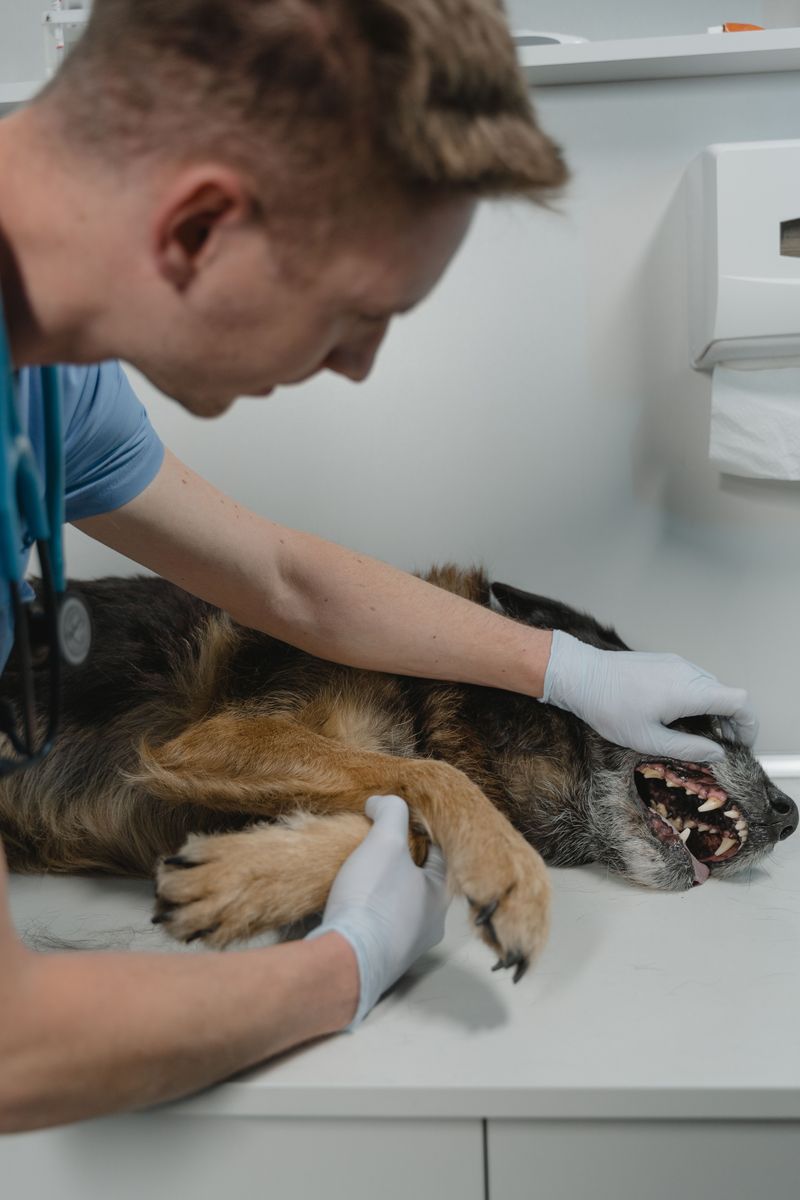
Your best next step is a call, not a kitchen remedy. Human medicines, creams, and household treatments may be unsuitable for dogs or hide useful symptoms.
Give nothing unless your veterinarian directs you.
Share your dog’s weight, symptoms, contact time, and any caterpillar photographs. Save your regular clinic’s number and an emergency hospital’s contact details before you need them.
Notice, create space, and ask for help. Those simple habits keep North Carolina adventures calmer for everyone involved.