12 Illinois Farm-Dog Skills For Grain Yards, Barn Traffic, And Harvest Equipment
An Illinois grain yard can change quickly when harvest brings extra trucks, busy crews, and long working days. Your dog needs clear habits and a protected place to rest while everyone works.
From waiting at barn doors to ignoring spilled grain, small lessons can make daily chores easier for both of you. Start in quiet conditions, reward steady choices, and keep physical barriers in place whenever equipment is working nearby.
1. Teach Your Farm Dog to Stay Clear of Moving Tractors and Combines
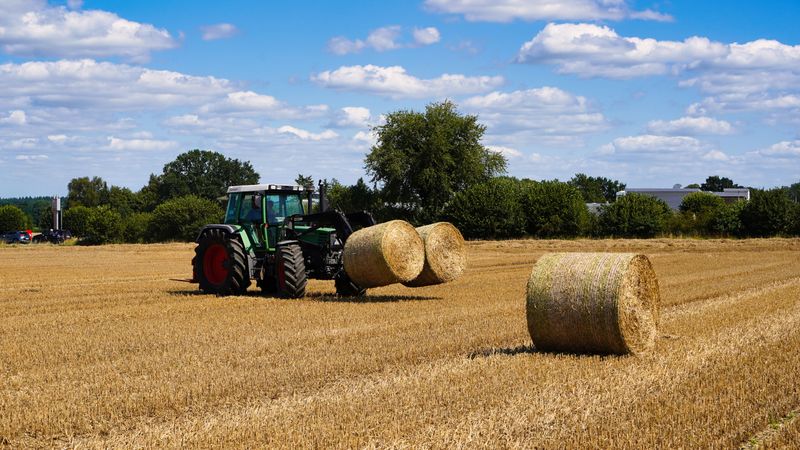
A familiar tractor can still be hard for your dog to judge. Drivers also have blind spots around large machines.
Teach a retreat cue beside parked equipment with engines off, rewarding movement toward a protected area.
Keep your dog securely separated before any machine starts moving. Never practice avoidance by driving toward your dog.
Training supports your safety plan, but fencing, closed gates, and clear communication with operators provide the dependable protection during busy harvest.
2. Build a Reliable Stay Command for Busy Work Areas
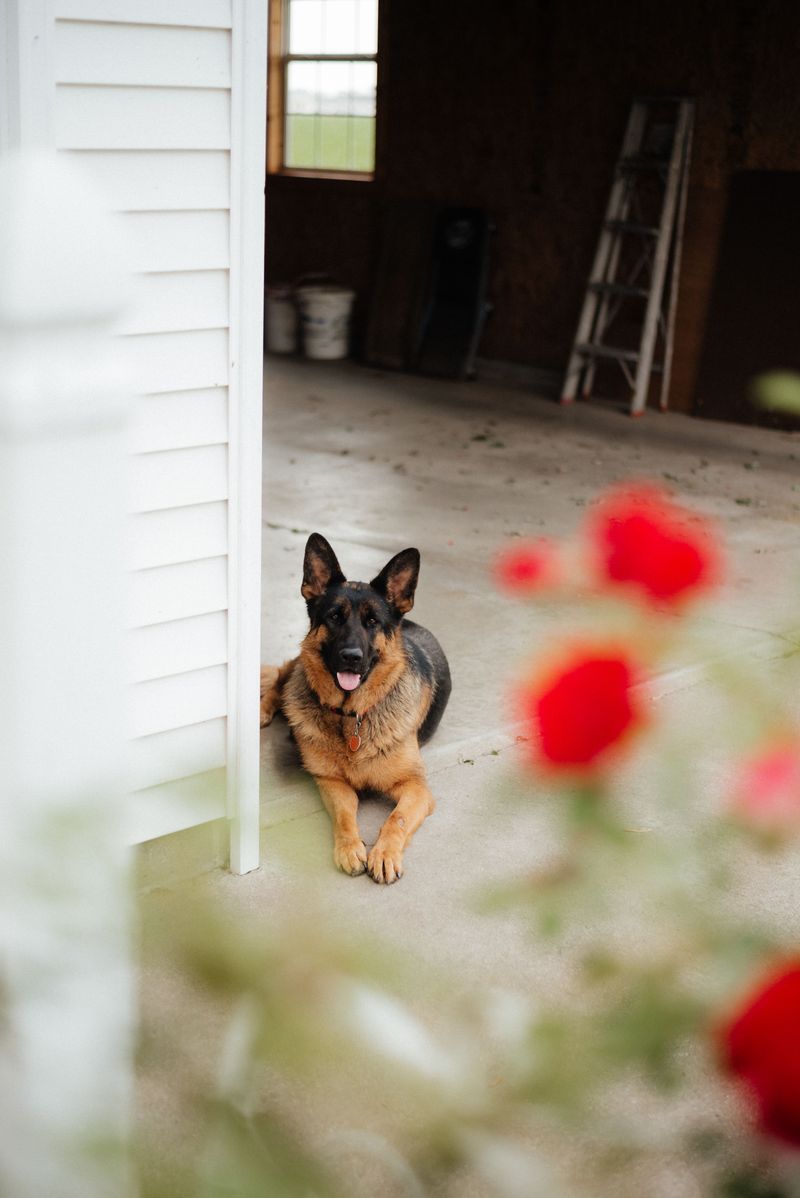
Holding still starts with one easy second, not a whole morning of chores. Ask for a stay in a quiet room, then reward before your dog moves.
Add time, distance, and distractions separately.
Use a clear release word so waiting has an obvious ending. Practice behind a closed gate before trying busier settings.
A stay can fail when excitement rises, so never leave your dog unrestrained beside traffic, loading areas, or operating equipment during practice.
3. Keep Your Dog Out of Grain Trucks and Loading Zones
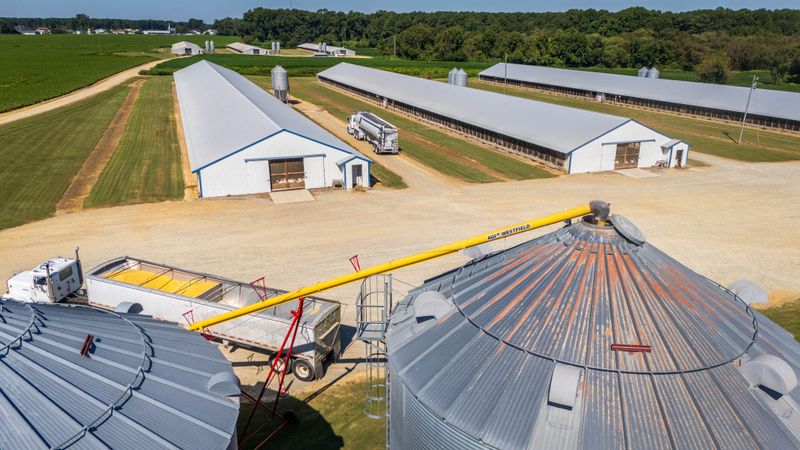
Truck steps and open beds may look like invitations to explore. Make loading zones off limits, including parked trucks that could move without warning.
Reward your dog for turning away from their boundaries.
Before deliveries arrive, settle your companion inside a secure room or fenced enclosure away from vehicle routes. Tell visiting drivers where the dog stays.
Never allow rides in grain loads or access beneath trucks, even when the yard seems quiet and empty.
4. Practice Walking Calmly Around Barn and Yard Traffic
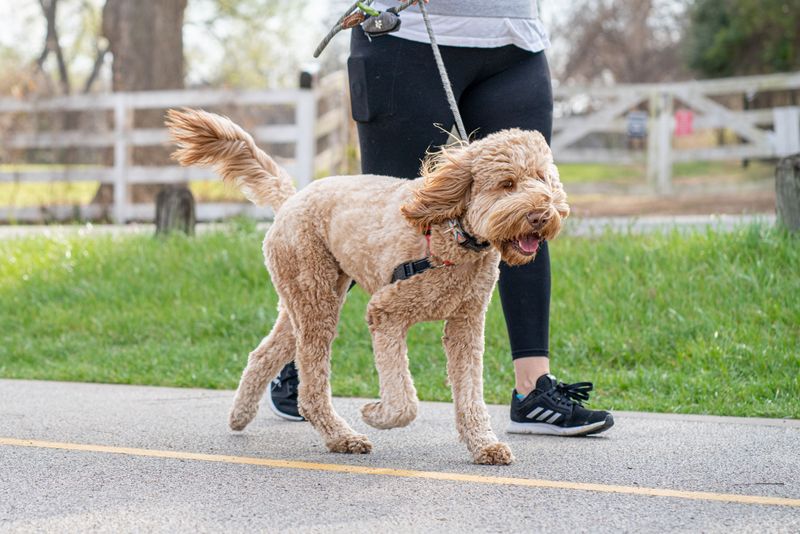
A loose leash makes everyday trips between buildings easier to manage. Begin on an empty path, rewarding your dog beside your leg.
Stop when pulling starts, then continue after the leash relaxes.
Choose routes separated from vehicles rather than squeezing past moving equipment. Keep sessions short and carry rewards where you can reach them.
If your dog becomes tense or distracted, increase distance and return to quieter practice before using that route again during chores.
5. Teach Your Dog to Wait at Barn Doors and Equipment Entrances
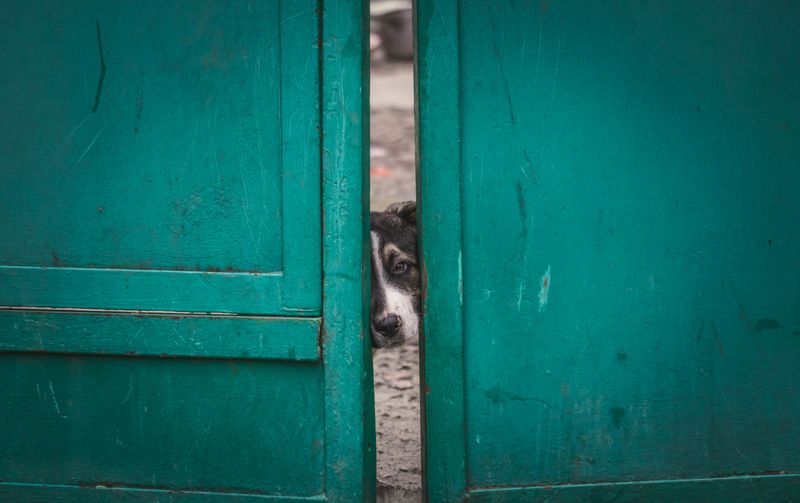
Doorways hide whatever is coming from the other side. Teach your dog to pause behind a marked threshold while you open the door slightly.
Reward waiting, then close it before excitement builds.
Add a release cue only when the path is clear. Everyone using that entrance should follow the same rule.
Keep a leash attached during supervised lessons, and use a gate when you cannot watch. Door manners should never replace checking outside for traffic.
6. Help Your Dog Ignore Grain Spills and Fallen Feed
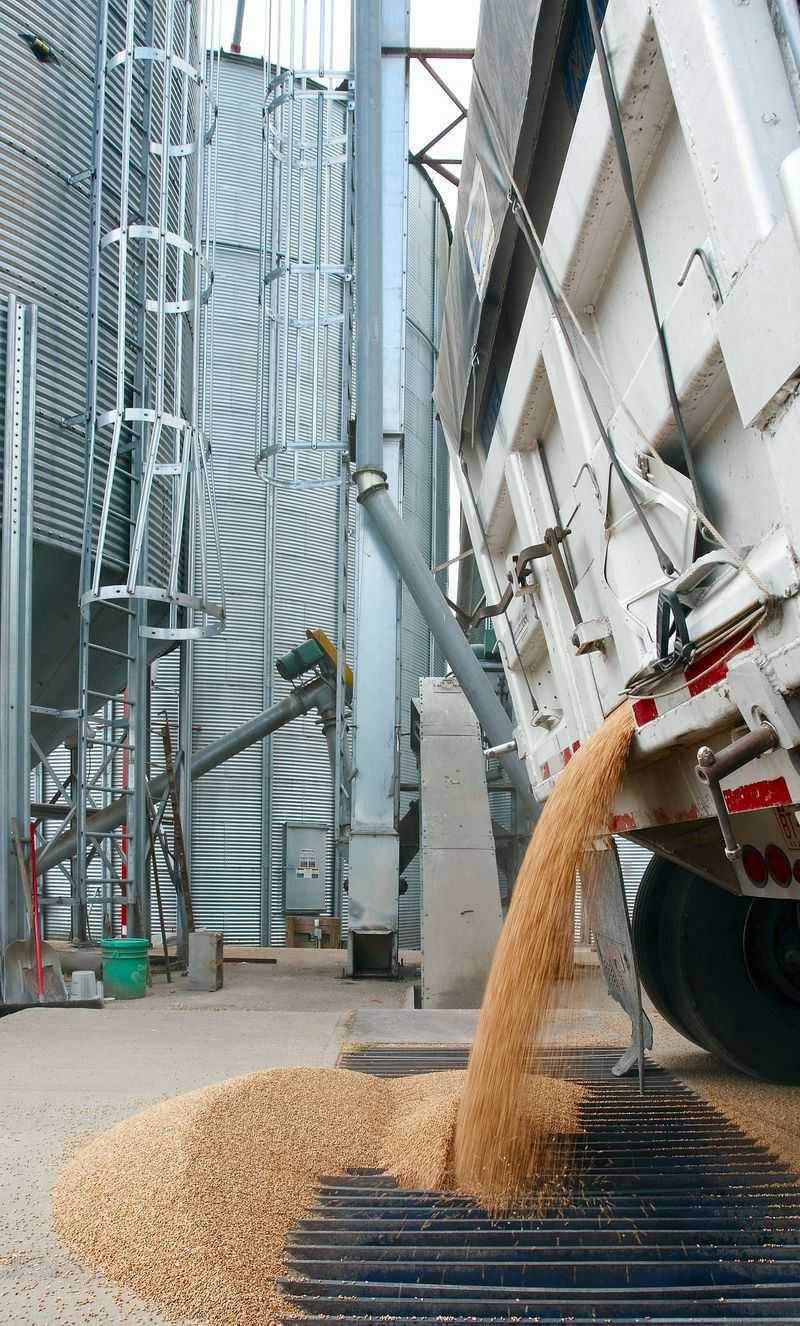
Spilled kernels can turn a curious nose toward places dogs should avoid. Practice leave it using safe food covered by your hand.
Reward looking away with a different treat from your other hand.
Clean spills promptly, and block access to spoiled grain, treated seed, and livestock feed. Some feeds contain ingredients or medicines unsuitable for dogs.
If your dog eats something questionable, contact your veterinarian promptly and save the package information for clear guidance afterward.
7. Create a Safe Spot Away From Harvest Equipment
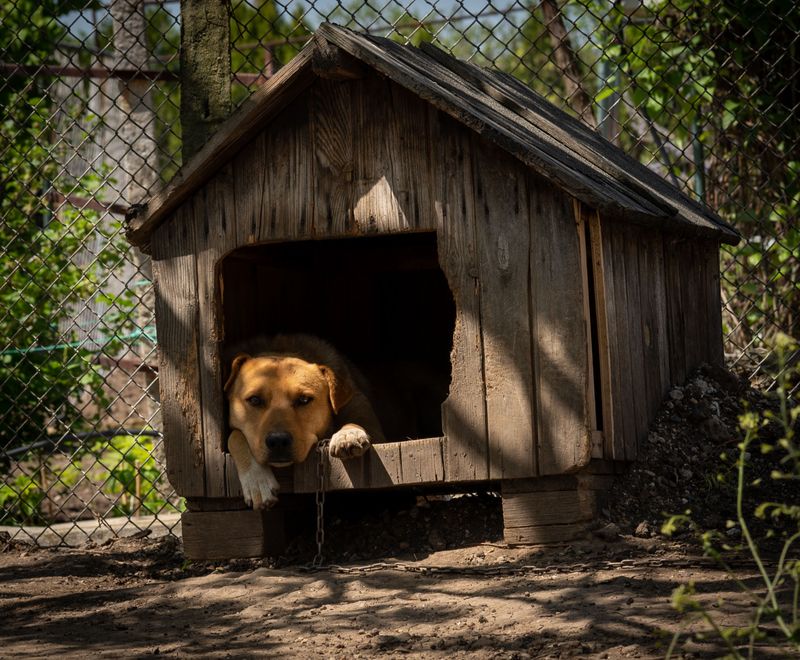
Every working farm needs somewhere a dog can truly switch off. Choose a secure indoor room or suitable fenced enclosure outside equipment routes.
Provide clean water, comfortable bedding, shade, and protection from weather.
Introduce the space during quiet hours with meals and short rest periods. Check that gates latch and visitors know not to open them.
Arrange regular breaks with a responsible adult. A safe spot should feel familiar and welcoming, never like a punishment.
8. Get Your Dog Comfortable With Tractor and Combine Sounds
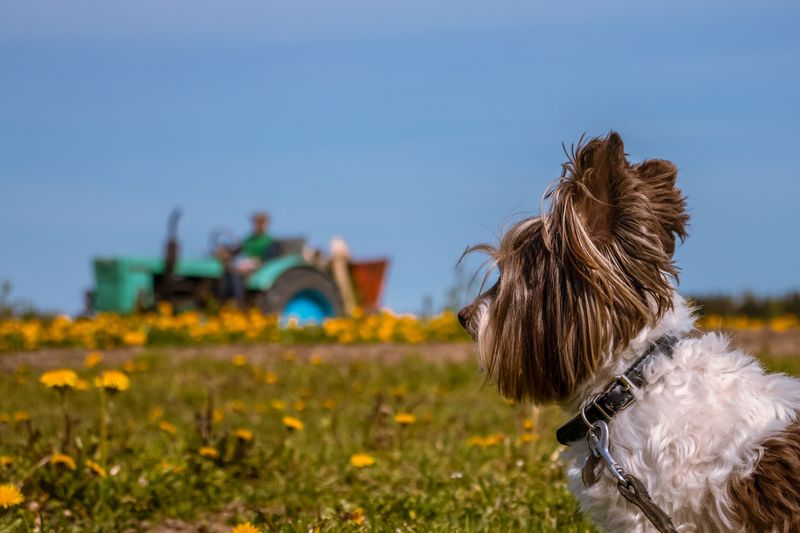
Engine noise is easier to understand when it arrives in small doses. Start with quiet recordings while offering treats or a favorite activity.
Keep the volume low enough that your dog remains relaxed.
Later, listen from a protected location far from actual equipment. Increase exposure slowly, without approaching moving machinery.
Panting, hiding, freezing, or refusing food can mean the session feels overwhelming. Lower the intensity and consult your veterinarian if noise worries persist during practice.
9. Train Your Dog to Come When Called Around Farm Distractions
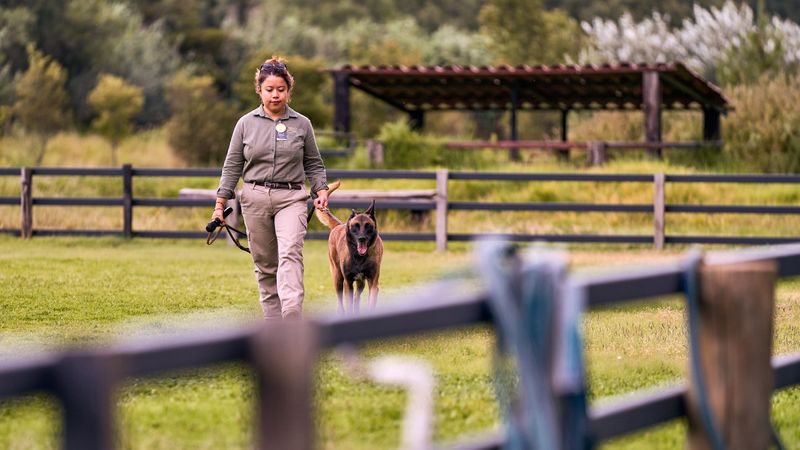
Your recall word should promise something worth leaving a distraction behind. Begin indoors, call once, and reward generously when your dog reaches you.
Gradually practice in a fenced area with mild distractions.
A long line can support practice in clear spaces away from machinery and livestock. Never let it trail near rotating parts.
Avoid calling for punishment or unpleasant chores. Even excellent recall cannot guarantee safety around equipment, so maintain secure separation during active work.
10. Teach Your Dog to Stay Away From Grain Augers and Conveyors
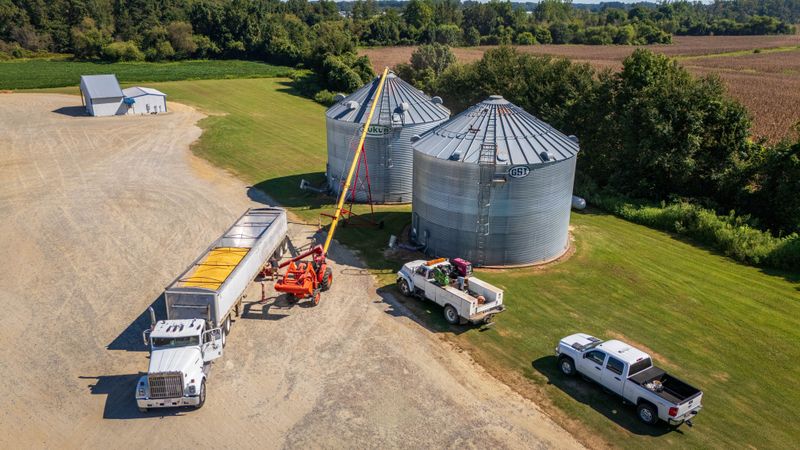
Rotating equipment needs a firm boundary, not a close training demonstration. Keep dogs away from augers, conveyors, belts, and power takeoff shafts.
Guards help protect work areas, but they do not make nearby play safe.
Teach boundary cues elsewhere using harmless markers and rewards. Before equipment starts, move your dog into secure housing.
Never attach a leash to machinery or permit access during clearing or repairs. Follow equipment instructions and established farm shutdown procedures every time.
11. Help Your Dog Stay Calm Around Livestock and Barn Activity
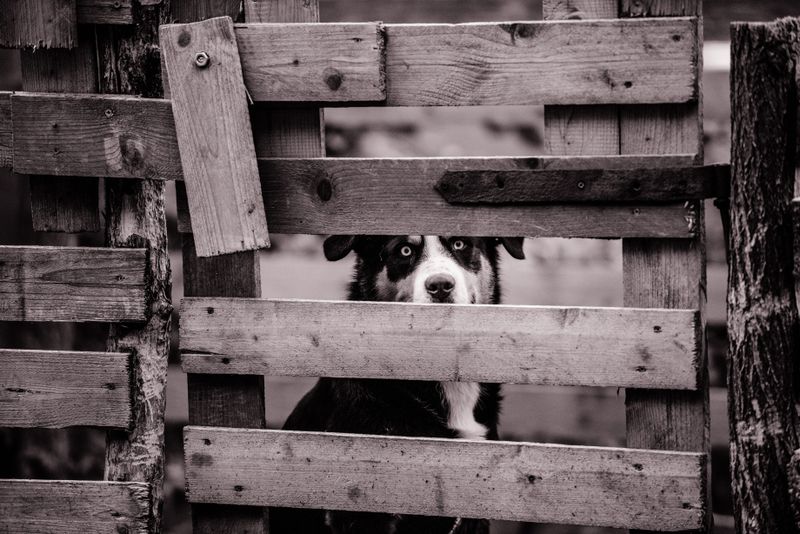
Rustling bedding, calling animals, and swinging gates create plenty to watch. Let your dog observe from outside livestock pens, behind a secure barrier.
Reward relaxed attention and the choice to look back at you.
Do not allow chasing, crowding, or nose contact through gaps. Even familiar livestock can react unexpectedly, especially around young animals or feed.
Move farther away if either species seems unsettled. Ordinary companion dogs need calm boundaries, not opportunities to practice herding.
12. Keep Your Dog From Wandering Into Harvest Fields
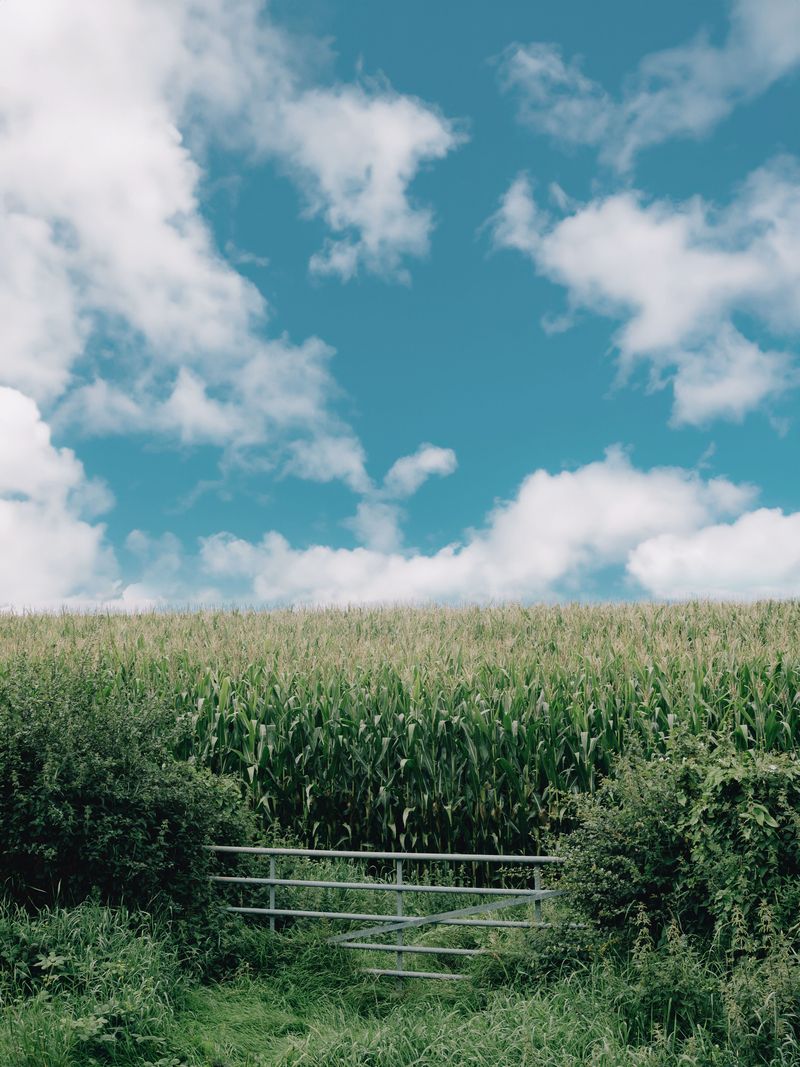
Tall corn can hide a wandering dog within a few steps. Keep field access closed during harvest and supervise outdoor breaks.
Walk on a leash along clear routes rather than letting your companion explore rows.
Maintain identification tags and current microchip contact details in case separation occurs. Confirm roaming rules with your county or municipality because local requirements vary.
If your dog goes missing, notify equipment operators immediately and coordinate searching without entering active work.