17 Louisiana Lawn And Mosquito-Control Risks For Dogs After Yard Treatments
Louisiana yards give dogs plenty to sniff, chase, and explore, especially during long mosquito seasons. After a lawn treatment, though, familiar grass and puddles may need a little extra attention.
You can protect your dog without guessing or giving up outdoor time. Knowing the product, following its label, and planning potty breaks will help you handle treatment days with more confidence.
1. Lawn Treatment Residue Can Remain On Grass After Spraying
A lawn can look ordinary while treatment residue remains on its blades. Drying does not mean every chemical has disappeared.
Some products require additional waiting periods or watering before pets return.
Ask your applicator for the product name and written instructions. Follow every label restriction, including any longer waiting period the company recommends.
Keep your dog elsewhere until those conditions are met. Appearance alone cannot tell you whether a treated patch is ready for play.
2. Wet Grass Can Increase Exposure To Lawn Chemicals
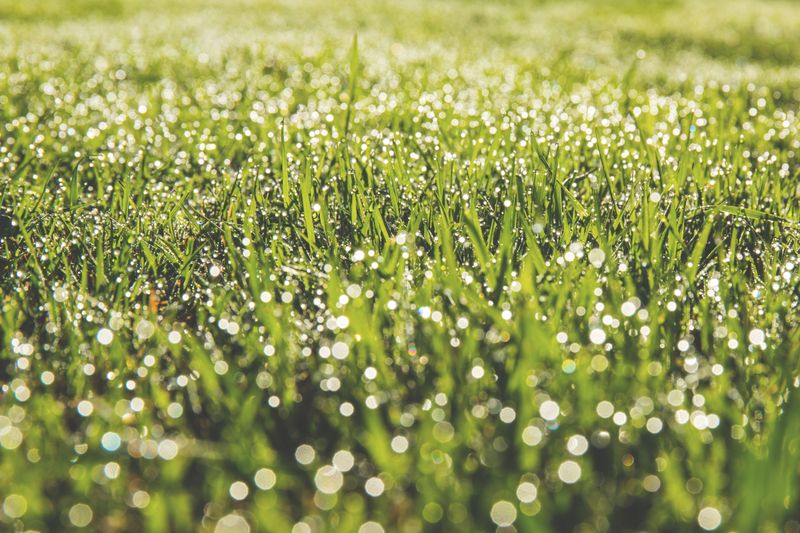
Morning dew can turn a quick potty trip into extra contact with treated grass. Moisture may help some residues transfer onto fur, paws, and bellies.
Louisiana humidity can also slow drying after application.
Check the actual lawn instead of relying only on elapsed time. Follow the label’s drying and entry instructions before allowing access.
If conditions remain wet, use an untreated potty area. Ask the applicator how dew affects that particular product’s restrictions before returning.
3. Mosquito Sprays Can Reach More Than The Intended Areas

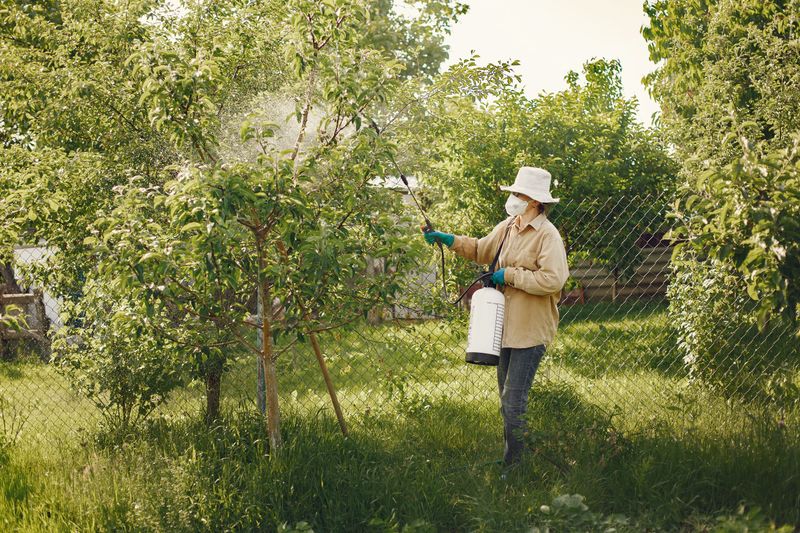
A breeze can carry spray toward places your dog uses every day. Nearby bowls, toys, bedding, and fences may receive drift during an application.
Even a neighboring treatment deserves attention when spray moves toward your property.
Bring pets and their belongings indoors before work begins. Close nearby windows and follow the applicator’s directions about ventilation.
If drift reaches your yard, prevent access and contact the company. Ask how affected items should be cleaned before reuse outdoors.
4. Pesticide Concentrations Matter More Than The Smell
Your nose is not a safety meter. A strong odor does not reliably measure danger, and little smell does not guarantee safety.
Risk depends on ingredients, concentration, exposure amount, and your dog’s health.
Never assume a diluted spray and its concentrate pose the same risk. Save the label or photograph it clearly before treatment.
Your veterinarian can use those details if questions arise. Judge reentry by product instructions, not whether the yard smells normal again afterward.
5. Dogs May Lick Chemical Residue From Their Paws
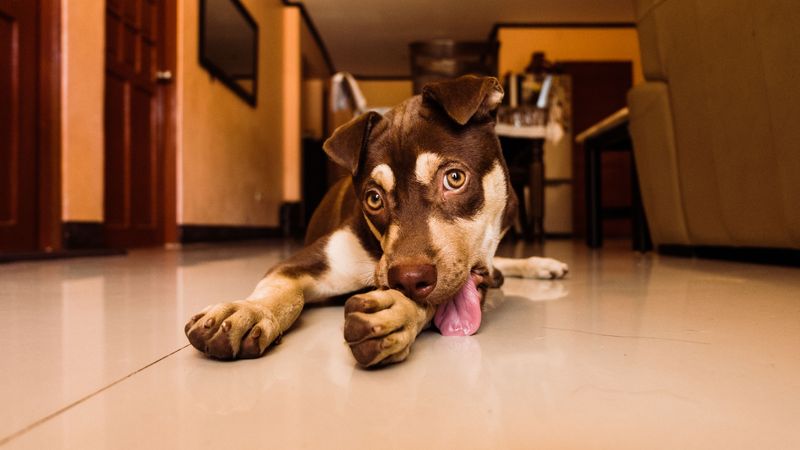
Paw licking can move lawn residue from the ground into your dog’s mouth. A dog may groom after walking through treated areas, even without chewing grass.
Low bellies and long coats can collect residue too.
Prevent access until all label conditions are satisfied rather than depending on cleaning afterward. Following suspected contact, stop licking and call your veterinarian for washing advice.
Use clean water when directed, and avoid household solvents or improvised chemical cleaners on fur.
6. Granular Lawn Products Can Stick Between Paw Pads
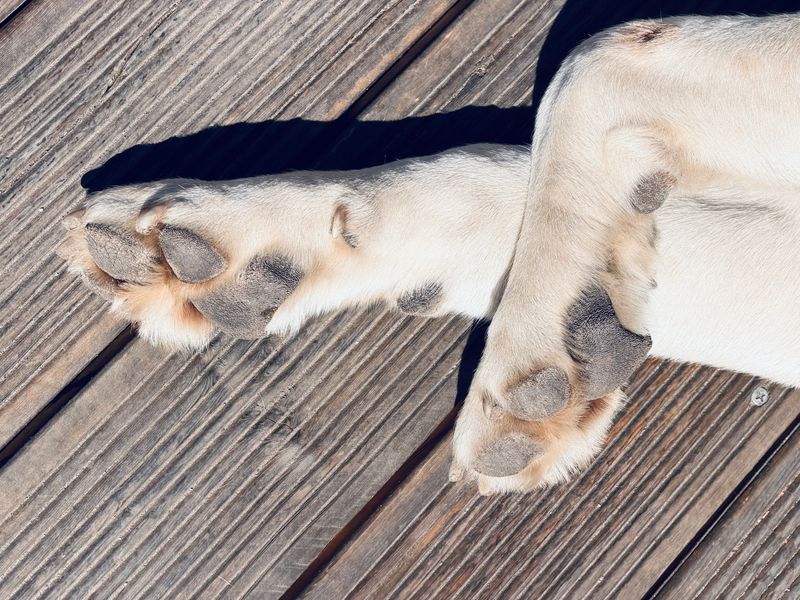
Tiny pellets can hide where a quick glance misses them. Granular treatments may lodge between paw pads or catch in thick fur.
Some dogs also investigate spilled granules as if they were food.
Sweep hard surfaces as the label directs, and secure any spilled material promptly. Many products need watering, followed by drying, before pets return.
Others have different requirements. Check paws after unexpected contact, prevent licking, and ask your veterinarian about any suspected swallowing immediately.
7. Fertilizer And Weed Killer Combinations Create Different Risks
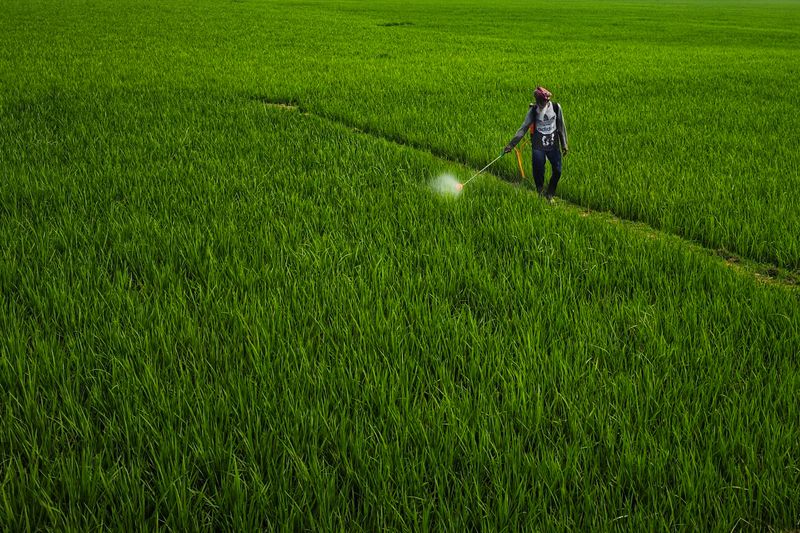
One bag may contain more than lawn nutrients. Weed and feed products combine fertilizer with herbicides, so both ingredients and directions matter.
Certain fertilizers also contain iron or appealing animal based ingredients.
Read the complete label instead of relying on the front panel. Tell your lawn company that dogs use the property.
Ask which products are being combined or applied separately. Never substitute another product’s waiting period, even when the bags look similar at first glance.
8. Standing Water Can Collect Yard-Treatment Runoff
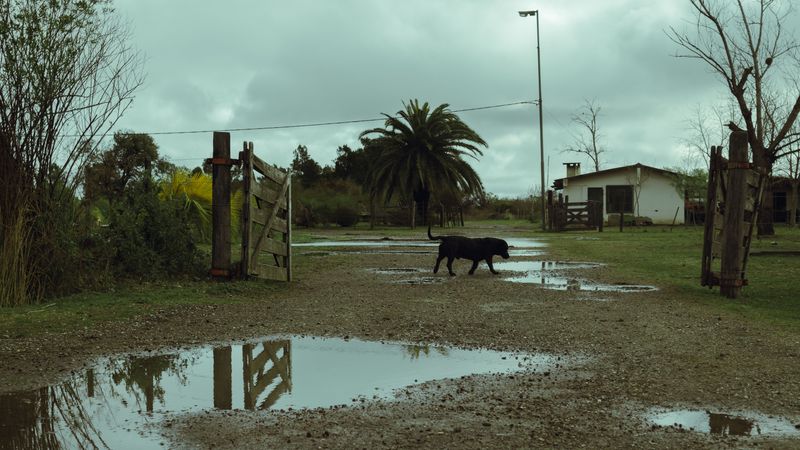
Puddles offer tempting drinks after a warm Louisiana afternoon. Water flowing across treated ground can carry chemicals into low spots, drains, or containers.
You cannot judge contamination by clarity or smell.
Block access to standing water after applications, especially following rain or irrigation. Provide fresh drinking water in a clean bowl away from treatment areas.
Ask your applicator about runoff precautions and drainage concerns. Avoid applying products where the label prohibits use near water or drains.
9. Mosquito Dunks And Larvicides Need Proper Placement
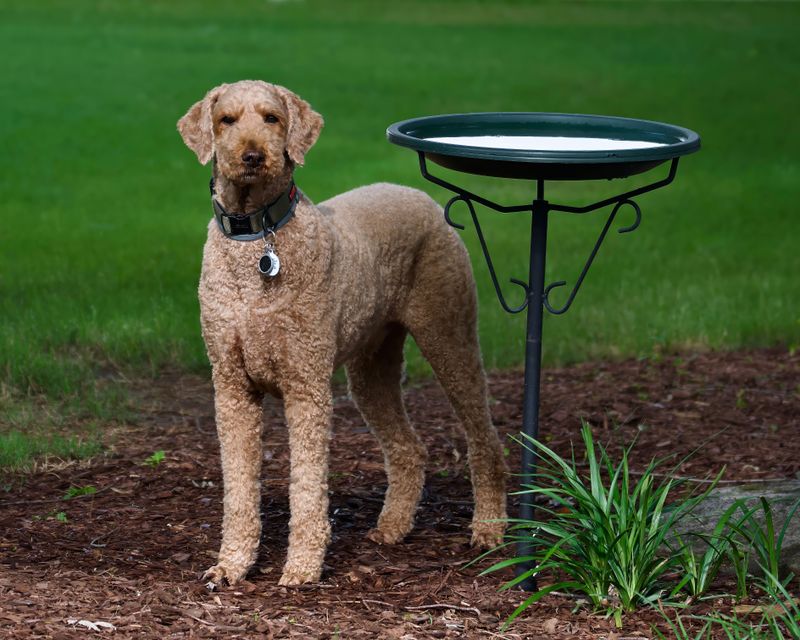
Mosquito control sometimes targets water rather than grass. Products containing Bti generally have low toxicity to dogs when used as labeled.
That does not make every larvicide interchangeable or suitable for chewing.
Check the active ingredient and approved application sites before use. Place products where your dog cannot retrieve them, while following label directions.
Empty unnecessary containers that collect water. If your dog eats a dunk or drinks treated water, contact your veterinarian with product details.
10. Treated Shrubs And Garden Beds Can Transfer Residue
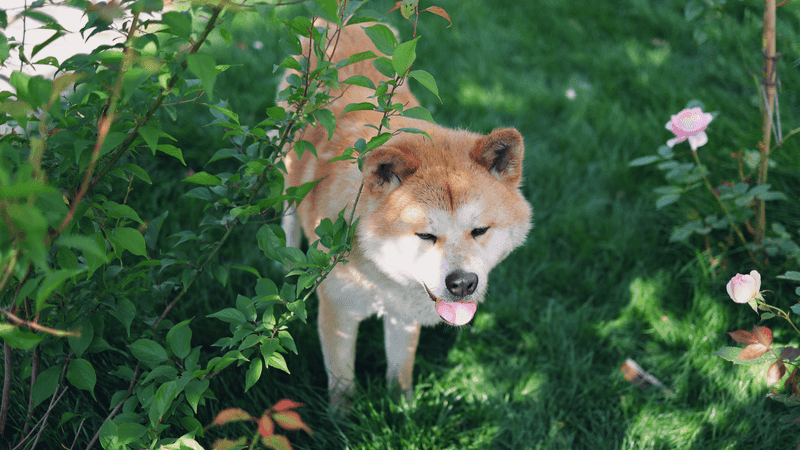
Your dog’s favorite shaded shortcut may pass beneath recently sprayed leaves. Mosquito treatments often target shrubs and resting areas, not just open lawn.
Brushing against foliage can transfer residue onto a coat.
Ask exactly which plants, fences, and beds received treatment. Keep dogs away until the relevant entry conditions are met throughout those areas.
Consider temporary barriers around favorite hiding spots. Remove toys before spraying, including balls tucked under bushes or resting against treated garden borders nearby.
11. Mowing Too Soon Can Spread Treatment Residue
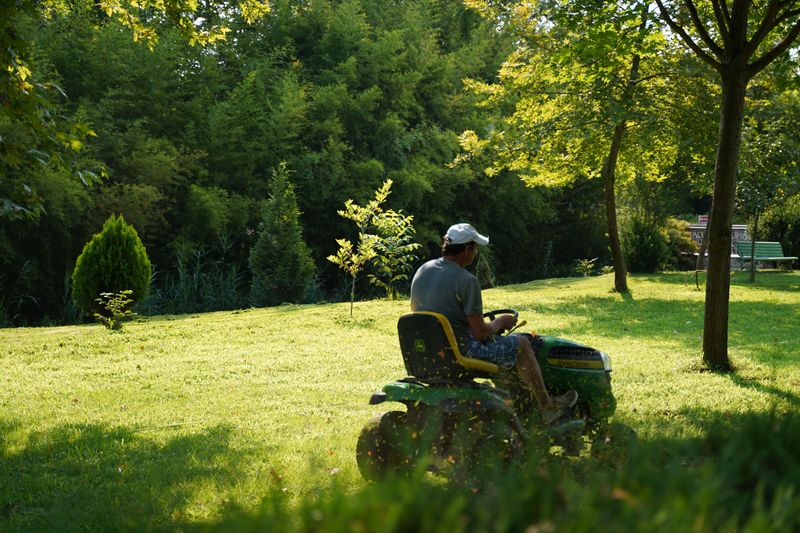
Fresh clippings can carry material from treated blades into other parts of the yard. Mowing too early may also interfere with how a lawn product works.
Timing depends on the specific treatment.
Check instructions for mowing before and after application. Keep your dog away during mowing, and prevent access to clippings from treated areas.
Do not use those clippings as accessible pet bedding or play material. Ask your applicator how to handle collection and disposal correctly.
12. Rain Does Not Automatically Make A Treated Yard Safe
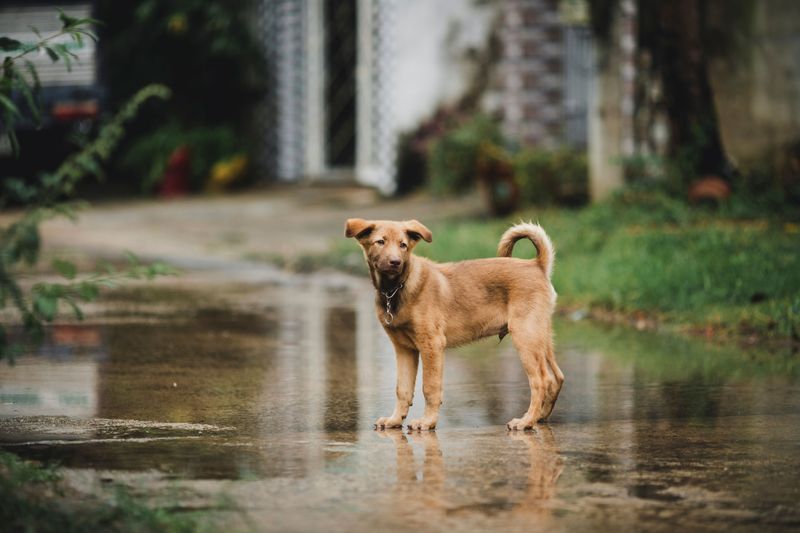
A passing storm is not a universal rinse cycle. Rain may move a product, reduce its effectiveness, or create runoff instead of removing every residue.
Some treatments require a specific dry period.
Review the label whenever weather interrupts your plan. Ask the company whether rain changes entry instructions or requires another application.
Never assume yesterday’s treatment has washed away. Keep dogs out of puddles and follow updated directions before reopening the lawn for normal outdoor play again.
13. Dogs Can Be Exposed During Professional Yard Treatments
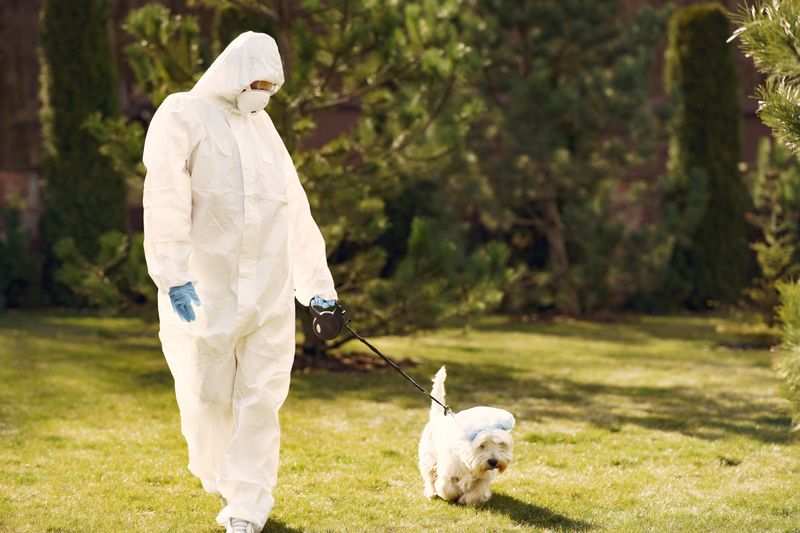
An open gate can undo a careful treatment plan. Dogs should stay away from active spraying, mixing, equipment, and freshly treated surfaces.
Professional service does not remove the need for clear household rules.
Arrange indoor care before the crew arrives, and tell everyone when access is restricted. Request product names, application details, and written return instructions.
Ask about neighboring areas that may receive spray. Schedule potty breaks beforehand so nobody feels rushed into reopening the yard early.
14. Louisiana Heat Can Change Outdoor Treatment Routines
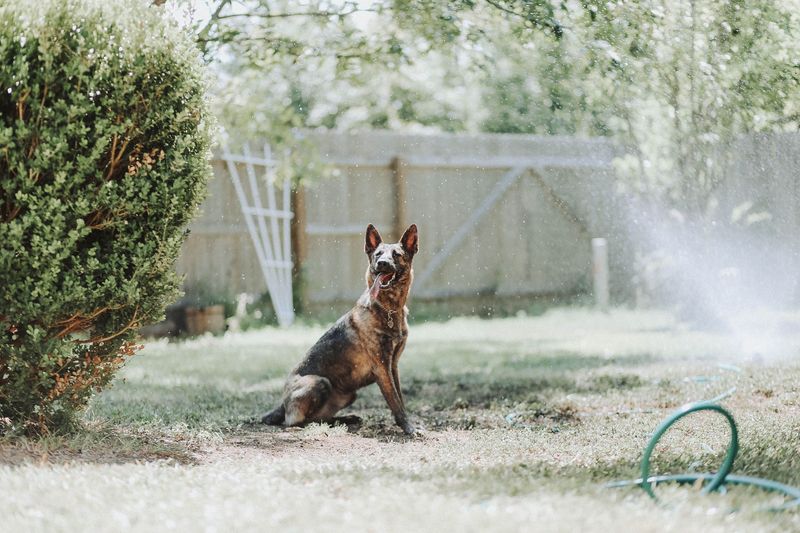
Summer heat makes timing more than a lawn care concern. Hot weather and high humidity can affect application conditions and your dog’s comfort.
Temperature limits and weather restrictions differ among products.
Discuss scheduling with your applicator instead of assuming hotter weather makes treatment dry safely faster. Plan shaded, untreated potty options and keep fresh water available.
Never leave a dog outside simply because indoor access is inconvenient during service. Heat safety and pesticide precautions should work together.
15. Watch For Signs Of Possible Pesticide Exposure
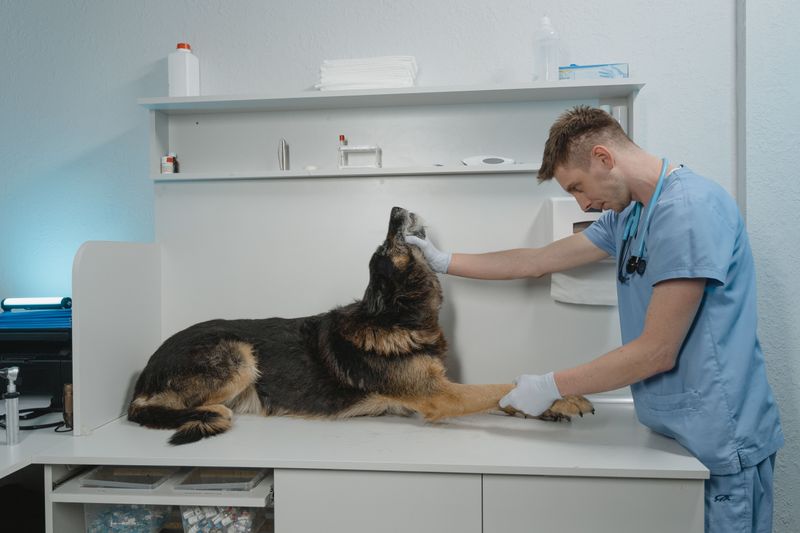
Changes after yard access deserve a closer look. Drooling, vomiting, diarrhea, unusual tiredness, or skin irritation can follow certain exposures.
Tremors, trouble walking, or breathing changes need urgent veterinary attention.
Symptoms vary by chemical and may have other causes. Do not wait for every sign to appear before calling.
Share the product name, exposure time, and your dog’s weight. Keep packaging available, and follow professional advice rather than trying home treatments suggested by unverified online sources first.
16. Keep Lawn-Care Containers Away From Curious Dogs
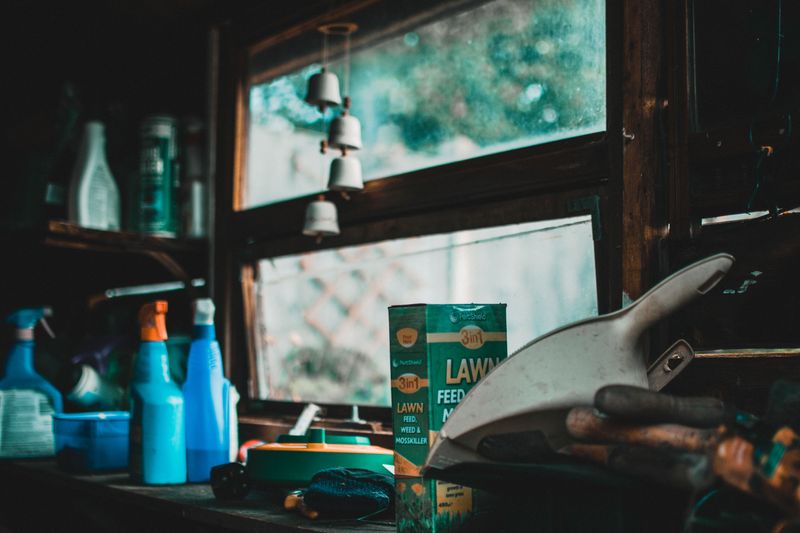
A partly used bottle can create more exposure than a properly treated lawn. Concentrates, leaking bags, and measuring tools belong somewhere dogs cannot reach.
Familiar food containers are never appropriate substitutes for original packaging.
Store products upright, secured, and according to label temperature requirements. Keep labels readable and lids tightly closed.
Check sheds after storms for leaks or damaged packages. Follow local disposal guidance for unwanted chemicals, and never leave empty containers where dogs can chew them.
17. Know What To Do After Accidental Chemical Contact
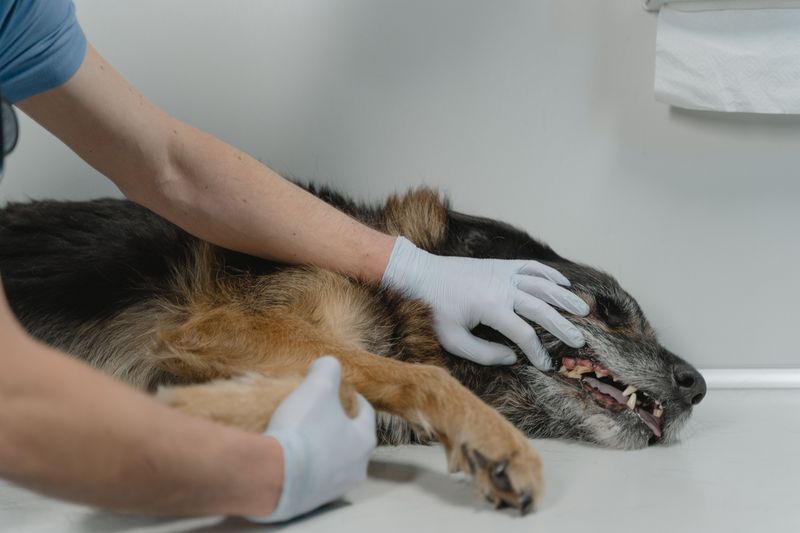
Quick, calm action starts with leaving the treated area. Prevent licking and contact your veterinarian or an animal poison service promptly.
Bring the label, but avoid exposing yourself while handling contaminated fur.
Do not induce vomiting or offer home remedies unless a veterinary professional directs you. Ask for product specific washing or eye rinsing instructions.
Breathing trouble, tremors, or collapse require emergency care. Know the product, respect the label, and keep your dog’s next steps safely planned.