What To Do If A Coyote Approaches Your Dog In California (And What You Shouldn’t)
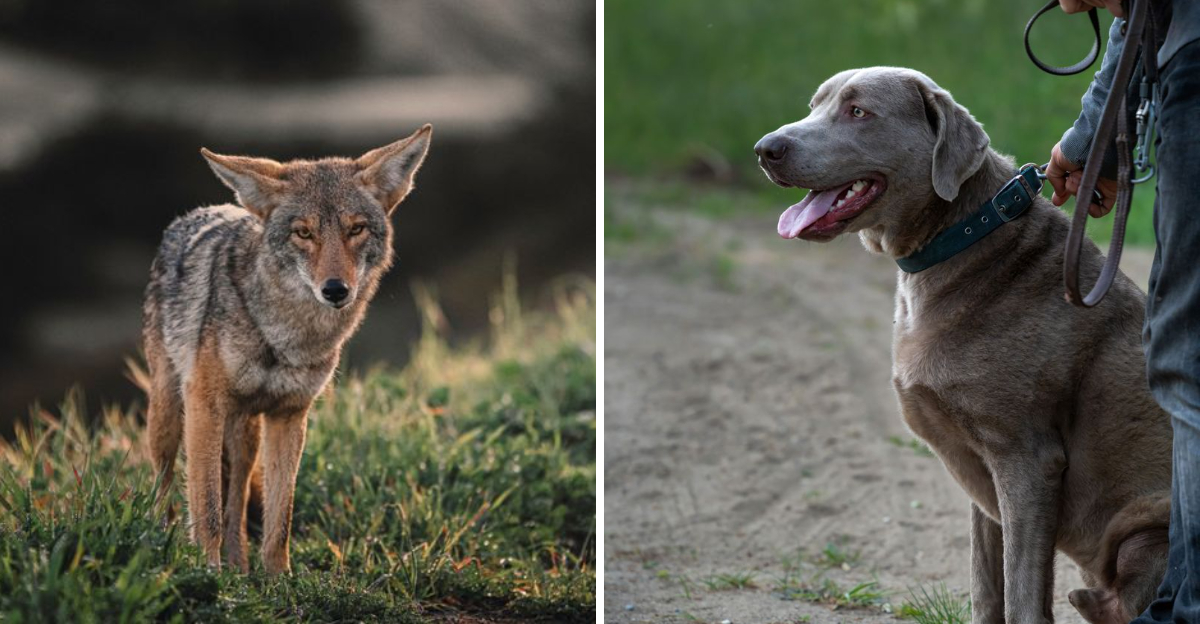
If you walk your dog in California, there is a good chance you will cross paths with a coyote at some point. Coyotes are native here, and they have learned to thrive in neighborhoods, parks, and hiking trails across the state.
The good news is that most encounters are brief and end without any harm, especially when you know what to do.
This guide walks you through exactly what steps to take, and a few things to avoid, so you and your dog can stay safe and confident on every walk.
First, Know Why Coyotes Approach Dogs in the First Place
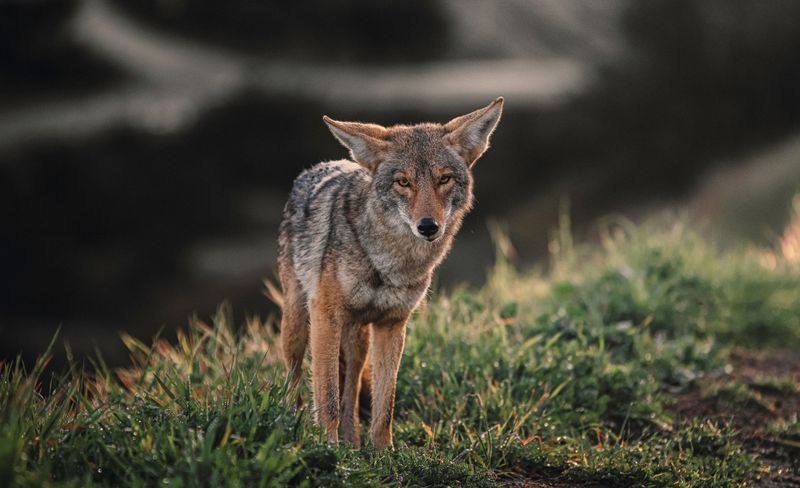
Coyotes are not random troublemakers. They approach dogs for specific reasons, and understanding those reasons makes you a much smarter, calmer responder.
Small dogs are often seen as prey, similar to rabbits or squirrels. Larger dogs may be seen as territorial rivals.
Pupping season runs from March through September in California. During this time, coyotes are especially protective of their young and may bluff-charge or escort dogs away from den areas.
Habituation is another big factor. Coyotes that find easy food near homes become bolder and less fearful of people and pets.
Stay Calm and Take Control of Your Dog Right Away
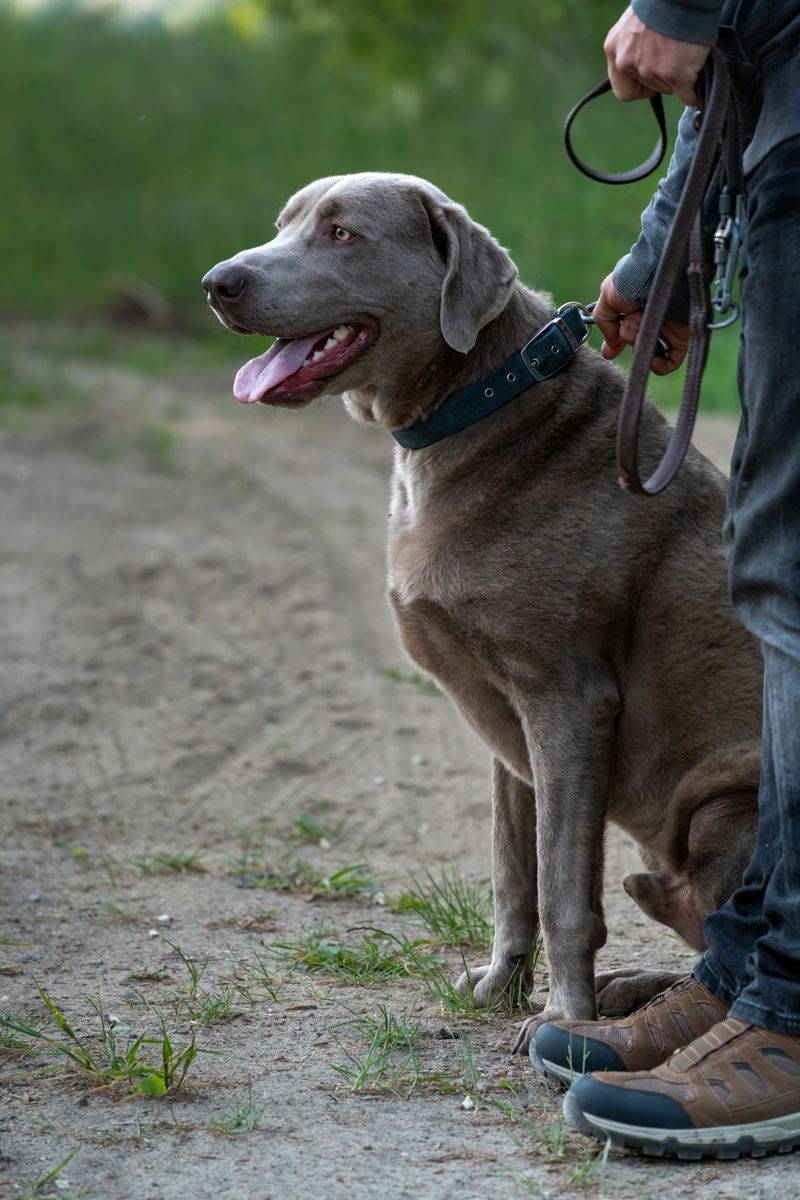
Your first move matters more than almost anything else. Staying calm keeps your dog calm, and a calm dog is much easier to manage during an unexpected encounter.
Sudden, erratic movements can startle a coyote and escalate the situation quickly.
If your dog is off-leash, bring them to your side immediately. Pick up small dogs without hesitation.
Keep your dog beside you, not between you and the coyote.
Retractable leashes make quick control very difficult. A short, standard leash gives you far better command when every second counts.
Make Yourself Big and Loud: The Art of Hazing

Hazing is a proven, humane method for reinforcing a coyote’s natural fear of humans. The goal is not to harm the animal.
The goal is to make it uncomfortable enough to leave and stay away.
Stand tall, raise your arms, wave your jacket, and shout assertively. Clap your hands, stomp your feet, and maintain direct eye contact.
If the coyote holds its ground, toss small objects like rocks toward the ground near it, not at it.
Keep hazing until the coyote fully leaves the area. Stopping too early can teach it that a short retreat is enough.
Simple Tools That Help You Feel Ready on Every Walk
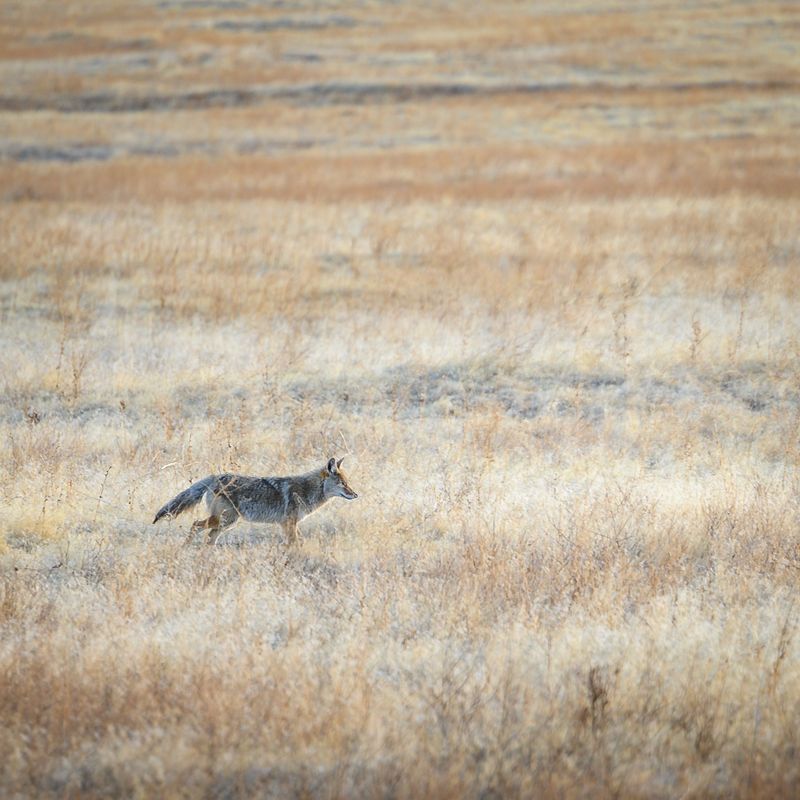
Carrying a few simple items can shift a stressful encounter into a manageable one. A loud whistle or compact air horn produces a sharp sound that often sends coyotes retreating fast.
A shaker can, made from an empty soda can with a few coins inside, is cheap and surprisingly effective.
A bright flashlight is useful for early morning or evening walks, since coyotes dislike sudden bright light. A compact umbrella, snapped open quickly, creates both a startling sound and an unexpected visual.
For small dogs, protective vests like a CoyoteVest add a physical layer of defense and should complement, not replace, active hazing.
Back Away Slowly, but Never Turn and Run
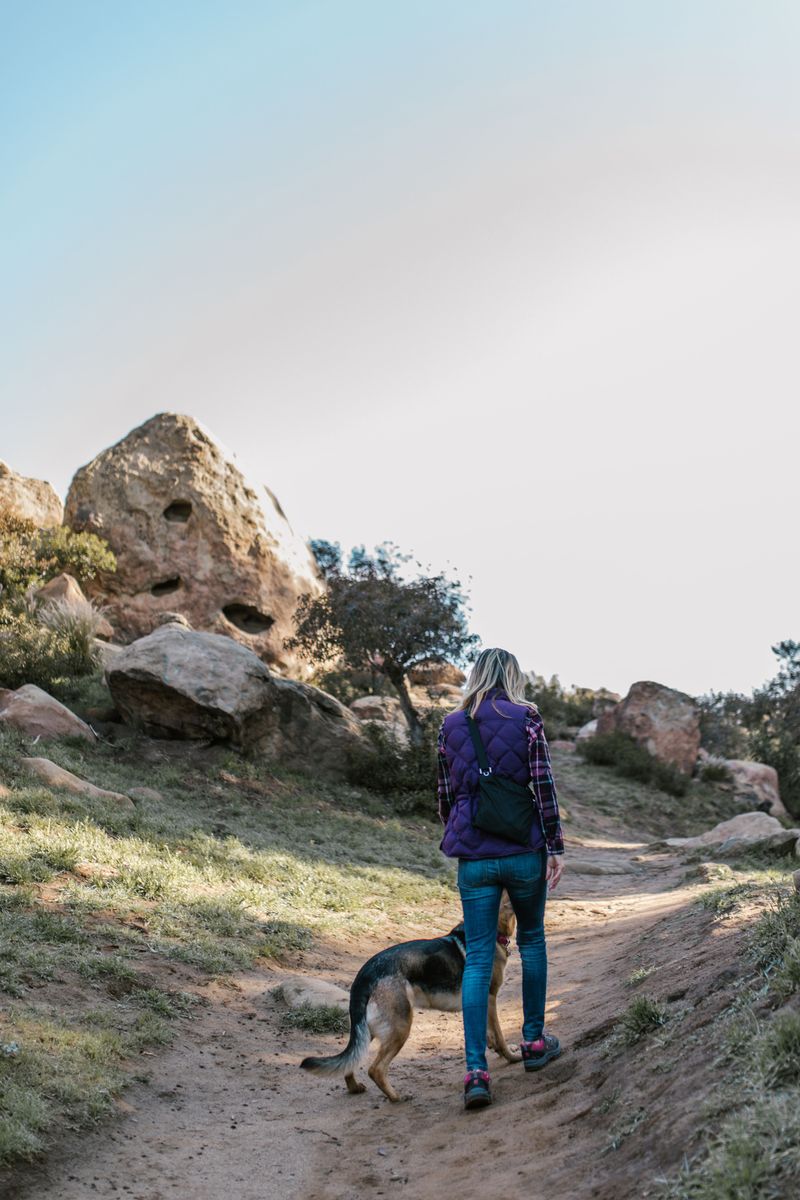
Running away from a coyote is one of the most counterproductive things you can do. It triggers a natural chase response, turning what might have stayed a tense standoff into an active pursuit.
Staying composed and deliberate is the far better strategy.
Face the coyote and maintain eye contact as you back away slowly. This signals that you are not prey and that you are not backing down in fear.
Continue making noise and appearing large as you create distance.
Your goal is a calm exit, not a dramatic one. Give the coyote space to disengage, and it usually will.
What You Should Never Do During a Coyote Encounter
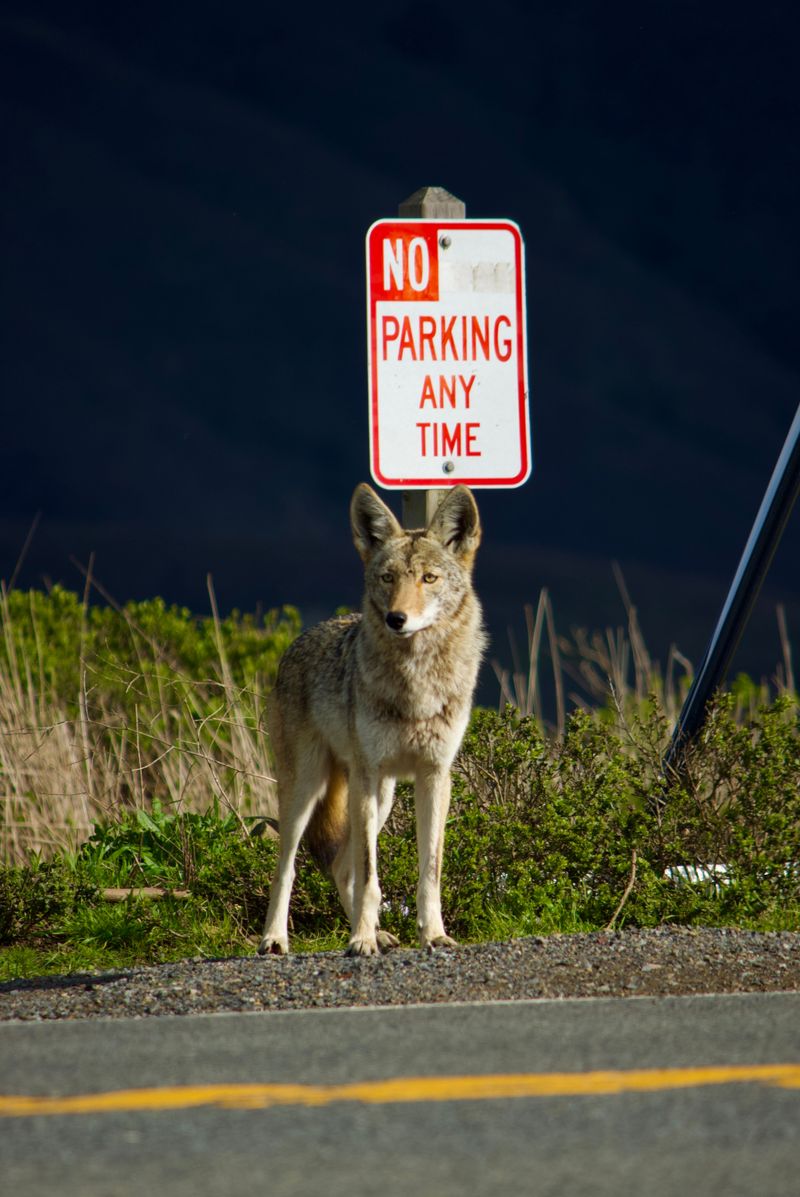
Knowing the wrong moves is just as useful as knowing the right ones. Never feed coyotes, even accidentally.
Unsecured garbage, outdoor pet food, and fallen fruit all attract them and erode their natural caution around people. In several California communities, feeding wildlife is against the law.
Never let your dog chase or engage with a coyote, even if it looks playful. That interaction can quickly become dangerous for your dog.
Avoid cornering an injured coyote or one near a den.
Do not ignore a coyote that holds its ground. A bold coyote needs to be hazed, not left to grow more comfortable around people.
After the Encounter: Reporting and Staying Ready Next Time
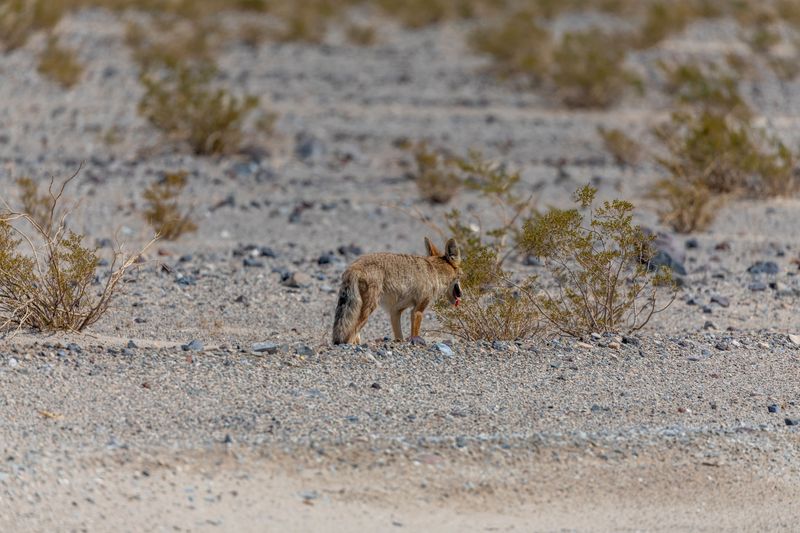
Once the encounter is over, take a breath and then take action. Reporting sightings helps wildlife officials track coyote activity in your area.
The California Department of Fish and Wildlife accepts reports through their online Wildlife Incident Reporting system. For aggressive behavior or bites to humans, call CDFW at 888-334-2258 during business hours.
Prevention goes a long way between encounters. Secure trash cans, remove outdoor pet food promptly, and walk your dog on a short leash every time.
Trim shrubs to reduce hiding spots and install motion-activated lights or sprinklers.
Sharing what you know with neighbors creates a community-wide buffer. Consistent hazing across a neighborhood keeps coyotes appropriately wary of people.