15 Dog Breeds Built to Survive a Texas Summer
Texas summers are no joke. Temperatures regularly climb past 100 degrees, the humidity can feel suffocating, and even a short walk on the pavement can become a challenge for your dog.
The good news is that some breeds are naturally wired to handle that kind of heat, thanks to their ancestry, coat type, and body build.
If you live in Texas or somewhere equally warm, knowing which dogs are built for the climate can help you make smarter choices and keep your pup safe, comfortable, and happy all summer long.
1. Australian Cattle Dog
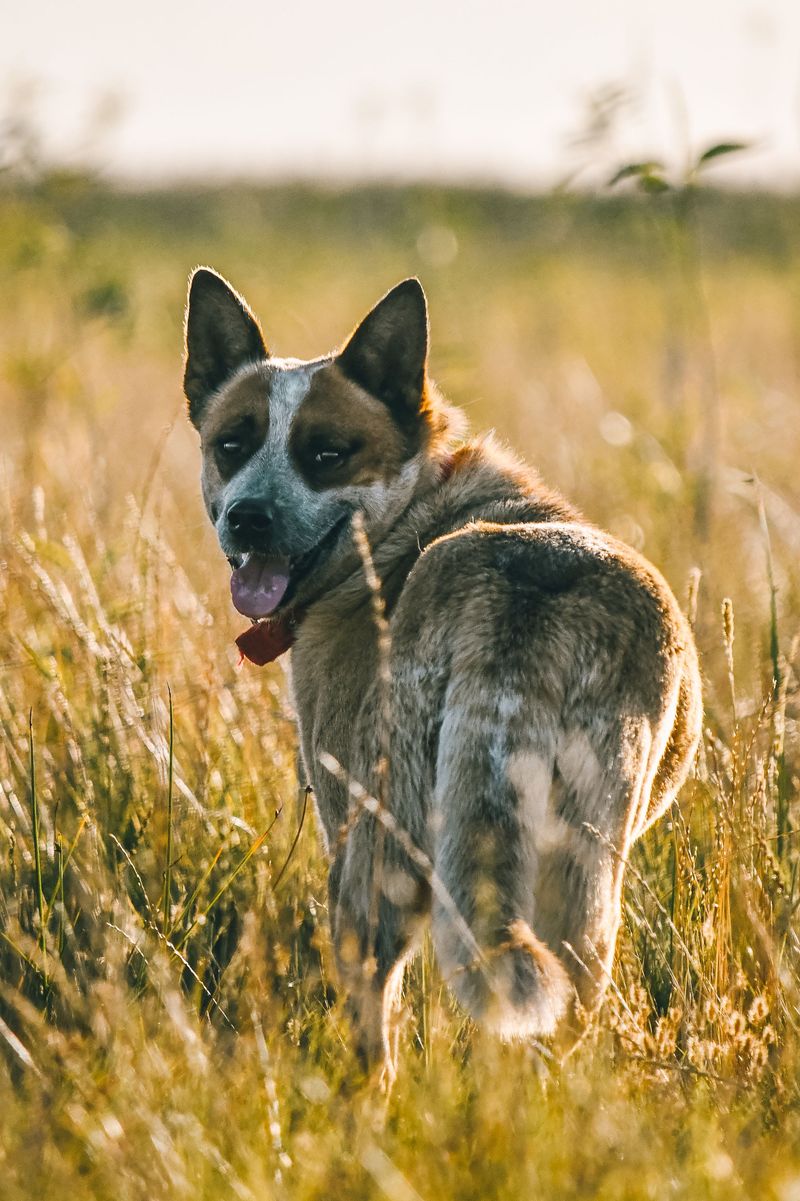
Born to work in the scorching Australian outback, the Australian Cattle Dog is practically made for heat. Its dense double coat acts like a shield, with the outer layer reflecting UV rays while the undercoat buffers against rising ground temperatures.
These dogs have serious stamina, but even they need limits on hot days. Schedule exercise before 9 a.m. or after 7 p.m.
Keep fresh, cool water available at all times, and watch for excessive panting after outdoor sessions.
2. Basenji
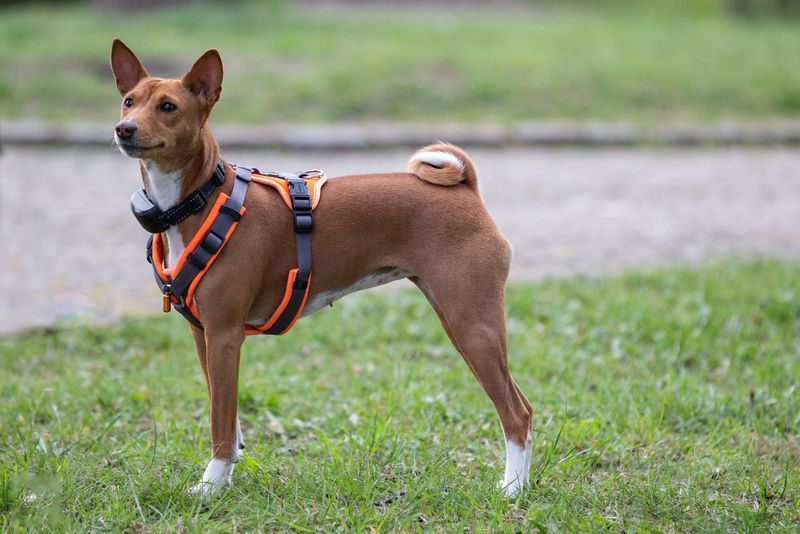
Originating from the forests and savannas of Central Africa, the Basenji is one of the world’s oldest breeds and a genuine heat specialist. Its short, fine coat lies flat against the body, allowing air to circulate close to the skin.
Those large, upright ears also help release body heat efficiently.
Known as the “barkless dog,” this breed is tidy and low-odor, almost cat-like in its grooming habits. Still, shade and fresh water are non-negotiable, even for a breed this well-adapted.
3. Smooth-Coat Chihuahua
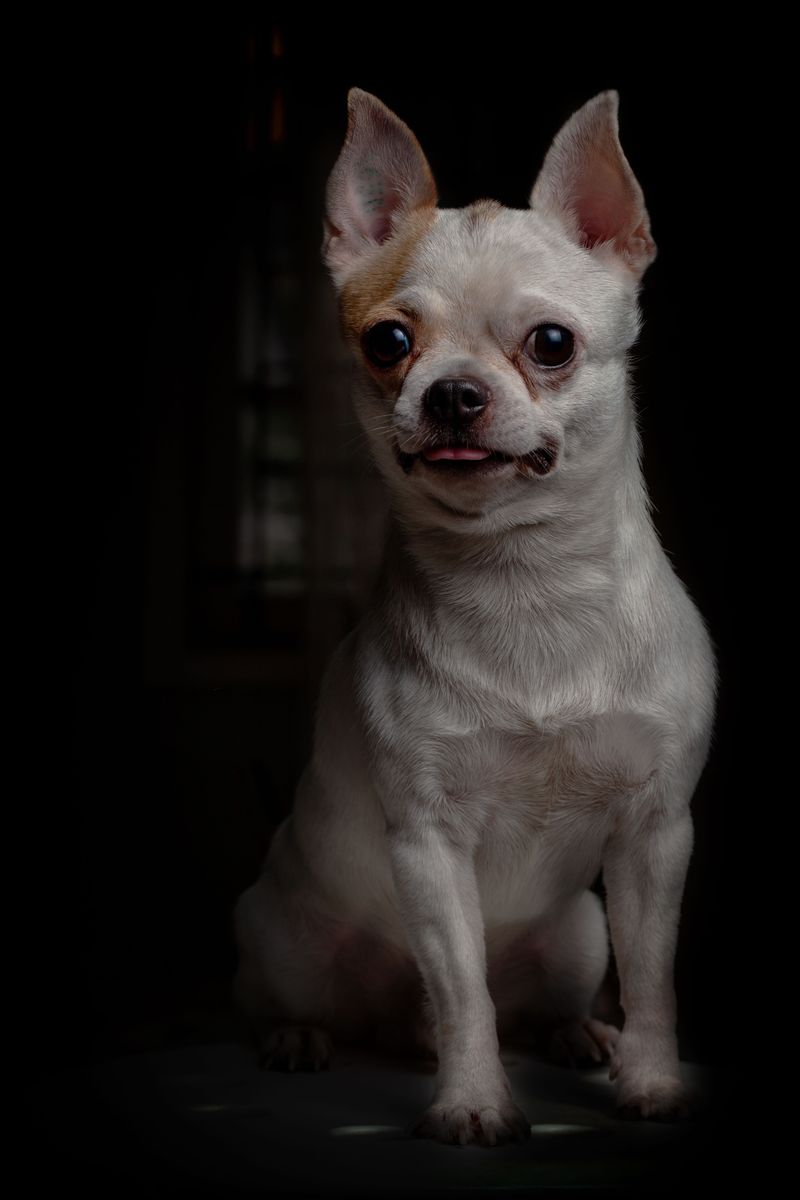
Mexico gave the world the Chihuahua, and that hot, arid origin shows in every inch of this tiny dog. The smooth coat is thin and close to the skin, which helps the body release heat quickly.
Their small frame also means less body mass to overheat.
That same small size comes with a catch: tiny bodies dehydrate faster. Always keep a water bowl within reach, limit midday outdoor time, and check paw pads regularly on hot concrete or asphalt.
4. Chinese Crested
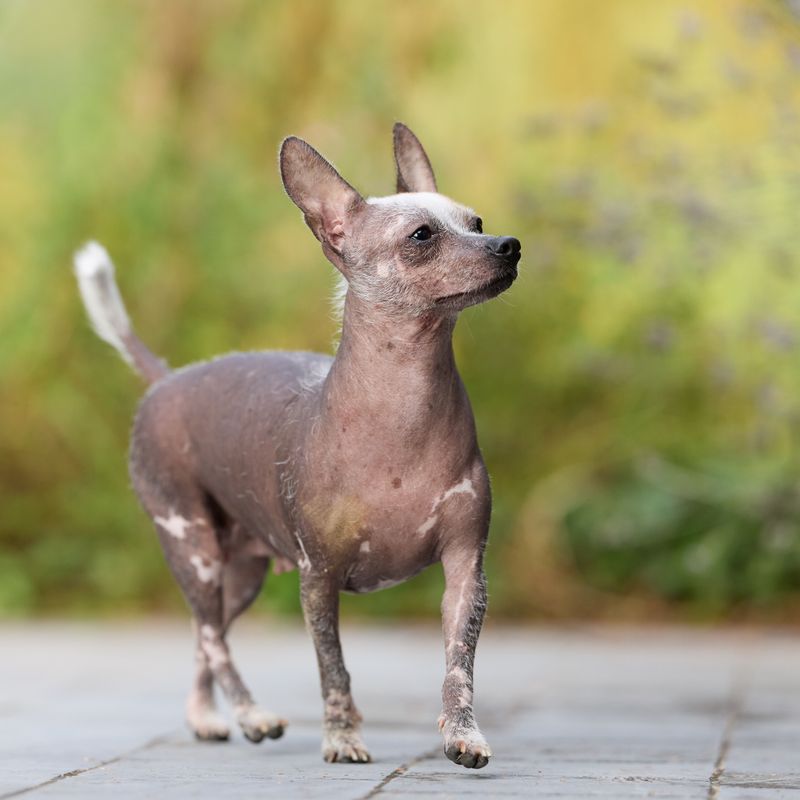
The hairless variety of the Chinese Crested has almost no coat to trap heat against the body. Warmth moves off the skin directly, which makes this breed surprisingly comfortable in hot conditions.
Their lean build and light weight add to that natural advantage.
Bare skin does come with responsibility. Apply a dog-safe sunscreen before any prolonged outdoor time, since sunburn is a real risk.
The Powderpuff variety, with its silky coat, handles heat less efficiently and needs extra monitoring on very hot days.
5. Dalmatian
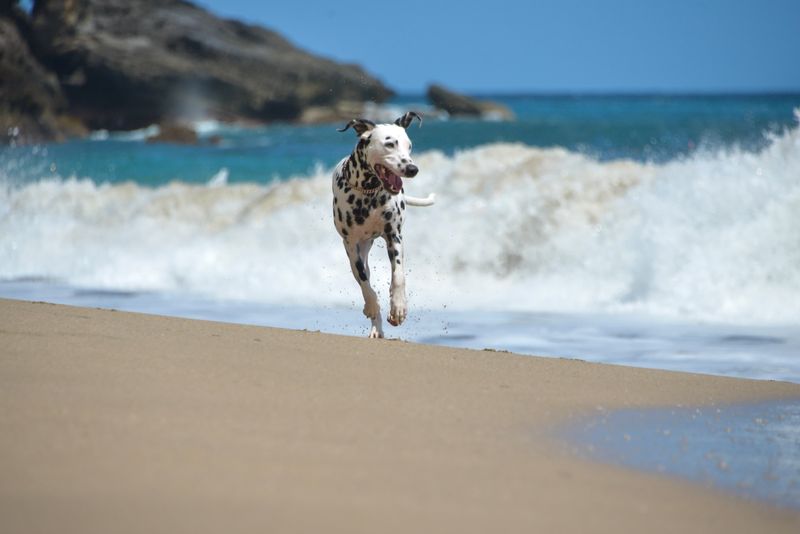
Dalmatians were bred to run alongside horse-drawn coaches for miles at a stretch, often in warm weather. That history shaped a dog with a lean, muscular frame, a short coat, and a body that manages exertion-related heat reasonably well.
The white base of their coat also reflects sunlight more than darker fur would.
High energy means these dogs need daily activity, but keep sessions to early morning or evening hours in summer. Hydration and shaded rest breaks matter just as much as the exercise itself.
6. German Shorthaired Pointer
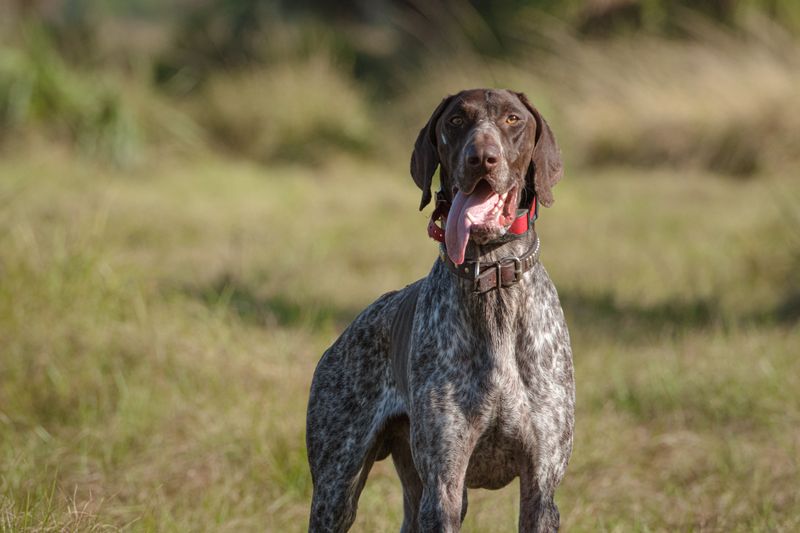
Built for long days of hunting across varied terrain, the German Shorthaired Pointer carries a short, dense, water-resistant coat that sheds heat better than longer-haired sporting breeds. Their streamlined body and long legs allow airflow around the torso during movement.
One thing to watch: GSPs love to push themselves and may not self-regulate well in extreme heat. Cooling vests or a damp bandana around the neck can help during outings.
Swimming is a great exercise option that keeps their core temperature in check.
7. Greyhound
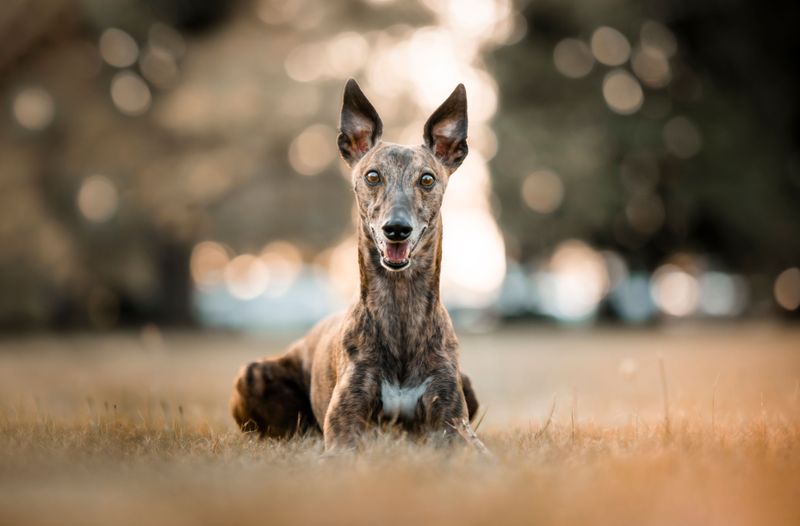
Few breeds look as aerodynamically designed as the Greyhound. Originating in ancient Egypt and the Middle East, this breed has almost no body fat and a paper-thin coat, which allows heat to escape the body rapidly.
Their long muzzle also helps them move air more efficiently when panting.
That same lack of insulation means Greyhounds need shade and water quickly after activity. They are sprinters, not marathon runners, so short bursts of exercise work better than long outings during Texas summers.
8. Great Dane
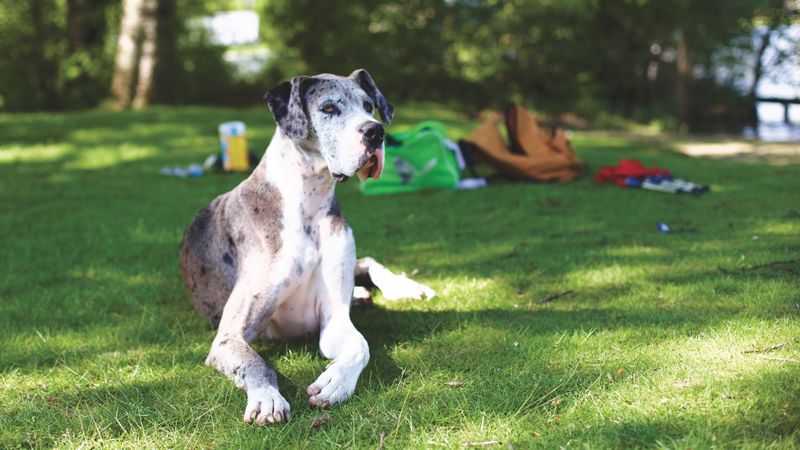
There is something almost regal about a Great Dane stretched out in the shade on a hot afternoon, completely unbothered. Their short, smooth coat does not trap heat, and their naturally calm, low-energy indoor temperament means they do not generate as much body heat through constant activity.
Darker-coated Danes absorb more sunlight, so lighter colors have a slight edge in direct sun. Regardless of color, make sure fresh water is always available.
Large bodies take longer to cool down once overheated.
9. Ibizan Hound
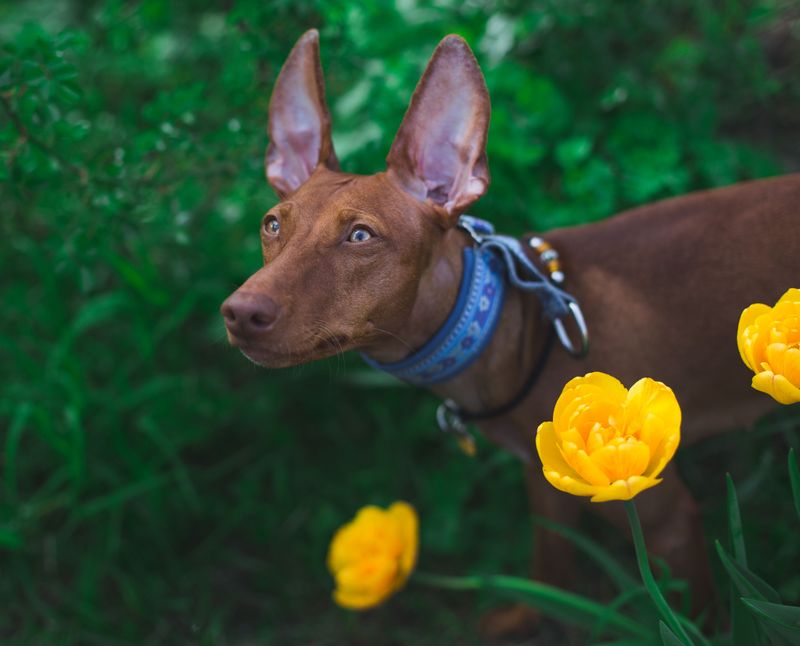
Bred on the sun-baked Mediterranean island of Ibiza, this hound is a study in elegant efficiency. Its lean frame carries very little excess body mass, the coat is short and light, and those enormous upright ears act like natural radiators, releasing heat away from the head.
Ibizan Hounds are athletic and love to jump, so a securely fenced yard is essential. Provide shaded rest areas and fresh water during outdoor play.
Even well-adapted breeds benefit from avoiding peak heat hours between 10 a.m. and 6 p.m.
10. Italian Greyhound
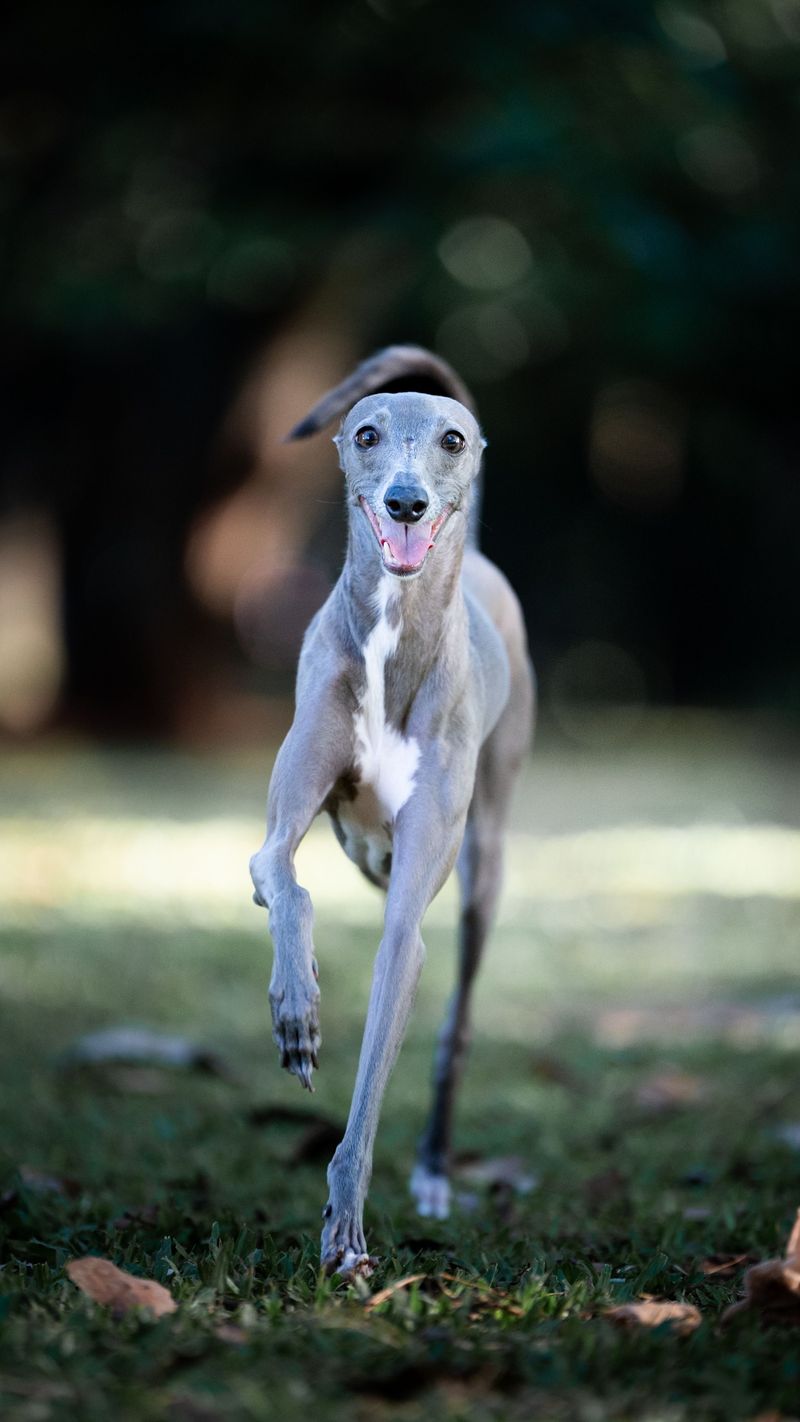
Think of the Italian Greyhound as the Greyhound’s more compact, apartment-friendly cousin. Its coat is so thin it barely qualifies as a coat at all, which means body heat escapes easily in warm weather.
Low shedding is a bonus for indoor living.
Sunburn is a genuine concern for this breed, especially on the ears and back. Apply dog-safe sunscreen for longer outdoor sessions.
Italian Greyhounds are moderately active, so adjusting walk times to cooler morning or evening hours is usually enough to keep them comfortable through summer.
11. Whippet
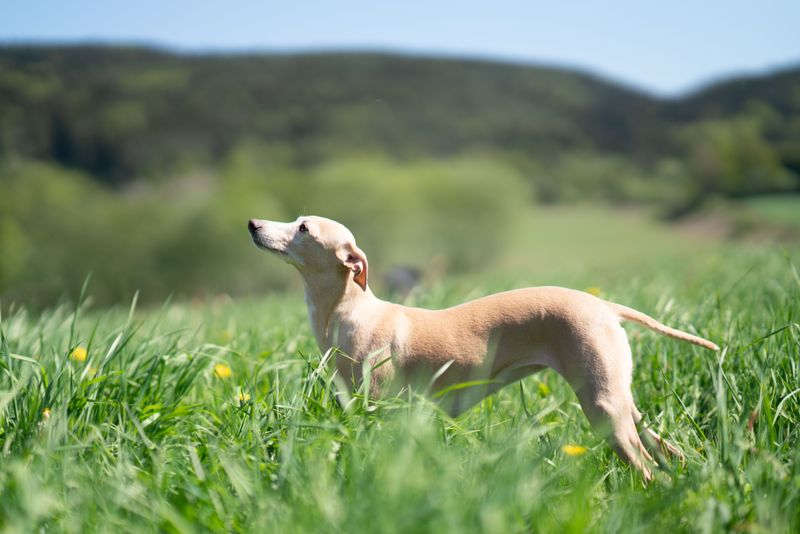
Whippets share the Greyhound’s racing heritage and heat-friendly build, but in a more manageable mid-size package. Their smooth, close-fitting coat offers minimal insulation, and their low body fat percentage helps heat escape the body efficiently.
Indoors, they tend to be calm and easygoing.
A securely fenced yard is a must, since Whippets can sprint at impressive speeds and need room to run safely. Keep outdoor bursts short during peak heat and always follow up with water and a cool resting spot.
12. Xoloitzcuintli
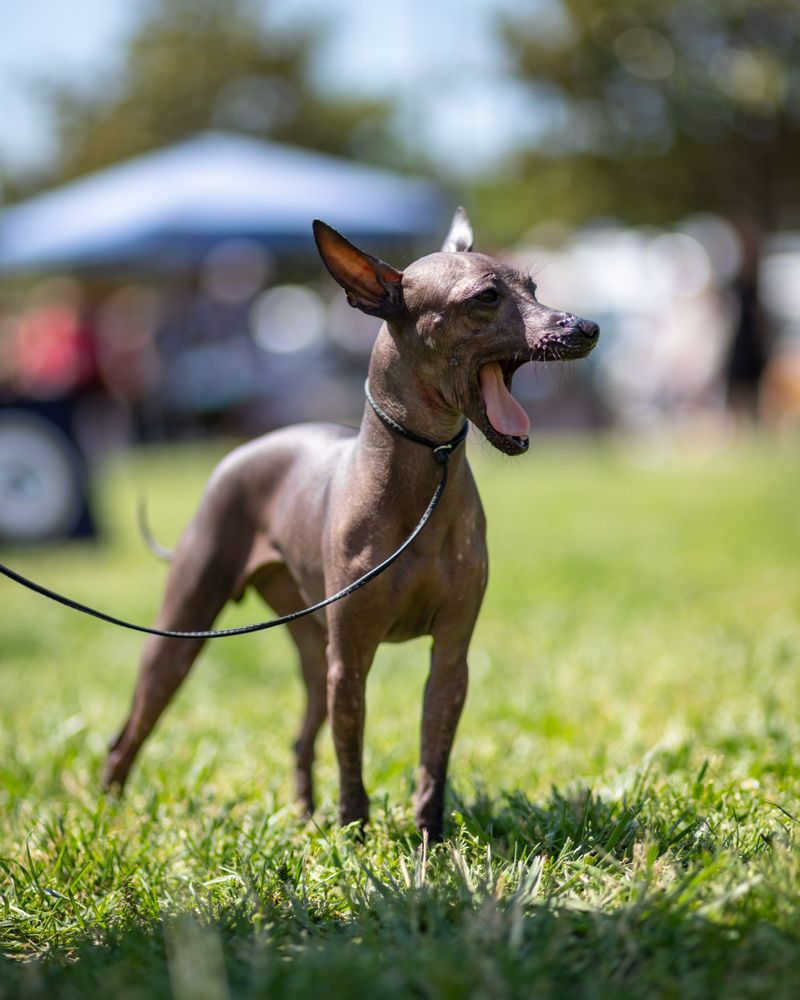
The Xoloitzcuintli, often called the Xolo, is one of the oldest and rarest breeds in the world, with roots stretching back thousands of years in Mexico. With little to no coat, body heat moves directly off the skin rather than getting trapped under fur.
Their large, upright ears add even more surface area for cooling.
Sunscreen is not optional for hairless Xolos spending time outdoors. Choose a product formulated for dogs and apply it before any sun exposure.
Coated varieties of the breed still need shade and water but are slightly more protected from UV rays.
13. Azawakh
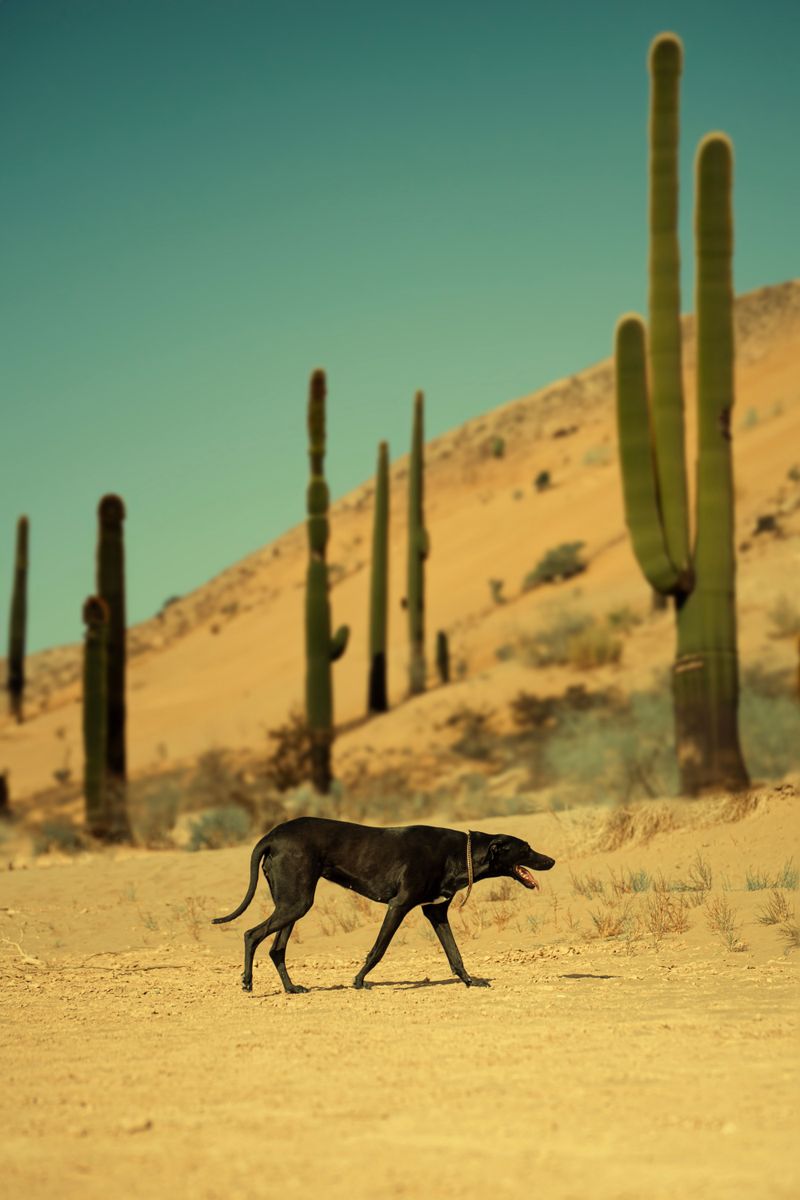
From the Sahara and Sahel regions of West Africa, the Azawakh was bred to hunt and guard in some of the hottest places on Earth. Its body is almost impossibly lean, with visible muscle definition and very little fat.
Thin skin sits close to the bone, allowing rapid heat transfer away from the core.
A healthy Azawakh typically shows a few ribs, which is normal for the breed. Despite their heat tolerance, always provide cooldown time after exercise.
These dogs do poorly in cold weather, so Texas is genuinely well-suited to them.
14. Saluki
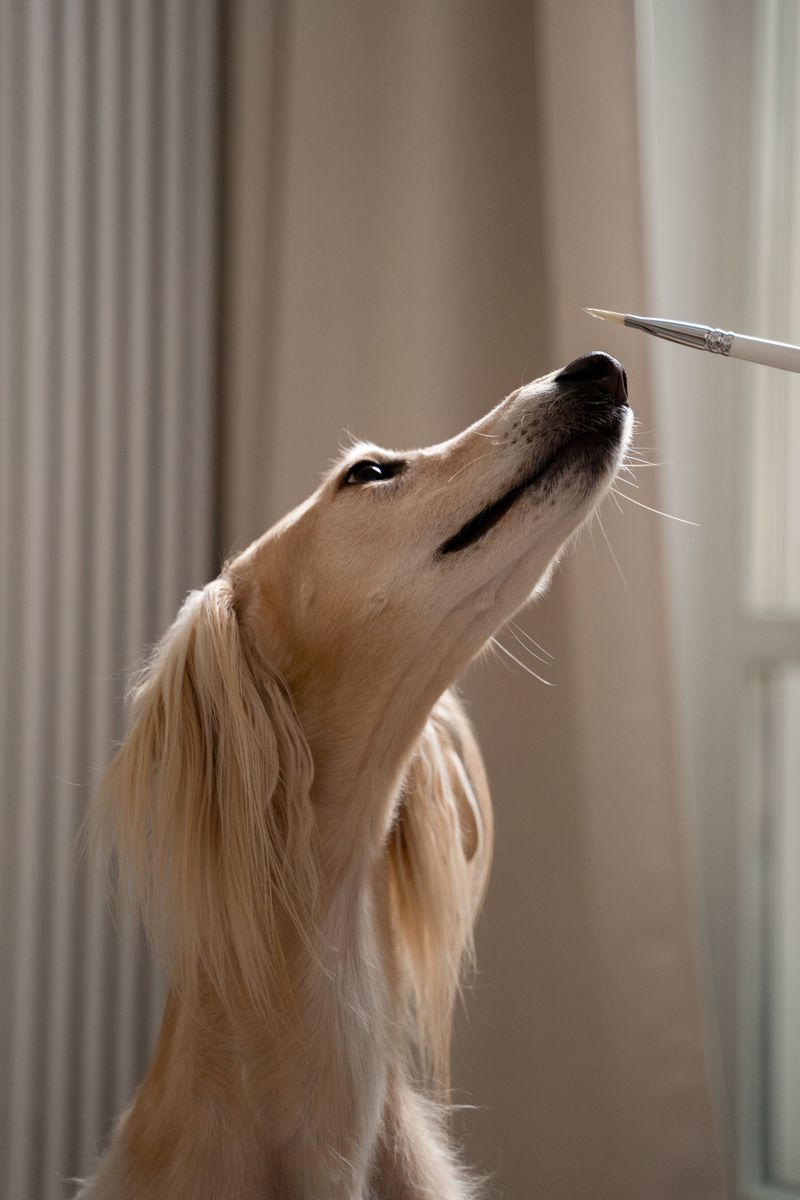
Ancient Egyptian carvings depict dogs that look remarkably like the Saluki, which tells you something about how long this breed has been outrunning the heat. Bred for desert hunting across the Middle East, the Saluki carries a smooth, silky coat that often lacks a dense undercoat entirely.
Less undercoat means less trapped heat.
Salukis are built for speed and endurance, but they prefer to spend downtime indoors with their people. Schedule runs for early morning, provide fresh water freely, and keep an eye on paw pads on hot pavement.
15. Rhodesian Ridgeback
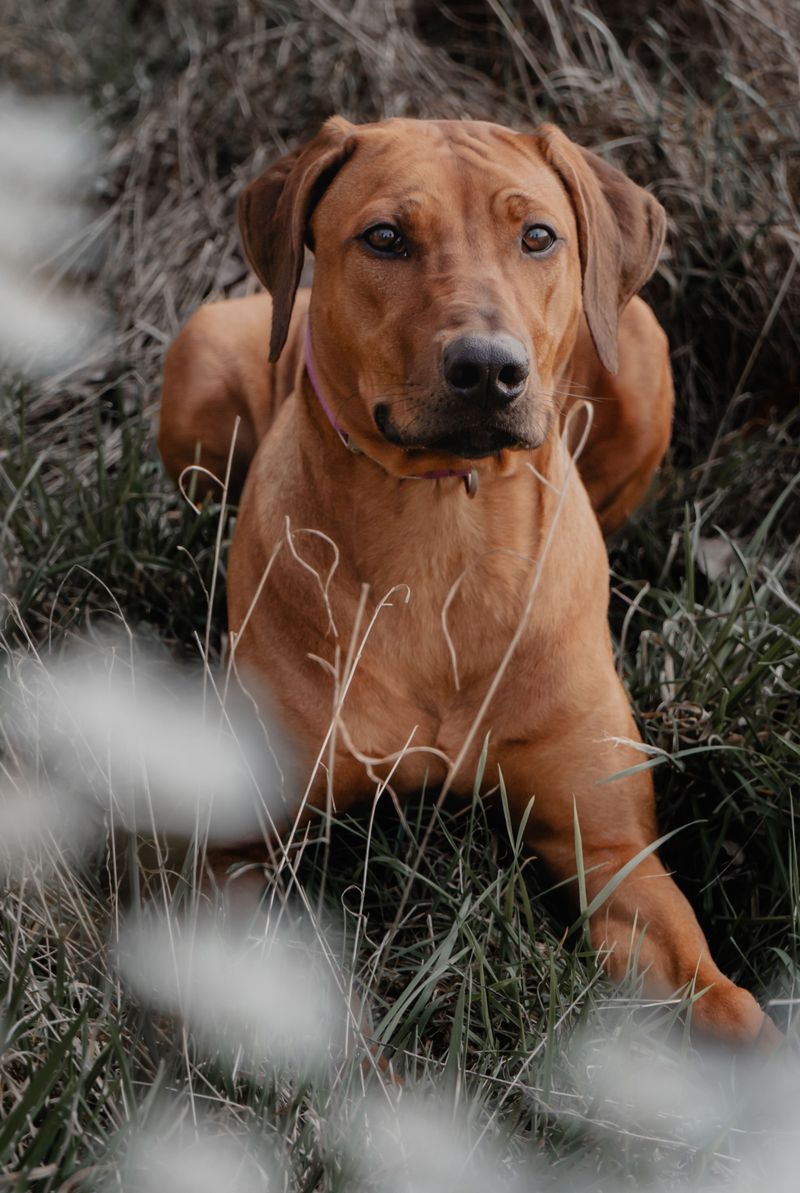
Originally developed in southern Africa to track game in extreme heat, the Rhodesian Ridgeback carries a short, dense coat and a powerful build designed for endurance in warm conditions. The distinctive ridge running along the spine is the breed’s most recognizable feature and a mark of its African heritage.
Some individual Ridgebacks can struggle when temperatures climb well above 80 degrees Fahrenheit combined with high humidity. Schedule walks for early morning or after sunset.
Avoid hot pavement, and watch for signs of fatigue more carefully on especially muggy Texas days.