The North Carolina Leash Rule Many Dog Owners Get Wrong
If you own a dog in North Carolina, you probably think you know the leash rules. You clip on the lead, head to the park, and feel like a responsible owner.
But a surprising number of NC dog owners are unknowingly breaking the law, not because they are careless, but because the rules are more layered than most people realize. This guide walks you through the key things every North Carolina dog owner should understand about leash laws, from statewide rules to local ordinances, so you can feel confident every time you head out the door with your pup.
There Is No Single Statewide Leash Law in North Carolina
Many owners assume one rule covers the whole state. That assumption can lead to real trouble.
North Carolina does not have one universal leash law that applies everywhere in public spaces.
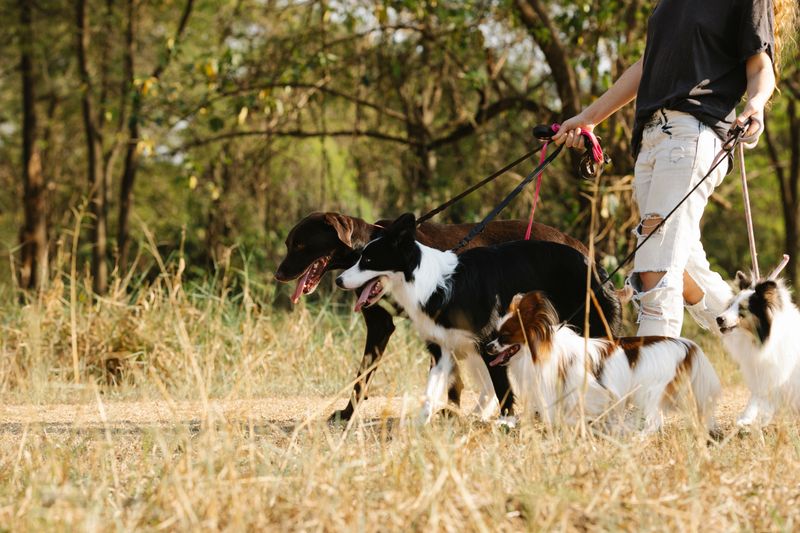
Instead, leash requirements are set by individual cities and counties. Raleigh, Charlotte, Craven County, and Nags Head each have their own rules.
What is legal in one town may be a violation a few miles away.
Always check your local ordinances before heading out.
The State Does Ban Dogs Running Loose at Night
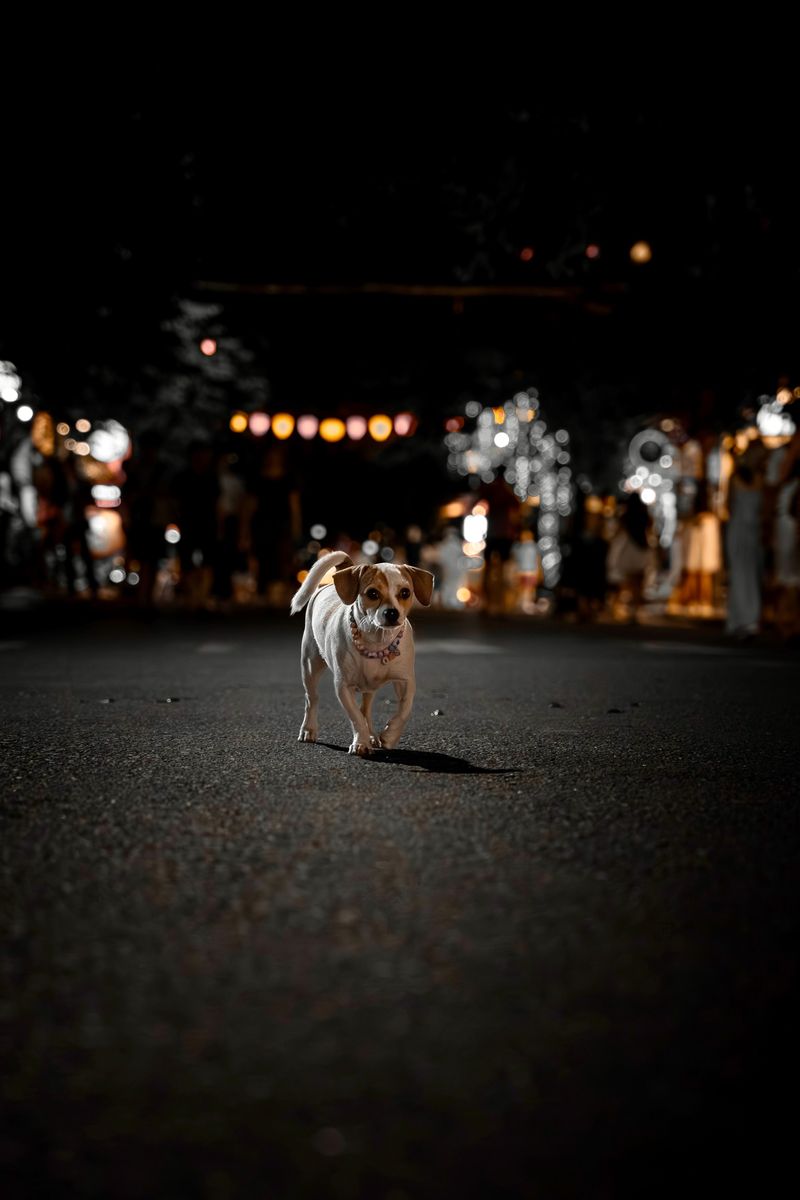
Here is a state rule that catches many owners off guard. North Carolina law prohibits any dog over six months old from running loose at night.
This applies across the entire state, not just in certain cities.
Breaking this law is classified as a Class 3 misdemeanor. That means it carries real legal weight, not just a small fine.
If your dog slips out after dark, getting them back inside quickly is not just good practice. It is the law.
Leash Length Actually Matters More Than You Think
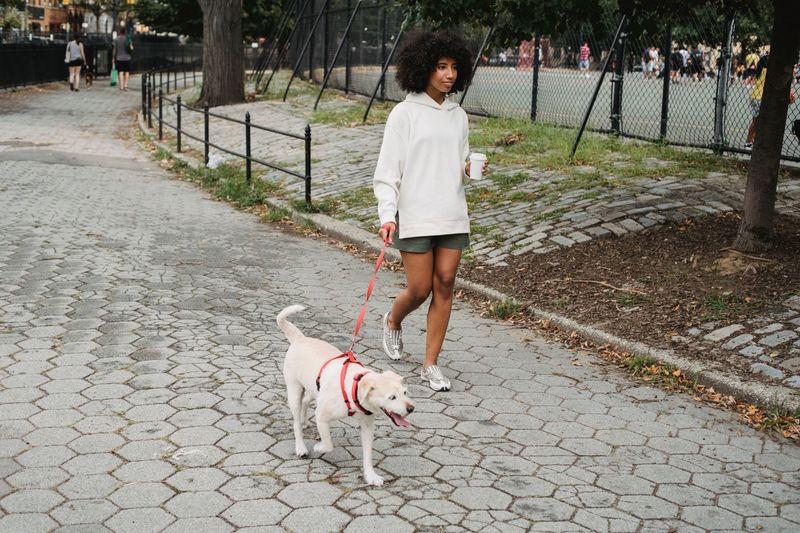
Plenty of owners use a long retractable leash and feel they are following the rules. But leash length is regulated in many North Carolina locations, and the limit is often shorter than you expect.
Raleigh requires a maximum of six feet. Nags Head allows up to ten feet.
All North Carolina State Parks enforce a six-foot leash rule strictly.
Using an extra-long leash in a regulated area can still count as a violation, so check the specific limit for your location.
Holding a Leash Without Attaching It Does Not Count
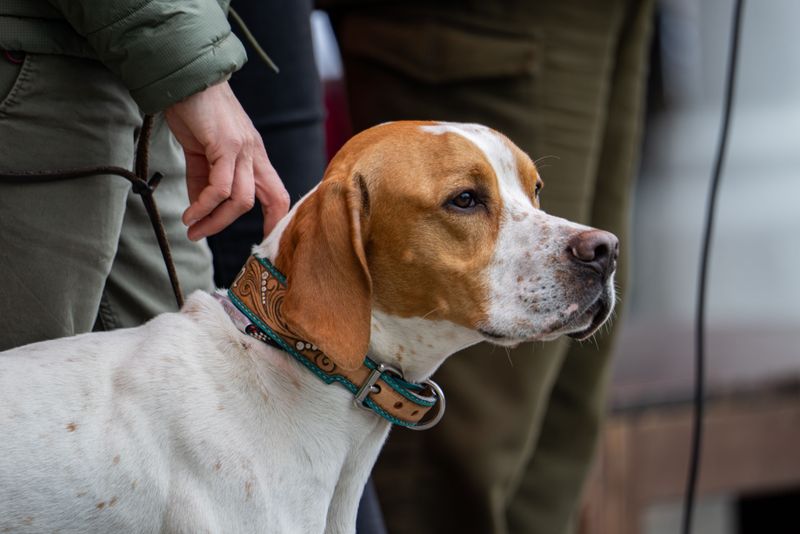
You might be surprised how often this comes up. Some owners carry a leash but leave it unclipped, assuming their dog’s calm behavior is enough.
Local ordinances in many NC jurisdictions say otherwise.
Being “under control” legally means the leash must be physically attached to the dog. Holding it in your hand without clipping it on does not satisfy the requirement.
Animal control officers have the authority to cite owners in this situation, so keep it clipped.
Off-Leash Areas Are Limited and Specific
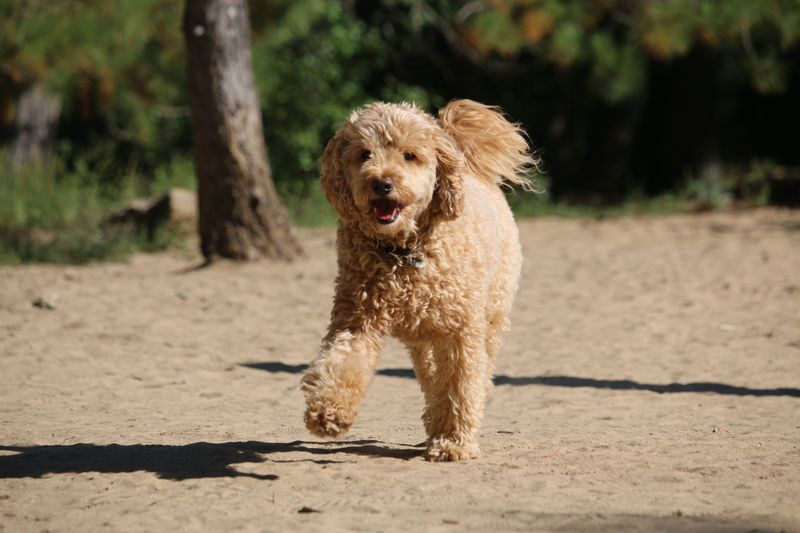
Off-leash time is great for dogs, but the locations where it is legally permitted are narrower than many people assume. In North Carolina, dogs are generally allowed off-leash only on their owner’s private property or inside designated off-leash dog parks.
Public parks, sidewalks, and streets almost always require a leash, even if the area seems open and relaxed.
Before letting your dog run free anywhere, confirm the space is officially designated for off-leash use by your city or county.
Fines and Penalties Vary Widely by Location
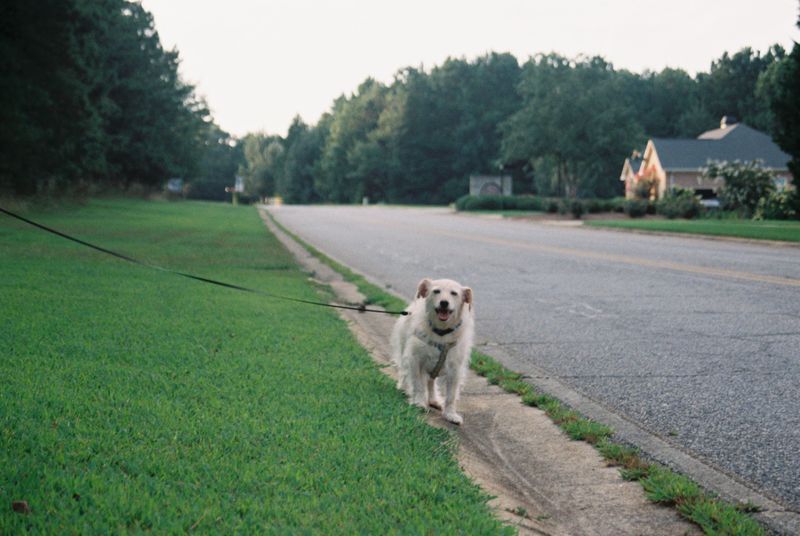
Leash law violations do not carry a flat penalty across North Carolina. Fines depend entirely on where you are and how many times you have been cited.
In Charlotte, a first offense may cost around $50, while repeat violations can reach $500. Persistent violations in some jurisdictions can lead to the animal being seized.
Knowing the penalty scale in your specific area gives you a clearer picture of what is at stake when rules are not followed.
Strict Liability Applies If Your Off-Leash Dog Bites Someone
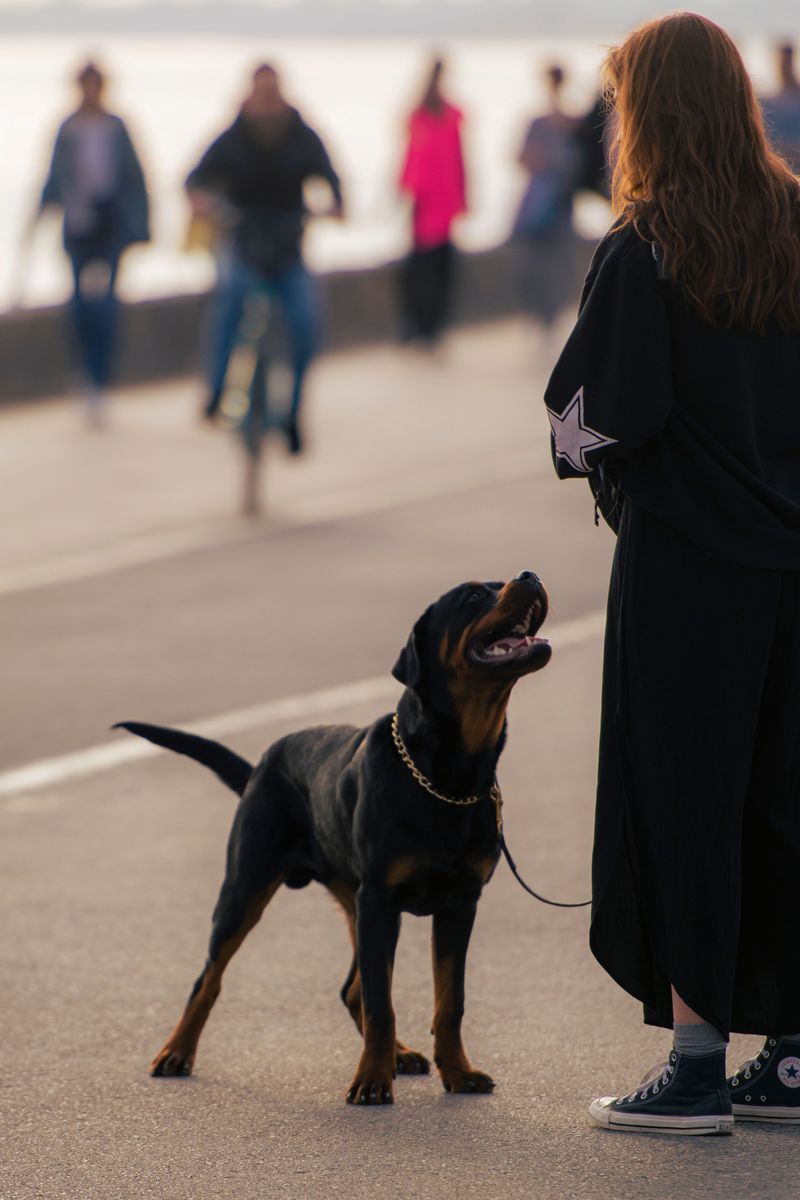
Owner liability is one of the most serious parts of leash law that people overlook. If your dog bites someone while off-leash or improperly restrained, North Carolina law may hold you strictly liable for any injuries caused.
Strict liability means you can be held responsible even if you had no reason to believe your dog would bite. Prior good behavior is not a legal shield.
Keeping your dog properly leashed is one of the simplest ways to protect both your pet and yourself legally.
Trails, Parks, and Federal Lands Have Their Own Rules Too
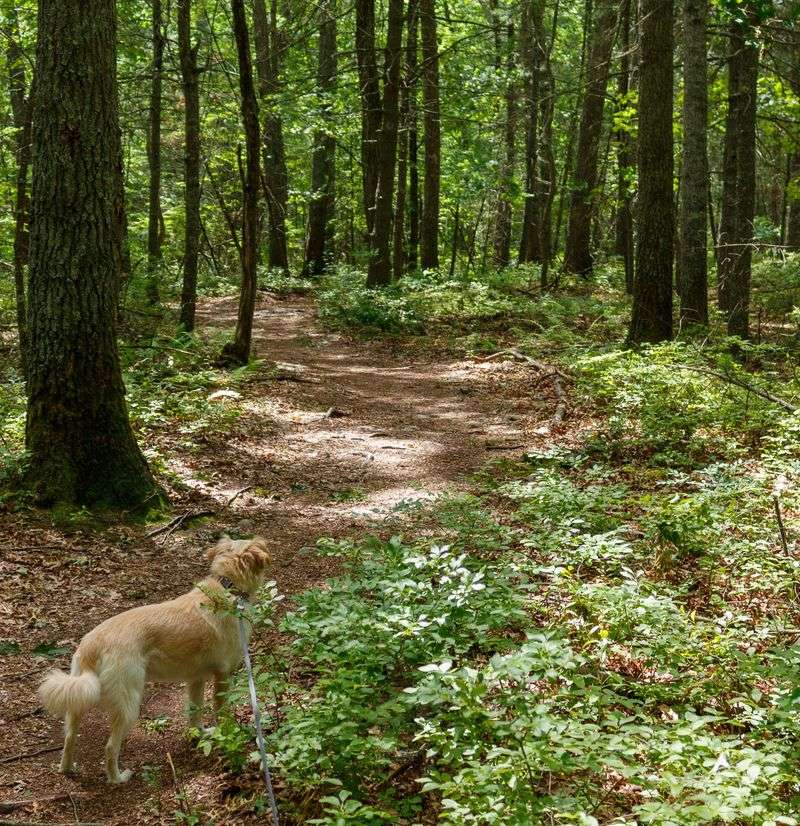
State and federal outdoor spaces in North Carolina follow their own leash standards, separate from city or county rules. All NC State Parks require a six-foot leash at all times.
The Blue Ridge Parkway enforces the same limit on all Parkway property.
In Pisgah and Nantahala National Forests, dogs must be leashed or under physical control in developed recreation areas. The Great Smoky Mountains National Park allows leashed dogs in campgrounds and picnic areas but restricts them from most hiking trails.
Always research the specific rules before visiting any outdoor destination with your dog.