What A California Pet Sitter Needs To Know Before Taking Over During Fire Season
Leaving your dog with a sitter during California fire season takes a little extra planning, but preparation can bring real peace. Your sitter needs more than feeding times and a favorite walking route when smoke or evacuation alerts change the day.
A clear handoff helps them make safe choices, reach the right people, and keep your dog comfortable. Before you leave, walk through these practical details together so everyone knows what to do.
1. Understand the Home’s Fire Evacuation Plan
A familiar front door can feel different when an alert arrives. Walk your sitter through every exit before the stay begins.
Show where leashes, keys, shoes, and emergency bags belong.
Write down who handles each pet and where everyone should meet. Include instructions for opening gates and garage doors without electricity.
Practice getting your dog outside calmly, then into the vehicle. Keep the written plan somewhere obvious, with a copy available on the sitter’s phone too.
2. Know the Difference Between Fire Warnings and Evacuation Orders

Alert wording tells your sitter how quickly to act. In California, an evacuation warning means a potential threat exists.
People needing extra time, including those moving animals, should consider leaving early.
An evacuation order means an immediate threat requires leaving now. Review your county’s official definitions because local messaging can vary.
Never treat a warning as permission to delay preparation. Agree beforehand that official instructions take priority over errands, routines, or waiting for another owner reply.
3. Keep the Dog’s Evacuation Supplies Together

One ready bag saves a lot of searching. Pack several days of food, drinking water, bowls, waste bags, and familiar bedding.
Add a spare leash, harness, and any prescribed medicines.
Ask your veterinarian how much medication to keep available and how to store it safely. Include feeding directions and copies of vaccination records.
Keep supplies near the exit, away from heat. Your sitter should check expiration dates and know which everyday items need adding before departure.
4. Check That Identification and Microchip Details Are Current
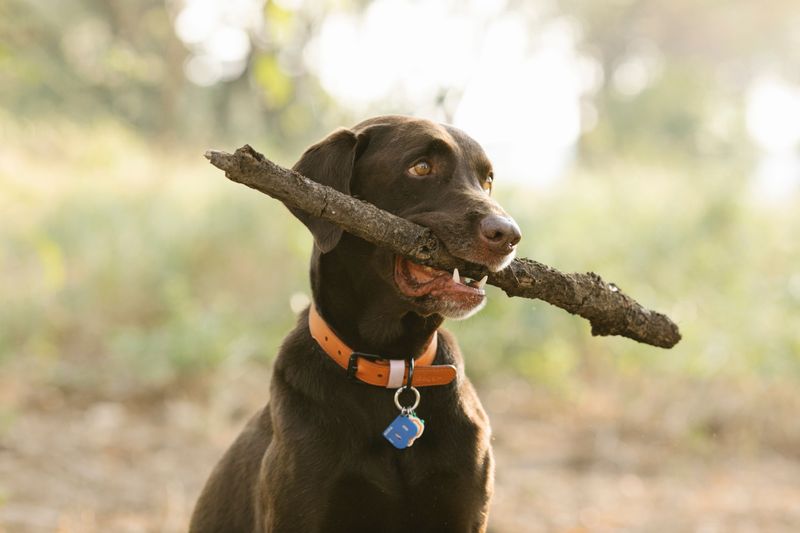
A collar tag works only when its information helps someone reach you. Check that your dog’s tag shows a working phone number.
Add the sitter’s temporary contact information if appropriate.
Confirm your microchip registration directly with the registry, not just your veterinary clinic. A microchip is not a tracking device.
Make sure your sitter knows the chip number and registry contact. Photograph the collar and tag before leaving, and check that the collar fits securely today.
5. Learn How to Use the Dog’s Carrier or Crate
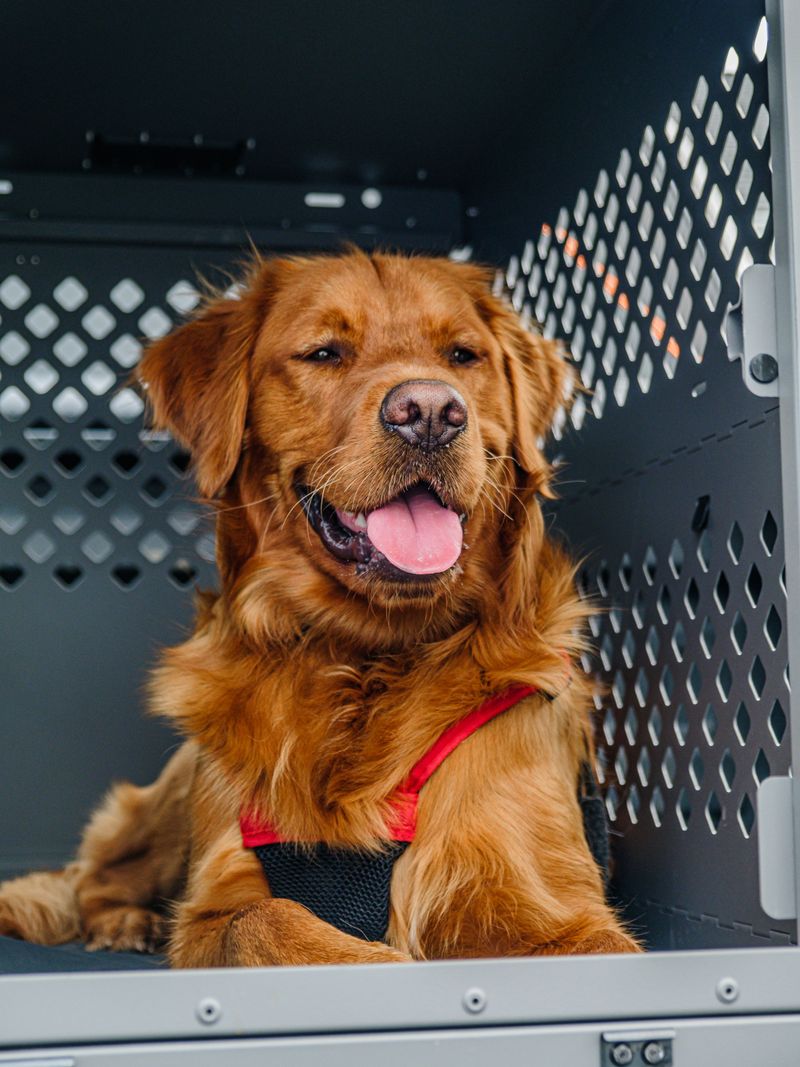
Practice beats wrestling with unfamiliar latches during a rushed departure. Let your sitter open, close, and carry the empty crate first.
Then rehearse calm entry with treats your dog already tolerates.
The carrier should allow comfortable standing, turning, and lying down. Show how it fits securely in the vehicle according to manufacturer instructions.
Never leave your dog unattended inside a parked car. If loading is difficult, arrange professional guidance before your trip rather than improvising later.
6. Save Important Emergency Contacts
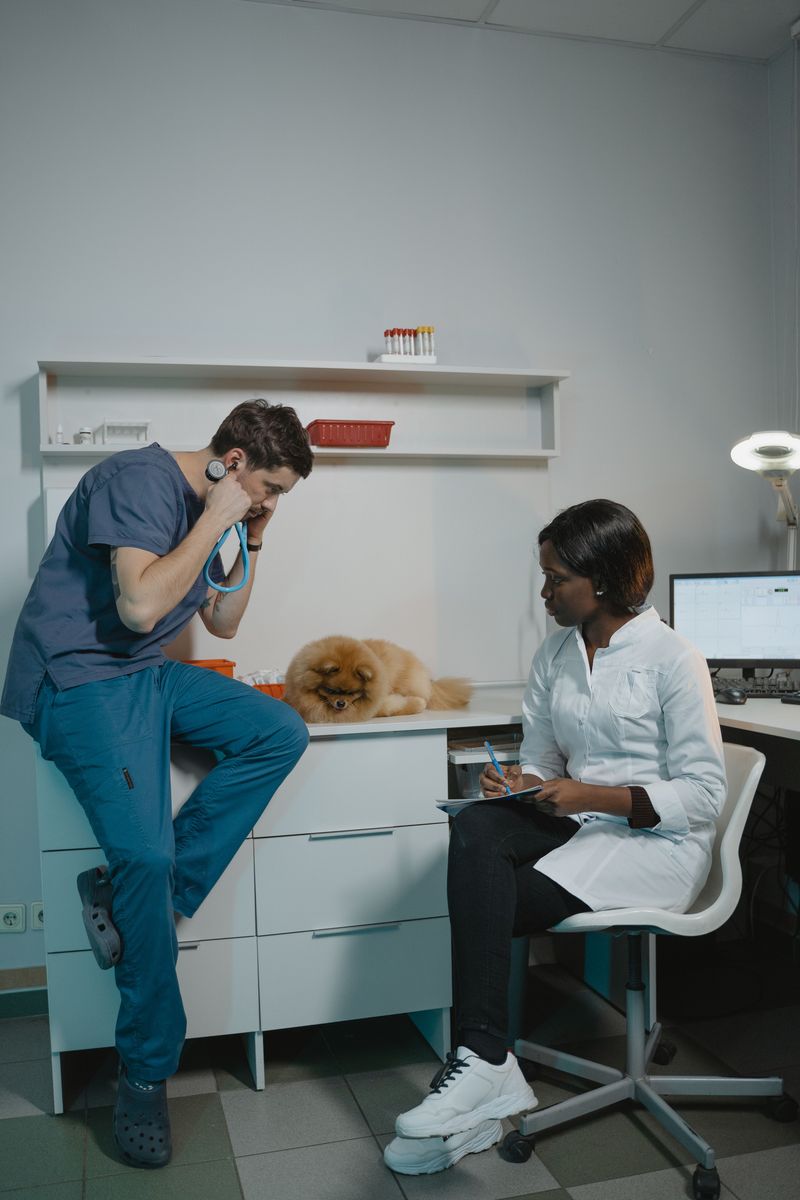
Phone numbers should be ready before anyone needs them. List your regular veterinarian, a nearby emergency clinic, local animal control, and backup caregivers.
Include your number and another trusted contact.
Explain who can approve treatment if you cannot answer. Ask your veterinary clinic about its authorization and payment requirements beforehand.
Save contacts on the sitter’s phone and print a copy. For immediate threats to people or an active emergency, call 911 rather than relying on messages.
7. Monitor Local Wildfire Alerts Throughout the Day
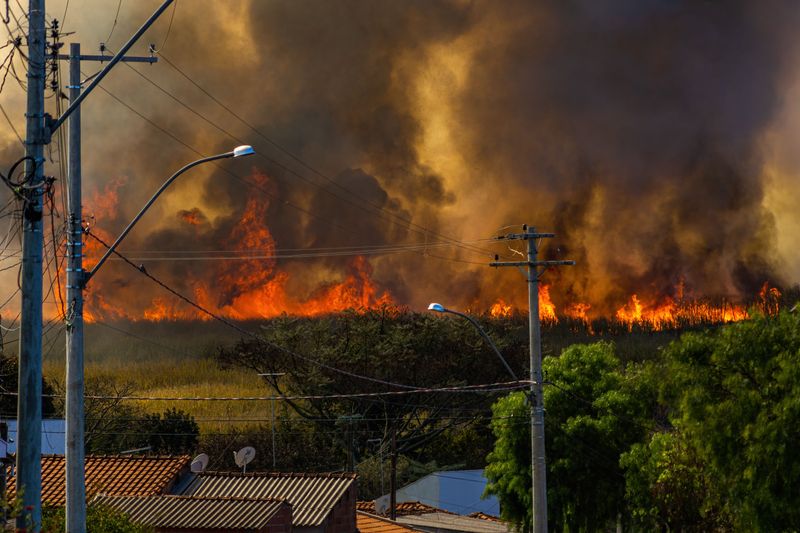
Conditions can change between breakfast and the afternoon walk. Have your sitter enroll in your county’s official emergency notification system.
Confirm the correct address and any local evacuation zone number.
Keep phone alerts enabled and check official updates throughout the day. CAL FIRE provides incident information, while local authorities issue evacuation instructions.
Social posts can offer clues, but rumors spread quickly. Crosscheck concerning information with official sources, and increase monitoring when nearby conditions begin changing noticeably.
8. Know Which Evacuation Routes Are Available
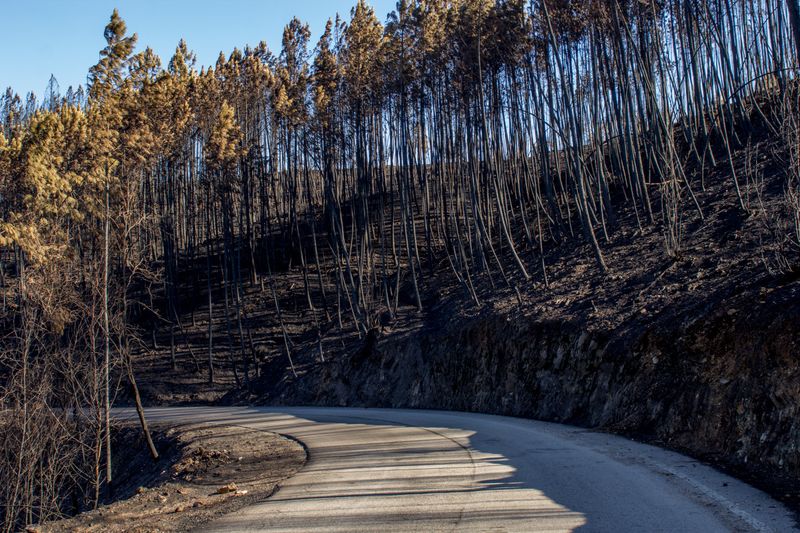
Your usual shortcut may not be available during a fire. Review at least two possible routes with your sitter before leaving.
Point out narrow roads, locked gates, and confusing intersections.
Download maps for offline use and leave a paper backup. Check official road closures before travel, including Caltrans information for state highways.
Follow directions from emergency personnel instead of navigation shortcuts. Keep enough fuel or battery charge available, and never drive through a closed road or barricade.
9. Recognize When Smoke Makes Outdoor Walks Unsafe

Smoky air calls for a different kind of dog day. Check AirNow and local air district guidance before heading outside.
Visible haze or smoke odor also deserves attention, even between updates.
Shorten bathroom trips and skip running when air quality is poor. Human air ratings are useful signals, not individual veterinary limits.
Dogs with breathing or heart conditions may need stricter precautions. Offer indoor games instead, and ask your veterinarian for guidance tailored to your dog’s needs.
10. Watch for Signs of Smoke Exposure
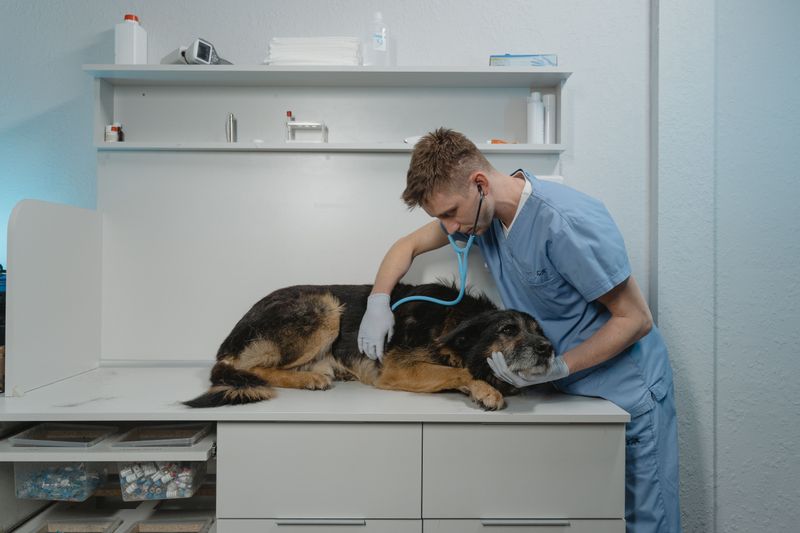
A new cough deserves more attention during smoky weather. Tell your sitter to watch for watery eyes, unusual tiredness, coughing, or changes in breathing.
Move your dog into cleaner indoor air.
Call a veterinarian promptly about symptoms, especially when your dog already has medical conditions. Labored breathing, collapse, or pale or bluish gums require immediate emergency veterinary care.
Never give human medicines or fit improvised masks. Share when symptoms started and what smoke exposure may have occurred.
11. Adjust Walks When Temperatures and Conditions Become Dangerous
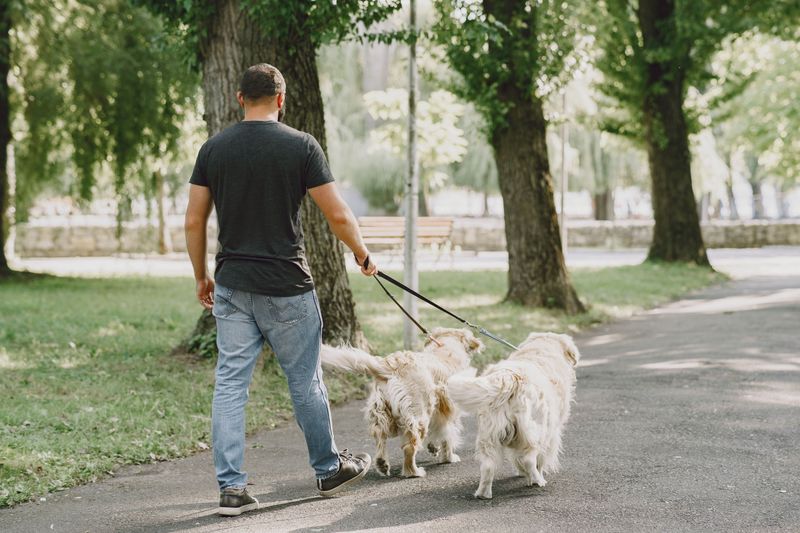
Clear skies do not always mean comfortable walking weather. California heat can make sidewalks hot and exercise harder for dogs.
Plan shorter outings during cooler hours when air quality allows.
Choose shade, carry water, and avoid hot pavement. Heavy panting, drooling, weakness, or confusion means stopping activity and seeking veterinary advice promptly.
Move to a cooler area while arranging help. Never force a walk to meet a schedule, and never rely on an open window for cooling.
12. Prevent Accidental Access to Fire Hazards
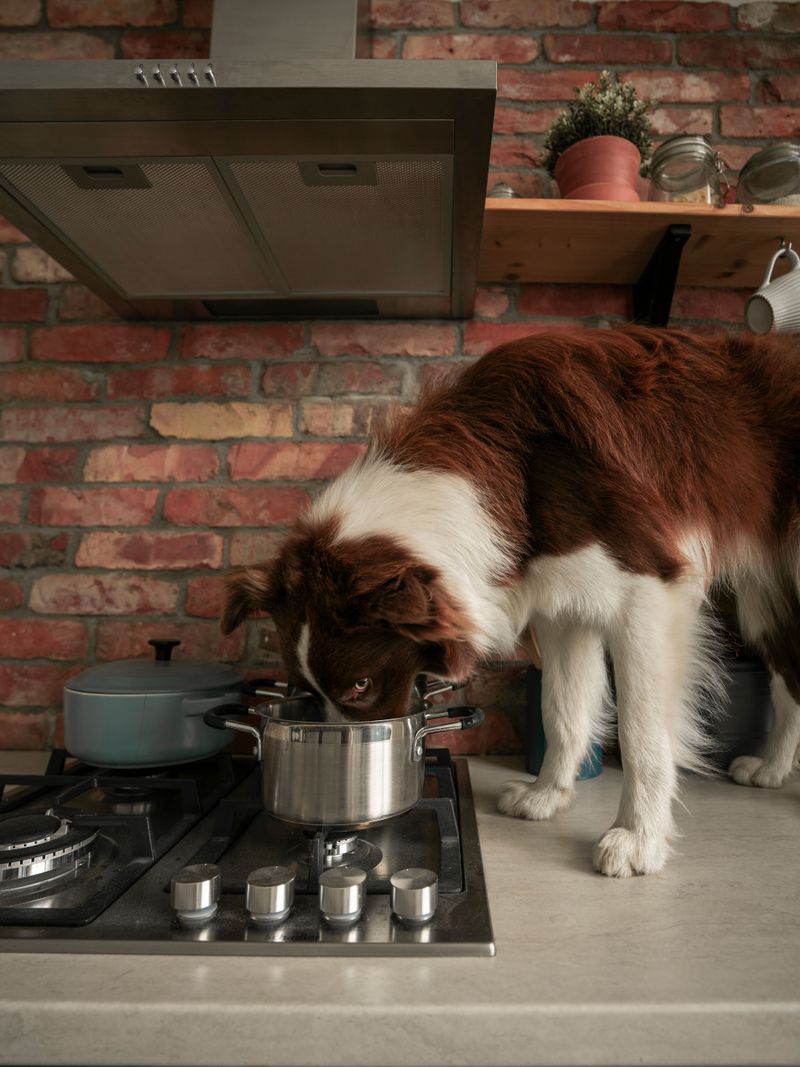
Curious noses can reach places owners barely notice anymore. Show your sitter how to block access to stoves, fireplaces, heaters, and outdoor cooking areas.
Put matches and lighters out of reach.
Check that smoke alarms work before the stay begins. Explain any appliances that should remain unplugged while unattended.
Follow local restrictions on outdoor flames, which change with conditions. Keep doors and gates secure during loading, so your dog cannot slip outside while supplies move between rooms.
13. Know Where Dogs Can Go During an Evacuation
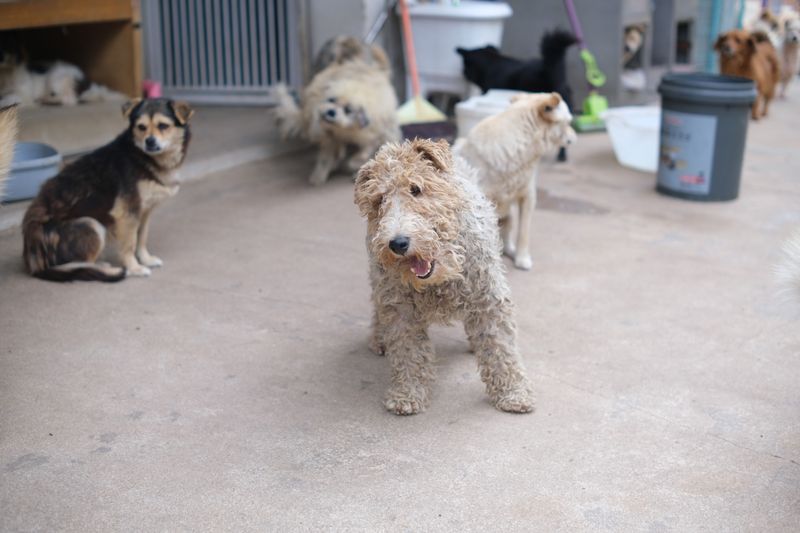
A safe destination needs to welcome your dog, too. Identify friends, boarding facilities, and hotels outside likely evacuation areas.
Confirm pet policies, available space, and any vaccination requirements before departure.
Public shelter arrangements vary by location and incident. Some provide nearby animal sheltering rather than allowing pets inside sleeping areas.
Ask local emergency management or animal services for current options. Do not assume a hotel must accept pets during an emergency.
Save several alternatives and their addresses.
14. Prepare for Power and Communication Outages
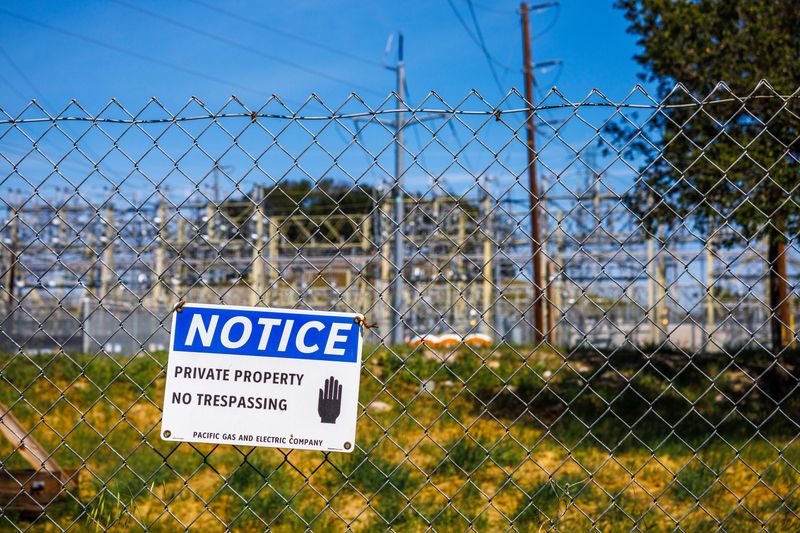
Electricity may disappear even when flames are far away. Utilities sometimes shut off power during dangerous fire weather.
Show your sitter where flashlights, charged power banks, and backup water are stored.
Explain manual garage operation and any powered gates. Plan for refrigerated medicines with your veterinarian’s storage guidance.
Agree on backup contacts if calls fail, and try brief texts when networks struggle. Never run generators indoors or near openings, and leave if indoor heat becomes unsafe.
15. Keep the Dog Calm During Sudden Changes

Your dog may notice rushed movements before understanding anything else. Give the sitter a simple comfort plan with familiar cues, feeding times, and favorite rewards.
Pack bedding that smells like home.
Use a quiet voice and reward small steps, such as approaching the carrier. Avoid punishment when stress causes hesitation or accidents.
Discuss prescribed anxiety medicine with your veterinarian before travel, including clear written instructions. Keep handling gentle, but never delay necessary evacuation while waiting for calm.
16. Take Photos and Record Important Pet Details
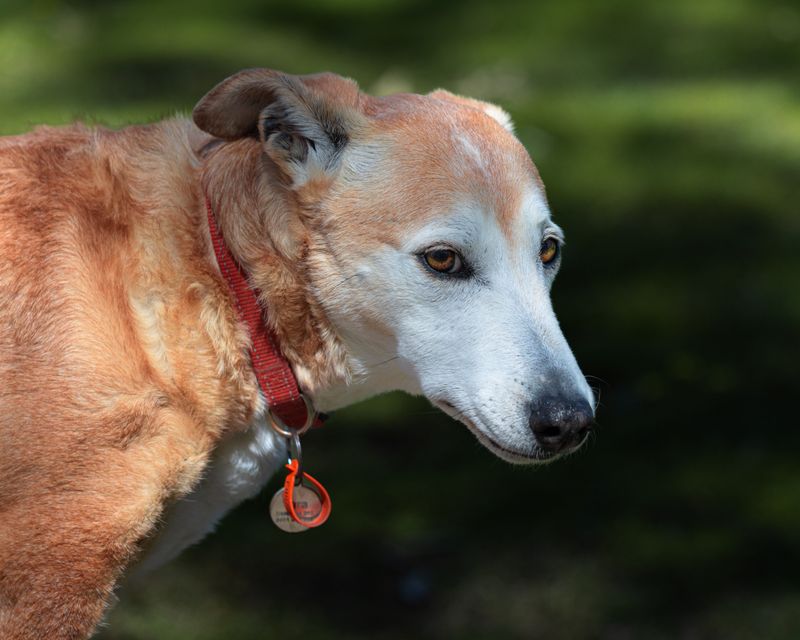
A clear photo can answer questions faster than a description. Take recent pictures showing your dog’s face, body, and special markings.
Include one photo with you to help document your connection.
Write down age, weight, medical conditions, medications, and behavior concerns. Store copies with vaccination records in the evacuation bag and on the sitter’s phone.
Keep sensitive documents protected while allowing emergency access. Update details whenever treatment changes, and include instructions for handling your dog around unfamiliar animals.
17. Understand When to Leave Without Waiting for the Owner
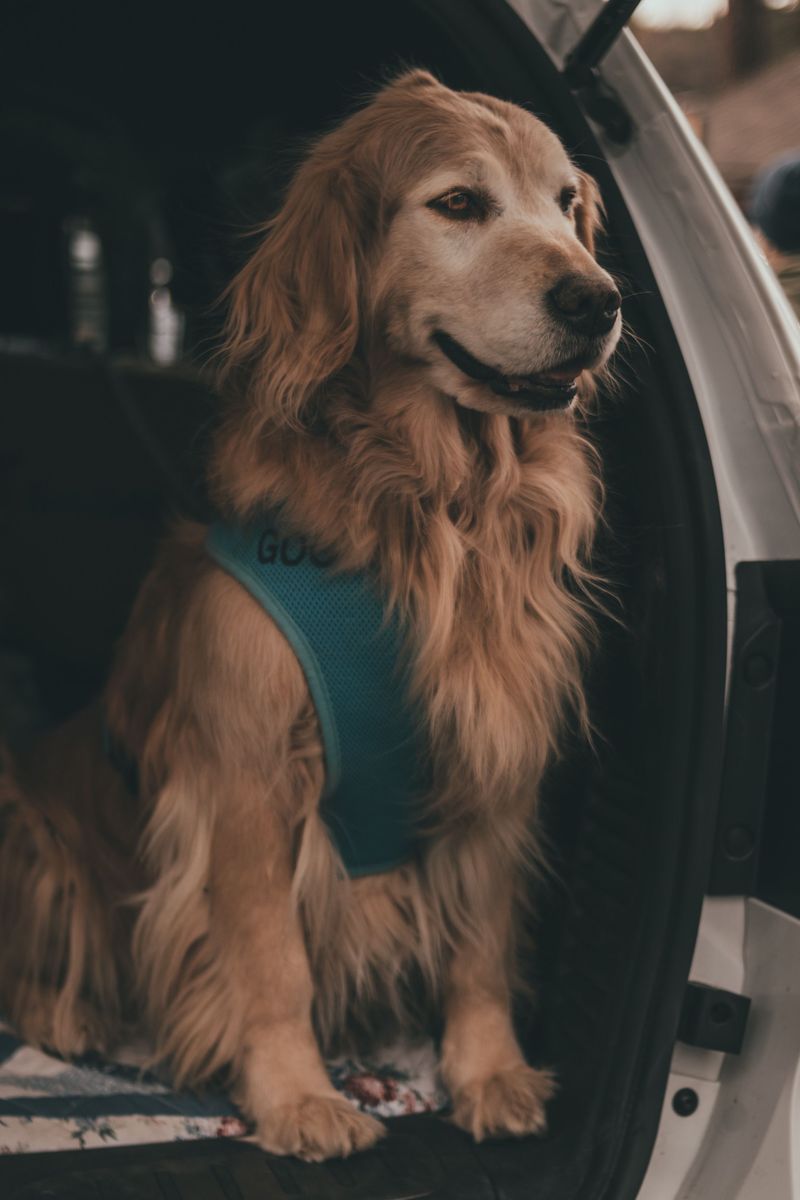
Permission should never be the missing piece during an evacuation. Give your sitter written authority to leave with your dog when officials order evacuation.
Agree on earlier triggers for leaving safely.
Those triggers might include an evacuation warning, difficult loading, or limited transportation options. Make clear that unanswered calls must not delay departure.
The sitter should follow official routes and avoid returning until authorities allow access. Arrange backup transportation beforehand if the sitter cannot reliably move every animal.
18. Give the Owner Updates During Changing Fire Conditions

A brief message can bring welcome peace of mind. Agree on routine check times and what changes require immediate updates.
Useful messages include your dog’s condition, current location, and next destination.
Ask the sitter to contact you after reaching safety, never while driving or delaying departure. Share a backup contact if service becomes unreliable.
Keep communication focused on confirmed facts rather than guesses. A clear plan, a ready bag, and calm updates make the handoff feel manageable.