15 Dog Ownership Rules That Surprise People Who Move to Colorado

Moving to Colorado with your dog is exciting, but the state has some rules that catch even experienced pet owners off guard.
From city-specific limits to statewide housing protections, knowing the laws ahead of time can save you real headaches. Colorado is genuinely dog-friendly, and most of these rules exist to keep pets and communities happy together.
Think of this as a friendly heads-up from someone who wants your transition to go smoothly.
1. Pet Deposits Are Capped Statewide

Handing over a large pet deposit used to feel like a gamble for renters with dogs. Colorado law now sets a firm ceiling: landlords can charge a maximum of $300 for a refundable pet deposit per household.
That cap is a one-time charge, not applied separately for each pet you own.
Keep your receipt and document your apartment’s condition when you move in. Getting that deposit back is much easier with photos and written records on file.
2. Colorado Limits Monthly Pet Rent

Beyond the deposit, landlords in Colorado can also charge monthly pet rent, but the state puts a lid on that too. The maximum is $35 per month or 1.5% of the monthly rent, whichever amount is greater.
This limit applies per household, not per individual pet.
If you have two dogs, you still pay just one pet rent charge. Confirm the exact figure in writing before signing any lease to avoid surprises later.
3. Home Insurers Cannot Penalize You Solely for Your Dog’s Breed

Many dog owners have faced insurance cancellations simply because of their dog’s breed. Colorado changed that with House Bill 25-1207, effective August 6, 2025.
Insurers can no longer deny, cancel, or raise premiums on residential policies based solely on a dog’s breed or breed mixture.
Insurers can still factor in dogs officially declared dangerous through a legal process. If your insurer raises concerns, ask specifically whether a formal dangerous-dog determination has been made.
4. Selling or Giving Away Dogs in Public Spaces Is Now Illegal
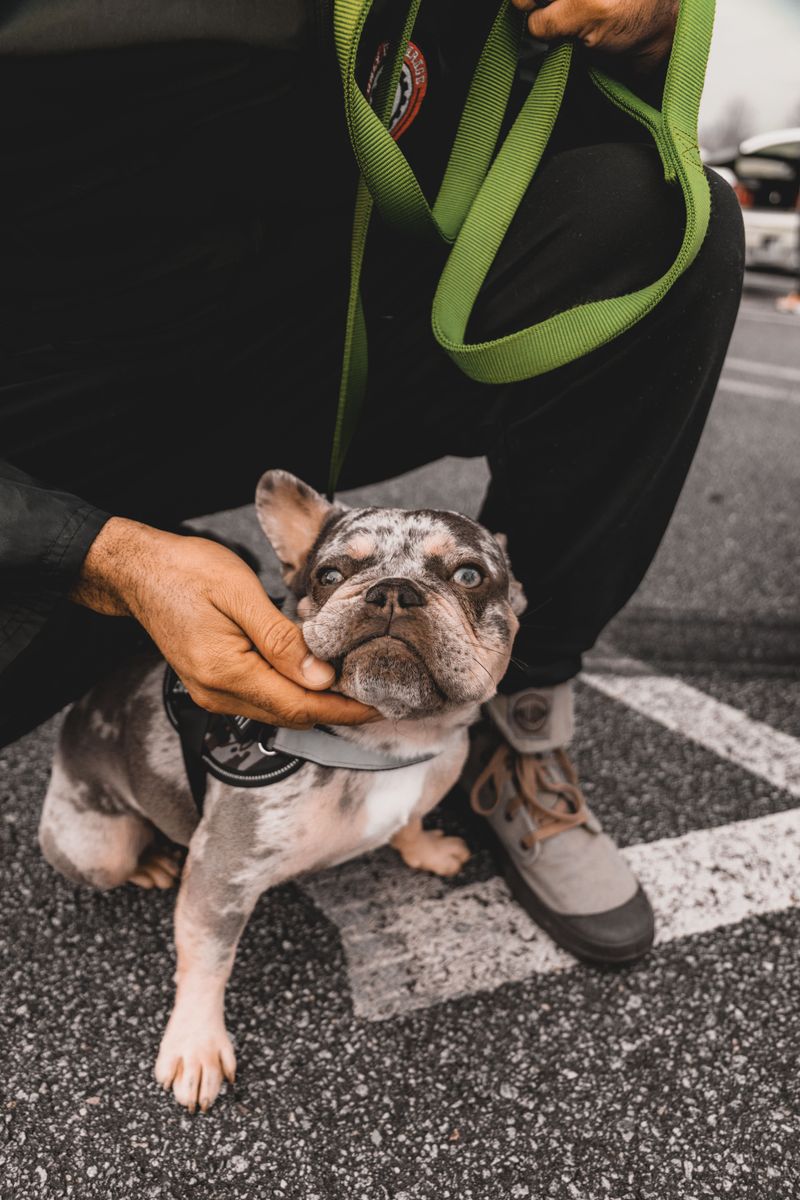
Parking lot puppy sales were once a common sight, but Colorado closed that door as of August 6, 2025. Selling, offering for adoption, bartering, or giving away any pet animal in public spaces, including streets, parks, and outdoor markets, is now against the law.
Violations carry a Class 2 misdemeanor classification.
Exemptions exist for licensed pet facilities and certain sanctioned exhibitions. If you are rehoming a dog, work through a licensed rescue or shelter to stay fully compliant.
5. State Park Leashes Must Be Six Feet or Shorter

Colorado state parks are stunning places to walk your dog, and the leash rule keeps everyone safe while you enjoy them. Any dog on Colorado Parks and Outdoor Recreation lands must be on a leash no longer than six feet.
Those long retractable leashes that extend 15 or 20 feet do not meet this standard.
The rule does not apply inside your vehicle or within officially designated off-leash areas. Check posted signs at each park entrance to confirm current rules.
6. Dogs Are Not Allowed on State Park Swimming Beaches

Bringing your dog to the lake sounds perfect on a hot Colorado summer day, but swimming beaches in state parks are off-limits for pets. Any area officially designated as a swimming or water-ski beach is a no-dog zone under state park rules.
This applies regardless of how well-behaved your dog is.
Many state parks do have dog-friendly shoreline areas outside the designated swim zones. Look for those spots on the park map before your visit so your pup still gets a great outing.
7. Some Off-Leash Areas Require a Paid Dog Pass

Finding an official off-leash area at a state park feels like a treat, but popular spots like Cherry Creek and Chatfield require more than just the standard vehicle entrance pass. A separate paid Dog Off-Leash Pass is required to use those designated zones.
The two fees are not interchangeable.
Purchasing the pass in advance online is usually the easiest option. Confirm current pricing and availability on the Colorado Parks and Wildlife website before your trip to avoid any surprises at the gate.
8. Denver Limits Most Homes to Three Dogs

Denver’s zoning code sets a combined ceiling of five dogs and cats per residence. Within that combined total, no more than three of those animals can be dogs.
For households with multiple pets, this math matters more than people expect when they first move in.
If you already own three dogs and want a cat, you are fine. If you want a fourth dog, you would be over the limit.
Check with Denver Community Planning and Development if your situation is unusual or close to the boundary.
9. Denver Requires Dogs to Be Spayed or Neutered Unless Permitted

Spay and neuter requirements are not common at the city level across the country, so this one surprises many newcomers to Denver. All dogs in the city are required to be spayed or neutered.
Owners who want to keep an intact dog must apply for an intact permit, which carries a $150 fee.
This requirement is generally enforced for adult dogs over six months of age. Contact Denver Animal Protection for current application details and any updates to fee schedules before assuming the process is straightforward.
10. Pit Bull-Type Dogs in Denver Need a Breed-Restricted Permit
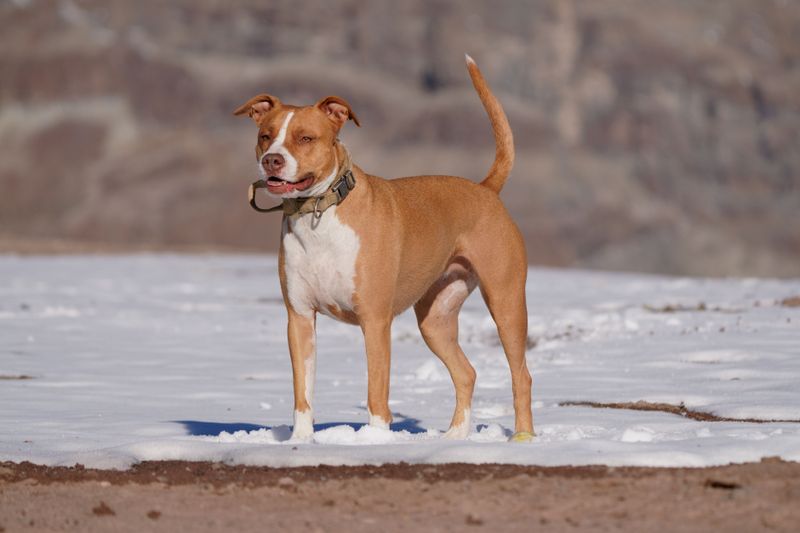
Denver lifted its full pit bull ban in 2021, but ownership still comes with specific requirements. Dogs identified as pit bull-type must undergo a breed assessment with Denver Animal Protection.
A $25 assessment fee and an annual permit fee of $30 apply for three years after that.
Owners may keep no more than two pit bull-type dogs per household. Each dog must also be microchipped, currently vaccinated for rabies, licensed with the city, and either spayed or neutered or covered by an intact permit.
11. Boulder Requires Dogs Over Four Months Old to Be Licensed

Boulder takes dog licensing seriously, and the age threshold is lower than many cities. Any dog over four months old living within Boulder city limits must hold a valid city license.
New residents and new dog owners have 30 days to get that license sorted after moving in or acquiring the pet.
A current rabies vaccination is required to obtain the license, and the tag must be worn on the collar or harness at all times. Boulder’s licensing portal makes the process fairly quick to complete online.
12. Boulder’s Off-Leash Trails Require a Voice and Sight Tag
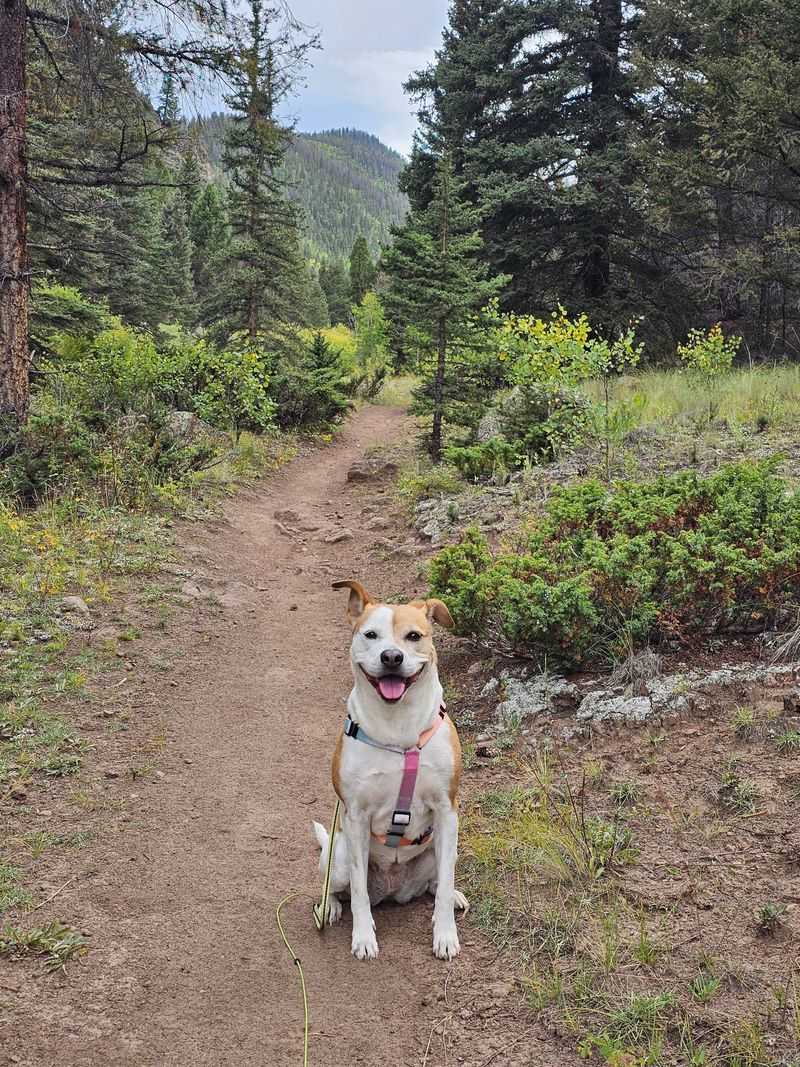
Boulder’s open space trails are gorgeous, and some of them allow dogs off-leash, but there is a structured program behind that privilege. To use designated off-leash trails in Boulder’s Open Space and Mountain Parks, your dog must display a specific Voice and Sight Tag and respond reliably to your commands at all times.
Earning the tag requires completing an educational course, verifying your dog’s city license or rabies vaccination, and paying applicable fees. The program keeps trails enjoyable for hikers, wildlife, and dogs alike.
13. Aurora Limits Households to Four Dogs

Aurora sets its dog limit one higher than Denver, allowing up to four adult dogs per household. Puppies under three months of age are generally not counted toward that total, which gives families with a litter a bit of breathing room during those early weeks.
Once dogs reach adulthood, the four-dog ceiling applies firmly. If you are relocating to Aurora with multiple dogs, count carefully and confirm current rules with Aurora Animal Services, since local ordinances can be updated over time.
14. Aurora Requires Licensing and Current Rabies Vaccination at Six Months

Once your dog turns six months old in Aurora, two things become required at the same time: a current rabies vaccination and a city license. The license tag must be visibly worn by your dog at all times, making it easy for animal services to identify your pet if it ever gets lost.
Keeping both the vaccination and the license current is straightforward when you treat them as annual reminders together. Aurora Animal Services can provide current fee information and renewal timelines for new residents.
15. Colorado Springs Limits Properties to Four Dogs Over Four Months Old

Colorado Springs follows a four-dog rule, but with one notable detail: the limit applies to dogs over four months of age. Younger puppies are not counted, so a household with a litter has some flexibility in those early months before the limit kicks in fully.
Properties exceeding four adult dogs may be classified as a kennel, which is not a permitted use in most residential zones. If you have a large pack, check with Colorado Springs zoning before finalizing your move to avoid complications down the road.