15 Summer Heat Safety Tips Every Texas Dog Owner Should Know
Texas summers are no joke. When temperatures regularly climb past 100 degrees and humidity makes it feel even hotter, your dog feels every bit of that heat, often more intensely than you do.
Dogs rely on panting and limited sweating to cool down, which makes them far more vulnerable to heat-related illness than most people realize. The good news is that keeping your dog safe through a Texas summer is very manageable when you know what to watch for and what steps to take.
Think of this guide as a conversation with a knowledgeable neighbor who has seen a few scorching Texas summers and wants to share what actually works. From water and shade basics to recognizing early warning signs of heatstroke, these 15 tips cover everything you need to feel confident and prepared all season long.
Your dog is counting on you, and you are more ready than you think.
1. Always Keep Fresh, Clean Drinking Water Available
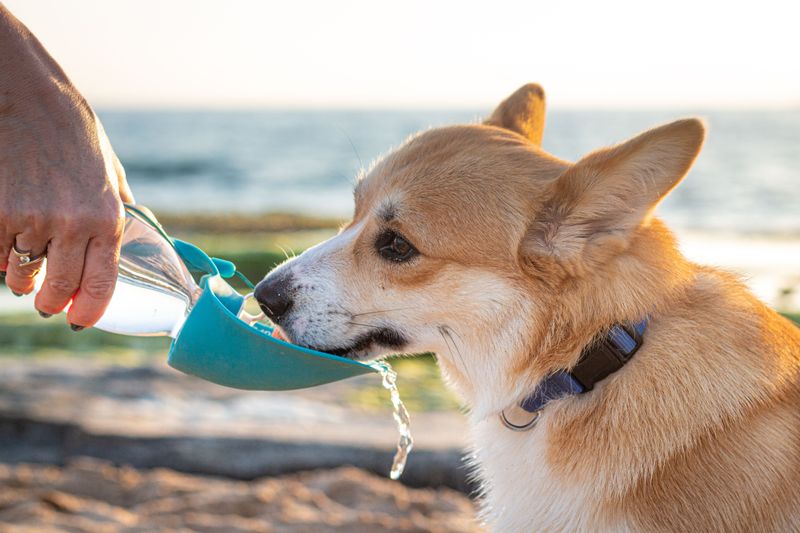
Water is your dog’s single most important defense against summer heat. A dog that is even mildly dehydrated will struggle to regulate body temperature effectively.
Make it a habit to refill water bowls several times a day, because water left sitting in the heat warms up quickly.
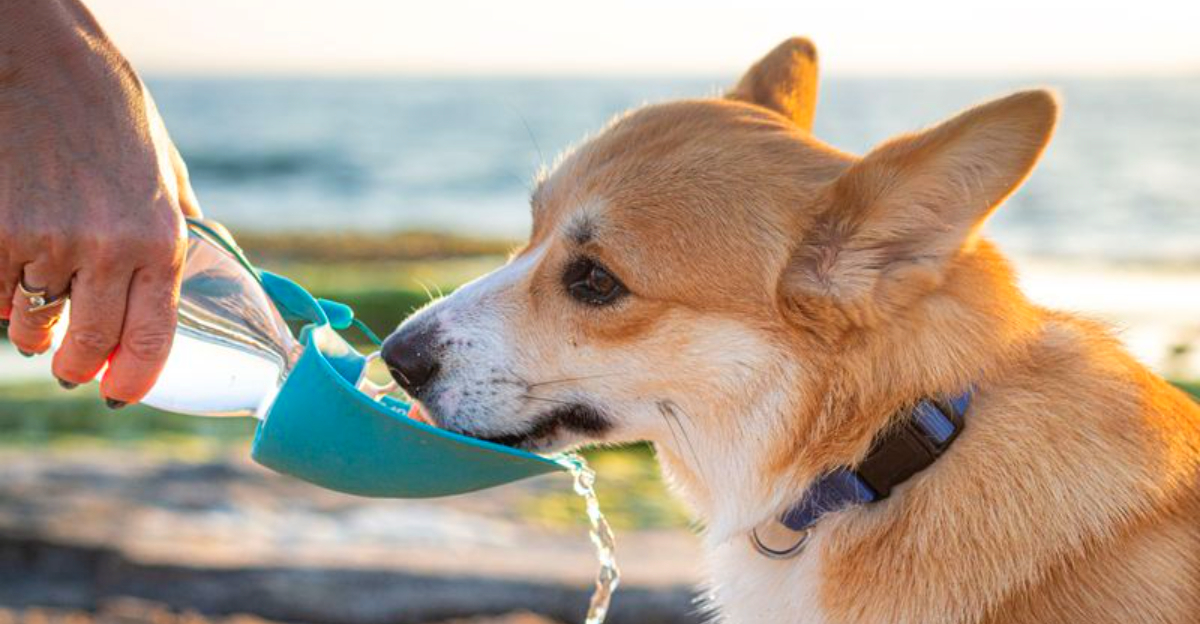
Carry a portable water bottle and collapsible bowl on every outing. If your dog seems uninterested in drinking, try chilling the water slightly.
Consistent hydration keeps your dog comfortable, alert, and safe through even the hottest Texas afternoons.
2. Provide Constant Access to Shade or Air-Conditioned Space
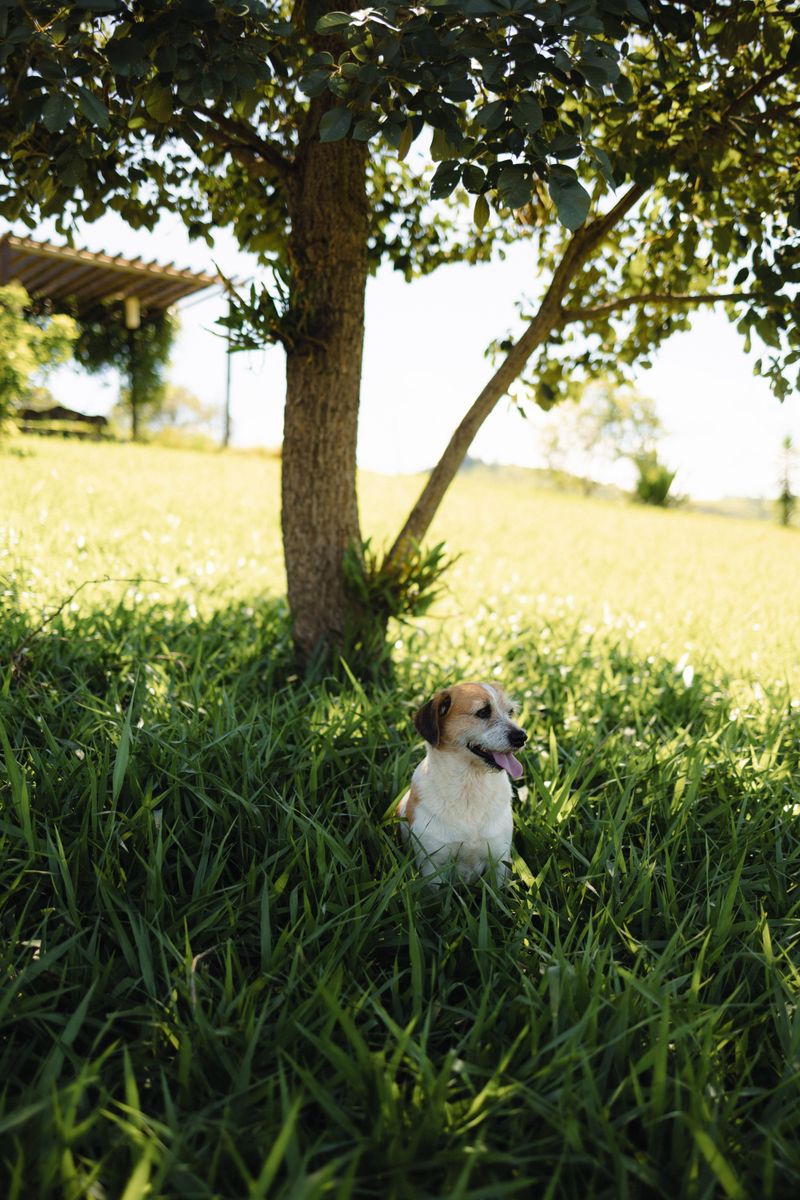
Shade alone can make a dramatic difference in how your dog handles outdoor heat. A dog lying in direct sun absorbs heat from above and from the hot ground below.
Positioning your dog under a tree, canopy, or covered patio gives their body a real chance to stay cool.
When temperatures climb above 90 degrees, air-conditioned indoor space is even better. Many Texas dogs spend their hottest summer hours inside during the day and enjoy outdoor time only during cooler parts of the morning or evening.
3. Schedule Walks During the Coolest Parts of the Day
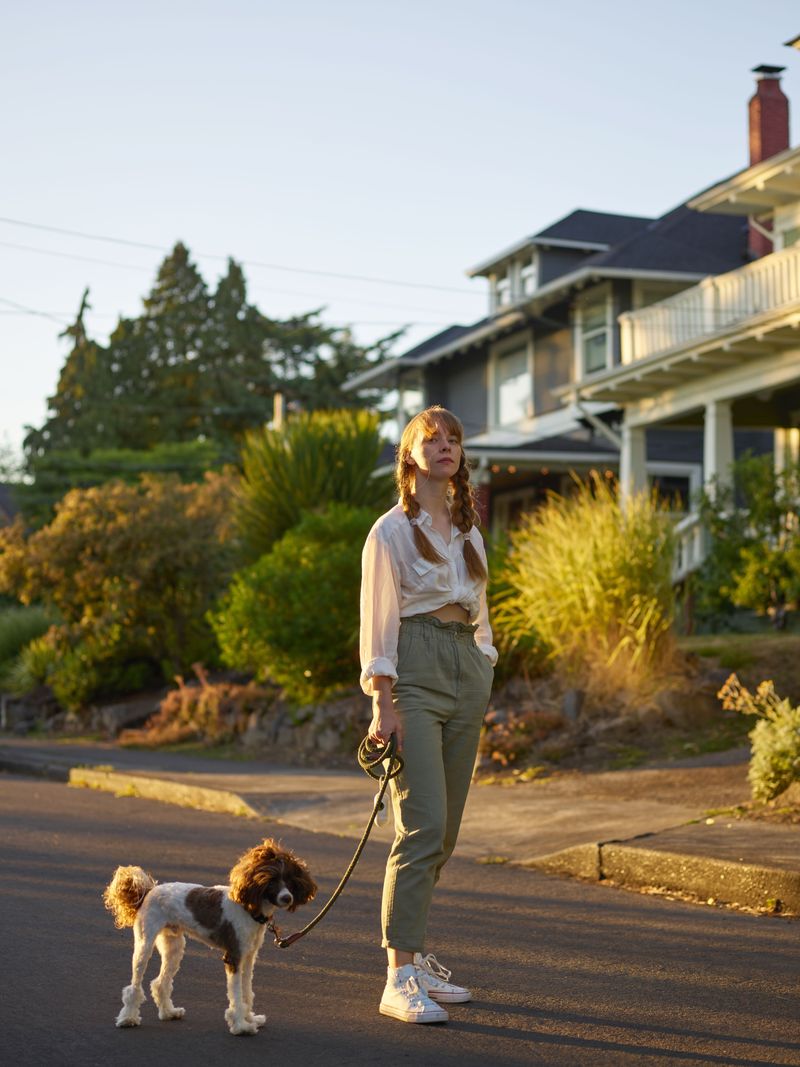
Peak afternoon heat in Texas typically falls between noon and 6 p.m., and that window is the most dangerous time for outdoor exercise. Early morning walks, usually before 9 a.m., offer much cooler temperatures and lower humidity.
Evening walks after 7 or 8 p.m. are a solid second option.
Checking your local weather app before heading out takes only a few seconds. Heat index values, which combine temperature and humidity, tell a more complete story than temperature alone.
Planning around those numbers protects your dog every single day.
4. Keep Walks Shorter When Heat and Humidity Are High
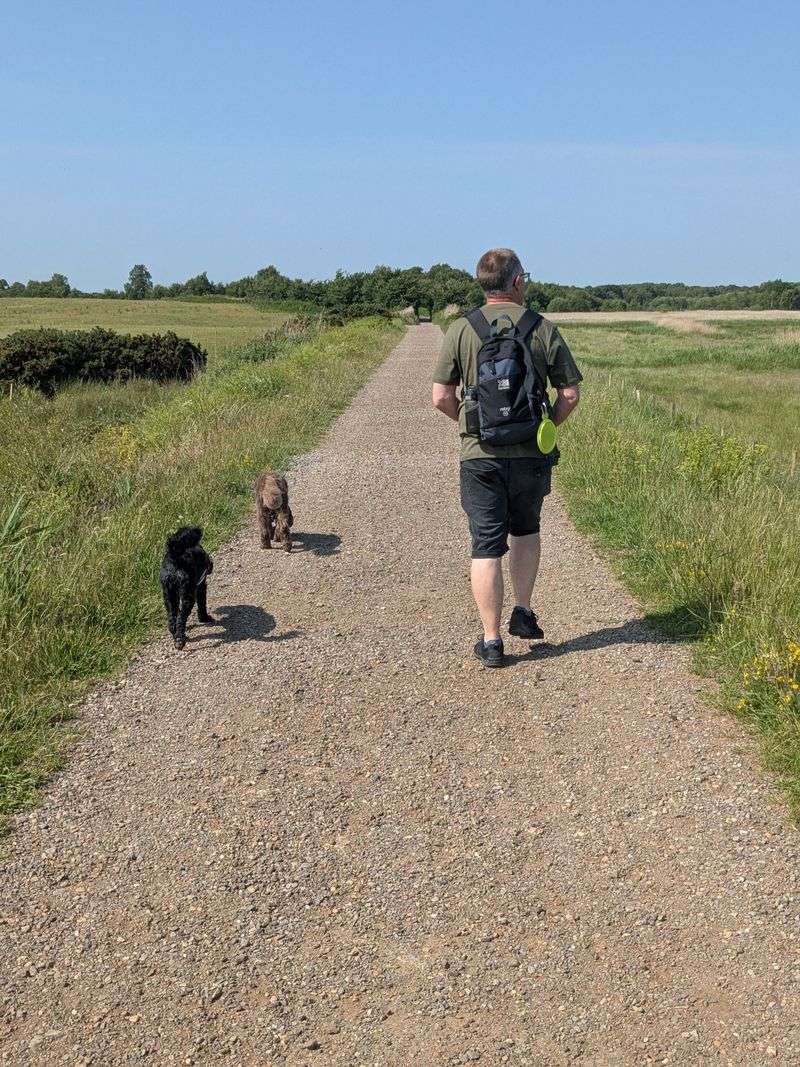
Even a well-conditioned dog can overheat faster than expected when humidity is high. Humid air makes panting less effective, because the air is already saturated with moisture.
That means your dog’s primary cooling system works harder for less result.
On especially muggy days, cut your usual walk distance in half. A 30-minute route can become a 15-minute stroll without any guilt.
Your dog will appreciate the shorter outing far more than the extra exercise, and you will both arrive home safely. Short walks done consistently beat long walks done dangerously.
5. Protect Paw Pads from Hot Pavement and Concrete
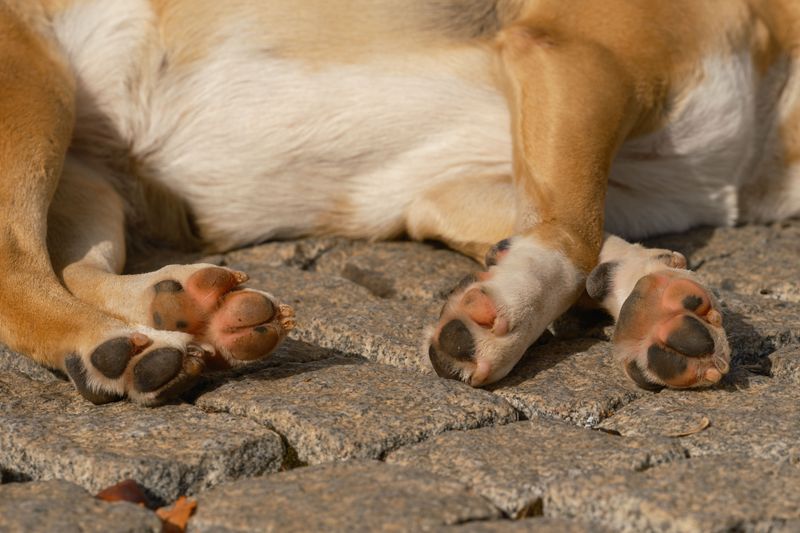
Asphalt and concrete absorb heat throughout the day and stay extremely hot long after the sun moves. A surface that registers 120 degrees Fahrenheit or more can cause painful burns to paw pads within seconds.
If you press the back of your hand to the pavement and cannot hold it there for five seconds, it is too hot for your dog’s paws.
Stick to grassy paths, shaded trails, or early morning routes when pavement has had time to cool. Dog booties designed for summer use offer solid protection if pavement is unavoidable during your walk.
6. Never Leave Your Dog Alone in a Parked Vehicle
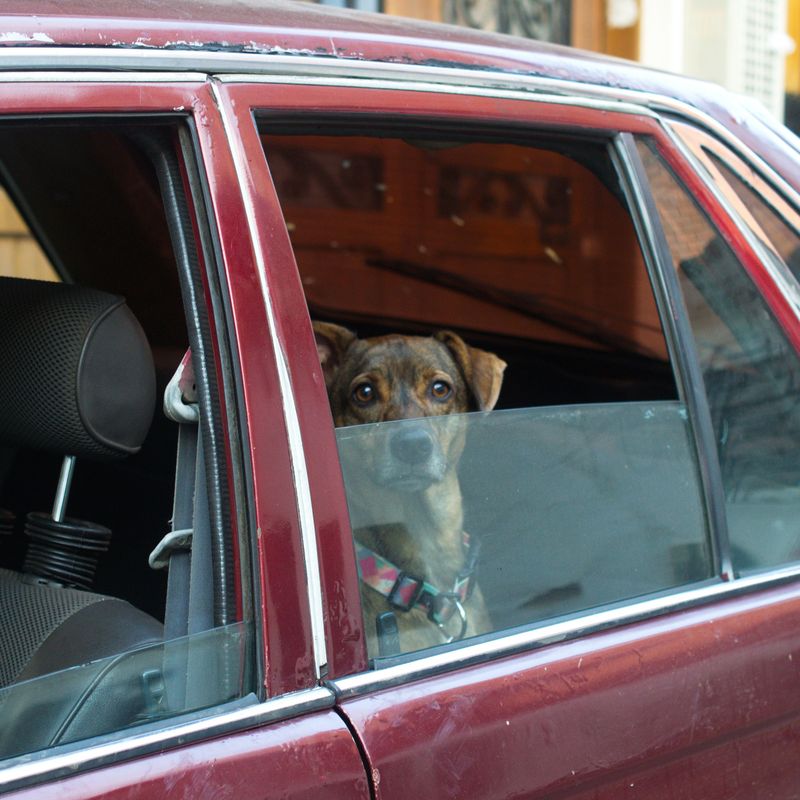
A car parked in the Texas sun can reach 130 degrees or more inside within minutes, even with windows cracked slightly. Cracked windows do almost nothing to reduce interior temperature.
The heat builds so rapidly that a dog can suffer serious harm in under 10 minutes.
Texas law addresses hot car situations, and local animal control agencies take these calls seriously. The safest rule is simple: if your dog cannot come inside with you, leave them at home.
No errand is worth the risk, no matter how brief the stop feels.
7. Keep Dogs Out of Pickup Truck Beds During Hot Weather
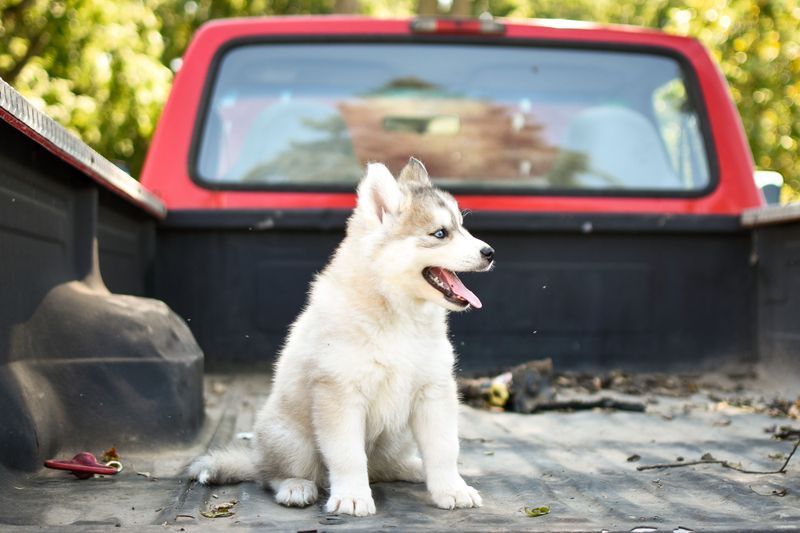
Metal truck beds sitting in direct sunlight can reach temperatures well above 150 degrees Fahrenheit, hot enough to cause burns almost instantly on contact. Dogs riding in open beds also face risks from wind, debris, sudden stops, and the possibility of falling out at speed.
Many Texas counties and cities have ordinances addressing unsecured animals in vehicle beds, though rules vary by location. Confirm the rules with your local animal control office.
Regardless of local law, the safest choice is keeping your dog secured inside the cab or leaving them home on hot days.
8. Build Up Summer Exercise Gradually and Thoughtfully
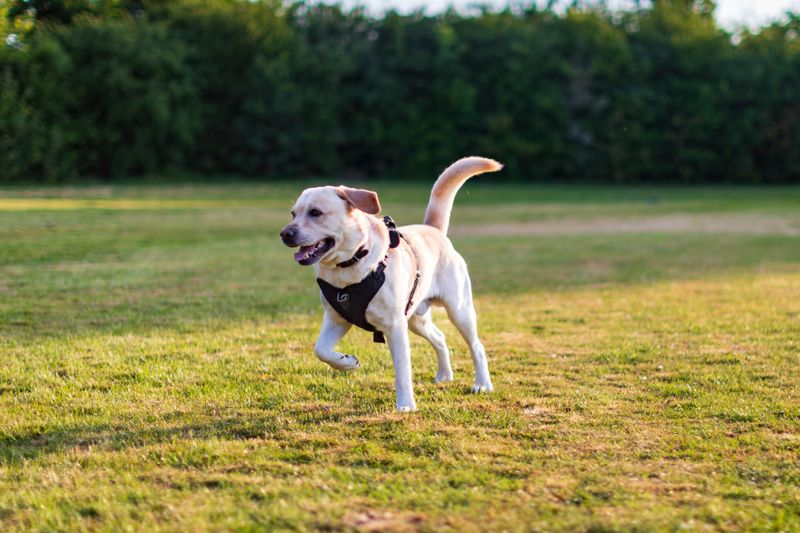
Jumping from minimal activity to long summer hikes is hard on any dog’s body. Heat adds an extra layer of stress on the cardiovascular and cooling systems.
A gradual approach lets your dog build stamina and tolerance safely over several weeks.
Start with shorter, easier outings and add distance or intensity only when your dog is clearly comfortable. Watch for heavy breathing, slowing pace, or reluctance to continue.
Those signals mean your dog needs a break, not more encouragement. Steady progress over time keeps summer exercise enjoyable and safe for both of you.
9. Take Regular Shade and Water Breaks on Every Outing
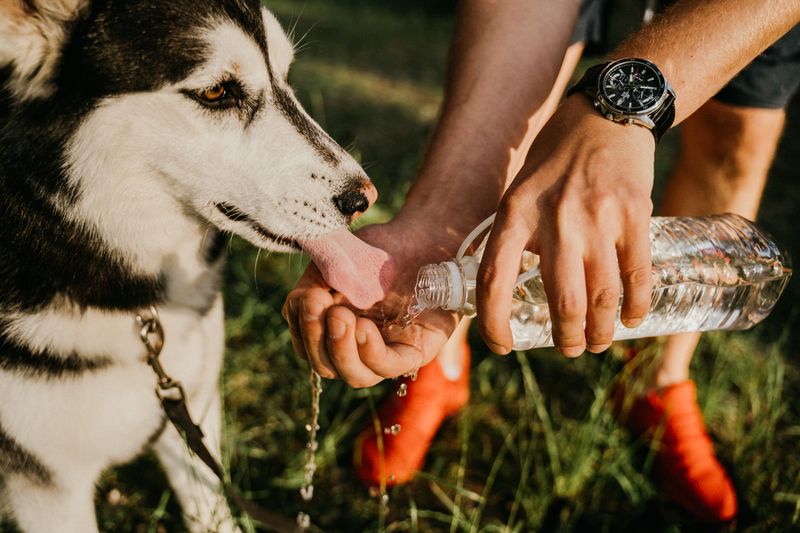
Planned rest breaks are one of the most underrated summer safety habits. Even a few minutes in the shade allows your dog’s body temperature to drop slightly before activity resumes.
Combining that shade break with a water opportunity makes the benefit even greater.
A general rule used by many experienced dog owners is to stop every 15 to 20 minutes during hot-weather outings. Adjust that schedule based on how your dog is doing, not just the clock.
Some dogs need more frequent breaks, and letting your dog set the pace is always a smart strategy.
10. Give Extra Attention to High-Risk Dogs in Summer Heat
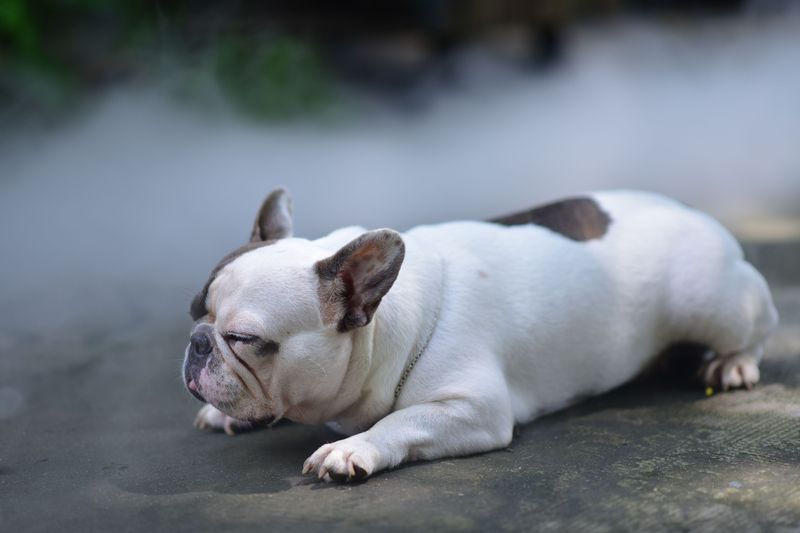
Flat-faced breeds like bulldogs, pugs, and French bulldogs have narrower airways that make panting far less efficient. Overweight dogs carry extra insulation that traps heat.
Senior dogs and those managing health conditions often have reduced ability to cool down quickly.
All of these dogs need shorter outdoor sessions, more frequent breaks, and closer monitoring than a young, healthy dog of average build. Your veterinarian can help you create a summer routine tailored specifically to your dog’s needs.
Knowing your dog’s individual risk level is one of the most practical steps you can take this season.
11. Recognize Early Warning Signs of Overheating Quickly
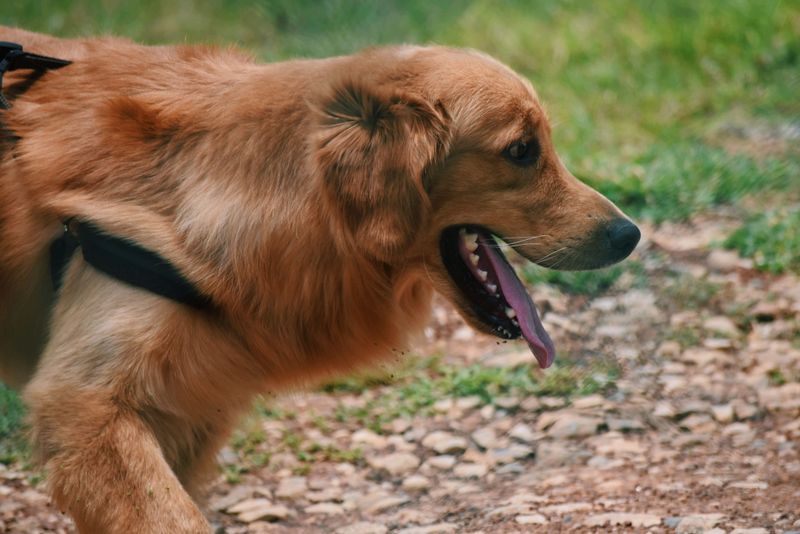
Excessive or nonstop panting is your dog’s way of saying the cooling system is working overtime. Heavy drooling, unusual weakness, and sudden lethargy are other early signals that the body is struggling to manage heat.
Catching these signs early gives you the best chance to help your dog recover without a trip to the emergency vet.
Learning what your dog’s normal panting looks like on a comfortable day makes it much easier to spot when something seems off. Trust your instincts.
If something seems wrong, act on it right away rather than waiting to see how things develop.
12. Know the Serious Symptoms That Require Immediate Action
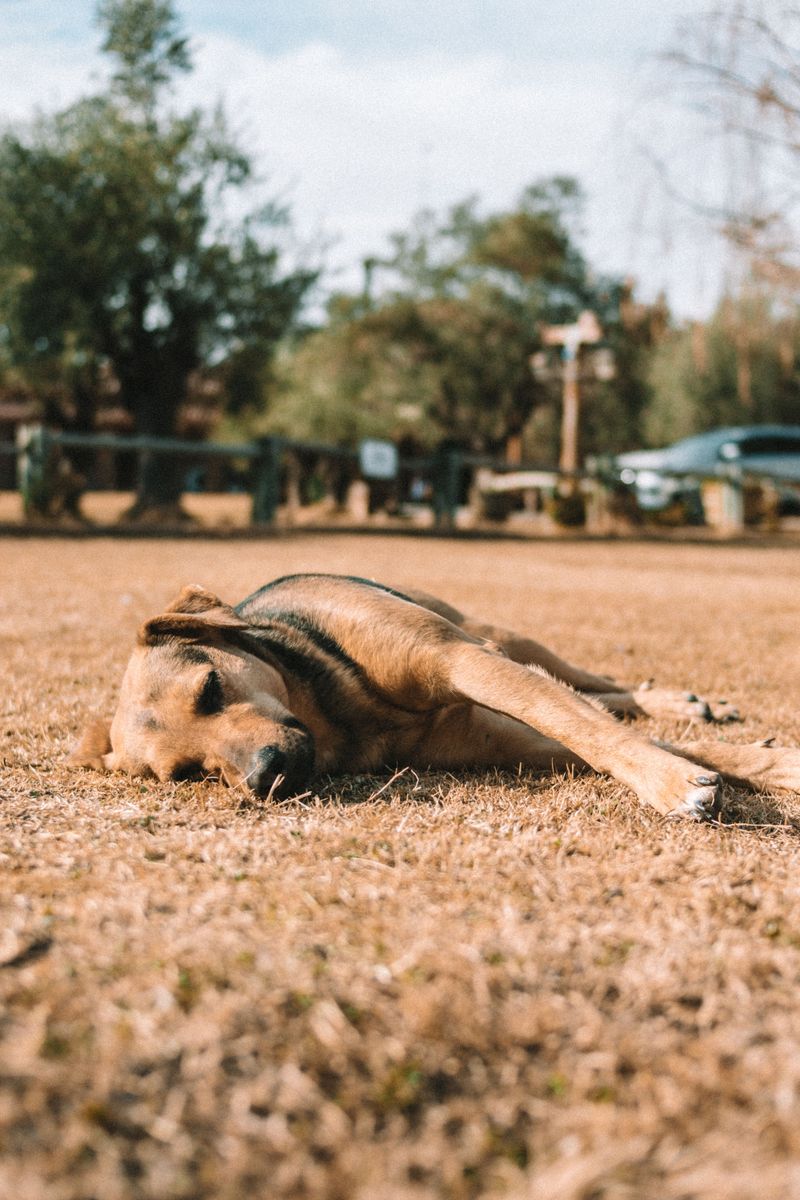
Some symptoms go beyond discomfort and signal a genuine medical emergency. Vomiting, diarrhea, labored breathing, confusion, collapse, and gum color that appears pale, bright red, or bluish all suggest heatstroke may be progressing.
These are not wait-and-see situations.
Heatstroke can cause organ damage within a short window of time. Knowing these warning signs in advance means you will not waste precious minutes second-guessing yourself.
Write them down and keep them somewhere easy to reference. Being prepared ahead of time is the single most effective thing you can do for your dog’s safety.
13. Move an Overheated Dog to a Cool Area Right Away
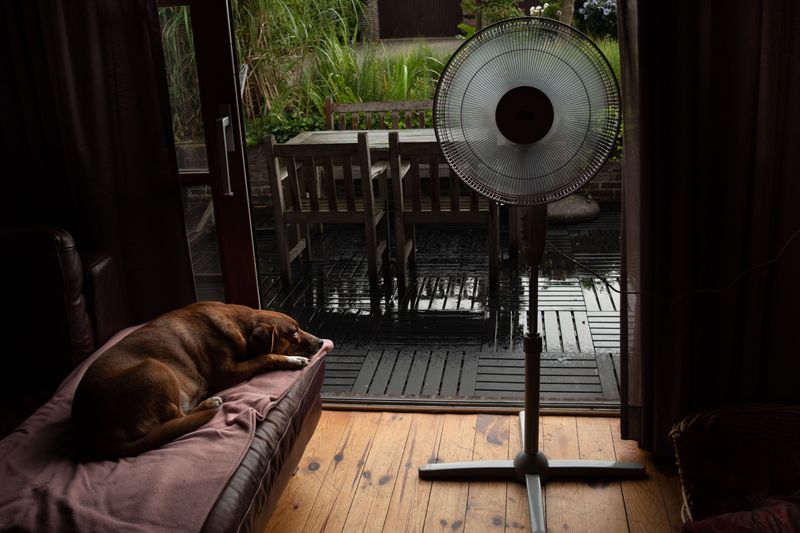
Speed matters when a dog is overheating. Getting your dog out of direct sun and into a shaded or air-conditioned space is the first and most important step.
Every minute spent in the heat while symptomatic adds risk.
If you are outdoors and far from your car or home, find the nearest shaded area and get your dog onto cool ground. Fan them gently and offer small sips of water if they are alert enough to drink safely.
Moving to a cooler environment starts the recovery process and buys you time to get proper help.
14. Use Lukewarm Water to Begin Cooling, Not Ice or Cold Water
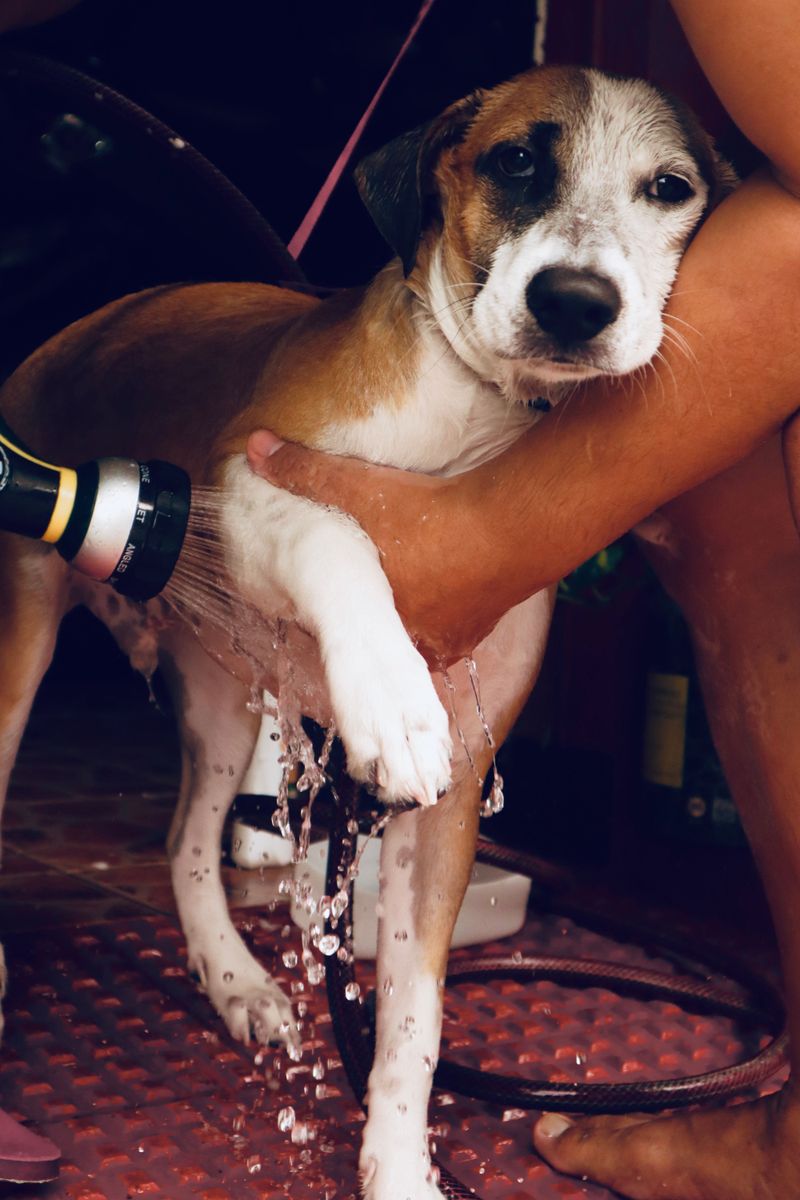
It may feel logical to use ice-cold water on an overheated dog, but that approach can actually cause blood vessels near the skin to constrict. When that happens, heat gets trapped deeper in the body instead of escaping.
Lukewarm or cool water applied to the paw pads, groin, armpits, and neck works more safely and effectively.
A fan directed at a wet dog helps the cooling process move along. Avoid submerging your dog in cold water or placing ice packs directly on the skin.
Gentle, steady cooling is the goal, not rapid temperature shock.
15. Seek Veterinary Care Immediately If Heatstroke Is Suspected
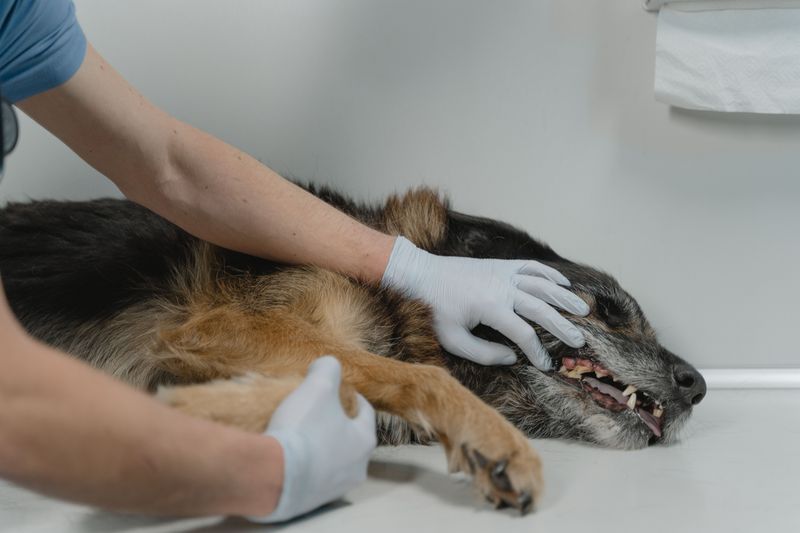
Home cooling measures are a first step, not a substitute for professional care. Heatstroke causes internal changes that are not always visible from the outside, including effects on the kidneys, liver, and clotting systems.
A veterinarian can assess what is happening inside and provide treatment that home care simply cannot.
Call ahead to your vet or an emergency animal clinic as you are on your way. Let them know you are coming and describe what you observed.
Arriving prepared helps the team act faster. Do not wait to see if your dog improves on their own.
Prompt care saves lives.