15 Everyday Foods That Are Dangerous For Your Dog
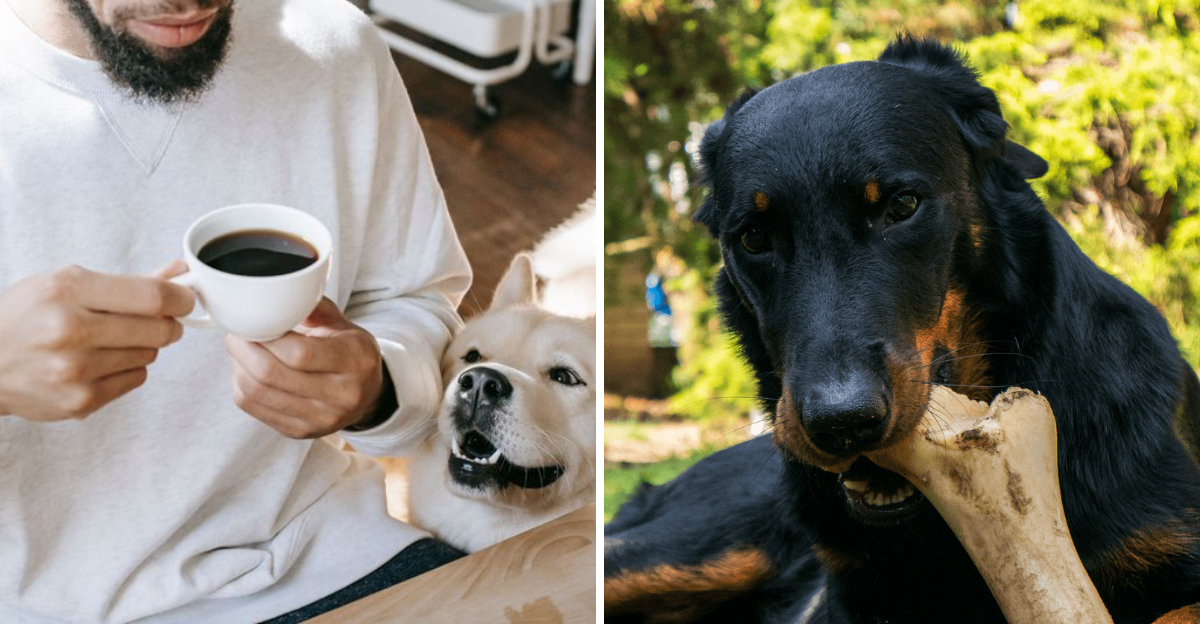
Most dog owners know to keep candy away from their pets, but the list of risky foods goes much further than that.
Some of the most common ingredients in your kitchen, things you eat every day without a second thought, can seriously harm your dog. The good news is that knowing what to avoid makes a big difference.
Read through this list, share it with your family, and keep it handy so your furry friend stays safe and healthy.
1. Chocolate
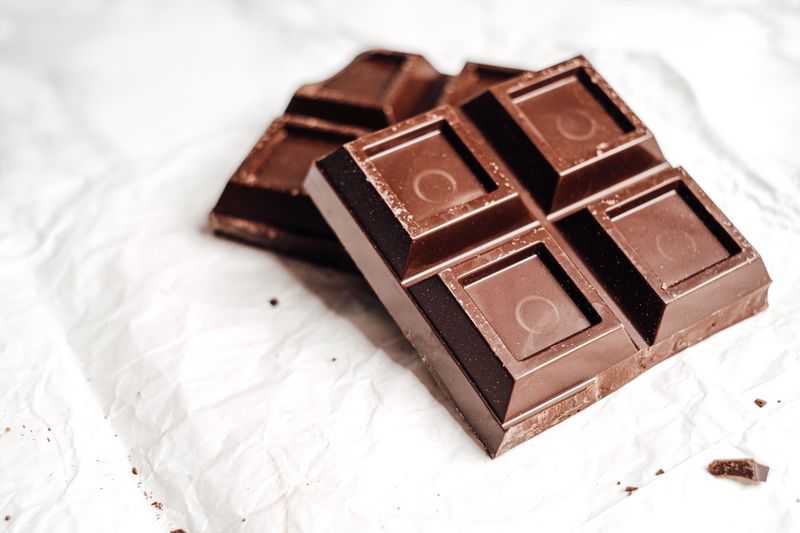
Chocolate is one of the most well-known foods to keep away from dogs, and for good reason. It contains theobromine and caffeine, two compounds dogs process far more slowly than humans do.
This slow breakdown lets toxins build up quickly in their system.
Dark chocolate and cocoa powder carry the highest risk due to higher theobromine levels. Symptoms range from vomiting and diarrhea to tremors and seizures.
If your dog gets into chocolate, contact your vet right away.
2. Grapes
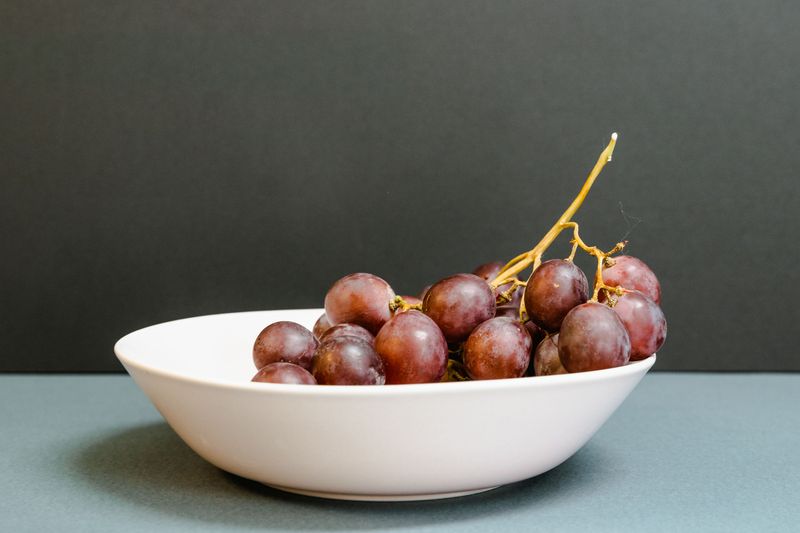
Just a handful of grapes might seem harmless, but for dogs, even a single grape can trigger a serious health crisis. Researchers have identified tartaric acid as the likely toxic compound, and dogs have no safe threshold for it.
Kidney failure can develop quickly after ingestion. Early signs include vomiting, diarrhea, and unusual lethargy.
Decreased urination is a red flag that kidney damage may already be underway. Always store grapes well out of your dog’s reach.
3. Raisins
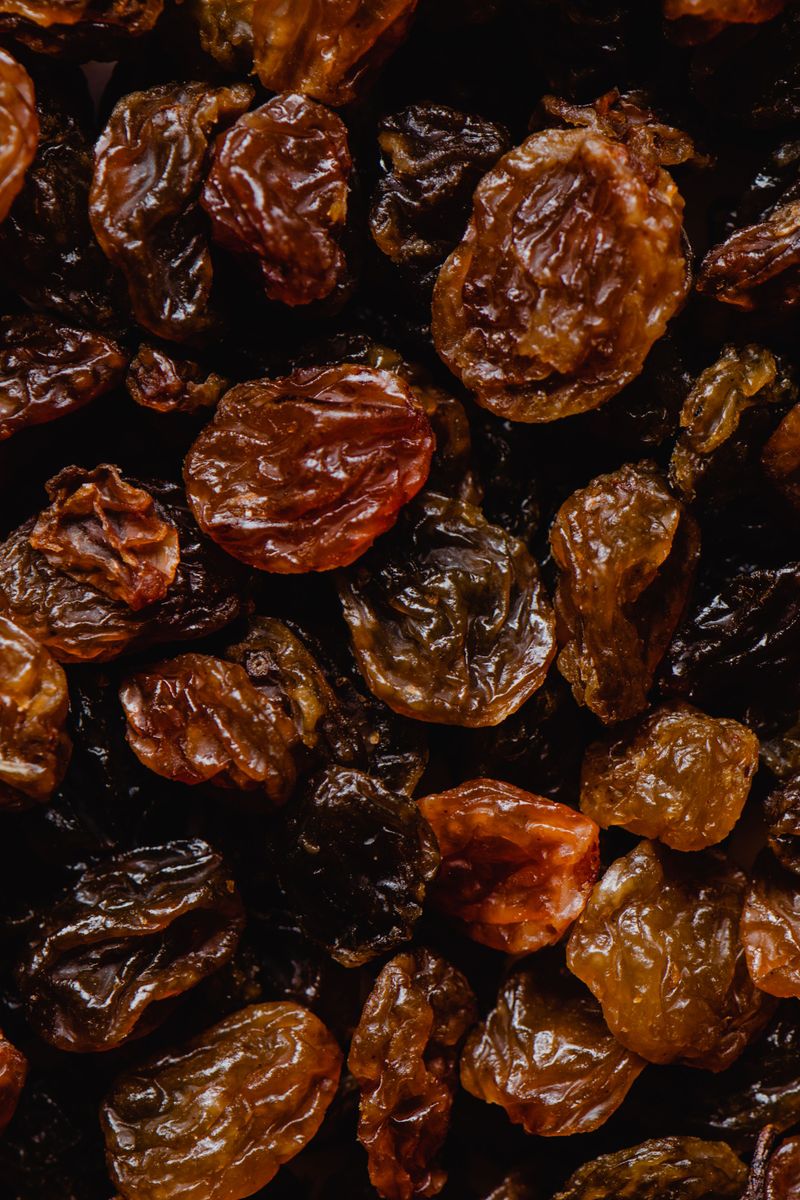
Raisins are simply dried grapes, which means they carry the exact same danger, only in a more concentrated form. Because raisins are smaller and often mixed into trail mix, cookies, or cereal bars, they are easy for a curious dog to find and eat.
The tartaric acid in raisins can lead to acute kidney failure, even in small amounts. Symptoms mirror those of grape toxicity: vomiting, lethargy, and reduced appetite.
Treat any raisin ingestion as an emergency and call your vet immediately.
4. Onions
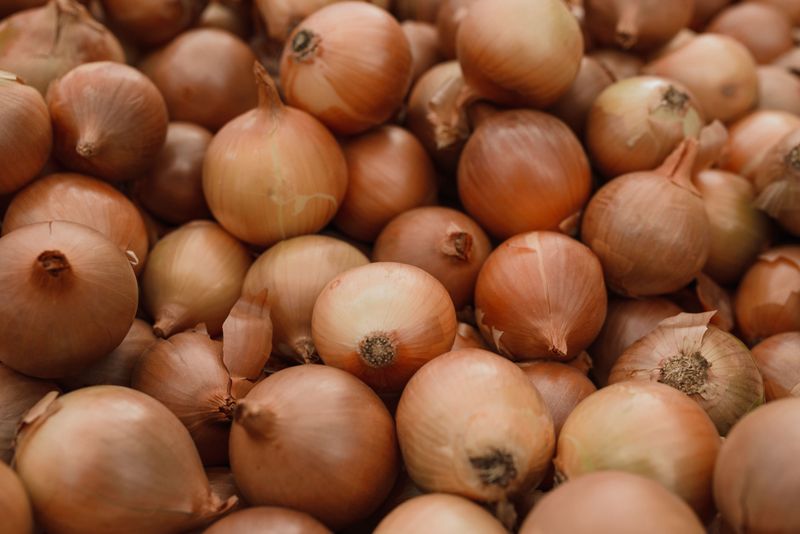
Onions belong to the Allium plant family, and every part of them, raw, cooked, or powdered, can harm your dog. The troublemakers are compounds called disulfides and thiosulfinates, which damage red blood cells and can lead to hemolytic anemia.
What makes onions tricky is that symptoms sometimes take days to appear. Watch for pale gums, weakness, and rapid breathing.
Onion powder is especially concentrated, so even small amounts hidden in sauces or seasonings can add up to a real problem.
5. Garlic
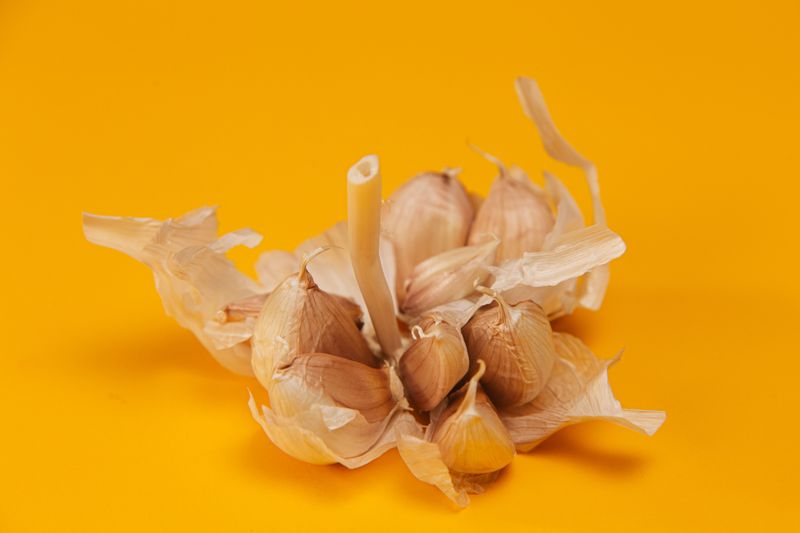
Garlic packs a stronger punch than onions when it comes to dog toxicity. It contains thiosulfate and disulfides that cause oxidative damage to red blood cells, which can result in hemolytic anemia.
The powdered form is especially potent because it is so concentrated.
Symptoms can be delayed by several days, making garlic poisoning easy to miss at first. Look for vomiting, pale or yellowish gums, and a faster-than-normal heart rate.
Keep garlic in all its forms, fresh, dried, or in seasoning blends, away from your dog.
6. Macadamia Nuts

Macadamia nuts are a bit of a mystery in veterinary medicine because scientists have not yet pinpointed exactly what makes them toxic to dogs. What is clear is that even a small amount can cause noticeable problems within 6 to 12 hours of eating them.
Affected dogs often show hind leg weakness, tremors, vomiting, and a higher-than-normal body temperature. Their high fat content also raises the risk of pancreatitis.
Skip sharing any snack that contains macadamia nuts, even if your dog gives you that irresistible look.
7. Xylitol
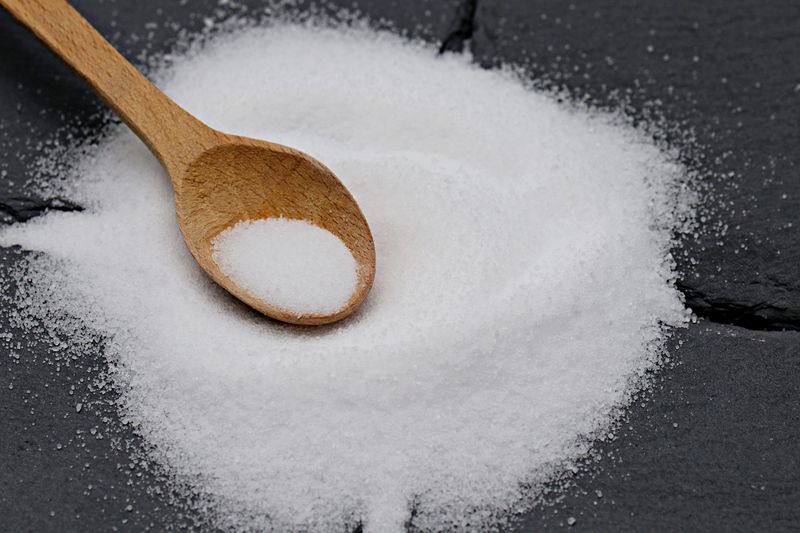
Xylitol is a sugar substitute found in hundreds of everyday products: chewing gum, sugar-free candy, some peanut butter brands, and even certain medications. For dogs, it triggers a rapid and dangerous drop in blood sugar within 30 to 60 minutes of ingestion.
Higher doses can also cause liver failure within 8 to 12 hours. Signs include vomiting, sudden weakness, and loss of coordination.
Always read ingredient labels on sugar-free products before letting your dog anywhere near them, especially peanut butter used as a treat.
8. Alcohol
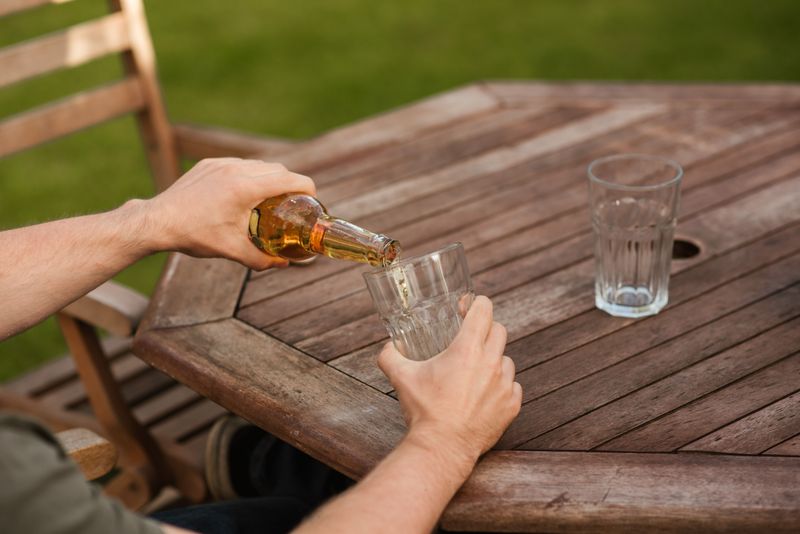
A dog’s body cannot process ethanol the way a human body can. Even a small amount of ethanol can cause rapid and serious health problems, affecting the central nervous system, digestion, and body temperature regulation.
Ethanol can be found in more than just certain beverages. It is also present in raw bread dough as fermenting yeast produces it, and in some household products.
Symptoms appear within 15 to 90 minutes and include disorientation, vomiting, and labored breathing. Keep all sources of ethanol securely stored and out of reach.
9. Caffeine

Dogs are far more sensitive to caffeine than people are, and the effects hit their nervous system and heart quickly. Coffee, tea, energy drinks, soda, and even some medications all contain caffeine that can cause real harm to your pet.
Within 1 to 2 hours, a dog may show restlessness, rapid heart rate, high blood pressure, and tremors. Large amounts can lead to seizures.
The safest approach is to keep all caffeinated drinks and products in places your dog simply cannot access, no exceptions.
10. Avocado
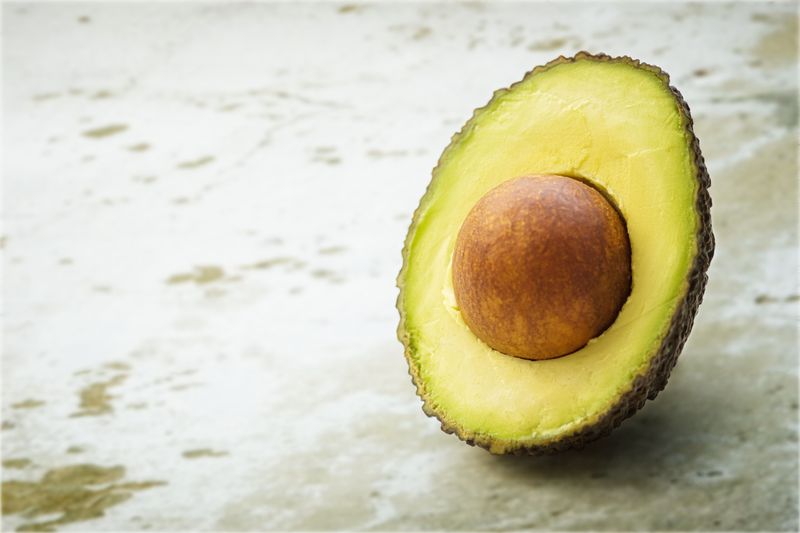
Avocado contains a natural fungicidal compound called persin, which is found most heavily in the leaves, bark, skin, and pit of the plant. While dogs tolerate the flesh better than some other animals, the other parts carry a higher risk and should never be accessible.
Beyond persin, the large pit is a serious choking and obstruction hazard. The fruit’s high fat content can also contribute to pancreatitis.
Symptoms of persin exposure include vomiting, diarrhea, and lethargy. Compost avocado scraps in a secure bin your dog cannot open.
11. Yeast Dough
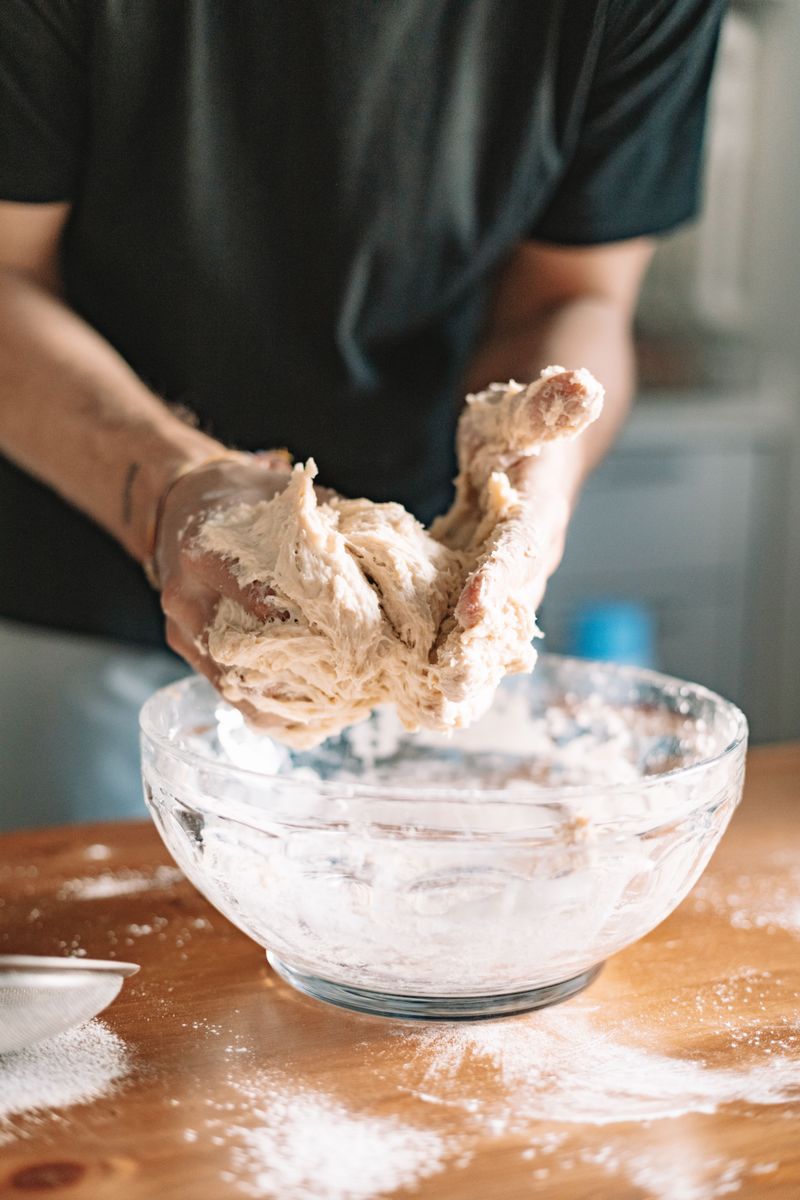
Raw yeast dough is a double hazard for dogs. First, the warm environment inside a dog’s stomach allows yeast to keep rising, which can cause painful bloating and a potentially serious digestive obstruction.
Second, as yeast ferments, it produces ethanol that can be absorbed directly into the bloodstream. That means a dog that eats raw dough faces both a physical blockage risk and potentially serious ethanol exposure.
Keep dough covered and stored well above your dog’s reach while it rises.
12. Cooked Bones
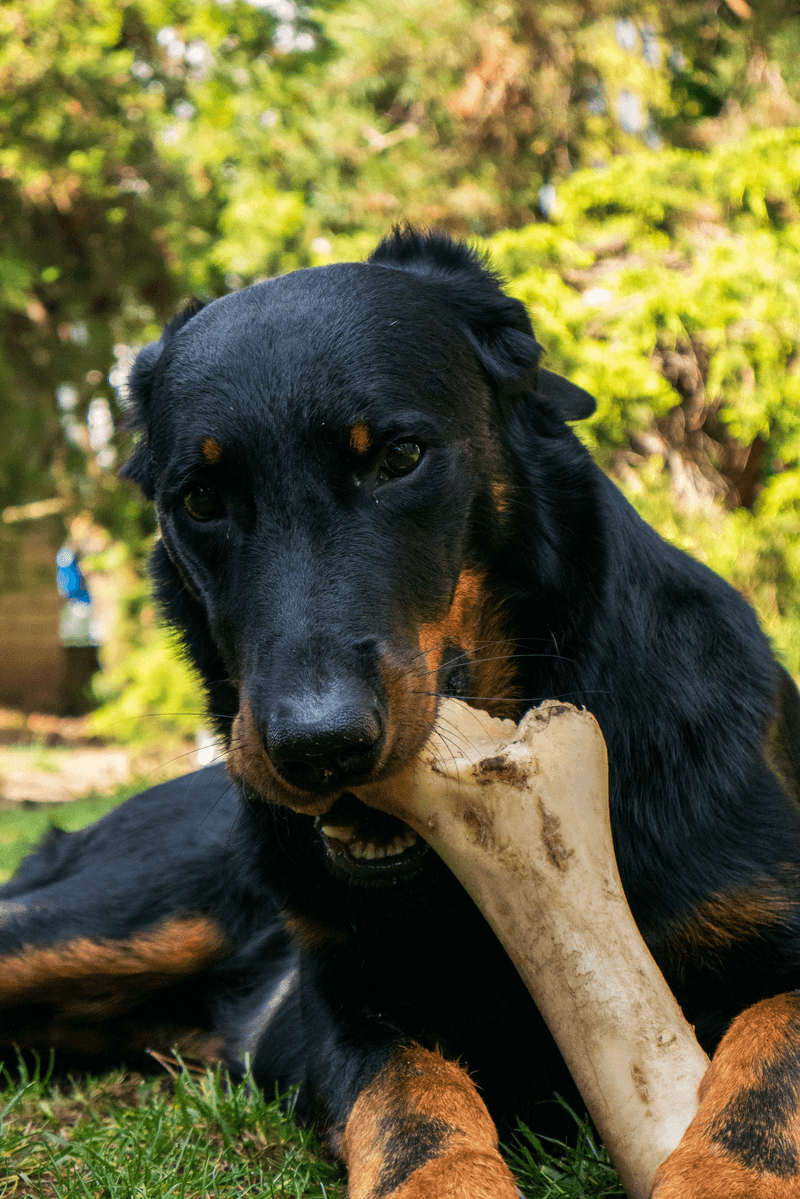
Giving a dog a bone feels like a classic, wholesome treat, but cooked bones are genuinely risky. The cooking process makes them brittle, and brittle bones splinter into sharp fragments that can cut the mouth, throat, or digestive tract.
Those fragments can also cause blockages or, in serious cases, damage internal organs. Peritonitis, an infection of the abdominal cavity, is one possible result and it is a medical emergency.
Raw bones carry some risk too, so always supervise and choose vet-recommended chew alternatives instead.
13. Excessively Salty Foods
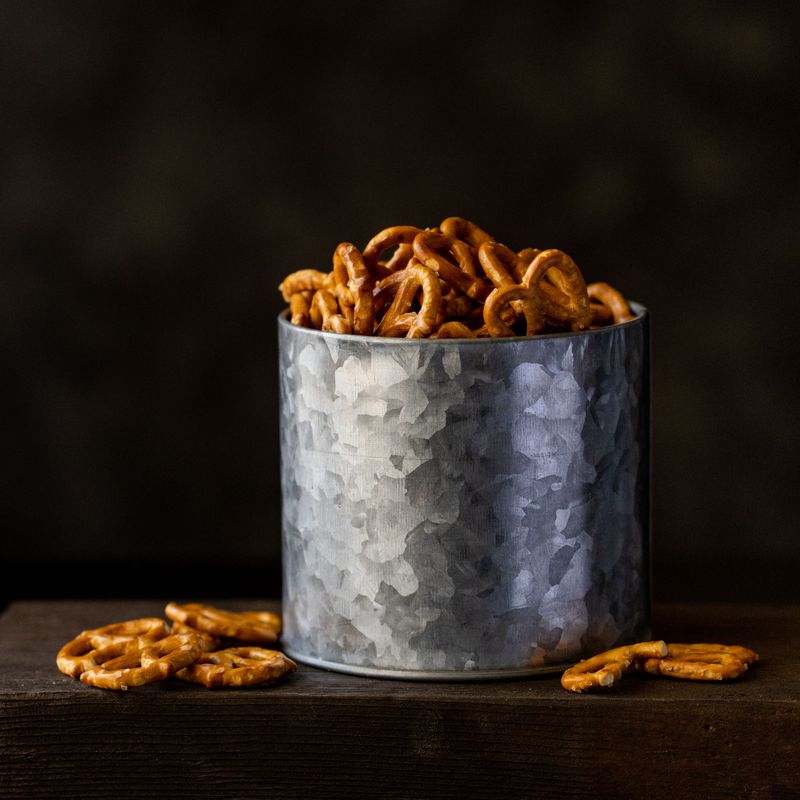
A chip or two dropped on the floor probably will not cause a crisis, but dogs that get into large amounts of salty snacks can develop sodium ion poisoning. Chips, pretzels, and heavily seasoned processed foods are common culprits in households with curious dogs.
Too much salt causes extreme thirst, frequent urination, vomiting, and in severe cases, tremors or seizures. Kidney damage and neurological problems can also result.
Keep salty snack bags clipped shut and stored out of reach, especially during movie nights or parties.
14. Foods With High-Fat Content
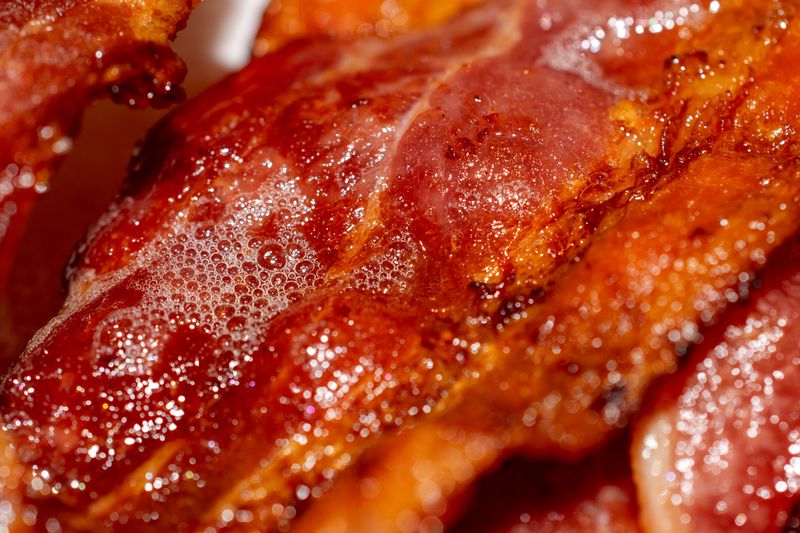
Fatty leftovers from the dinner table, things like bacon, meat trimmings, and rich gravies, might seem like a kind treat, but they put serious strain on a dog’s pancreas. Pancreatitis, an inflammation of the pancreas, can develop quickly after a high-fat meal.
The condition is very painful and can become life-threatening without prompt veterinary care. Dogs that are overweight or have a history of pancreatitis face even greater risk.
Stick to dog-appropriate treats and resist the urge to share your plate, no matter how persuasive the begging gets.
15. Raw or Undercooked Meat and Eggs
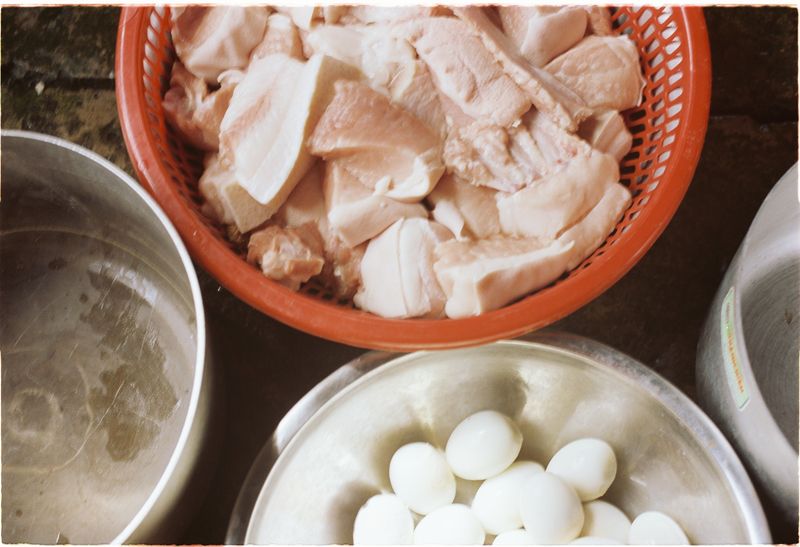
Raw feeding has its supporters, but the safety risks are real and worth knowing clearly. Raw meat and eggs can carry Salmonella and E. coli, bacteria that cause food poisoning in both dogs and the people who handle the food afterward.
Raw egg whites also contain avidin, an enzyme that blocks biotin absorption over time. Biotin is a B vitamin essential for healthy skin and coat, so regular raw egg feeding can lead to deficiencies.
If you choose a raw diet, talk with your vet about safe handling and preparation practices first.