15 Things That Surprise New Dog Owners in New York
Bringing a dog home in New York is one of the best decisions you can make. But the rules, health risks, and local quirks can catch even the most prepared owner off guard.
From leash laws that differ block to block, to ticks in city parks, there is a lot more to learn than just where the nearest dog park is.
Think of this guide as a conversation with a friend who has already figured out the tricky parts, so you can feel confident and ready from day one.
1. Dogs Need to Be Licensed After Four Months
Most new owners assume puppies are exempt from all rules, but New York State law requires every dog four months or older to be licensed. You will need proof of a current rabies vaccination to apply.
If your dog is not spayed or neutered, expect a higher licensing fee.
Keeping the license tag on your dog’s collar at all times is part of the deal. Check with your town or city clerk to get the process started quickly.
2. New York City Has Its Own Licensing Rules

Living in the five boroughs adds another layer. NYC dogs must be licensed through the NYC Department of Health and Mental Hygiene, and the tag must stay on the collar whenever your dog is in public.
Licenses run from one to five years, with fees based on spay and neuter status.
Guard dogs face extra requirements, including microchipping and separate registration. You can apply online, by mail, or at local licensing events around the city.
3. Leash Rules Are Not the Same Everywhere
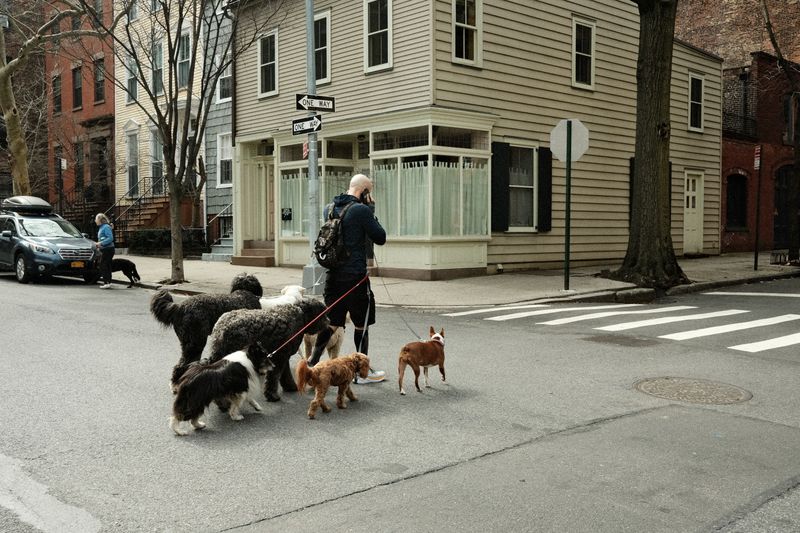
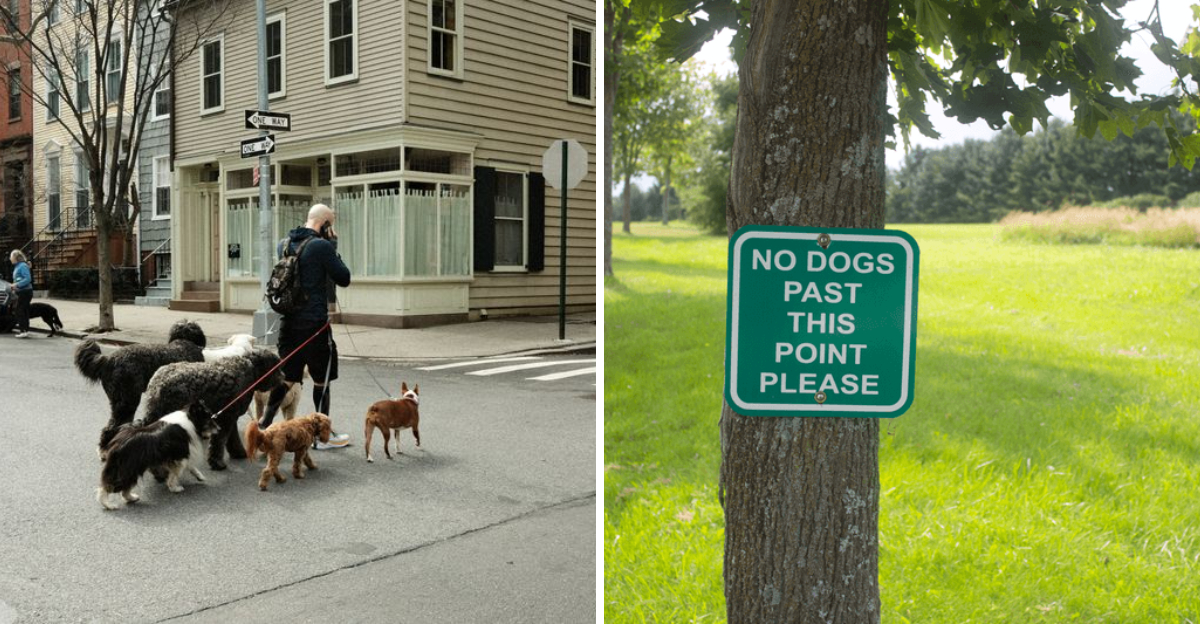
New York State has no single statewide leash law. Each city, town, and village sets its own rules under New York Agriculture and Markets Law Section 122.
That means the leash rule in one town may be completely different from the next town over.
Before walking your dog in a new neighborhood or municipality, take a moment to look up local ordinances. A quick call to the local town clerk or animal control office can save you from an unexpected fine.
4. New York City Leashes Are Limited to Six Feet
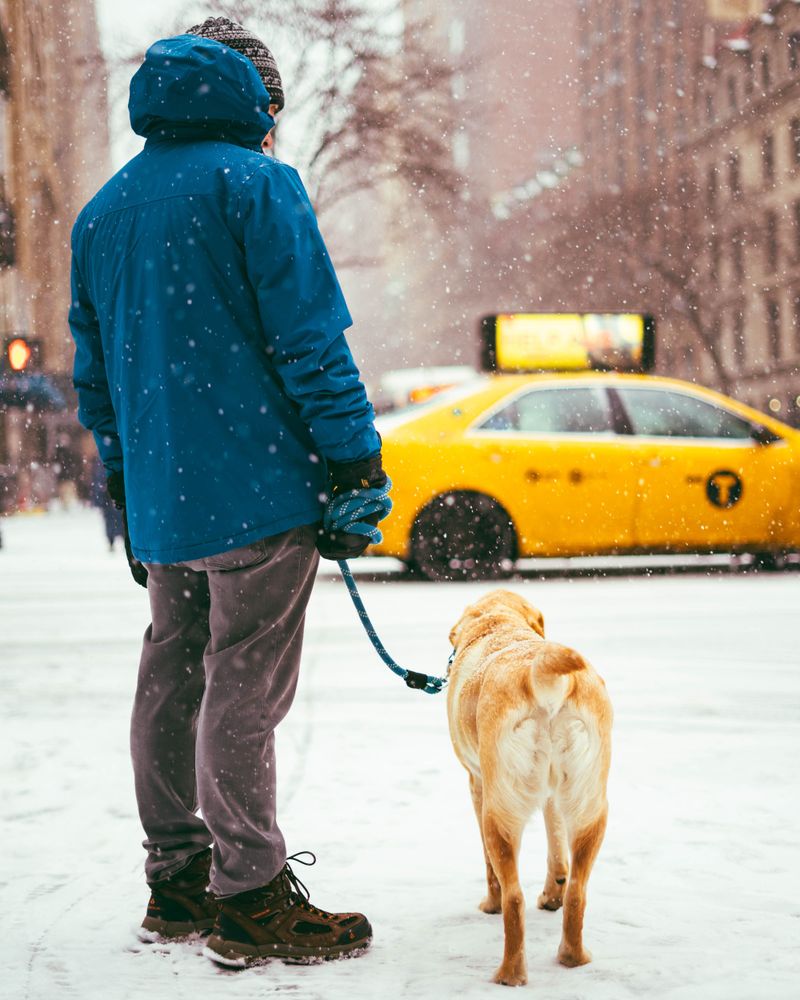
Retractable leashes that extend beyond six feet are not allowed in New York City public spaces. The six-foot rule covers sidewalks, streets, parks, and even shared hallways in apartment buildings.
Several city agencies enforce this rule, including the NYPD and the Department of Parks and Recreation.
One extra detail many owners miss: chaining or tethering a dog outdoors for more than three hours within any 12-hour window is also prohibited in the city.
5. Dog Runs Are Not the Only NYC Off-Leash Option
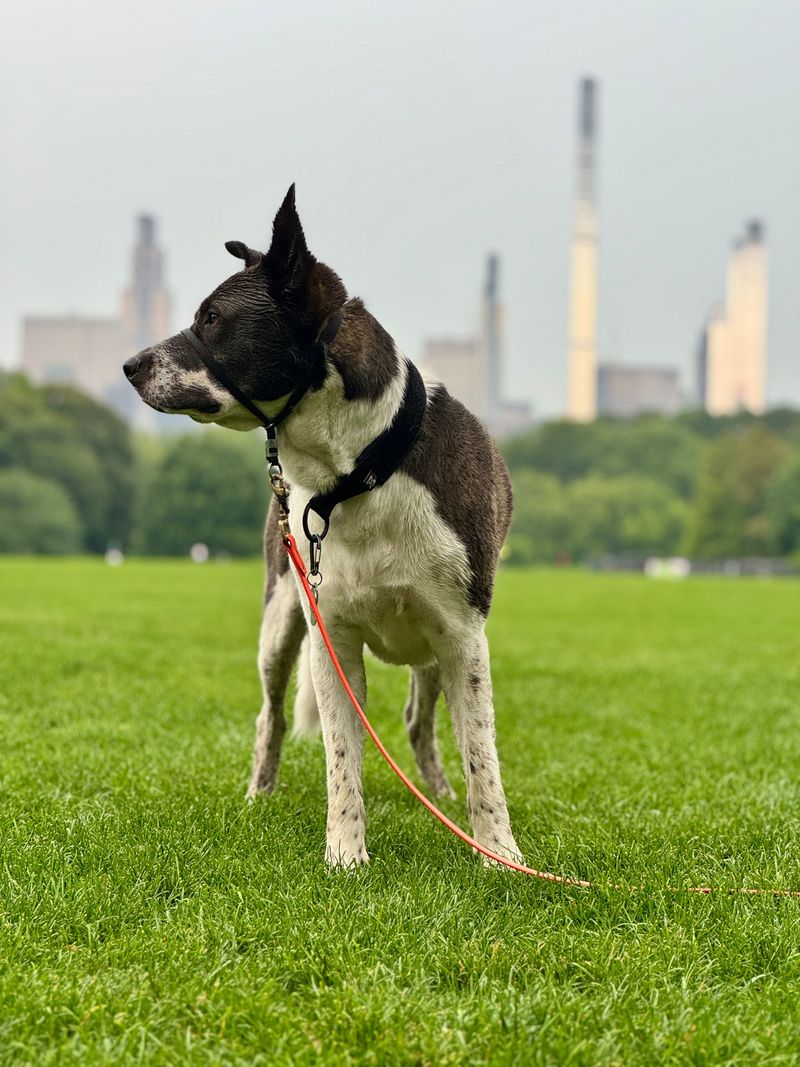
Fenced dog runs get most of the attention, but many NYC parks also allow off-leash time in open areas during specific hours. Parks typically allow off-leash access from opening until 9:00 AM and again from 9:00 PM until closing.
Central Park has its own schedule, so check before you go.
During off-leash time, owners must carry proof of a current license and rabies vaccination. Your dog still needs to stay under your control and away from wildlife.
6. State Parks Can Have Surprisingly Specific Pet Rules
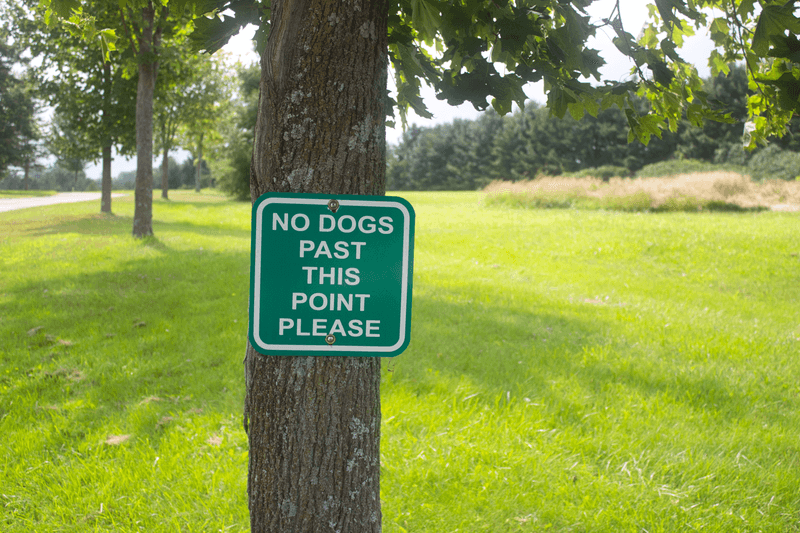
New York State Parks welcome dogs in many areas, but the restrictions can be detailed. Dogs are generally banned from beaches, pools, buildings, and some specific trails or gorges.
Leashes must be six feet or shorter at all times throughout the park.
Some parks also restrict dogs from certain camping loops, picnic areas, or walkways. Rules can vary from park to park, so visiting the individual park’s website before your trip is always a smart move.
7. You May Need Rabies Proof While Camping

Planning a camping trip with your dog in a New York State Park? You will likely need to show written proof of current rabies vaccination at check-in.
Metal rabies tags are not considered sufficient proof, so bring your vet paperwork.
Dogs must stay on a six-foot leash and cannot be left alone at the campsite. Most pet-friendly sites allow a maximum of two pets per site, so confirm details with the specific park before you book.
8. Ticks Are a Serious Part of Dog Ownership Here

Ticks are active across New York, including in city parks and suburban greenways. Deer ticks, which carry the bacteria that causes Lyme disease, are especially common in the NYC metro area.
Anaplasmosis and Ehrlichia are two other tick-borne illnesses also found in the region.
After any outdoor outing, run your hands through your dog’s coat and check around the ears, neck, and paws. Talk to your vet about the best tick prevention products for your dog’s lifestyle.
9. Dogs Can Get Lyme Disease, Too
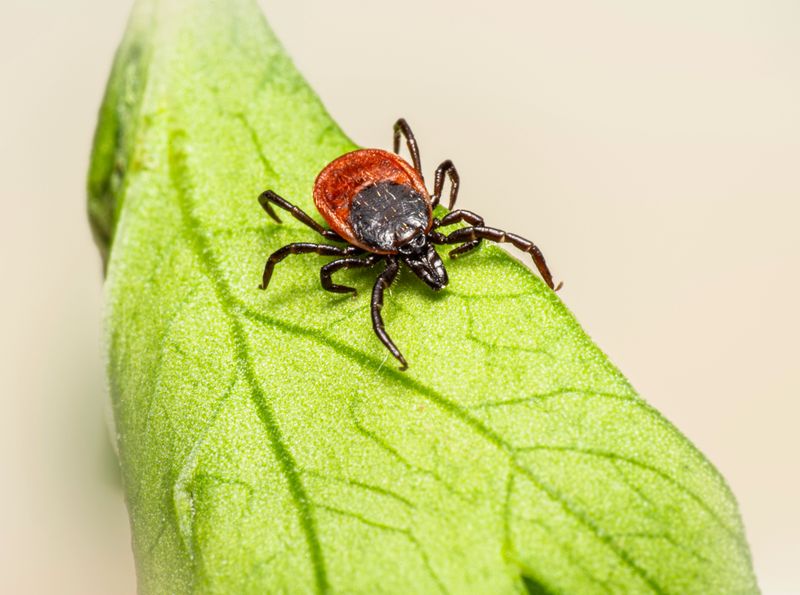
Lyme disease is not just a human concern. Dogs in New York are regularly diagnosed with it, particularly in Central New York and the metro area, where it is considered endemic.
Symptoms can include lameness, joint pain, fever, and low energy. Severe cases may affect the kidneys, heart, or nervous system.
A Lyme vaccine is available for dogs, and many vets recommend it alongside regular tick prevention. Ask your vet about the right protection plan for your area.
10. Pet-Friendly Does Not Mean Every Part of a Park Is Dog-Friendly
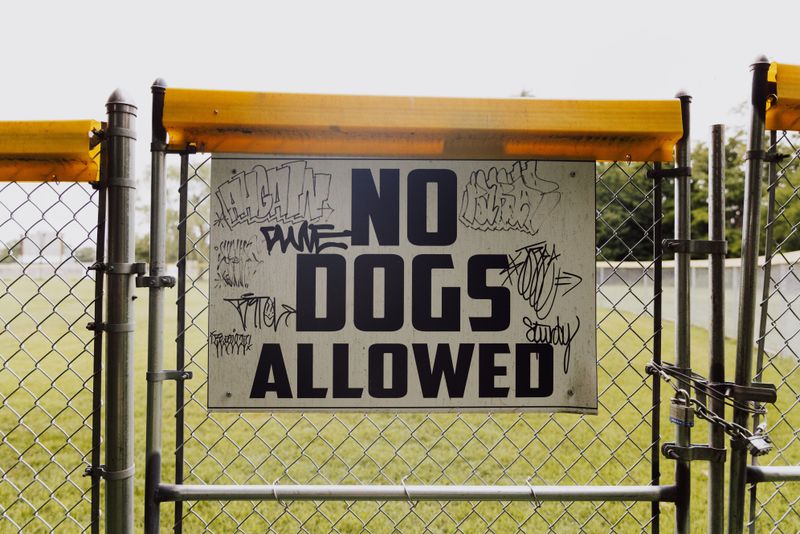
Seeing a park labeled pet-friendly can give owners a false sense of full access. In NYC parks, dogs are banned from playgrounds, ball fields, zoos, fountains, pools, and most beaches.
Even Central Park has restricted zones, including Sheep Meadow and the Great Lawn Oval.
State parks have similar limits around beaches, swimming areas, and certain picnic spots. Reading posted signs and checking park websites before each visit keeps you on the right side of the rules.
11. Local Governments Handle a Lot of Dog Control
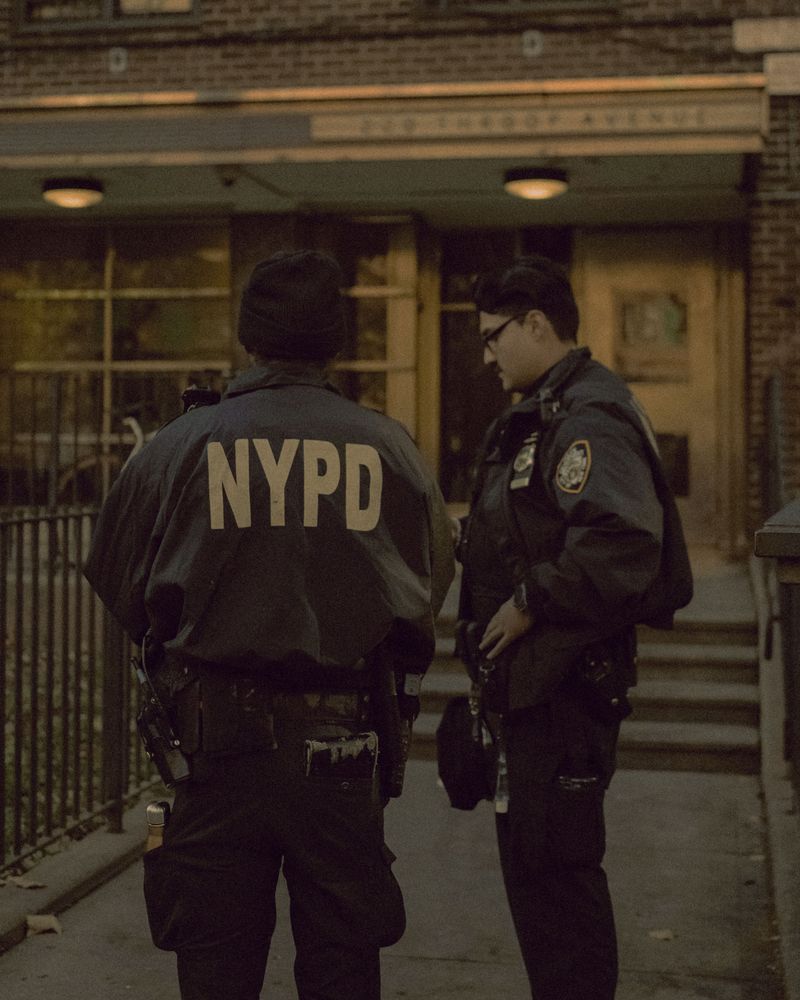
Dog control in New York is mostly a local responsibility, not a state one. Cities, towns, and counties each write and enforce their own rules about leashing, dogs running at large, and nuisance behavior.
Animal control officers and local police handle enforcement in most areas.
In New York City, multiple agencies share enforcement duties, including the Health Department, Parks, Sanitation, and the NYPD. If you are ever unsure about local rules, your municipal clerk is the right first call.
12. New York’s Pet-Shop Rules Have Changed Dramatically

As of December 15, 2024, New York State banned the sale of dogs, cats, and rabbits in retail pet stores. The law, known as the Puppy Mill Pipeline Act, was designed to cut off the supply chain from large commercial breeding operations.
Pet stores can no longer sell these animals directly.
Stores are still allowed to partner with shelters and rescue groups to host adoption events. If you are looking for a dog, your local shelter or a licensed breeder is now the primary route.
13. Dog Owners Need to Think About More Than Fleas

Fleas get the most attention, but New York dogs face a wider range of parasites. Roundworms, hookworms, whipworms, tapeworms, Giardia, and Coccidia are all common and can cause vomiting, diarrhea, or weight loss.
Heartworm disease, spread by mosquitoes, is also a growing concern across the state.
The American Heartworm Society recommends year-round prevention for all dogs in the continental US. Regular vet visits and consistent parasite prevention medications are the most reliable way to keep your dog protected.
14. Even Off-Leash Areas Still Come with Requirements
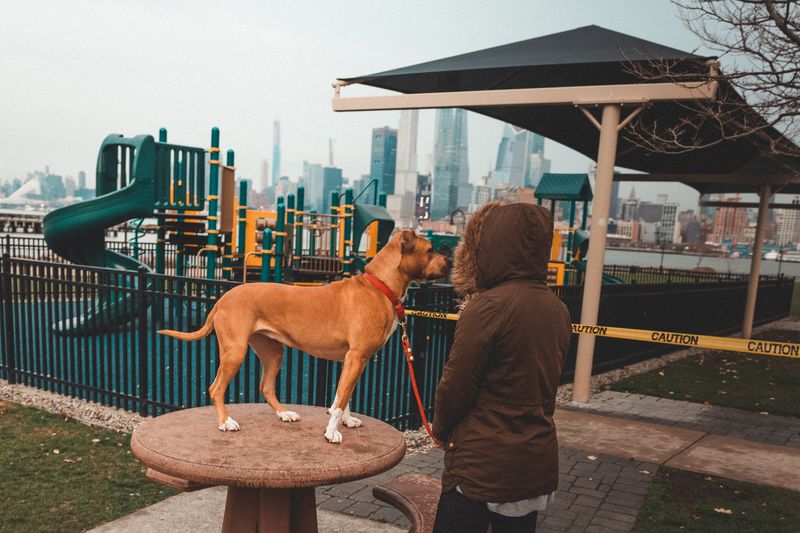
Off-leash areas feel like a free zone, but they come with real responsibilities. Your dog must be currently licensed and up to date on rabies vaccinations, and you should carry proof of both.
Dogs still need to respond to your commands and stay under your control at all times.
Waste pickup is legally required. Aggressive dogs should remain leashed, and some runs limit the number of dogs per person.
Check the specific rules posted at each run before entering.
15. Housing Rules Can Be Another Layer of Dog Ownership
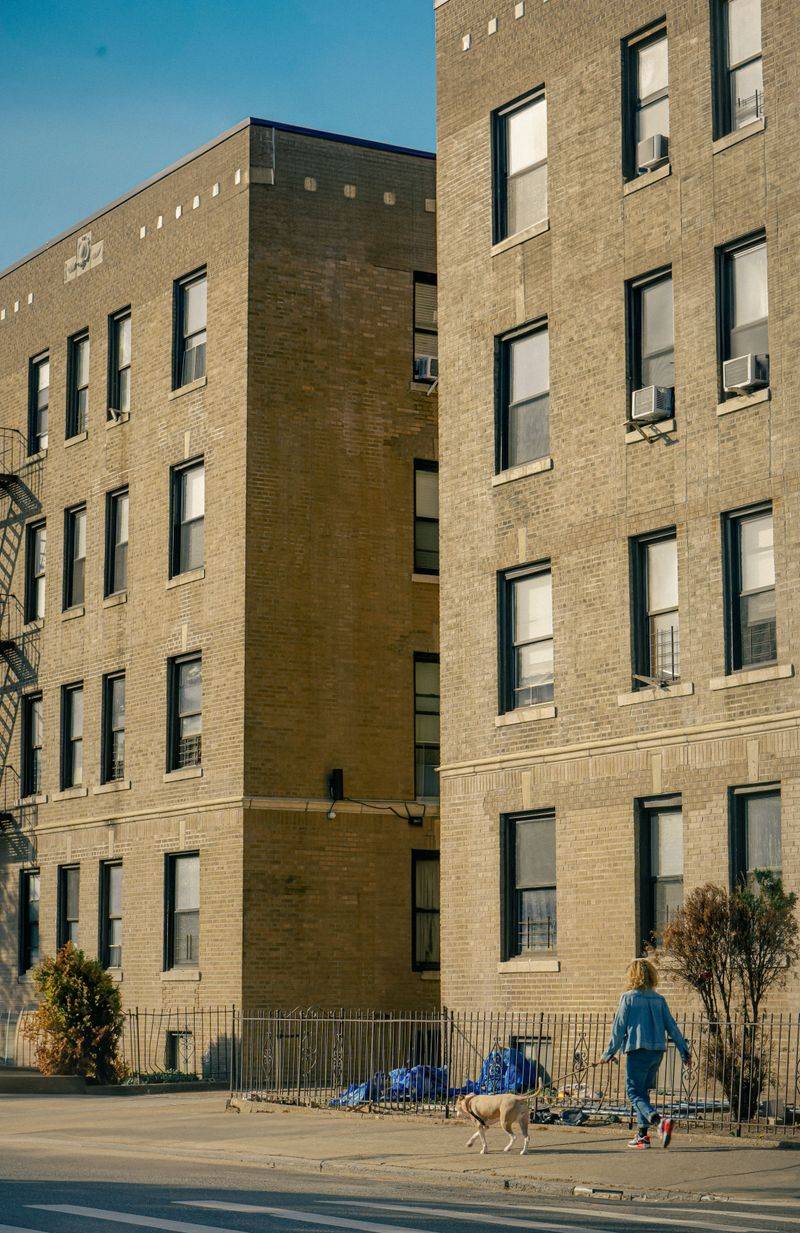
New York City has a unique rule sometimes called the 90-day law. In rental buildings with three or more units, if a landlord knows a tenant has a pet for 90 days and takes no action, the no-pet clause may be waived for that animal.
Co-ops and condos follow their own board policies, which can include breed or weight limits.
NYCHA buildings cap dogs at 25 pounds and ban certain breeds. Service animals and emotional support animals have separate legal protections under federal and state fair housing laws.