What To Know About Renting With A Dog Under Pennsylvania Landlord Rules

Renting with a dog in Pennsylvania can feel like a puzzle, but it does not have to be overwhelming.
The rules covering pet policies, licensing, liability, and assistance animals all connect in ways that matter to every dog owner who rents. Knowing what landlords can and cannot do gives you real confidence when you sign a lease or talk to a property manager.
Think of this guide as a knowledgeable friend walking you through exactly what you need to know, step by step, before you bring your dog through that front door.
1. Check the Lease Carefully Before Moving In With Your Dog

Your lease is the rulebook for your tenancy, and the pet section deserves a close read before you sign anything. Pennsylvania landlords have wide discretion when setting pet policies.
A clear, consistently applied no-pet clause is fully enforceable in court.
Look for language about allowed animals, size limits, and breed restrictions. Missing these details early can cost you later.
Reading carefully now protects both you and your dog from an unexpected eviction notice down the road.
2. Landlords Can Set Reasonable Pet Rules for Ordinary Household Pets

For pets that are not assistance animals, Pennsylvania landlords are allowed to set reasonable rules. Those rules might cover behavior standards, size limits, or breed restrictions.
Following these rules is part of your obligation as a tenant.
Breaking a pet policy can lead to a formal lease violation. Landlords may require you to remove your dog or face other consequences.
Staying aware of the rules keeps your tenancy stable and your dog safely in place.
3. Always Get Written Permission to Keep a Dog
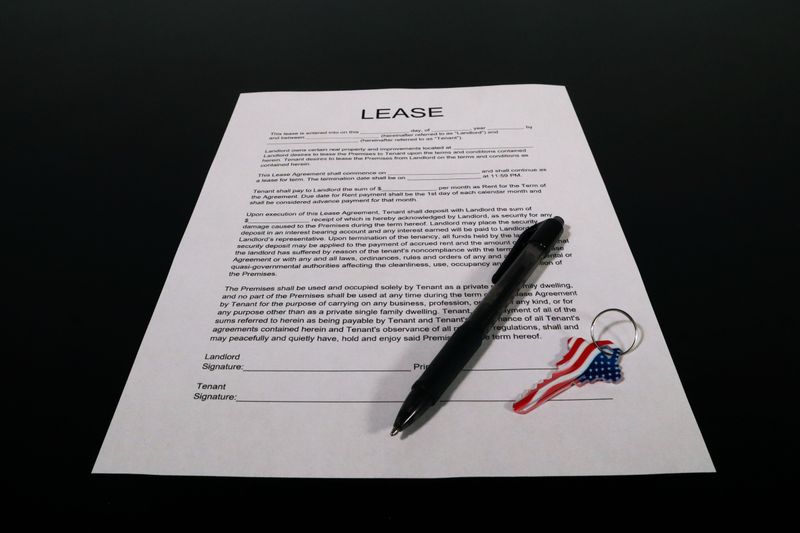
A verbal yes from a landlord is easy to forget or dispute later. Written permission creates a clear record that both sides agreed to the arrangement.
Many landlords use a pet addendum attached directly to the main lease.
That addendum spells out the terms: which dog is approved, any behavioral expectations, and what happens if issues arise. Getting it in writing protects you if management changes or misunderstandings come up later.
Always keep a signed copy for your records.
4. Review the Pet Addendum for Breed, Size, or Number Restrictions

Pet addendums often go further than the main lease. They can list specific breeds that are not allowed, set a maximum weight for dogs, or limit the number of animals per unit.
Skimming past these details is a common mistake.
Some landlords update their restrictions periodically, so confirming the current terms matters every time you renew. If your dog falls outside the listed parameters, address it with your landlord directly before moving in.
Surprises at move-out time are rarely pleasant.
5. Ask About Pet Deposits, Fees, and Monthly Pet Rent Upfront

Pennsylvania landlords can charge a pet deposit for ordinary pets. That deposit is included within the state security deposit cap: two months’ rent for the first year, then one month’s rent after that.
Non-refundable pet fees and monthly pet rent are also generally permitted.
State law does not set a statewide cap on non-refundable fees or monthly pet rent amounts. Always ask for a full breakdown of every pet-related cost before you sign.
Knowing the numbers upfront prevents budget surprises after move-in.
6. Pennsylvania Requires All Dogs to Be Licensed Annually

Every dog aged three months or older in Pennsylvania must hold a valid license, renewed each year by January 1st. Licenses are issued through county treasurers, and the process is straightforward in most counties.
Skipping this step is not a minor oversight.
The maximum penalty for an unlicensed dog can reach $500, plus court costs. Beyond the legal obligation, a license tag helps reunite lost dogs with their owners quickly.
Keep the renewal date on your calendar so it never slips past you.
7. Rabies Vaccination Is Required by Pennsylvania Law

Pennsylvania law requires dogs to receive a rabies vaccination. The first shot must happen within four weeks of the dog reaching 12 weeks of age.
After that, boosters follow according to the vaccine manufacturer’s schedule.
A current rabies vaccination protects your community and keeps your dog in compliance with state law. Your vet will issue a certificate after each vaccination.
Store that certificate safely because landlords, groomers, and boarding facilities may ask to see it at any time.
8. Keep Your Dog Under Reasonable Control Outside Your Property

Pennsylvania’s Dog Law (3 P.S. section 459-305) requires dogs to be confined on their owner’s property or kept under reasonable control when off it. What counts as reasonable control depends on the specific situation.
A dog wandering freely in a public space generally does not meet that standard.
Dogs found running at large can be picked up by dog wardens or law enforcement. Beyond the legal issue, a well-controlled dog is a good neighbor.
Consistent leash habits make every outing safer for everyone involved.
9. Dog Owners Are Legally Responsible for Damage Their Dogs Cause

Pennsylvania holds dog owners liable for damages their animals cause. That liability covers property damage inside a rental unit and medical costs from a dog bite, even if the dog has never shown aggression before.
A history of good behavior does not shield an owner from responsibility.
If a leash law was violated during an incident, courts can treat that as evidence of owner negligence. Renters insurance with pet liability coverage can provide a meaningful financial safety net.
Confirm what your policy covers before you rely on it.
10. Local Municipal Rules May Add More Requirements for Dog Owners
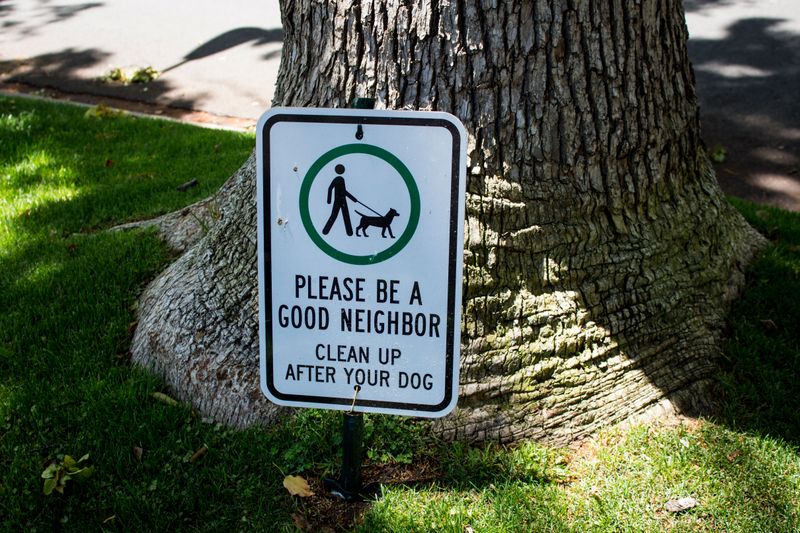
State law sets a baseline, but many Pennsylvania municipalities layer on their own rules. Local ordinances can address leash requirements in parks, rules for picking up waste, noise complaints about barking, and limits on how many dogs one household may keep.
These local rules can be stricter than what state law requires, and they vary from one township to the next. Contact your local municipal office or check the borough’s website to confirm current requirements.
Being proactive here prevents fines that catch many dog owners off guard.
11. Assistance Animals Receive Different Legal Protections Than Ordinary Pets

Under both the federal Fair Housing Act and the Pennsylvania Human Relations Act, assistance animals are not classified as pets. That distinction changes everything about how housing rules apply to them.
Assistance animals include trained service animals and emotional support animals that provide therapeutic benefit.
Because they serve a disability-related function, the standard pet rules a landlord sets do not automatically apply to them. Understanding this difference early helps tenants know when they have additional rights.
It also helps landlords respond appropriately to accommodation requests.
12. Tenants Can Request a Reasonable Accommodation for an Assistance Animal
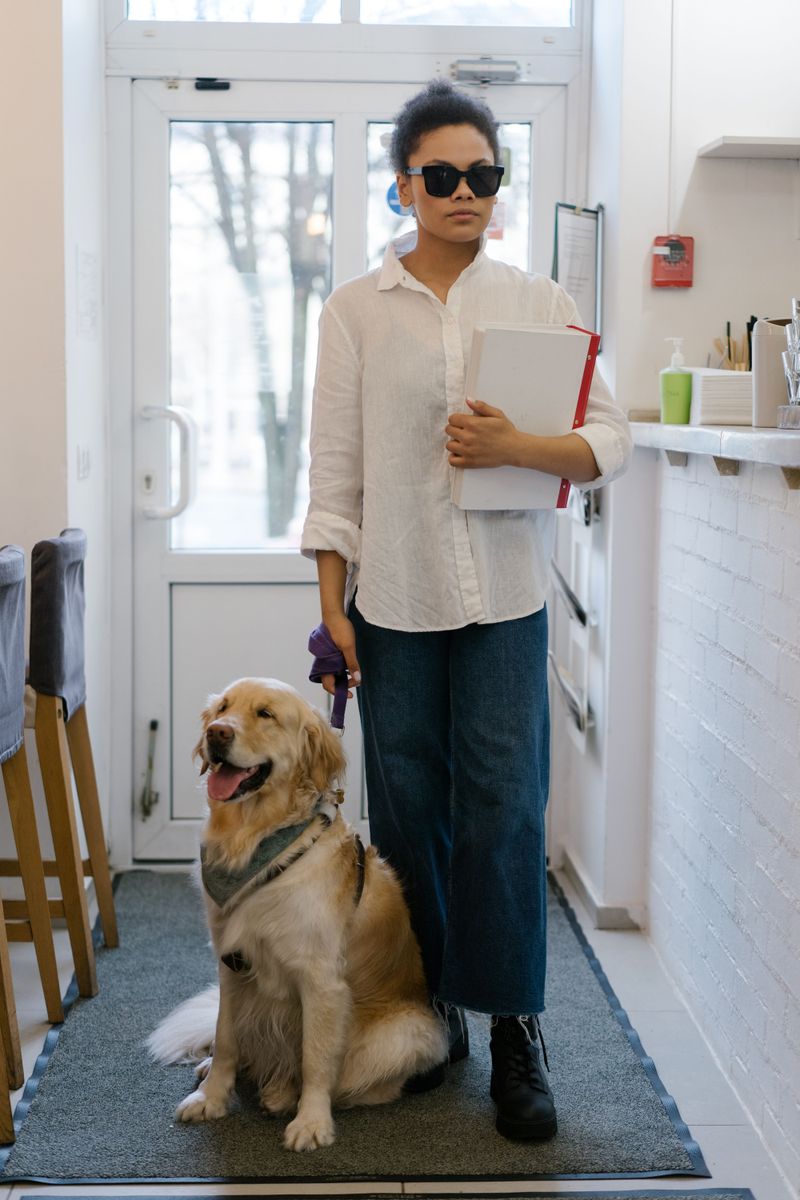
A tenant with a qualifying disability can formally ask their housing provider to make an exception to a no-pet policy for an assistance animal. This request is called a reasonable accommodation.
Landlords are generally required to grant it unless doing so creates an undue hardship.
The accommodation allows the person to use and enjoy their home on equal terms with others. Submitting the request in writing creates a clear paper trail.
Keeping a copy of all correspondence related to the request is a smart habit from the start.
13. Landlords Can Ask for Reliable Documentation When the Need Is Not Obvious

When a disability or the need for an assistance animal is not readily apparent, a housing provider may request documentation. That paperwork should reliably connect the disability to the need for the animal.
Landlords cannot demand full medical records or ask for the specific nature of the disability.
The goal of the documentation is simply to confirm a legitimate disability-related need. Overly invasive questions from a landlord go beyond what the law allows.
Knowing this boundary helps tenants respond confidently without oversharing personal medical information.
14. Pennsylvania’s Assistance and Service Animal Integrity Act Sets Documentation Standards
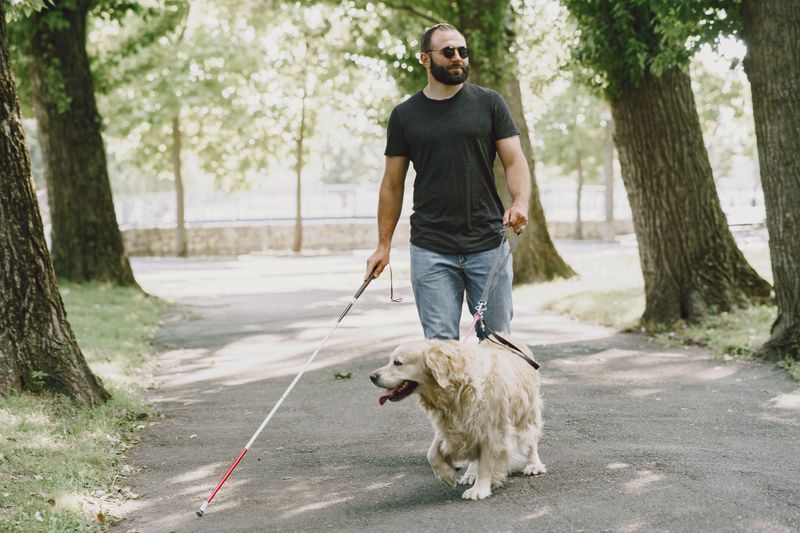
Pennsylvania’s Assistance and Service Animal Integrity Act, known as Act 118 of 2018, establishes specific standards for assistance animal documentation in housing. Documentation must be reliable and based on direct knowledge of the person’s disability and need.
A letter from a professional who actually knows the requester carries more weight under this law.
The act was designed to reduce fraudulent claims while protecting people with genuine needs. Understanding what qualifies as acceptable documentation helps tenants prepare properly.
It also gives landlords a clear standard to follow when evaluating requests.
15. Pet Fees and Deposits Generally Do Not Apply to Approved Assistance Animals
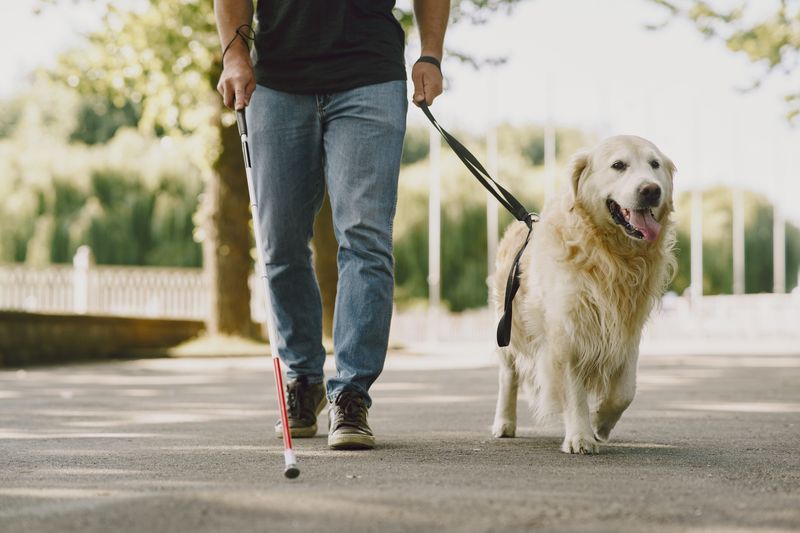
When an assistance animal qualifies as a reasonable accommodation, landlords in Pennsylvania cannot charge pet deposits, non-refundable pet fees, or monthly pet rent for that animal. Breed, weight, and size restrictions that apply to ordinary pets also do not apply in these situations.
Charging those fees for a legitimate assistance animal is a fair housing violation. Tenants who encounter this situation can file a complaint with the Pennsylvania Human Relations Commission.
Knowing this protection exists allows you to advocate for yourself calmly and clearly.
16. Landlords Can Still Address Real Damage or Safety Issues Caused by Assistance Animals

Granting an accommodation does not mean a tenant escapes responsibility for their animal’s behavior. Tenants remain liable for any actual property damage an assistance animal causes.
A landlord can require removal of the animal if it poses a genuine danger or significantly disrupts other residents.
Pennsylvania’s Act 118 also gives landlords some liability protection for injuries caused by a permitted assistance animal. That provision encourages landlords to approve reasonable accommodations without fear of undue legal exposure.
Clear communication between tenant and landlord keeps the arrangement working for everyone.
17. Labeling a Dog an Emotional Support Animal Does Not Automatically Protect It

Attaching the label emotional support animal to a dog does not instantly grant legal protection. The protection comes from a legitimate, documented disability-related need for the animal.
Without that foundation, the label alone carries no legal weight in a housing dispute.
There is no official government registry or certification for emotional support animals in Pennsylvania. Online certificates sold by third-party websites are not recognized as sufficient documentation under Act 118.
A genuine relationship with a qualified professional is what actually supports a valid accommodation request.
18. Misrepresenting a Pet as a Service or Assistance Animal Is a Crime in Pennsylvania

Pennsylvania’s Act 118 of 2018 makes it a criminal offense to misrepresent an animal as a service or assistance animal. Intentionally providing false documentation or outfitting a pet with a fake service animal vest to gain housing access can result in a summary offense.
Fines can reach up to $1,000 for misrepresenting the animal itself.
Misrepresenting your own entitlement to an assistance animal can rise to a third-degree misdemeanor. Beyond the legal consequences, fraudulent claims harm people with genuine needs.
Honesty throughout this process is both the ethical and the legally sound path.
19. Confirm All Pet Rules and Local Requirements Before Moving In

Before moving any dog into a rental, take time to confirm the property’s specific pet rules directly with the landlord or property manager. Do not rely on what a previous tenant told you or what an old listing says.
Policies change, and only the current lease reflects the actual terms.
Also check with your local municipality for ordinances on leashing, waste disposal, barking, and the number of dogs allowed per household. A quick phone call or website visit can save significant headaches later.
Preparation now means fewer problems after move-in.
20. Keep Organized Records for Your Dog’s License, Vaccines, and Lease Permission

Organized records are one of the simplest and most powerful tools a renting dog owner can have. Keep your dog’s current license, rabies vaccination certificate, written lease permission, and any assistance animal accommodation paperwork all in one place.
A physical folder and a digital backup both have value.
These documents can resolve disputes quickly and demonstrate responsible ownership. If your landlord, a dog warden, or a municipal officer ever asks for proof, you want to hand it over without searching for it.
Good record-keeping signals that you take your responsibilities seriously.