15 Little-Known Texas Dog Laws Worth Knowing
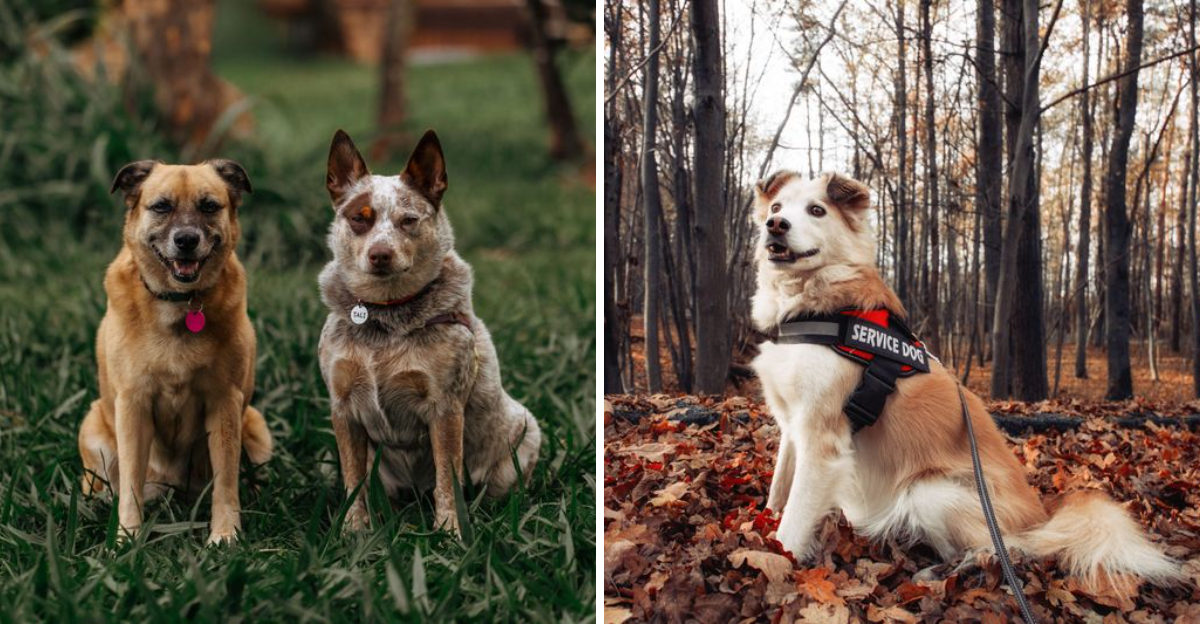
If you share your home with a dog in Texas, you already know the basics: food, water, vet visits, and plenty of belly rubs. What surprises many owners is how much of Texas dog law lives at the city and county level, not in one big statewide rulebook.
That means two neighbors a few miles apart can follow different leash rules, registration steps, and vaccination schedules. None of this is meant to worry you.
Most Texas owners are already doing the right things, and a little clarity makes compliance simple. Think of this guide as a friendly walkthrough of the rules that tend to catch people off guard.
We will cover leash expectations, rabies vaccination timing, registration and microchipping, dangerous dog procedures, service animal protections, bite reporting, and the humane care standards set by the Safe Outdoor Dogs Act. Where rules shift by location, that is noted plainly.
Because ordinances change, always confirm details with your local animal control office, city hall, or veterinarian. Read on, and you will finish feeling steadier about walks, travel, paperwork, and the unexpected.
1. Texas Does Not Have One Statewide Leash Law

Many owners assume one leash rule covers the whole state. Texas actually leaves leash requirements to cities and counties.
Fort Worth, Dallas, and Houston each have their own animal control ordinances. Most require a leash, tether, or other physical control in public.
A dog off its owner’s property and unrestrained is often called at large.
Some places even cap leash length. Unincorporated Harris County limits leashes to six feet, so check your local rules.
2. Dangerous Dog Rules Can Apply After an Incident
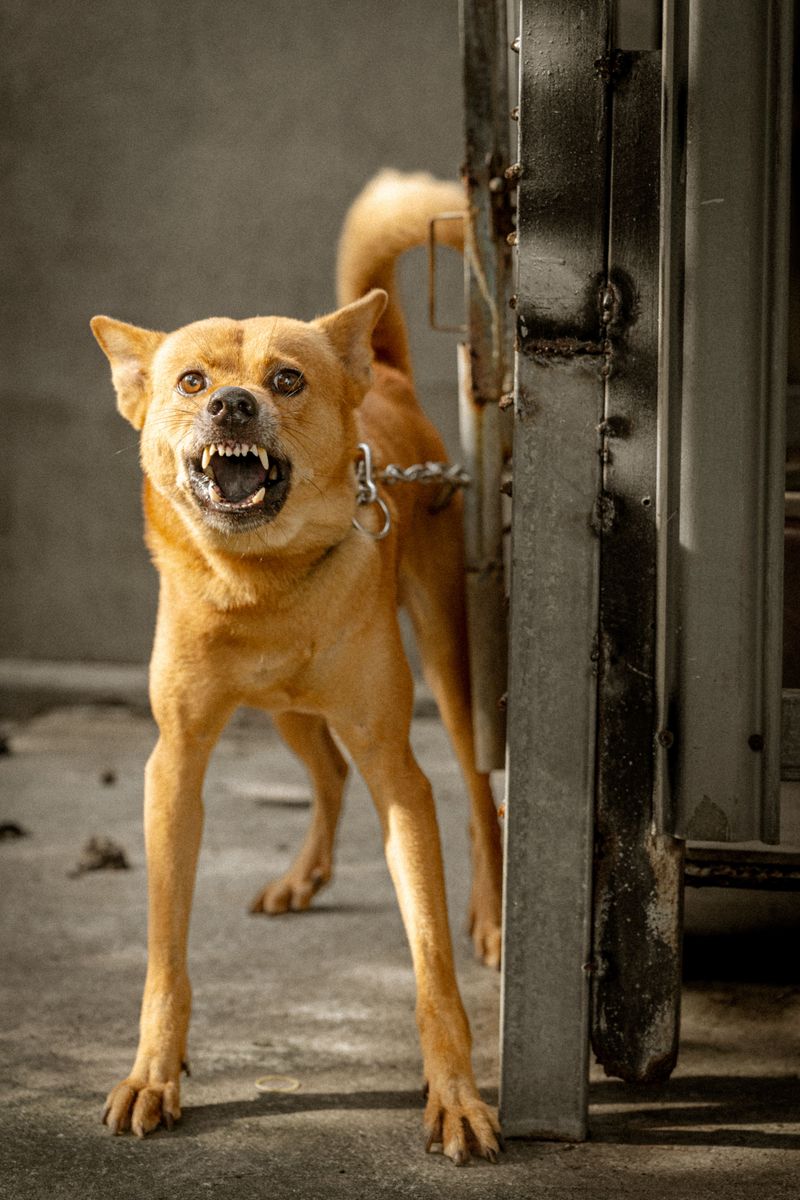
Texas has a formal process for dogs labeled dangerous under Health and Safety Code Chapter 822.
The label can follow an unprovoked attack causing bodily injury outside a secure enclosure. It may also follow unprovoked acts that make someone reasonably believe an attack is coming.
Once an owner learns that a dog has been designated dangerous, state law gives the owner 30 days to complete requirements such as registration, restraint, and proof of at least $100,000 in liability insurance or financial responsibility. Owners can appeal a dangerous dog determination within the period provided by law.
3. Dogs Must Be Properly Registered in Some Communities
There is no statewide dog license in Texas, yet plenty of communities require local registration.
Rules usually apply once a dog reaches three or four months old. Proof of current rabies vaccination is standard, along with an application and fee.
Houston requires annual registration, microchipping, and vaccination for dogs over four months. Dallas shifted in 2017 to microchipping plus rabies protection instead.
Fees often drop for spayed or neutered pets, so ask locally.
4. Rabies Vaccination Is Required
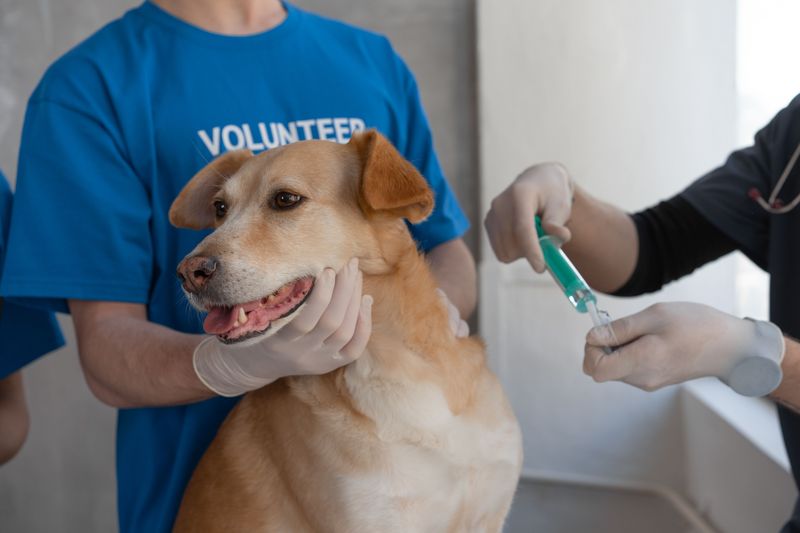
Rabies protection is one rule that does apply across Texas.
State regulations require dogs to be vaccinated by four months of age by a licensed veterinarian. A booster follows within 12 months, no matter the dog’s age or vaccine type.
Keep the vaccination certificate somewhere easy to find, especially when traveling or dealing with animal-control requirements
Keep the certificate somewhere easy to find. Some cities require annual shots, and non-compliance can bring fines.
5. Microchipping Can Matter After a Dangerous Dog Designation

A tiny chip carries surprising legal weight in Texas.
Cities such as San Antonio and Mansfield, plus Montgomery County, require dangerous dogs to be microchipped and registered to the owner.
Starting September 1, 2025, House Bill 3777 broadens things. Owners of dogs taken into animal control custody must show proof of microchipping and core vaccinations within 30 days of notice.
Chip fees are capped at $50, and shelters scan impounded animals.
6. Owners Can Face Liability for Certain Dog Attacks
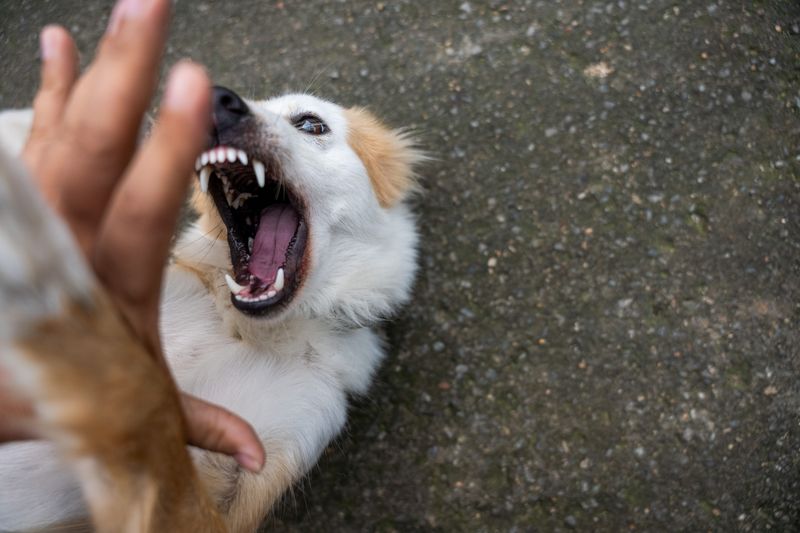
Texas follows a common law approach often called the one-bite rule.
An owner may be strictly liable if they knew, or should have known, their dog had bitten before or acted aggressively.
Even without that history, negligence can apply. Ignoring leash rules or failing to secure a yard are common examples.
Once a dog is officially designated dangerous, strict liability attaches. Lillian’s Law adds felony exposure in cases of criminal negligence.
7. Texas Has Specific Rules for Dangerous Dog Confinement

Confinement rules for designated dangerous dogs are detailed and enforceable.
State law calls for restraint at all times, either on a leash under immediate control or inside a secure enclosure. That enclosure must be locked and reasonably certain to stop escape and unauthorized entry.
Local ordinances often add specifics: six foot heights, nine gauge wire, approved locks, muzzles off property, and posted warning signs. Skipping these steps can lead to seizure.
8. Some Dog Incidents Must Be Reported
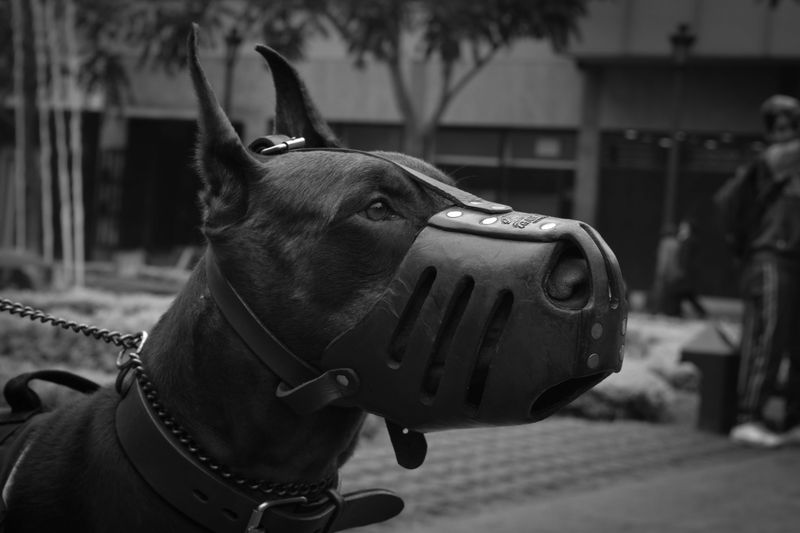
Reporting a bite is not just courteous. Under Health and Safety Code Section 826.041, anyone who knows of a bite or scratch that could transmit rabies must report it.
That duty covers ordinary citizens, not only doctors and veterinarians. It applies even when the dog belongs to a friend.
Reports trigger a 10 day observation period. Austin and parts of Harris County advise reporting within 24 hours.
9. Dogs Can Be Restricted From Certain Public Places
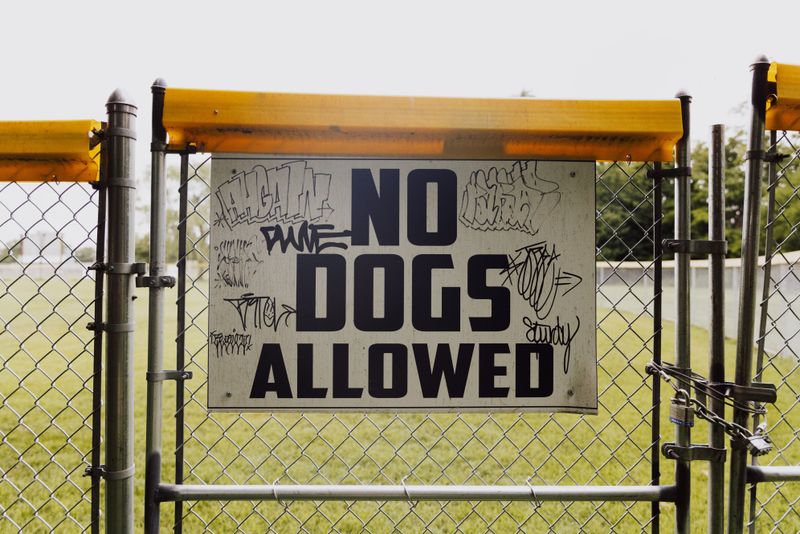
Not every door in Texas opens for pets, and that is normal.
Restaurants may allow dogs on outdoor patios under Health and Safety Code Section 437.025, but they are not required to. Dog friendly patios need a posted sign and outside access, and dogs stay off tables and chairs.
Interiors of food establishments generally exclude pets. State parks usually require leashes no longer than six feet.
10. Service Dogs Have Special Legal Protections
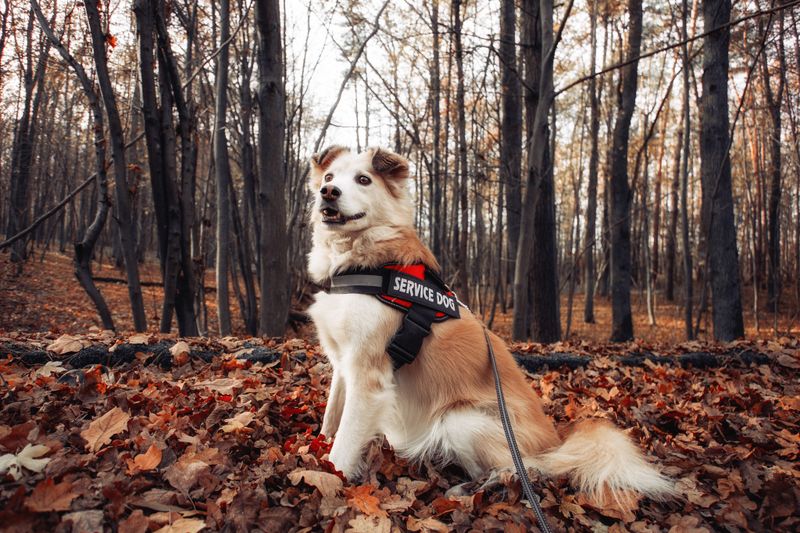
Texas law aligns with the Americans with Disabilities Act on service animals.
A service animal is a dog specially trained or equipped to perform tasks tied to a person’s disability. Dogs in training with a trainer share the same access.
Staff may ask only two questions: whether the dog is required due to disability, and what task it performs. No documentation, certification, or task demonstration can be demanded.
Housing cannot charge pet fees.
11. Emotional Support Animals Are Not Automatically Service Animals

Comfort matters, but Texas law draws a clear line.
Under House Bill 4164, intentionally or knowingly representing an animal as an assistance or service animal when it is not specially trained or equipped to help a person with a disability is an offense. The law took effect September 1, 2023, and allows a fine of up to $1,000 along with community service.
Housing is different because federal fair-housing rules can provide protections for assistance animals that are not service animals under the ADA. Those situations are handled under different standards, so a housing provider’s requirements should be checked separately.”
Under House Bill 4164, intentionally or knowingly representing an animal as an assistance or service animal when it is not specially trained or equipped to help a person with a disability is an offense.
12. Local Ordinances Can Set Stricter Dog Rules
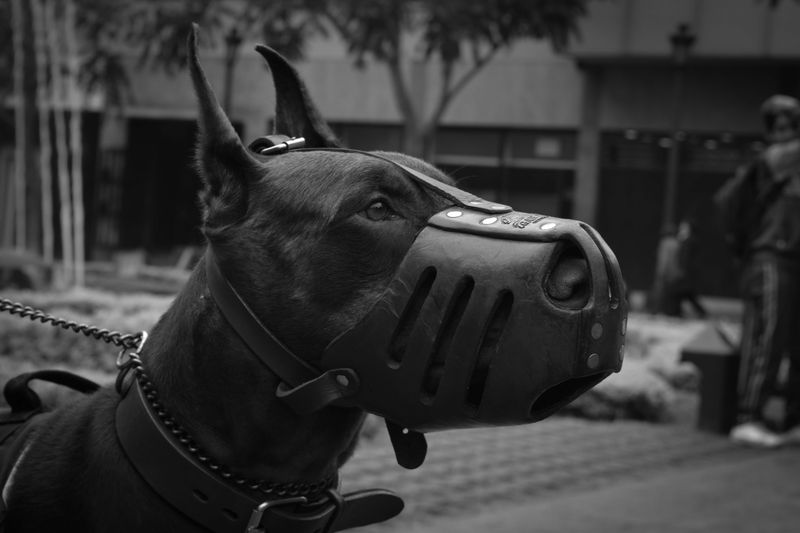
State statutes set the floor, not the ceiling.
Cities and counties may adopt animal rules equal to or stricter than state law. Common additions include leash length limits, higher insurance amounts for dangerous dogs, spay or neuter mandates, detailed enclosure specs, and barking nuisance rules.
Local governments also set pet limits per household and vaccination intervals. They cannot ban breeds or block your right to appeal a dangerous dog determination.
13. Owners Must Follow Animal Control Orders
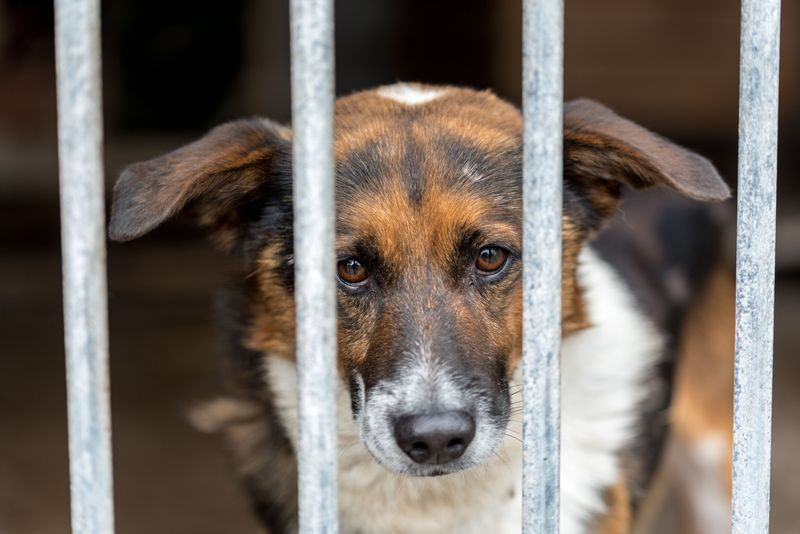
Lawful animal control orders are not suggestions.
Directives often follow a bite, a dangerous dog finding, or a neglect investigation. They can require quarantine, confinement, registration, microchipping, or surrender in certain cases.
Ignoring an order can bring fines from $500 up to $2,000 for public health and safety offenses, with each day counted separately. Violating quarantine is a criminal offense.
Courts may order seizure, with costs falling to the owner.
14. Dogs Cannot Simply Be Allowed to Roam Where Local Rules Prohibit It
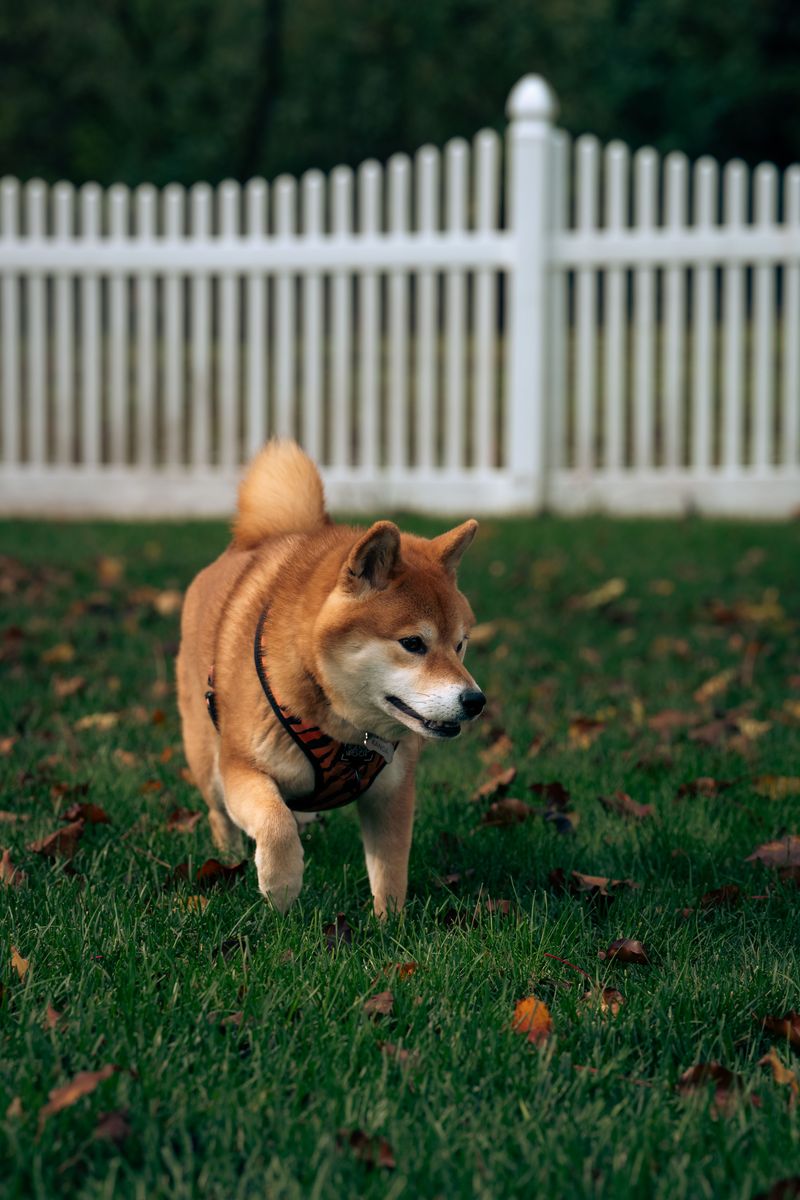
Letting a dog wander the neighborhood feels old fashioned and friendly. In much of Texas it is against local running at large ordinances.
Officers may issue citations, impound the dog, and assess fines. Civil liability follows if a loose dog injures someone.
Section 822.012 adds criminal penalties for knowingly allowing dogs accustomed to harming livestock to run free. A securely fenced yard remains your simplest protection.
15. Neglect and Cruelty Laws Protect Dogs
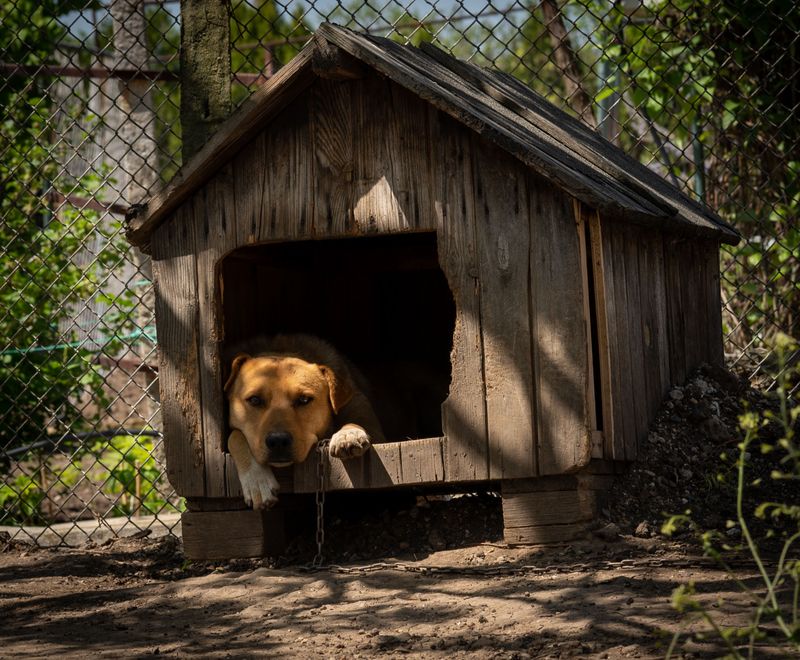
Texas Penal Code Section 42.092 sets standards for treating dogs humanely.
Prohibited conduct includes unreasonably failing to provide food, water, shelter, or needed veterinary care, plus abandonment and cruel confinement. Many neglect offenses are Class A misdemeanors, while severe acts can reach felony level.
The Safe Outdoor Dogs Act, effective January 2022, defines adequate shelter and drinkable water and bars heavy chain restraints. Shade, water, and shelter keep everyone compliant.