Massachusetts Rules on Liability When One Dog Bites Another

Most walks around the neighborhood end happily, with a wagging tail and a tired dog. Once in a while, though, two dogs meet badly, and one gets hurt.
If that ever happens to you in Massachusetts, it helps to already know how the state handles responsibility, veterinary bills, and animal control. Think of this as a friendly local guide, not a warning.
Massachusetts takes a fairly clear approach to dog-related damage. The state uses a strict liability rule, which means an owner or keeper can be responsible for harm their dog causes, even without any proof of carelessness.
Pets are treated as property under the statute, so veterinary costs can become part of a claim. There are exceptions, including teasing or tormenting the dog, and local city or town rules can add their own steps.
None of this is meant to make you nervous about the dog park. Knowing the basics simply lets you respond calmly, gather the right paperwork, and talk with the other owner without confusion.
Below are seventeen practical points every Massachusetts dog owner should keep in the back of their mind, along with simple habits that make a difficult moment far easier to handle.
Strict Liability Is the Starting Point

Massachusetts skips the usual argument about who was careless. State law can hold a dog’s owner or keeper responsible when their dog injures another dog.
The state’s model jury instructions specifically recognize strict liability for harm to another animal. That single idea shapes almost every dog-on-dog dispute here.
So the conversation usually centers on whose dog caused the injury, not on whether that owner made a mistake. Knowing this early keeps expectations realistic for everyone involved.
Your Dog Counts as Property Under the Statute

It sounds cold, but the legal wording helps clarify how a claim works. Massachusetts courts have long recognized dogs as property for purposes of injury claims, and G.L. c. 140, § 155 imposes liability when a dog causes damage to the body or property of another person.
That framework can allow an owner of an injured dog to seek compensation for reasonable veterinary expenses. In Irwin v.
Degtiarov, the Massachusetts Appeals Court confirmed that reasonable veterinary costs can be recovered under Section 155, even when they exceed the animal’s market value.
Love and law simply use different vocabulary for the same companion.
Proving Carelessness Usually Is Not Required

Here is where Massachusetts differs from many everyday injury claims. The injured dog’s owner generally does not have to show that the other owner acted carelessly.
Instead, the central questions are narrower. Did the defendant’s dog cause the injury, and did that person own or keep the dog?
That streamlined focus can make these claims simpler than people expect. It also means a sincere apology does not change the underlying legal responsibility.
No History of Aggression Needed
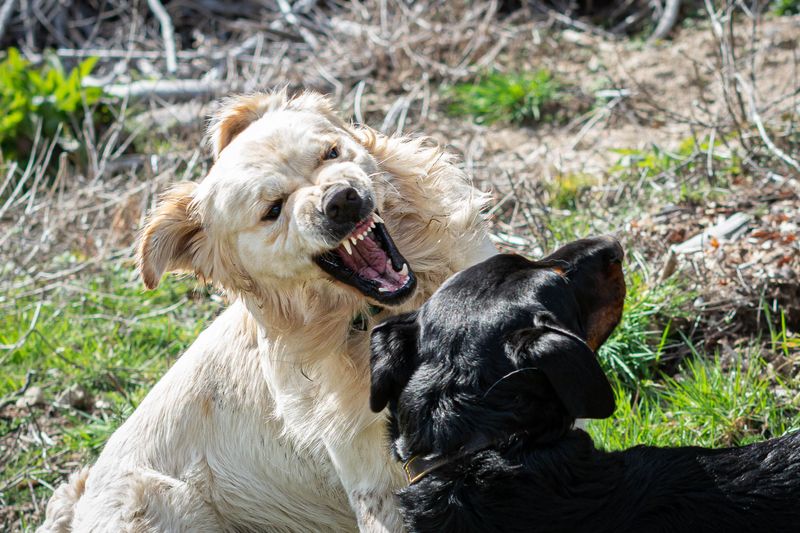
Some states use a one-bite rule, where a dog gets a free pass the first time. Massachusetts does not work that way.
A previous incident involving the dog is generally not required to establish strict liability for an injury to another dog. Jury instructions describe liability without demanding proof that the owner knew the dog was dangerous.
Even a sweet, well-behaved dog with a spotless past can create responsibility after one rough encounter.
Keepers Share Responsibility With Owners

Hired a dog walker? Left your pup with a neighbor for the weekend?
The statute applies to the dog’s owner or keeper.
A keeper is generally someone with temporary custody and control, even without legal ownership. That means the person actually handling the dog can be relevant.
Ownership and day-to-day control are sometimes split between two people. Both roles can matter when responsibility is sorted out afterward.
Teasing or Tormenting Changes the Picture
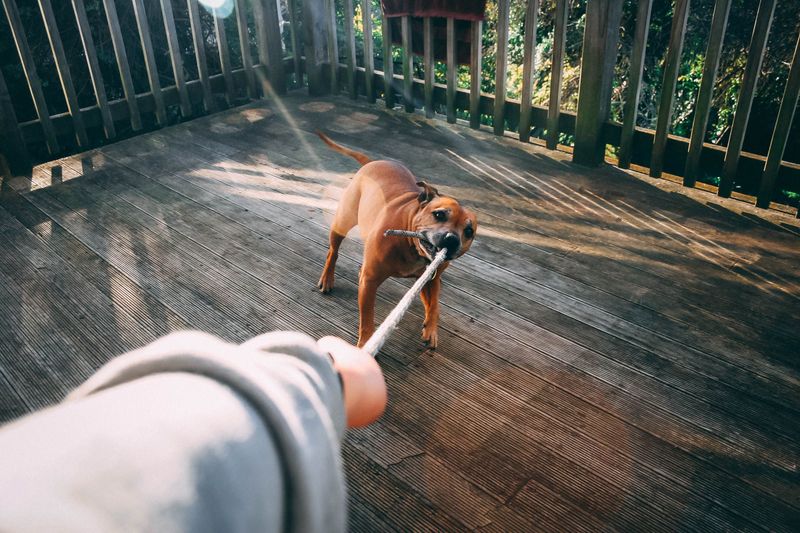
Strict liability is strong, though not absolute. Massachusetts law includes exceptions when the damage resulted from someone teasing, tormenting, or abusing the dog.
Because of that, what happened in the seconds before the incident carries real weight. Details about the interaction can shift the outcome entirely.
A calm, accurate account of events therefore serves both owners better than heated accusations. Facts, not feelings, drive these exceptions.
Trespassing Creates Its Own Exception
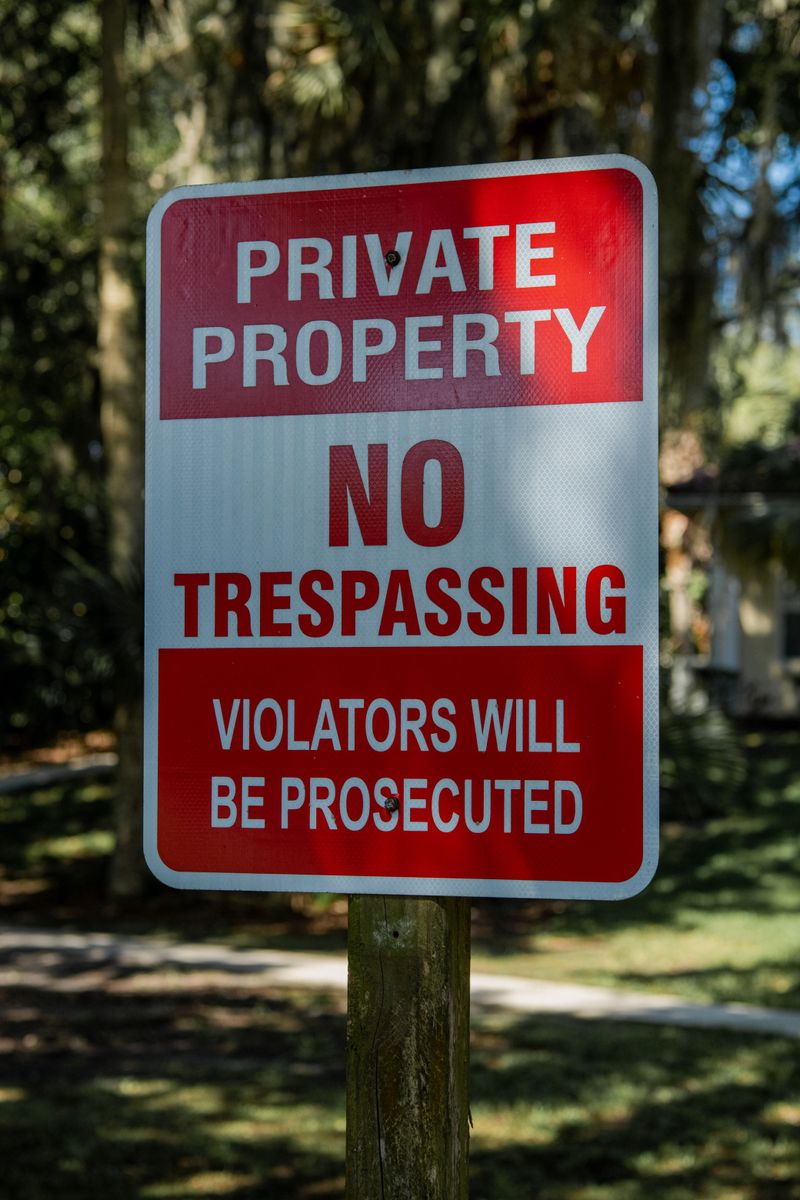
Section 155 carves out another situation. Liability may not apply when the injured person was committing a trespass or another tort at the time.
Notice the wording, though. The statutory language focuses on a person, so dog-on-dog cases can require careful thought about how it fits particular facts.
That nuance is one reason two similar-sounding incidents can be handled differently. Location and permission both matter.
Veterinary Costs Can Anchor a Claim
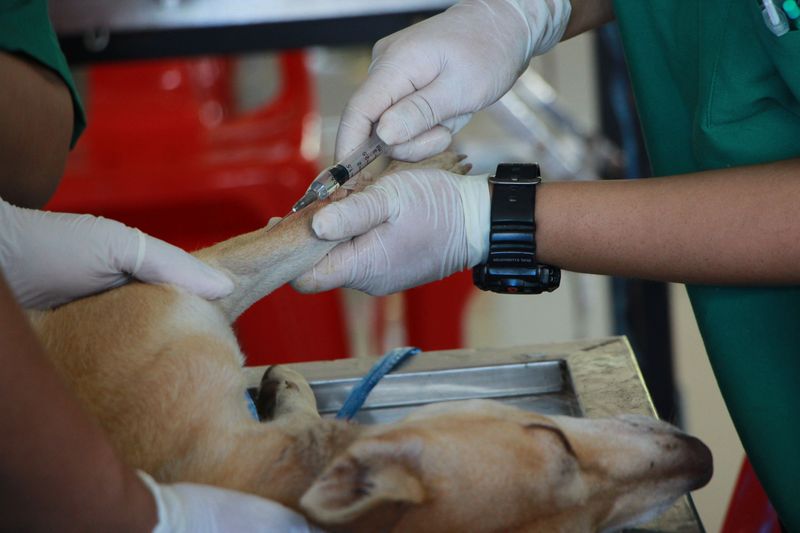
Emergency visits add up quickly, and those numbers matter legally. When another dog injures your pet, veterinary expenses can be part of the damages you seek.
Treatment, medication, and follow-up care may all factor in. The exact amount recoverable depends on the facts and the applicable legal claim.
Ask the clinic for an itemized invoice while you are still there. That small step saves a lot of back-and-forth later.
Write Everything Down Right Away

Memory fades fast, especially after a stressful few minutes. Photos, veterinary records, witness contact information, animal-control reports, and messages with the other owner all help establish what happened.
Keeping those items together in one folder or phone album pays off. Explaining the incident becomes far easier if a dispute develops weeks later.
Even a quick voice memo describing the scene can preserve useful details.
Animal Control Has a Separate Role
Money is only one part of the story. A dog-on-dog incident can raise animal-control concerns alongside questions about financial responsibility.
Massachusetts law provides procedures for complaints involving nuisance or dangerous dogs. Local officers may investigate and document what occurred.
Treating that process cooperatively usually goes smoothly. Officers are there to keep the neighborhood safe, not to make anyone feel accused.
Dangerous-Dog Complaints Follow a Different Track
Financial liability and nuisance or dangerous-dog proceedings are separate matters. One concerns compensation for property damage, while the other addresses whether a dog should be subject to remedial conditions under the state’s animal-control framework.
A written complaint may be filed with the appropriate local hearing authority alleging that a dog is a nuisance dog or dangerous dog. The hearing authority can investigate the complaint and issue an order addressing the dog if the statutory requirements are met.
Because procedures are handled locally, owners facing a hearing should ask their city or town exactly how the process works.
City and Town Rules Add Their Own Layer
State law sets the framework, but municipalities fill in plenty of details. Animal-control procedures and requirements can differ noticeably from one town to the next.
Boston, Worcester, and smaller communities may each handle complaints in their own way. Checking the rules where the incident happened avoids surprises.
A quick call to the local animal control office or clerk clears up most questions in minutes.
Leash Rules Still Carry Weight
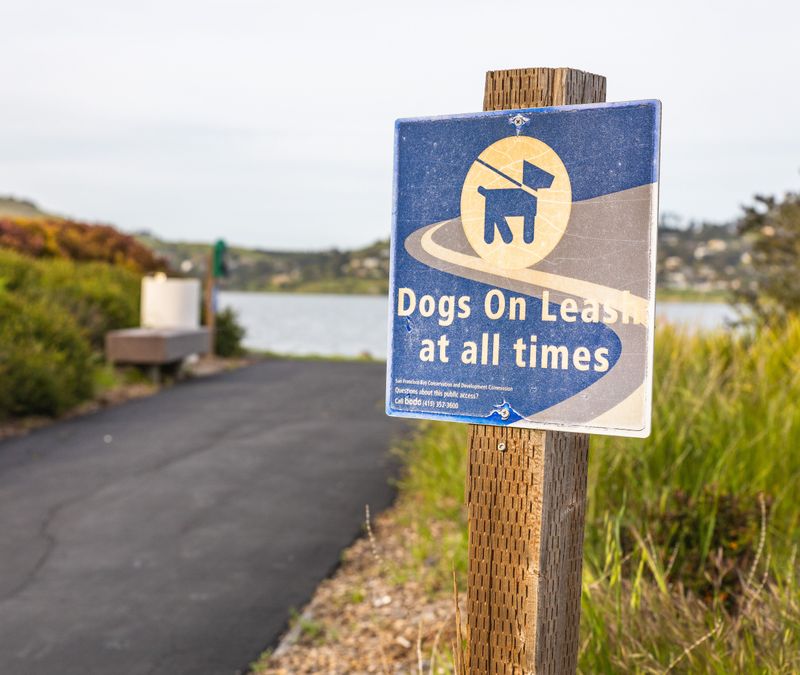
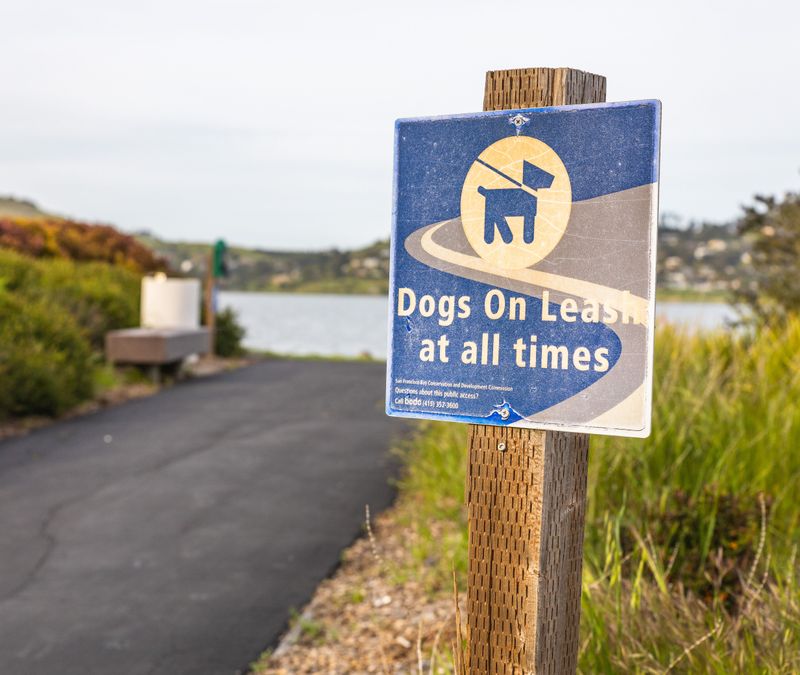
Plenty of Massachusetts communities require leashes in public areas. Even where strict liability already applies, the surrounding circumstances can shape a broader dispute.
An off-leash situation may also lead to a separate citation or an animal-control matter. That is independent of who pays veterinary bills.
Clipping the leash is the easiest habit on this entire list. It protects your dog and your peace of mind together.
Insurance Might Step In

Many owners forget their policy entirely in the moment. Depending on the terms and circumstances, a dog-related property claim may involve homeowners or renters insurance.
Coverage is policy-specific, though. Some policies limit or exclude certain dog-related claims altogether.
Rather than assuming anything, read your declarations page or call your agent before an incident ever happens. Knowing your coverage in advance beats discovering gaps under pressure.
Save Every Receipt and Record

Paperwork feels tedious until you need it. Hold onto invoices, treatment records, prescriptions, follow-up notes, and anything else connected to the injury.
Those documents do double duty. They show the nature of the injury and the actual expenses involved.
Scanning receipts into your phone as you get them works well. Six months later, you will be glad the whole file sits in one place.
Bites to People Trigger Reporting Steps

Sometimes a person gets nipped while separating two dogs. Massachusetts separately addresses the reporting of dog bites through state law.
Healthcare providers generally must report animal bites to the municipal animal inspector, and timelines apply. Additional requirements may come into play in that situation.
Seek medical care first, then let the professionals handle notification. Confirm specifics with your local board of health if you are unsure.
Context of the Encounter Deserves Attention
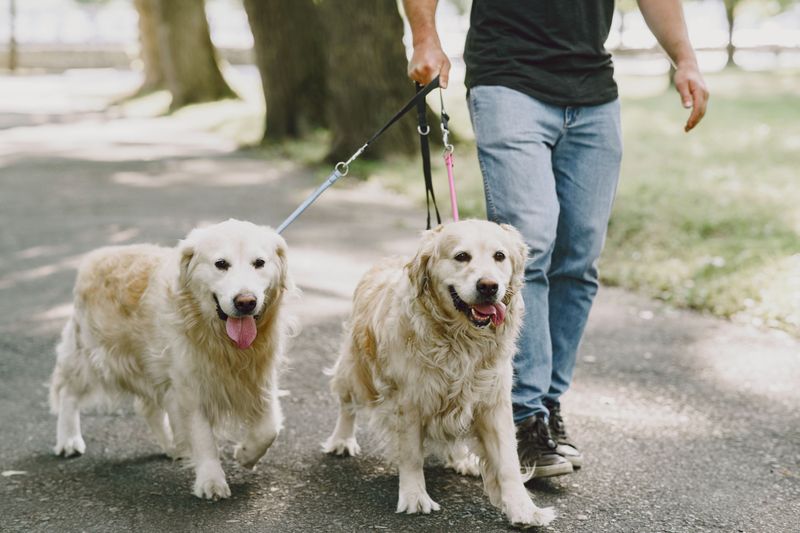
Where the dogs were, who held the leashes, and what happened just beforehand all matter. Strict liability does not erase the value of clear facts.
Careful documentation supports whatever comes next, whether that is a friendly settlement or a formal proceeding. For substantial veterinary costs, conflicting accounts, or a dangerous-dog hearing, a Massachusetts attorney can explain your options.
Stay calm, stay factual, and you will handle it well.