12 Georgia Mudroom Setups That Make Pollen Season Less Chaotic With A Dog
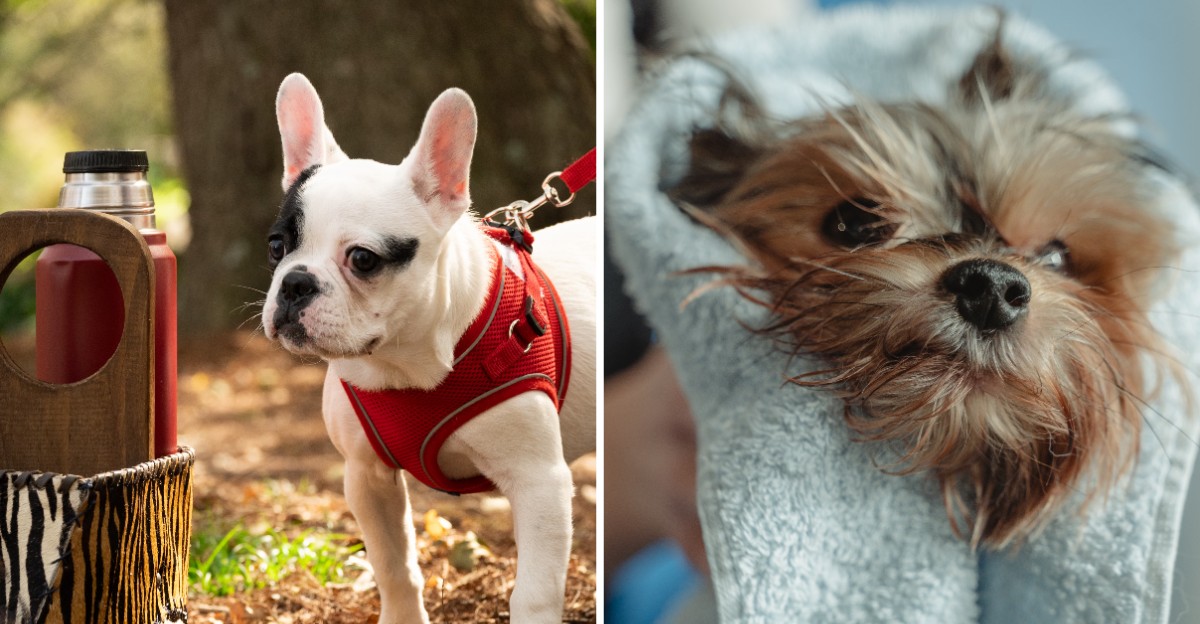
Georgia spring can leave yellow dust on your porch, your shoes, and the dog waiting beside the door. You cannot stop every pollen grain, but you can make returning from walks much easier.
A useful mudroom gives dirty gear a landing spot and keeps cleanup supplies close without crowding your dog. With a few thoughtful changes, even a small entry can help keep the rest of your home more comfortable.
1. Create a Drop-Zone Just Inside the Door
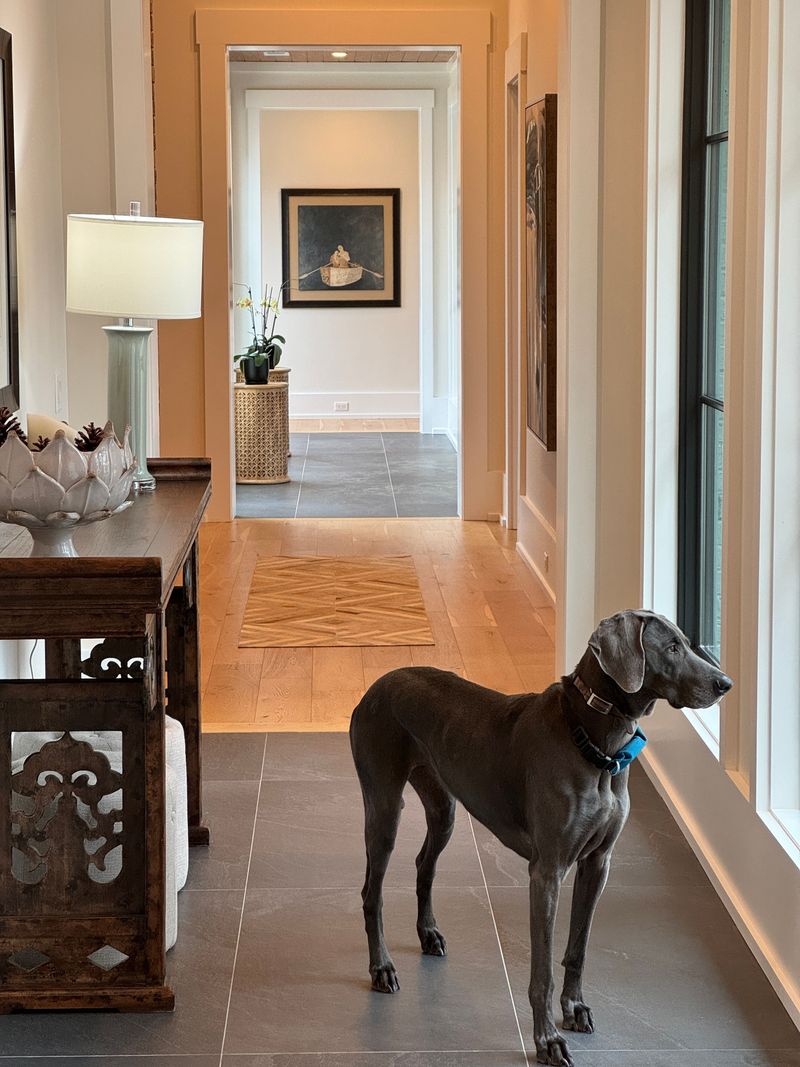
The first few steps indoors can decide where outdoor dust ends up. Place a sturdy bench and washable tray beside your usual entrance.
Leave enough space for your dog to stand without blocking the door.
Keep bags, hats, and outdoor layers here instead of carrying them through the house. During Georgia’s spring pollen season, close the door promptly after entering.
A simple landing area makes the next cleanup step easier for everyone coming home together.
2. Keep a Paw-Wiping Station and Dog Towel Hook Ready
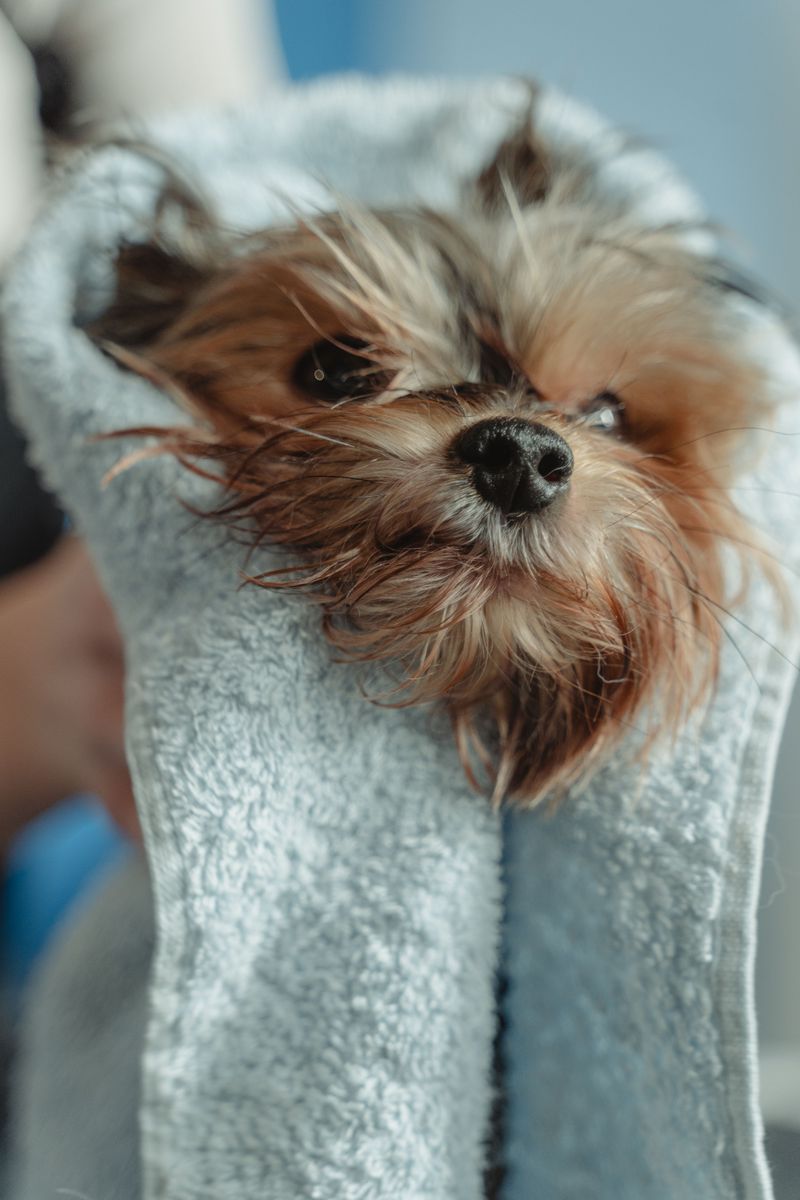
Muddy paws rarely wait while you search for a towel. Set clean cloths and a water bowl within reach before walks.
Use a damp cloth to gently wipe paws, then dry between the toes.
Give your dog’s towel its own labeled hook, separate from family towels. Hang it spread out so it dries fully.
Avoid household cleaning wipes on skin. If redness, persistent licking, or soreness appears, ask your veterinarian about the right next step.
3. Choose Tough Flooring With a Washable Runner
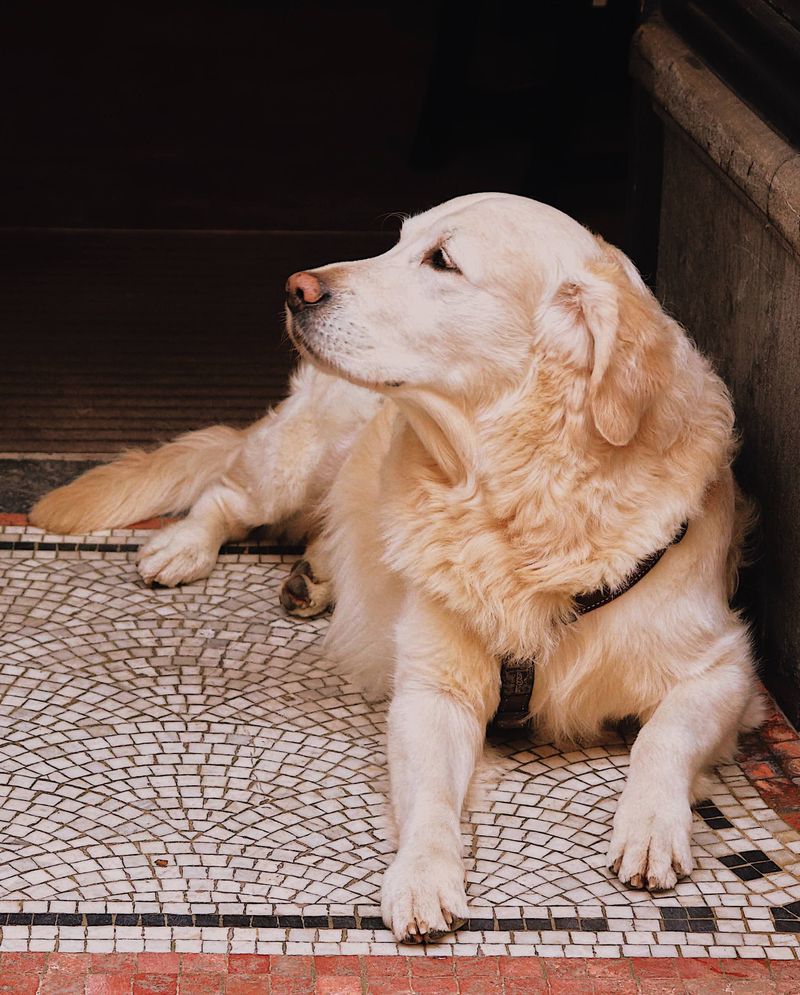
Georgia red clay and spring showers can test an entry floor. Choose water-resistant flooring with a textured surface rather than a slippery finish.
Check the manufacturer’s cleaning instructions before using any floor product.
Add a washable runner with secure, compatible backing for better footing. Keep corners flat and trim loose threads.
Shake debris outside, away from open doors, then wash as directed. Dry the runner completely before replacing it to avoid trapping moisture underneath it.
4. Use a Basket for Leashes and Walking Gear
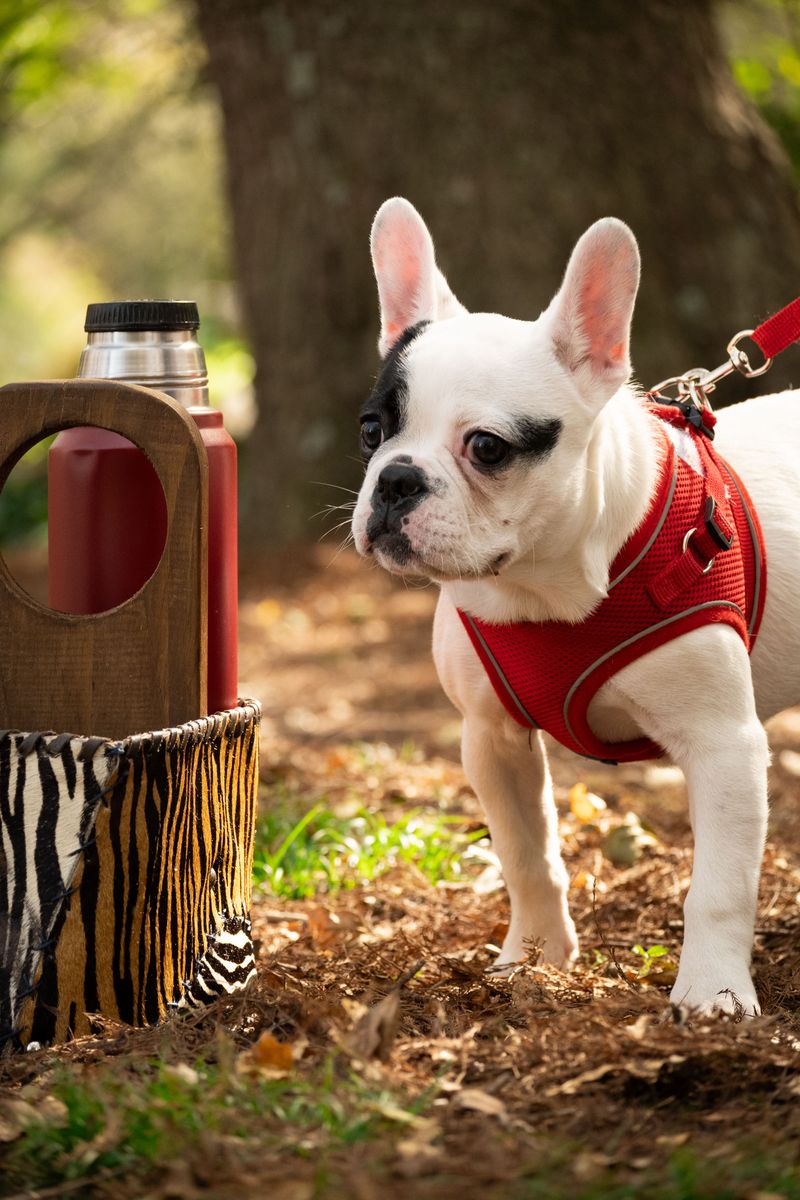
A missing leash can turn a quick walk into a scavenger hunt. Put everyday walking gear in one sturdy basket near the door.
Choose a shelf your dog cannot reach, especially for chewable straps and waste bags.
Return dry equipment after each outing, but let wet harnesses air out first. Keep spare bags beside the leash so restocking takes seconds.
Check buckles and stitching regularly. One organized spot helps everyone follow the same easy routine.
5. Make Room for a Dog-Washing Setup
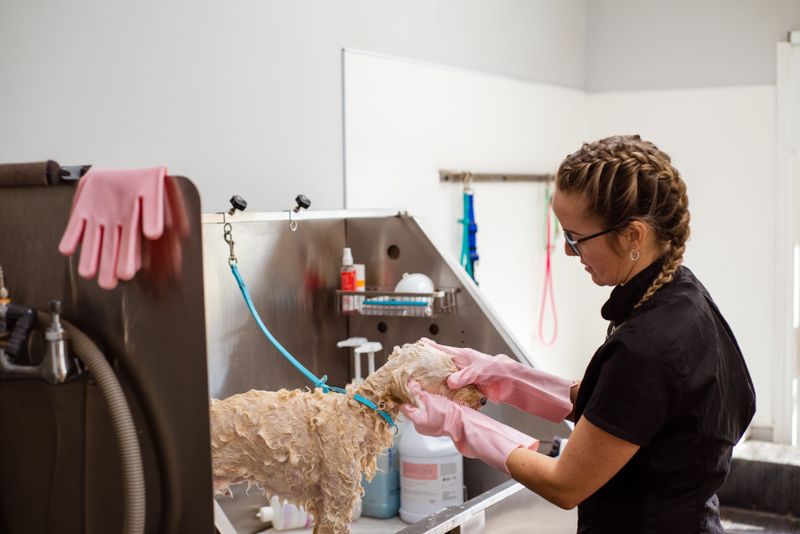
Some outings leave more dirt than a cloth can handle. A low-entry wash area with nonslip footing makes rinsing less awkward.
If plumbing changes are needed, check local requirements and use a qualified professional.
A portable basin may suit small dogs when used on stable flooring. Use lukewarm water and dog shampoo when needed, following veterinary advice.
Avoid spraying ears or eyes. Dry your dog afterward, and never leave them unattended in the wash area.
6. Store Pollen-Catching Clothes and Dirty Shoes Near the Entrance
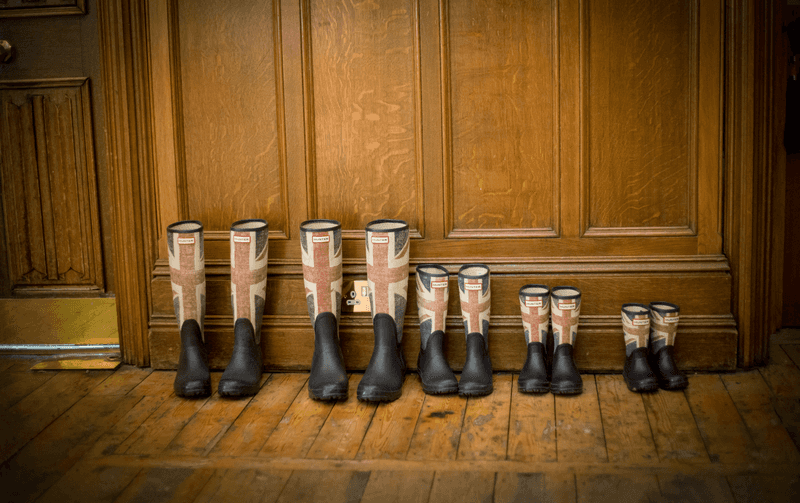
Your jacket and sneakers can carry outdoor dust beyond the doorway. Reserve hooks or a ventilated cabinet for walking clothes instead of draping them over living room furniture.
Give dirty shoes a washable tray underneath.
Let damp layers dry before closing them away. Wash clothing according to its label, especially after dusty outings.
Keep footwear beyond your dog’s reach to discourage chewing. Empty grit from the tray regularly so clean shoes do not collect yesterday’s dirt.
7. Add a Closed Cabinet for Cleaning Supplies
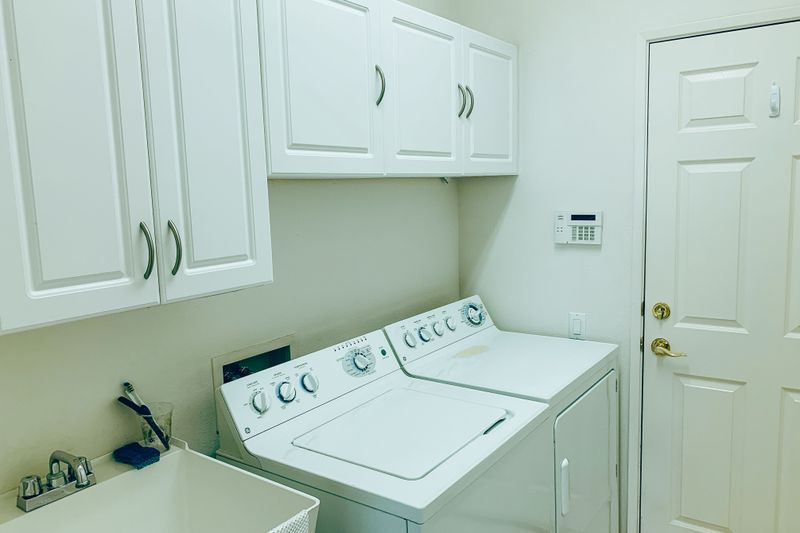
Helpful supplies should be easy for you to reach, not your dog. Install a closed cabinet with a secure latch for cleaners, detergents, and spare products.
Keep everything in its original labeled container.
Follow product directions, including any instructions about pets and drying time. Never mix cleaning products.
Store grooming cloths separately from chemical supplies to prevent confusion. A washable shelf liner catches small drips, but check containers often and clean leaks promptly and safely.
8. Create a Quick Brush-Off Zone With a Lint Roller
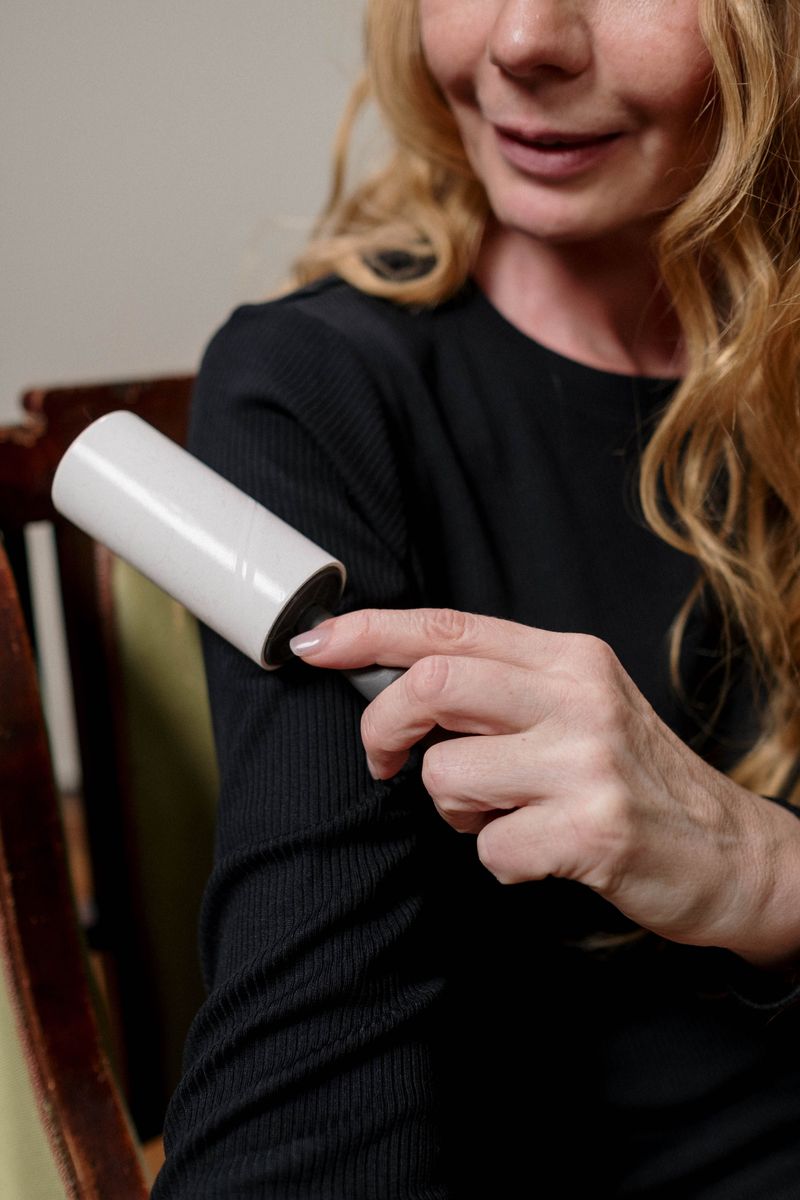
A brief coat check can catch dirt before couch time. Set a nonslip mat near the entrance and keep a suitable brush nearby.
Brush gently, avoiding irritated skin and pulling at tangled fur.
Use a damp cloth for surface dust when appropriate for your dog’s coat. Keep a lint roller handy for your own clothing, not your dog’s skin.
Stop if grooming causes discomfort. Persistent itching deserves veterinary guidance rather than repeated brushing or extra baths.
9. Keep a Small Trash Bin and Handheld Vacuum Nearby
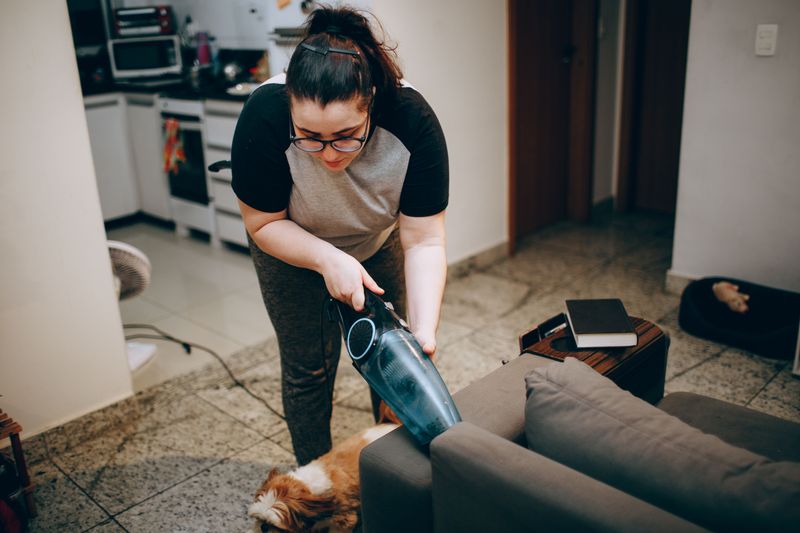
Grass bits and loose fur tend to gather along entry edges. Mount a handheld vacuum where you can grab it quickly.
Choose a model suitable for your flooring, and keep charging cords beyond chewing reach.
Place a small, securely lidded trash bin nearby for collected debris and used cleanup materials. Empty it often, especially if your dog investigates bins.
Move your dog away before vacuuming if noise bothers them. Damp wiping afterward helps collect remaining dust.
10. Use Vertical Storage in a Small Mudroom
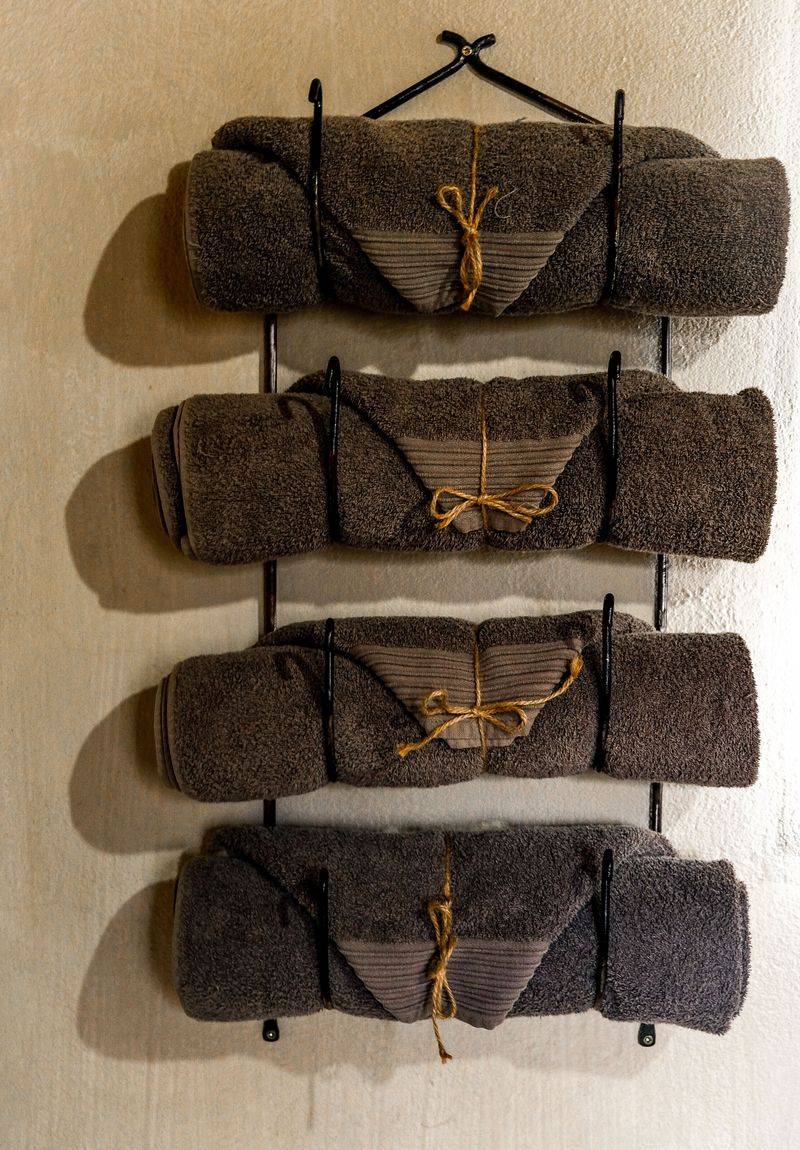
Even a narrow entry can work when storage moves upward. Add firmly mounted hooks and shelves without crowding the walking path.
Keep heavy items low, and place lightweight towel baskets on higher shelves.
Use wall space for spare leads, clean cloths, and your lint roller. Avoid hanging straps where your dog could become tangled.
Check mounting hardware against your wall type and expected weight. Clear floor space gives both muddy paws and busy feet easier passage.
11. Choose Washable Fabrics and a Quiet Dog Bed
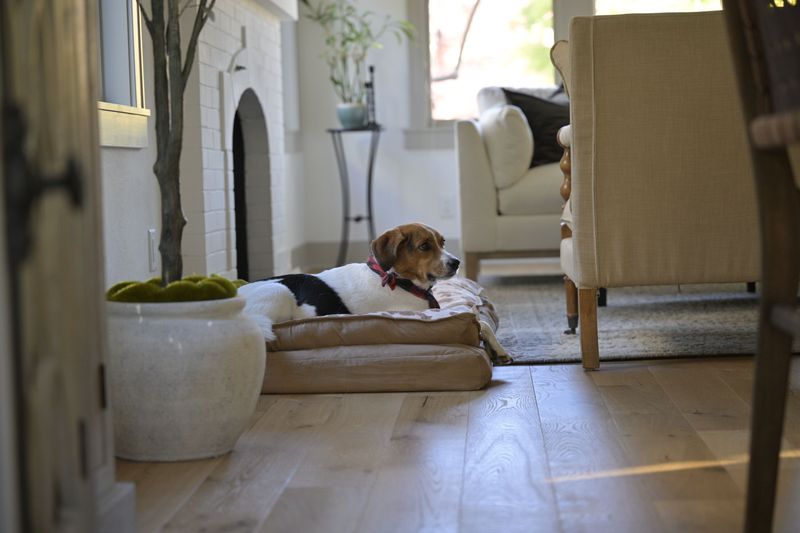
A comfortable resting spot should not double as an obstacle course. Place your dog’s bed away from the door swing and main traffic path.
Choose removable covers and washable bench cushions with clear care labels.
Keep a spare cover ready while the other dries completely. Skip delicate fabrics that need complicated cleaning.
If the mudroom gets hot, cold, or noisy, offer a bed elsewhere. Your dog needs a comfortable retreat, not a permanent entryway assignment.
12. Make the Setup Easy Enough to Maintain
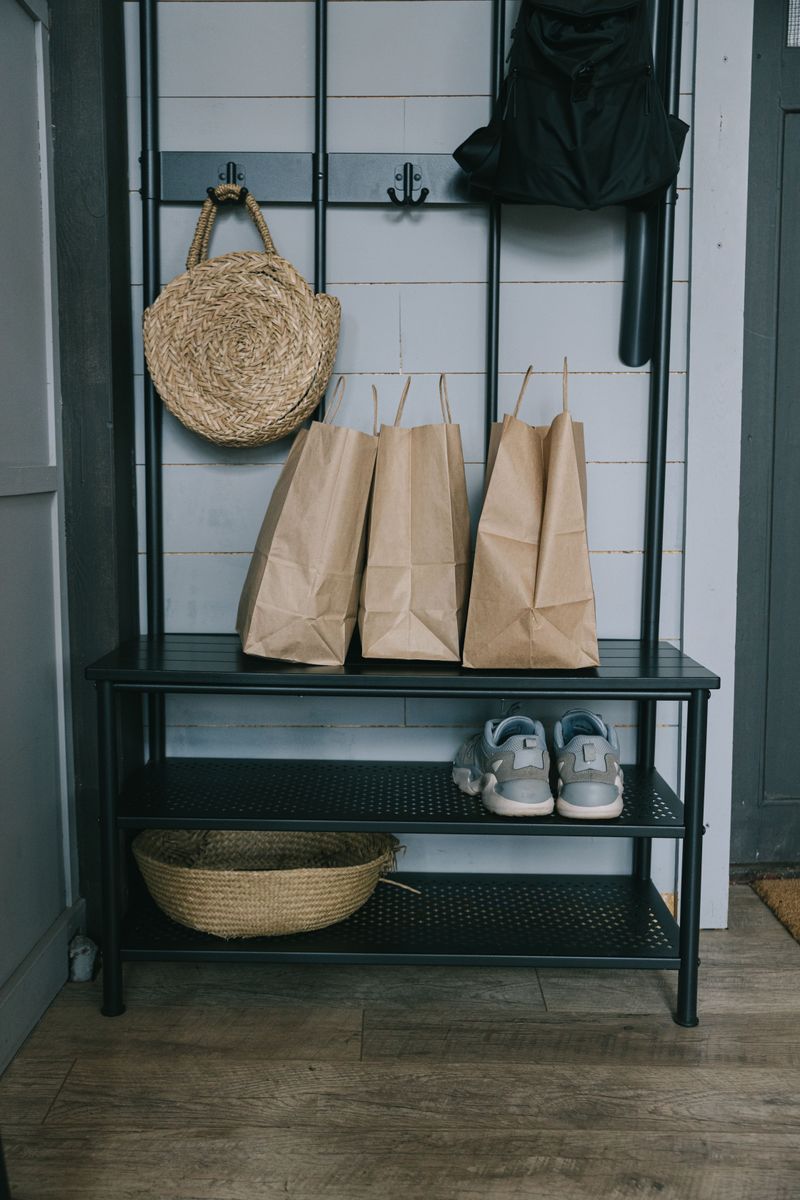
The best arrangement is one you will use after every walk. Keep the routine short: park shoes, wipe paws, hang gear, and wash hands.
Put supplies back before leaving the entry.
Check local pollen forecasts to plan outings, while remembering visible yellow dust does not measure every allergen. Replace dirty cloths and clean high-use surfaces regularly.
Adjust anything that feels awkward after a week. A little care at the door makes spring easier, one walk at a time.