What California Law Says About Barking Dogs and Noise Complaints

If you share a fence line with neighbors, you have probably wondered how much barking is too much. Maybe your dog greets every delivery driver with enthusiasm.
Maybe a note appeared on your door, and now you feel unsure about what happens next. Good news: California barking rules are usually far more reasonable than people expect, and most situations get sorted out with a conversation rather than a citation.
Still, it helps to know how the system actually works before you need it. California does not use one statewide barking timer that applies everywhere.
Instead, cities and counties write their own animal control and noise rules, and those details can vary a lot from one address to another. Some communities measure barking in minutes.
Others focus on whether the noise unreasonably interferes with a neighbor’s peace. Understanding the general framework lets you respond calmly, document things clearly, and make practical changes at home.
Below you will find sixteen plain-language points covering nuisance law, local ordinances, complaint procedures, warnings, penalties, rentals, HOAs, mediation, and training. Think of it as a friendly walkthrough from someone who has read the fine print so you do not have to guess.
California Treats Excessive Barking as a Potential Nuisance

Nuisance is the legal word that sits at the heart of most barking disputes. In California, a nuisance is generally an unreasonable activity that keeps someone from comfortably using their own property.
Repeated late-night barking that disrupts sleep can fit that description. California law also recognizes nuisance claims involving unreasonable interference with a person’s use or enjoyment of property.
Occasional noise rarely rises to that level, though.
Local Ordinances Often Matter Most

Here is the part that surprises many owners: there is no single statewide barking limit covering every California neighborhood.
Cities and counties handle these rules themselves through animal control and noise codes. That means the standard in one town may look nothing like the one twenty minutes away.
So before you assume anything, find the ordinance tied to your specific address. Your city clerk’s website or animal services page is usually the fastest route.
Your City or County May Have Specific Barking Rules

Numbers make things clearer, and many local codes use them. Some California local ordinances use specific time periods to define excessive barking, but the thresholds vary by jurisdiction.
Contra Costa County, Costa Mesa, and Orange County use thirty and sixty minute measures over a day. Butte County uses sixty minutes.
Elk Grove uses ten minutes within thirty.
Definitions differ, so verify yours.
Quiet Hours Can Affect a Noise Complaint
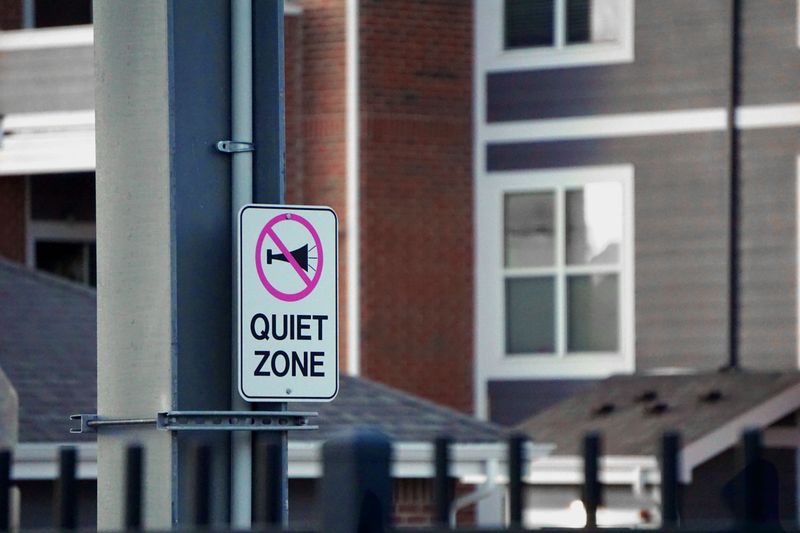
Nighttime changes the math in many communities. Local rules sometimes apply stricter noise standards during designated quiet periods, when neighbors are trying to rest.
Barking at two in the morning tends to draw more attention than the same barking at two in the afternoon. Some ordinances also state that noise disturbing someone at any hour may count.
Bringing your dog indoors overnight is a simple, effective courtesy.
A Single Barking Incident Usually Is Not Enough

Relax a little: one enthusiastic outburst at the mail carrier is not a legal problem.
Ordinance definitions consistently focus on sustained or repeated barking measured over set periods. Isolated noise falls outside that.
Complaints gain traction when barking is persistent, unreasonable, or genuinely disruptive to daily life. Brief alert barking is simply part of living with dogs, and most officials treat it that way.
Patterns matter more than moments.
Neighbor Complaints Can Trigger an Investigation

Once a neighbor files a report, local animal control or code enforcement usually opens a review.
Complainants are often asked for their name, address, phone number, and the exact address of the dog. Officials may also request details about timing and frequency.
Nothing dramatic happens at this stage. Investigators are gathering facts, and cooperating openly tends to move things toward a quick, sensible resolution.
Keeping a Barking Log Can Help

Vague statements rarely help anyone. Saying a dog barks all the time gives officials very little to work with.
A written log does far more. Note the date, approximate start time, how long the barking lasted, and what seemed to set it off.
Owners can keep logs too, since patterns often reveal triggers like passing joggers or afternoon deliveries. Clear records benefit both sides of a dispute.
Recordings May Help Document the Problem

Audio and video sometimes tell the story better than words. Administrative hearings may accept recordings alongside spoken testimony.
A short clip can show how long barking continues and how loud it sounds from next door.
One caution worth remembering: California has strict privacy laws about recording conversations. Capture the noise, not your neighbors’ private discussions, and check local guidance if you are unsure about the boundaries.
Animal Control May Be the First Point of Contact

Wondering who actually handles these calls? Most California communities route barking complaints to animal control or a local code enforcement office.
Which agency responds depends entirely on the city or county involved. Some areas contract with a regional shelter, while others use their own department.
Police are typically not the first stop for routine barking. A quick search for your county animal services will usually point you correctly.
Owners May Receive a Warning First

Most jurisdictions start gently. El Dorado County Animal Services often mails an educational letter to the owner first.
Los Angeles Animal Services issues a written notice describing the complaint and asking for the barking to stop. San Francisco agencies typically send warning letters for the first two complaints, and Costa Mesa begins with a verbal caution.
Procedures vary widely, so a warning is not guaranteed everywhere.
Repeated Problems Can Lead to Further Action

Ignoring a warning is where costs can appear. Continued excessive barking may lead to civil citations, administrative penalties, or fines under local codes.
Los Angeles, for example, may impose 250 dollars for a first offense, 500 for a second, and 1,000 for a third if a hearing officer finds barking excessive.
Foster City treats certain violations as misdemeanors. Local enforcement procedures can include additional administrative steps or fees, depending on the jurisdiction and the type of proceeding involved.
Property Owners and Renters Can Both Face Noise Issues

Renting does not shield anyone from noise rules. Barking complaints apply the same way whether the home is owned or leased.
Leases often include pet clauses and quiet enjoyment language worth rereading. In California, a landlord may serve a three-day notice if a tenant’s dog creates an ongoing nuisance.
Landlords carry some responsibility as well, so early communication with property management usually prevents bigger headaches.
Homeowners Associations May Have Additional Rules

HOA living adds another layer of paperwork. Associations can set pet and noise rules, as long as they follow California Civil Code and fair housing protections.
CC and Rs frequently include quiet enjoyment provisions, leash requirements, and pet registration. Boards may issue warnings, fines, or request hearings over excessive barking.
Enforcement must be consistent, not selective. Reading your governing documents before a dispute starts is genuinely worthwhile.
Mediation Can Sometimes Resolve a Dispute

Honestly, a friendly chat solves more barking problems than any citation ever will.
Neighbors who compare schedules often discover simple fixes: a curtain closed, a dog brought inside during work hours, a fence gap covered.
When direct conversation feels awkward, community mediation services offer a neutral, structured setting. A trained mediator keeps things respectful and focused on solutions rather than blame.
Agreements reached this way tend to stick.
California Courts Can Address Serious Nuisance Disputes

Court is the last stop, and it is rarely necessary. Still, persistent noise can become a civil nuisance case.
A homeowner may sue a neighbor, and small claims court can award money damages, which often motivates action.
One limitation matters: small claims judges generally cannot order a dog owner to stop the barking. Nuisance claims also must be filed within the applicable statute of limitations.
Dog Owners Should Take Complaints Seriously

Barking sounds different from inside a closed house than it does across a shared fence.
Many dogs bark most while their people are away, so owners genuinely may not know. Taking a complaint seriously early prevents escalation.
Start by finding triggers, then add exercise and mental enrichment. Teaching a quiet cue, managing views of the sidewalk, and consulting a qualified trainer all help.
Confirm local rules with your city.