What To Plan Before Taking Your Dog On A Washington State Ferry
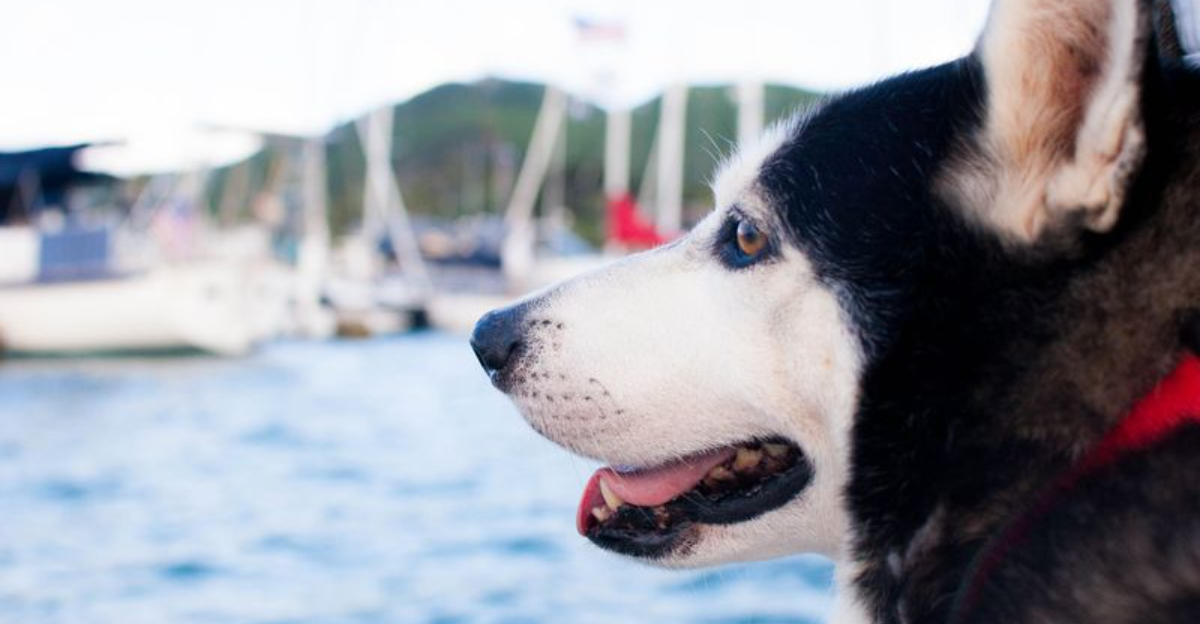
Salt air, a rumbling engine, and a horn blast loud enough to make ears flatten: a Washington State Ferry is a sensory storm for a dog. Yet thousands of pups cross Puget Sound every year, snoozing on car decks or watching gulls from a breezy stern rail.
The difference between a smooth sailing and a stressful one usually comes down to what you sorted out before you ever reached the tollbooth. Here is how to get it right.
Check The Ferry’s Current Pet Rules
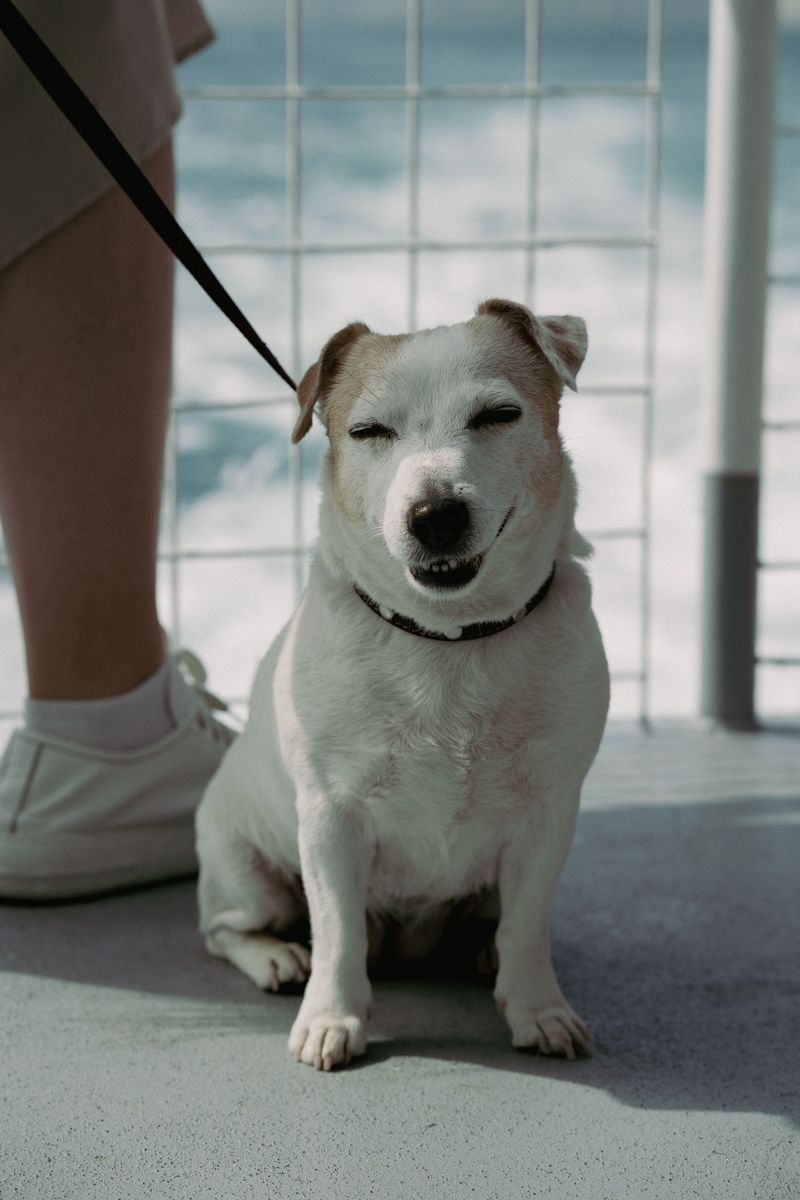
Rules shift, and nobody wants to learn that at the tollbooth. Washington State Ferries posts pet guidelines on its website, and they cover leashes, carriers, and where animals may travel.
Give the page a quick read the night before your crossing. Policies can differ slightly between vessels and routes, especially on smaller boats.
Two minutes of reading saves a lot of terminal confusion. Screenshot the page in case cell service fades.
Choose The Right Sailing Time
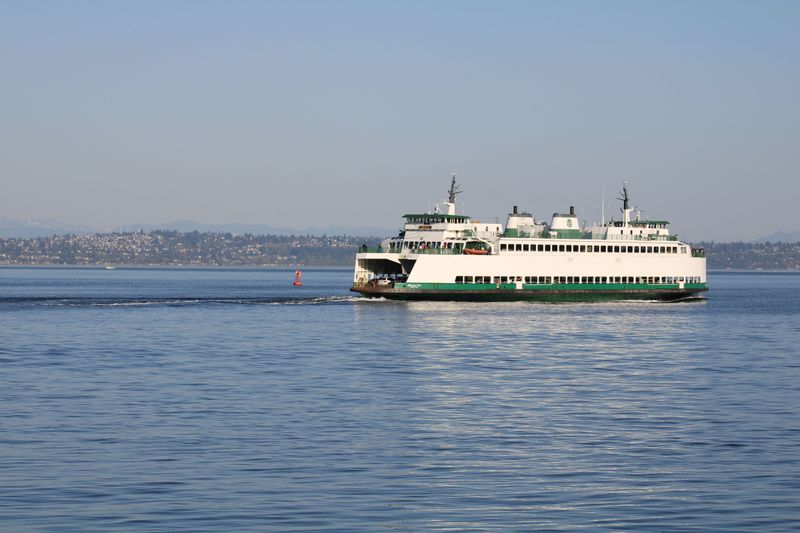
Dogs are creatures of habit, and ferries do not care about breakfast schedules. Pick a departure that lands between meals rather than right after one.
Mid-morning or midday departures may feel more manageable than peak commuter periods, but traffic and wait times vary by route, day, and season. Check current sailing conditions and allow extra time during busy periods
Summer weekends fill fast on routes like Edmonds to Kingston. An early boat often means a quieter deck and a happier passenger.
Know Where Your Dog Can Go
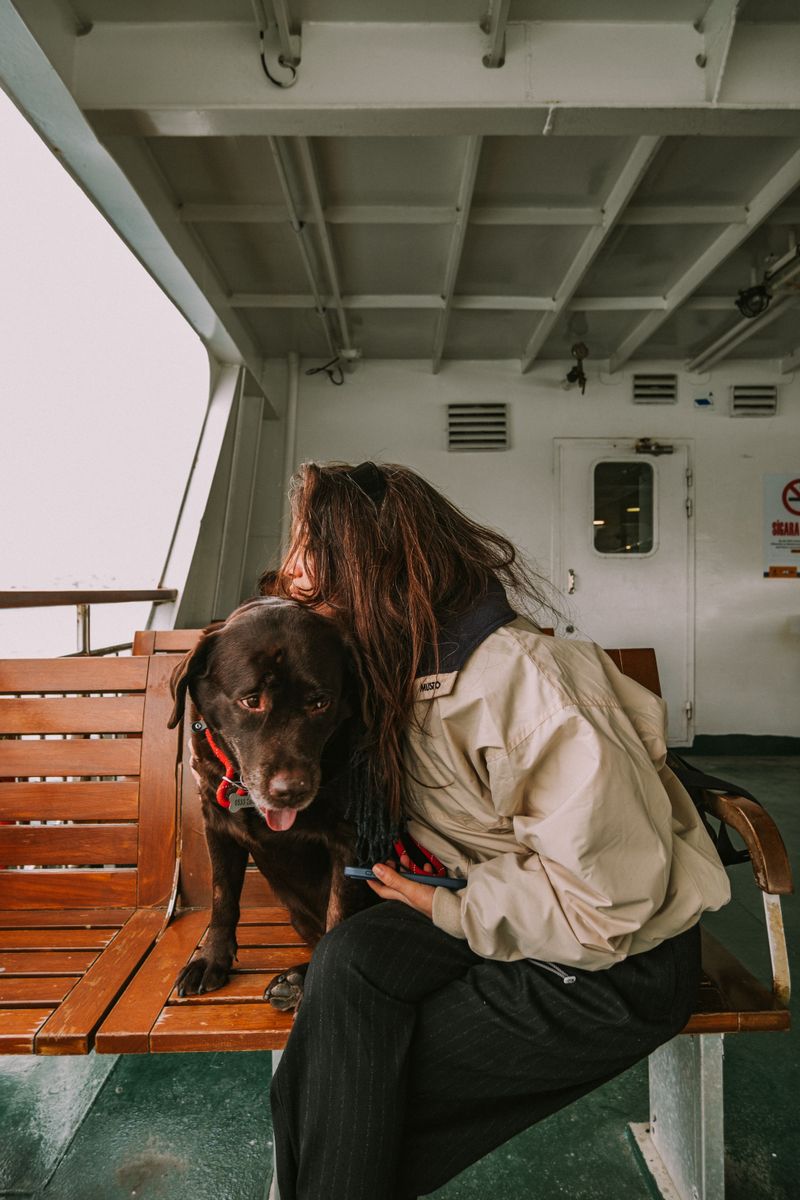
Here is the part that surprises first-timers. Dogs are generally kept off the indoor passenger cabins unless they are service animals, so plan on the car deck or outdoor decks.
Outside solariums and stern areas are usually the friendliest spots for a leashed pup.
Sort this out before boarding, because wandering around asking questions with a leash in hand gets old quickly. Knowing your zone keeps everyone relaxed.
Prepare For Waiting At The Terminal
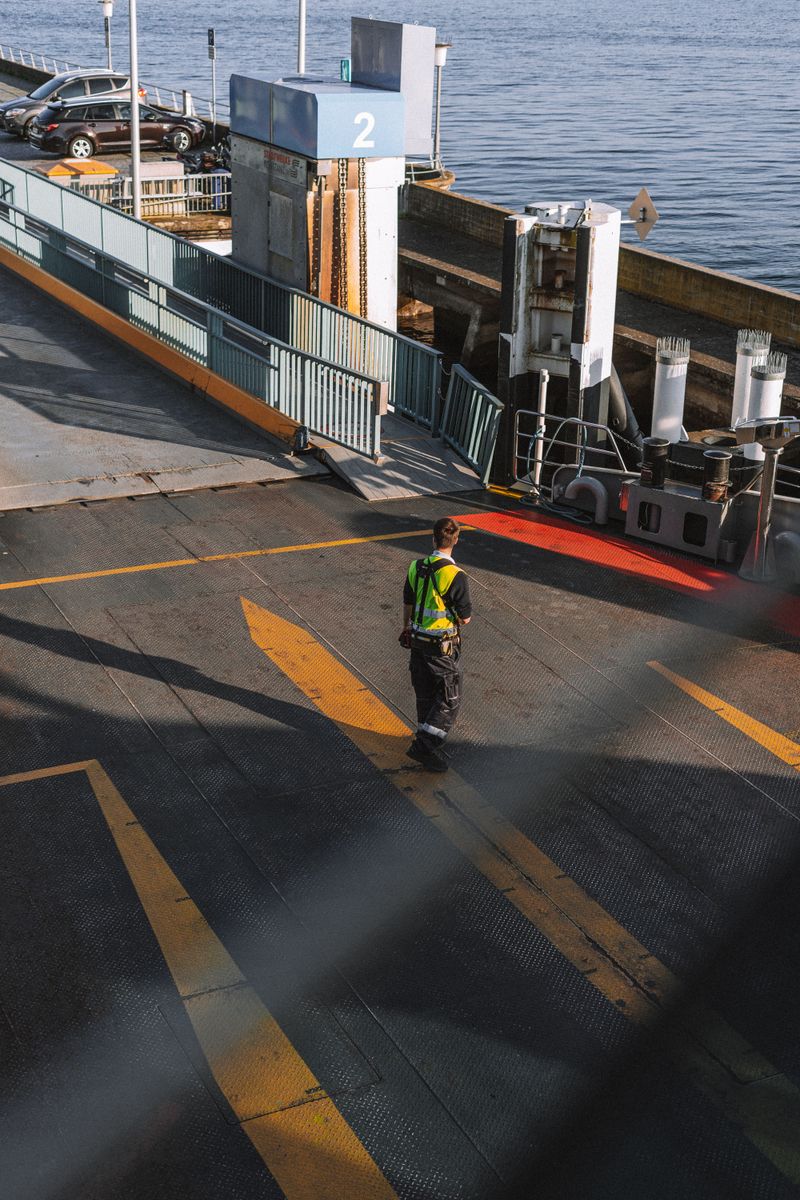
Terminal lines can stretch far longer than the crossing itself. On busy weekends, a wait of an hour or more is normal in the holding lanes.
Pack a chew, a mat, and shade for the car if sun is beating in.
Crack windows, park thoughtfully, and take short leash walks near the lanes if staff allow it. Patience is easier with a distracted, comfortable dog.
Keep Your Dog Secure
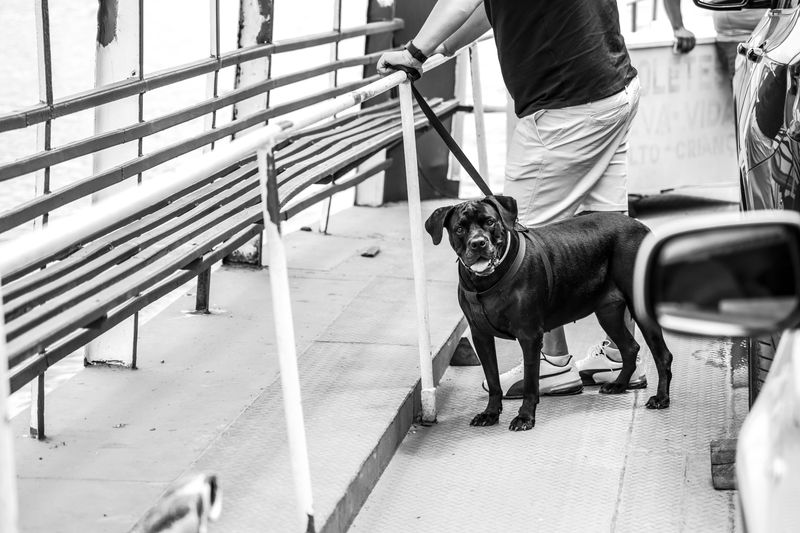
Metal ramps, rolling cars, and open water make a slipped collar genuinely nerve-wracking. A short, sturdy leash gives you real control in tight spaces.
Check harness fit with the two-finger test before you leave home.
Retractable leads are a poor match for crowded decks, so leave those behind. Clip on current ID tags too.
A well-secured dog stays close, calm, and exactly where you want them.
Pack Water And A Bowl
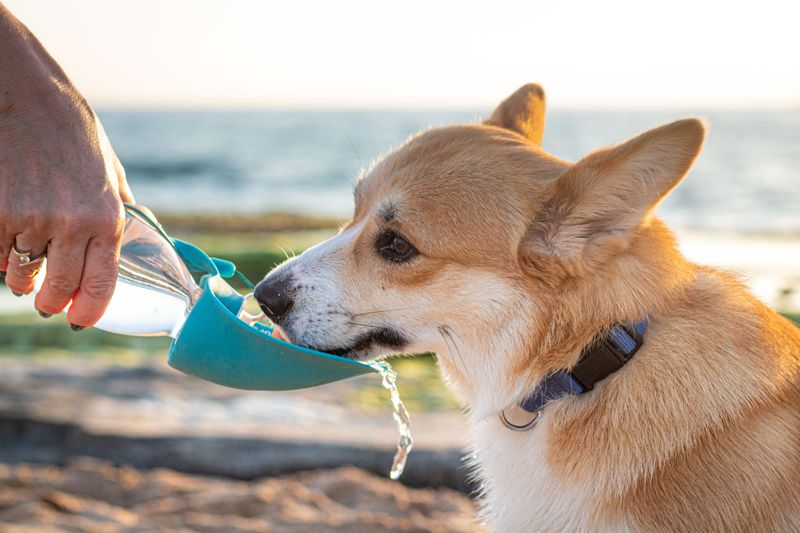
Bring enough fresh water for your dog, especially if you expect a long terminal wait or warm weather. Bring more water than the crossing seems to require, since terminal waits add up.
A collapsible silicone bowl folds flat into a jacket pocket.
Offer sips during the wait rather than one big gulp before boarding. Do not rely on terminal drinking facilities for your dog, so bring fresh water and a suitable bowl.
Come prepared.
Plan A Bathroom Break
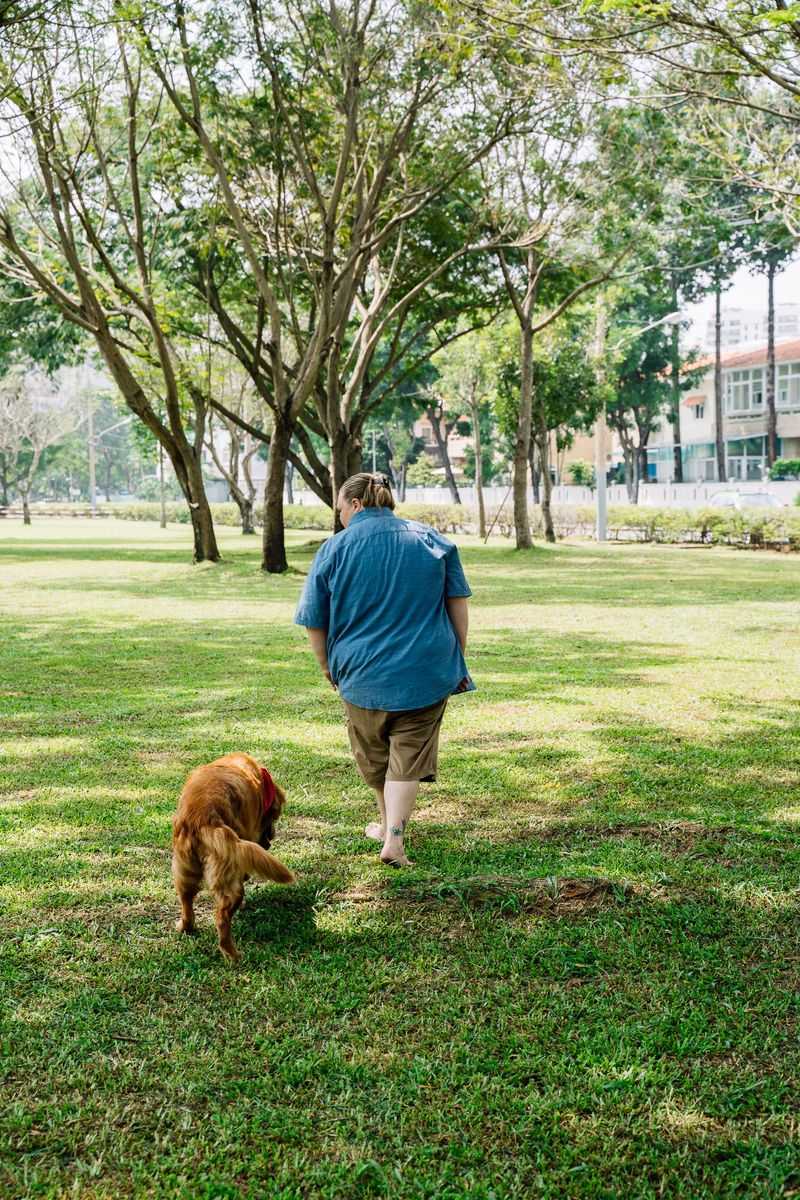
Ferries do not pull over. Give your dog a proper sniff-and-stroll stop before you join the vehicle lanes.
Grassy patches near terminals in Anacortes, Mukilteo, and Bainbridge Island work well for a quick walk.
Aim for fifteen minutes of movement, not a rushed thirty seconds. A relieved dog settles faster once the engines start.
Timing this right prevents the most awkward mid-sailing emergency there is.
Bring Familiar Comfort Items
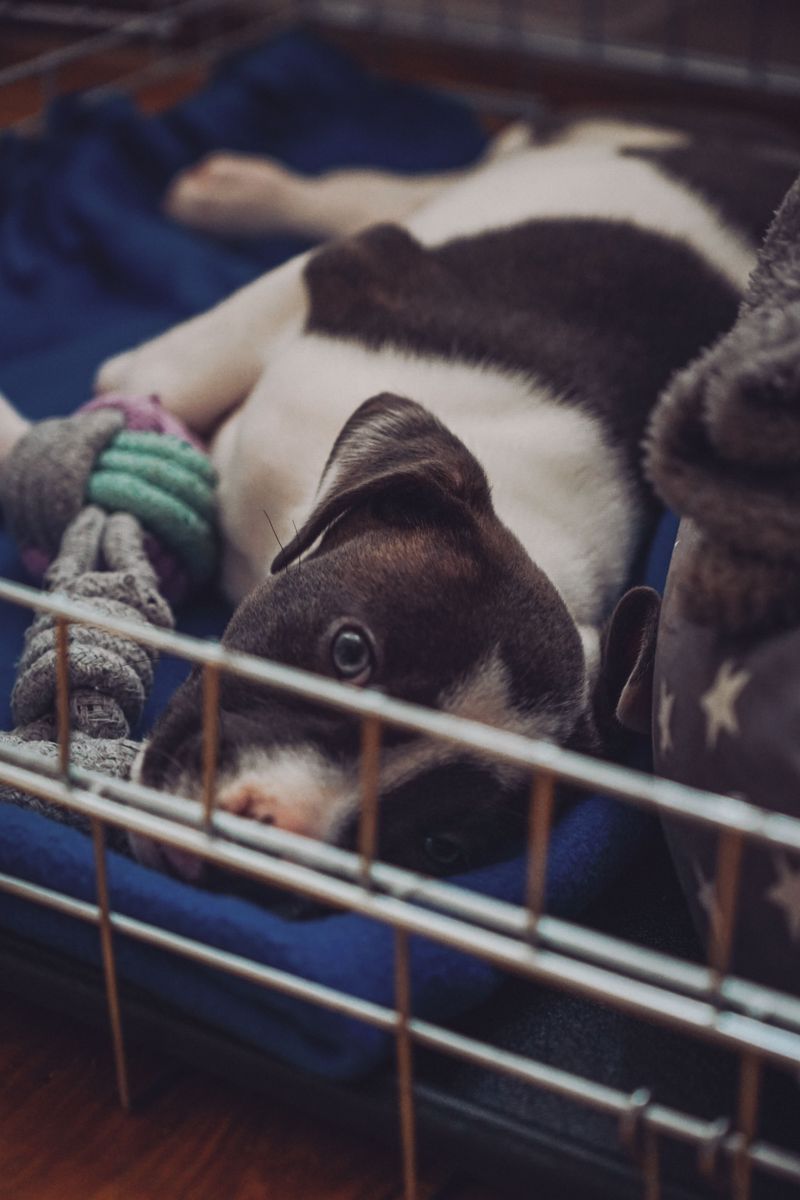
Smells do heavy lifting for dogs. A blanket from home carries a scent that says safe, even on a vibrating steel deck.
Choose something washable and easy to roll under one arm.
One familiar toy is plenty. Skip squeakers out of kindness to fellow passengers.
Watching a nervous pup flop onto a favorite mat and sigh is one of travel’s quiet victories.
Consider Your Dog’s Motion Sensitivity
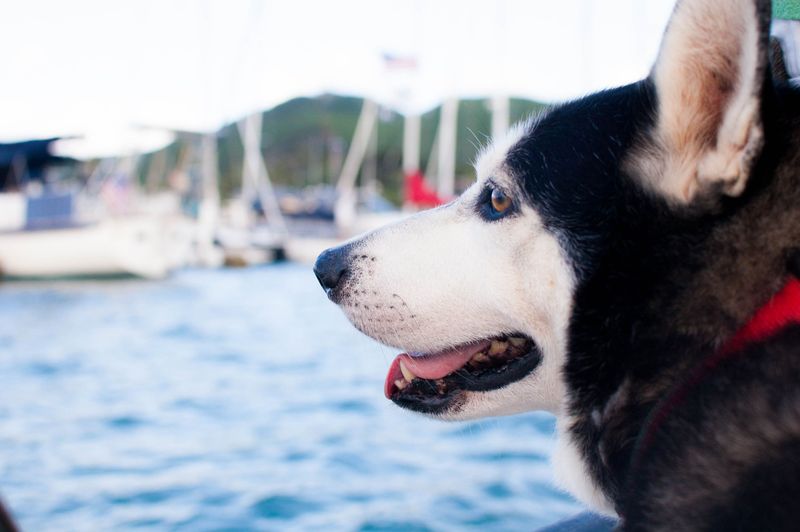
Puget Sound is usually gentle, though winter crossings can roll a bit. If car rides already make your dog drooly or restless, a boat may too.
If your dog is prone to motion sickness, keep the trip as calm as possible and ask your veterinarian about appropriate ways to manage recurring travel-related nausea.
Light meals beforehand are wiser than a full bowl. Chat with your veterinarian ahead of time if travel nerves or nausea are a regular pattern.
Prepare For Crowds And Noise
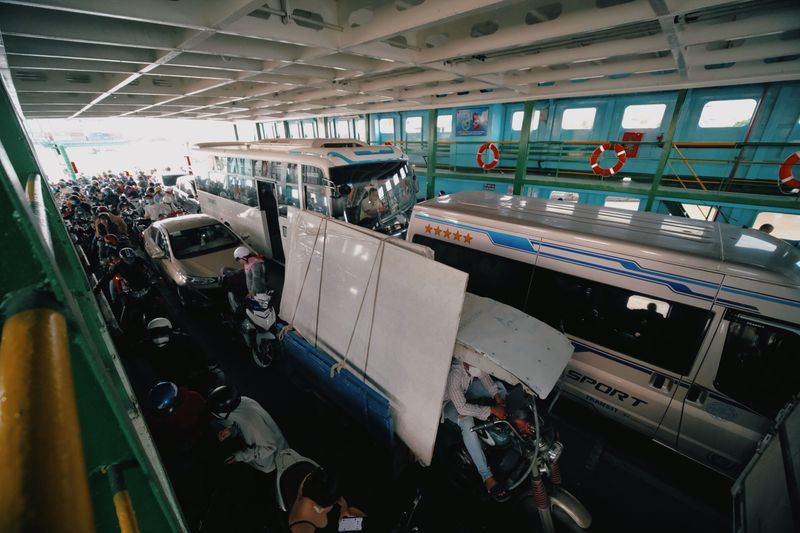
The car deck is a symphony of clanks, horns, and echoing announcements. Sensitive dogs need a buffer, so tuck into a corner rather than the middle of foot traffic.
Your own body language matters more than any gadget.
Stay loose, breathe slow, and keep the leash relaxed. Politely steer away from strangers reaching for pats.
Space and a steady handler beat every calming product sold.
Keep Treats Handy
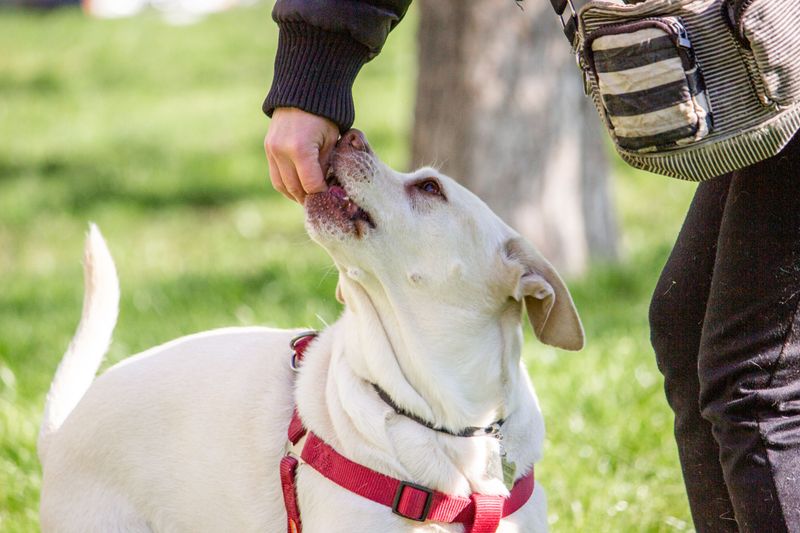
Rewarding calm is easier than fixing chaos. Stash small, soft training treats in a pocket for the ramp, the stairs, and that first engine rumble.
Tiny pieces work better than big biscuits during long waits.
Stick with foods your dog already eats well. A brand-new chew on sailing day is asking for tummy trouble.
Reward the quiet sits, and you build a confident ferry rider.
Dress For The Weather And Pack Cleanup Gear
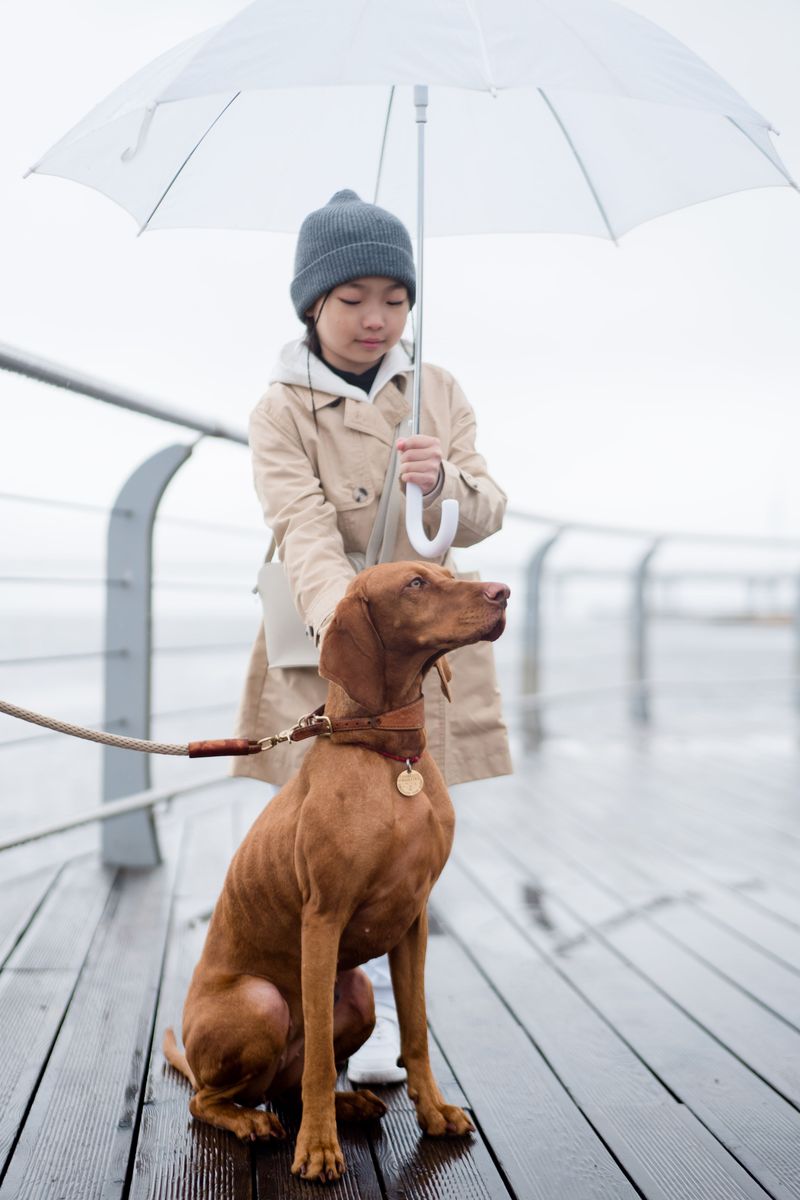
Wind on the water bites harder than the parking lot suggests. A light rain shell for drizzly crossings and a towel for damp fur go a long way.
Hot days call for shade and cool water instead.
Toss in waste bags, paper towels, and wipes, because changed routines occasionally mean accidents. Being the prepared owner on deck feels surprisingly good.