Why Tick Checks Matter So Much For Dogs After Connecticut Woodland Walks
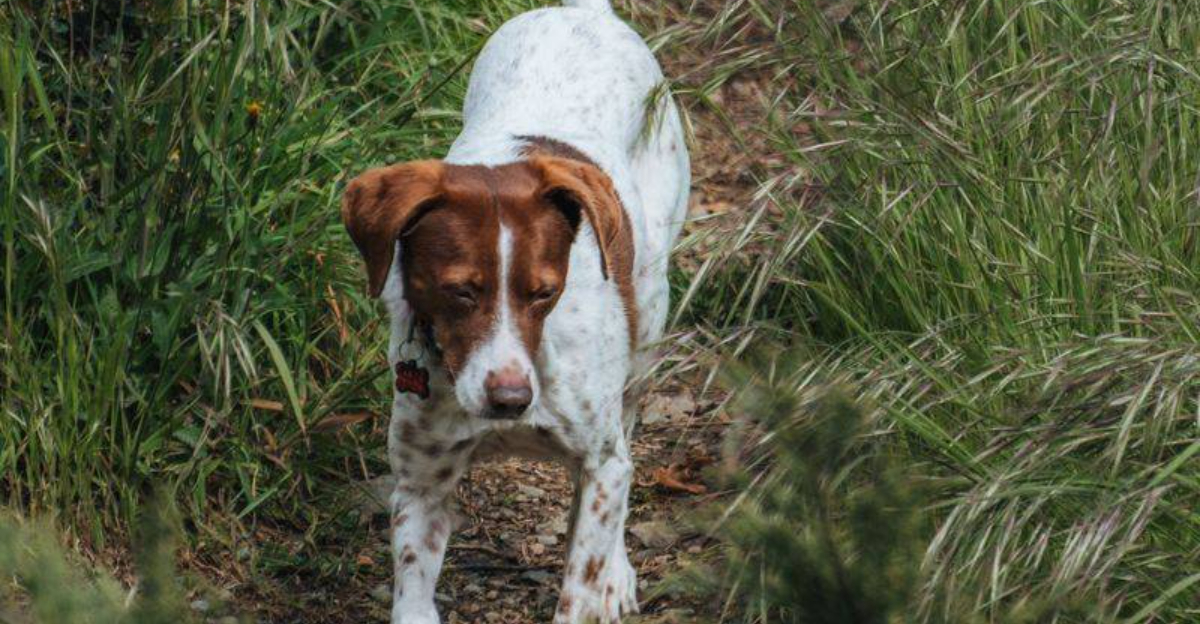
If you walk your dog along Connecticut’s shaded trails, you already know how much they love the brush and leaf litter. That same happy sniffing brings them close to where ticks tend to wait.
The good news is that a short, steady check after each walk goes a long way. Think of it as the last step of the hike, right alongside water and a treat.
Here is what local dog owners find genuinely useful.
Connecticut Woodland Walks Can Expose Dogs To Ticks
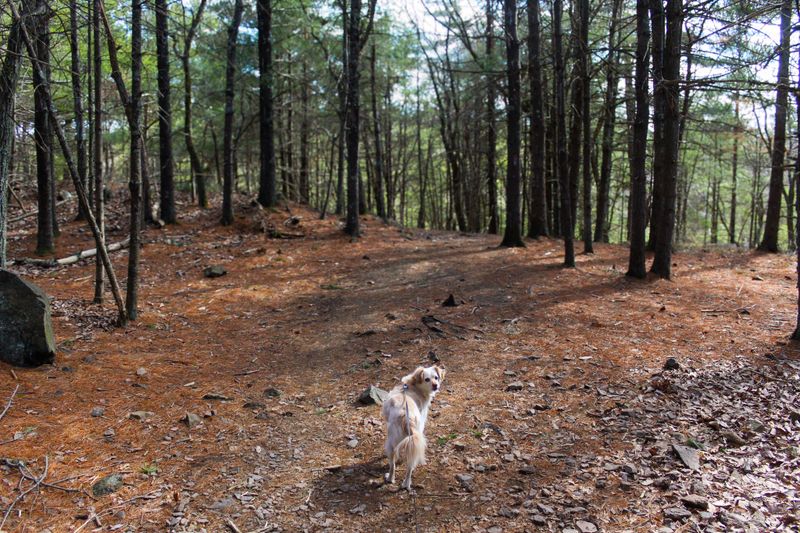
Shaded woods, stone walls, and grassy trail edges make up much of Connecticut’s hiking scenery. Ticks tend to wait in exactly those spots, low in brush and leaf litter.
Dogs, being curious, head straight for them. Nosing through ferns is half the fun of a walk.
A short check afterward can help you spot ticks early. A few minutes of careful checking is usually enough for a thorough look.
Dogs Can Pick Up Ticks While Exploring Trails
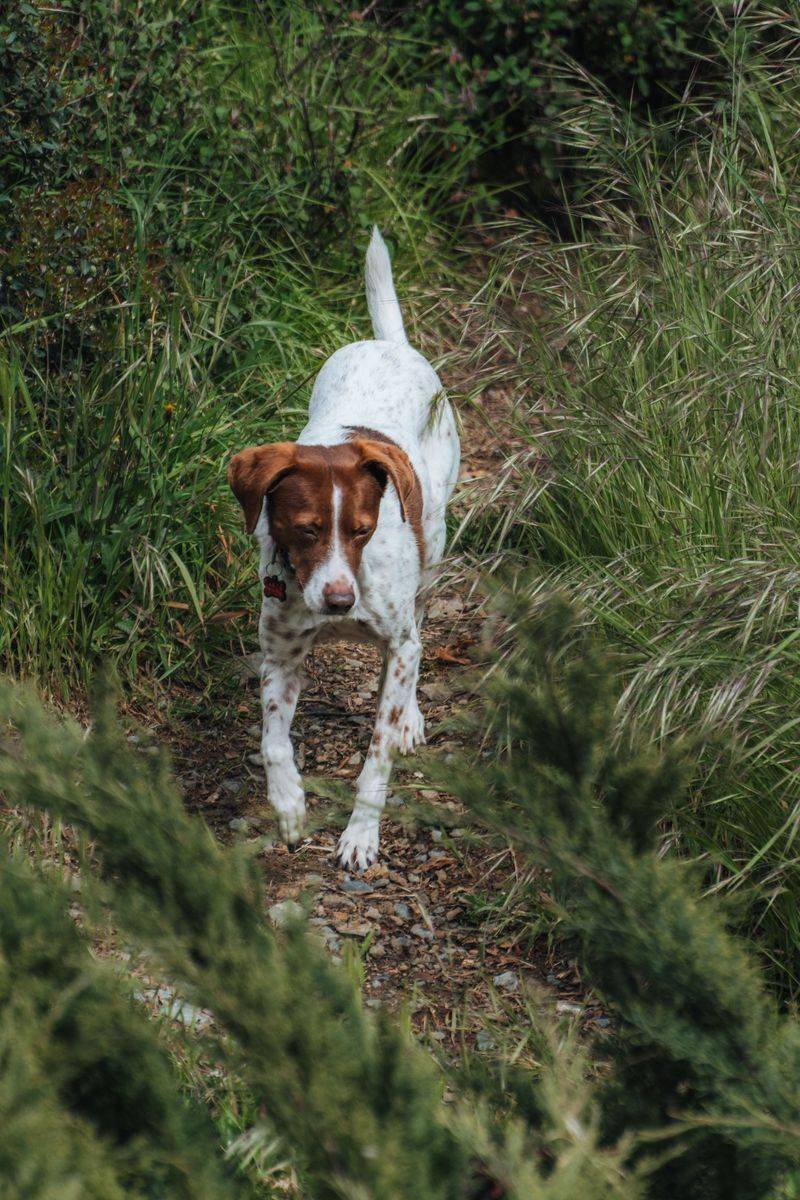
Coats work a bit like soft brushes moving through vegetation. As your dog trots past leafy stems, ticks can transfer onto the fur.
Distance matters less than you might expect. A ten minute loop through overgrown edges can offer plenty of chances for attachment.
Sticking to the center of wider paths helps reduce contact. Still, plan on checking afterward, since even careful walkers brush against something green.
Check Your Dog Before Getting Back In The Car
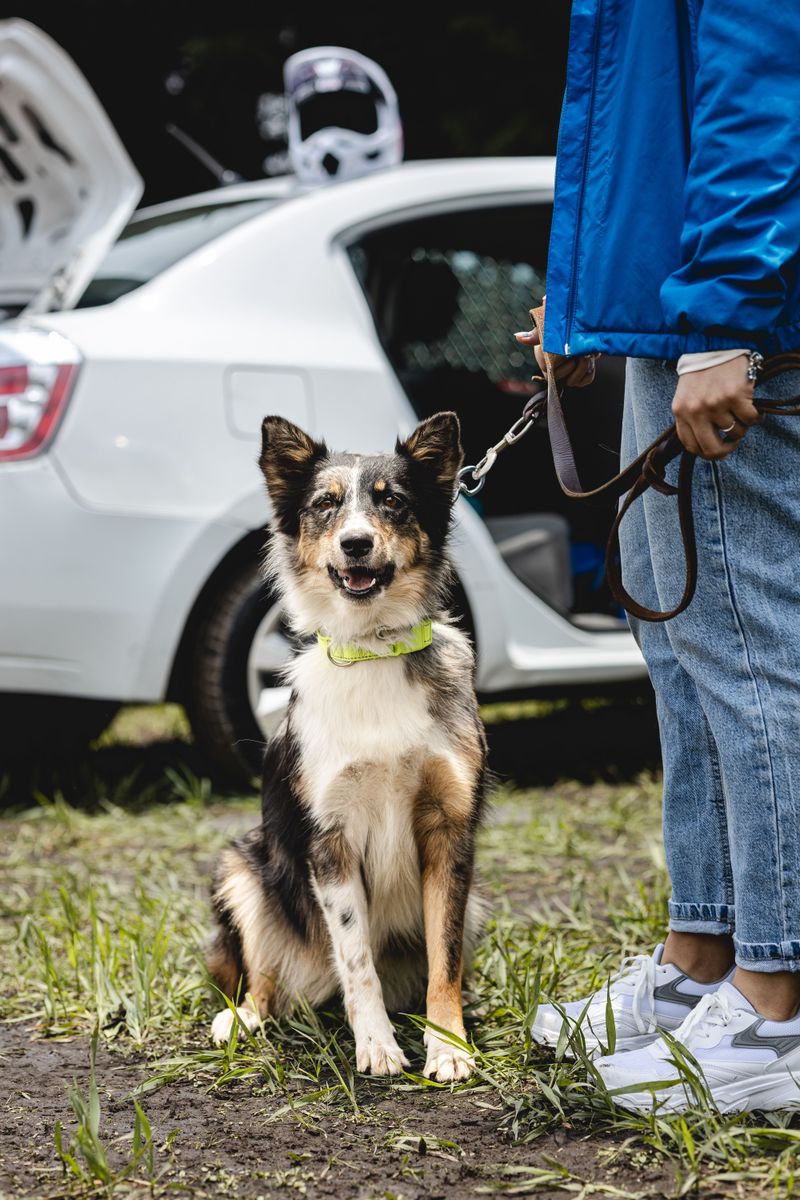
Trailhead parking lots are an ideal place for a first pass. Do it there, and loose ticks stay outdoors rather than riding home with you.
Run your hands over the coat, then look at the paws and any skin you can see easily.
Keeping a small towel in the car makes the job simpler. Wipe the legs and belly while you scan for anything unexpected.
Start With Your Dog’s Head And Ears
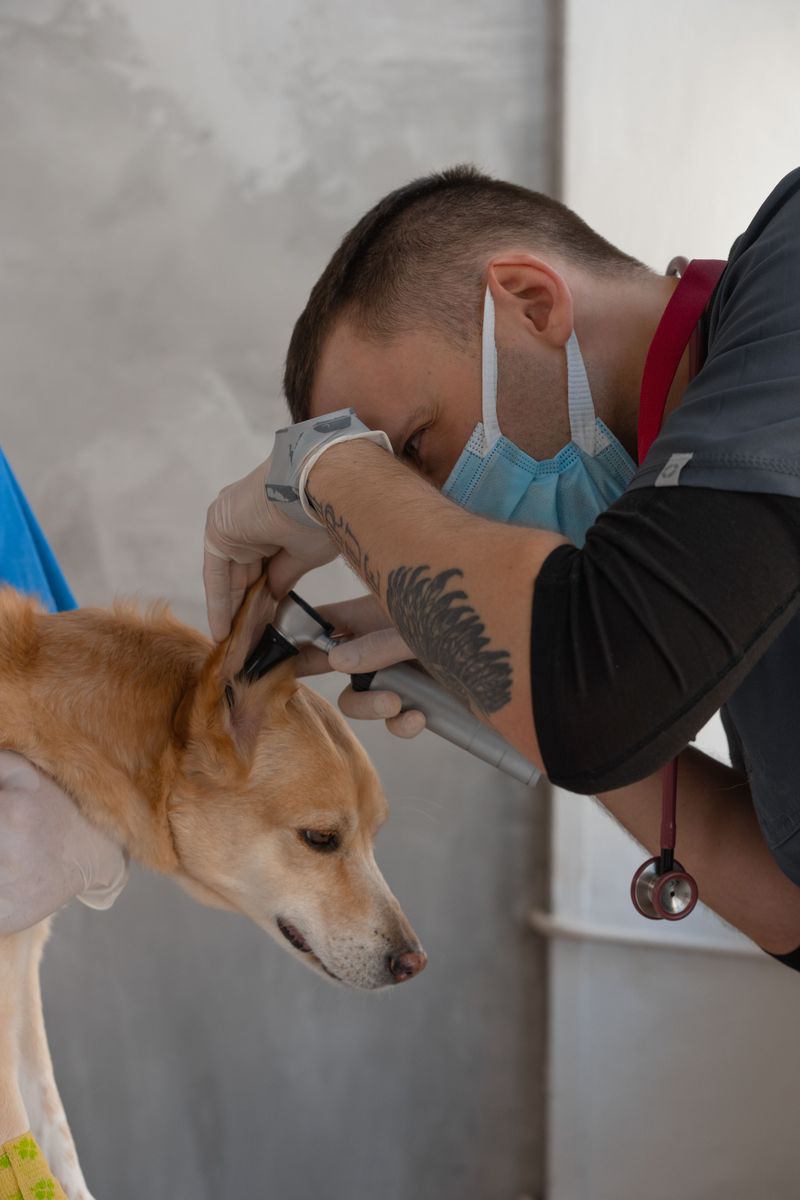
Ears are worth checking carefully because ticks can attach around the ears and other areas where the skin is less protected by fur.
Lift each ear gently and look inside the rim. Then move across the muzzle, brows, and the top of the head.
Most dogs enjoy this part, since it feels like a scratch session. Praise and a treat keep the whole routine pleasant for both of you.
Inspect Around Your Dog’s Collar
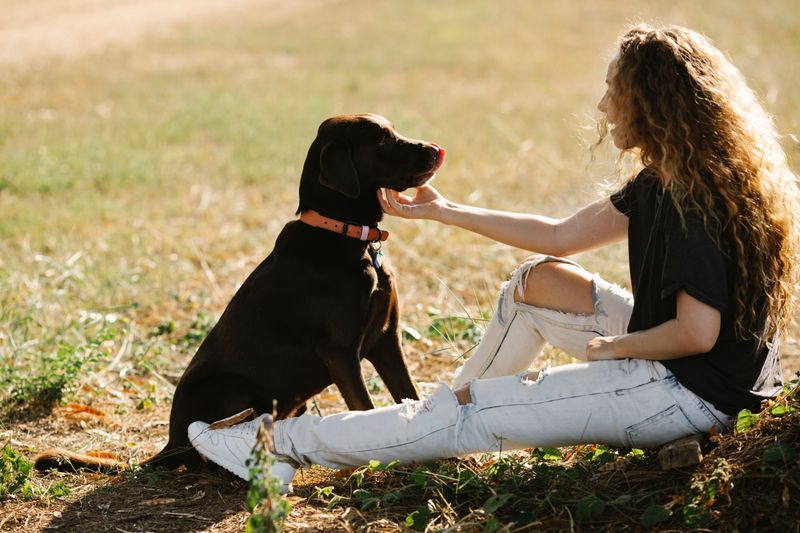
Collars hide a surprising amount of skin. Buckles, tags, and webbing sit right where fur is often thick.
Slip the collar off for a moment and part the fur underneath. Check the whole neck, including the throat and the base of the skull.
Owners frequently find that this one spot gets skipped during a rushed look. Adding it to the routine takes maybe twenty extra seconds.
Check Between Your Dog’s Toes
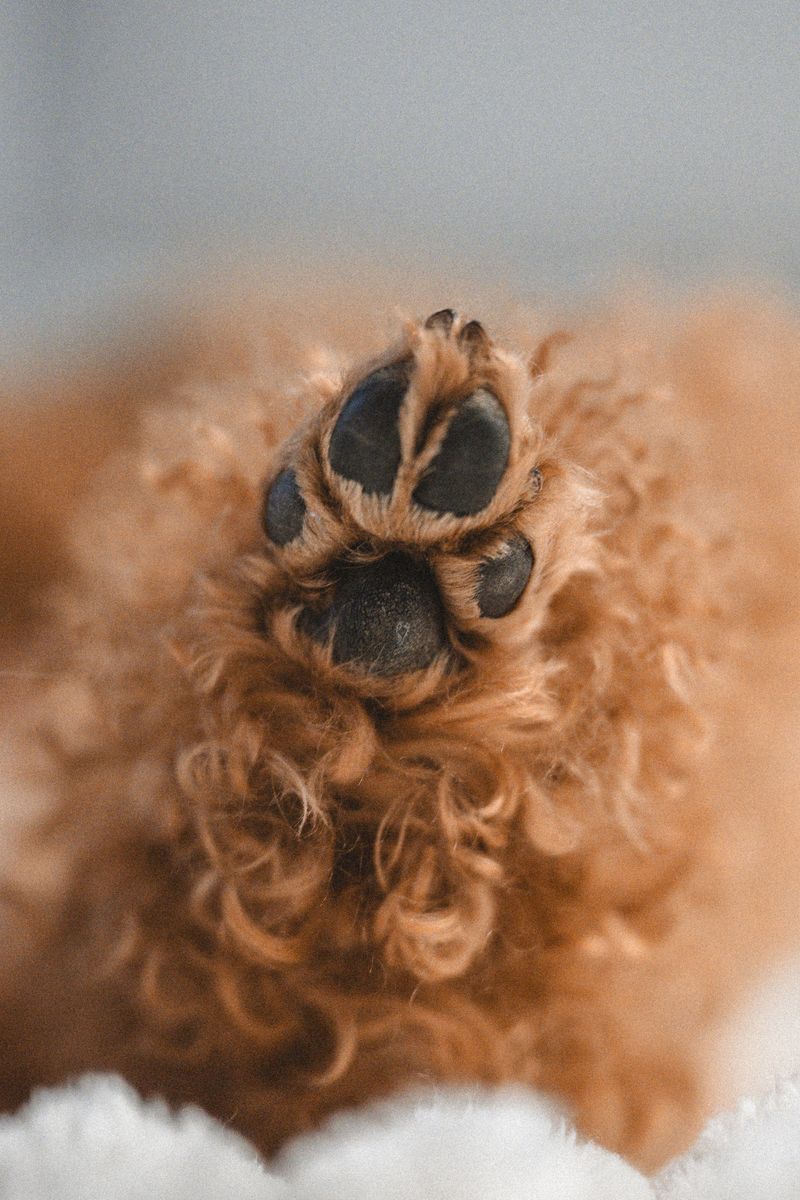
Paws take the brunt of the trail. They press through wet grass, leaf litter, and mud for the entire walk.
Spread the toes gently and look at the webbing and pads. Ticks can tuck into those narrow creases where fur meets skin.
Handling paws regularly helps dogs relax about it, which also makes nail trims easier later. Start slow if your dog is ticklish.
Look Closely At Your Dog’s Legs
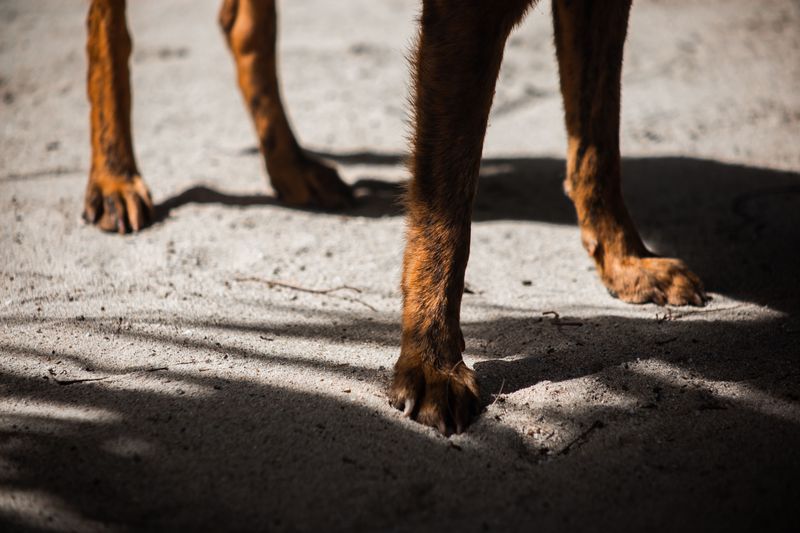
Legs make first contact with almost everything on a trail. They push through stems, ferns, and low branches all walk long.
Work from the paw upward on each leg. Pay attention to the armpits and the crease where the back legs meet the body.
Those tucked areas are warm and sheltered, so give them a careful pass. Feeling for small bumps works as well as looking.
Do Not Forget Your Dog’s Belly
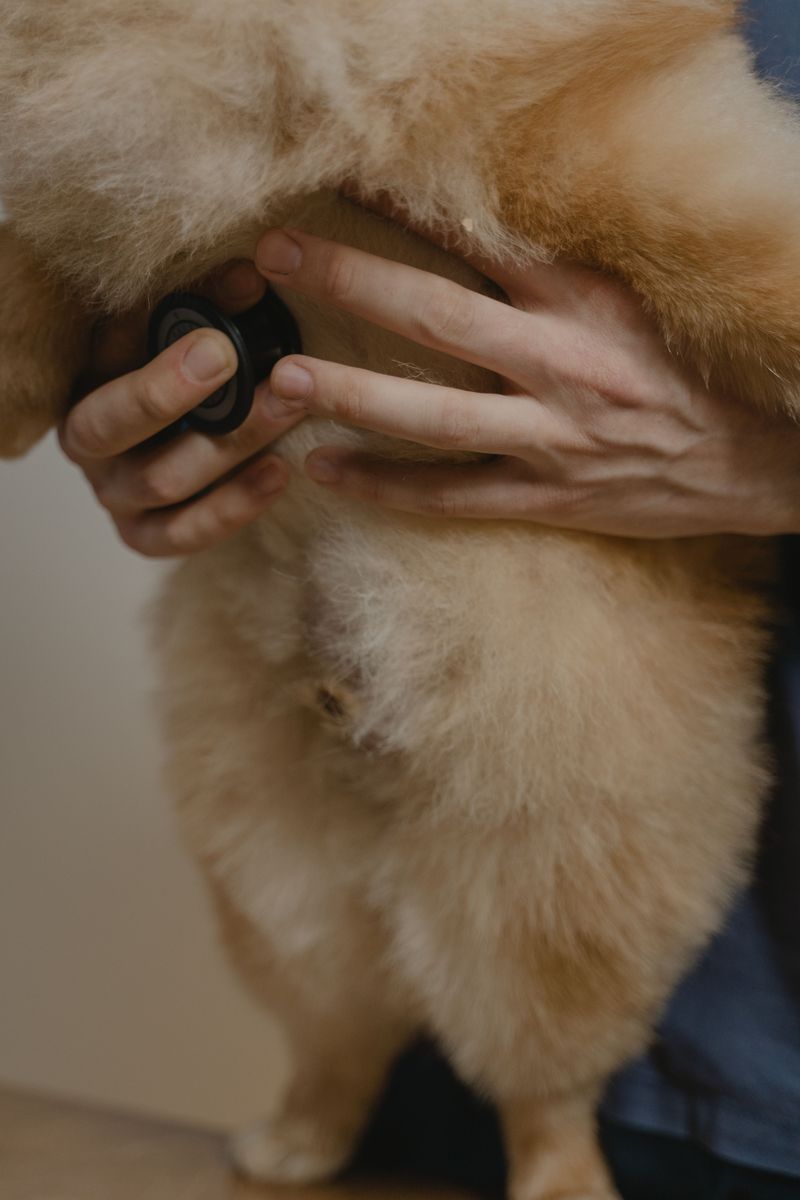
Bellies ride low, brushing leaf litter and damp undergrowth. Fur there tends to be thinner, which actually helps you.
Ask your dog to roll over, then scan the chest, belly, and groin. Skin shows through clearly in most breeds.
Plenty of dogs treat this as an invitation to a belly rub. Use that to your advantage and turn the check into something they look forward to.
Check Under Your Dog’s Tail
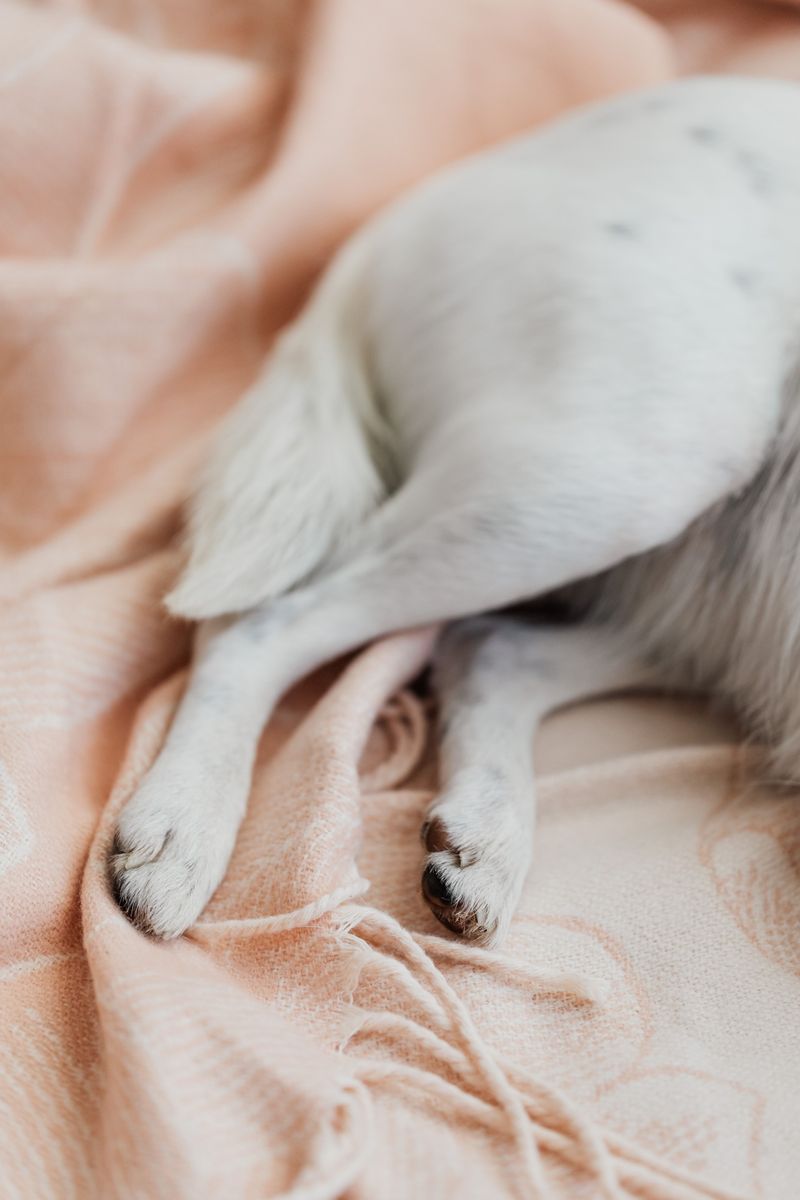
The area beneath the tail is easy to skip and easy for ticks to use. It stays warm, shaded, and out of sight.
Lift the tail gently and look at the base and the skin around it. Keep your touch light so your dog stays comfortable.
Working head to tail in the same order every time helps. A set pattern means fewer missed spots when you are tired.
Long-Haired Dogs Need Extra Attention
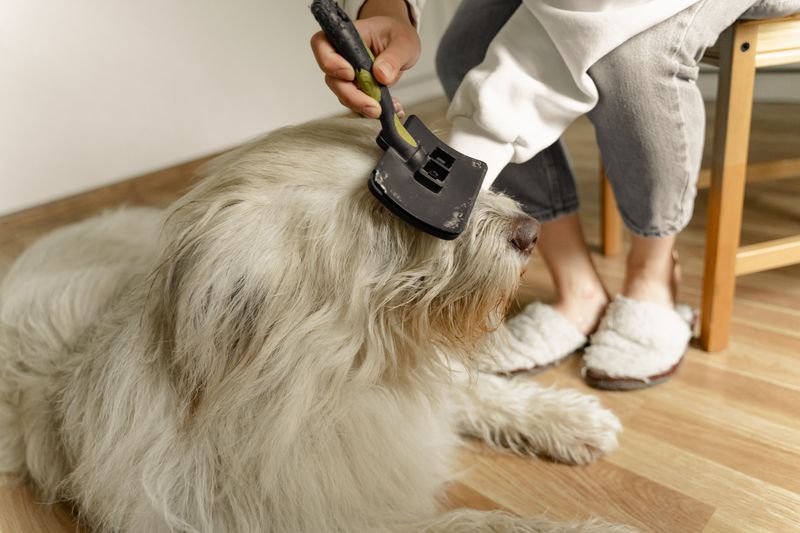
Thick coats hide small things well. A collie or a golden can carry a tick that no glance from above would reveal.
Part the fur in sections with your fingers, working down to the skin. Follow the coat in rows rather than random spots.
Better light helps enormously, so step outside or use a flashlight. Combing afterward gives you a second chance to catch anything.
A Hands-On Check Can Find What Your Eyes Miss
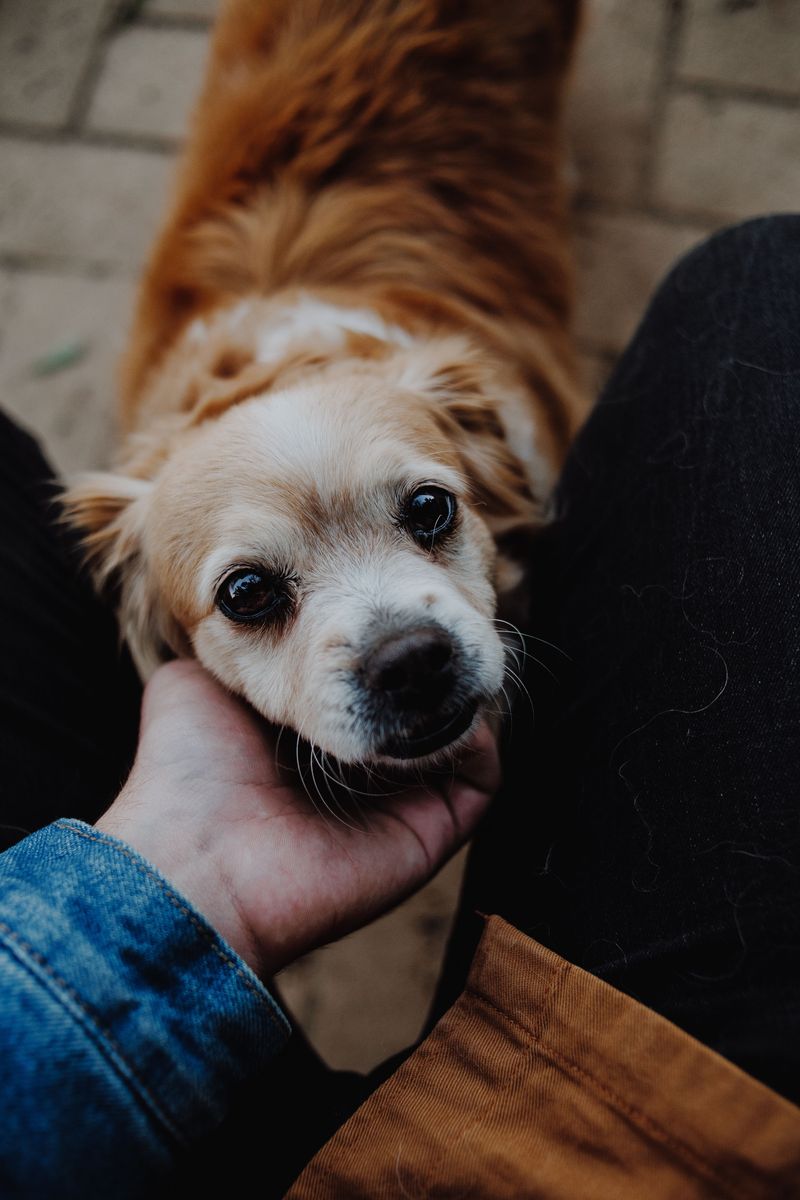
Fingertips often beat eyesight here. A tick attached to skin feels like a tiny raised bump under the fur.
Move your hands slowly and steadily across the whole body. When something feels off, part the fur and take a proper look.
You will also notice burrs, scrapes, and thorns along the way. That makes the hands-on pass useful well beyond tick season.
Check Your Dog’s Bedding After A Woodland Walk
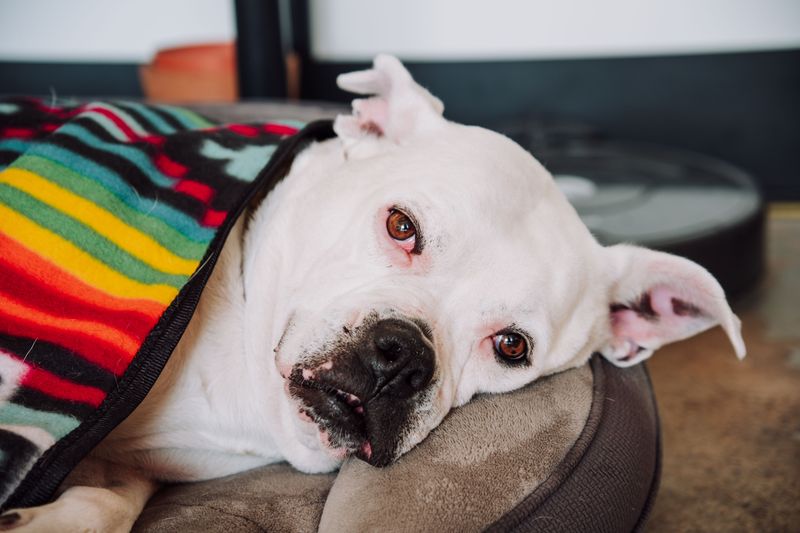
Gear can travel home with more than mud. Blankets, harnesses, and car seat covers all deserve a quick look.
Shake bedding out and inspect the seams and folds where fabric bunches up. Washing and drying on a warm setting helps too.
Hiking packs and leashes fall into the same category. Giving them a once-over keeps loose ticks from settling into your living room.
Give Your Dog A Post-Walk Grooming Routine
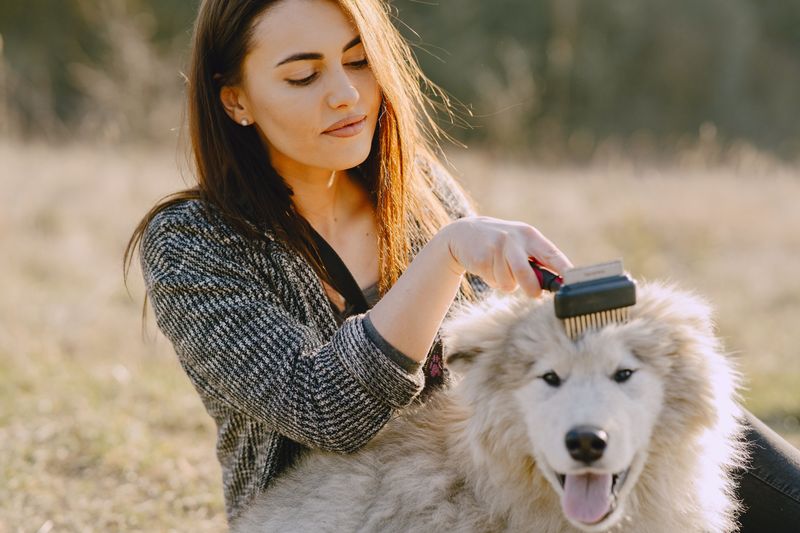
Brushing does double duty. It clears debris from the coat while giving you a close view of the skin.
Choose a brush suited to your dog’s coat type and work in sections. A fine comb catches small passengers that a slicker might miss.
Doing it outside keeps mess and any loose ticks off your floors. Most dogs settle right into the rhythm and enjoy the attention.
Keep Tick-Removal Supplies Ready

Scrambling for tweezers is nobody’s idea of fun. Keep fine-tipped tweezers or a purpose-made tick tool where you can grab it fast.
Grasp close to the skin and pull steadily upward, without twisting or squeezing the body. Clean the area afterward.
Save the tick in a sealed bag if you want it identified. Call your veterinarian with any questions about the bite or your dog’s health.
Make Tick Checks Part Of Every Connecticut Hike
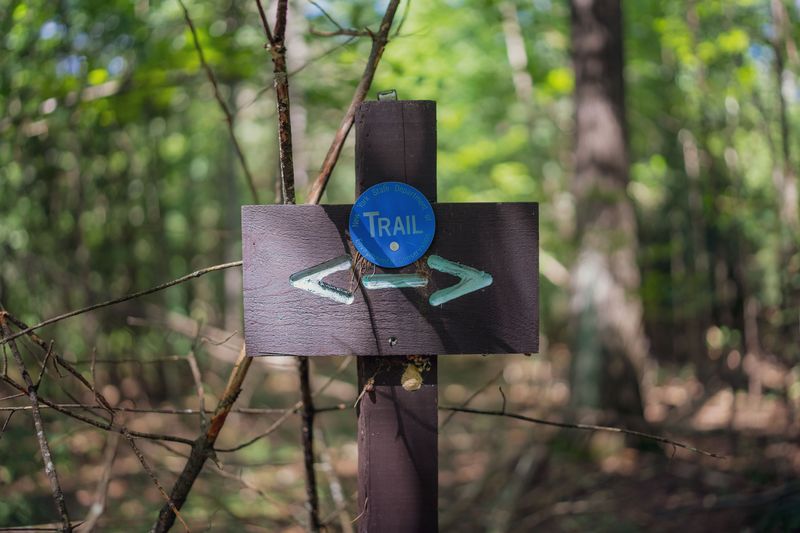
Habit beats effort every time. Tying the check to something you already do, like unclipping the leash, makes it stick.
Connecticut trails see tick activity across much of the year, including mild winter stretches. Consistency matters more than the calendar.
Ask your veterinarian about year-round preventives suited to your dog. Products vary, so professional guidance is worth more than online guesswork.
Check Your Dog Even After A Short Walk
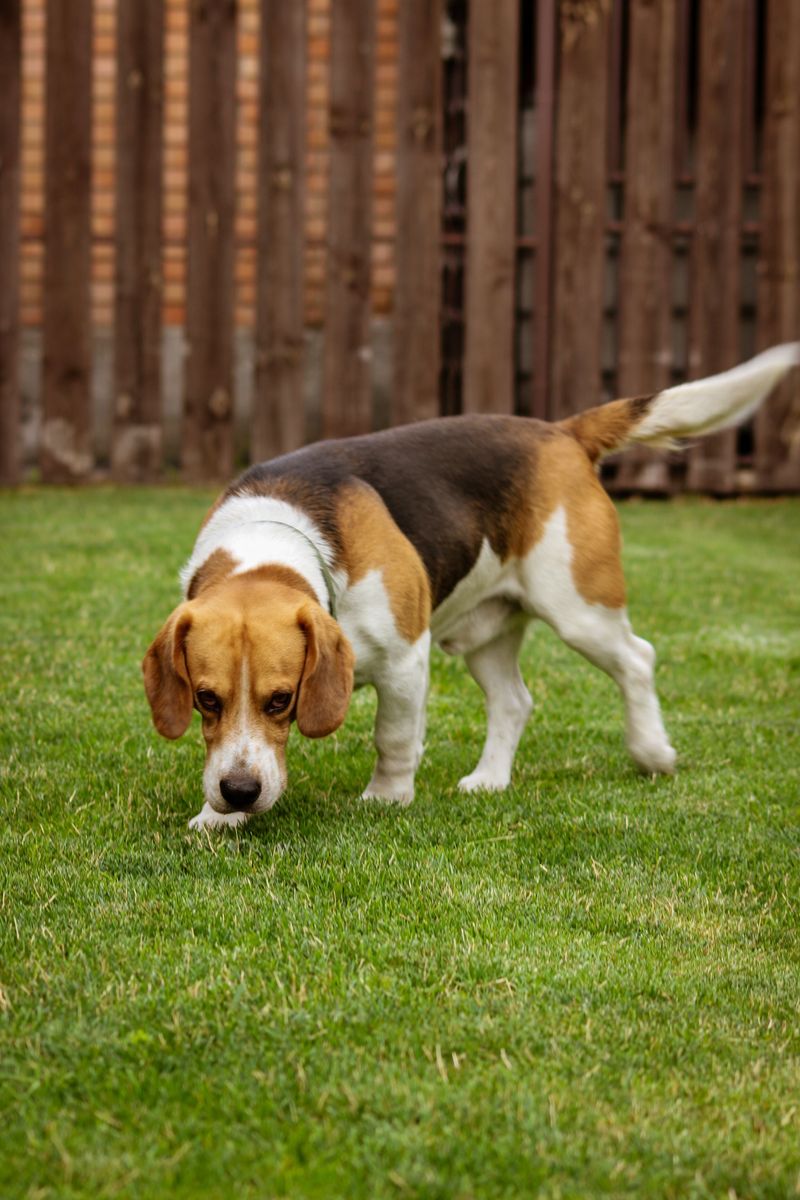
Backyards count. A quick trip to the edge of the lawn, where mowed grass meets the woods, is prime tick territory.
Ticks do not care whether you hiked five miles or five minutes. Vegetation and leaf litter are what matter.
Keep the short-walk version simple: ears, neck, legs, belly. Thirty seconds of attention after a neighborhood loop still catches plenty.