What Rhode Island Dog Owners Should Know About Seasonal Beach Restrictions
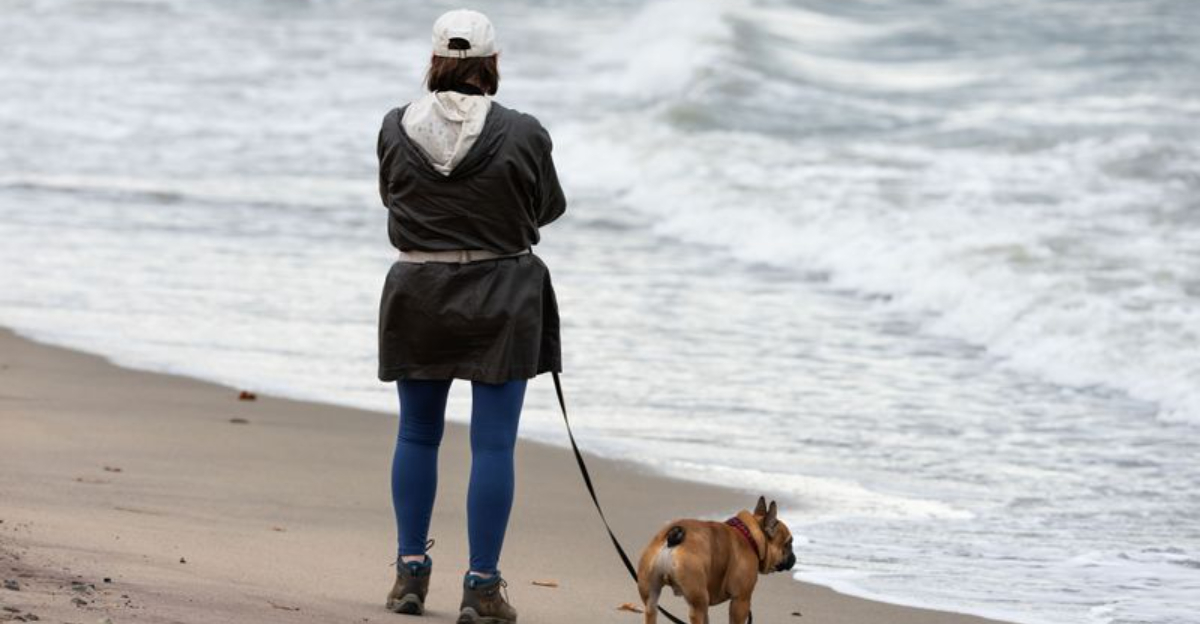
If you love walking the shoreline with your dog, Rhode Island’s beach rules are worth learning early. Some stretches of sand welcome pets in the cooler months, while state beaches close their doors to dogs through the warm season.
The rules are not complicated once you know the pattern, but they do shift by town, by beach, and by time of year. Here is a friendly walkthrough of what local owners should keep in mind before loading up the car.
State Beaches Restrict Dogs During the Warmer Months

Mark your calendar for the big one first. Rhode Island state beaches generally prohibit dogs from April 1 through September 30.
The restriction holds even when your dog is leashed and perfectly behaved. Many owners assume good manners earn an exception, but the rule is about the season, not the individual pet.
Planning shoreline outings around those six months saves you a wasted drive. Confirm current dates with the state parks office before any trip.
The Restriction Covers Designated Swimming Areas

Swim zones get their own layer of protection. State rules specifically prohibit animals, except service animals, in designated swim areas during the April through September period.
Here is where confusion creeps in. A dog-friendly stretch of shoreline does not automatically mean dogs may enter a marked swimming area.
Look for buoys, ropes, or lifeguard stands that mark the boundary. Keeping your dog well outside those markers is the simplest way to stay compliant.
After-Hours Access Does Not Automatically Make Dogs Allowed

Sunrise walks feel like a loophole, but they usually are not. Dog owners should not assume that an early morning or late evening visit avoids the seasonal restriction.
Rhode Island has previously stated that the no-animal rule applies after hours as well.
Empty sand can be tempting when the parking lot sits quiet. Save those quiet-hour strolls for beaches that clearly allow pets year round, and verify the posted hours and rules first.
Town Beaches Can Have Different Rules

One statewide rule would be convenient, but that is not how it works here. Local beaches may set their own pet policies.
Rhode Island does not have one identical rule for every beach in every community. Narragansett, Westerly, and Middletown can each take a different approach.
Check the specific town’s regulations before heading out with your dog. A quick look at the municipal parks or recreation page usually answers the question in a minute.
Look for Posted Signs Before Unleashing Your Dog
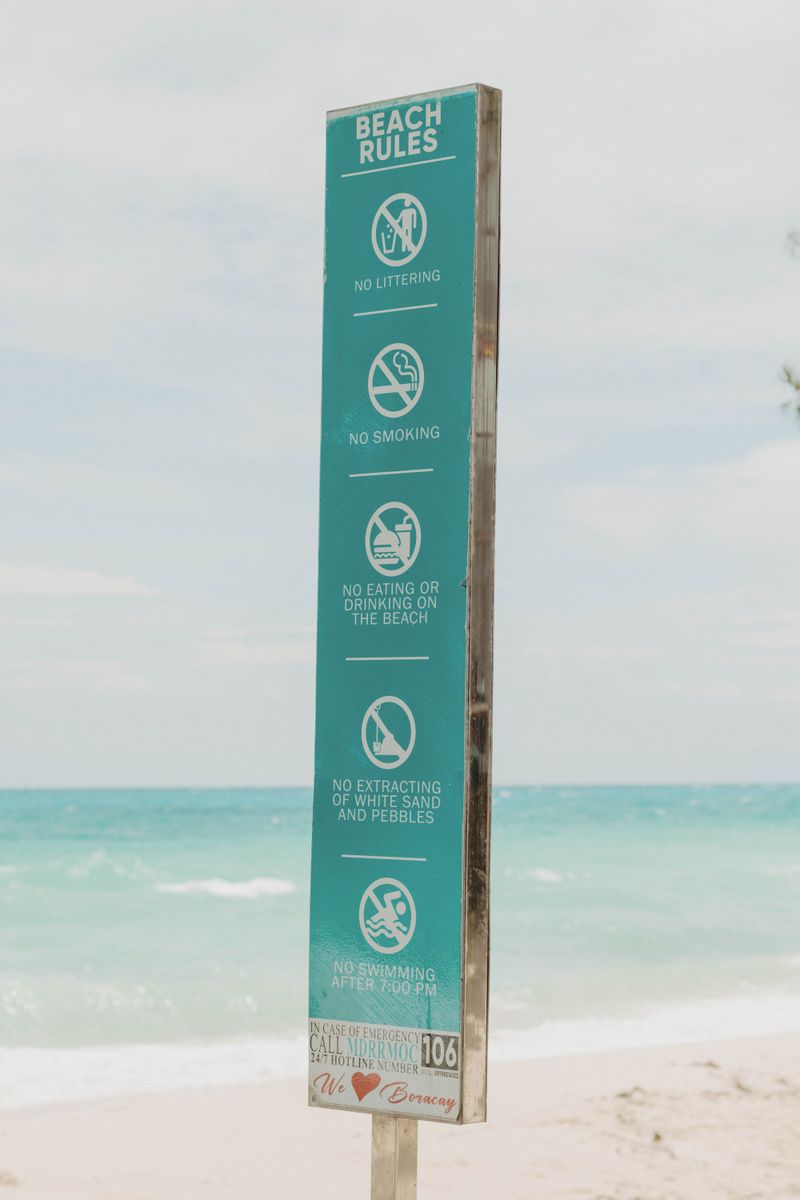
Signage is your best friend on unfamiliar sand. Beach rules are often posted at the entrance or along the shoreline.
Check posted signs along with the beach’s current official rules. Seasonal and wildlife restrictions can vary by location, so do not rely on signage alone if the official information says otherwise.
Snap a photo of the sign with your phone if you want a reference later. That habit clears up any confusion if someone asks about the local policy.
Leash Rules Still Matter

Permission to bring your dog is not the same as permission to let them roam. When dogs are allowed, local leash requirements can still apply.
Rhode Island’s Department of Health advises following the leash laws for your city or town. The same guidance recommends keeping dogs leashed at state parks and beaches.
A sturdy six-foot lead gives you control near crowds, birds, and rolling waves. Retractable leads offer less reliable handling on open sand.
Service Animals Are Treated Differently

Federal law shapes this part of the policy. The seasonal state-beach animal restriction includes an exception for service animals as defined by the Americans with Disabilities Act.
Pet dogs and service animals should not be treated as interchangeable under these rules. A well-trained family pet does not qualify simply by being obedient.
If you rely on a service animal, understanding that distinction helps you visit with confidence. Staff can answer questions permitted under ADA guidance.
Wildlife Protection Can Affect Dog Access

Rhode Island’s coastline doubles as a nursery for nesting shorebirds. Several beaches protect those birds and other coastal wildlife during nesting season.
Dog owners should follow posted wildlife restrictions and keep pets well away from protected areas. Even a curious sniff near a nesting zone can disturb the birds.
Roped sections and small warning signs usually mark the boundaries clearly. Steering wide of them protects the birds and keeps your access intact.
Some Protected Beaches Have Additional Dog Restrictions
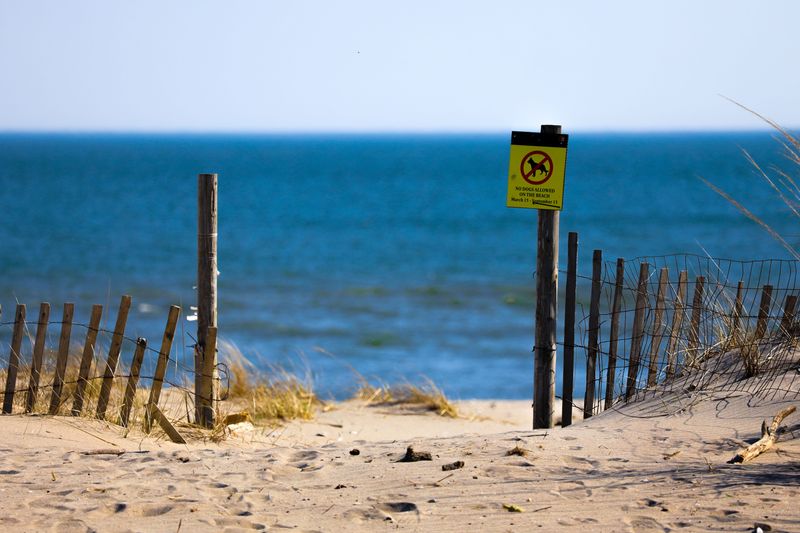
Conservation land plays by its own book. Certain protected areas carry rules that go beyond ordinary town or state beach policies.
Rhode Island has identified beaches where dogs are restricted from April through September specifically because of wildlife protection.
Refuges and management areas may also limit access to particular trails or dune crossings. Reading the kiosk at the trailhead takes a moment and prevents an accidental violation on a beautiful morning walk.
State Beaches May Ban Dogs Even When Other Pets Are Not the Issue

Individual state beach pages spell out their own restriction lists. Dogs and pets commonly appear among the prohibited items.
Roger Wheeler, Scarborough North, Salty Brine, East Beach, and Misquamicut currently list dogs and pets as not permitted.
Reading the specific beach page beats relying on general assumptions. Policies are written per location, so the details you need are usually right there on the official listing before you go.
The Beach Season and Dog Restriction Dates Are Not Exactly the Same

Two different calendars are at play, and mixing them up trips people up every spring.
Rhode Island’s 2026 state beach amenities generally begin opening around Memorial Day weekend. The state dog restriction, though, runs from April 1 through September 30.
The dog rule does not simply begin when summer beach operations start. April and May visits still fall inside the restricted window, even when concession stands and lifeguard chairs sit empty.
September Does Not Automatically Mean Dogs Are Allowed

Cooler air and thinner crowds make September feel like the off-season. The seasonal restriction, however, continues through September 30.
The arrival of fall weather does not necessarily mean you can bring your dog to a state beach. October 1 is the first day outside that statewide seasonal period.
Local dog owners often circle that date. It marks the start of long, breezy shoreline walks with a happy pup alongside.
Check the Exact Beach Before Planning a Trip
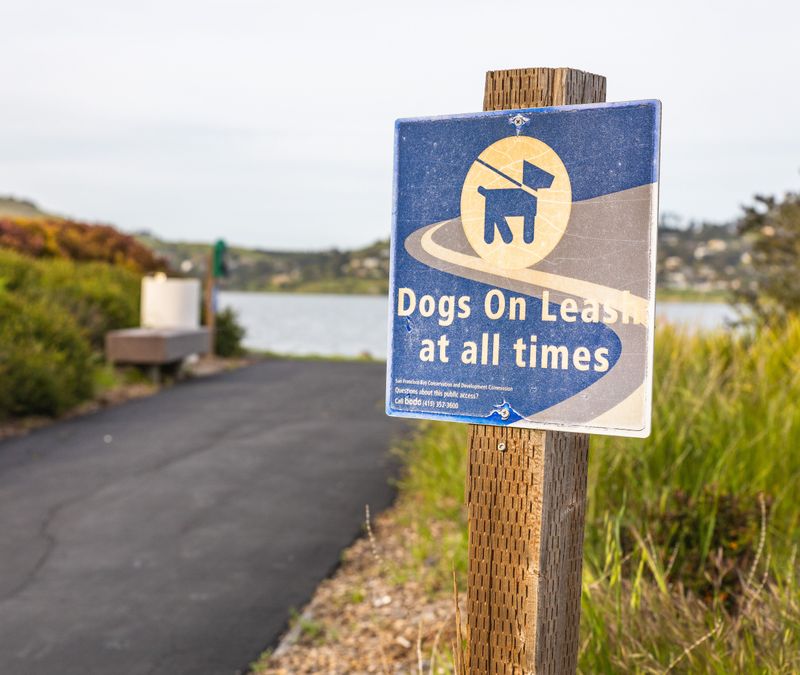
Rules can differ between state, municipal, and conservation beaches sitting only minutes apart. Two neighboring shorelines may treat dogs very differently.
A quick check of the beach’s current rules prevents an otherwise frustrating trip.
Bookmark the official page for the spots you visit most. When in doubt, a short call to the town clerk, parks department, or animal control office clears things up fast.
Beach Parking Rules Are Separate From Pet Rules

A parking pass is a receipt, not a permission slip for your dog. Having permission to park at a state beach does not mean your pet is welcome on the sand.
A state beach parking pass only provides access to the parking lot and does not override the beach’s pet restrictions. Dogs remain subject to the applicable beach rules.
Season pass holders sometimes learn this at the gate. Sorting out both details ahead of time keeps arrival day smooth and stress free for everyone in the car.
Dogs Should Never Be Left Unattended

Warm sand, moving water, and unfamiliar dogs add up to a busy environment. At locations where dogs are permitted, keep yours under control and never leave them alone.
Rhode Island state campground policies echo the same themes: leash use, proper identification, cleanup, and preventing disturbances to other visitors.
Bring fresh water and a shady spot for breaks. A rested, hydrated dog stays calmer and easier to manage throughout the visit.
Always Clean Up After Your Dog
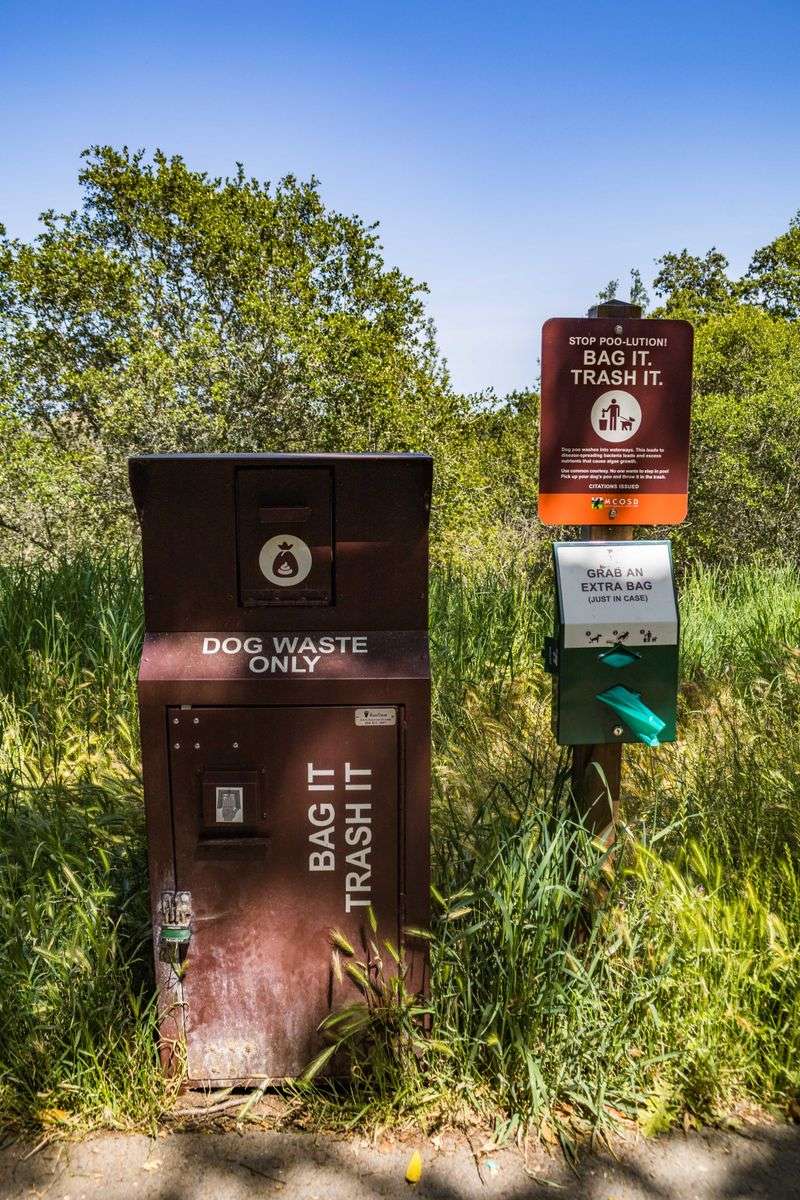
Nobody enjoys this chore, yet it protects water quality for everyone. Pet waste can pollute beach areas and create health concerns for swimmers.
Rhode Island’s Department of Health specifically reminds beach visitors to scoop and properly dispose of pet waste.
Keep a roll of bags clipped to the leash so you are never caught short. Carrying waste to a proper receptacle, rather than burying it, is the right call.
Seasonal Rules Can Change, So Check Before Each Visit
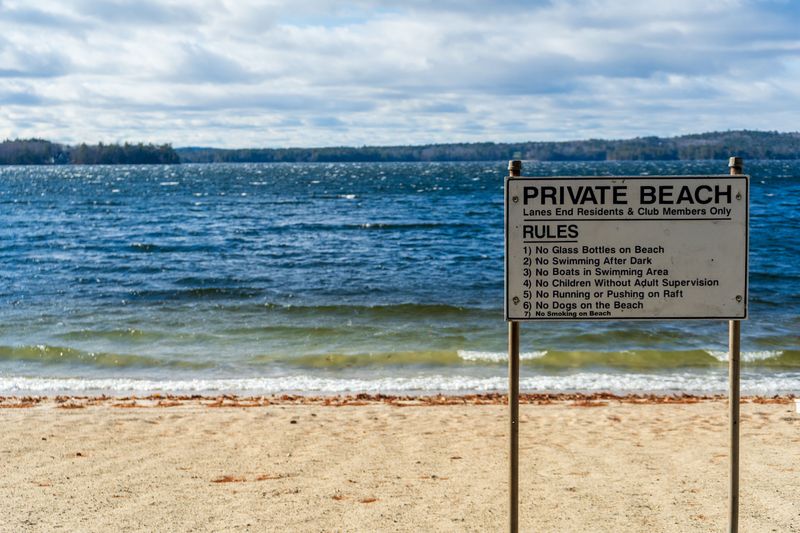
Policies rarely stay frozen. Beach rules, staffing levels, wildlife protections, and operating conditions can shift from one season to the next.
Checking the current official rules before leaving home is the safest way to know whether your dog can join you.
Learn the pattern, respect the posted signs, and confirm the details for your chosen beach. Do that, and Rhode Island’s shoreline stays a welcoming place for you and your dog.